
Drought-tolerant landscaping has become a practical and stylish solution for homeowners who want beauty without excessive water use. Xeriscape backyards focus on sustainable design, combining native plants, gravel pathways, and hardscaping elements to create outdoor spaces that are both functional and attractive. This approach reduces maintenance while supporting eco-friendly living, making it ideal for dry climates or anyone seeking long-term efficiency. From succulents to ornamental grasses, xeriscaping provides endless design opportunities that highlight texture and color. This guide shares inspiring xeriscape backyard ideas that balance conservation with curb appeal, helping readers design landscapes that thrive with minimal resources.
Sunburst Grass Clusters
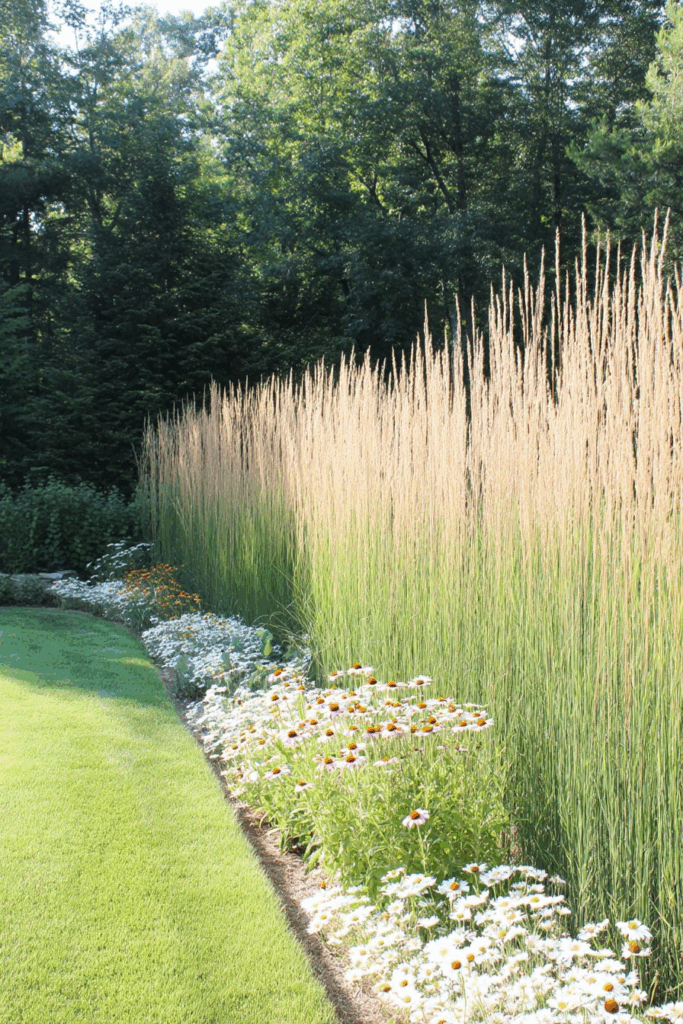
Radiating patterns created with ornamental grasses provide structure and drama to a xeriscape backyard. By arranging fountain grass, blue oat grass, or Mexican feather grass in concentric bursts, the planting mimics natural sunbeams. This layout not only looks striking but also thrives in hot, dry climates with minimal irrigation. The movement of grasses in the wind introduces texture and a sense of life to otherwise static designs. Clumping grasses anchor the soil, reducing erosion and keeping maintenance low. Strategically placing taller grasses in the center with shorter species around the edges allows for layered visual interest. Seasonal color shifts add depth—greens in spring, golden hues in summer, and feathery tans in fall. These clusters also attract beneficial pollinators and birds that find shelter within the blades. Gravel mulch surrounding the plants highlights their form while conserving precious moisture. The design pairs beautifully with stone paths or desert boulders, ensuring harmony with the broader xeriscape style. Sunburst formations are adaptable, whether framing a courtyard, edging a patio, or defining an open lawn replacement. By using drought-tolerant species, homeowners gain striking beauty without heavy upkeep, making this approach ideal for sustainable landscaping.
Pebbled Step Ribbon Paths
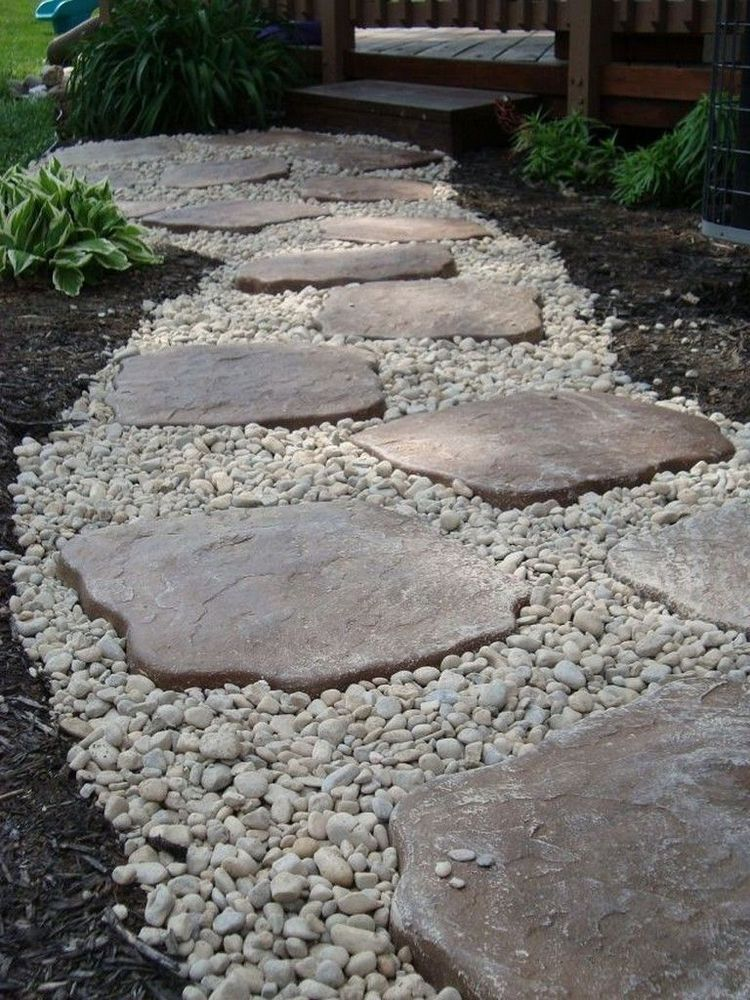
Movement across a xeriscape often calls for footpaths that blend practicality with artistry. Pebbled step ribbons use natural stone pavers set in gravel strips, creating a lightweight, water-permeable walkway. Each step stone acts as a functional anchor while the surrounding pebbles soften the layout and reduce runoff. Choosing local stones ensures a natural color palette that complements native plantings. The ribbon design allows grass alternatives, such as creeping thyme or blue star creeper, to weave between stones, adding seasonal fragrance and subtle color. Unlike poured concrete, these paths breathe with the earth, preventing heat buildup and fostering water infiltration. Homeowners can easily customize spacing to suit stride length, creating comfort as well as rhythm. Evening lighting along the edges enhances the gentle texture of the pebbles and supports safe navigation. Maintenance remains minimal, often requiring only an occasional raking to reset stones or redistribute gravel. These pathways transition smoothly from patio to planting beds, guiding visitors while preserving the natural flow of the garden. By using drought-resistant groundcovers and stone, pebbled ribbons provide longevity and character without sacrificing sustainability. In climates where water is limited, this approach balances resilience with refined beauty, fitting seamlessly into any xeriscape backyard plan.
Desert Drift Boulders
Large stones act as sculptural anchors in xeriscape gardens, and drift boulders bring the essence of arid landscapes directly into a backyard. Carefully placed, they mimic the appearance of naturally eroded forms carried by ancient desert winds. Positioning boulders in asymmetrical clusters creates a sense of natural randomness while still appearing deliberate. Their mass stabilizes slopes and helps retain soil, making them functional as well as ornamental. Pairing boulders with drought-tolerant plants such as yucca, agave, or desert marigold highlights contrasts between rigid stone and living texture. Sunlight changes throughout the day, casting dynamic shadows across surfaces, giving the space evolving character. Surrounding boulders with gravel mulch or decomposed granite integrates them smoothly into the ground plane. They can serve as informal seating or visual markers along pathways without requiring additional construction. Choosing stones that reflect regional geology ensures cohesion with the natural environment, promoting authenticity in design. In smaller yards, even one or two drift boulders can define a focal point, while larger spaces benefit from layered groupings. Their durability ensures they outlast seasonal planting cycles, offering permanent grounding for the xeriscape. Ultimately, desert drift boulders bring rugged elegance and structural depth to sustainable backyard landscapes.
Succulent Spiral Beds
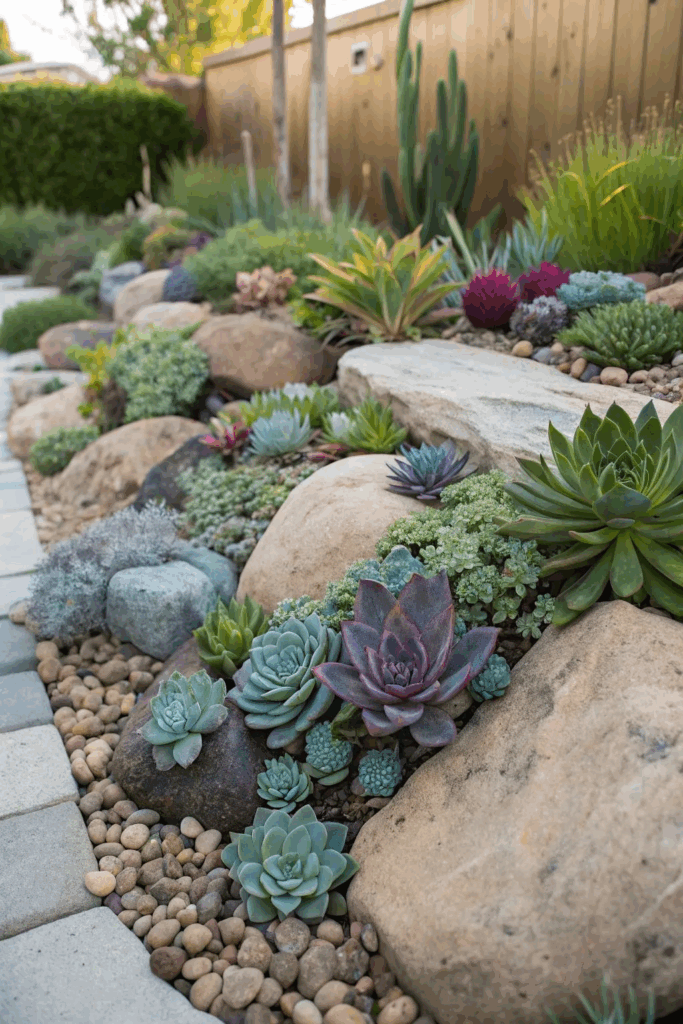
Geometric planting layouts add intrigue, and spiral beds of succulents create both movement and water efficiency. By arranging echeveria, sedum, and aloe in swirling formations, the design draws the eye inward while showcasing varied leaf shapes and tones. These plants thrive in arid conditions, requiring little more than occasional deep watering and plenty of sunlight. Gravel or sand topdressing highlights their architectural foliage and prevents soil evaporation. Spirals work in both large open plots and compact courtyards, making them versatile across yard sizes. Raised mounds emphasize the pattern and provide improved drainage essential for succulent health. Accent lighting after dark accentuates the spiral’s form, turning it into a glowing centerpiece. The arrangement also fosters a sense of calm, echoing patterns often seen in nature such as shells and galaxies. Succulent spirals can be paired with decorative boulders or pottery at focal points for added artistry. Because of their low-maintenance requirements, these beds are ideal for homeowners seeking striking visuals with minimal care. Over time, succulents spread gently, filling gaps and reinforcing the design. A spiral bed not only conserves water but also transforms simple plants into living sculptures, making it a highlight in any xeriscape backyard.
Layered Shade Canopy
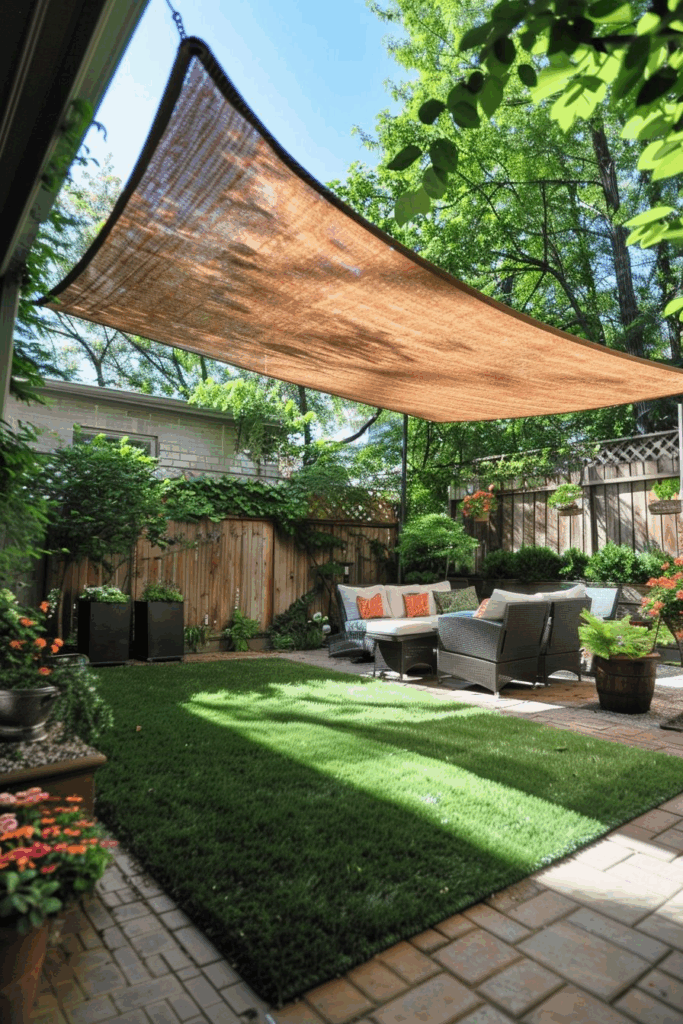
Heat management plays a central role in xeriscape backyard planning, and layered shade canopies provide relief while conserving resources. By combining pergolas, trellises, and strategically planted trees, multiple layers of dappled shade are achieved without compromising airflow. Native trees such as mesquite or desert willow grow quickly and withstand drought, providing overhead cover. Beneath, climbing vines like trumpet vine or bougainvillea can be trained across trellises, introducing seasonal color. The interplay of wood, metal, or reclaimed beams with greenery adds visual warmth and dimension. These layers protect soil from drying out, reduce heat stress on surrounding plantings, and create cooler microclimates for seating areas. Solar lights or lanterns integrated into the framework extend usability into evening hours. Because structures filter rather than block sunlight, they allow understory plants like shade-tolerant grasses or ferns to thrive. Rainwater catch systems can be attached to the canopy to collect runoff, further reinforcing sustainability. Proper spacing ensures breezes move freely, preventing stagnant heat. Maintenance involves pruning vines and resealing wooden supports, but effort remains minimal compared to comfort gained. Ultimately, layered canopies enhance livability, making xeriscape spaces functional year-round while respecting ecological balance.
Rain Garden Refill Pits
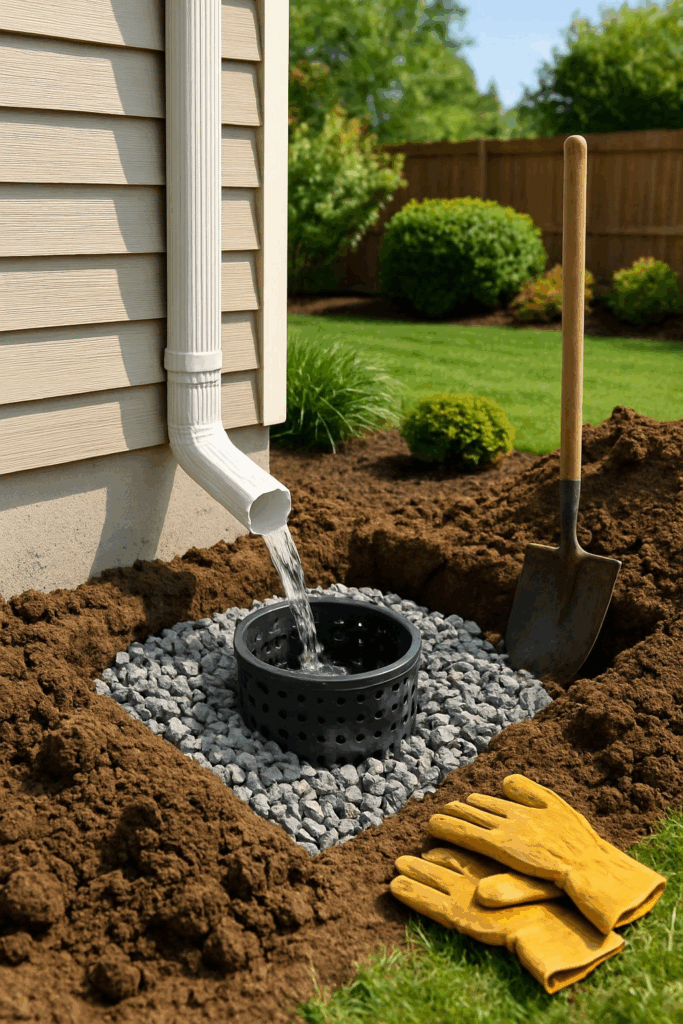
Managing water responsibly is central to xeriscape design, and refill pits act as functional oases during rainfall. These shallow depressions are strategically positioned where runoff naturally collects, allowing stormwater to filter into the soil rather than drain away. By planting drought-tolerant species such as blackfoot daisy, desert willow saplings, or blue grama grass inside the pits, water is absorbed efficiently while enhancing biodiversity. Gravel layers at the base aid percolation and prevent standing water that could attract pests. Edges can be lined with river stones or reclaimed bricks, reinforcing the shape while blending seamlessly with surrounding landscapes. During dry periods, these pits remain visually pleasing as subtle sunken beds, requiring only occasional irrigation. Seasonal rains bring them alive, replenishing aquifers and reducing pressure on irrigation systems. Wildlife, including butterflies and songbirds, are naturally drawn to the moisture, further enriching the ecosystem. Homeowners benefit from improved drainage, fewer erosion issues, and a visually engaging feature that evolves with the seasons. Maintenance is simple, involving occasional clearing of debris and checking plant health. By using refill pits, xeriscape backyards harness rainfall efficiently, turning every drop into a resource while strengthening ecological balance.
Reclaimed Tile Mosaic Feature
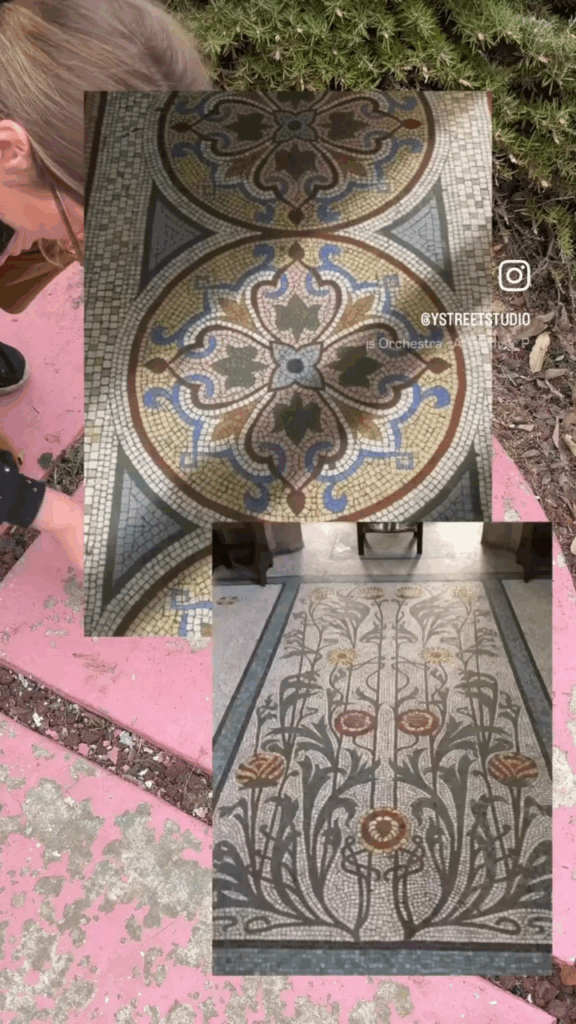
Sustainability meets artistry when broken or surplus tiles are repurposed into mosaic accents within xeriscape settings. These colorful pieces can be arranged into geometric patterns, mandalas, or abstract flows across patio surfaces, planter faces, or garden borders. The contrast between hard tile and soft native vegetation brings energy and personality without straining resources. Grouting tiles onto concrete pads ensures durability in outdoor climates, while embedding them into pathways softens transitions. Choosing earthy terracotta tones, deep blues, or bright Mediterranean hues injects visual warmth into otherwise neutral gravel landscapes. Homeowners can source materials from salvage yards, reducing landfill waste while cutting costs. When combined with native stone or reclaimed wood, the mosaics highlight sustainable design choices. Placement at focal points—such as beneath a pergola, around a fountain, or in the center of a seating circle—draws attention and sparks conversation. Unlike water-hungry flower beds, tile mosaics deliver beauty without ongoing upkeep. Regular sweeping and occasional resealing maintain vibrancy, making them long-lasting highlights in arid regions. These features prove that xeriscaping isn’t solely about conservation; it also provides opportunities for creative expression. Integrating reclaimed mosaics ensures backyards reflect both environmental mindfulness and individual style.
Tactile Tranquility Seating Circles
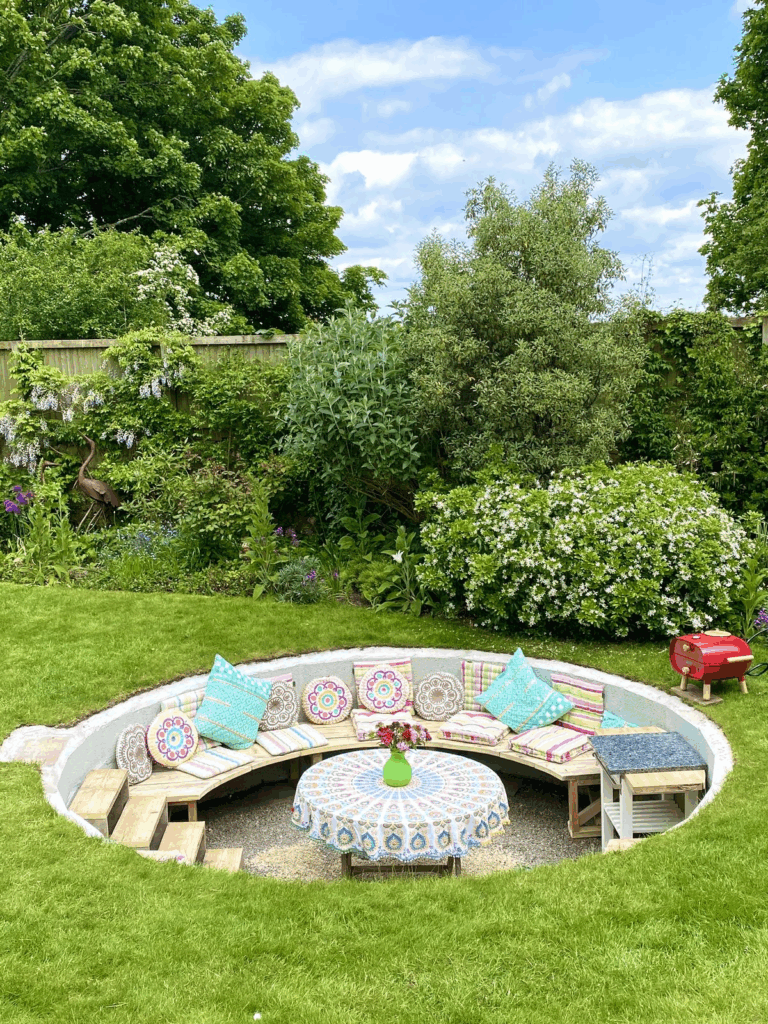
Backyard design gains depth when spaces are shaped intentionally for gathering, and circular seating zones provide both function and harmony. Constructed from decomposed granite, gravel, or permeable pavers, these circles merge seamlessly into xeriscape landscapes. Low-profile stone or wooden benches arranged in a ring invite conversation while maintaining an unobtrusive footprint. The circular form encourages equality and relaxation, making it ideal for social gatherings or quiet meditation. Surrounding the perimeter with drought-tolerant ornamental grasses, agave, or lavender integrates texture and fragrance without requiring heavy maintenance. For added comfort, cushions made from weather-resistant fabrics can be layered onto the seating. Solar lanterns or recessed ground lighting accentuate the circle’s shape in the evening, extending its use into cooler hours. The layout also works as a firepit hub, provided proper heat-resistant materials are selected. Gravel mulch underfoot reduces weeds and promotes drainage, ensuring the zone remains clean with little effort. Maintenance demands stay minimal—occasional raking and bench care suffice. By centering human interaction within a sustainable framework, seating circles embody the essence of xeriscaping: thoughtful, eco-friendly, and enduring design that prioritizes comfort alongside conservation.
Driftwood & Agave Moments

Natural textures provide striking contrast in dry landscapes, and pairing sun-bleached driftwood with structural agave plants delivers timeless desert character. Driftwood pieces, whether large sculptural trunks or smaller branches, can be staged as focal points or edging material. Their organic forms echo the resilience of arid environments while requiring no upkeep. Agaves, with their bold rosettes and sculptural leaves, reinforce the rugged aesthetic and thrive on minimal water. Positioning driftwood beside agave highlights both elements, the weathered wood softening the plant’s architectural sharpness. Gravel mulch in neutral tones grounds the composition, while strategic placement of boulders or pottery extends its visual depth. Sunlight enhances the natural silvery-gray of driftwood and casts dramatic shadows across agave blades, intensifying the display. Over time, the wood may weather further, deepening its rustic beauty and blending seamlessly with the xeriscape theme. Wildlife benefits as well—wood provides perches for birds and shelter for beneficial insects. This pairing exemplifies sustainability by reusing natural materials while relying on plants that thrive in low-water climates. Together, driftwood and agave create vignettes that celebrate resilience, artistry, and harmony within a backyard designed for long-term balance.
Sculptural Stone Pillars
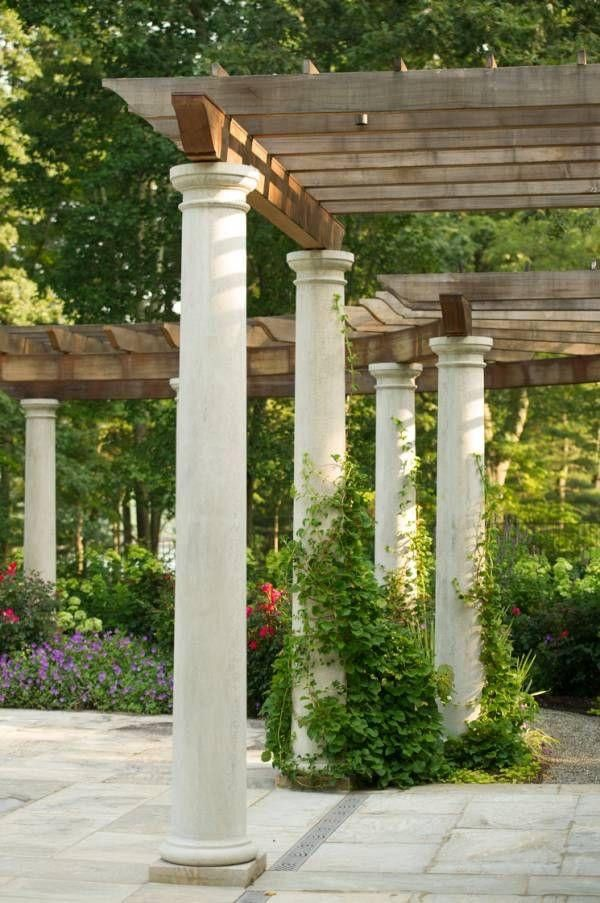
Verticality transforms a xeriscape from flat to dimensional, and stone pillars deliver height and drama without consuming resources. Constructed from stacked slate, basalt columns, or cut limestone, these upright forms become architectural anchors. Their linear presence contrasts beautifully with the horizontal spread of gravel beds and low-growing succulents. When grouped in odd numbers, the pillars mimic natural rock outcrops, lending authenticity to the design. Water features can also be integrated by hollowing the tops, allowing trickles of water to cascade down for subtle movement. Lighting from below emphasizes textures and creates striking silhouettes after dark. Pillars serve as visual dividers, guiding sightlines toward focal areas such as patios or firepits. Their durability ensures permanence, requiring virtually no maintenance beyond occasional cleaning. Choosing stone that reflects regional geology helps the installation blend naturally into its environment. Accenting the base with desert blooms or trailing groundcovers softens edges while preserving water efficiency. Whether standing as single statement pieces or arranged in clusters, stone pillars enhance the sense of scale and permanence. This vertical emphasis ensures xeriscape backyards feel structured, dynamic, and artfully composed.
Natural Screen Layers
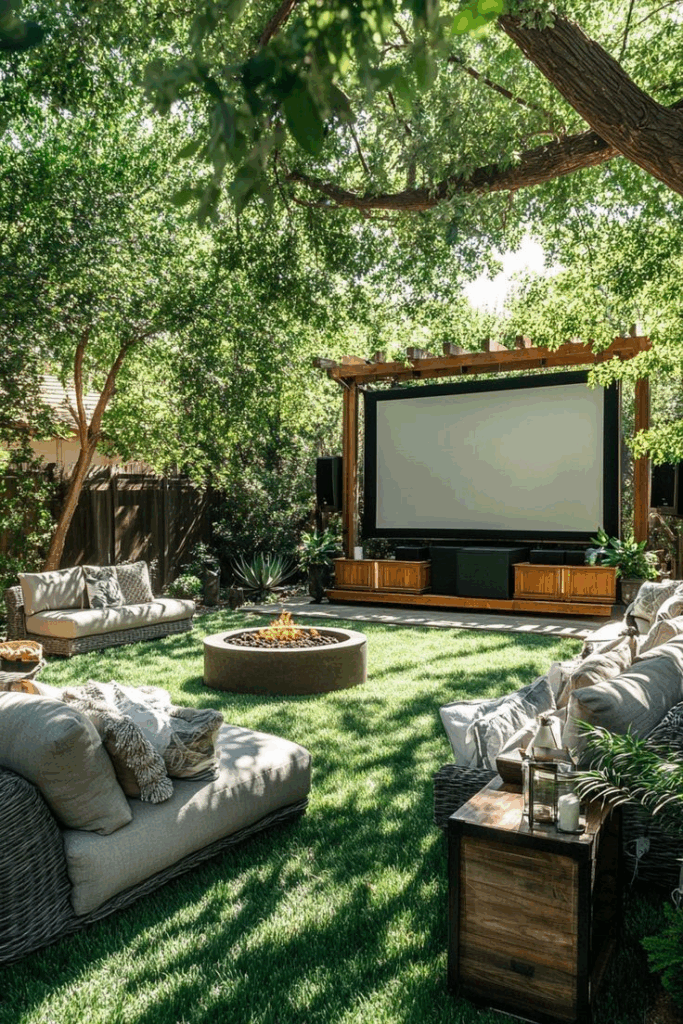
Privacy and shelter can be achieved without heavy fencing by layering drought-tolerant plants that double as living screens. Using staggered rows of tall grasses, shrubs, and smaller understory plants creates a natural barrier that grows denser over time. Species such as Texas sage, hopseed bush, or desert willow thrive in arid conditions and maintain greenery even under limited irrigation. Beneath, medium-height plants like yucca or red hot poker add variety, while creeping groundcovers tie the layers together. This approach filters wind, reduces dust, and softens harsh sunlight without needing artificial structures. Seasonal blooms also bring color and attract pollinators, ensuring ecological value. Gravel mulch between rows helps retain soil moisture and highlights plant textures. Compared to fences, these living layers adapt with the seasons and require only pruning or occasional deep watering. The multi-tiered effect adds depth, turning simple boundaries into visually rich backdrops for seating areas or patios. By choosing species native to the region, maintenance decreases and resilience increases. Natural screens embody the essence of xeriscaping: functional, water-wise, and aesthetically enduring solutions for modern outdoor living.
Moonlight Glow Gravel
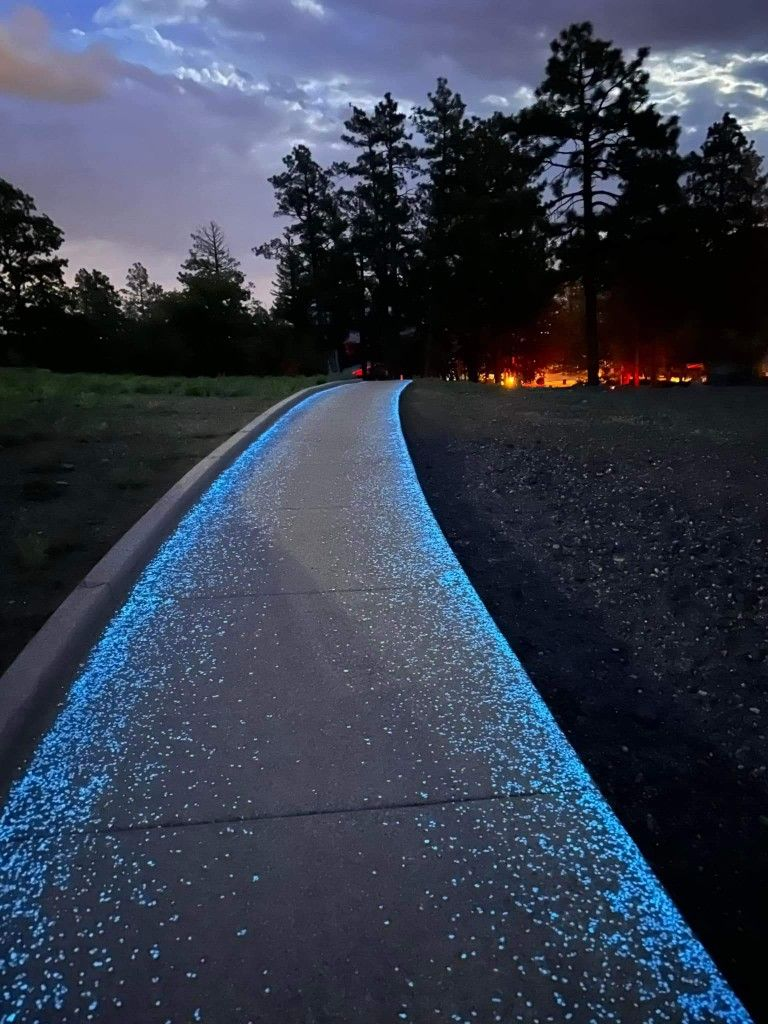
Nighttime design elements carry equal importance in arid landscapes, and gravel with reflective qualities can transform evening ambiance. Pale crushed granite, quartz, or white limestone reflects soft moonlight, brightening pathways and open spaces without artificial lighting. This glow reduces the need for electricity while enhancing nighttime usability of the backyard. Paired with strategically placed darker boulders or plants, the luminous groundcover creates dramatic contrast. During the day, light gravel also reflects heat, keeping surfaces cooler than traditional concrete. To prevent washouts, gravel should be compacted and edged with steel, stone, or wood borders for stability. Integrating solar lights at intervals amplifies the shimmering effect, making paths safer and visually captivating. Complementary plantings, such as silvery lamb’s ear or artemisia, echo the glow and add textural richness. Maintenance involves occasional raking to redistribute stones and remove debris, ensuring surfaces remain even. Beyond function, moonlight gravel builds atmosphere—perfect for gatherings under the night sky or quiet relaxation in the cool of evening. This approach highlights how xeriscape principles merge sustainability with sensory beauty, ensuring outdoor spaces remain enchanting after sunset.