
Natural textures have the power to transform outdoor spaces, and river rocks stand out as one of the most versatile choices for landscaping. Their durability, variety of sizes, and smooth appearance make them ideal for pathways, garden borders, drainage solutions, and decorative accents. Beyond their visual appeal, river rocks help control erosion, retain soil moisture, and require little upkeep compared to other materials. For homeowners aiming to enhance both function and beauty, thoughtful designs with river rocks provide endless possibilities. This guide highlights creative river rock landscaping ideas that bring structure, character, and timeless charm to any yard.
Zen Ripple Mosaic
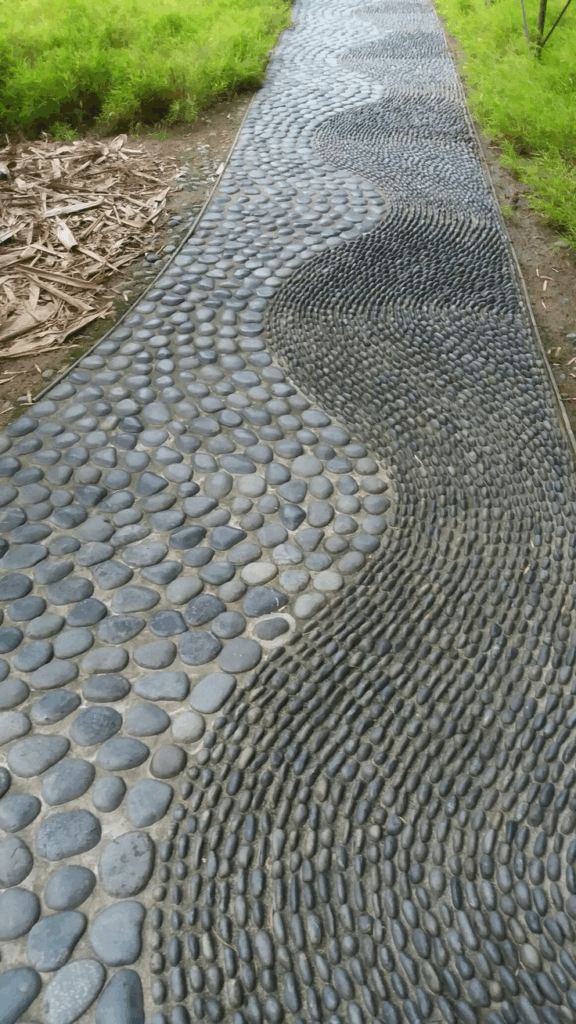
Circular patterns formed with river rocks can mirror the calming movement of water, making a ripple mosaic an ideal focal point for a meditation area. By carefully grading stone sizes from small pebbles to larger, flat river rocks, a layered ripple illusion emerges that softens otherwise rigid hardscape layouts. Gardeners often position these mosaics near entry points, under pergolas, or beside quiet seating zones to encourage mindfulness. Neutral gray, brown, and white tones remain popular, though darker stones can be used sparingly to define ripple edges. The benefit lies not only in its artistry but also in practicality: the tightly packed rocks stabilize soil and reduce weed intrusion. A ripple mosaic works particularly well in dry gardens where water features are not feasible, yet the design still recalls the movement of waves. When paired with low-profile groundcovers like creeping thyme or moss, the surface blends beautifully into its natural surroundings. Homeowners seeking durable, long-lasting accents also appreciate that river rocks resist erosion, fading, and seasonal wear. Maintenance involves little more than the occasional reset of shifted stones. This approach allows homeowners to integrate a timeless and symbolic element into their landscape, reinforcing balance, serenity, and grounding presence.
Contrasting Color Border
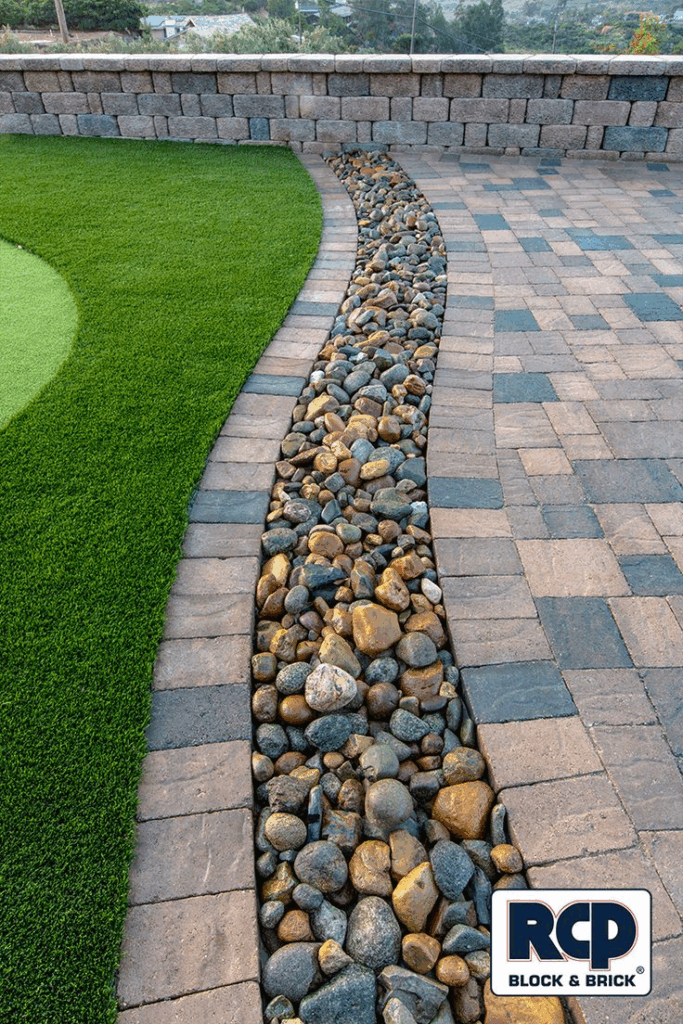
Sharp definition around planting beds or walkways can be achieved by selecting river rocks in colors that sharply contrast with surrounding surfaces. Pale stones placed alongside dark mulch create bold frames, while black or deep gray rocks highlight lawns or gravel paths. These borders function as more than design accents—they also help retain soil, prevent mulch scatter, and establish crisp separation between zones. Homeowners often prefer rounded river rocks for a softer outline, while flatter varieties can be set tightly for a more uniform edge. A practical advantage comes from reduced lawn encroachment, minimizing trimming and upkeep. Depending on style preference, borders may curve gently to follow organic lines or run straight for a more structured look. Contrasting tones also allow gardeners to experiment seasonally, adjusting mulch color or groundcover plants while still retaining consistent definition. When paired with ornamental grasses, perennials, or dwarf shrubs, the light-dark balance draws the eye naturally toward plantings. This technique works particularly well in small gardens where visual contrast enlarges the perceived space. River rock borders not only serve structural needs but also deliver long-term durability, resisting weather changes while maintaining color integrity. Their simplicity ensures an elegant, low-maintenance solution for defining outdoor zones.
Mixed-Material Cobble Path

Garden walkways become more visually dynamic when river rocks are integrated with other paving materials such as flagstone, brick, or wood slices. Alternating textures and tones provide contrast underfoot while ensuring durability. River rocks can be inset between larger slabs, forming natural grout lines that improve drainage and reduce pooling after rainfall. This combination balances formality with rustic charm, making it suitable for contemporary landscapes or cottage gardens alike. Functionally, the stones cushion foot traffic and prevent erosion in areas where soil may otherwise wash away. For additional interest, designers often use polished river rocks in one section and rougher cobbles in another, creating a subtle transition along the walkway. Lighting plays an important role here, as low garden lights enhance the mixed surfaces and highlight the texture variation at night. Gardeners also appreciate the versatility, since damaged sections are easier to repair by replacing only the individual stones rather than the full pathway. To reduce weed growth, a stable substrate of compacted sand or gravel should be placed beneath the mix. The end result is a path that feels both intentional and organic, offering visual rhythm, tactile experience, and practical resilience for outdoor spaces that see regular use.
Dry Creek Water Channel
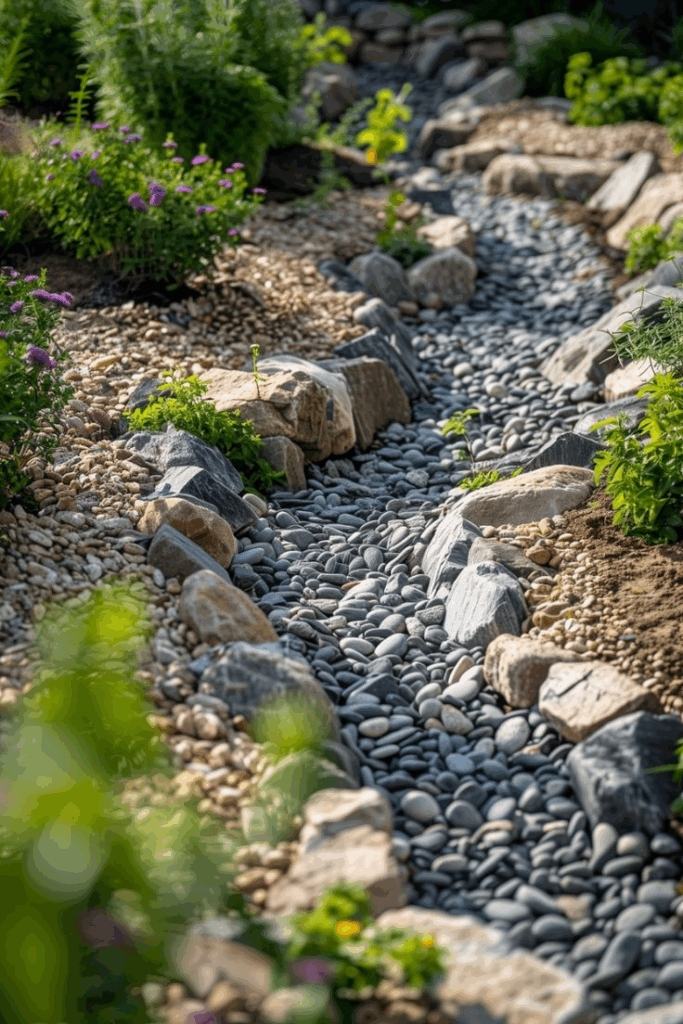
Re-creating the look of a natural stream bed with river rocks offers both beauty and function, especially in areas prone to runoff. A dry creek channel guides excess water safely through the yard while doubling as an attractive landscape feature during dry months. Typically, larger rocks are placed along the edges to mimic banks, while smaller pebbles and gravel fill the base to simulate flowing movement. This layering not only improves drainage but also strengthens soil stability, preventing erosion during heavy rains. Curving lines are preferred over straight layouts since they mirror the organic shapes of natural streams. Native grasses, sedges, and drought-tolerant plants along the edges soften the hardscape and attract beneficial wildlife. Garden designers frequently add driftwood pieces or upright boulders for authenticity, ensuring the feature blends into its surroundings seamlessly. Dry creek beds can be customized in scale—from small decorative sections tucked under trees to large channels that manage significant water flow. Beyond storm management, they introduce year-round texture and interest, even in winter. Homeowners seeking sustainability value this approach as it requires no pumping, lining, or filtration. It is a low-maintenance, eco-friendly design that transforms drainage solutions into aesthetically pleasing focal points.
Rooted Tree Bed Skirt
Protecting and beautifying the base of trees becomes effortless with a carefully arranged river rock skirt. This method prevents mower damage to trunks while discouraging weed growth. Rocks also aid in moisture retention, insulating roots during temperature fluctuations. The design typically begins with a circular trench dug around the dripline, then lined with a breathable fabric before layering the stones. Varying rock sizes can be mixed for a textured effect, or uniform pebbles can be used for a polished, consistent ring. Unlike organic mulches that decompose and require replenishment, river rock skirts remain stable for years, reducing long-term maintenance. Their weight prevents washout during storms, and their density minimizes soil compaction, protecting delicate feeder roots. Designers often coordinate rock colors with the broader landscape palette, ensuring the skirt feels intentional rather than out of place. Accenting the stone base with shade-loving perennials like hostas or ferns further softens the appearance, bringing balance between hardscape and greenery. This approach is particularly valuable in urban yards where space is limited, providing both visual order and functional tree care. By merging durability with understated beauty, river rock bed skirts deliver an enduring solution for protecting and showcasing mature or newly planted trees.
Succulent Gravel Oasis
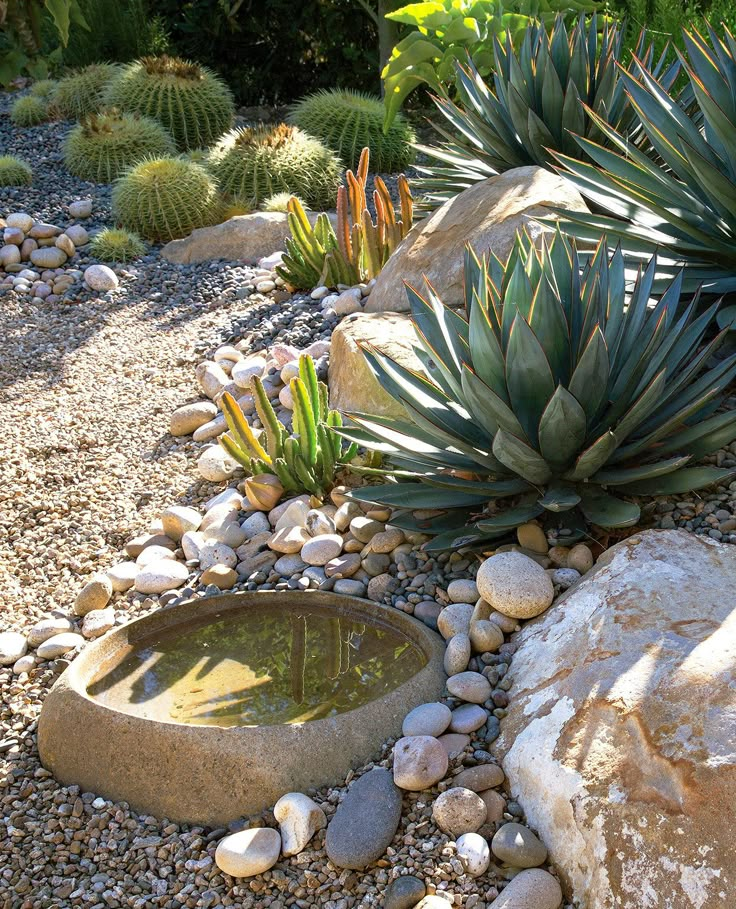
Low-maintenance gardens thrive when river rocks are paired with succulents in gravel-filled beds, forming an oasis that blends texture with drought tolerance. The stones provide excellent drainage, preventing root rot while stabilizing the soil surface against erosion. Designers often select pale river rocks to reflect heat and keep soil temperatures moderate, ensuring succulents like echeveria, agave, or sedum flourish. Varying stone sizes can be layered for depth, with larger rocks anchoring the edges and smaller pebbles filling open areas around the plants. This composition allows each succulent’s unique form and color to stand out dramatically against the neutral tones. Decorative boulders or driftwood can be integrated to mimic desert terrain, further reinforcing a natural look. Unlike bark mulch, river rocks do not decompose, offering a long-lasting base that requires little replacement. Maintenance typically involves clearing fallen leaves and occasionally rinsing dust from the stones to maintain brightness. To prevent weeds, a breathable landscape fabric beneath the gravel is recommended. This approach is especially appealing in arid climates where water conservation is critical, delivering beauty without sacrificing sustainability. A succulent gravel oasis captures the spirit of desert landscapes while providing homeowners with a vibrant, easy-care focal point that remains attractive year-round.
Fire-Pit Pebble Ring
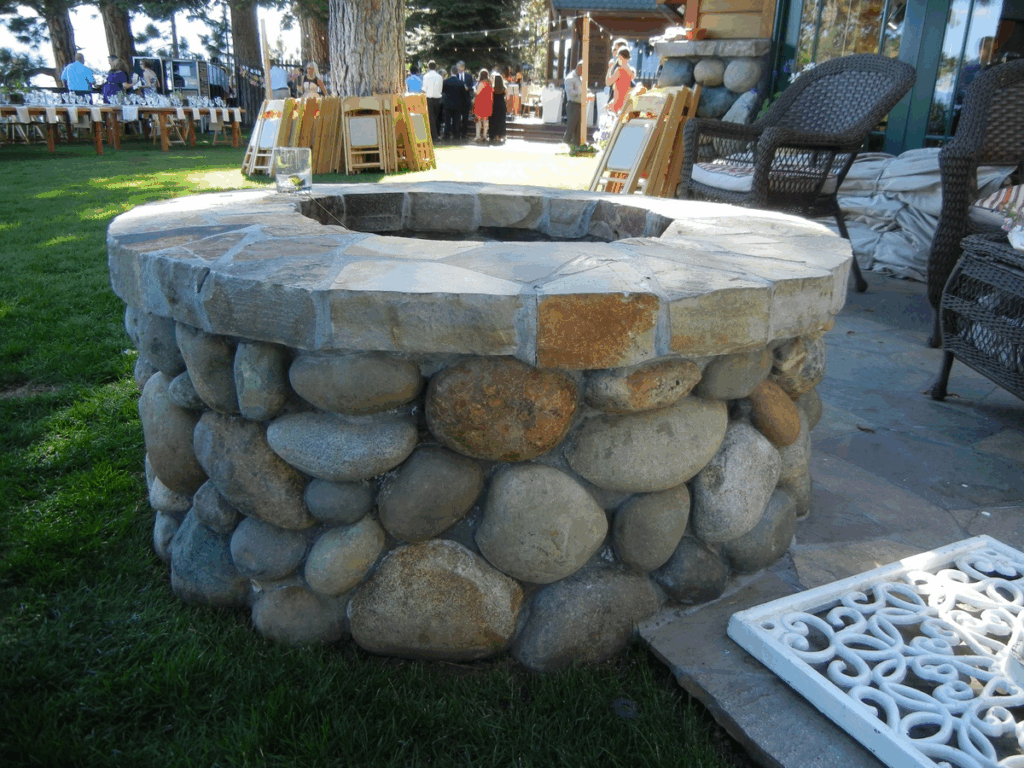
Outdoor gathering areas gain both function and safety when river rocks are arranged in a defined pebble ring around a fire pit. This perimeter prevents accidental grass scorch, reduces mud, and creates a clean seating environment. Medium to large stones are often selected for durability, forming a stable surface that handles high foot traffic. Designers sometimes mix darker stones with lighter tones to highlight the fire pit centerpiece and add visual warmth. Unlike pavers or poured concrete, river rocks remain cool to the touch and are easily rearranged, offering flexibility in shaping the ring. A compacted gravel base beneath ensures drainage, preventing pooling after rain. Homeowners appreciate that maintenance is minimal, with occasional raking to re-level displaced stones. The ring can be extended to accommodate seating or paired with flagstone pads for chairs. For a more polished aesthetic, edging stones can define the boundary sharply, while looser arrangements promote a rustic vibe. This design not only frames the fire pit but also improves safety by clearly delineating the burn area. By using durable, heat-resistant materials like river rock, the space remains long-lasting, functional, and attractive through repeated use, making it an essential feature for backyard entertainment zones.
Sculptural Cairn Accents
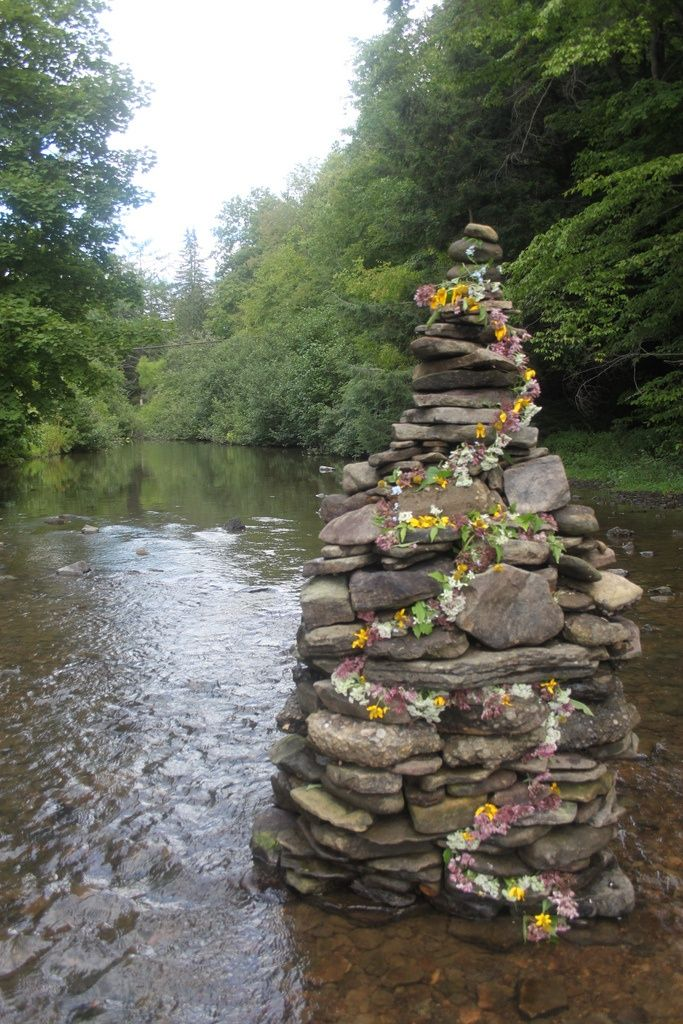
Stacked stone cairns bring a sculptural, artistic touch to landscapes while honoring ancient traditions of balance and guidance. River rocks, with their smooth, rounded surfaces, are ideal for this practice, as they naturally nest when carefully balanced. Cairns can serve purely decorative purposes or act as subtle markers along garden paths. Homeowners often vary the stone size—placing larger rocks at the base and smaller pebbles atop—to achieve stability and visual harmony. These stacks provide a meditative focal point, encouraging mindfulness in outdoor spaces. In water features, cairns can be positioned on banks or within shallow streams for added dimension. Designers sometimes highlight cairns with soft uplighting at night, casting dramatic shadows and amplifying their sculptural qualities. While temporary in nature, cairns symbolize impermanence and natural flow, aligning well with Zen-inspired landscapes. To ensure safety and longevity, some homeowners discreetly secure stones with landscape adhesive, particularly in high-traffic zones. Whether clustered in groups or standing as solitary towers, cairns evoke timeless simplicity and artistic flair. Beyond aesthetics, they also anchor the eye within larger garden compositions, making them both practical markers and serene design elements. Sculptural cairn accents merge history, artistry, and nature into one strikingly simple feature.
Black Stone Contrast Line

Defining spaces with a bold streak of dark river rocks adds drama to otherwise neutral landscapes. A black stone line can separate planting beds, outline patios, or serve as a striking insert between lighter-colored gravel areas. This high-contrast approach not only sharpens visual boundaries but also emphasizes clean geometry in modern garden designs. Black river rocks absorb light, creating depth that enhances surrounding greenery and bright flowers. To achieve durability, stones are typically placed over compacted sand or gravel, ensuring the line holds its form through weather changes. When combined with white or beige pebbles, the effect is particularly sharp, resembling contemporary art installations within the yard. Homeowners often appreciate the dual role: functionality in keeping materials contained, and aesthetic value as a strong design statement. For a minimalist touch, a single bold line may traverse a yard, while more complex layouts can weave geometric patterns for added interest. Maintenance is straightforward, requiring only occasional brushing to clear leaves or debris. This technique resonates especially well in modern or Japanese-inspired gardens, where contrasts highlight simplicity and balance. The result is a refined yet impactful detail that transforms basic landscaping into a visually powerful composition.
Water Feature Spill Base
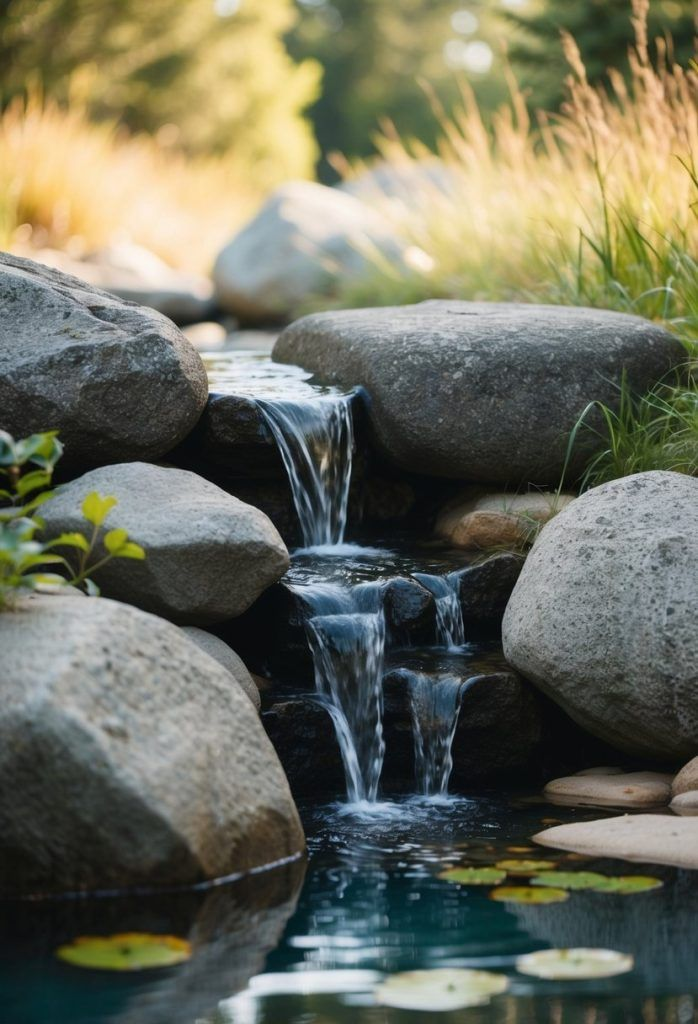
River rocks placed at the base of fountains, waterfalls, or spillways serve both functional and decorative purposes. Their rounded forms naturally dissipate water energy, preventing splash erosion and protecting surrounding surfaces. Varied stone sizes—large at the base and smaller around edges—create a natural gradient that mimics riverbanks. Beyond practicality, the stones amplify the soothing sound of cascading water as it flows across multiple surfaces. Designers often select smooth, polished stones for reflective shine, especially when constantly wet. Neutral grays and tans keep the look organic, though occasional darker stones can be interspersed for depth. The spill base also acts as a filtration layer, catching debris before it circulates back into pumps, extending the life of the water feature. To keep the display vibrant, occasional rinsing prevents algae buildup and mineral stains. Gardeners sometimes frame the spill zone with moisture-loving plants like ferns or hostas, further blending the feature into its surroundings. Whether attached to a pond, freestanding fountain, or wall-mounted cascade, river rocks at the base enhance realism and durability. Their role is both technical and artistic, ensuring water features remain functional while maintaining a naturally elegant presentation that complements the broader landscape.
Planter Cove Finishing Touch
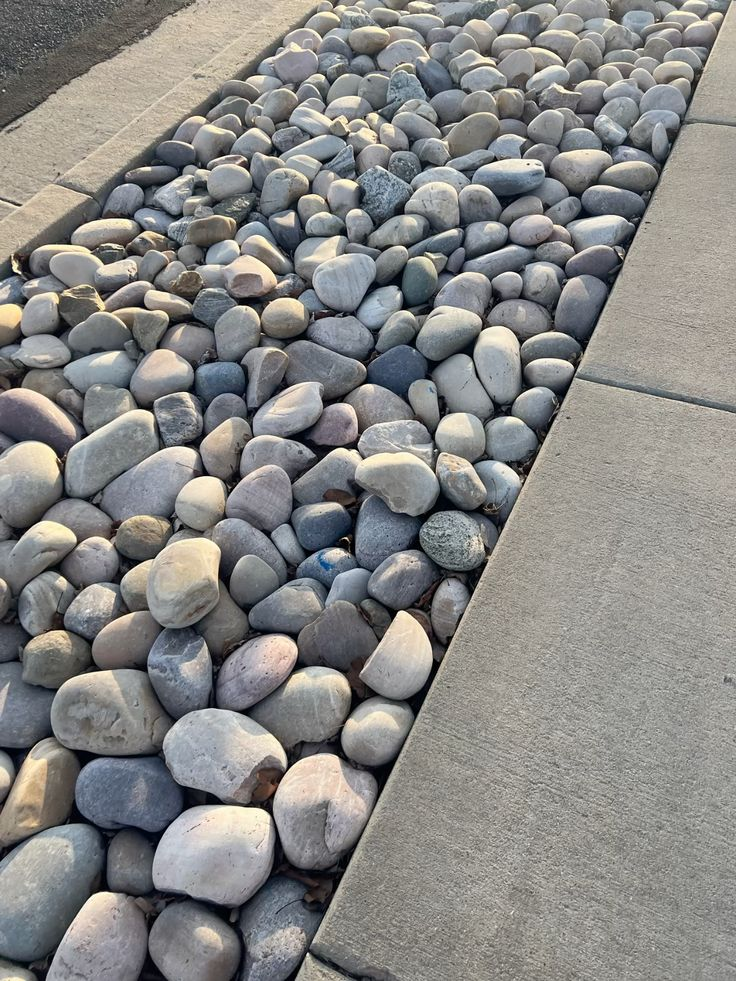
River rocks arranged around planters provide a polished transition between container gardens and the surrounding landscape. This approach conceals exposed soil, discourages weed growth, and improves drainage by directing excess water away from the planter base. Designers often select medium-sized, uniformly colored stones for consistency, while others prefer mixing tones to highlight the container itself. Smooth river rocks also protect planters from soil splash during rain, preserving cleaner surfaces. In larger gardens, clusters of cove-like rock beds can anchor groups of containers, making the arrangement appear intentional rather than scattered. The reflective surface of light-colored stones brightens shady corners, while darker stones add grounding contrast in sunny patios. Beyond aesthetics, the stable surface prevents erosion and reduces maintenance, especially in heavy-use areas. For elevated containers, river rocks can be used as a skirt at the base, softening the transition between pot and ground. Succulents, ornamental grasses, or trailing vines spilling over the planter rim pair especially well with this stone treatment, balancing hard and soft textures. Easy to install and long-lasting, a planter cove finishing touch offers homeowners a practical way to elevate container displays while ensuring durability, visual flow, and cohesive connection to the overall landscape.
Layered Slope Retainer
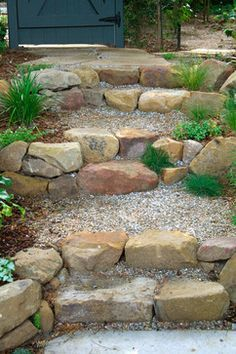
Steep or uneven terrain benefits greatly from river rocks used as layered retaining features. This method prevents soil erosion while introducing natural texture to otherwise unstable slopes. Larger boulders are typically positioned at the base for structural support, while medium and smaller stones are stacked above to form terraced layers. The result is both functional and visually pleasing, mimicking natural rock outcroppings found in mountain landscapes. River rocks’ weight and rounded edges allow water to filter through rather than pooling, reducing hydrostatic pressure behind the slope. Gardeners frequently integrate plants like creeping groundcovers or hardy perennials within the stone layers, softening the rugged look and increasing slope stability through root systems. Decorative lighting can be added along the terraces, accentuating the textures at night while providing safe navigation for pathways. This layered technique can scale from small garden embankments to larger hillside landscapes, offering versatility across property types. Unlike concrete or manufactured retaining walls, river rock solutions weather naturally and blend seamlessly with outdoor environments. Maintenance involves occasional repositioning of displaced stones and trimming vegetation. Ultimately, layered slope retainers combine practical erosion control with aesthetic integration, ensuring long-term resilience while enhancing the character of sloped garden spaces.