
A beautiful yard doesn’t have to come with a high price tag, and smart choices can create outdoor spaces that look polished without overspending. The best cheap landscaping ideas focus on cost-effective materials, DIY projects, and low-maintenance designs that still deliver impressive curb appeal. From using gravel and mulch to repurposing everyday items as borders or planters, affordable updates can make a big impact. Homeowners seeking budget-conscious solutions will find practical inspiration here. This guide highlights creative and functional cheap landscaping ideas that prove you can achieve a stylish, welcoming yard while keeping expenses under control.
Shadow-Plant Groundcover Waves
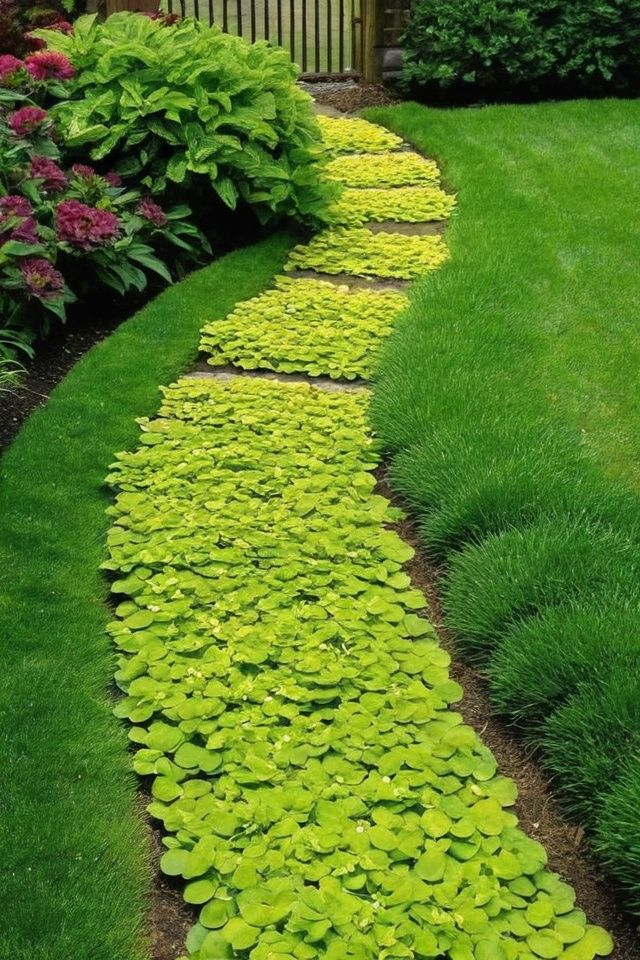
Shaded corners of a yard often feel neglected, but they can transform into lush waves of texture with the right groundcovers. Low-light plants like hostas, pachysandra, or vinca minor spread naturally, softening bare soil while keeping maintenance low. Grouping varieties with alternating leaf sizes and shades of green creates a natural rhythm, mimicking the gentle roll of waves across the landscape. When arranged in staggered sweeps, these groundcovers suppress weeds and conserve soil moisture, reducing the need for frequent upkeep. Mulching between sections helps define shapes and improves soil quality. For added interest, intersperse shade-tolerant ferns or coral bells that bring subtle color variations. This style is budget-friendly because many shade plants self-propagate, allowing you to expand coverage year after year without heavy replanting costs. Recycled edging materials such as logs, bricks, or stones can frame the planting areas while maintaining a natural aesthetic. Installing solar stakes at intervals highlights the soft movement of foliage at dusk, turning shadowy spaces into appealing focal points. This approach not only enhances underutilized areas but also ensures durability, since shade-loving groundcovers thrive with minimal input. The result is a serene, layered effect that’s both cost-efficient and visually rewarding.
Homemade Wood-Chip Mulch Beds
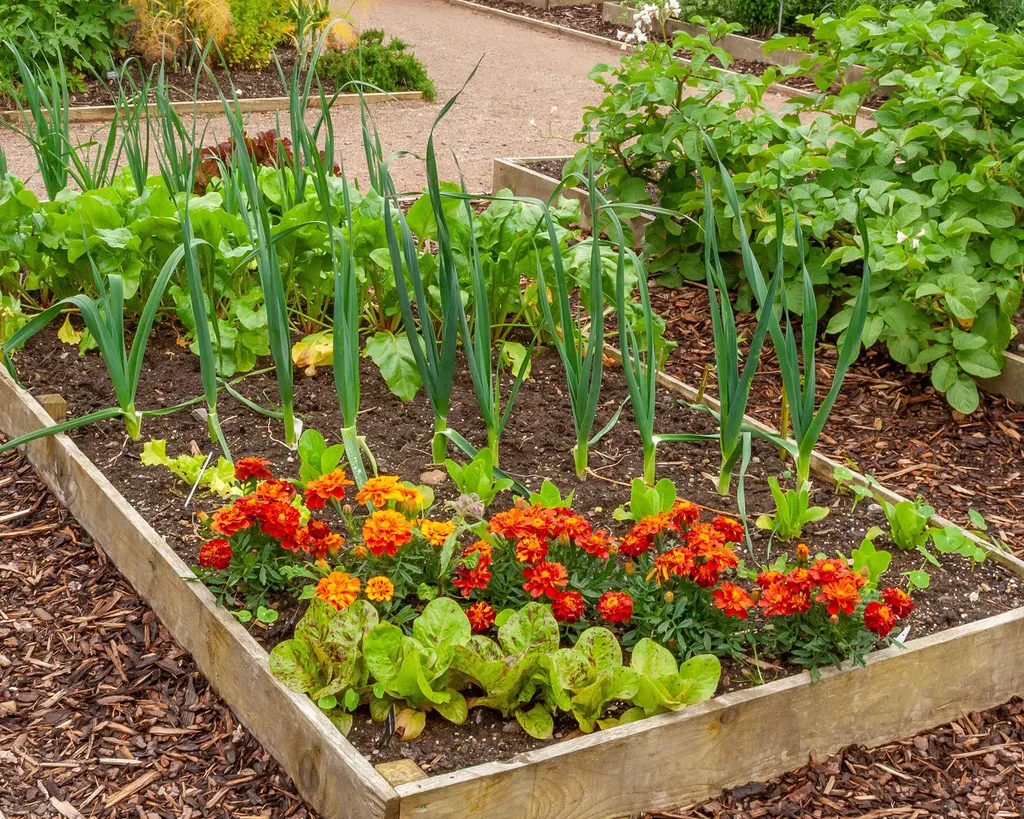
Wood-chip mulch made from trimmed branches or recycled yard waste is an affordable way to enrich garden beds. Running pruned limbs or storm debris through a rented chipper instantly produces usable mulch without store-bought costs. Fresh wood chips spread two to three inches thick help regulate soil temperature, suppress weed growth, and retain essential moisture, especially during hot summers. Over time, as the mulch decomposes, it replenishes organic matter that naturally improves soil fertility. Pairing mulch beds with flowering perennials or shrubs gives beds a neat, finished look while providing ecological benefits. The subtle earthy tones of wood chips blend seamlessly into both rustic and modern garden designs. This method also encourages sustainability by recycling natural waste back into the yard instead of sending it to landfills. For visual variety, you can layer darker compost beneath lighter wood chips to achieve contrasting textures. Even smaller pathways bordered with chipped mulch offer a soft walking surface and complement planting zones. Maintenance is minimal—topping off with fresh chips every year keeps beds looking polished and functional. With careful planning, this no-cost or low-cost approach turns ordinary garden sections into tidy, nutrient-rich spaces that highlight plant growth while keeping budgets in check.
Reclaimed Paver Mosaic Paths
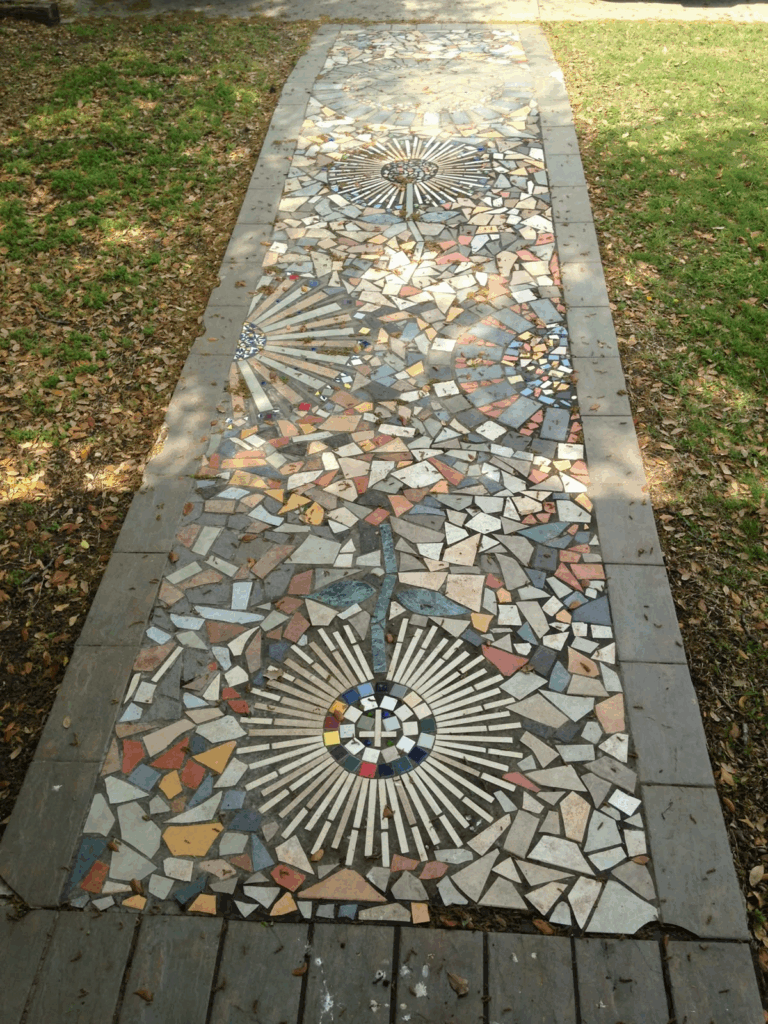
Old bricks, mismatched pavers, and salvaged tiles can become a striking mosaic pathway with just a little creativity. Instead of discarding leftover materials from renovations or demolition, arrange them into patterns that feel both artistic and functional. Curved or straight paths gain character when irregular shapes are pieced together like puzzles, turning a walkway into a feature rather than a utility. For added stability, lay pavers over a compacted sand base and fill joints with fine gravel to lock them into place. Mosaic paths can be accented with occasional stones or glass pieces for subtle pops of color without extra expense. Because the design depends on available materials, every project looks unique, carrying the charm of reclaimed history. Edging with recycled timber or metal strips prevents spreading while keeping borders defined. This solution balances affordability with eco-consciousness, giving new life to items that might otherwise be wasted. Even small garden shortcuts or patio connections benefit from this technique, creating a handcrafted aesthetic that blends art with function. Over time, moss or creeping thyme may settle between joints, softening hard edges and further enhancing the natural look. Such mosaic paths prove that functional design can be both cost-effective and visually captivating.
Dry Creek Gravel Drainage Feature
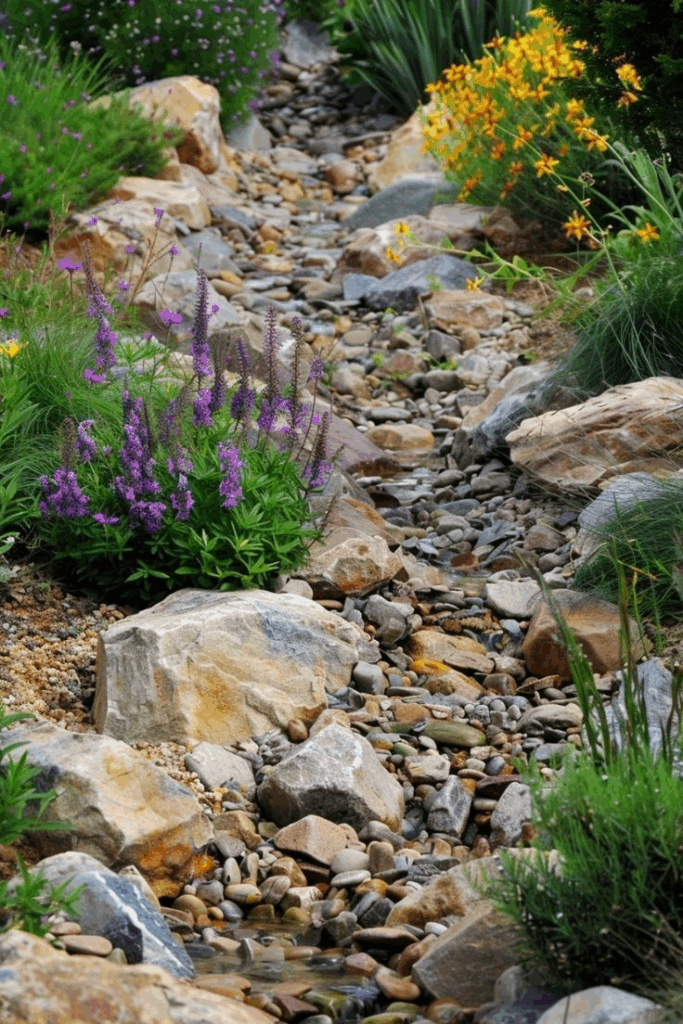
Homes with sloped yards or poor drainage benefit greatly from a dry creek bed design. By channeling rainwater through a gravel-filled trench, you prevent erosion and standing puddles while introducing a sculptural element to the landscape. Start with a shallow, meandering trench that mimics the natural flow of water. Line it with landscaping fabric to deter weeds, then fill with various sizes of gravel and stones for a realistic effect. Larger rocks placed strategically along edges create visual weight and stabilize soil. This feature doubles as a drainage solution and decorative accent, blending seamlessly with both naturalistic and modern yard designs. Native plants such as ornamental grasses or drought-tolerant perennials can be planted along the borders to soften the look while enhancing ecological value. Fallen branches or reclaimed wood pieces can be added as rustic accents without additional cost. Because gravel is relatively inexpensive and widely available, this method remains budget-friendly. During heavy rain, the creek bed actively channels runoff, but in dry seasons, it serves as a textured focal point. Functional yet stylish, this approach turns a problem area into an opportunity for beauty, proving that landscape improvements can be practical, attractive, and cost-conscious at once.
Vertical Pallet Planter Walls

Repurposed shipping pallets offer an inexpensive way to build vertical gardens that save ground space while delivering visual impact. By sanding and sealing a pallet, then lining it with landscape fabric or recycled containers, you create pockets for soil and plants. Herbs, succulents, or trailing flowers thrive in these compact slots, forming living walls that bring texture and greenery to patios, fences, or small backyards. Mounting the pallet against a wall or standing it upright with support transforms blank surfaces into vibrant garden features. Beyond aesthetics, vertical planting maximizes small spaces and makes harvesting herbs or vegetables more convenient. Choosing low-maintenance species ensures steady growth without intensive care. Pallets are often available free from local hardware stores or warehouses, making this project cost-effective. To add personality, paint or stain the wood in colors that match surrounding décor or leave it rustic for a natural look. Solar string lights draped over the frame provide charm during evenings, extending enjoyment into nighttime. Over time, as plants mature and cascade, the wall becomes a lush tapestry that disguises plain backgrounds. Vertical pallet gardens combine affordability, function, and style, proving that ordinary recycled materials can evolve into standout landscaping statements.
Seasonal Container Layering
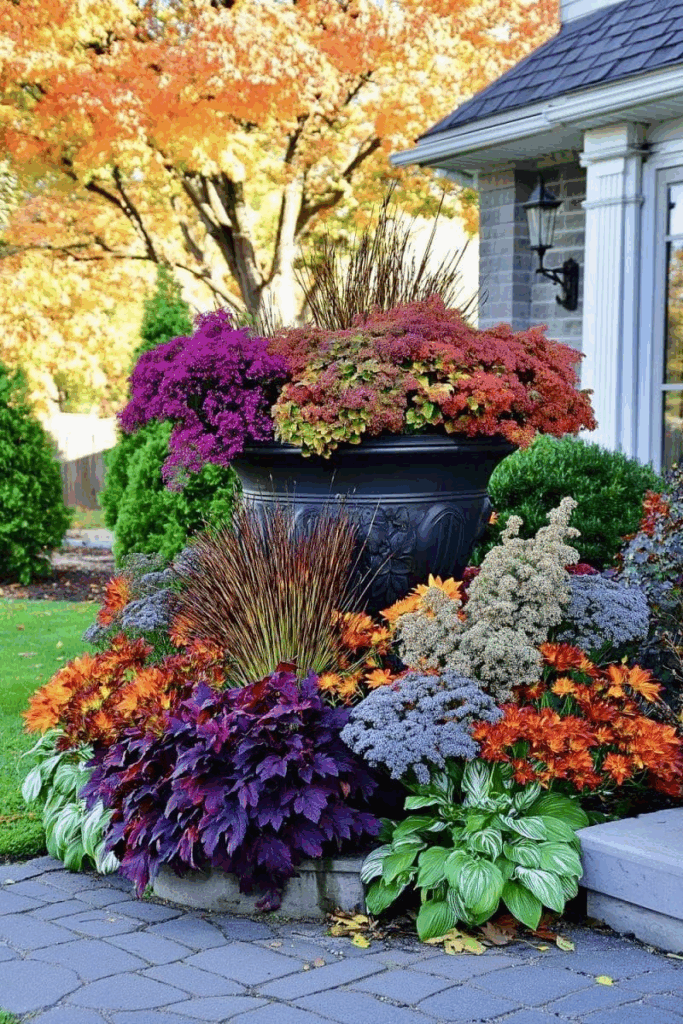
Switching container plants with the seasons brings freshness to outdoor spaces while staying budget-conscious. Large planters act as the base, while layered combinations of tall, mid-sized, and trailing plants create depth and movement. In spring, tulips or pansies provide bright color; summer can showcase petunias, coleus, or geraniums; fall benefits from mums and ornamental kale; and winter comes alive with evergreens, pinecones, and branches. Using the same containers year-round avoids unnecessary costs, while rotating plants keeps the look new. Recycled pots, buckets, or wooden crates can serve as vessels, giving rustic charm while reducing expenses. Elevating some containers on bricks or stands introduces dimension without needing additional décor. Grouping containers near entryways, patios, or pathways ensures high visibility and maximum impact. Fertilizer and compost from kitchen scraps keep plants healthy without overspending. Decorative mulch or gravel placed on top of soil adds polish while conserving moisture. Seasonal layering not only keeps landscapes dynamic but also offers flexibility—you can trial plants without committing to permanent beds. This method is affordable, adaptable, and enjoyable, ensuring outdoor areas evolve alongside the changing year while still looking intentional and styled.
DIY Raised Beds from Free Timber
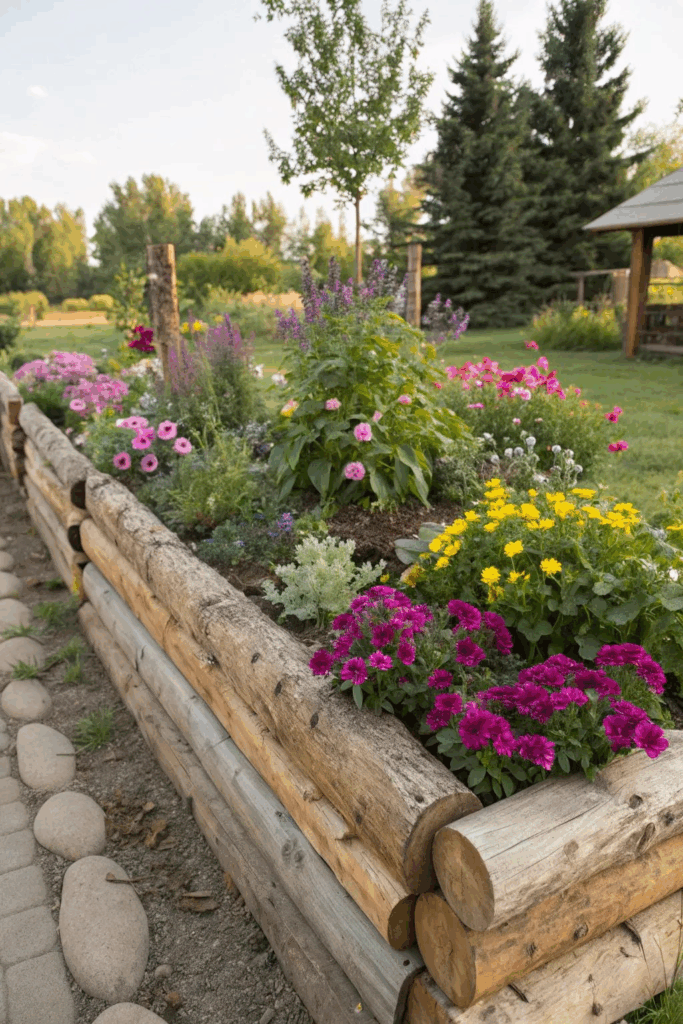
Constructing raised beds doesn’t require expensive lumber; instead, reclaimed timber, pallet boards, or leftover construction scraps can serve the purpose. Beds framed from untreated wood sections allow for deep, fertile soil layers that support vegetables, herbs, and flowers. By keeping dimensions manageable, such as four feet wide, you ensure easy access without compacting soil. Filling the base with organic waste, cardboard, or grass clippings before topping with soil reduces costs while boosting fertility. Free or low-cost compost from community programs often provides nutrient-rich additions. Raised beds improve drainage, warm soil faster in spring, and simplify weed management. They also allow customization in layout, making them ideal for backyards of any size. If desired, paint or stain the outer boards for added weather resistance and visual appeal. To extend lifespan, line the inside walls with plastic sheeting, preventing rot while keeping the project affordable. Positioning beds in sunny spots maximizes yields, particularly for food crops like tomatoes or peppers. This approach combines sustainability with savings, ensuring productive garden spaces that look neat without requiring pricey materials. Over time, the raised beds become both practical and decorative, offering functionality and style at little to no financial investment.
Xeriscape Drought-Friendly Pockets

For regions where water conservation is critical, xeriscaping provides both savings and beauty. Small pockets designed with drought-tolerant plants reduce irrigation needs while maintaining visual appeal. Succulents, lavender, yucca, or ornamental grasses thrive in these conditions, offering varied forms and textures. Gravel mulch or decomposed granite keeps moisture in the soil while providing a clean backdrop that highlights plant shapes. Using groupings of species with similar water requirements ensures efficient care. Even small courtyards or corners of larger yards can transform into eye-catching xeriscape zones. Old pots, troughs, or salvaged containers can house resilient plants, reinforcing affordability. These low-water gardens often attract pollinators, adding ecological value to the landscape. By integrating native species, you further improve sustainability and reduce long-term upkeep. Edging with stones or repurposed bricks defines the planting areas without additional cost. Seasonal adjustments are minimal since most xeriscape species remain attractive year-round. This style proves that vibrant gardens don’t require heavy watering or expensive materials. Instead, thoughtful design and strategic plant selection provide enduring results. Homeowners gain both lower utility bills and timeless curb appeal, showcasing that resourceful landscaping thrives even under challenging conditions.
House Numbers as Art
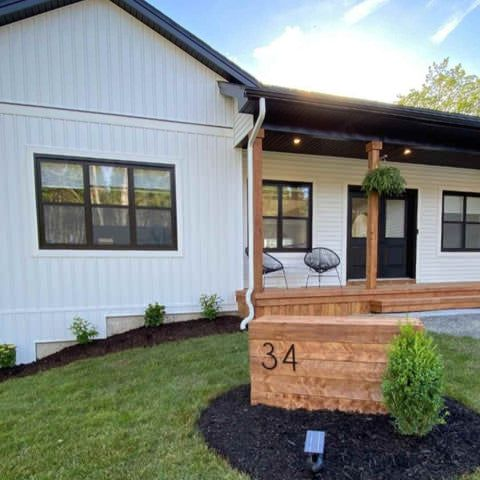
Front-yard design gains personality when house numbers become decorative focal points rather than plain markers. Instead of traditional plaques, creative alternatives use recycled wood planks, metal cutouts, or painted stones. Mounting numbers onto repurposed shutters, old pallets, or planters instantly transforms a functional necessity into a statement piece. Large, bold numbers painted on pots or displayed vertically on reclaimed beams add modern flair without extra cost. For evening visibility, solar spotlights highlight the display, ensuring practicality alongside aesthetics. Planting low-maintenance flowers or succulents around the base integrates the numbers into the landscape. Even DIY mosaic tiles or stenciled patterns give the digits artistic impact. This approach is budget-friendly since most materials come from household leftovers or inexpensive supplies. Beyond beauty, well-designed numbers improve wayfinding, helping guests and deliveries locate the home easily. The versatility of styles—from rustic farmhouse to sleek contemporary—means every homeowner can tailor the look to match their property. Whether mounted near the entry, integrated into a mailbox, or standing as a freestanding garden element, decorative house numbers prove that small details can elevate curb appeal affordably. They add charm while retaining their primary purpose of guiding visitors.
Seed-Sourced Perennial Plugs
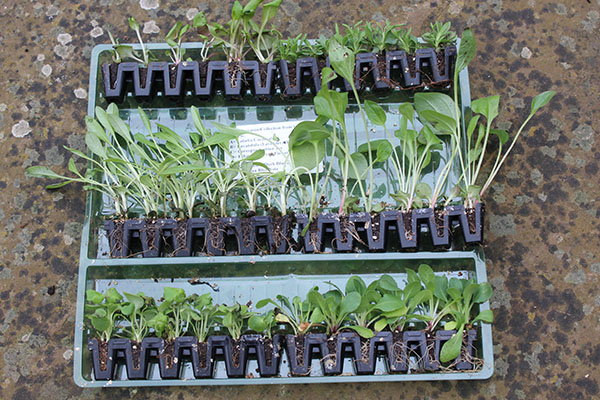
Growing perennials from seed offers one of the most cost-effective ways to build a long-lasting garden. Purchasing small plug trays or germinating seeds at home costs a fraction of mature plants. Over time, perennials return year after year, reducing the need for replanting and offering long-term savings. Species such as coneflowers, black-eyed Susans, or shasta daisies thrive when started from seed, eventually filling beds with color and structure. With proper thinning and transplanting, even one seed packet can establish multiple garden sections. The process encourages patience but rewards gardeners with resilience and self-sufficiency. Using recycled trays, yogurt cups, or egg cartons as seed-starting containers further cuts expenses. Once established, perennials provide pollinator support, stabilize soil, and frame seasonal annuals. Many varieties self-seed naturally, gradually expanding coverage without additional purchases. By staggering germination and planting cycles, you ensure continuous growth and bloom across multiple months. Mulching around young plugs retains moisture and suppresses weeds, ensuring stronger development. This approach is ideal for those willing to invest effort upfront for lasting results. Perennial plugs grown from seed embody sustainability and savings, proving that thriving gardens don’t require significant financial investment, only time and thoughtful care.
Solar-Powered Accent Lighting
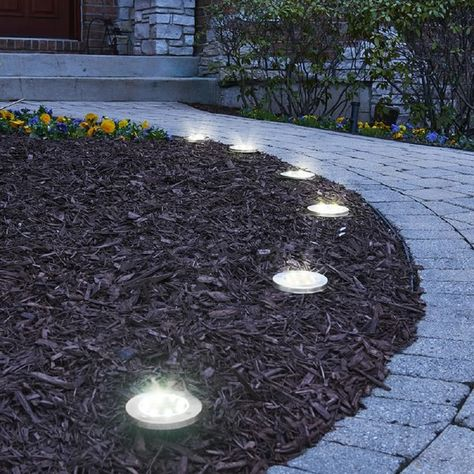
Outdoor spaces gain atmosphere and function with solar lighting that doesn’t increase energy bills. Affordable stake lights, lanterns, or string options store sunlight during the day and glow automatically at night. Pathways, patios, and garden beds benefit from subtle illumination that improves safety while showcasing landscaping features. Solar technology has advanced, making lights brighter and longer-lasting, even with budget models. Installation requires no wiring—simply place fixtures in sunny spots for charging. To cut costs further, repurpose jars or bottles with DIY solar lids for creative, low-expense accents. Strategic placement near focal points such as water features, trees, or seating areas ensures dramatic impact after dark. Seasonal décor can be enhanced with themed lanterns or color-changing bulbs, all powered by the sun. Maintenance is minimal, requiring only occasional cleaning of panels and replacement of rechargeable batteries after extended use. Because they operate independently, solar lights work even during power outages, providing added security. Affordable yet transformative, solar lighting proves that ambiance and utility don’t have to come with high energy costs. This sustainable solution makes yards more inviting while aligning with eco-friendly practices and practical household savings.
Rock Garden Textural Touch
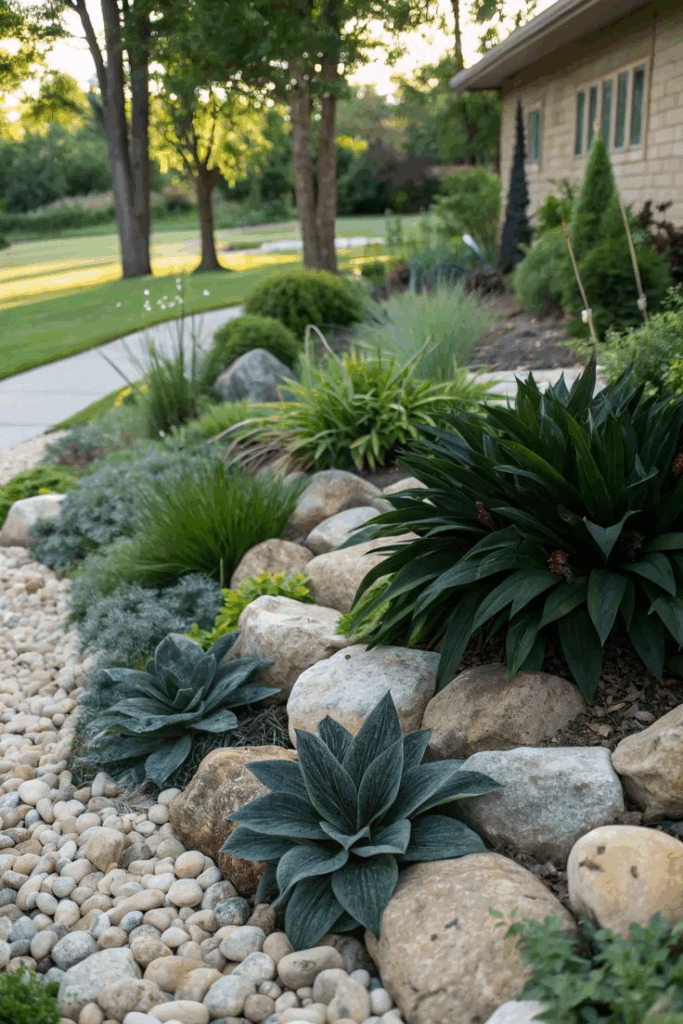
Texture and contrast play central roles in affordable rock gardens. By arranging stones of different sizes, shapes, and colors, you create natural displays that highlight surrounding greenery without costly ornamentation. Small gravel, mid-sized pebbles, and occasional boulders layered together form a balanced composition. Between these elements, drought-tolerant plants like sedum, hens-and-chicks, or creeping thyme bring softness and seasonal color. Reclaimed stones from construction sites or leftover masonry make this approach budget-friendly. Curved beds edged with salvaged bricks or logs help define the space while adding rustic appeal. Rock gardens work especially well on sloped terrain, reducing erosion while providing striking visual interest. In dry climates, they require minimal irrigation, keeping upkeep low. A scattering of driftwood or weathered metal accents enhances the natural theme without extra expense. For depth, place larger rocks toward the back and taper down to finer gravel at the front, creating a layered effect. These gardens transition seamlessly between lawns, walkways, and patios, serving as both focal points and functional ground covers. Simple yet striking, rock gardens demonstrate that impactful landscaping relies on thoughtful composition and natural materials rather than costly installations.