
Outdoor spaces can feel inviting and polished without requiring major effort or expense, and simple upgrades often make the biggest difference. The best easy landscaping ideas focus on low-maintenance plants, functional pathways, and practical design choices that improve curb appeal while saving time. Small additions like mulch, decorative stones, or lighting can transform yards into attractive, welcoming areas with minimal upkeep. Homeowners looking for stress-free solutions will appreciate options that balance beauty with practicality. This guide shares creative and affordable easy landscaping ideas that deliver quick results, helping you design an outdoor space that looks fresh, stylish, and well-maintained.
Succulent + Grass Texture Contrast
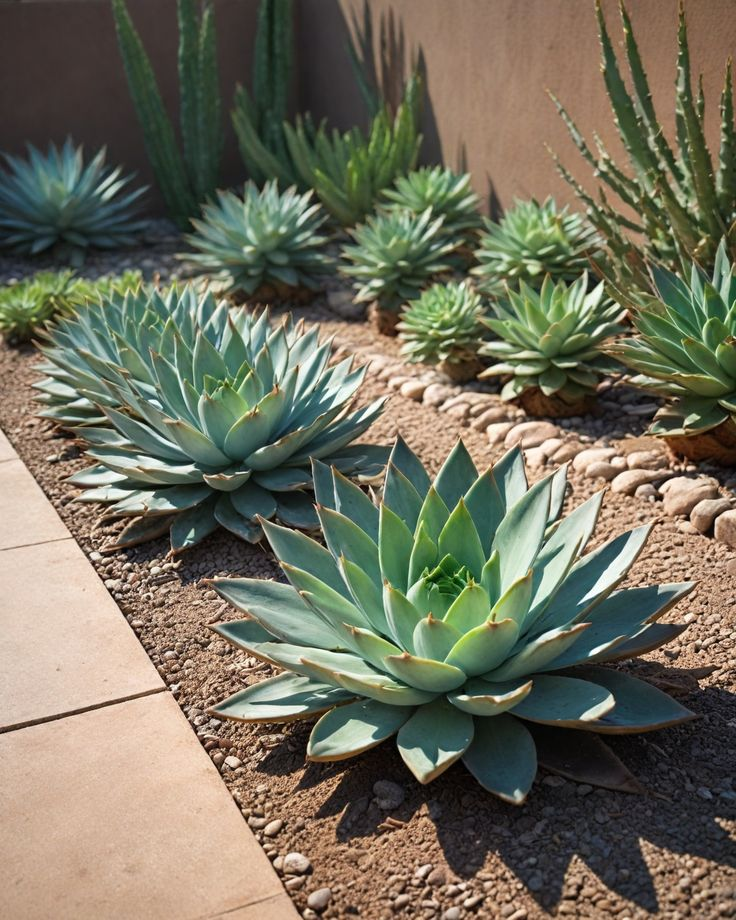
Visual variety in a landscape often depends on clever plant pairings, and one of the most effective approaches is blending succulents with ornamental grasses. Succulents bring structured geometry, bold foliage, and unique shapes, while grasses add softness, movement, and seasonal interest. Together, they create a balanced contrast of rigid lines against flowing textures. Species such as blue fescue, feather reed grass, or dwarf fountain grass can be paired with agave, echeveria, or sedum for maximum visual depth. This combination thrives in low-maintenance gardens because both plant groups require minimal watering and adapt well to drought conditions. When arranged in repeating clusters, they create striking focal zones along pathways, borders, or accent beds. The muted tones of succulents blend seamlessly with the vibrant greens and airy plumes of grasses, offering a year-round dynamic display. This approach works beautifully in modern, desert-inspired, or coastal gardens where structure meets natural elegance. Beyond aesthetics, grasses provide cooling shade and wind movement, while succulents add soil stability with their root systems. By alternating patches of each plant type, homeowners can design layered gardens that feel vibrant yet effortless. The result is a landscape that looks intentional, balanced, and practical for climates demanding water-wise solutions.
Curved Flagstone Walkway

Organic pathways hold a special charm, especially when flagstone is used in sweeping, curved formations. Unlike rigid straight lines, curved walkways encourage exploration, guiding visitors naturally through a garden’s features. Flagstone, with its irregular shapes and earthy tones, delivers durability along with rustic elegance. Each stone can be carefully spaced with groundcovers such as creeping thyme, moss, or dichondra filling the gaps, softening edges while adding fragrance and greenery underfoot. Curved layouts help create depth in smaller yards, giving the illusion of more space and flowing movement. When paired with strategically placed lighting, the walkway becomes a safe and welcoming route during evening hours. Flagstone also blends effortlessly with a wide range of garden themes—whether cottage-style, Mediterranean, or modern. Practical benefits include slip resistance and long-term weather endurance, making it suitable for regions that experience heavy rain or foot traffic. To elevate the design further, subtle variations in stone size and color can highlight distinct zones, such as entrances or garden focal points. By curving around trees, flowerbeds, or water features, the pathway feels integrated into its environment. This natural design detail transforms a yard into a layered, visually engaging space while serving a highly functional role in everyday use.
Under-Tree Mulched Nests

Ground beneath mature trees often struggles to support grass due to shade and root competition, making mulched nests an ideal solution. By applying organic mulch in circular beds under tree canopies, homeowners can instantly improve both appearance and plant health. Mulch conserves soil moisture, suppresses weed growth, and protects delicate tree roots from damage caused by mowing or foot traffic. Choosing materials like shredded bark, pine straw, or composted wood chips not only nourishes the soil as it decomposes but also creates a clean, defined aesthetic. For added dimension, decorative edging such as stone, metal, or brick can frame the nest, keeping mulch neatly in place. These spaces can be left minimal for a classic look or accented with shade-tolerant plants like hostas, ferns, and liriope for extra greenery. Seasonal bulbs planted around the edges can add pops of color in spring without competing heavily with tree roots. The practice also enhances overall landscape safety by eliminating uneven patches of grass and reducing maintenance effort. Beyond practicality, mulched nests visually emphasize the tree itself, drawing attention to its trunk and canopy as natural focal points. The combination of function, simplicity, and beauty makes this a timeless choice for effortless landscape refinement.
Lush Compact Garden Pockets
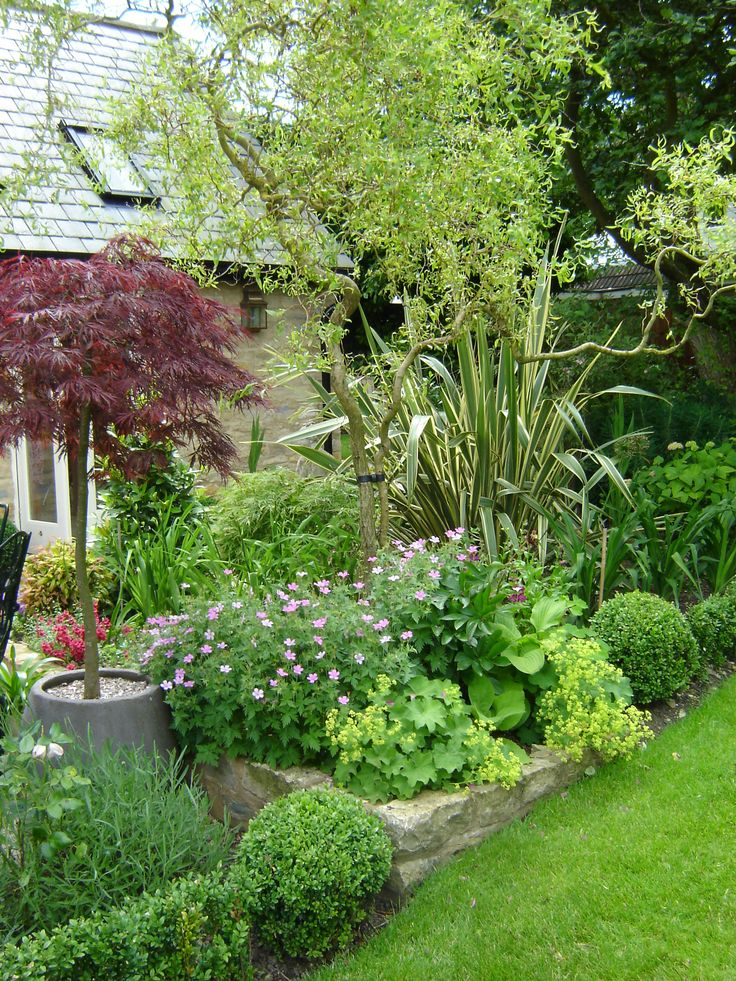
Small spaces benefit from intentional layering, and compact garden pockets provide a high-impact solution. By clustering plants in dedicated zones, even modest yards feel vibrant and thoughtfully designed. These pockets typically mix perennials, annuals, and shrubs in varied heights and textures to create dimension without overwhelming limited square footage. Popular choices include dwarf hydrangeas, ornamental grasses, colorful zinnias, and evergreen shrubs for year-round interest. Raised edges or contained borders can help define these garden pockets, ensuring they remain tidy and visually distinct. Adding groundcovers such as creeping jenny or ajuga provides a lush carpet that prevents bare spots while minimizing maintenance. Because the planting density is higher, weeds struggle to compete, and soil moisture retention improves. Garden pockets also allow homeowners to experiment with color themes—soft pastels, bold jewel tones, or monochrome greens—depending on personal preference. Strategic placement near patios, entryways, or along pathways ensures these compact clusters draw attention where it matters most. They can also serve as mini-habitats for pollinators when planted with nectar-rich flowers. By balancing height, texture, and seasonal interest, compact pockets maximize limited outdoor real estate. The approach demonstrates how thoughtful planting design can make even small corners lush, inviting, and endlessly dynamic throughout the year.
Portable Fire-Pit Social Zone

Outdoor living feels incomplete without a gathering spot, and a portable fire pit provides flexibility and warmth in one feature. Unlike permanent stone structures, portable options can be repositioned depending on the season or event. These fire pits come in materials like cast iron, steel, or copper, each offering durability and a unique aesthetic. Surrounding the pit with gravel or stone ensures fire safety while creating a defined zone for seating. Adirondack chairs, built-in benches, or simple stools can encircle the pit, fostering an inviting social atmosphere. Decorative accents like side tables for drinks or outdoor cushions add comfort while maintaining a casual vibe. When not in use, the pit can be stored or moved aside, keeping the yard adaptable for other activities. For added convenience, many models come with grill attachments, transforming the feature into a dual-purpose cooking station. Lighting nearby with lanterns or solar path lights enhances nighttime ambiance while improving visibility. The fire pit naturally becomes a focal point, encouraging family gatherings, casual evenings, or entertaining guests year-round. With its ease of setup, versatility, and charm, this portable solution is one of the most practical yet stylish ways to add warmth and character to an outdoor landscape.
Layered Stone + Lawn Plotting

Contrasts between hard and soft elements often define sophisticated landscaping, and layering stone with lawn is an effective approach. Stone provides structure and permanence, while lawn introduces lush softness and a natural balance. Creating segmented zones—such as stone paths weaving through grass, geometric stone inlays within lawn patches, or terraced plots bordered by stone—produces an organized yet organic layout. Large flagstone slabs surrounded by neatly trimmed turf deliver a modern aesthetic, while smaller pavers set in wider lawn strips offer a more casual look. This balance allows water drainage while ensuring comfortable walking surfaces. Stones can also frame lawn areas, reducing maintenance by clearly separating mowing zones from flowerbeds or pathways. Curving lines of lawn bordered with stacked stone walls can define outdoor rooms, giving each area a distinct character. Seasonal planting in adjacent beds complements the stone’s durability with bursts of color. Functionally, the stone prevents soil erosion on slopes and directs foot traffic, extending the lawn’s longevity. A well-planned blend of these two elements provides both usability and visual intrigue. Whether applied in small yards or expansive properties, stone-and-lawn plotting delivers timeless appeal while improving the overall functionality of outdoor spaces in a sustainable, low-maintenance way.
Rock Garden Accent Beds

Dry climates or homeowners seeking low-maintenance solutions often benefit from rock garden accent beds. These beds use stones and gravel as the primary backdrop, with drought-tolerant plants like succulents, alpine perennials, and ornamental grasses providing greenery and seasonal color. Rocks act as both decorative and practical components, regulating soil temperature, reducing water evaporation, and discouraging weed growth. Accent beds can be designed with varying stone sizes—pebbles for groundcover, medium rocks for edging, and large boulders as focal points. Planting drought-resistant species such as hens-and-chicks, lavender, or yucca between stones ensures a vibrant yet sustainable garden. Placement near pathways or as borders around lawns gives structure while creating striking visual breaks in the landscape. For added interest, contrasting stone colors or textures can highlight certain plants, turning the bed into a year-round showcase. Unlike traditional flowerbeds that require constant watering and upkeep, rock gardens thrive with minimal effort, making them ideal for busy homeowners. Accent beds also provide habitats for beneficial insects and pollinators. By thoughtfully blending natural stone with resilient plantings, the garden maintains a timeless, sculptural quality. The result is a functional, water-wise, and aesthetically pleasing feature that seamlessly enhances any style of outdoor design.
Recycled Paver Stepping Trails

Sustainable landscaping trends emphasize reuse, and recycled paver stepping trails align perfectly with this philosophy. Old bricks, concrete pavers, or salvaged stone slabs can be repurposed into charming walkways that feel both eco-friendly and stylish. The irregular shapes and colors add character, ensuring no two trails look identical. Spaces between pavers can be filled with gravel, mulch, or groundcovers such as creeping thyme or Irish moss, softening hard edges while enhancing durability. Trails can meander through gardens, connect patio areas, or define entry pathways, providing both function and visual appeal. Beyond aesthetics, recycled pavers significantly reduce costs compared to purchasing new materials, making them a budget-conscious choice. They also divert waste from landfills, adding environmental value. Installation requires minimal excavation, especially if pavers are laid directly into compacted soil or sand. To improve longevity, edging with metal or brick keeps the trail tidy and prevents shifting. With proper planning, these walkways can handle moderate foot traffic while blending naturally with surrounding landscapes. Decorative solar lights along the trail add nighttime visibility, making it safe and inviting after dark. Repurposing old materials into functional stepping trails demonstrates creativity, sustainability, and practicality while delivering a custom feature that enhances any outdoor setting.
Mixed Shrub + Annual Borders
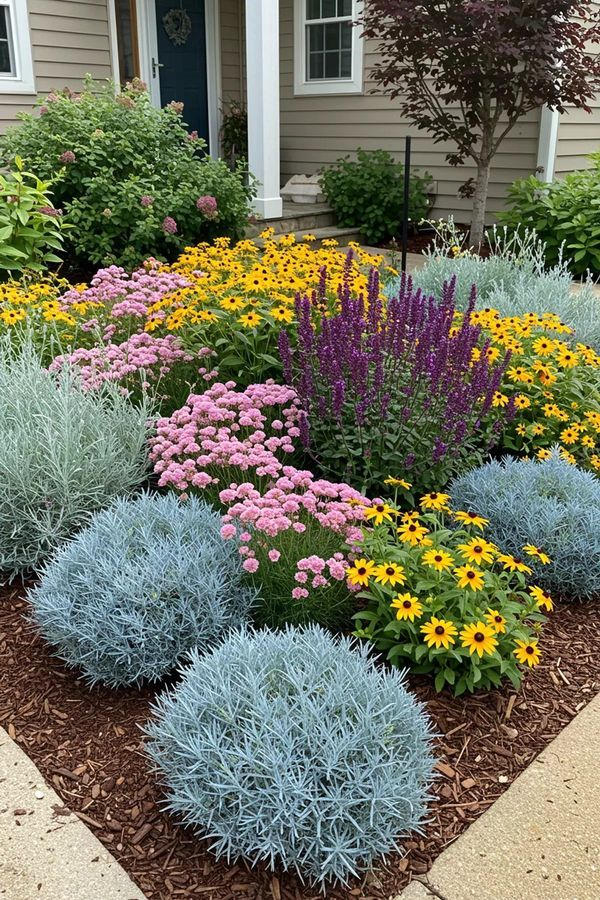
Layered planting along borders is one of the simplest ways to achieve year-round garden interest. Shrubs form the permanent backbone, while annuals bring seasonal bursts of color that can be rotated to suit different times of the year. Evergreen shrubs like boxwood, azalea, or dwarf holly provide structure and greenery even in winter, ensuring the border never looks bare. In spring and summer, annuals such as petunias, marigolds, or begonias add vibrancy and soften the shrub line. This combination also attracts pollinators, supporting local biodiversity. Borders can be curved for a natural flow or straight for a more formal appearance. Mulch layered between plants suppresses weeds and retains soil moisture, minimizing maintenance. Gardeners can experiment with color palettes—contrasting bright yellows and purples or sticking to monochromatic whites and greens—for distinct moods. Taller shrubs placed at the back with lower-growing annuals at the front create visual depth, making the border more engaging. Strategically positioning these along pathways or property edges frames the garden while also defining spaces. The balance between reliable shrubs and ever-changing annuals ensures a dynamic display that evolves throughout the seasons. The design is both practical and decorative, requiring moderate upkeep while consistently delivering curb appeal.
Raised Rustic Planter Boxes
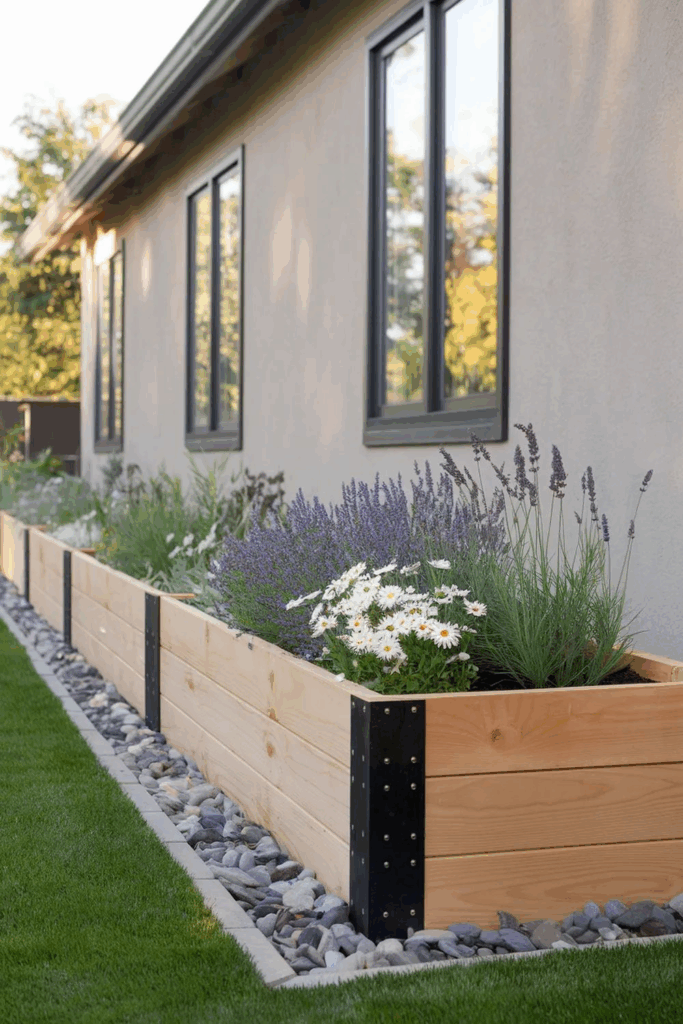
Timber planter boxes add a timeless, rustic feel while serving as versatile gardening solutions. Constructed from reclaimed wood, cedar, or redwood, they provide natural durability against rot and weather. Elevated designs not only protect plants from pests but also reduce strain during maintenance, making them accessible for all ages. Rustic boxes can host vegetables, herbs, or ornamental flowers, transforming small patios or decks into productive gardens. Their raised structure improves soil drainage, preventing waterlogging while maintaining healthy root systems. Over time, wood develops a natural patina, deepening its rustic charm. Lining the interior with landscape fabric extends longevity by protecting wood from soil moisture. For added detail, metal brackets or stone edging can complement the wooden structure, creating a farmhouse-inspired look. Seasonal rotations are easy—spring vegetables, summer blooms, or fall ornamental cabbages—ensuring visual variety throughout the year. Clustering multiple boxes of varying sizes creates a layered effect that feels intentional and lush. Beyond aesthetics, these boxes allow control over soil type, making them ideal for specialty plants. They can even be fitted with trellises for climbing varieties like beans or ivy. Durable, functional, and character-rich, rustic planter boxes offer both style and productivity to any landscape.
Solar-Lit Edge Accents
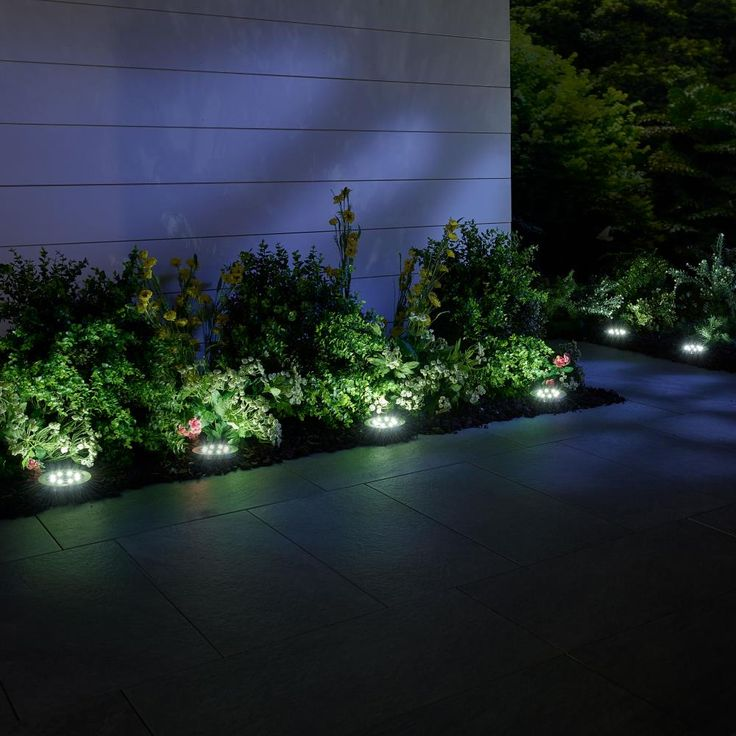
Pathway visibility and garden ambiance can be improved effortlessly with solar-lit edge accents. Powered by renewable energy, these lights eliminate the need for wiring, making installation quick and eco-friendly. Positioned along walkways, flowerbeds, or driveway edges, they provide subtle illumination that enhances safety while highlighting landscape features after dark. Available in styles ranging from sleek modern stakes to lantern-inspired designs, solar lights adapt to different aesthetics. Many models feature automatic sensors, turning on at dusk and off at dawn, ensuring consistent performance with minimal effort. Placing them in staggered intervals creates balanced light distribution without overwhelming the scene. In gardens, solar-lit accents emphasize textures of plants, rock features, and decorative elements, adding depth to nighttime views. Some advanced versions offer warm or cool light settings, allowing customization for mood and function. Since they rely on sunlight, placement in open areas ensures optimal charging and brightness. For sustainability, rechargeable batteries are replaceable, extending product life. Beyond utility, solar-lit edges subtly transform outdoor areas into welcoming, safe spaces for evening strolls or gatherings. With virtually no ongoing cost or maintenance, they represent one of the simplest yet most impactful upgrades for homeowners seeking style and practicality in their landscaping.
Seasonal Potted Drama

Containers offer unmatched flexibility, and seasonal potted arrangements bring drama that evolves throughout the year. Large ceramic, terracotta, or wooden planters can be positioned at entryways, patios, or garden corners, instantly becoming statement pieces. Seasonal rotations keep the display fresh: tulips or daffodils in spring, vibrant petunias or geraniums in summer, ornamental kale in fall, and evergreens or festive blooms in winter. The portability of pots allows experimentation with color palettes and plant heights, ensuring adaptability to different occasions or moods. For added texture, trailing plants like ivy or sweet potato vine can spill over edges, creating a lush cascade effect. Using a “thriller, filler, spiller” planting formula ensures balance—tall central plants, medium fillers, and trailing varieties for depth. Potting soil with slow-release fertilizer supports long-lasting growth, while consistent watering maintains vibrancy. Grouping pots of varying sizes creates layered interest, making the arrangement feel curated and intentional. Decorative containers themselves become part of the design, with glazes, textures, or rustic finishes enhancing overall appeal. By updating plant choices seasonally, homeowners enjoy constant visual renewal without major landscaping changes. Seasonal potted drama delivers impact, flexibility, and personality, proving that thoughtful container gardening can anchor outdoor design with minimal effort.