
First impressions matter the moment the front door opens, making the entryway one of the most influential spaces in any home. A boutique hotel vibe blends comfort, polish, and intention, creating an atmosphere that feels curated rather than cluttered. Thoughtful lighting, refined storage, layered textures, and subtle scent choices instantly signal quality and care. For homeowners seeking simple upgrades with noticeable impact, these ideas offer practical guidance rooted in design principles used by hospitality professionals. The following strategies focus on balance, functionality, and visual flow, helping everyday entryways feel welcoming, luxurious, and effortlessly organized without requiring major renovations today confidently.
Layered Hotel-Style Lighting
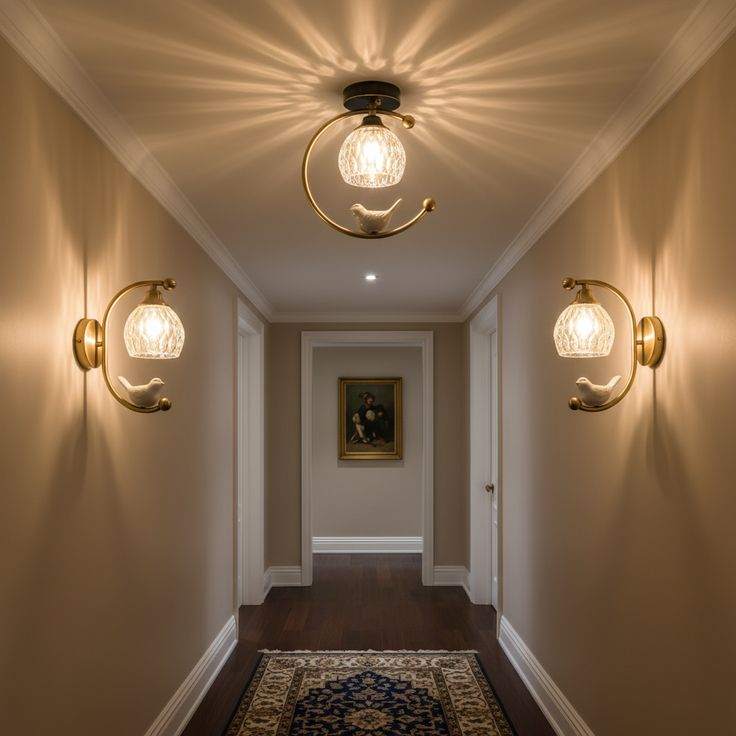
Thoughtful illumination defines how an entryway feels the moment someone steps inside. Boutique hotels rely on layered lighting to establish depth, warmth, and visual calm without harsh brightness. Start with ambient lighting that evenly fills the space, such as a ceiling-mounted fixture or recessed lights with warm bulbs. This creates a welcoming base glow rather than a spotlight effect. Accent lighting then introduces character. Wall sconces flanking a mirror or console add symmetry and help soften shadows around the face, which is especially practical near entrances. Task lighting completes the setup by subtly highlighting functional areas like a key tray or decorative surface. Using dimmers allows light levels to adjust throughout the day, reinforcing a relaxed, hotel-inspired atmosphere in both daylight and evening hours. Matching color temperatures across fixtures ensures consistency and prevents visual clutter. Brass, black, or brushed nickel finishes can quietly echo other hardware in the space. When lighting sources work together instead of competing, the entryway gains a refined rhythm that feels intentional rather than decorative. This balanced approach improves usability while delivering a polished first impression that mirrors the layered lighting strategies seen in high-end hotel lobbies and corridors.
Statement Mirror Moment

Visual expansion plays a central role in how boutique hotels make compact entryways feel grand. A statement mirror serves both function and atmosphere, reflecting light while adding architectural interest. Oversized mirrors immediately open up narrow foyers, bouncing illumination across walls and flooring for a brighter, more welcoming effect. Shapes matter as much as scale. Arched silhouettes suggest softness and elegance, while rectangular frames convey structure and order. Placement should feel deliberate, ideally centered above a console or aligned with lighting elements for balance. Frames finished in metal, wood, or subtle texture can echo nearby finishes, creating continuity without distraction. Mirrors also offer a practical checkpoint before heading out, reinforcing everyday usability. Positioning opposite a light source or window maximizes reflectivity and enhances depth. Avoid overly ornate designs that overpower the space; boutique hotels favor restraint paired with impact. Clean lines and quality materials ensure longevity and timeless appeal. When styled with restraint, a mirror becomes more than décor. It establishes visual calm, amplifies light, and delivers a composed, hospitality-driven aesthetic that sets expectations for the rest of the home the moment the door opens.
Curated Console Styling

Intentional surface styling separates boutique hotel entryways from ordinary residential ones. A console table becomes the focal point when styled with purpose rather than excess. Hotels rely on edited arrangements that feel composed but never cluttered. Begin with one anchoring object such as a sculptural lamp or tall vase to establish height. Balance follows through smaller accents like stacked books, a ceramic bowl, or a tray that organizes essentials discreetly. Varying heights and textures keeps the arrangement visually engaging without overwhelming the surface. Negative space is just as important as the objects themselves, allowing each item room to breathe. Materials should complement surrounding finishes, reinforcing a cohesive palette throughout the entryway. Natural stone, wood, or metal details add subtle luxury without appearing decorative. Symmetry can work well in formal spaces, while asymmetry suits relaxed interiors. Items chosen should feel purposeful rather than purely ornamental. This approach mirrors how hotels create moments of interest while maintaining functionality. A thoughtfully styled console provides organization, visual order, and a refined first impression that feels effortless rather than styled for show.
Soft Neutral Color Palette
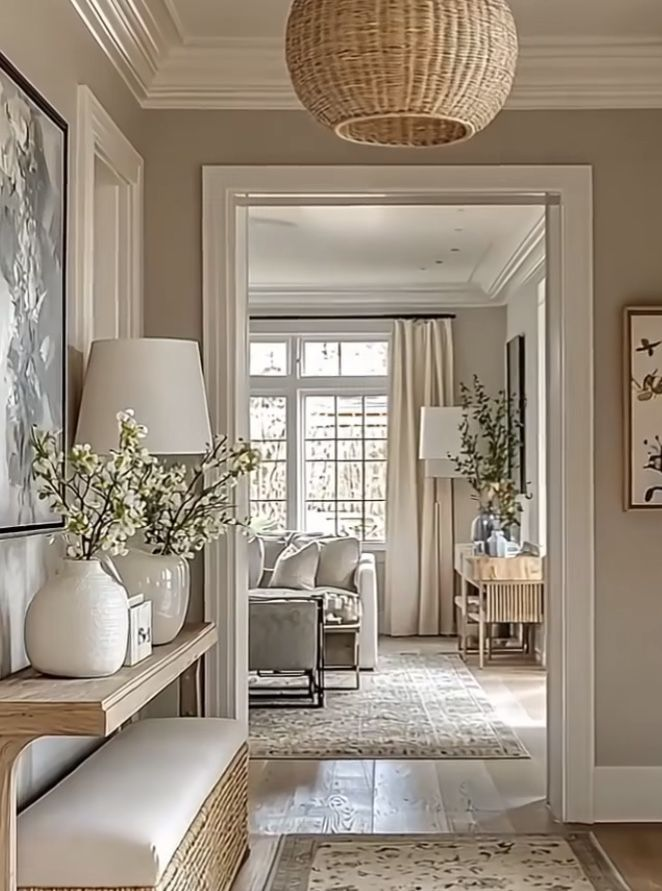
Color choices shape emotional response instantly, which is why boutique hotels favor restrained neutral palettes in entry spaces. Soft tones such as warm whites, greige, taupe, and muted beige establish calm without feeling cold. These shades reflect light gently, helping entryways appear larger and more cohesive. Neutral walls also allow architectural details, lighting, and textures to stand out rather than compete. Layering similar tones creates depth while maintaining visual harmony. Slight tonal variation between walls, trim, and ceilings prevents flatness and adds dimension. Undertones matter greatly. Warm neutrals feel inviting, while overly cool shades can appear stark. Flooring and furnishings should align within the same color family for consistency. Subtle contrast can be introduced through darker accents or natural materials like wood and stone. Hotels rely on this palette because it ages well and adapts easily to seasonal updates. The result feels polished, timeless, and universally appealing. Using neutrals strategically in an entryway ensures a smooth visual transition into the rest of the home while delivering the understated elegance associated with boutique hospitality environments.
Textured Wall Finish

Surface texture quietly elevates entryway design without relying on bold color or heavy décor. Boutique hotels often use subtle wall treatments to add depth and interest at first glance. Plaster finishes, limewash, grasscloth wallpaper, or softly textured paint techniques create dimension that reads as refined rather than decorative. These finishes interact with light throughout the day, offering visual movement without distraction. Texture also brings warmth to neutral color schemes, preventing flat or sterile impressions. When applied thoughtfully, textured walls frame furniture and mirrors beautifully. Keeping the palette restrained ensures the finish feels architectural instead of ornamental. Durability matters in entryways, so selecting finishes that withstand wear is essential. Many hotels favor materials that age gracefully rather than show damage. Texture should enhance the space rather than dominate it. Used on a single feature wall or throughout the entry, this approach introduces sophistication through restraint. The result is a tactile, layered look that feels considered and timeless, aligning with the subtle luxury expected in boutique hotel interiors.
Sculptural Accent Seating

Functional seating adds both comfort and design credibility to an entryway when handled with intention. Boutique hotels often introduce a sculptural bench or chair to create a pause point near the door. The form matters more than quantity. Clean silhouettes, curved lines, or architectural profiles elevate the space without crowding it. Upholstered benches offer comfort while maintaining a tailored appearance, especially in neutral or textured fabrics. Wood or metal frames introduce contrast and grounding. Placement should allow easy movement while providing practical use for putting on shoes or setting down bags briefly. Scale is critical; oversized seating can overwhelm, while pieces that are too small feel decorative rather than functional. Hotels favor seating that looks considered rather than casual. When paired with a rug or positioned beneath artwork, accent seating feels integrated rather than added. This thoughtful inclusion balances practicality with visual interest, reinforcing the composed, welcoming atmosphere associated with boutique hotel entry experiences.
Luxury Entry Rug
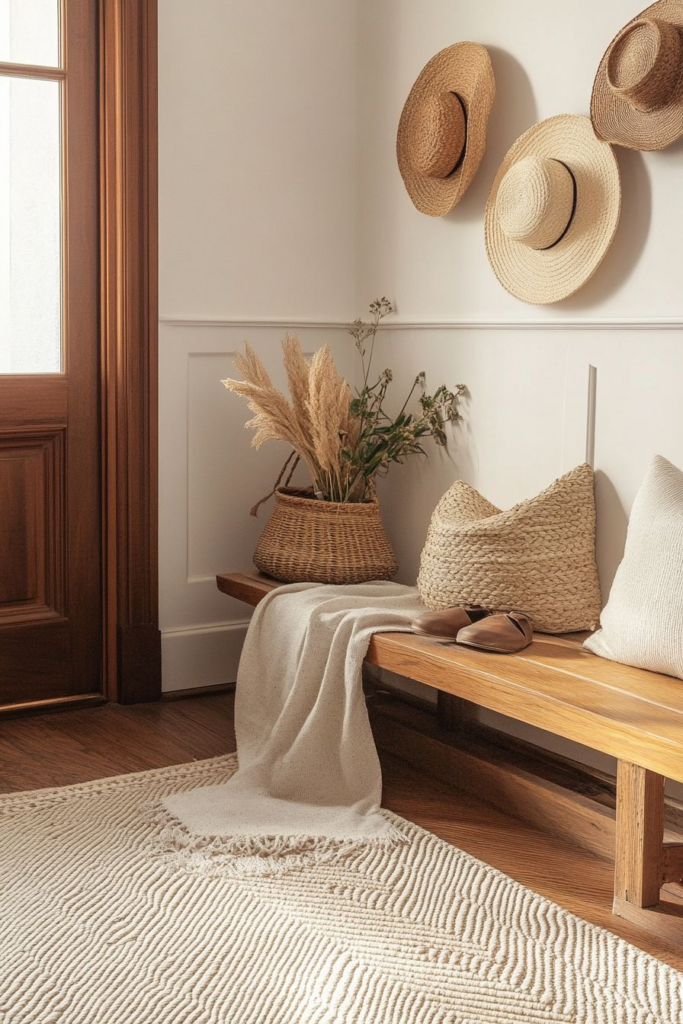
Underfoot texture sets the tone immediately in a hotel-inspired entryway. A luxury rug anchors the space, defines boundaries, and introduces comfort without visual clutter. Boutique hotels select rugs that balance durability with refined design. Flatweaves, low-pile wool, or subtly patterned designs perform well in high-traffic zones while maintaining elegance. Size matters significantly. Rugs should be large enough to sit beneath key furniture pieces, creating cohesion rather than appearing as an afterthought. Neutral patterns or tonal designs work best, offering interest without overwhelming surrounding elements. Texture adds warmth and softens harder surfaces like tile or wood. Proper rug pads improve comfort and prevent movement, reinforcing quality. Hotels rely on rugs to guide movement through entry spaces, subtly directing flow. When chosen with care, a rug enhances acoustics, comfort, and style simultaneously. This single addition contributes greatly to a polished, hospitality-driven first impression that feels intentional and welcoming.
Minimal Drop-Zone Design
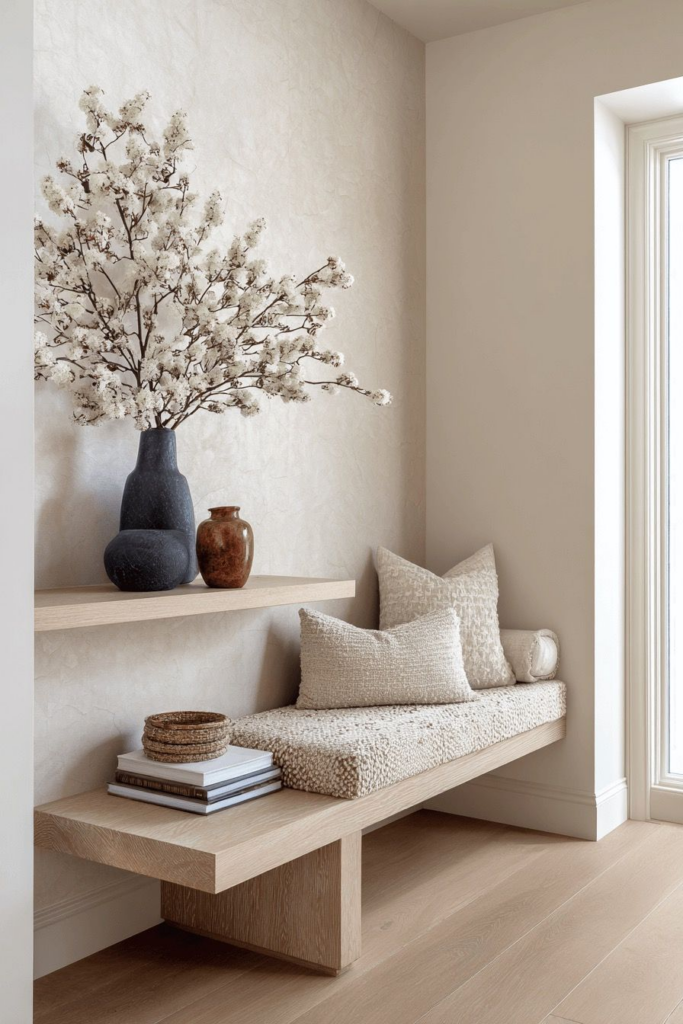
Organization is a defining feature of boutique hotel entryways, achieved through minimal but effective drop zones. Rather than cluttered surfaces, hotels rely on discreet solutions that keep essentials accessible yet hidden. A shallow drawer, slim tray, or concealed shelf provides space for keys, mail, and small items without visual noise. The goal is order without effort. Materials should align with the overall palette, allowing the drop zone to blend seamlessly into the design. Placement near the door ensures convenience while maintaining flow. Hotels avoid overcrowding these areas, reinforcing a sense of calm and control. Limiting the number of items encourages consistency and prevents buildup. This approach supports daily routines while preserving aesthetic clarity. A refined drop zone improves functionality without sacrificing style, delivering a composed, stress-free entry experience that reflects boutique hospitality standards.
Greenery With Presence

Natural elements introduce life and balance into structured entryway designs. Boutique hotels often rely on greenery to soften architectural lines and add freshness without excess. Scale and placement are essential. A single statement plant in a sculptural planter delivers more impact than multiple small arrangements. Species with strong forms, such as fiddle leaf figs or olive trees, provide visual structure while remaining timeless. Maintenance considerations matter, so selecting hardy varieties ensures longevity. Planters should complement surrounding finishes rather than draw attention away. Greenery works best when positioned to frame furniture or define corners, enhancing spatial balance. Hotels use plants to create a welcoming mood while reinforcing a connection to nature. This restrained approach keeps the entryway feeling calm, curated, and alive without appearing decorative.
Art-Forward Styling

Artwork establishes identity immediately, which is why boutique hotels often lead with art in their entry spaces. A thoughtfully selected piece sets the emotional tone while signaling intention. Scale should match the space, ensuring the artwork feels integrated rather than floating. Abstracts, photography, or minimal compositions work particularly well, offering interest without narrative overload. Framing choices matter, with simple frames enhancing rather than competing. Placement at eye level ensures immediate engagement. Lighting should highlight the piece subtly, reinforcing its role without turning it into a focal distraction. Hotels favor art that complements the palette and textures already present. This approach creates cohesion while adding cultural depth. Art-forward styling transforms entryways into expressive yet composed spaces, reflecting the curated sophistication associated with boutique hospitality environments.
Consistent Hardware Finish
Visual consistency defines polished interiors, especially in entryways where details are immediately noticeable. Boutique hotels maintain cohesion by limiting hardware finishes to one or two complementary tones. Door handles, hooks, lighting accents, and furniture hardware should align, creating a seamless visual flow. Mixed metals can work when intentional, but random combinations disrupt harmony. Finishes such as brushed brass, matte black, or soft nickel age well and suit neutral palettes. Consistency does not require uniformity, but rather a shared undertone. Hotels rely on this restraint to elevate spaces without ornamentation. Hardware becomes part of the architecture rather than decoration. This disciplined approach ensures the entryway feels considered, calm, and professionally designed.
Signature Scent Touch

Scent shapes memory more powerfully than visuals, making it a subtle yet impactful design element. Boutique hotels carefully curate signature scents to establish atmosphere from the moment guests arrive. Translating this approach into an entryway requires restraint. Reed diffusers, ceramic scent stones, or discreet oil warmers provide gentle fragrance without overpowering. Notes such as cedarwood, bergamot, sandalwood, or soft florals feel inviting and refined. Placement should allow scent to disperse naturally rather than concentrate. Consistency matters, using the same fragrance across adjacent spaces for cohesion. Hotels avoid strong or synthetic scents, favoring balanced blends that feel clean and calming. This final layer enhances the sensory experience, leaving a lasting impression that feels intentional, welcoming, and unmistakably boutique-inspired.