
First impressions inside a home are shaped long before the living space comes into view. Entryway décor plays a critical role in organizing daily routines, managing clutter, and signaling the overall design direction of the interior. Well-planned styling improves flow, supports storage needs, and enhances visual balance in both small foyers and spacious entrances. Thoughtful choices in furniture, wall accents, lighting, and textures prevent common layout mistakes while maximizing function. This guide shares practical entryway décor tips that prioritize usability, proportion, and style, helping homeowners create welcoming, efficient spaces that feel intentional, cohesive, and easy to maintain.
Anchor the Space With One Statement Piece
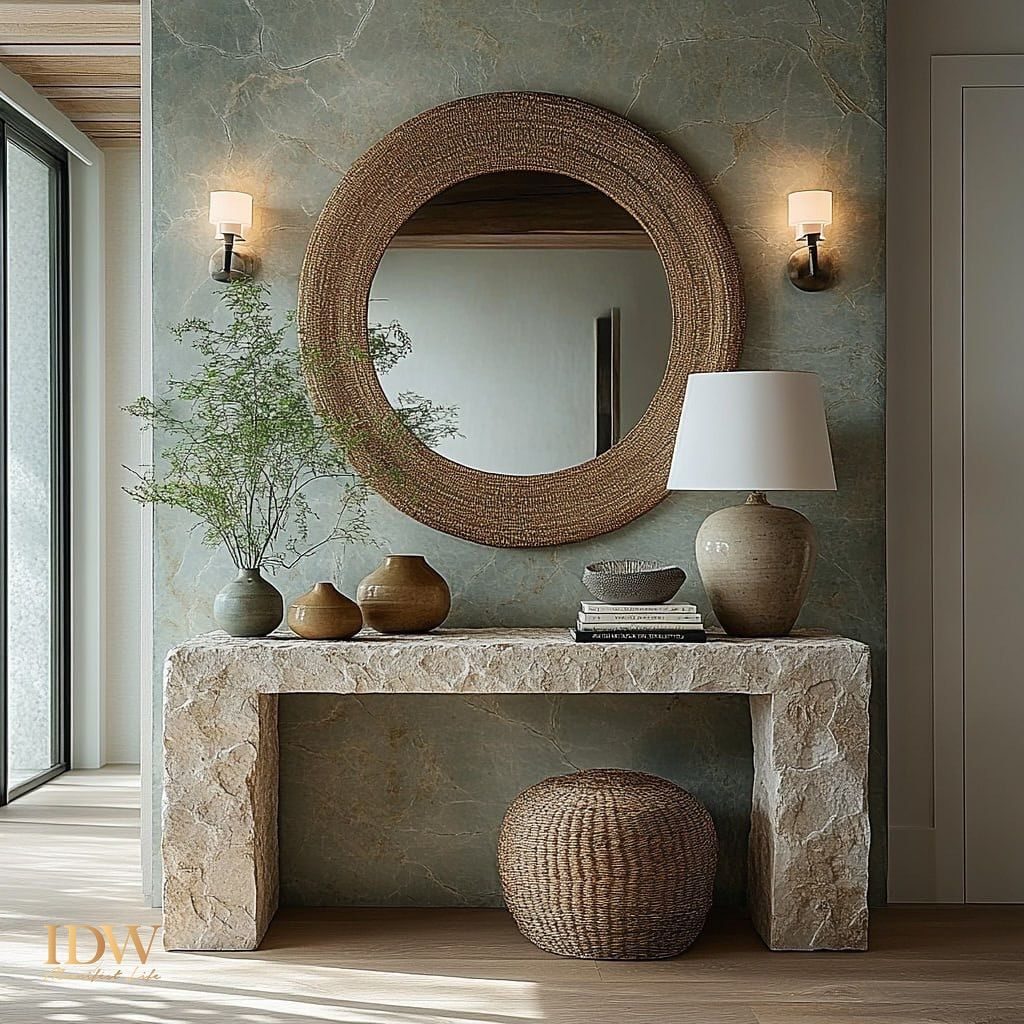
Begin with a single intentional focal element that immediately grounds the entryway and gives the eye something decisive to land on. This could be a sculptural console, a distinctive bench, or a standout light fixture that visually anchors the space without overwhelming it. When one strong piece leads the composition, the surrounding decor can remain restrained, allowing the entry to feel confident rather than cluttered. Scale matters here; undersized accents disappear, while oversized furniture disrupts circulation. Aim for proportion that suits the width and depth of the entry while still feeling substantial. Material choice also plays a role. Solid wood, stone, metal, or mixed finishes communicate permanence and quality, which helps establish a strong first impression. Once the anchor is placed, supporting elements should quietly reinforce it through complementary tones and textures. Avoid competing statement items that dilute focus or create visual noise. This approach simplifies decision-making, reduces unnecessary decor, and creates a sense of order the moment someone walks in. A clearly defined anchor also improves flow, guiding movement naturally through the space. Over time, this strategy makes seasonal updates easier, since smaller accents can change while the core piece remains constant and reliable.
Layer Lighting Instead of Relying on Overhead Only

Rather than depending on a single ceiling fixture, thoughtful lighting design in an entryway benefits from multiple sources working together. Ambient light sets overall brightness, while accent lighting adds depth and visual interest. Table lamps on consoles, wall sconces, or subtle picture lights soften shadows and create a welcoming atmosphere that feels intentional rather than flat. This layered approach also improves functionality, especially during early mornings or evenings when harsh overhead light can feel uninviting. Warm-toned bulbs help reduce glare and contribute to a comfortable mood. Placement should highlight architectural features, artwork, or mirrors without drawing attention to the fixtures themselves. Dimmer switches offer flexibility, allowing light levels to adapt to different times of day or seasons. Cords and wiring should be concealed to maintain a clean look. Balanced lighting not only enhances aesthetics but also increases safety by improving visibility near doors and walkways. Over time, layered lighting elevates perceived quality and gives even modest entryways a polished, considered appearance that feels calm, welcoming, and practical.
Use a Narrow Console With Purpose

Think beyond decoration when selecting a slim console table for an entryway. Its primary role should balance function with visual restraint, especially in tighter spaces where circulation matters. A narrow depth prevents congestion while still offering a surface for essentials like keys, mail, or a small lamp. Storage drawers or a lower shelf can discreetly support daily routines without encouraging clutter buildup. Height matters as well; a console that aligns comfortably with wall art or mirrors above it creates a cohesive vertical relationship. Material selection should coordinate with flooring and nearby finishes to maintain continuity. Styling should remain minimal and intentional, focusing on a few practical objects rather than excessive decor. When every item has a purpose, the entry feels organized and calm. This approach supports efficiency while reinforcing a tidy first impression. Over time, a well-chosen console becomes a dependable landing zone that simplifies arrivals and departures without visually overpowering the space.
Create a Visual Stop With a Rug

Consider the floor as an opportunity to clearly define where the entryway begins and ends. A well-sized rug acts as a visual pause, signaling transition from outdoors to interior living space. Texture, pattern, or subtle contrast underfoot provides grounding while protecting flooring from wear. Size is critical; rugs that are too small feel accidental, while properly scaled options anchor furniture and guide movement. Durable materials suited for foot traffic help maintain appearance over time. Color choices should relate to nearby walls or furnishings without dominating the palette. Placement should allow doors to open freely and furniture legs to sit comfortably on the surface. Beyond aesthetics, rugs contribute to acoustic softness and physical comfort. This simple addition helps establish order, encourages intentional movement, and adds warmth, making the entry feel complete rather than overlooked.
Style Vertically to Draw the Eye Up

Look upward when working with limited square footage, as vertical styling can significantly change how an entryway feels. Tall mirrors, stacked artwork, or wall-mounted storage create visual height that balances narrow footprints. This technique encourages the eye to travel upward, making ceilings appear higher and spaces more open. Consistency in spacing and alignment keeps vertical arrangements from feeling chaotic. Wall hooks, shelving, or lighting placed intentionally along a vertical axis add both function and rhythm. Finishes should coordinate with nearby elements to maintain cohesion. Avoid overcrowding by leaving breathing room between items, allowing each piece to stand out. Vertical emphasis not only maximizes wall utility but also contributes to a sense of thoughtful design. Over time, this strategy enhances spatial perception and makes small entryways feel more intentional and well-proportioned.
Hide Daily Clutter in Plain Sight

Daily necessities do not need to dominate the visual experience of an entryway. Closed storage solutions such as baskets, drawers, or cabinets allow frequently used items to remain accessible without appearing messy. Uniform containers create a sense of order, even when contents vary. Placement should feel intuitive, supporting natural habits like dropping keys or storing shoes immediately upon entry. Materials that blend with surrounding decor help storage fade into the background. Labels or internal dividers improve organization while remaining invisible from the outside. This balance between access and concealment keeps the space functional yet calm. Over time, concealed storage reduces visual stress and reinforces tidy routines, making the entry easier to maintain without constant effort.
Repeat One Finish for a Cohesive Look

Consistency in finishes helps unify an entryway and prevent visual fragmentation. Selecting one dominant finish, such as black metal, brushed brass, or warm wood, and repeating it across hardware, lighting, or accessories creates harmony. This repetition subtly connects separate elements, making the space feel intentional rather than pieced together. The chosen finish should complement existing architecture and nearby rooms for smooth visual flow. Small touches like hooks, frames, or tray accents reinforce the theme without overwhelming it. Limiting the number of finishes reduces decision fatigue and simplifies styling choices. Over time, this approach strengthens cohesion and enhances the overall polish of the entry, even when decor remains minimal.
Add One Organic Element

Natural materials introduce warmth and balance to entryways that might otherwise feel rigid or overly styled. A single organic element, such as a plant, wooden stool, or stone bowl, softens hard lines and adds subtle texture. Organic forms bring variation that feels relaxed and welcoming without disrupting structure. Scale should feel appropriate, neither dominating the space nor fading into the background. Maintenance requirements must align with lifestyle, ensuring longevity and ease. When used sparingly, natural elements ground the design and connect the entry to a broader sense of comfort and authenticity.
Use Mirrors Strategically, Not Randomly
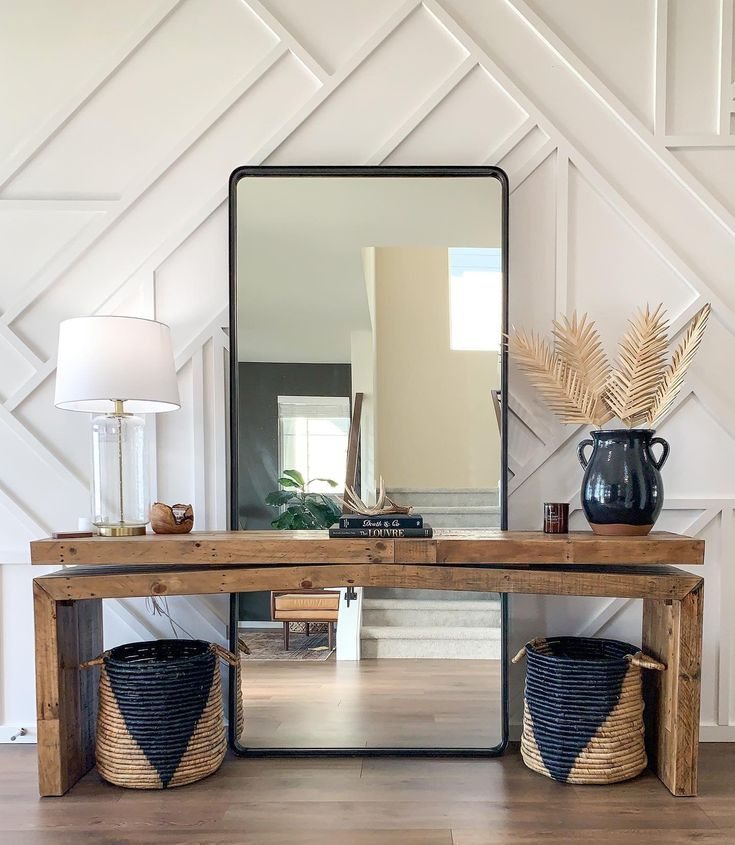
Mirrors serve both functional and aesthetic roles when placed with intention. Proper positioning reflects light, improves visibility, and enhances perceived space. Alignment with a console or architectural feature creates balance and prevents awkward placement. Shape and frame style should complement the overall design rather than stand apart. Height matters; mirrors should align with eye level for everyday use. Avoid scattering multiple mirrors, which can create visual confusion. One well-placed mirror offers clarity, brightness, and cohesion, reinforcing the entry’s purpose while improving daily routines.
Define Zones Even in Tiny Entryways

Small entryways function best when every inch has a clearly assigned role. Zoning creates structure by separating daily activities into intentional areas, even when square footage is limited. A defined landing spot for keys, a specific place for shoes, and a clear walking path immediately reduce friction during daily routines. Visual cues such as a compact rug, wall-mounted hooks, or a narrow bench help establish these zones without physical dividers. Consistency in placement matters more than size; when items always return to the same location, clutter naturally decreases. Vertical zoning is especially effective in tight spaces, using walls for storage while keeping the floor open. Lighting can also reinforce zones, with focused illumination highlighting functional areas. Each zone should feel purposeful, not improvised, supporting how the space is actually used. This approach improves flow, prevents congestion near the door, and makes even the smallest entryway feel organized and intentional. Over time, zoning simplifies maintenance and reinforces habits that keep the area tidy. A well-zoned entry proves that limited space does not limit functionality when layout decisions are deliberate and aligned with real-life needs.
Edit Decor Ruthlessly
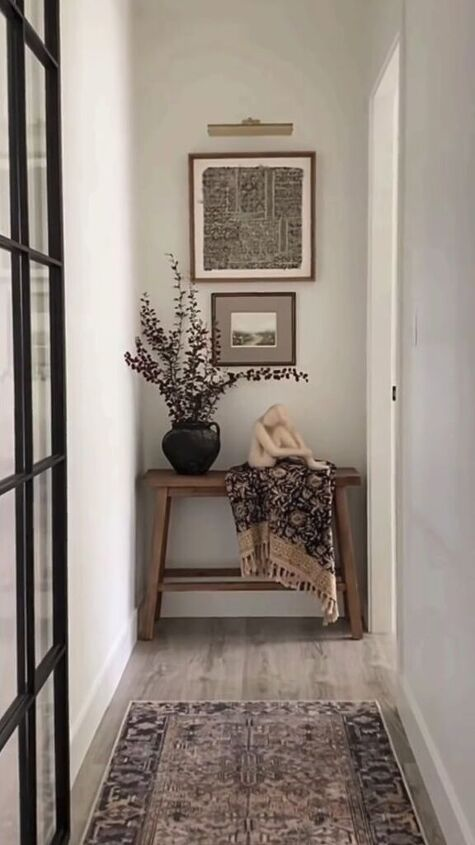
Restraint is the foundation of a well-functioning entryway. Too many decorative elements quickly overwhelm a space designed for movement and transition. Editing decor means evaluating each item based on contribution rather than sentiment or trend. Pieces should serve a clear role, whether functional, textural, or grounding. When decor is reduced, architectural features and proportions become more visible, improving overall balance. This discipline also enhances visual clarity, making the entry feel calmer and more welcoming. Grouping smaller objects into a single tray or removing them entirely often improves impact. Negative space is not empty; it allows the eye to rest and the design to breathe. Regular reassessment helps prevent gradual buildup over time. A pared-back entryway is easier to clean, easier to style seasonally, and more resilient to daily use. Thoughtful editing creates confidence in the space, ensuring what remains feels intentional, cohesive, and refined rather than crowded or unresolved.
Let the Entry Preview Your Home’s Style
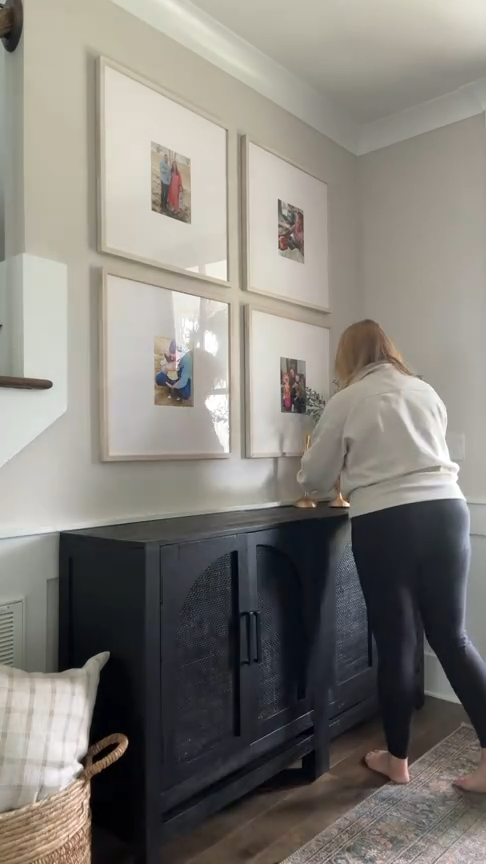
An entryway sets expectations for the entire home, acting as a visual introduction rather than a standalone space. Materials, finishes, and color tones used here should quietly reflect what continues beyond the door. This does not require full decoration, but rather subtle cues such as repeated wood tones, consistent metal finishes, or a shared color palette. When the entry aligns with adjacent rooms, the transition feels natural and cohesive. This preview helps the home feel unified, even if individual rooms vary slightly in mood. Furnishings and decor should hint at the broader aesthetic without revealing everything at once. Keeping the entry edited and intentional reinforces this role. Overly decorative or unrelated styling can create disconnect and confusion. A clear stylistic preview builds continuity, strengthens first impressions, and makes the home feel thoughtfully planned from the moment someone steps inside.