
Architectural curves instantly signal intention, flow, and visual depth within a home. Arched entryways offer more than decorative appeal—they define transitions, soften harsh lines, and introduce character without structural complexity. From modern minimal interiors to classic Mediterranean layouts, the right arch design enhances light movement, perceived space, and overall cohesion. This guide explores practical, stylish arched entryway ideas that balance aesthetics with function, helping homeowners and renovators choose solutions that feel intentional, timeless, and aligned with today’s interior design standards.
Plaster-Soft Minimal Arch
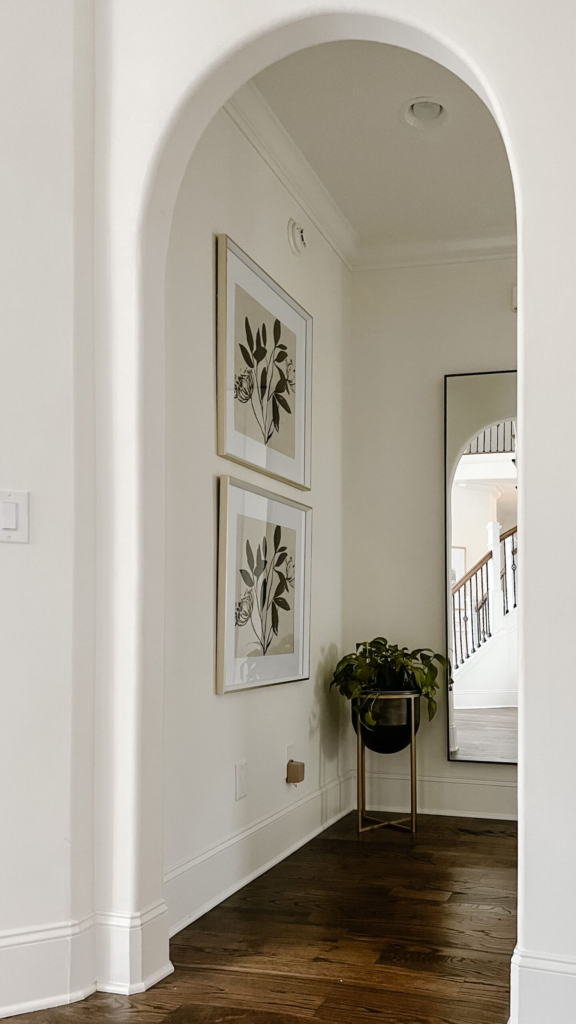
Muted wall finishes paired with gentle curvature create an entryway that feels calm, refined, and visually weightless. This arch style relies on smooth plaster or limewash textures that diffuse light evenly, reducing harsh shadows and visual noise. Clean edges and shallow curves keep the form architectural rather than decorative, making it suitable for modern, Scandinavian, and quiet luxury interiors. Neutral palettes such as warm white, bone, or pale greige allow the arch to blend into surrounding walls while still framing circulation naturally. Subtle transitions between rooms improve flow without introducing visual barriers. This approach works especially well in compact homes where heavy trim would feel intrusive. Matte surfaces also minimize fingerprints and reflect less glare, improving long-term appearance. Paired with concealed lighting nearby or natural daylight, the arch becomes a soft focal point rather than a dominant feature. Flooring continuity through the opening further strengthens the seamless look. Furniture sightlines remain uninterrupted, which helps small entryways feel larger. Maintenance stays straightforward since the absence of molding reduces dust buildup. Overall, this design favors restraint, balance, and tactile appeal, delivering an entry that feels intentional yet understated while supporting long-term durability and timeless spatial clarity.
Painted Contrast Arch Frame
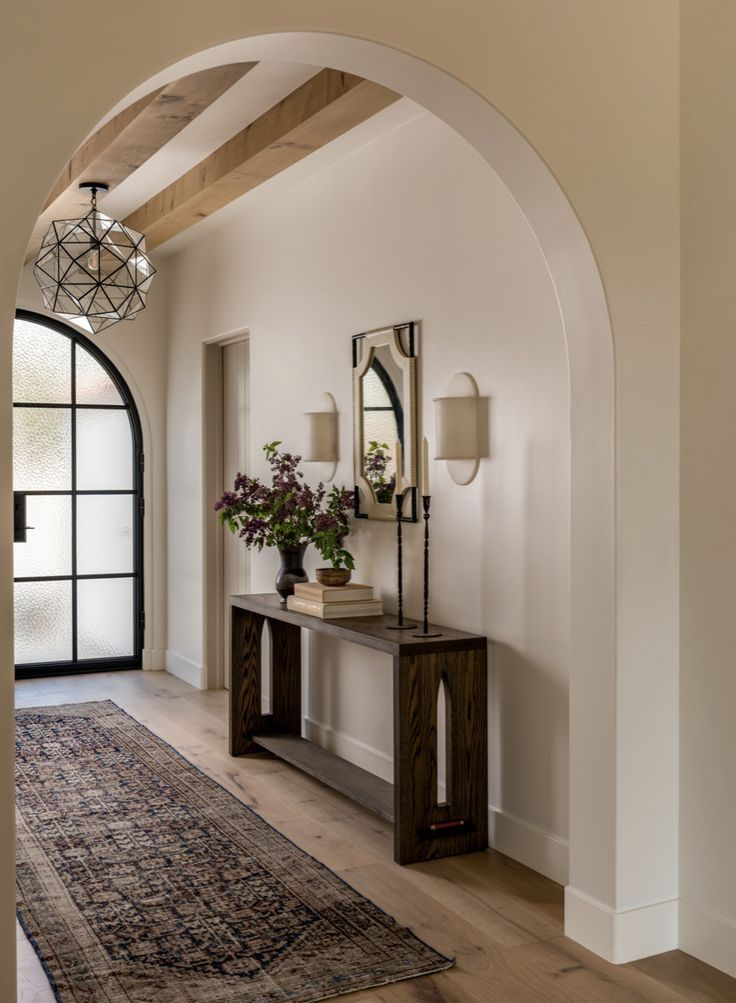
Strategic color placement can define an entryway without altering structure or footprint. This arch approach uses a contrasting paint tone to outline the curve, creating instant visual definition and depth. Darker hues emphasize the geometry, while muted mid-tones provide subtle separation between spaces. Crisp paint edges keep the look architectural rather than playful. When coordinated with nearby trim, stair rails, or cabinetry, the frame feels integrated rather than isolated. This method suits rentals or renovation-light projects since it avoids construction work. Matte or eggshell finishes reduce glare and maintain consistency across lighting conditions. The contrast naturally guides movement and frames views into adjoining rooms. Neutral walls paired with clay, charcoal, olive, or muted blue arches work well across styles. Ceiling height often appears taller because the eye follows the curved outline upward. Proper surface preparation ensures durability and clean lines over time. This solution offers flexibility for seasonal updates or evolving tastes. By relying on proportion and color discipline, the painted frame delivers a high-impact entry feature that remains practical, cost-conscious, and visually grounded.
Arched Niche Drop Zone
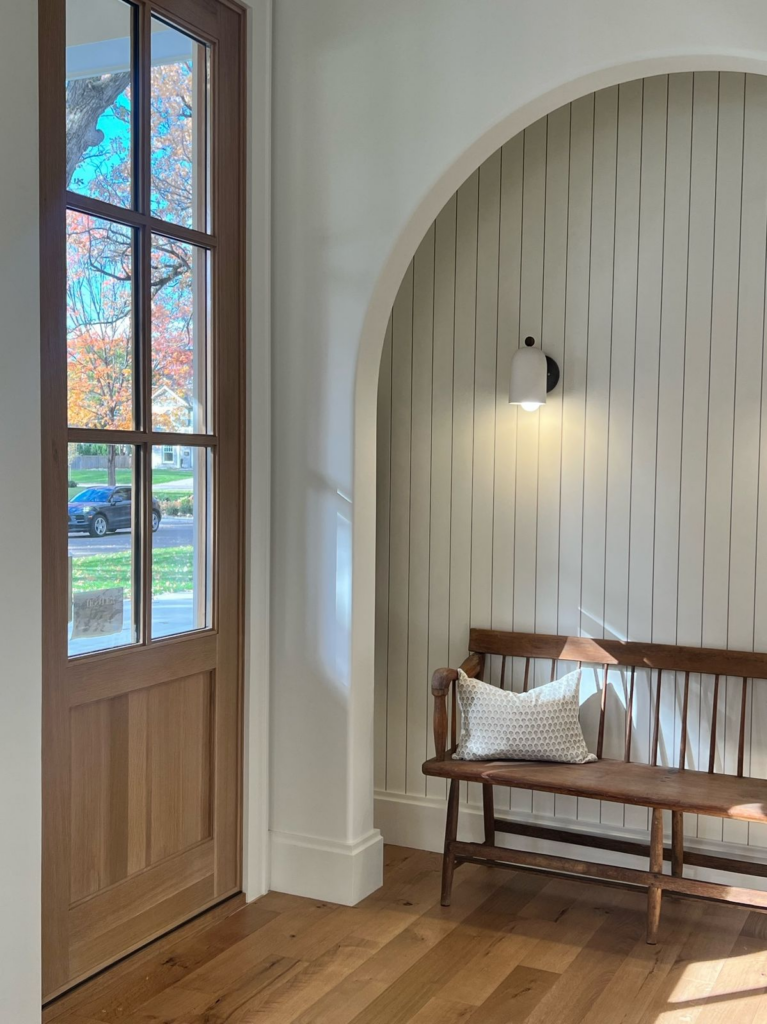
Functional storage can coexist with refined architectural detail when shaped thoughtfully. This entry concept integrates a recessed arch niche to create a dedicated drop zone for daily essentials. Keys, bags, and small accessories gain a defined home, reducing clutter spillover. Built-in depth keeps items visually contained while maintaining a streamlined wall profile. Finishes often mirror surrounding walls to preserve cohesion, while interior niche tones add gentle contrast. Shelving or concealed hooks enhance usability without overwhelming the form. Rounded edges soften the utility-driven purpose, keeping the entry welcoming. Proper sizing ensures comfortable reach and circulation clearance. Lighting within or above the niche improves visibility and adds subtle emphasis. Durable materials support frequent use, making the feature practical for busy households. This design suits narrow foyers where furniture would restrict movement. The arch shape elevates everyday function into an intentional design moment. Over time, the niche supports organization habits that keep entryways tidy. Blending architecture with purpose, this solution delivers clarity, order, and visual interest without sacrificing flow or simplicity.
Double Arch Layered Entry
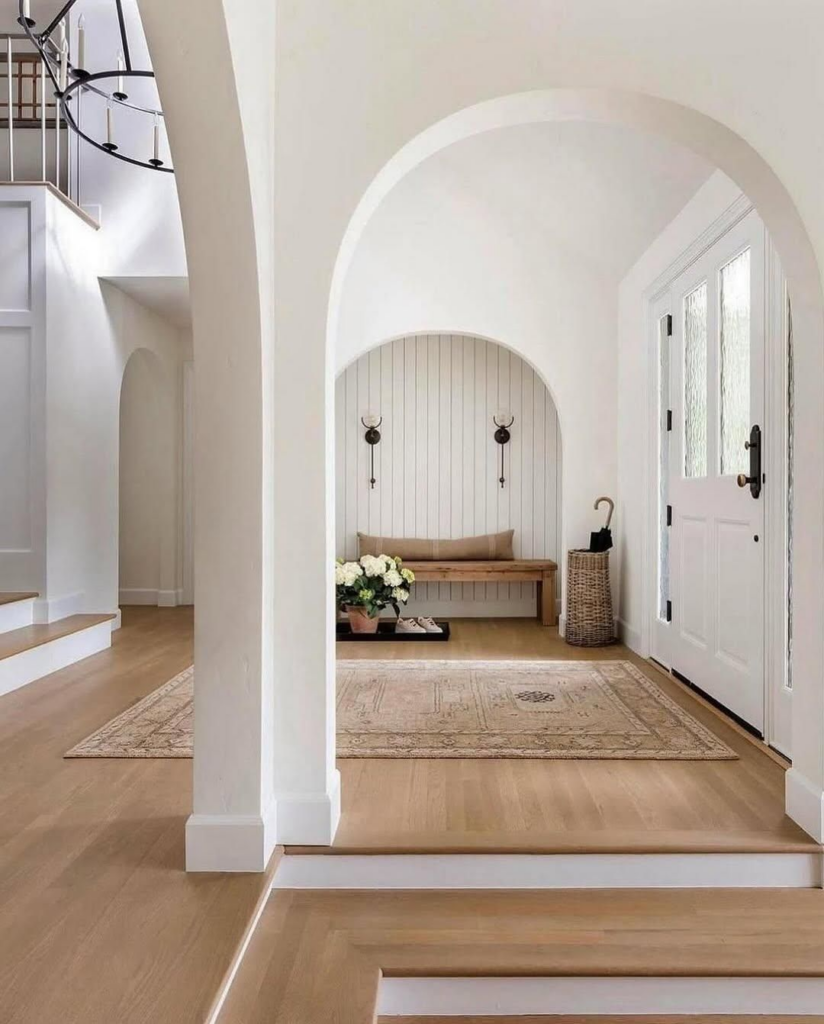
Depth and rhythm define this entryway approach through the use of two aligned arches placed in sequence. Layering creates a sense of progression, guiding movement while adding architectural drama. Spacing between arches should remain balanced to avoid crowding or visual confusion. Matching proportions ensure cohesion, while slight depth variation enhances perspective. This design works well in longer entry corridors or transitional zones between public and private areas. Light passing through multiple curves creates shifting shadows that change throughout the day. Finishes typically remain consistent to avoid visual fragmentation. Flooring continuity reinforces the layered effect and supports smooth circulation. The repetition adds character without relying on ornamentation. Sightlines extend further into the home, increasing perceived space. Structural planning is essential to maintain ceiling integrity and load paths. When executed carefully, the result feels intentional rather than decorative. This approach suits contemporary and Mediterranean-inspired interiors alike. Double arches deliver a refined entry experience that balances visual impact with architectural discipline and everyday usability.
Fluted Panel Arch Detail
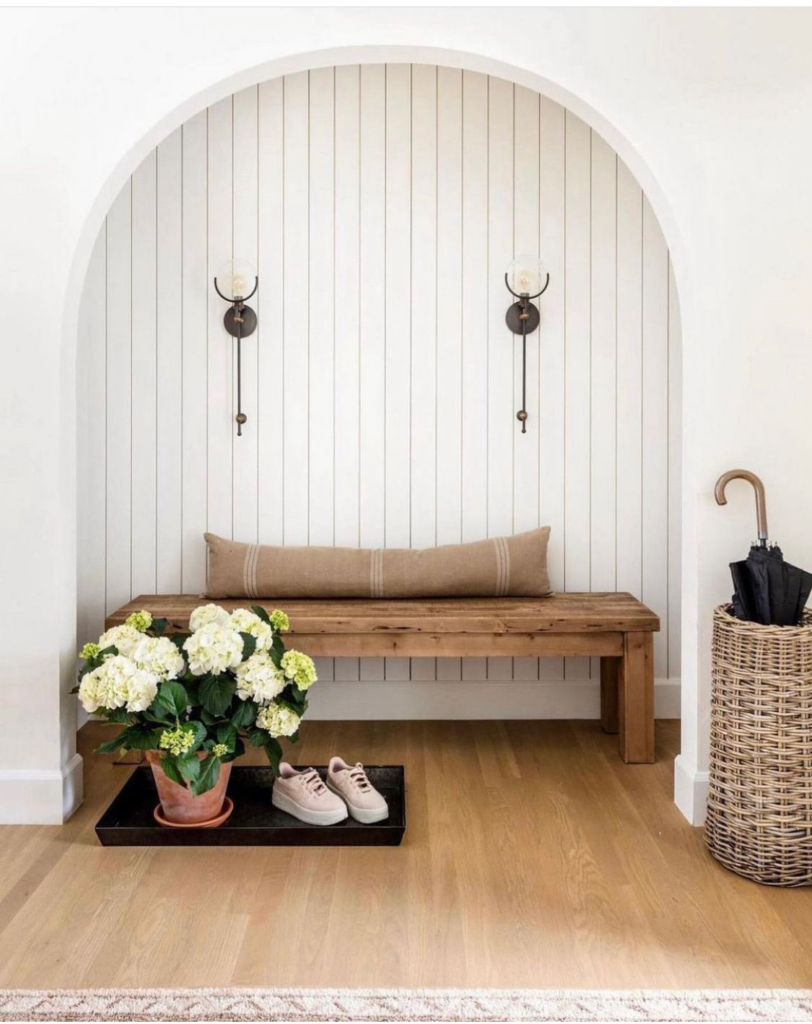
Textural interest transforms a simple curve into a statement feature when fluted panels follow the arch profile. Vertical grooves introduce rhythm and shadow play, adding depth without excessive decoration. This detail pairs well with neutral color palettes where texture becomes the primary visual driver. Precision installation ensures consistent spacing and smooth transitions along the curve. Fluting visually elongates walls, subtly enhancing height perception. Durable materials such as MDF or engineered wood support long-term performance in high-traffic areas. Coordinating fluted details elsewhere maintains cohesion. Lighting grazing across the surface highlights craftsmanship and adds dimension. This approach balances modern structure with classic detailing. The arch remains clean-lined while gaining tactile richness. Maintenance remains manageable with sealed finishes. By focusing on proportion and material quality, this design elevates the entry without overwhelming surrounding spaces. It offers a refined solution for homeowners seeking subtle architectural interest grounded in craftsmanship.
Arched Mirror Illusion
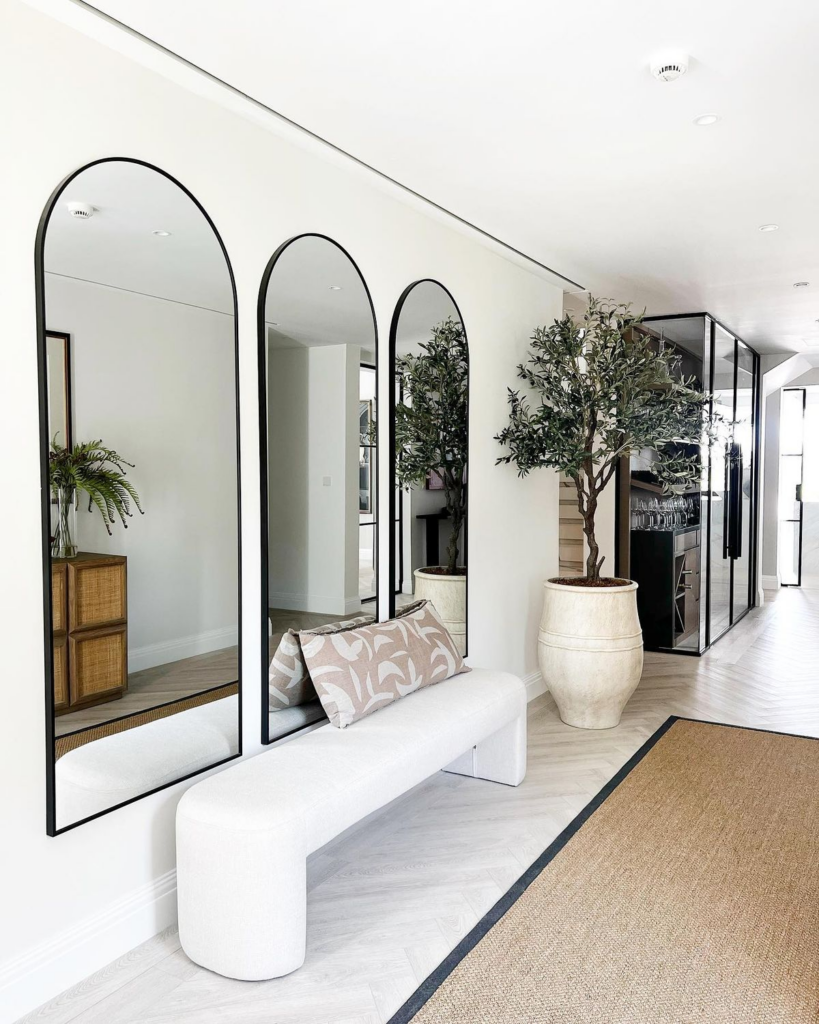
Reflective surfaces amplify light and space when shaped thoughtfully. An arched mirror aligned with an entryway opening creates the illusion of added depth and symmetry. The curve echoes architectural lines, reinforcing cohesion. Positioned opposite natural light sources, the mirror brightens darker foyers effectively. Slim frames maintain a contemporary look while avoiding visual heaviness. This solution suits small or window-limited entries where expansion is desired without renovation. Proper mounting height ensures accurate proportions and functional usability. High-quality glass prevents distortion along curved edges. The mirror also supports daily routines, adding practical value. Coordinating finishes with nearby hardware keeps the look intentional. This approach balances aesthetics and function while enhancing spatial perception. Over time, the mirror remains adaptable as décor evolves. The result is an entry that feels brighter, larger, and visually aligned through disciplined design choices.
Soft LED Halo Arch
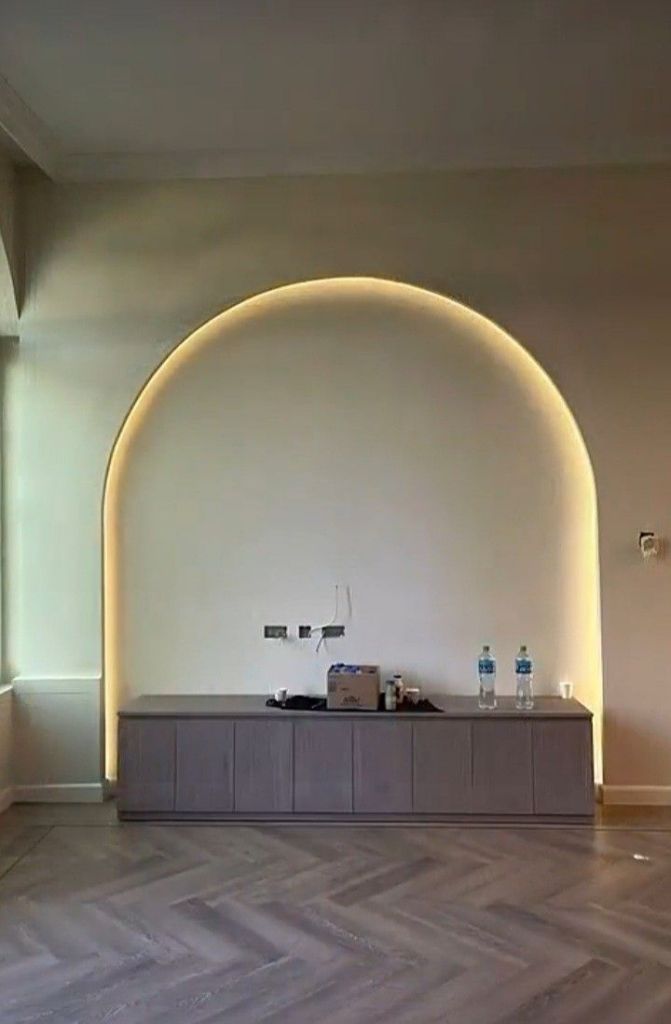
Integrated lighting enhances architectural form when applied with restraint. A concealed LED strip following the arch contour creates a halo effect that highlights curvature without glare. Warm color temperatures maintain a welcoming atmosphere. Proper diffusion prevents hotspots and ensures even illumination. This feature improves visibility during evening hours while adding layered lighting. Wiring remains hidden to preserve clean lines. The glow defines circulation paths subtly, supporting intuitive movement. Dimmers allow flexibility across moods and times of day. This solution pairs well with minimalist interiors where lighting becomes a design element. Energy-efficient LEDs support long-term use. Careful planning ensures access for maintenance. The halo effect adds depth without visual clutter. By emphasizing form through light, the entry gains sophistication and functional clarity while remaining understated.
Stone-trim Mediterranean Arch
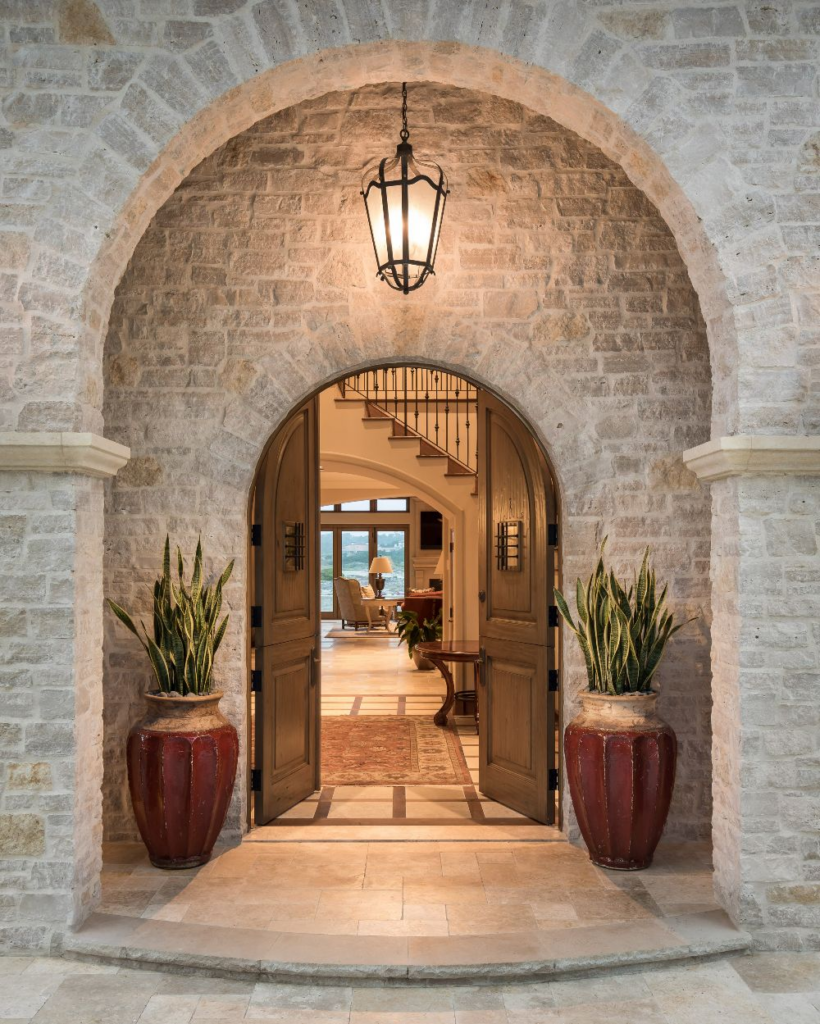
Natural materials bring warmth and authenticity to entryways inspired by Mediterranean architecture. Stone trim framing an arch adds texture, durability, and regional character. Subtle color variation within the stone enhances visual interest. Mortar joints should remain refined to avoid heaviness. This approach suits homes seeking timeless appeal rooted in craftsmanship. The arch gains weight and presence while remaining welcoming. Proper sealing protects against wear and staining. Pairing stone with neutral plaster walls maintains balance. The result feels grounded and enduring. This design supports indoor-outdoor transitions effectively. Over time, the stone develops patina that adds character. Structural detailing must respect load distribution. The entry benefits from a sense of permanence and cultural reference delivered through material honesty.
Wall-to-Ceiling Oversized Arch
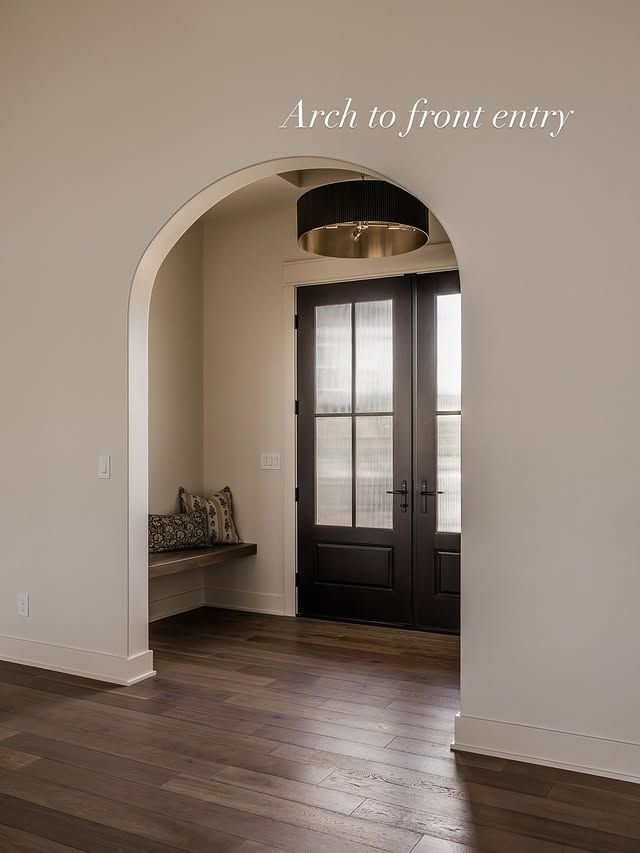
Scale becomes the defining element when an arch spans from floor to ceiling. Extended height draws the eye upward, enhancing verticality and openness. Clean lines prevent the size from overwhelming the space. This design suits open-plan layouts where transitions remain fluid. Consistent finishes ensure cohesion. Structural planning is essential to maintain stability. The oversized curve frames views dramatically while preserving flow. Natural light passes freely, supporting brightness. This approach delivers impact through proportion rather than ornament. It works best in spaces with generous ceiling heights. The result is a bold yet controlled architectural statement grounded in spatial clarity.
Open Archway Without Door
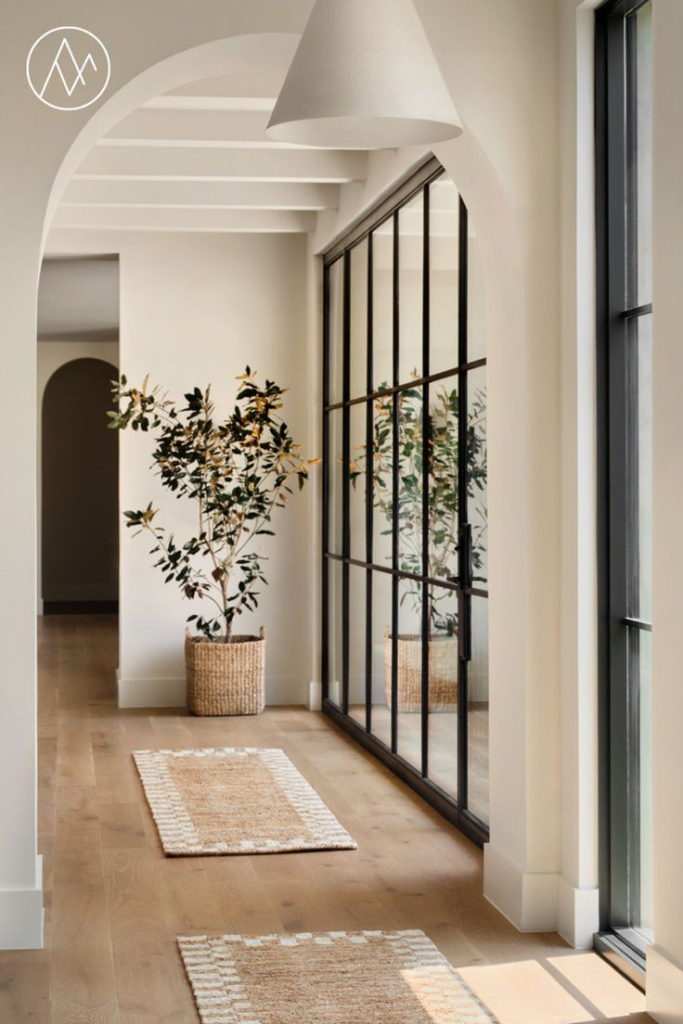
Unobstructed movement defines this entry concept by removing physical barriers entirely. An open arch maintains separation while supporting seamless circulation. Airflow and light distribution improve across adjacent spaces. The curve softens transitions and reduces visual rigidity. This approach suits modern and family-oriented homes. Flooring continuity enhances flow. The absence of doors simplifies maintenance. Acoustic planning may be required. The arch becomes a permanent frame guiding movement naturally. This solution balances openness with definition through form alone.
Color-Drenched Arch Zone
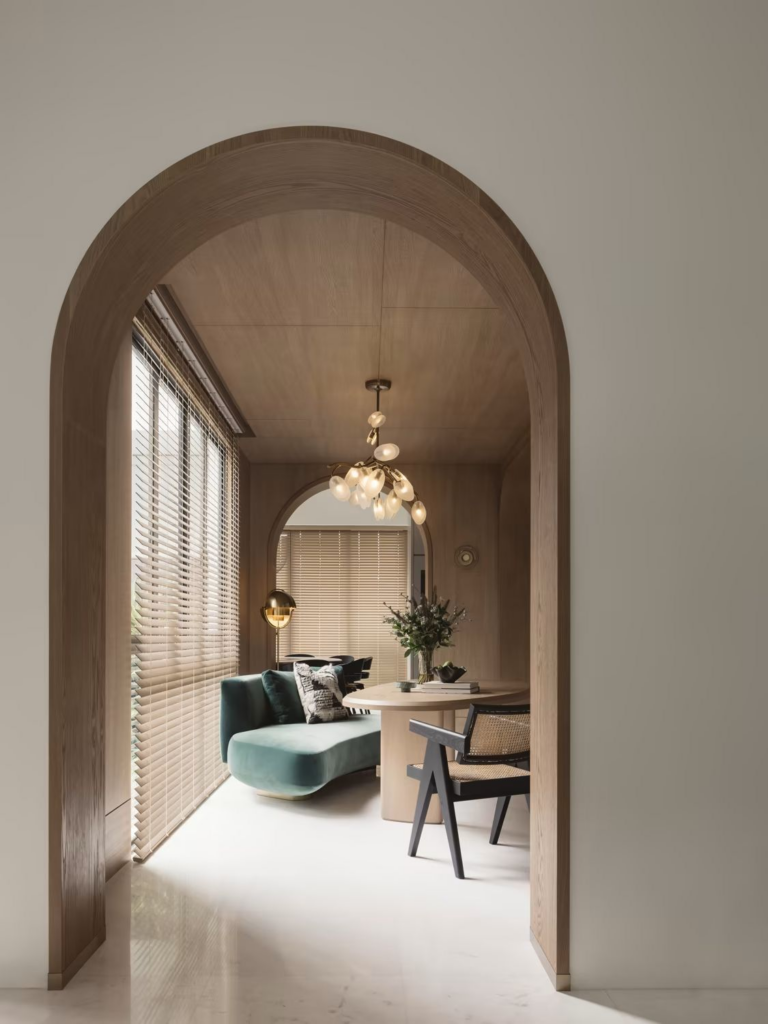
Unified color application across an entry arch creates a strong spatial identity that feels intentional and immersive. Carrying one saturated or muted tone across walls, ceiling edges, and the curved opening visually defines the zone without adding physical barriers. This approach works especially well in open layouts where clear transitions are needed. Matte finishes help control glare and preserve depth, ensuring the color reads rich rather than flat. Consistent undertones are essential to avoid visual dissonance under changing daylight. When paired with restrained flooring and minimal accessories, the arch becomes the focal point without overwhelming circulation. Lighting plays a critical role; warm, even illumination maintains accuracy and comfort. Darker palettes can add drama, while earthy hues promote calm. Durability improves when washable paints are used in high-touch areas. The continuity of color also simplifies styling, allowing furniture and artwork to stand out naturally. Over time, this method remains adaptable, as accent pieces can shift without repainting the structure. By relying on discipline and tonal consistency, the entry gains clarity, character, and a memorable first impression grounded in thoughtful design rather than decoration. Subtle hardware choices and consistent textures further reinforce longevity, balance, and everyday practicality for modern homes today everywhere.
Modern Slim-Line Arch
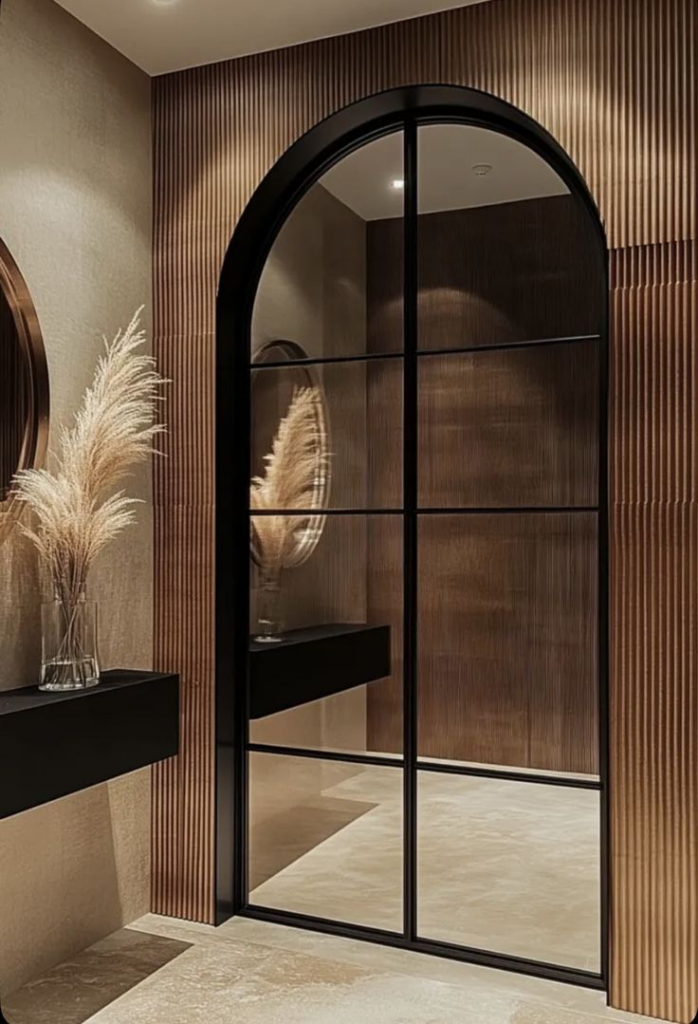
Precision-led detailing defines this arch style, focusing on reduced thickness and clean curvature for a contemporary entry. Slim profiles minimize visual weight, allowing the opening to frame movement without dominating surrounding walls. This approach suits compact homes where every inch matters. Smooth finishes and tight radii deliver a crisp architectural look that feels intentional rather than decorative. Neutral tones enhance versatility, making the design adaptable to future updates. Structural planning ensures strength despite the refined profile, especially at ceiling junctions. Consistent wall finishes help the arch blend seamlessly into the space. Lighting nearby should remain understated to avoid competing with the form. The absence of heavy trim simplifies maintenance and supports long-term durability. Flooring continuity through the opening reinforces flow and openness. This style works well in minimalist, urban, and modern-classic interiors. Proportion remains critical; even slim arches require balanced width and height to feel comfortable. When executed correctly, the result feels light, efficient, and architectural. The entry benefits from clarity and restraint, delivering a polished transition that prioritizes function, longevity, and visual calm over excess detail. Careful alignment with doors, cabinetry, and circulation paths ensures consistency across the entire home experience while remaining timeless, efficient, and adaptable for households.