
First impressions often begin at the curb, and the look of your property plays a big role in how it’s perceived. A well-kept exterior not only improves daily enjoyment for you but also increases property value and neighborhood appeal. Small changes such as fresh landscaping, updated lighting, or a polished entryway can make a striking difference without requiring major renovations. Readers looking for quick, effective updates will find practical and creative strategies to suit every budget and style. With the right improvements, your home’s exterior can reflect pride of ownership while welcoming guests and potential buyers with lasting charm.
Earth-Tone Door Pop
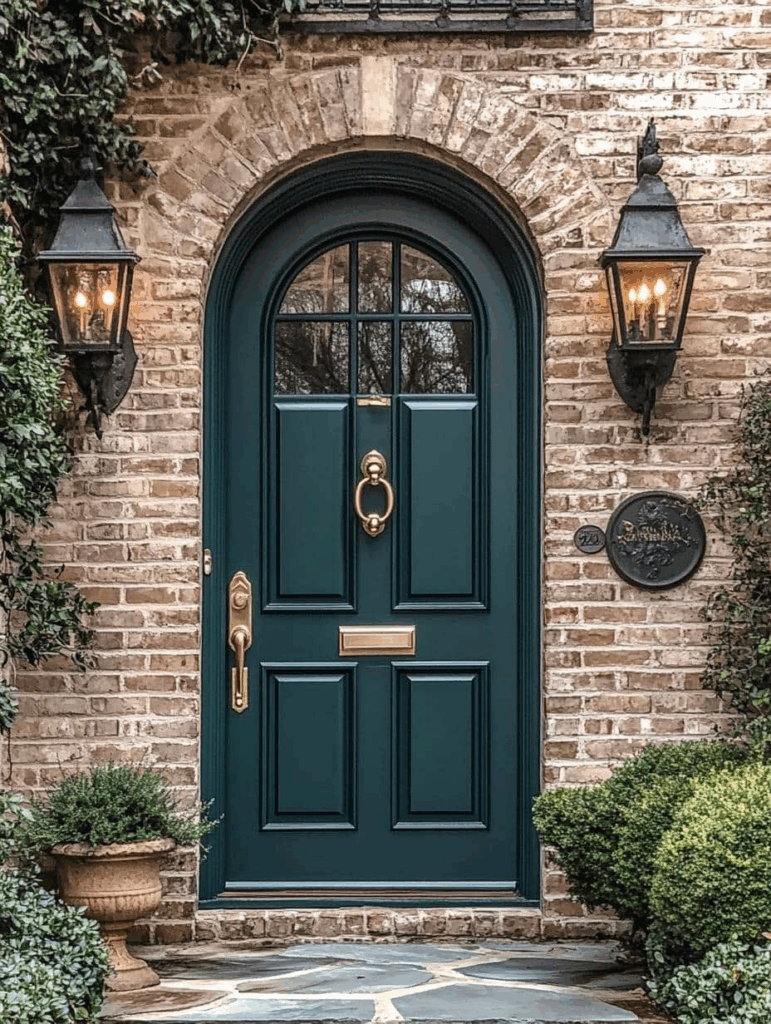
Warm earth tones on a front door instantly establish a grounded, welcoming first impression. Terracotta, olive, muted clay, and sandstone hues connect naturally with surrounding landscaping while standing out against standard siding. These shades project calm stability and sophistication without feeling overbearing, making them an excellent choice for homeowners wanting both charm and subtlety. Pairing earth-tone paint with matte finishes, natural wood trim, or stone steps creates a cohesive palette that feels intentional. Brushed bronze or black hardware complements the tones while providing durability and balance. For seasonal flexibility, neutral planters with greenery or warm florals highlight the depth of these shades. Unlike stark or overly bright colors, earthy hues maintain long-term appeal and avoid quick fading trends. Even small updates, such as matching a door wreath or welcome mat to the chosen palette, reinforce the visual unity. When paired with consistent exterior maintenance, an earth-tone door signals thoughtful design while blending seamlessly with both modern and traditional homes. This choice subtly boosts curb appeal by providing character without overwhelming the rest of the exterior. Homeowners seeking timeless appeal with modern versatility will find earth-tone doors to be a reliable investment that upgrades the entryway’s overall style.
Framed Outdoor ‘Foyer’ Landing
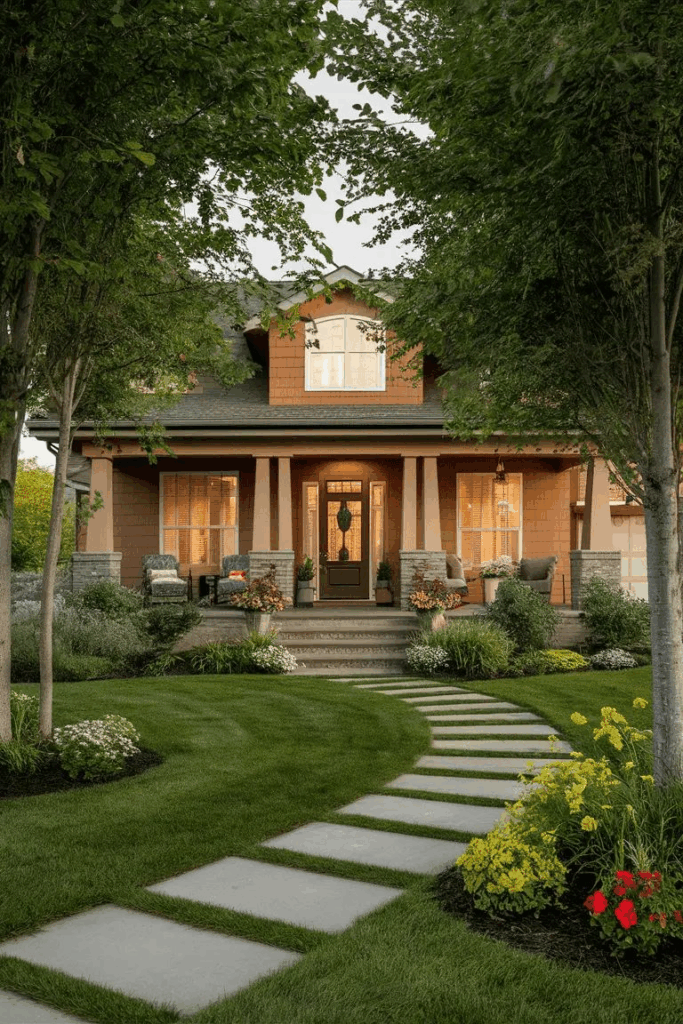
Defining a landing area at the front entry gives the home a structured sense of arrival. By visually framing the space with pavers, stone borders, or contrasting trim, the entrance feels more intentional and inviting. This “outdoor foyer” effect works well even for small porches, creating a transition zone between the public street and private home. Symmetry adds elegance, whether through planters, lanterns, or low walls that guide visitors to the door. Layering materials such as slate and wood achieves depth while signaling a maintained and cared-for property. Lighting further enhances the effect, ensuring the landing feels safe and approachable at night. In climates with heavy rainfall or snow, using slip-resistant materials prevents hazards while maintaining style. Seasonal décor or a durable bench can add comfort without clutter. Unlike a plain walkway that ends abruptly at the door, a framed landing makes the home appear larger and more polished. This small architectural adjustment communicates attention to detail and hospitality. By treating the entryway as an extension of the interior foyer, curb appeal increases through balance, order, and a welcoming atmosphere. It’s a practical yet stylish method for homeowners who want guests to feel a warm reception immediately upon arrival.
Layered Landscape Lighting

Strategic outdoor lighting can dramatically reshape curb appeal after dusk. A layered approach combines three essential elements: ambient, task, and accent lighting. Ambient fixtures, such as wall sconces or overhead porch lanterns, provide overall brightness that feels secure and approachable. Task lighting focuses on functional areas like pathways, steps, and driveways, ensuring safe navigation. Accent lighting highlights architectural features, garden beds, or mature trees, drawing the eye toward intentional focal points. LED technology offers energy efficiency and long lifespans while supporting various color temperatures. Warm light tones maintain a cozy feel, while cooler whites can emphasize modern designs. Solar options reduce wiring needs and work well for garden borders, though wired systems remain more reliable for consistency. Placement matters as much as the fixtures themselves—angled uplights bring texture to stone facades, while downlights mimic moonlight filtering through branches. Avoiding over-illumination prevents glare and maintains elegance. Automated timers or smart systems provide convenience, allowing lights to adjust based on time or motion. Unlike single-source floodlights, layered lighting adds dimension and highlights the home’s best features without overwhelming the view. When thoughtfully installed, this multi-tiered system conveys sophistication, improves safety, and ensures the property looks as appealing at night as it does by day.
Personalized Front Door Makeover

An updated front door design tailored to personal taste instantly raises curb appeal. Custom paint shades, such as navy, sage, or rich charcoal, allow homeowners to showcase individuality while complementing the property’s exterior. Decorative hardware—including modern handles, vintage knockers, or smart locks—enhances functionality while reinforcing design style. Door inserts, from frosted glass panels to geometric cutouts, add light and architectural interest without requiring a full replacement. Personalized details like monogrammed doormats, seasonal wreaths, or house numbers mounted in unique fonts turn the entry into a statement piece. Even budget-friendly updates, such as replacing worn weatherstripping and polishing hinges, contribute to a refreshed appearance. For those seeking greater durability, fiberglass or steel doors replicate the look of wood without the same maintenance demands. Coordinating the door color with trim or shutters ties the home together visually, projecting a cohesive, intentional design. Unlike generic updates, personalized touches reflect lifestyle and creativity, giving visitors an immediate sense of the homeowner’s personality. Beyond visual impact, improved doors also increase insulation and security, blending practicality with style. Whether minimal or bold, a personalized makeover ensures the home’s entrance becomes more than just a passageway—it becomes a memorable focal point that conveys pride and character.
Pressure-Washed Siding & Pavement

Grime, mildew, and dirt can quietly dull a home’s exterior over time, even if the structure itself is in excellent condition. Pressure washing siding, walkways, driveways, and steps instantly revives surfaces, restoring brightness and freshness that dramatically boosts curb appeal. Vinyl, brick, and concrete respond especially well to high-pressure cleaning, shedding years of buildup in a single afternoon. The transformation is not only cosmetic; it also extends material lifespan by preventing mold or algae from causing long-term damage. Homeowners can rent machines for DIY projects or hire professionals for larger areas, particularly when handling delicate surfaces like painted wood or stucco. Safety precautions are crucial—using the proper nozzle and maintaining consistent distance prevents accidental stripping or etching. Pairing pressure washing with follow-up treatments such as concrete sealing or protective siding coatings ensures results last longer. A clean exterior communicates care and pride, signaling to neighbors and potential buyers that the property is maintained regularly. Few improvements match the cost-to-impact ratio of this task. In just a few hours, pressure washing transforms faded exteriors into sharp, refreshed facades, giving the entire home a well-cared-for appearance that instantly catches the eye and increases overall property value.
Vivid Seasonal Planter Pops
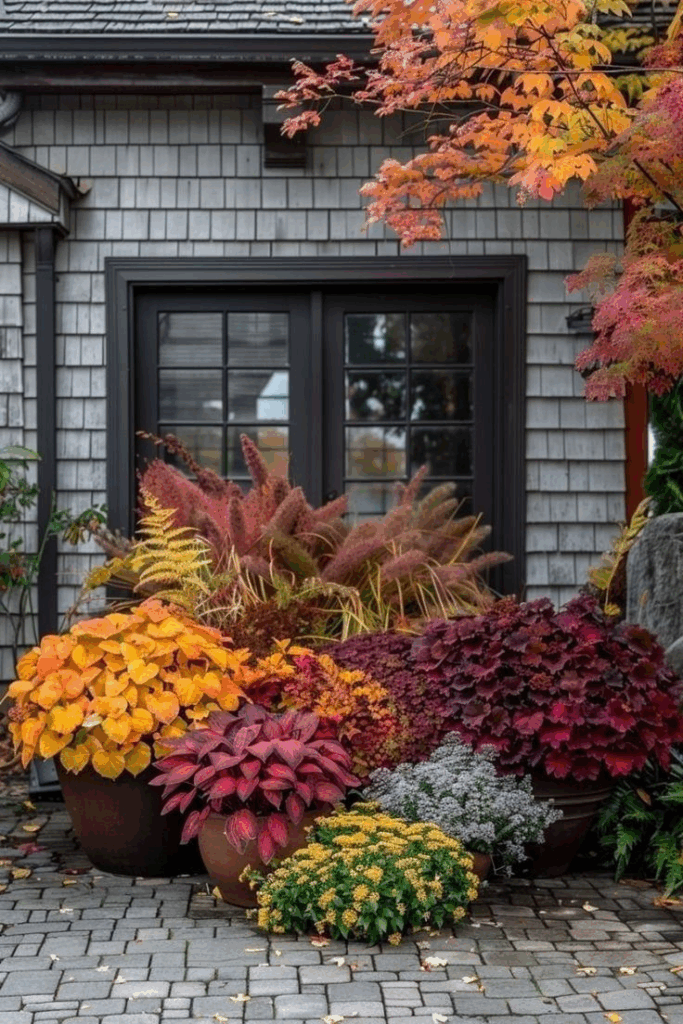
Front entrances benefit enormously from well-placed planters filled with colorful seasonal blooms. Bright arrangements of tulips and daffodils in spring, vibrant geraniums and petunias in summer, mums in fall, and evergreens with berries in winter create an evolving display that reflects the rhythm of the year. The key is proportion—tall urns or box planters framing the doorway provide symmetry, while layered heights add dimension. Choosing containers that complement the home’s architecture, whether sleek modern metal or rustic terracotta, ties the arrangement into the overall design. Beyond flowers, incorporating textured foliage, cascading ivy, or ornamental grasses prevents displays from feeling flat. Seasonal planters also allow experimentation without long-term commitments, as arrangements can be swapped with the changing climate. For added nighttime appeal, small solar uplights placed in or near planters highlight textures and colors after dark. Unlike static landscaping, rotating planters demonstrate attentiveness and creativity, showing that the property evolves with each season. Even modest investments in fresh blooms elevate the atmosphere of the entryway. This recurring refresh not only delights visitors but also creates a sense of pride for homeowners, ensuring the front of the house always feels lively, inviting, and thoughtfully styled throughout the year.
Architectural Material Mix

Varied textures and finishes on a home’s exterior create visual richness that immediately enhances curb appeal. Mixing materials such as natural stone with wood, metal accents with stucco, or brick with fiber cement siding introduces contrast without overwhelming the structure. The key lies in balance—using one primary material as the anchor and layering complementary accents in smaller doses. For example, stone pillars flanking a wooden porch or metal railings paired with painted siding convey depth and intentional design. Natural finishes often age gracefully, giving character over time while maintaining durability. Even modest updates, like replacing a plain concrete stoop with pavers or cladding foundation walls with stone veneer, elevate the home’s perceived value. Lighting strategically placed against textured surfaces further emphasizes the material interplay, creating shadow and dimension at night. Careful coordination of color palettes prevents the mix from feeling disjointed. By thoughtfully combining architectural elements, homeowners achieve a custom look that differentiates their property from neighboring houses. Unlike single-material facades, mixed exteriors suggest investment and craftsmanship, qualities that leave lasting impressions on both guests and potential buyers. This approach modernizes traditional homes and adds warmth to contemporary designs, making it one of the most effective long-term curb appeal strategies.
Low-Maintain Native Color Strips

Planting borders with native species offers beauty and practicality in one step. Strips of hardy regional flowers, shrubs, and grasses not only bring color and texture but also require far less maintenance than non-native alternatives. Because these plants are adapted to local soil and weather conditions, they thrive with minimal irrigation and fertilizer. This reduces water consumption, lowers upkeep costs, and supports local ecosystems by attracting pollinators such as butterflies and bees. Color planning adds further impact—layering vibrant perennials with steady evergreen groundcover ensures year-round visual interest. For a polished appearance, design strips along walkways, fences, or driveways to frame the property naturally. Mulch beds prevent weeds while highlighting plant groupings with clean definition. Unlike manicured gardens that demand constant attention, native color strips grow fuller and stronger each season with little intervention. They also communicate a sense of environmental responsibility, aligning with modern preferences for sustainable landscaping. Coordinating these strips with other curb appeal features—such as earth-tone doors or architectural mixes—ties the entire exterior together. Beyond aesthetic benefits, native plantings withstand droughts and harsh weather, ensuring curb appeal remains consistent throughout the year. This smart, eco-friendly investment delivers enduring charm while saving time and resources for homeowners.
Bold Driveway Ribbon Inlays

Driveways often dominate the front view of a property, making them an important but overlooked opportunity to boost curb appeal. Ribbon inlays break up plain expanses of concrete or asphalt by adding decorative strips, usually of brick, stone, or contrasting pavers, that run lengthwise down the surface. This design detail not only reduces visual monotony but also adds architectural interest that frames the driveway like a purposeful feature rather than a utilitarian slab. Homeowners can select materials that echo accents on the house, such as matching stone to the porch or brick to the façade, ensuring visual cohesion. Practical benefits accompany the aesthetic improvement—permeable inlays allow water to drain more effectively, reducing puddling and erosion. They also define parking zones, guiding both residents and visitors naturally. Installation can be scaled, from two narrow strips to broad decorative panels, depending on budget and style preference. Unlike full driveway replacements, ribbon inlays are more cost-effective yet still dramatically improve first impressions. Whether viewed from the street or the front step, these patterns elevate the driveway from background to centerpiece, signaling intentional design. With thoughtful planning, bold inlays transform a functional surface into an elegant extension of the home’s architecture.
Bold Textures & Natural Contrast
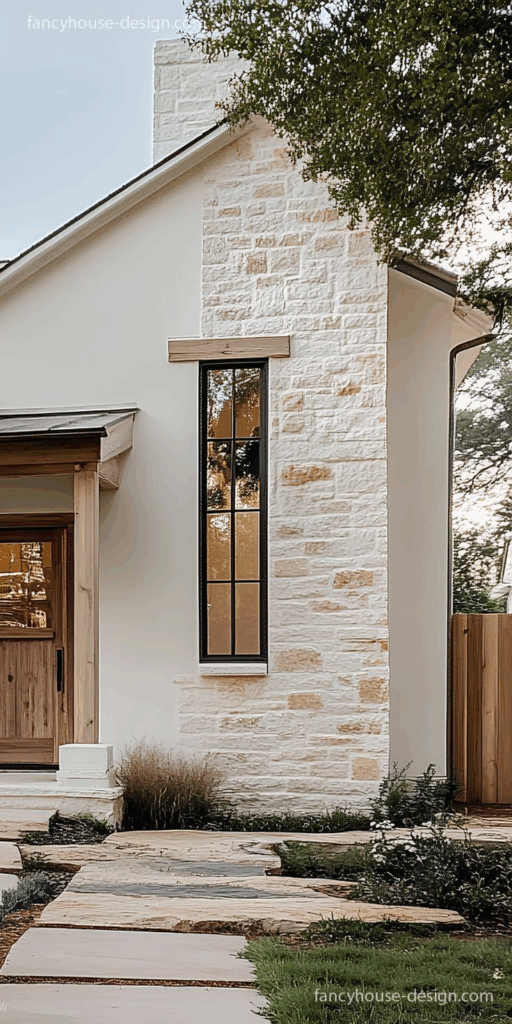
Exterior design gains visual strength when texture and contrast are thoughtfully balanced. Pairing rough stone with smooth siding, warm wood with sleek metal, or matte finishes with glossy trim creates interest that immediately draws the eye. These contrasts highlight architectural lines and give depth to otherwise flat surfaces. For instance, dark cedar panels against white stucco emphasize modern geometry, while stone accents alongside painted clapboard deliver timeless charm. Natural contrast also works in landscaping—mixing coarse gravel with lush greenery or tall ornamental grasses against manicured lawn sections adds rhythm and variety. The principle is to let differences complement rather than compete. Maintenance plays a role too: choosing durable materials like weather-resistant composites or sealed stone ensures the contrasts remain attractive over time. Lighting can amplify textures, with shadows bringing out grooves, ridges, and layered finishes during evening hours. Unlike monochromatic exteriors, homes that use deliberate contrast appear dynamic, stylish, and well-curated. This approach communicates craftsmanship and confidence, making the property stand out without relying on flashy color. Done correctly, texture pairing delivers lasting curb appeal that feels both contemporary and grounded in natural beauty, enhancing the home’s personality while remaining welcoming to guests and neighbors alike.
Elevated Entry Arch or Mudroom

Grand entrances leave lasting impressions, and one effective way to achieve this is by framing the front door with an archway or compact mudroom extension. An entry arch adds architectural drama, whether crafted from stone for traditional elegance or metal for sleek modern lines. A small mudroom, meanwhile, provides practicality by shielding guests from weather while offering storage for shoes, coats, or umbrellas. Both options create a sense of arrival that feels deliberate and thoughtful. Arches soften transitions between exterior and interior spaces, while enclosed mudrooms add depth to otherwise flat facades. Integrating lighting into these features ensures visibility and highlights details at night. Material choices should tie back to the home’s design—brick arches suit colonial styles, while wood-clad mudrooms complement craftsman homes. Even modest additions improve energy efficiency by reducing drafts and offering shade in warmer climates. Unlike simple porch coverings, arches and mudrooms add value through both function and form. They enhance curb appeal by signaling durability, intentional design, and hospitality. Whether a decorative archway or a practical enclosed nook, these architectural features instantly convey a sense of welcome while giving the home an identity that stands apart in any neighborhood.
Bed-Shaping for Visual Movement
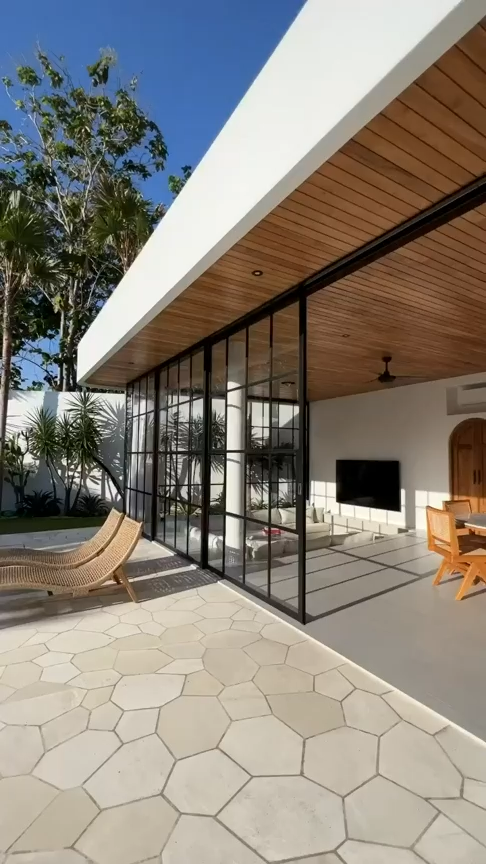
Landscaping beds do more than hold plants; their shapes guide the eye across the property, influencing how the home is perceived. Curved flower beds soften rigid architectural lines, while geometric or angled beds add structure and formality. This deliberate shaping creates a sense of flow that makes the yard appear larger and more cohesive. Layering low groundcovers in front, mid-height shrubs in the middle, and taller plantings in the back establishes rhythm and movement without overwhelming the viewer. Borders defined by stone, steel edging, or brick maintain clean lines that prevent grass from encroaching, keeping the design sharp. Seasonal plant rotations ensure continued interest, while evergreen anchors provide stability year-round. Bed-shaping also directs focus toward key elements, such as framing the entry path or highlighting a porch. Unlike randomly placed plants, structured beds project professionalism and thoughtfulness, suggesting the landscape is as intentional as the home itself. Maintenance remains straightforward with mulching, drip irrigation, and native plant selections, allowing beauty without heavy labor. By designing beds that lead the eye naturally toward the front door, homeowners achieve a harmonious balance between house and garden. The result is curb appeal that feels polished, inviting, and visually dynamic.