
Arid climates present unique challenges for outdoor spaces, yet the right approach can turn dry conditions into striking landscapes full of character. The best desert landscaping ideas highlight resilience, water efficiency, and style while ensuring minimal maintenance. From drought-tolerant plants like succulents and cacti to creative use of rocks, gravel, and natural textures, these designs balance functionality with beauty. Homeowners are increasingly seeking sustainable solutions that thrive in heat while conserving resources. This guide outlines practical, visually appealing options that make front yards and backyards stand out, inspiring lasting curb appeal perfectly suited for desert living.
Sculptural Boulder Trios
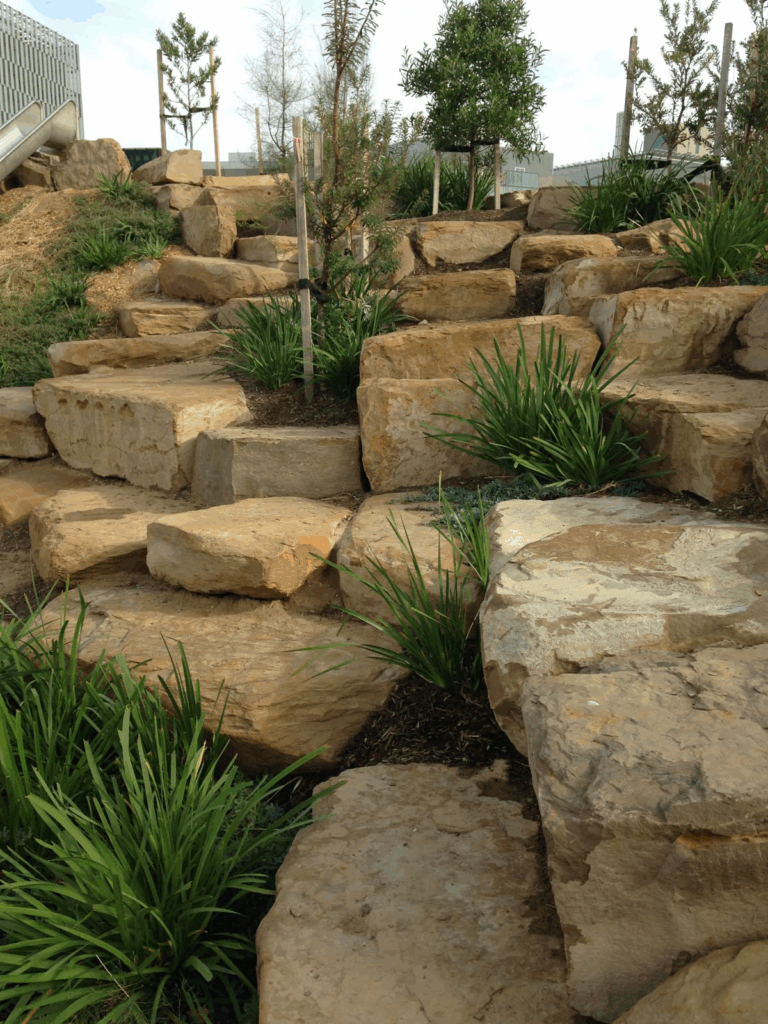
Arranging boulders in carefully balanced trios establishes strong focal points within desert landscapes, offering both structure and visual harmony. Each grouping can feature varied sizes—one large anchor stone paired with medium and smaller companions—to mimic natural geological formations. When placed on gravel or decomposed granite, their sculptural presence is amplified, creating a modern yet organic centerpiece. These boulders also double as practical elements, defining pathways or anchoring planting zones for cacti and agave. Warm-toned stones emphasize sunlit contrasts, while cooler gray hues deliver a minimalist desert style. Lighting enhances the drama at night, casting shadows that highlight textures and contours. Unlike scattered rocks, grouped trios feel intentional, offering balance and rhythm to otherwise sparse settings. Surrounding them with drought-tolerant plants softens the edges, introducing greenery without disrupting the bold geometry. This technique suits both large yards and compact courtyards, delivering depth without requiring constant upkeep. Sculptural boulder trios endure extreme weather, remain timeless in design, and provide grounding elements in landscapes defined by openness. They showcase the desert’s raw beauty while ensuring your yard feels curated, artistic, and deeply connected to its natural environment.
Colored Decomposed Granite Swaths

Extensive swaths of decomposed granite add both practicality and artistic detail to desert landscapes. Unlike plain gravel, colored granite comes in shades such as golden ochre, soft rose, or rich charcoal, allowing you to tailor tones that harmonize with architecture and native plants. Wide paths made from these materials provide smooth footing, reduce dust, and improve drainage. Large-scale applications also prevent weed growth and erosion, making them both aesthetic and functional. By alternating colors in geometric or flowing bands, homeowners can introduce striking patterns that visually separate zones without traditional borders. This technique is particularly effective in front yards where low-maintenance impact is key. Paired with sculptural agave, yucca, or palo verde trees, the contrast between organic forms and structured ground color feels deliberate and refined. At night, landscape lighting highlights tonal variations, enriching textures under moonlight. Compared to poured concrete, decomposed granite remains porous, eco-friendly, and flexible against soil shifts. Maintenance requires only occasional raking, making it cost-effective and enduring. Colored granite swaths transform barren stretches into dynamic surfaces that feel alive with subtle hues, providing depth and character while celebrating the desert’s naturally earthy palette.
Artificial Turf Path Reliefs
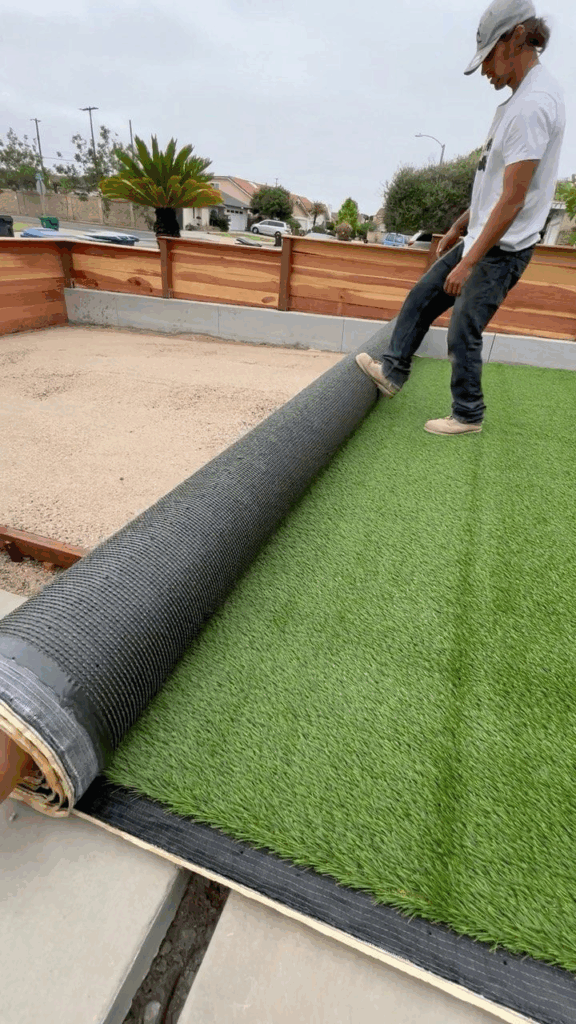
Integrating artificial turf as path reliefs introduces fresh green accents into desert yards without sacrificing sustainability. Narrow strips or geometric inlays between stone pavers create a cooling visual effect, breaking up expanses of gravel or sand. Turf requires no irrigation, offering the look of natural grass while conserving water—an essential benefit in arid regions. When placed between decomposed granite swaths or concrete pads, it defines walking routes clearly, guiding movement with soft contrast. This strategy works particularly well in modern designs, where crisp edges and clean lines dominate the aesthetic. Artificial turf is also durable against heavy use, making it ideal for seating areas, poolside pathways, or play zones for children and pets. Because it resists fading, it maintains vibrant color year-round, even under intense desert sunlight. Minimal upkeep ensures convenience—just occasional rinsing and brushing. When paired with desert-friendly plants such as aloe or barrel cactus, the juxtaposition of lush green against resilient succulents provides an appealing balance. Artificial turf path reliefs not only add functional walkways but also soften the starkness of stone-heavy settings, ensuring your desert landscape feels dynamic, balanced, and comfortably inviting without compromising water efficiency.
Dry Creek Water Diversions

Constructing dry creek beds provides both beauty and essential functionality within desert landscapes. These features mimic natural arroyos, channeling stormwater runoff to prevent erosion while creating sculptural accents during dry months. Using smooth river rocks, gravel, and strategically placed boulders, you can design winding channels that look natural yet serve practical purposes. When rains arrive, water is diverted safely, replenishing soil in designated planting zones. In drier seasons, the dry bed remains a textural focal point, harmonizing with native plants such as desert willow, ocotillo, or sage. Accentuating edges with ornamental grasses or blooming penstemon enhances seasonal interest while stabilizing soil. Curved creek lines soften hardscapes, guiding the eye through the yard in a visually fluid manner. At night, uplighting around boulders highlights depth, adding drama even without water flow. This method not only beautifies but also improves drainage, protecting hardscape installations and foundations. Compared to artificial drainage systems, dry creek diversions integrate seamlessly with natural surroundings, offering eco-friendly solutions. Whether large or small, these features demonstrate resilience, turning water management into an artistic design element that enhances sustainability while preserving the raw beauty of arid environments.
Layered Cacti & Gravel Beds
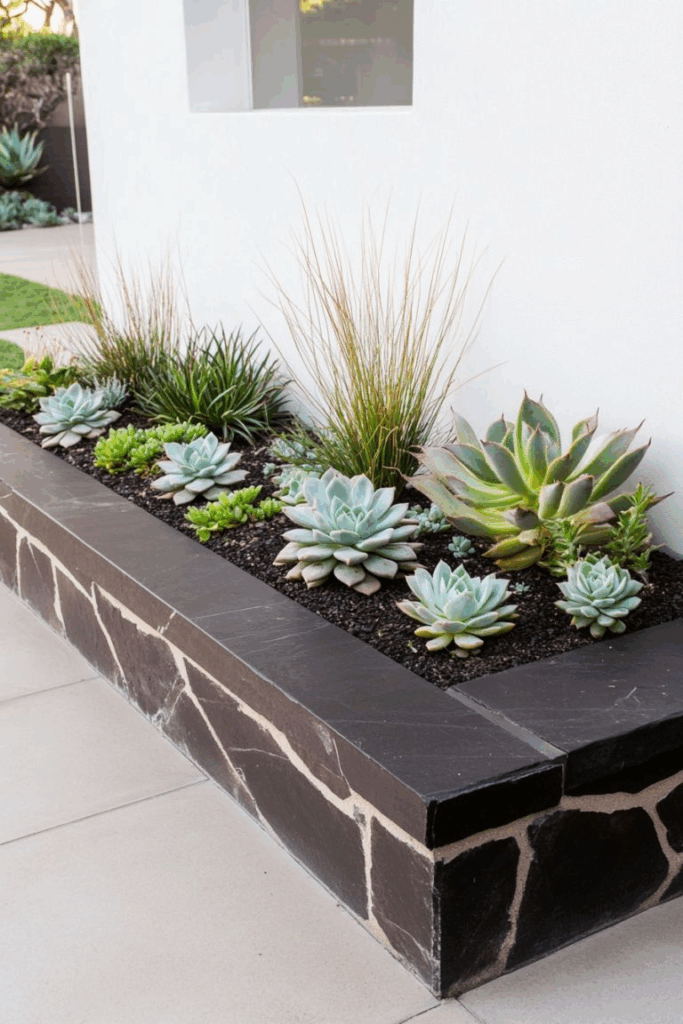
Designing layered beds of cacti and gravel allows desert landscapes to achieve structured variety while conserving water. By arranging tall columnar species like Mexican fence post cactus behind mid-height prickly pears and foregrounding smaller golden barrels, the planting bed gains depth and visual hierarchy. Surrounding each layer with gravel of varied textures and tones enhances separation, making the arrangement look both organized and natural. This method avoids flatness, ensuring the garden feels dynamic from every viewing angle. Gravel mulch also moderates soil temperature, prevents erosion, and reduces evaporation, supporting plant health. Subtle color differences in gravel—from sandy beige to volcanic black—add richness without overwhelming the space. Layered arrangements work especially well in entryways, courtyards, or along property lines where a strong statement is desired. Complementary accents, such as metal edging or desert driftwood, heighten texture while reinforcing the rugged aesthetic. These beds require minimal irrigation and virtually no pruning, making them long-term investments in beauty and efficiency. Layered cactus and gravel compositions highlight structural plant forms, echoing the desert’s inherent drama while offering an enduring design strategy that feels intentional, sculptural, and resilient year-round.
Tonal Desert Wildflower Pockets

Small, intentional pockets of desert wildflowers add bursts of seasonal vibrancy to otherwise muted landscapes. These plantings thrive in carefully amended soil patches placed between gravel expanses or near seating areas where color is most appreciated. Choosing species such as desert marigold, firewheel, or lupine ensures staggered blooming cycles, extending visual impact across months. Colors range from bright yellows and reds to soft purples and blues, creating a tonal palette that shifts naturally with the seasons. These flowers also attract pollinators like butterflies and hummingbirds, bringing movement and ecological value. To maintain cohesion, wildflower pockets should be framed by neutral gravel or subtle stone edging, allowing the colors to stand out without feeling chaotic. Irrigation can be minimal, focusing only on germination and establishment phases, after which these hardy species thrive with little care. Pockets offer flexibility—whether scattered through a yard for a meadow-like effect or concentrated in a single display for bold drama. They rejuvenate landscapes, ensuring moments of delight against the desert’s rugged backdrop. Tonal wildflower groupings embody seasonal surprise while reinforcing the ecological richness and adaptability that defines desert gardening at its most expressive.
Succulent-Cactus Contrast Tracks
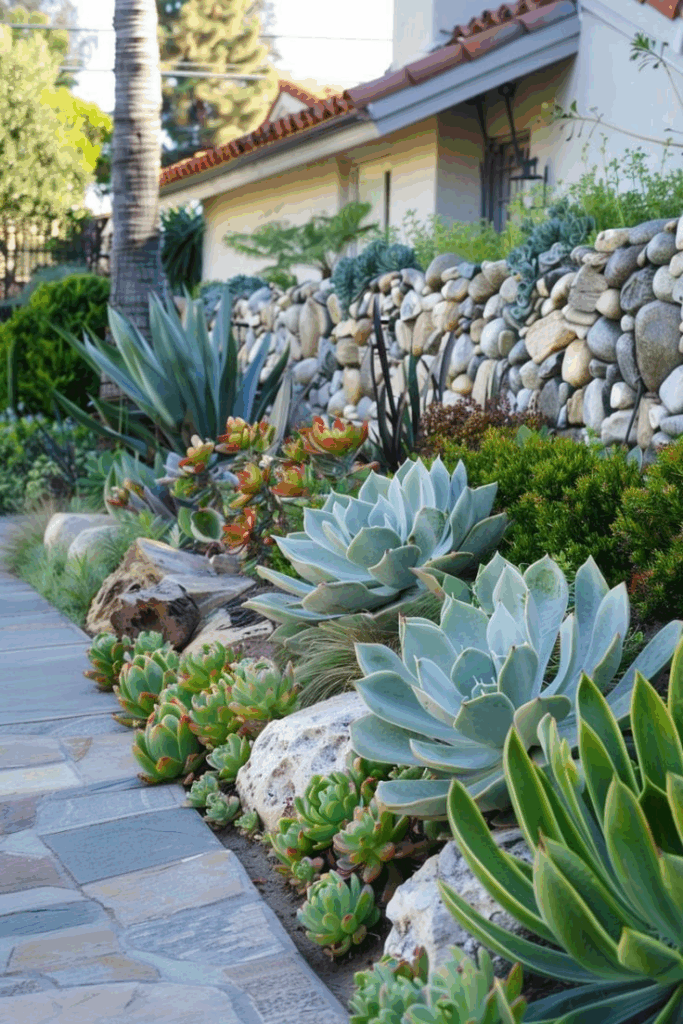
Pairing succulents with cacti in alternating tracks produces compelling visual rhythm across desert landscapes. Linear beds or patterned strips highlight the distinct textures between smooth, fleshy succulents and spiny, architectural cacti. For example, alternating rows of aloe with golden barrel cacti establish bold contrast in both shape and surface. Gravel or decomposed granite bands between plant tracks emphasize separation, enhancing order while keeping the composition uncluttered. This method works especially well for side yards, courtyards, or long walkways where linear repetition becomes a striking feature. Contrasting tracks are also highly water-efficient, as both plant types thrive under the same irrigation system. Seasonal blooms from succulents introduce surprise color, balancing the sculptural permanence of cactus spines. At night, directional lighting emphasizes the interplay of soft curves and sharp forms, making the design visually active even after sunset. Maintenance remains simple—occasional trimming of spent blooms and raking gravel is all that’s required. Succulent-cactus contrast tracks deliver strong geometry, high resilience, and year-round drama, providing a contemporary yet natural approach to desert gardening that resonates with homeowners seeking both artistry and efficiency.
Groundcover Shading Clusters
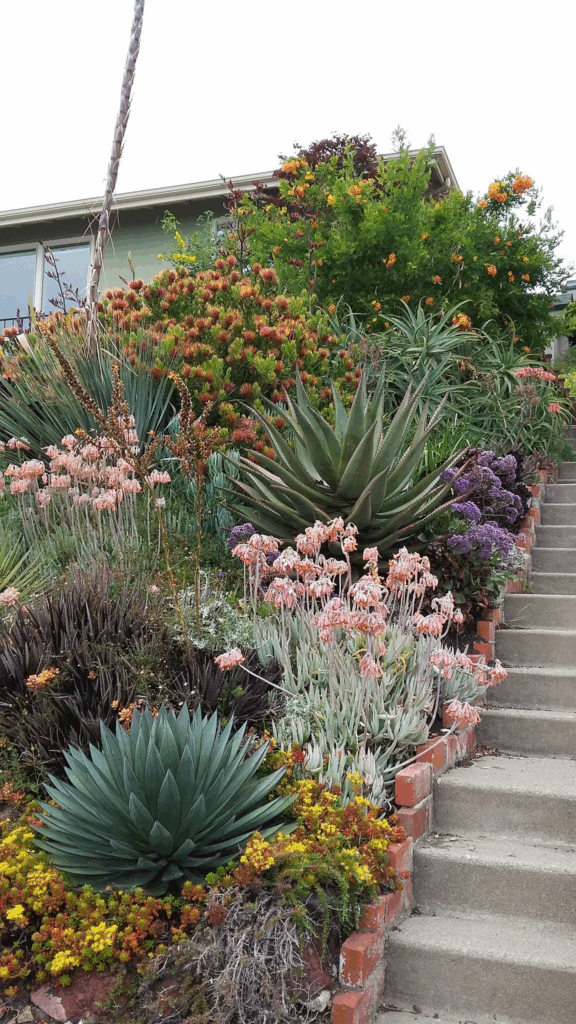
Clusters of drought-tolerant groundcovers provide both shade and soil protection, improving desert landscape sustainability. Plants such as trailing lantana, ice plant, or verbena spread across surfaces, shielding soil from extreme heat and reducing evaporation. These living carpets are ideal for filling wide open zones where gravel alone may feel stark. Grouping them in clusters rather than uniform blankets allows for natural breaks, making the yard appear designed yet organic. Their blooms introduce seasonal bursts of purple, yellow, or pink, complementing the muted tones of cacti and rocks. Groundcover clusters also serve ecological purposes, attracting pollinators and stabilizing soil against wind erosion. For homeowners, they cut down on maintenance by suppressing weeds and requiring only periodic trimming. Interspersing shading clusters with boulders or desert trees enhances microclimates, keeping roots cooler and extending plant life. They are especially useful around patios, where softer textures near seating improve comfort and aesthetic balance. Groundcover clusters are not merely fillers but crucial living elements that unify desert landscapes. They offer long-lasting coverage, introduce seasonal dynamism, and underscore how thoughtful planting can turn bare ground into functional, thriving outdoor space.
Modern Succulent Terracing
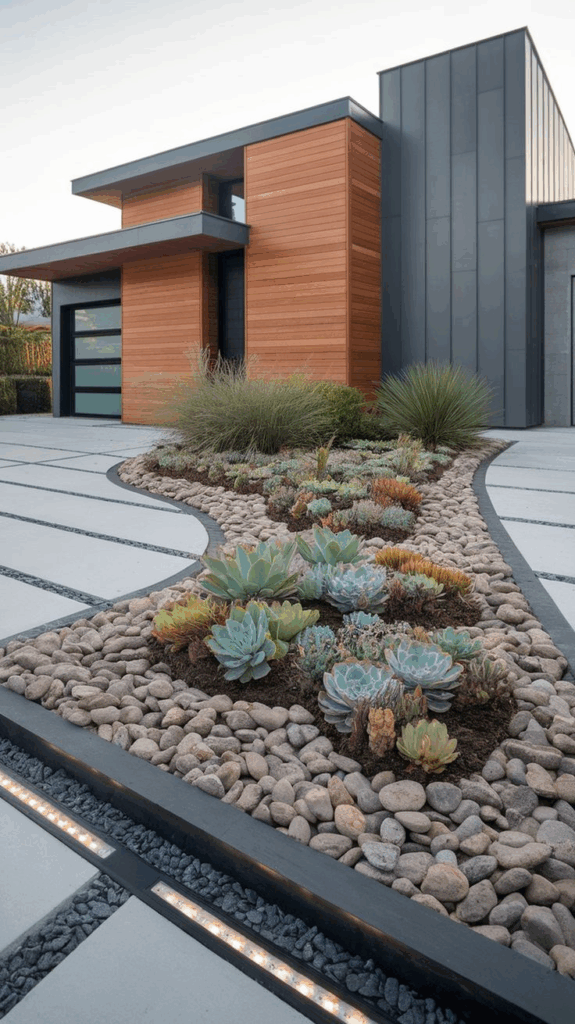
Terracing with succulents introduces layered drama to sloped desert yards while controlling erosion. By building staggered retaining walls using stone, steel, or concrete, homeowners create structured platforms that can be filled with drought-tolerant plants. Succulents such as echeveria, aloe, and agave thrive in these elevated beds, benefiting from sharp drainage and enhanced sunlight exposure. Each terrace becomes an opportunity to highlight unique colors, from silvery blues to deep burgundy tones, making the overall composition visually rich. The design also allows for easy maintenance, as plants remain contained within defined tiers rather than spreading unpredictably. Gravel mulch across each level enhances textures while preventing water loss. Lighting along retaining edges adds depth, ensuring the terraced layout remains impactful even after dark. Beyond aesthetics, terracing mitigates runoff, stabilizes soil, and turns challenging topography into usable space. This approach is particularly valuable for hillside properties, where flat zones are limited. Modern succulent terracing blends architecture with horticulture, producing landscapes that feel both artful and efficient. It is a contemporary solution that ensures slopes are not wasted but instead transformed into striking showcases of resilience and style.
Minimalist Shade Ramadas
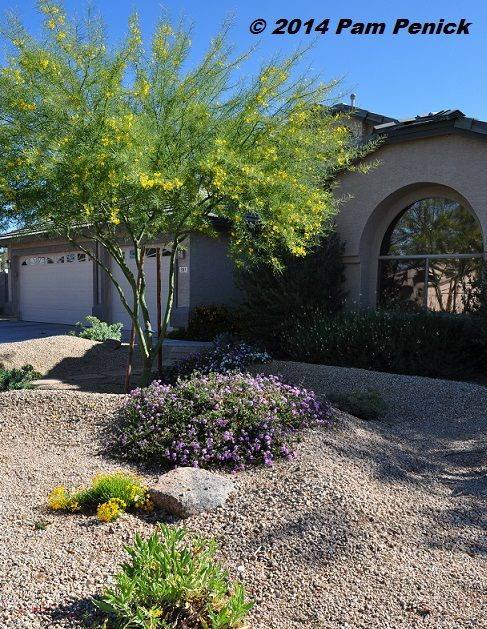
Ramadas provide essential shade in desert settings, offering functional respite without overwhelming the visual openness of outdoor spaces. Constructed with clean-lined wood or steel frames topped with slatted roofs, they filter sunlight while allowing breezes to circulate freely. Their minimalist form integrates seamlessly into both traditional and contemporary yards, enhancing usability of patios, seating areas, or outdoor kitchens. By strategically placing ramadas over gravel zones or near water features, homeowners create microclimates that reduce heat intensity during peak afternoons. The filtered shade protects furniture and plants while ensuring comfort. Climbing vines or desert-friendly fabrics can be added for adjustable coverage without disrupting the structure’s simplicity. Lighting integrated into beams provides evening ambiance, extending use well past daylight hours. Unlike bulky pergolas, minimalist ramadas maintain openness while offering just enough relief for year-round practicality. They also complement desert aesthetics by emphasizing line, proportion, and shadow play. This design delivers utility while respecting the raw character of arid landscapes. Ramadas highlight how shade can be introduced thoughtfully—never detracting from desert authenticity but enhancing outdoor living in an efficient, understated way.
Firepit in Stone Oasis

Centering a firepit within a stone oasis creates warmth, gathering space, and strong visual anchors in desert yards. Natural flagstone or cut stone surrounds provide durable flooring that blends with the environment while framing the pit itself. Boulders or low stone seating walls add rugged authenticity, echoing the geology of arid regions. Gas-powered firepits offer clean, controllable flames, while wood-burning options provide traditional crackle and smoke that deepen atmosphere. Surrounding the area with gravel beds ensures safety while highlighting texture contrasts. Native plants like agave or desert spoon add sculptural silhouettes, while uplighting behind boulders enhances drama after sunset. A stone oasis firepit transforms cool evenings into opportunities for social connection, making it both functional and memorable. Its integration respects desert sensibilities by relying on natural, enduring materials instead of synthetic ones. Beyond leisure, it extends outdoor living into all seasons, reinforcing the yard as a central hub. This design balances rugged authenticity with modern convenience, offering homeowners a retreat that feels grounded in place while celebrating the elemental relationship between stone, flame, and desert night sky.
Sun-Harvesting Rock Patterns

Patterned arrangements of rocks serve as both artful design and functional heat storage in desert landscaping. Dark-colored stones absorb daytime warmth, radiating it back at night to moderate surrounding microclimates for nearby plants. By laying stones in geometric spirals, concentric circles, or linear pathways, homeowners add sculptural artistry that doubles as practical sun-harvesting. These designs break monotony across wide gravel areas, adding rhythm and flow to otherwise static surfaces. Using multiple shades—black basalt, rust sandstone, and pale limestone—intensifies visual depth while amplifying thermal efficiency. Rock patterns also guide foot traffic, defining subtle walkways without traditional paving. When placed near seating or raised beds, the gentle warmth they release extends usability of outdoor areas during cool evenings. This sustainable strategy draws directly from natural desert cycles, turning solar intensity into an asset rather than a burden. With minimal maintenance, patterned rock mosaics endure for decades, preserving both aesthetic beauty and ecological benefit. Sun-harvesting rock patterns prove that desert landscaping can combine artistry, practicality, and environmental harmony in ways that are both visually memorable and functionally smart.