
First impressions of a home often begin at the curb, making the front yard a powerful statement of style and personality. Well-planned landscaping not only enhances visual appeal but also increases property value and creates a welcoming atmosphere for visitors. From low-maintenance plant choices to modern hardscaping solutions, the right approach can balance beauty and practicality. Homeowners today are prioritizing sustainable options, seasonal variety, and designs that highlight both greenery and structure. This guide presents creative, functional, and attractive front yard landscaping ideas tailored to different needs, helping you turn any entrance into a space that feels polished and inviting.
Stepping-Stone Ribbon Paths
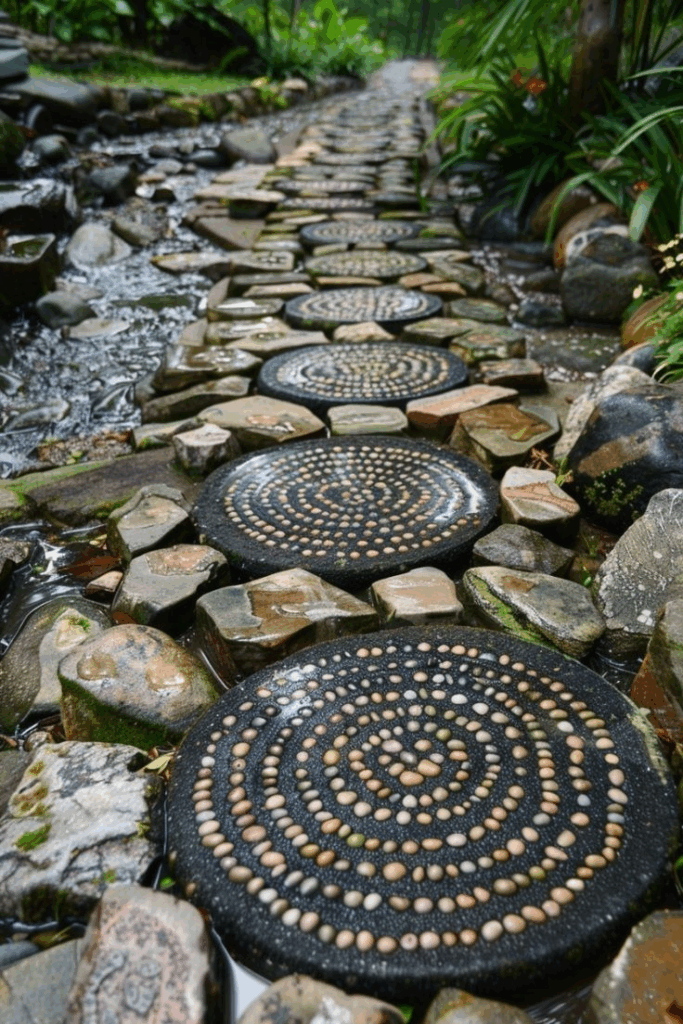
Flowing movement across the front yard can be achieved with ribbon-like stepping-stone paths that guide guests naturally from the street to the entryway. These pathways use flat-cut stones aligned in a rhythmic sequence, leaving strips of grass, groundcover, or gravel between each slab. The alternating textures create visual interest while maintaining a structured yet organic appeal. Using limestone, slate, or concrete ensures durability, while the spacing allows rainwater to filter directly into the soil, supporting sustainability. Homeowners often highlight these paths with low-profile plants such as mondo grass or creeping thyme, which soften edges while releasing subtle fragrance when stepped on. Nighttime usability improves when paired with stake lighting or recessed ground lights, creating a safe, illuminated route. Beyond function, the stepping-stone design acts as a design statement, offering a clean geometry that feels intentional without overwhelming smaller yards. This idea works particularly well for transitional spaces between driveways, gardens, and front porches. In modern landscaping trends, ribbon paths also reduce heat retention compared to solid pavement, keeping the yard cooler in warmer months. By balancing aesthetics with practicality, stepping-stone ribbons elevate curb appeal while blending seamlessly into both contemporary and rustic outdoor environments.
Monochrome Texture Contrast Beds
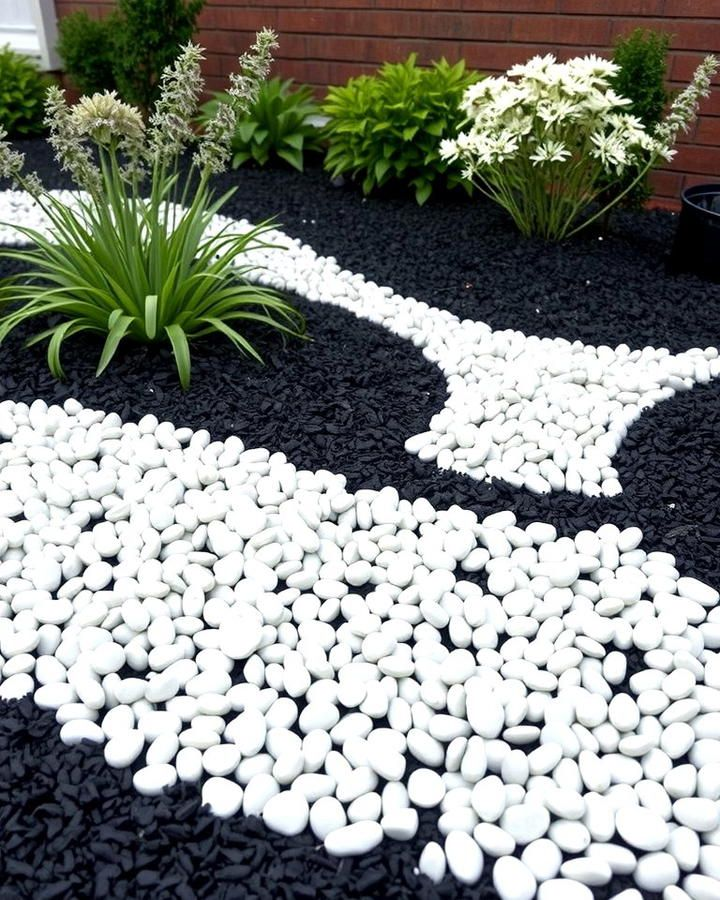
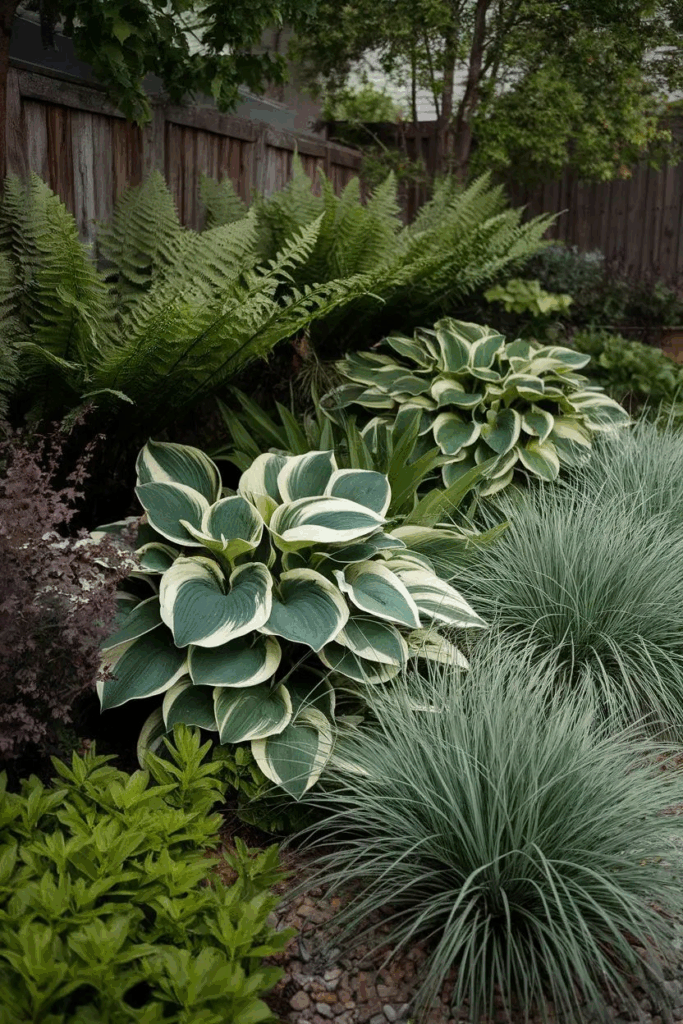
Visual depth in front yard landscaping often comes from texture rather than color, and monochrome contrast beds make this principle shine. This approach focuses on selecting plants, stones, and mulch in shades of a single hue, such as all greens, silvers, or earthy tans. The difference lies in the variety of leaf shapes, surface finishes, and structural forms. For example, pairing smooth-leaf hostas with feathery grasses and spiky agaves creates dynamic contrast without introducing competing colors. Mulch or gravel in matching tones anchors the scheme, making the composition appear cohesive and deliberate. Structural hardscape elements such as edging stones or low concrete curbs reinforce the defined geometry. The result is a minimalist look that feels both calming and sophisticated, suitable for homeowners seeking a timeless impression without relying on seasonal blooms. This method also works well for small front yards, as the restrained palette prevents the space from feeling cluttered. Strategic placement of taller plants at the back and layered groundcovers in front enhances the illusion of depth, giving a compact area greater dimension. Monochrome beds are also easy to maintain, since plant selection is streamlined. For homes with modern architecture, this idea provides a perfectly balanced extension of the exterior design.
Architectural Planter Terraces
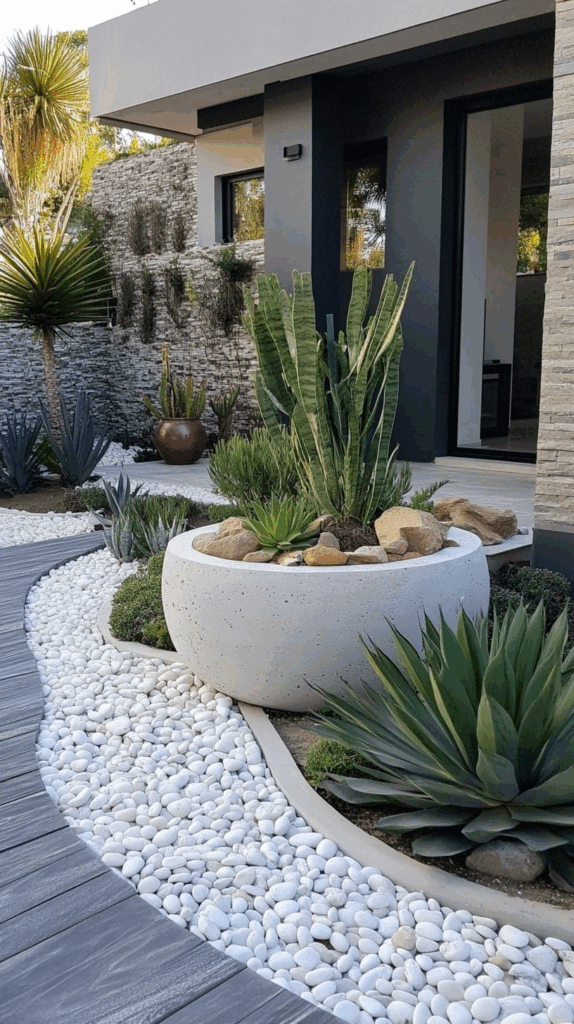
Sloped yards often struggle with erosion and difficult maintenance, but planter terraces turn this challenge into an architectural highlight. Using retaining walls built from stone, wood, or corten steel, the front yard can be tiered into structured levels that each serve as a planting platform. This terraced approach reduces water runoff while allowing homeowners to showcase different plant groups in layered stages. The lowest tier may feature colorful perennials for visibility from the street, while mid-levels hold shrubs and ornamental grasses for texture. The highest levels often accommodate small trees or sculptural plants that anchor the composition. Integrating built-in planters within the walls provides clean lines and modern appeal, while irrigation systems hidden within the terraces ensure plants thrive. This design not only improves usability but also adds resale value, as terraced landscaping signals investment in long-term sustainability. Architectural terraces are particularly effective in urban or hillside neighborhoods where flat lawns are impractical. Pathways or staircases can weave through the terraces, turning the slope into an engaging experience for visitors. When paired with complementary lighting, the structure comes alive at night, showcasing the landscape as a three-dimensional feature. By merging form and function, terraced planters transform difficult slopes into signature front yard statements.
Mini Focal Point Gardens
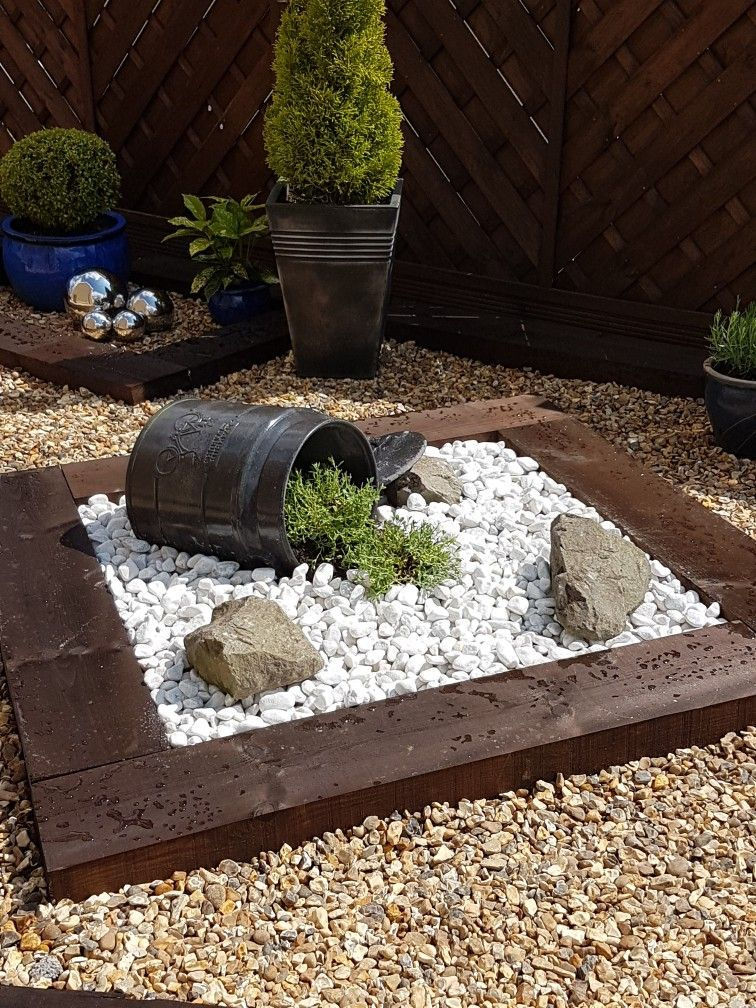
Small yet impactful, mini focal point gardens allow homeowners to make a strong visual statement without committing the entire yard. These compact gardens usually center around one standout feature—such as a sculptural tree, oversized urn, or rock formation—framed by complementary plantings. The surrounding design is kept simple so the central element commands attention. Gravel bases, low hedges, or neatly clipped groundcovers provide structure, while seasonal flowers or ornamental grasses can be rotated to refresh the look. These spaces work exceptionally well near front entryways, corners of driveways, or along street-facing edges where they draw the eye. Their manageable size makes them low-maintenance, yet they pack outsized aesthetic value. Homeowners often integrate seating or a small bench nearby, inviting moments of pause and appreciation. In contemporary designs, mini focal gardens can also feature abstract sculptures or water bowls for added intrigue. The concept is versatile, suiting both large estates where multiple focal spots are possible, and compact urban homes needing one striking detail. Night lighting enhances drama, especially with upward-facing fixtures that silhouette the central object. Ultimately, these micro-landscapes prove that a front yard doesn’t need to be expansive to make a strong impression—precision and thoughtful selection achieve memorable results.
Gravel + Metal Edged Corners
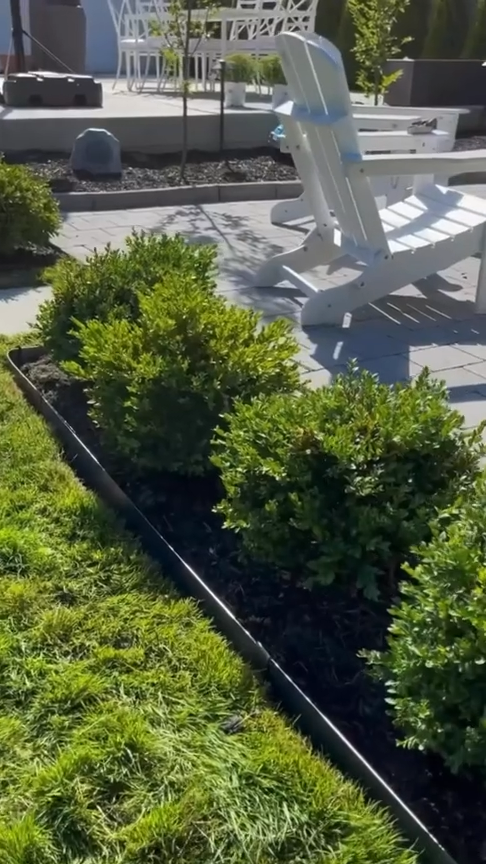
Angular corners in a front yard often look unfinished, but gravel paired with slim metal edging delivers a crisp and modern solution. Clean steel or aluminum strips define sharp boundaries, while gravel fills the interior space, preventing weeds and reducing irrigation needs. This approach not only cuts down on maintenance but also visually sharpens the overall landscape. Gravel choices range from warm decomposed granite for natural tones to cool river pebbles for contemporary appeal. Because the edging keeps stones contained, pathways and lawns remain tidy, ensuring the yard always looks orderly. Plant accents such as succulents, dwarf grasses, or compact shrubs soften the angularity while introducing organic contrast. Lighting strips embedded along the edging can transform these corners into glowing outlines after sunset, giving the front yard architectural presence. This design adapts well to small or large yards, especially in climates where water-conscious choices are important. For modern homes, the combination of gravel texture and metal lines echoes the property’s architectural geometry, making the entire landscape appear intentional and refined. Homeowners who value durability will also appreciate how weather-resistant metal and gravel age gracefully over time, requiring little more than occasional raking to keep their crisp profile intact.
Plant-Screened Porch Nooks

Privacy in the front yard is often overlooked, yet thoughtful plant-screening around porch areas can create intimate nooks that feel welcoming and sheltered. Tall ornamental grasses, bamboo clumps, or evergreen hedges work as natural partitions, softening exposure without closing off the view entirely. Flowering vines trained over trellises add vertical charm while introducing seasonal color and fragrance. Layered planting at different heights—shrubs in front, taller screens behind—creates depth and a sense of enclosure. This natural screening not only blocks direct views from the street but also reduces noise, making porches more usable as relaxation spots. Low-maintenance species such as boxwood or arborvitae ensure year-round greenery, while mixing in perennials adds texture variation. Integrating seating like a swing or bistro set behind the screen transforms the nook into a true outdoor room. When accent lighting is woven through the plants, the space glows at night, enhancing curb appeal while highlighting the layered foliage. This idea resonates particularly well for homes on busy streets where homeowners desire privacy without hard barriers. By balancing openness with protection, screened porch nooks deliver functionality and atmosphere, proving that front yards can host both public-facing beauty and private comfort simultaneously.
Modern Rock Assemblies
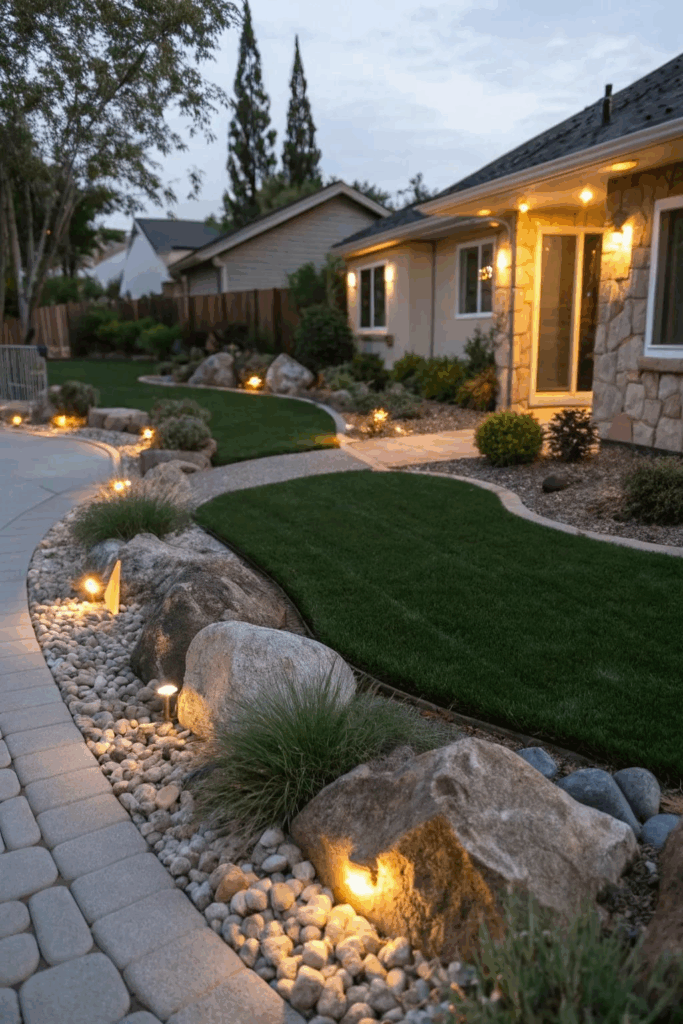
Stones and boulders arranged with intention can become sculptural features that rival any man-made ornament. Modern rock assemblies take cues from Japanese rock gardens and contemporary minimalism, where fewer but larger pieces are placed deliberately for dramatic effect. Positioning flat boulders at angles or stacking them into low clusters creates visual rhythm while grounding the yard with earthy permanence. Gravel bases or raked sand often frame the arrangement, further emphasizing the stones’ form. To avoid looking accidental, spacing and scale must be carefully planned, ensuring rocks appear balanced yet natural. Plant companions such as sedums, agaves, or yuccas reinforce the modern desert vibe, requiring little upkeep while thriving among the stone backdrop. Water features like sleek basins or reflective pools can be paired with rock groupings to heighten serenity. At night, directed uplighting casts long shadows that highlight texture and form. For homes with modern or mid-century architecture, this concept ties the front yard to architectural lines, offering a bold yet timeless impression. Beyond aesthetics, rocks also stabilize soil and reduce water loss, making them as functional as they are striking. Properly curated, these assemblies create art from geology, turning simple stones into commanding focal points.
Symmetrical Green Anchor Points
Balance and order in front yard design often rely on repetition, and symmetrical anchor points provide exactly that. By flanking driveways, walkways, or entry steps with matching plantings, homeowners establish a sense of harmony that immediately feels welcoming. Boxwoods, dwarf conifers, or clipped hedges serve as reliable anchors thanks to their year-round structure. Placing identical planters with tall ornamental grasses or small trees on either side of an entryway reinforces the symmetry while adding vertical emphasis. This design method works equally well in formal landscapes and pared-down modern yards, where balance brings clarity. The key is proportion: anchors should match the scale of the entry and not overwhelm surrounding plantings. When repeated along pathways or property lines, symmetry draws the eye inward, guiding movement naturally toward the home. Seasonal flowers or potted accents can be rotated within the anchor points for variety without disturbing the permanent framework. Lighting placed evenly at the base of each anchor ensures nighttime continuity, extending the balanced impression. Symmetrical green anchors not only boost curb appeal but also communicate intentional care, signaling that the home is both orderly and inviting. It’s a classic principle that endures across all landscape styles.
Layered Low Lighting
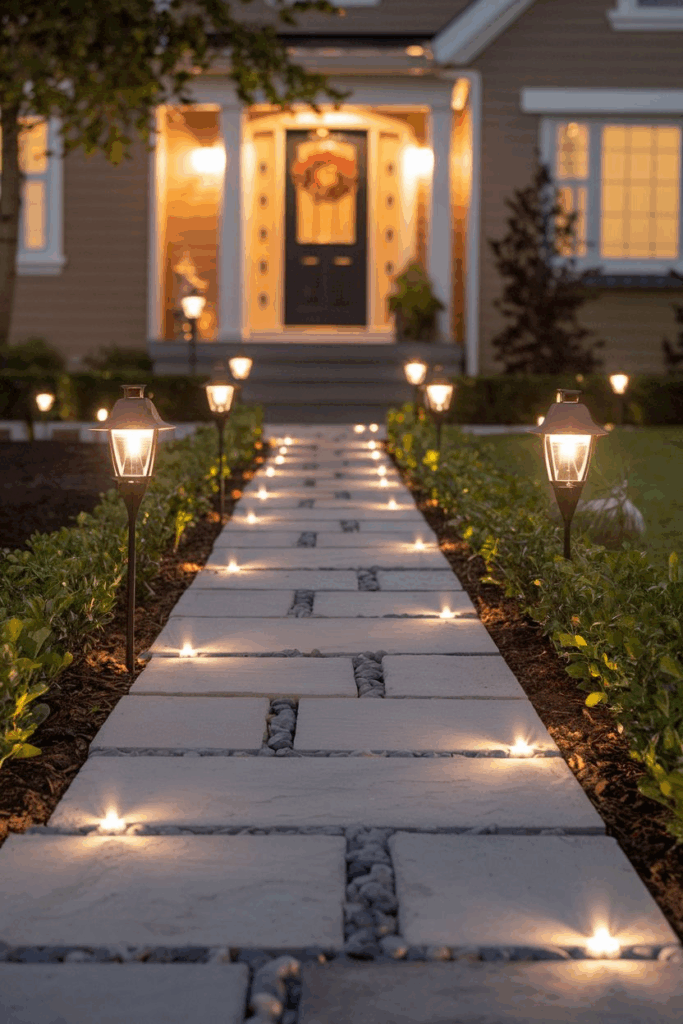
Subtle illumination has the power to transform a front yard after sunset, and layered low lighting ensures both safety and ambiance. Instead of relying on one strong overhead source, this method combines path lights, recessed step lighting, and low garden uplights for a balanced glow. Fixtures positioned close to the ground highlight textures in stone, foliage, and mulch while avoiding glare. Strategically placed downlights beneath trees or eaves extend depth and shadow play, making the yard feel larger and more dynamic. Energy-efficient LED options keep costs minimal, and solar lights work well for easy installation. Beyond aesthetics, layered lighting provides practical guidance for guests arriving at night, improving visibility without overpowering the scene. Warm color temperatures create a welcoming mood, while cooler tones accentuate modern architecture. Smart systems allow homeowners to adjust brightness or timing remotely, tailoring the yard’s evening appearance to different occasions. When paired with reflective surfaces such as gravel or metal edging, the lights amplify their impact, creating a polished look. The overall effect is a cohesive nighttime landscape that feels intentional rather than incidental. Properly layered low lighting enhances curb appeal, increases safety, and extends outdoor usability long after daylight hours fade.
Drought-Friendly Xeriscape Patches

Front yards in arid regions benefit greatly from xeriscaping, and creating drought-friendly patches is both eco-conscious and visually appealing. Instead of maintaining a large lawn, smaller designated zones are planted with hardy natives, succulents, or drought-tolerant shrubs that thrive with minimal irrigation. Mulch, gravel, and decomposed granite reduce evaporation while suppressing weeds, keeping maintenance low. Contrasting textures—spiky agaves, sprawling lantana, and clumping ornamental grasses—bring structure and movement to the design. These patches often replace high-water-demand turf in corners, along driveways, or under accent trees, cutting water use dramatically while adding bold visual statements. Grouping plants with similar water needs ensures efficiency, while drip irrigation provides targeted hydration when necessary. Decorative boulders, driftwood, or sculptural metal elements can be integrated for added interest, turning the patch into an intentional feature rather than just a lawn alternative. Seasonal flowering perennials like salvia or penstemon inject color and attract pollinators, proving xeriscape areas can be both ecological and lively. This approach aligns with sustainable landscaping trends and often qualifies for local water-saving rebates. By blending practical conservation with curated design, xeriscape patches offer beauty that lasts year-round without burdening resources.
Wide-Step Front Entry
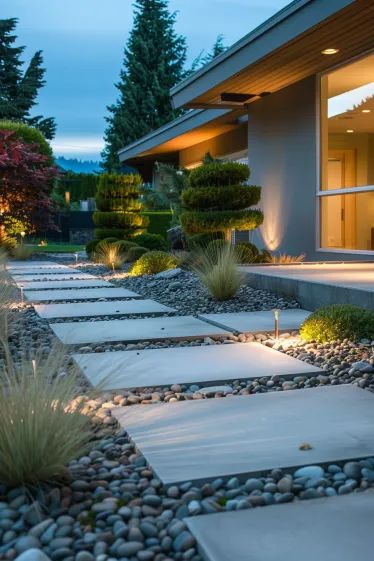
Grand impressions often begin at the approach, and wide-step entries make the journey to the front door both functional and inviting. Instead of narrow, steep risers, broad steps constructed from stone, brick, or concrete create a generous transition from walkway to porch. The wider surface allows for comfortable footing, easier accessibility, and even casual seating during gatherings. Flanking the steps with low walls, planters, or integrated lighting reinforces their prominence, turning the entry into a focal feature. Materials should harmonize with the home’s façade—sleek poured concrete for modern builds, or flagstone for rustic charm. Wide steps also visually anchor the front elevation, lending a sense of stability and permanence. When layered with greenery along the sides—such as ornamental grasses, clipped shrubs, or seasonal flowers—the steps appear seamlessly woven into the landscaping. Night visibility improves with embedded riser lights or lantern-style sconces, ensuring both safety and atmosphere. For sloped lots, this approach softens the grade change, making the entry accessible without feeling abrupt. Beyond practicality, wide steps symbolize welcome, offering a broad gesture that sets the tone for visitors. It’s an architectural detail that merges hospitality with strong curb presence.
Accent Tree Exhibit
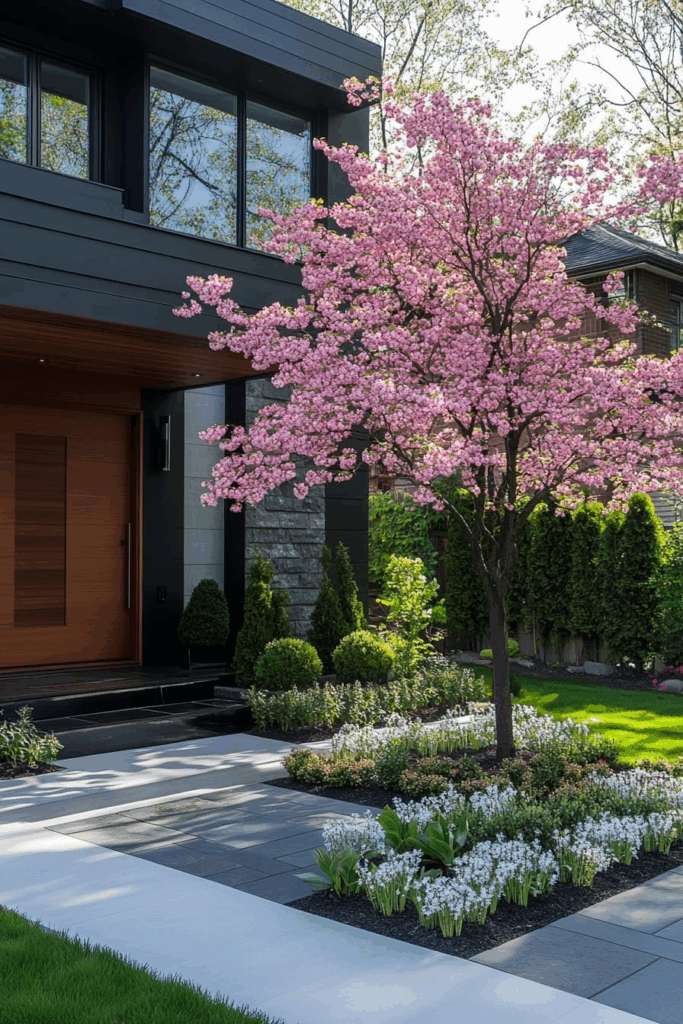
Highlighting a single tree as an exhibit piece can redefine the identity of a front yard. Whether it’s a sculptural Japanese maple, a flowering magnolia, or a stately olive tree, the key lies in giving it room to breathe and frame the space. A circular gravel or mulch bed emphasizes its form while protecting roots from compaction. Surrounding the trunk with low groundcovers, ornamental grasses, or subtle seasonal flowers enhances the display without competing for attention. Uplighting positioned at the base dramatizes branching patterns at night, turning the tree into living architecture. Homeowners often use accent trees to anchor asymmetrical yards, balance façades, or create shade that cools walkways. Species should be chosen for year-round interest—colorful fall foliage, spring blossoms, or evergreen silhouettes keep the exhibit relevant in all seasons. Pairing the tree with a sculptural bench or small stone seat invites interaction, transforming it from backdrop to centerpiece. In modern designs, metallic edging or minimalist planters frame the base, underscoring the tree’s presence. With proper selection and placement, an accent tree becomes both a natural artwork and a long-term investment, elevating the front yard’s character with a single bold gesture.