
Defining garden edges doesn’t have to strain your wallet, and smart planning can turn even the simplest yard into a polished outdoor space. The best budget-friendly landscaping borders combine affordability with style, helping separate flower beds, walkways, and lawns while keeping maintenance manageable. Materials like recycled bricks, natural stones, wood trims, or even repurposed items offer creative solutions that look professional without high costs. Homeowners increasingly seek options that save time and money while boosting curb appeal. This guide highlights practical and stylish budget-friendly landscaping borders that prove great design can be both affordable and visually impressive for any yard.
Paver Border Frames
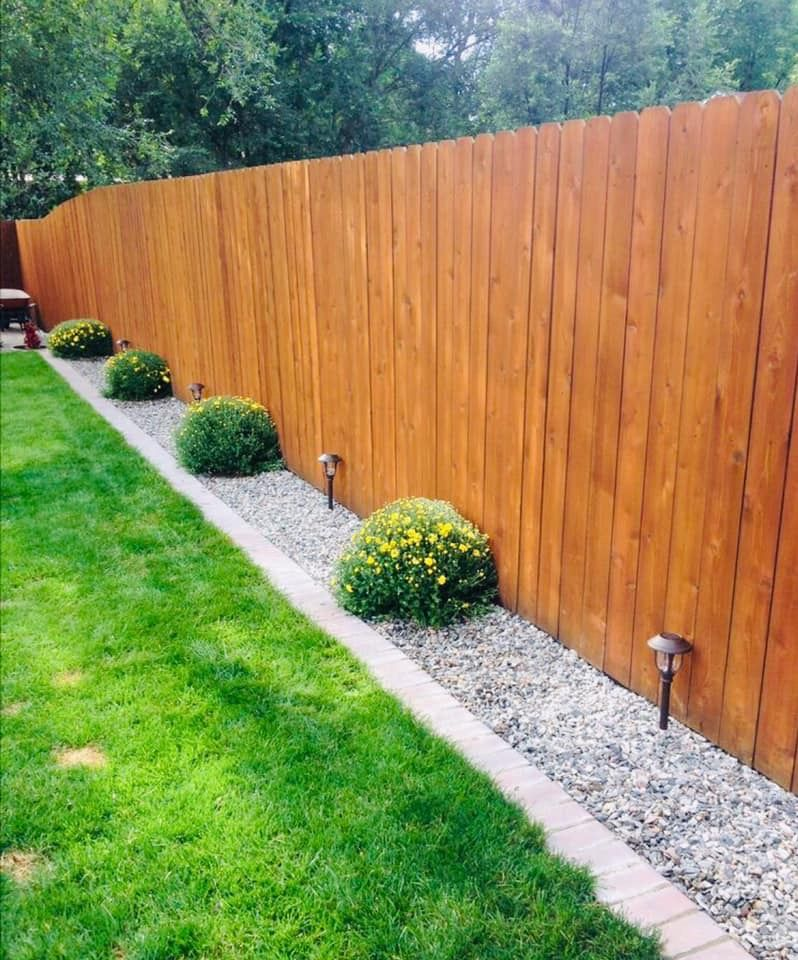
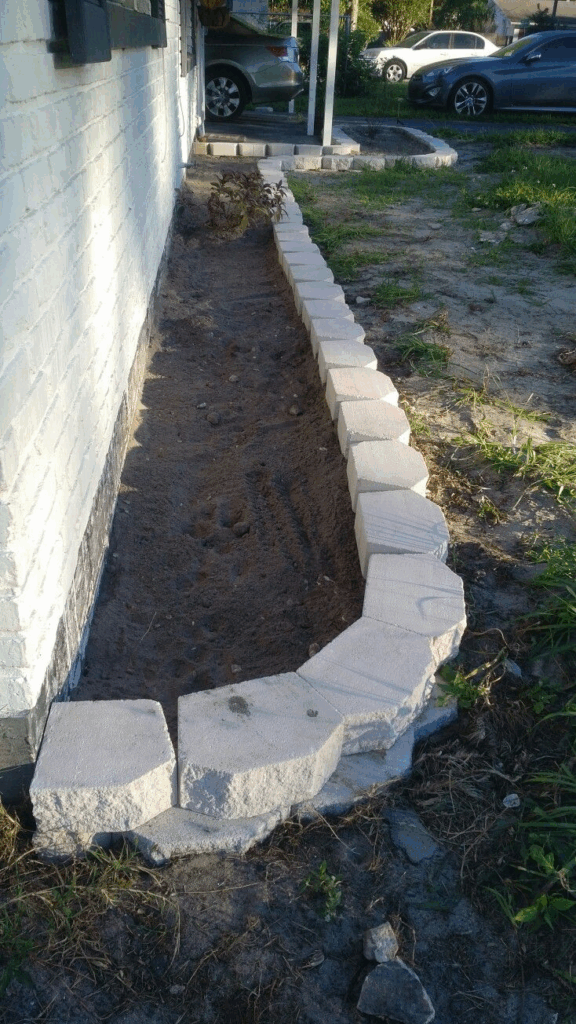
Defined lines around garden beds instantly upgrade curb appeal, and paver border frames deliver that polish at a low cost. Concrete or stone pavers can be arranged in a straight or curved formation to outline planting zones, walkways, or lawns. The key advantage lies in their modular nature: they can be laid down without mortar for a temporary solution or secured in sand for added stability. Homeowners enjoy the flexibility of adjusting the frame later if they decide to expand or reshape the landscape. Budget-conscious projects benefit from reclaimed pavers, which are often available at surplus yards for a fraction of the price of new ones. Pairing light-colored pavers with dark mulch creates striking contrast, while natural stone tones blend seamlessly into cottage gardens. Installation requires only a flat shovel, mallet, and leveling sand, making this option approachable even for beginners. Durability ensures pavers withstand heavy rainfall and lawn equipment without crumbling. To enhance drainage, small gravel can be tucked between the pavers and soil. This design not only prevents grass creep into flowerbeds but also delivers a refined, intentional look that elevates the entire yard.
Hand-Edged Soil Lines
Neatly carved soil lines remain one of the most affordable ways to separate garden beds from turf. By slicing a crisp edge into the ground with a flat spade or half-moon edger, the lawn takes on a professional finish without requiring any additional materials. The process is straightforward: remove a shallow strip of sod, angle the cut slightly toward the bed, and smooth the soil edge for a clean visual break. Garden enthusiasts often refresh the edge seasonally, ensuring the boundary stays sharp. To reduce upkeep, a layer of mulch can be added inside the trench, discouraging weeds and slowing turf growth. This method works well for curved beds, allowing organic shapes that complement cottage gardens or naturalistic planting schemes. Homeowners appreciate the flexibility—lines can be widened or reshaped at any time without extra cost. Although it demands periodic maintenance, the technique eliminates clutter, giving beds a sculpted appearance against lush green grass. For an added touch, lining the soil edge with compact groundcovers such as creeping thyme softens the transition while still keeping the natural divide intact. Simple yet effective, hand-edged borders provide timeless appeal and highlight the beauty of plants without distracting from them.
Steel Strip Elegance
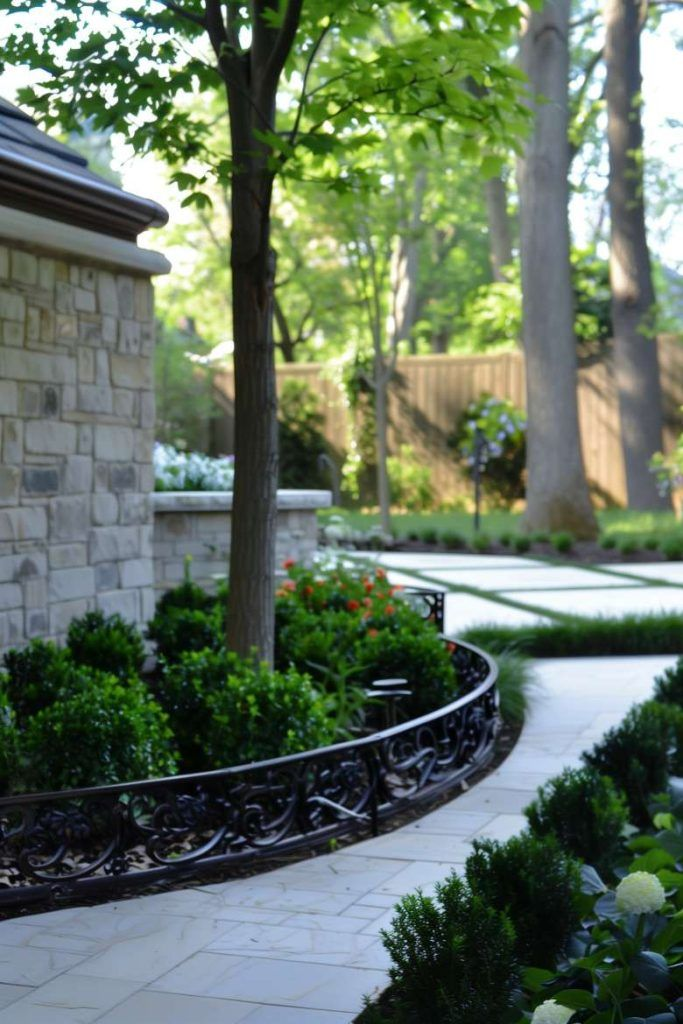
Sleek steel strips introduce contemporary definition into landscapes while staying affordable compared to custom masonry. Thin galvanized or weathered steel edging slides discreetly into the ground, creating a nearly invisible divide between turf and beds. Its minimalist profile works particularly well in modern yards where clean lines are essential. Unlike plastic alternatives, steel resists warping, cracking, and UV damage, ensuring longevity even in extreme climates. Installation involves driving the strips slightly below soil level, leaving just the top edge exposed. This prevents grass from creeping into beds while also containing loose gravel or mulch. For a design-forward aesthetic, homeowners often select weathering steel that develops a rustic patina over time, blending industrial charm with natural elements. Flexibility allows gentle curves around trees or straight runs alongside pathways, making it suitable for various layouts. Though initial investment may be higher than hand-edged lines, the long-term durability reduces maintenance costs. Steel strips also withstand the pressure of lawn mowers and string trimmers without bending out of shape. This practical yet stylish border solution delivers durability, precision, and understated beauty, making it a favorite among designers seeking refined landscapes on a budget.
Brick-On-Diagonal Flair
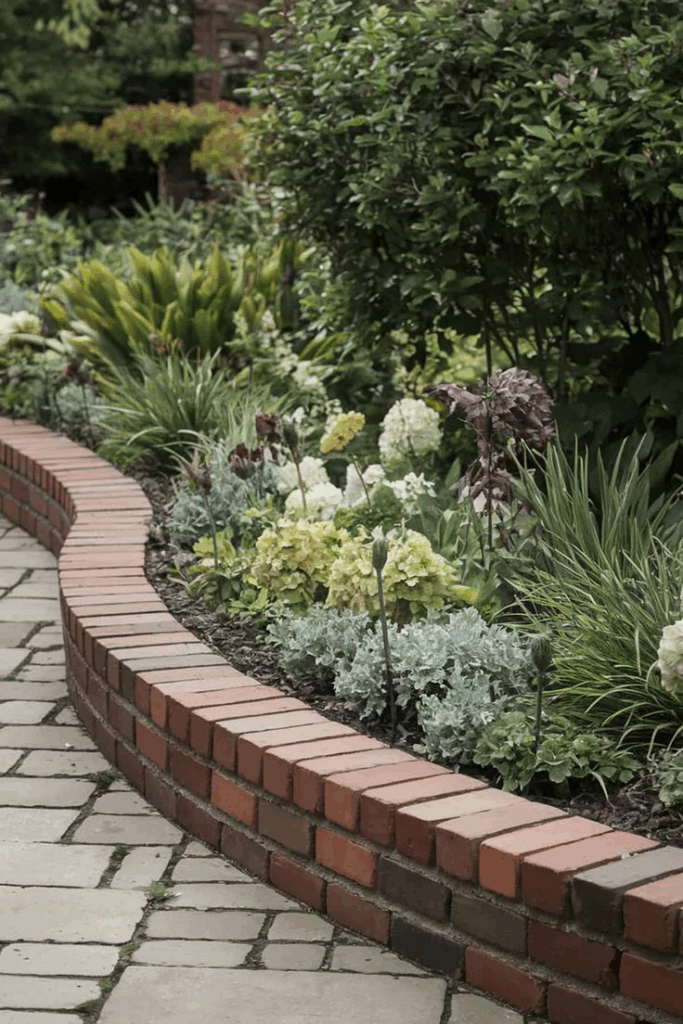
Tilting bricks diagonally into soil transforms ordinary edging into a striking design element without stretching the budget. By burying one half of each brick and leaving the other angled upward, a zig-zag effect forms that adds rhythm to the garden’s perimeter. Reclaimed bricks offer the best value, often available at demolition sales or salvage yards for minimal cost. Their weathered surfaces contribute character, while new bricks provide uniformity for those preferring a neater aesthetic. The diagonal placement creates a stable wall that helps retain mulch, keeping pathways and lawns free from scattered debris. Homeowners often experiment with alternating brick colors or mixing red with charcoal tones to achieve additional visual interest. This border technique pairs beautifully with cottage gardens, vegetable plots, and pathways leading to patios. Practicality matches style—the tilted edge discourages lawn encroachment while also serving as a subtle deterrent for pests like snails. Installation requires minimal tools: a trench, level, and mallet. Sand or soil holds the bricks firmly in place. With proper installation, this edging can last for years, making it an eco-friendly, cost-effective method for defining outdoor spaces while showcasing creativity.
Flagstone Flat Borders
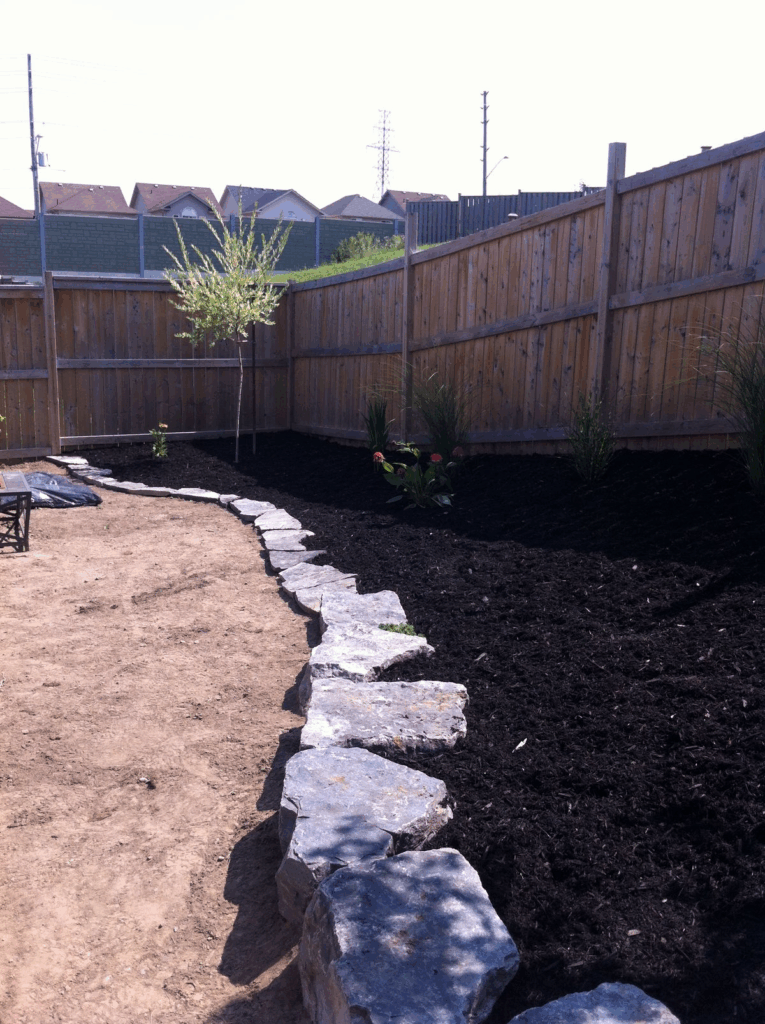
Natural flagstone offers rustic charm when laid flat to edge garden beds or pathways. Thin slabs can be positioned tightly together for a continuous frame or spaced slightly apart for a more relaxed appearance. Salvaged or irregular pieces often cost significantly less than cut stone, making this approach budget-conscious while still delivering premium aesthetics. The texture and earthy tones of flagstone blend seamlessly into perennial gardens, rockscapes, and even desert-inspired landscapes. Installation is straightforward: dig a shallow trench, level the soil, and place stones flush with the ground surface. Their weight and broad profile keep them stable without mortar. Flagstone edges serve a dual purpose by preventing mulch from spilling onto lawns and resisting turf invasion into planting zones. Gardeners often tuck creeping plants like moss or sedum between gaps to soften transitions and add seasonal color. Because the stone’s surface sits level with the ground, it doesn’t interfere with mowing or foot traffic. This functional yet decorative border solution suits homeowners aiming for long-lasting durability without recurring costs. Its natural irregularities make each border unique, proving that affordable choices can also carry timeless elegance.
Mismatched Rock Mix Edging
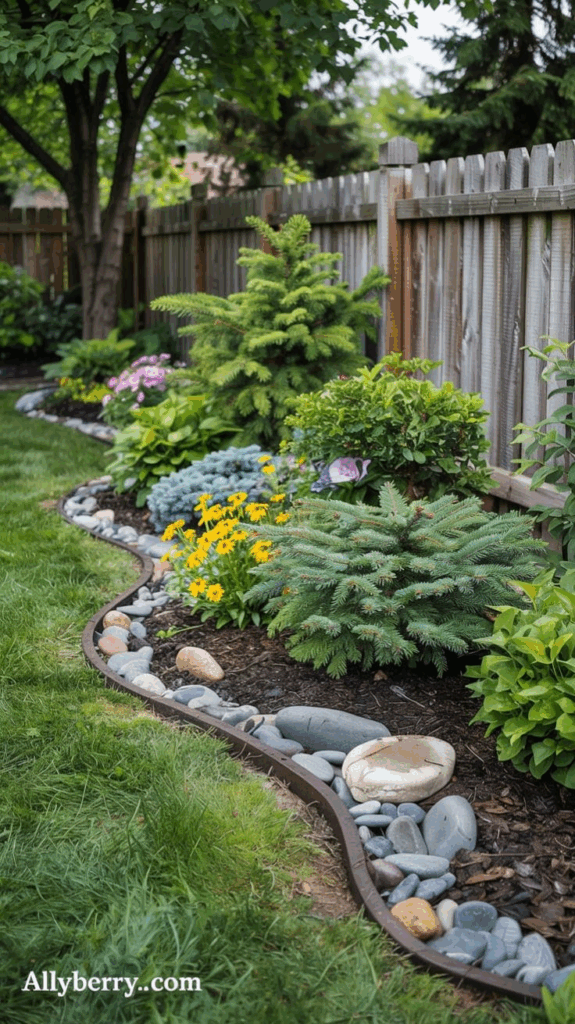
Using a variety of rocks collected from yards, riverbeds, or landscaping suppliers creates borders with casual appeal and minimal expense. Instead of purchasing uniform materials, homeowners assemble edging from stones of different shapes, sizes, and tones. The result is an organic look that feels authentic, perfect for rustic gardens or woodland-style yards. Large rocks provide anchor points, while smaller stones fill in gaps, producing a cohesive yet irregular pattern. This style is particularly effective along curved beds or winding pathways, as the uneven forms highlight natural flow. Practical benefits include erosion control and strong weed suppression at garden edges. Rocks also act as thermal buffers, absorbing heat during the day and releasing it at night, which benefits nearby plants. The low-maintenance nature of stone ensures longevity with virtually no upkeep required. To save money, many homeowners repurpose leftover construction gravel or collect discarded stones from property clearings. Layering rocks slightly into the soil keeps them steady against weather shifts. Beyond functionality, the mismatched effect adds texture and depth, turning simple garden borders into statement features. It’s a creative, eco-friendly solution for those seeking distinctive charm without significant financial investment.
Bottle-Shard Whimsy Edge

Recycled glass bottles transformed into edging bring playful character while supporting sustainability. By embedding inverted bottles into soil—necks down and bases exposed—gardeners create a colorful border that glistens in sunlight. Clear, green, and amber glass provide variation, though coordinated color schemes can also be arranged for intentional design. This method works best in informal gardens, whimsical spaces, or children’s play areas where creativity takes priority over formality. Beyond aesthetics, the sturdy glass base helps block turf growth and retain mulch effectively. Repurposing bottles eliminates disposal waste and reduces material costs to nearly zero. For added safety, bottles should be buried deeply enough to ensure stability, and edges can be sanded if using broken shards rather than intact pieces. Gardeners sometimes integrate solar lights inside select bottles, amplifying nighttime ambiance. Rainwater naturally cleans exposed surfaces, keeping maintenance simple. This quirky approach sparks conversation and gives outdoor spaces a signature personality that sets them apart from conventional borders. Practical, budget-friendly, and environmentally conscious, bottle-shard edging proves that functional landscaping can also embrace artistic fun.
Gravel Bed Outlines
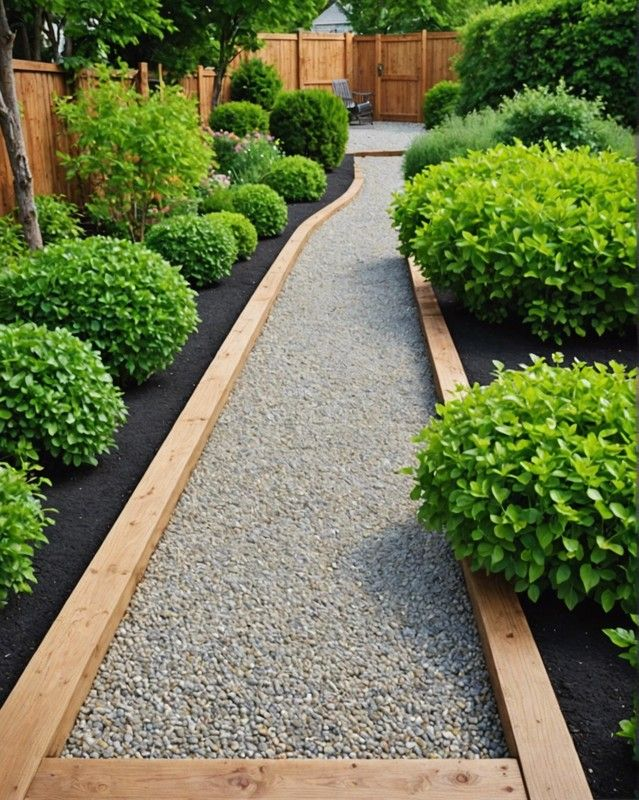
Gravel provides one of the simplest and most cost-effective methods for defining garden beds. By digging a shallow trench and filling it with crushed stone or pea gravel, homeowners create a clear, durable line that separates turf from planting zones. The texture contrast between grass, mulch, and gravel highlights the border, giving even small gardens a tidy appearance. Gravel also improves drainage, preventing rainwater from pooling along bed edges. To keep stones from migrating into lawns, edging strips or steel guides can be hidden beneath the gravel for support. Because gravel comes in various sizes and colors, customization is easy—white limestone brightens shady areas, while darker slate tones suit contemporary yards. This border requires very little upkeep, aside from occasional raking to reposition displaced stones. For a natural effect, groundcovers such as creeping thyme can be planted at the edge, allowing greenery to spill slightly over the gravel. The affordability and versatility make it accessible to homeowners seeking reliable, long-term edging without complicated installation. Gravel outlines combine functionality with understated beauty, making them a practical choice for budget-conscious landscaping projects.
Bamboo Natural Dividers
Sustainably sourced bamboo offers a lightweight, natural option for defining garden spaces without breaking the budget. Cut poles can be installed vertically side by side to form a low fence or laid horizontally in short segments as edging strips. Bamboo’s golden hue brings warmth and texture, complementing tropical, Zen, or eco-conscious landscapes. Because bamboo is both renewable and durable, it provides an environmentally friendly alternative to synthetic borders. To ensure longevity, poles should be treated or sealed to resist moisture and pests. Installation is simple: drive stakes into the soil and lash bamboo pieces together with natural twine or galvanized wire. For a rustic effect, uneven pole heights can be arranged, while uniform cuts deliver a more polished look. Beyond aesthetics, bamboo effectively retains mulch, prevents soil erosion, and marks clear boundaries between planting beds and lawns. Gardeners often blend bamboo with gravel or ornamental grasses to amplify the natural feel. Affordable bundles are readily available at garden centers, and DIY enthusiasts can upcycle old bamboo blinds or fencing material into edging. Practical, decorative, and eco-friendly, bamboo dividers give landscapes a grounded sense of harmony while remaining kind to both wallet and environment.
Concrete Pour Curves
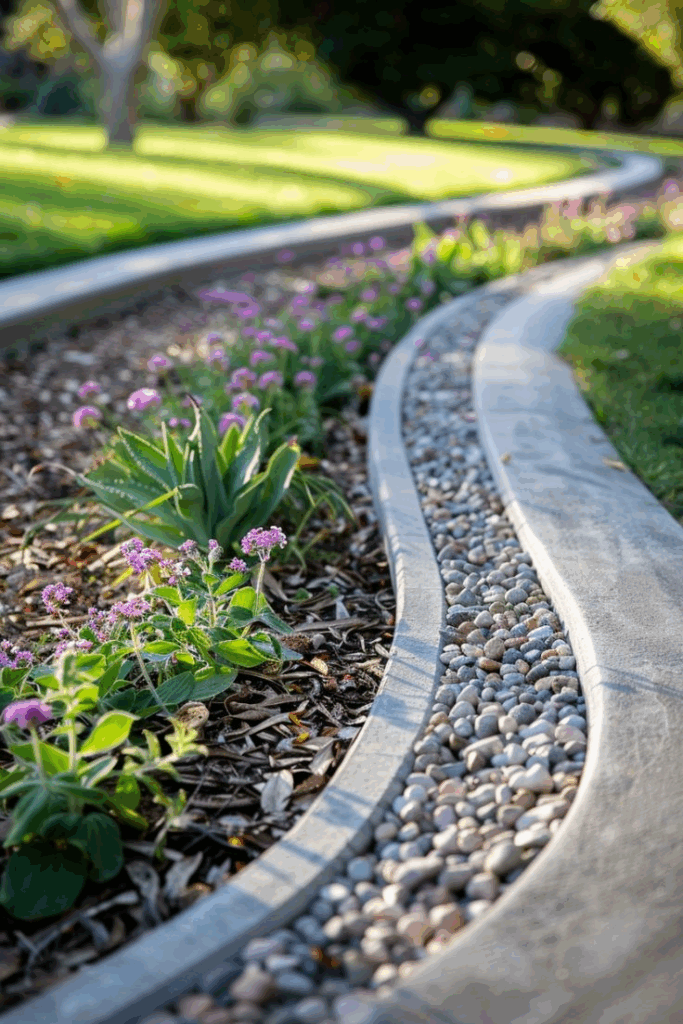
Custom concrete borders allow homeowners to design flowing, durable edges at a fraction of the cost of stone walls. By mixing quick-set concrete and pouring it into shallow trenches, curves and straight lines alike can be molded with ease. This method provides a seamless appearance that is especially effective for large lawns or flowerbeds requiring structural definition. Once cured, concrete resists erosion, lawnmower damage, and shifting soil, making it one of the most permanent budget options available. Color additives or stamped patterns can mimic stone or brick at a lower price point, adding visual appeal. Homeowners often favor this solution near driveways or patios, where durability and clean lines are most needed. While professional curbing companies offer machine-laid borders, DIY versions using wooden or plastic forms deliver similar results on a smaller scale. To reduce cracking, reinforcing mesh or rebar can be embedded during the pour. The finished border not only keeps mulch neatly contained but also prevents grass roots from creeping into beds. Low maintenance, long-lasting, and fully customizable, concrete pour curves present a practical solution for those seeking strength and design flexibility on a modest budget.
No-Dig Flexible Borders
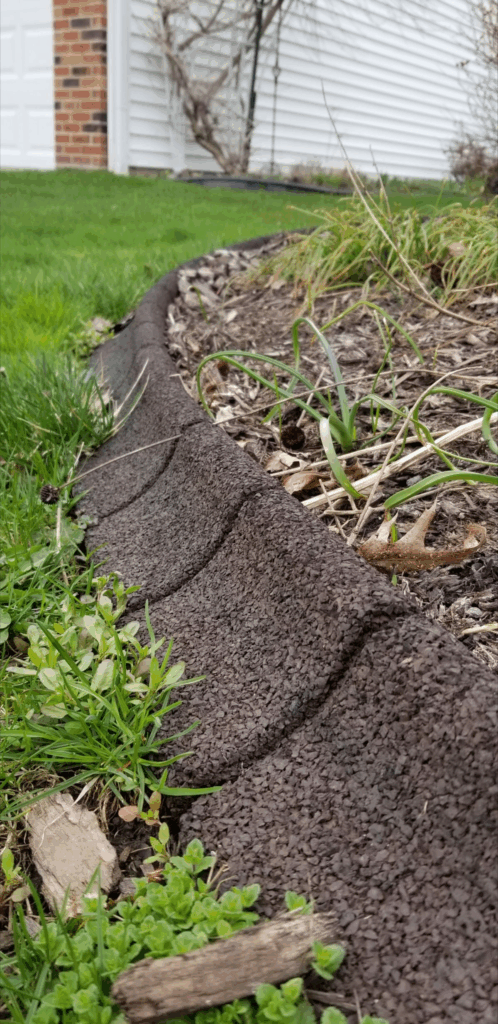
For homeowners seeking quick results with minimal tools, no-dig flexible borders provide a straightforward option. Typically made from recycled plastic or rubber, these edging strips bend easily around curved beds, trees, or walkways. Installation requires no trenching—simply lay the edging on the ground and secure it with spikes or stakes provided in the kit. This makes the system especially appealing for renters or those hesitant to commit to permanent borders. Despite their lightweight nature, flexible strips effectively block grass encroachment and contain mulch or gravel within beds. Available in black, brown, or stone-look finishes, they blend naturally into different landscaping styles without drawing attention. Durability ensures they withstand weather extremes, from freezing winters to scorching summers, without cracking. The affordability of these kits makes them one of the most budget-friendly edging solutions, particularly for large projects. They can be removed, repositioned, or expanded easily, giving homeowners flexibility as gardens evolve. Low-maintenance and adaptable, no-dig flexible borders deliver both function and convenience, ensuring tidy landscaping with little effort.
Upcycled Material Borders

Repurposing discarded materials into garden borders combines sustainability with creativity at virtually no cost. Old roof tiles, reclaimed wood planks, terracotta pots, or even repurposed metal scraps can be transformed into unique edging solutions. Each piece tells a story, giving the garden character and individuality. For example, half-buried terracotta tiles create rhythmic curves, while weathered timber offers rustic charm. Metal sheets cut into strips can define vegetable beds with industrial appeal. Aside from cost savings, using upcycled items diverts waste from landfills, aligning landscaping efforts with eco-conscious practices. Installation methods vary—wood planks may need stakes for support, while tiles or ceramics can be buried slightly for stability. Creativity plays the biggest role, as homeowners mix and match materials to suit garden style. Beyond aesthetics, these borders effectively contain soil, mulch, and plants, proving that functional design doesn’t require high expense. The imperfections of reclaimed items add authenticity, making borders feel personal and handcrafted rather than mass-produced. With imagination and resourcefulness, upcycled material borders become both budget-friendly and conversation-worthy, highlighting how sustainable solutions can also be stylish.