
Rocks offer one of the most versatile and affordable ways to upgrade outdoor spaces, making them ideal for homeowners on a budget. The best cheap rock landscaping ideas bring texture, durability, and natural beauty without requiring high maintenance or costly materials. From gravel pathways and simple edging to decorative stone accents in flower beds, rocks provide structure while blending seamlessly with plants and outdoor features. With the right design, even small investments can deliver striking curb appeal. This guide showcases practical and stylish cheap rock landscaping ideas that prove affordability can still result in a polished, professional-looking yard.
DIY Dry Creek Bed
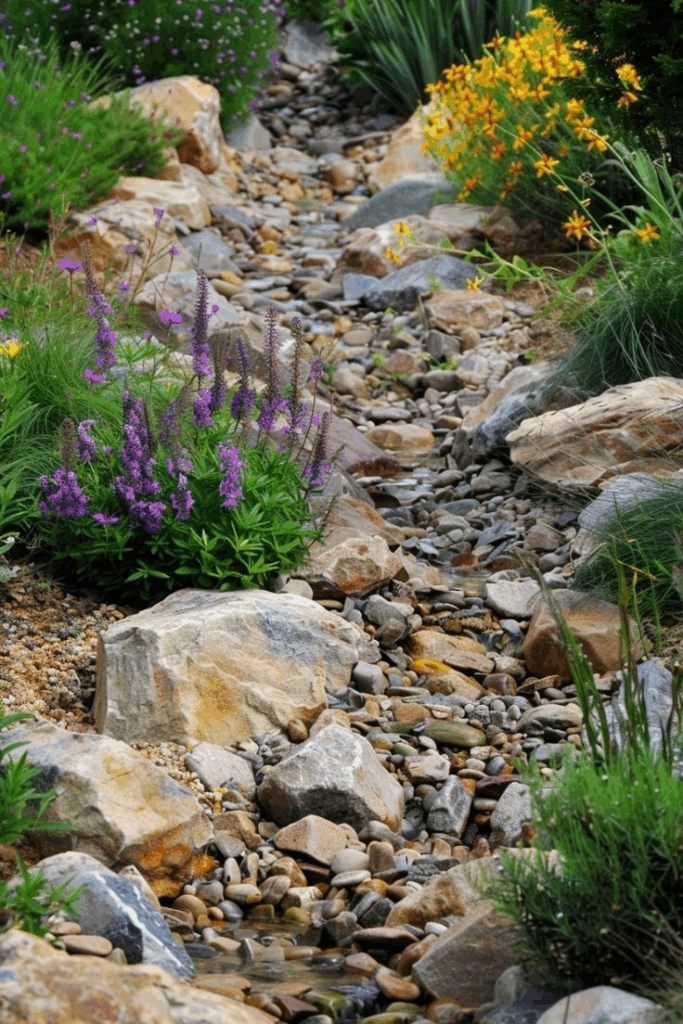
Flowing lines of smooth stones can mimic the look of a natural watercourse, making a dry creek bed an affordable yet striking landscaping solution. Using inexpensive river rocks, gravel, or salvaged stones, homeowners can guide rainwater runoff while adding texture to their yards. The concept works especially well in low-lying areas that gather excess water, helping prevent erosion. Lining the trench with landscape fabric before adding rocks ensures weeds remain under control. For a more natural appearance, vary the rock sizes, layering larger stones along the edges and smaller pebbles in the center to imitate water flow. Planting drought-tolerant grasses or perennials alongside the rocky path softens the edges and ties the feature into the surrounding garden. Solar lights or lantern stakes tucked along the banks make it just as appealing at night, adding functional beauty without much extra cost. With creativity, this project can be completed using materials already on hand, significantly lowering expenses. Beyond function, a dry creek bed introduces movement and dimension to otherwise flat areas, creating a focal point that feels organic. Its versatility ensures it complements traditional, desert, or modern landscapes alike, proving that budget-friendly landscaping can still look polished and purposeful.
Pebble + Mulch Contrast Bands
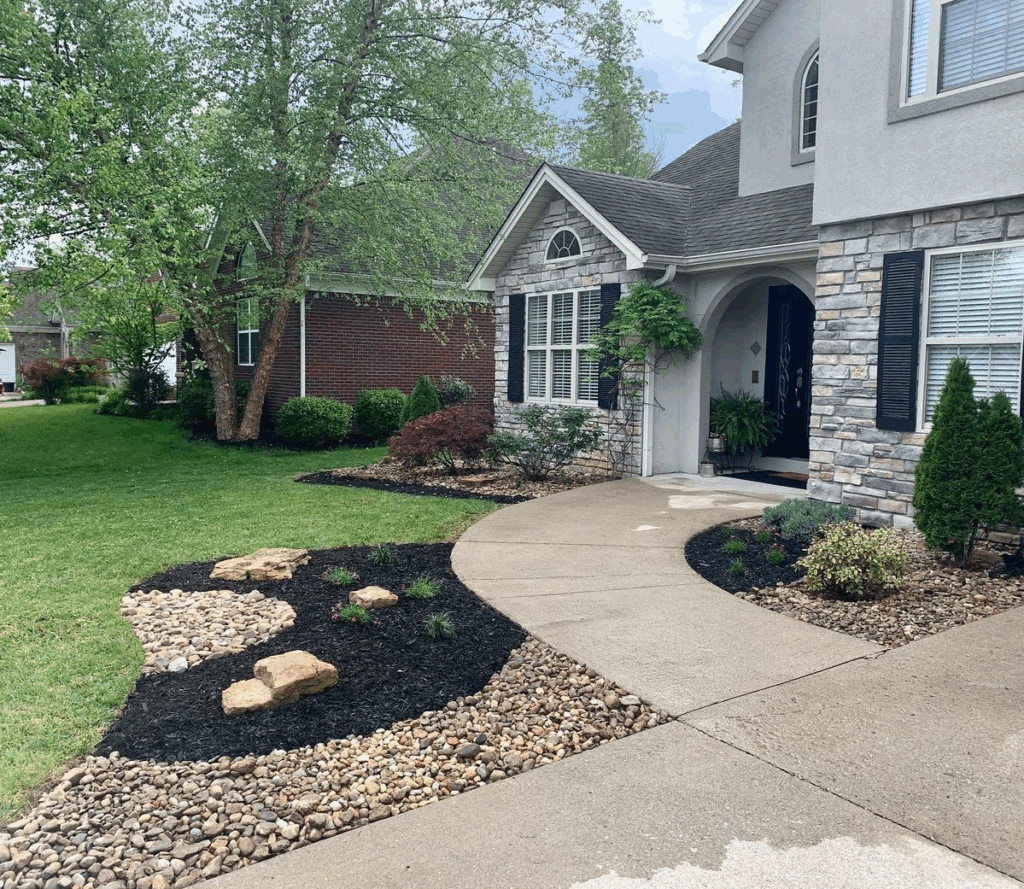
Stripes of alternating textures instantly catch the eye, and one of the simplest approaches is to arrange pebbles and mulch in parallel bands. This technique doesn’t require expensive materials yet gives a yard modern structure and clean lines. Dark hardwood mulch paired with light-colored river pebbles creates a striking visual contrast, while red cedar mulch and black stones produce a bold, earthy statement. Laying down landscaping fabric helps keep the divisions sharp, ensuring the bands remain defined over time. Edging strips or shallow trenches can further separate the two materials, preventing the mulch from mixing into the pebbles. This design idea works well along pathways, between raised beds, or even as an accent border around patios. Because mulch retains moisture for plants and pebbles allow drainage, the combination is both practical and decorative. Seasonal flowers or evergreen shrubs planted along the edges of the stripes enhance the layout and provide color against the neutral textures. Maintenance is minimal, requiring only occasional refreshing of mulch and repositioning of scattered pebbles. Whether used to divide spaces or guide the eye across a garden, pebble and mulch bands deliver affordable elegance. The mix of textures makes a small yard appear more curated without a heavy investment.
Reclaimed Stone Path Inlays
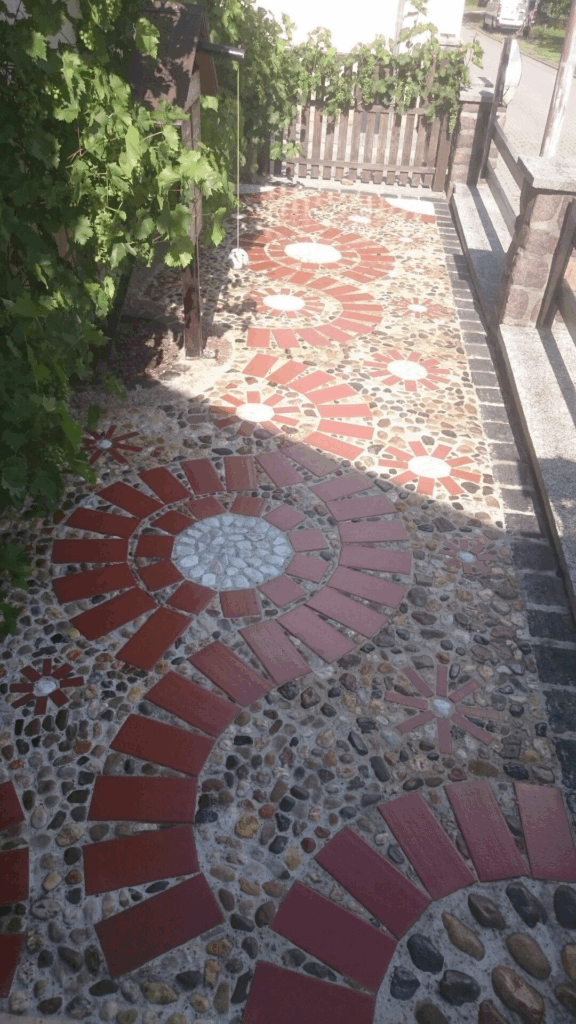
Scavenging leftover stone from renovation projects or construction yards offers an economical way to build unique garden paths. Reclaimed stone inlays add a rustic, character-rich element to outdoor spaces while reducing waste. Unlike uniform pavers, each piece carries irregular shapes and natural imperfections that enhance the charm of the design. Arranging them into a stepping-stone walkway or embedding them within gravel beds provides durability and visual appeal. To keep costs minimal, search salvage yards or even online marketplaces for free or discounted materials. Laying reclaimed stone doesn’t demand perfection; in fact, uneven spacing often looks more natural. Filling the gaps with gravel, sand, or creeping groundcovers such as thyme stabilizes the stones and prevents weed growth. These inlays work equally well in narrow garden paths or wider walkways leading to patios. Beyond their aesthetic value, reclaimed stones hold up against heavy foot traffic, making them functional as well as decorative. The environmental benefit of reusing discarded materials aligns with sustainable landscaping practices, giving homeowners a project that feels both stylish and responsible. By personalizing the layout—whether with geometric patterns or meandering paths—this low-cost idea creates outdoor interest. The result blends practicality with timeless design while preserving authenticity in the garden.
Recycled Brick Edging

Using discarded bricks as garden edging proves that affordable materials can still look refined. Many older bricks from demolition sites or renovation projects carry weathered textures and rich colors, adding instant character to any yard. Lining flowerbeds, pathways, or lawns with recycled bricks creates neat boundaries while preventing mulch and soil from spilling into surrounding areas. Simple installation involves digging a shallow trench, placing the bricks side by side, and tamping them down for stability. For a more decorative effect, bricks can be set diagonally, stacked in layers, or alternated in patterns. Recycled brick edging not only defines spaces but also adds a touch of vintage charm. Because bricks are highly durable, they withstand shifting weather conditions with little maintenance. Occasionally resetting any loosened pieces is all that’s required to keep the border intact. Sourcing secondhand bricks often comes at little to no cost, making this project one of the most budget-friendly landscaping upgrades available. Pairing the brick border with vibrant flowerbeds or low-growing shrubs highlights the natural color contrast, ensuring the edging stands out as part of the design. Combining durability, affordability, and historic charm, recycled brick edging remains a versatile option for homeowners seeking functional beauty on a budget.
Seedling Rock Planters
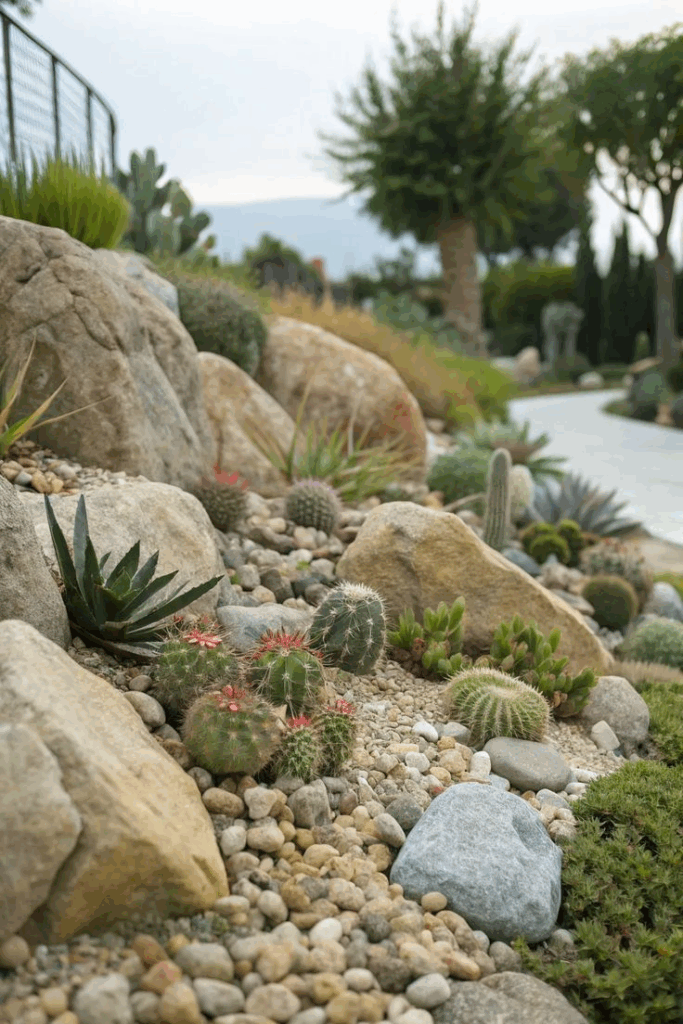
Natural crevices in large stones or intentionally drilled holes can serve as budget-friendly planters for seedlings. This approach combines function and artistry, creating miniature pockets of greenery nestled within rock surfaces. Hardy plants such as succulents, alpine flowers, or herbs thrive in the shallow soil, requiring little maintenance. For DIY enthusiasts, using a masonry bit to carve small planting holes in river rocks or concrete chunks is inexpensive and yields creative results. Adding gravel at the base of each cavity improves drainage, ensuring roots don’t sit in stagnant moisture. Arranging several seedling rock planters along a pathway, patio, or garden corner introduces unexpected bursts of life amid stone textures. This design reduces the need for traditional pots while blending seamlessly with natural surroundings. Beyond aesthetic value, the planters help conserve space, making them especially suitable for small gardens or balcony landscapes. Over time, moss and lichens can develop on the rock surfaces, enriching the rustic appeal. Choosing varied stone sizes creates visual interest, while clustering them in groups produces a cohesive display. Simple, eco-friendly, and highly adaptable, seedling rock planters bring life into overlooked spaces without requiring significant investment, proving that creativity and natural materials can deliver practical beauty.
Zen Garden Accent Mat
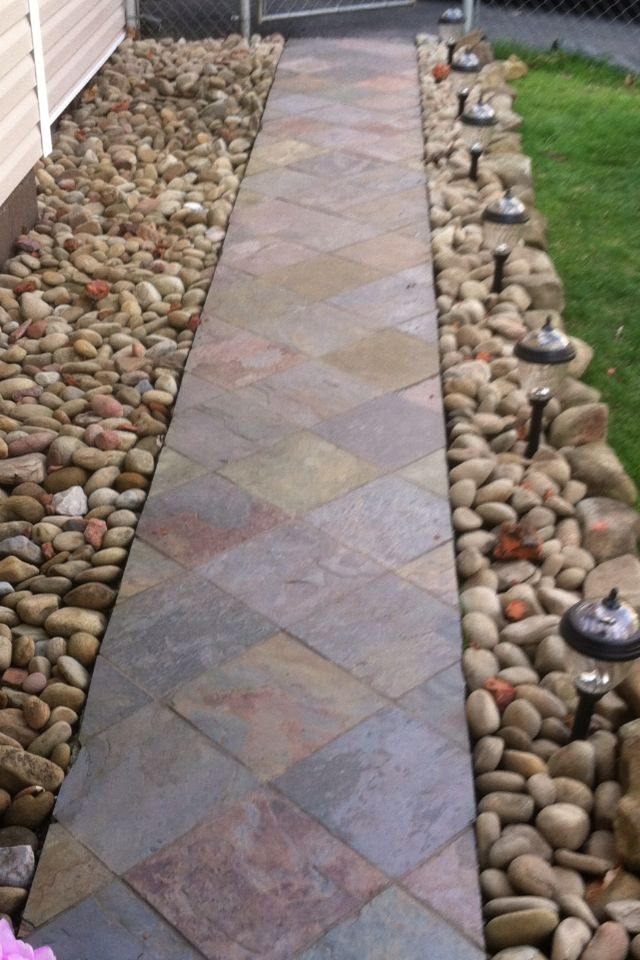
Serenity can be introduced into any outdoor space by arranging a small rock mat inspired by Zen gardens. This design requires only gravel, sand, and a few carefully placed stones to mimic the meditative landscapes found in Japanese traditions. By clearing a flat patch of soil and laying a weed barrier, homeowners can spread fine gravel or white sand to create a clean base. Larger stones or smooth boulders serve as focal points, while smaller pebbles fill the surface. Using a simple rake or homemade tool, lines can be drawn through the gravel, representing ripples in water. The resulting pattern encourages mindfulness and offers a tranquil focal area in the yard. Incorporating lanterns, bamboo accents, or a single bonsai further enhances the peaceful effect without adding much cost. Because the design is compact, it can be tucked into a corner, beside a patio, or even integrated within a larger landscape plan. Maintenance is minimal—occasional raking restores the patterns and keeps weeds at bay. The Zen garden accent mat delivers an affordable, contemplative feature that appeals to both aesthetic sensibilities and mental well-being, creating a calming retreat that feels refined despite its simplicity and low expense.
Grass-Rock Hybrid Border

Striking contrast emerges when living turf meets the hard texture of stone, making a grass-rock hybrid border both functional and affordable. This idea involves lining pathways or beds with rocks of varying sizes, then allowing grass to grow snugly against them. The pairing highlights each material, with soft greenery framing rugged stone edges. It’s an effective way to define spaces without expensive edging products. Larger rocks can be embedded deeper into the soil to act as anchors, while smaller pebbles fill the gaps, ensuring stability. Seasonal grasses like fescue or buffalo grass provide lush coverage that holds up well against foot traffic and weather. Over time, the rocks help suppress weeds while also reducing soil erosion along the edges. The hybrid border adapts to both contemporary and rustic garden themes, offering versatility for homeowners. In smaller yards, the combination makes narrow strips feel purposeful rather than neglected. Occasional trimming keeps grass neatly contained, while the rocks remain low-maintenance year-round. This blend of organic and inorganic textures enhances visual interest, offering depth without clutter. Affordable materials and simple installation make the grass-rock hybrid border an accessible choice for anyone aiming to achieve a polished, natural look without overspending.
Rock Circles as Focal Points
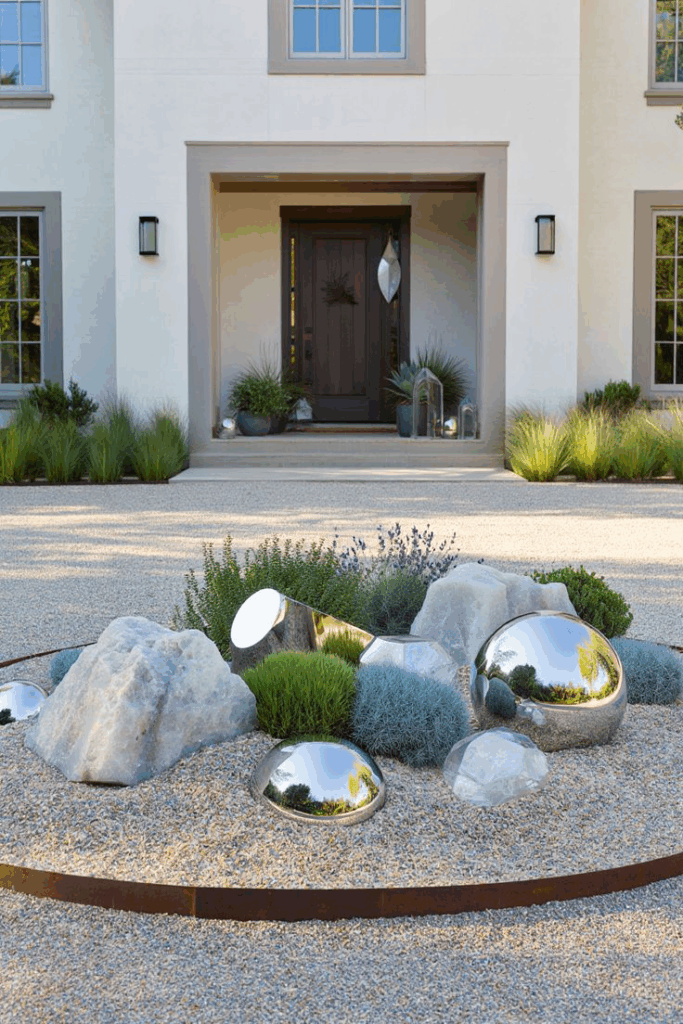
Circular stone arrangements create instant impact, drawing attention to specific areas of the garden while remaining inexpensive to construct. By placing rocks of similar sizes in a ring, homeowners can form a base for trees, shrubs, or ornamental features. These circles frame plants beautifully, protecting trunks from mower damage and preventing soil from washing away. Gravel or pebbles can be used inside the circle to suppress weeds while allowing water to filter through. For variety, alternating stone colors or sizes adds dimension to the design. Rock circles also serve as standalone focal points in open spaces, particularly when layered with native grasses or flowering perennials. The circular shape carries a sense of harmony, making it ideal for meditation spots or seating areas. This design works equally well in formal landscapes or casual yards, adapting to any style preference. Because the construction requires only locally sourced stones or inexpensive gravel, the cost remains minimal. Maintenance is limited to occasional tidying and resetting any shifted rocks. Over time, moss or creeping plants may grow between the stones, softening the structure and blending it into the natural surroundings. Rock circles deliver timeless appeal through their symmetry, practicality, and ease of execution.
Mixed-Color Simple Mosaic
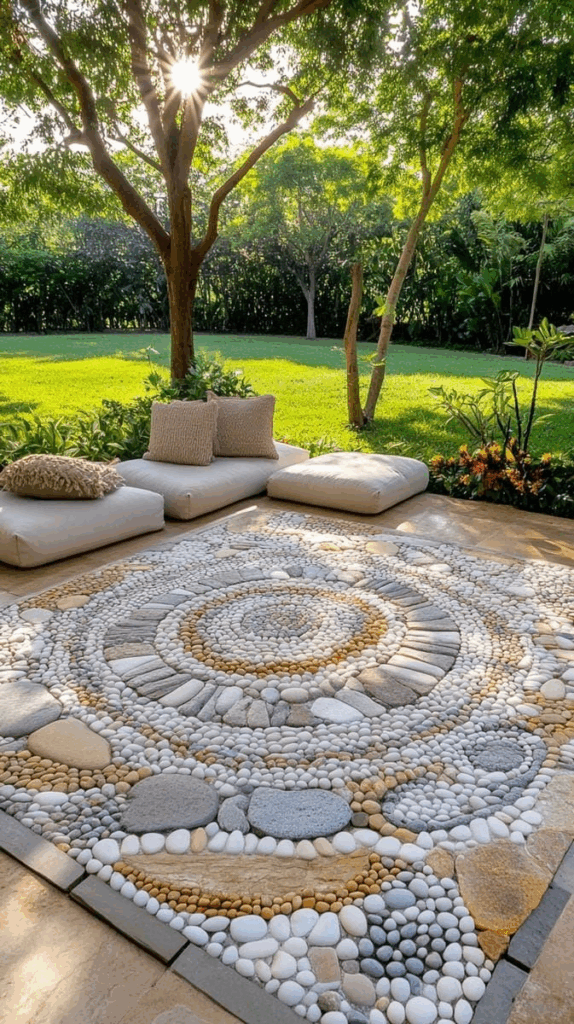
Vivid visual interest can be achieved by arranging stones of different colors into a simple mosaic pattern. This technique doesn’t demand professional skill—just creativity and patience. Collecting rocks in shades of gray, tan, red, or even black allows for striking contrasts without the need for expensive tiles. A flat surface, such as a patio entryway or garden pathway, serves as the canvas. Setting the stones into sand or mortar ensures stability, though a loose arrangement on compacted soil works for decorative zones. Patterns can be geometric, flowing, or abstract, depending on preference. Even basic stripes or swirls produce a striking effect once the natural colors interplay. Surrounding the mosaic with gravel helps define its edges, while plants or lighting accents enhance the design. Small pebbles can fill gaps between larger stones, ensuring a smooth surface. The appeal of this project lies in its affordability, since many stones can be sourced from local suppliers or even gathered naturally. Beyond aesthetics, the mosaic adds a personalized touch, turning outdoor areas into unique extensions of creative vision. With minimal cost and effort, a mixed-color stone mosaic delivers lasting character, elevating ordinary spaces into conversation-worthy highlights within any garden or yard.
Stepped Gravel Walk Edging
Terraced edging along walkways brings order and function, and gravel is one of the most affordable materials for the task. By gradually building short, stepped levels with wood planks, stone pavers, or simple soil mounds, gravel can be contained neatly, preventing it from spilling into surrounding garden beds. Each step creates a crisp boundary that doubles as a design feature, adding rhythm to the pathway. The approach is especially effective on slight slopes, where loose gravel tends to migrate with rain or foot traffic. Compacting a base layer before spreading the gravel improves stability, while edging strips or flat stones define the borders. Plants like creeping thyme or ornamental grasses along the steps soften the rigid lines, introducing greenery that thrives beside the neutral stone. Lighting placed at the step transitions enhances safety and highlights texture at night. This method balances aesthetics with practicality, ensuring walkways remain tidy and easy to maintain. Because gravel is inexpensive and widely available, homeowners can refresh or expand the edging without overspending. The stepped design offers a subtle architectural feel, elevating even the simplest garden path into a visually pleasing, functional feature that blends seamlessly into both rustic and contemporary outdoor styles.
Rock + Native Flower Combo Beds
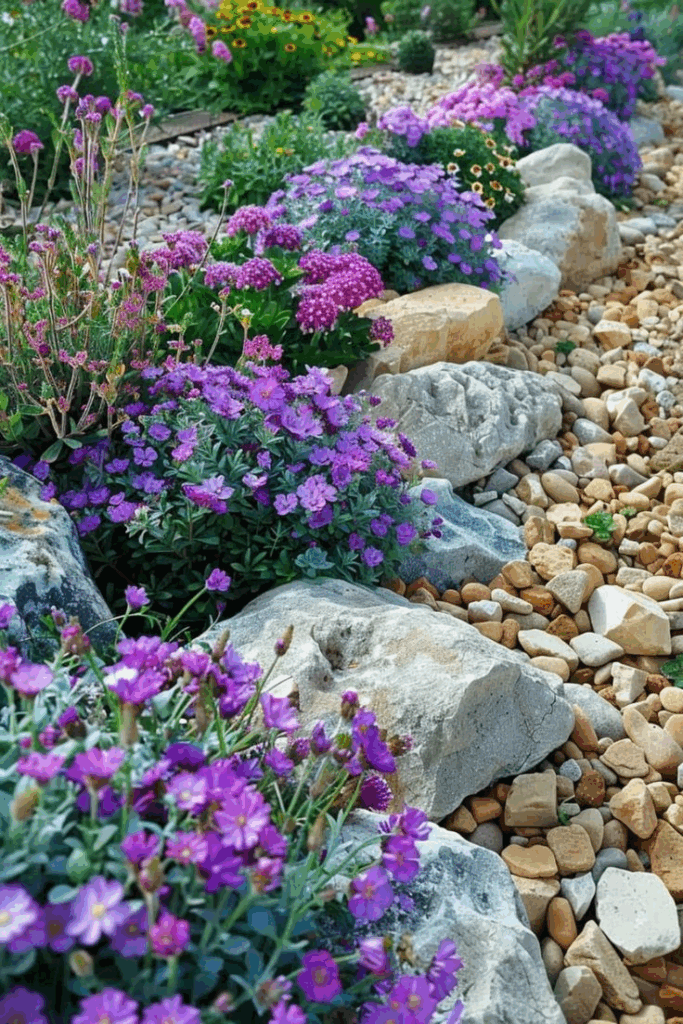
Merging hardy rocks with low-maintenance native flowers results in landscaping that’s both sustainable and affordable. Rocks provide natural mulch, suppressing weeds and regulating soil moisture, while native flowers contribute seasonal color and attract pollinators. This synergy reduces long-term care since plants already adapted to the climate require less water and fertilizer. A border of medium-sized stones can define the bed, with gravel layered in between plant clusters to control runoff. Choosing species like coneflowers, black-eyed Susans, or blanket flowers ensures vibrant displays while supporting local ecosystems. Rocks also protect root systems by stabilizing soil temperature, making beds more resilient in fluctuating weather. Placement plays a key role—larger stones can anchor corners, while smaller pebbles fill gaps between plantings for a balanced look. Over time, moss or lichens may naturally form on stone surfaces, enriching the rustic appeal. This type of bed blends seamlessly into casual yards and requires minimal upkeep, aside from occasional trimming or seasonal refreshes of mulch stones. The combination is cost-effective, visually diverse, and ecologically beneficial, making it a strong choice for homeowners who want beauty without high costs. By pairing durability with color, rock and native flower combo beds deliver a timeless landscape solution.
Slope Stabilizing Boulders
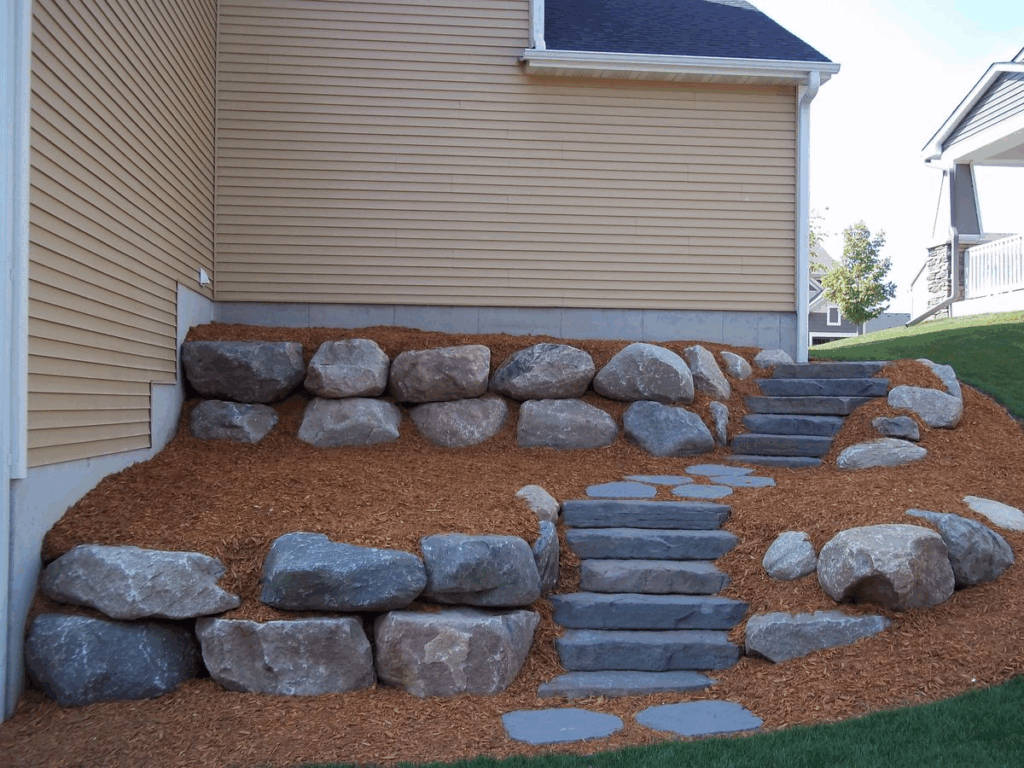
Erosion control often demands expensive solutions, but strategically placed boulders can stabilize slopes at a fraction of the cost. Large rocks act as anchors, holding soil in place while adding rugged beauty to otherwise problematic areas. Their weight resists shifting during heavy rains, protecting plants and preventing washouts. Placing boulders in staggered rows across a hillside slows water runoff, allowing it to absorb into the ground rather than carrying soil downhill. Smaller stones or gravel can be filled between gaps, further reinforcing stability. To integrate function with design, plant drought-tolerant species such as junipers, ornamental grasses, or creeping groundcovers around the boulders. These roots intertwine with the soil and rocks, creating a natural retaining system that strengthens over time. Choosing locally sourced boulders lowers expenses and ensures the stones match the surrounding landscape. Beyond erosion control, the arrangement doubles as a striking focal point, giving the slope an intentional, sculpted appearance. Maintenance is virtually nonexistent, aside from trimming vegetation. This approach is both environmentally sound and aesthetically pleasing, transforming a challenging terrain into a visually compelling part of the yard. Slope-stabilizing boulders deliver resilience, safety, and style without the need for costly retaining walls or heavy engineering.