
Curb appeal often comes down to small changes that make a lasting impression, and even minor improvements can refresh the look of any home exterior. The best simple front yard updates focus on affordable, easy-to-implement ideas that instantly boost style and functionality without requiring major renovations. From updating pathways and lighting to adding greenery or defining borders, these upgrades strike the perfect balance between effort and impact. Homeowners seeking quick, practical solutions will find this guide full of inspiration, showcasing simple front yard updates that transform entrances into welcoming, attractive spaces while keeping maintenance low and costs manageable.
Earth-Tone Door Pop
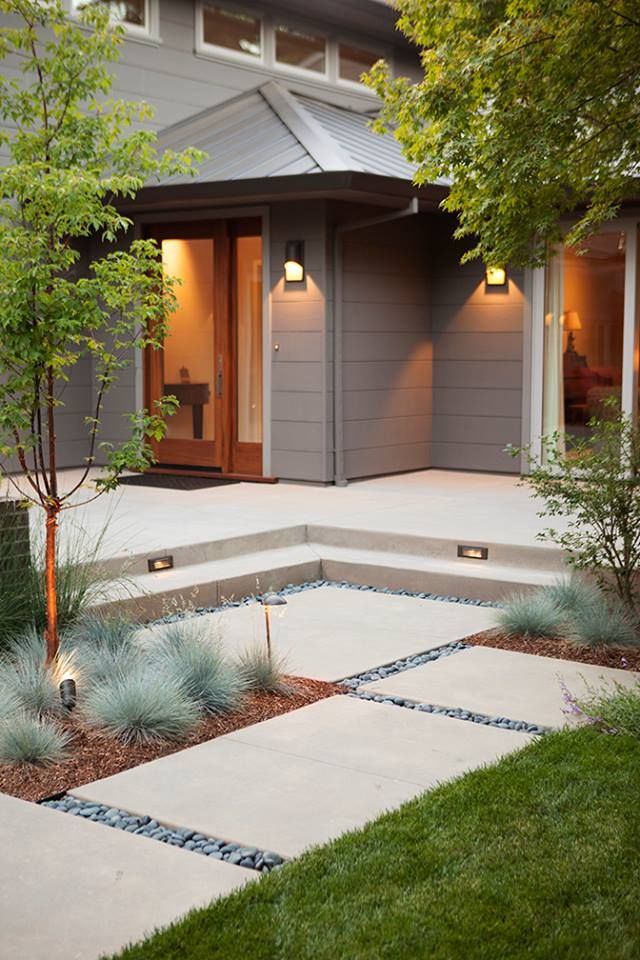
Color can transform a home’s first impression, and one of the simplest yet most effective updates is applying earthy tones to the front door. Shades like terracotta, olive green, warm taupe, or deep clay work harmoniously with natural siding, stone pathways, and surrounding greenery. These hues feel grounded while still standing out, giving the entrance a welcoming character. Homeowners often underestimate how much a door color influences curb appeal, but this small change can reset the entire tone of the exterior. Matching potted plants or copper-toned hardware can tie the look together seamlessly. Seasonal wreaths or textured mats layered in complementary shades further emphasize the palette, making the entry cohesive year-round. Neutral backdrops such as beige or soft gray siding amplify earthy hues, allowing the door to remain the central visual anchor. Unlike trendy shades that date quickly, earth tones provide timeless warmth and resonate with nature-inspired landscaping. For properties aiming to appear both modern and approachable, this update offers an affordable yet striking solution. It requires only paint, minor hardware adjustments, and thoughtful styling, but the result delivers a significant boost in charm. Whether rustic or contemporary, an earth-tone door grounds the exterior and welcomes guests with subtle sophistication.
Framed Outdoor ‘Foyer’ Landing

Front yards lacking definition often benefit from establishing a transitional outdoor foyer. This approach involves designing a framed landing near the entry that mirrors the function of an indoor foyer. Materials such as flagstone, brick, or patterned pavers outline a clear pathway that naturally guides visitors. Low planters, timber borders, or slim hedges can frame the landing, making the entrance feel intentional rather than abrupt. Adding a bench, small stool, or decorative pot provides both structure and comfort, suggesting a pause before entering the home. The design works especially well for smaller yards where architectural depth is limited, as it creates the illusion of extended space. Lighting along the frame—whether lanterns, solar stakes, or recessed ground fixtures—enhances visibility while reinforcing the boundary. Decorative touches like seasonal pots or textured mats soften the layout, ensuring it remains inviting rather than rigid. This structured zone also prevents wear on surrounding lawn or gravel, channeling foot traffic cleanly toward the doorway. Ultimately, a framed landing blends functionality with subtle artistry, creating a polished outdoor threshold. For homeowners seeking low-cost yet high-impact updates, this solution reshapes the yard’s circulation and strengthens curb appeal with clear visual organization.
Layered Landscape Lighting

Strategic lighting design can dramatically shift the atmosphere of a front yard without altering its hardscape. Layering light sources—pathway fixtures, wall-mounted sconces, uplights, and ground-level solar units—creates depth and dimension after dusk. The goal is balance rather than brightness, using light to highlight natural textures while ensuring safety. For example, small lanterns can illuminate stepping stones while low uplights enhance tree canopies or architectural features. A warm glow from wall sconces near the door contrasts beautifully with cooler solar accents around flower beds. By mixing heights and intensities, the yard avoids a flat appearance and instead becomes dynamic, highlighting focal points across multiple planes. Solar options minimize energy use, while LED fixtures extend longevity and reduce maintenance. Smart timers or dusk-to-dawn sensors can automate the system, ensuring efficiency and consistency. In neighborhoods where aesthetics play a key role in property value, layered lighting not only elevates visual appeal but also reinforces security. It discourages intruders, guides visitors, and showcases landscaping details at night. This thoughtful mix of practical and decorative illumination proves that light placement alone can completely redefine how a front yard is experienced once the sun sets.
Portable Fire-Pit Social Zone

Front yards can serve as more than visual showcases—they can also be functional gathering spaces. A portable fire pit transforms underused lawn or gravel areas into inviting social hubs. Compact metal bowls, propane tables, or foldable steel designs are easy to set up and remove, making them practical for both small and large yards. Surrounding the fire pit with weather-resistant chairs or benches immediately establishes a conversational layout. Gravel pads or stone pavers beneath prevent grass scorching while adding a structured base. Seasonal décor such as lanterns, blankets, or side tables further enhances the sense of comfort. Unlike permanent fixtures, portable units adapt to different occasions—whether casual evening chats or neighborhood get-togethers. Their mobility allows flexibility in positioning, ensuring compliance with local fire codes and personal safety needs. When paired with subtle lighting or low planters, the area feels intentional without requiring a full redesign. The warmth of a fire pit also extends the usability of outdoor spaces well into cooler months, maximizing value from existing square footage. As a front-yard update, this choice balances affordability, style, and sociability, turning ordinary curb space into a welcoming destination rather than a pass-through zone.
Seasonal Container Layering

Rotating container arrangements throughout the year is a versatile strategy for refreshing curb appeal. Instead of relying on static plantings, homeowners can curate layers of seasonal blooms, foliage, and textures. Taller evergreens or ornamental grasses act as anchors in the back, while mid-height flowers or shrubs fill the middle. The front layer can showcase trailing vines or vibrant ground covers spilling over the pot edges. This tiered structure ensures fullness and balance, preventing containers from appearing sparse. Seasonal swaps—spring tulips, summer petunias, autumn mums, and winter evergreens—keep the display relevant year-round without reworking permanent beds. Large ceramic, wood, or concrete planters make bold statements at the entry, while smaller pots can flank walkways for symmetry. Color coordination between plants and containers enhances visual flow, with earthy tones grounding brighter blooms. Beyond aesthetics, this approach reduces long-term costs, as containers require less soil amendment and irrigation than in-ground beds. They also allow experimentation with plant palettes before committing to permanent landscaping. For homeowners seeking flexibility, container layering offers a controlled, low-maintenance way to constantly refresh their home’s exterior. It ensures the front yard always feels alive, intentional, and attuned to the current season.
Low-Maintain Native Color Strips
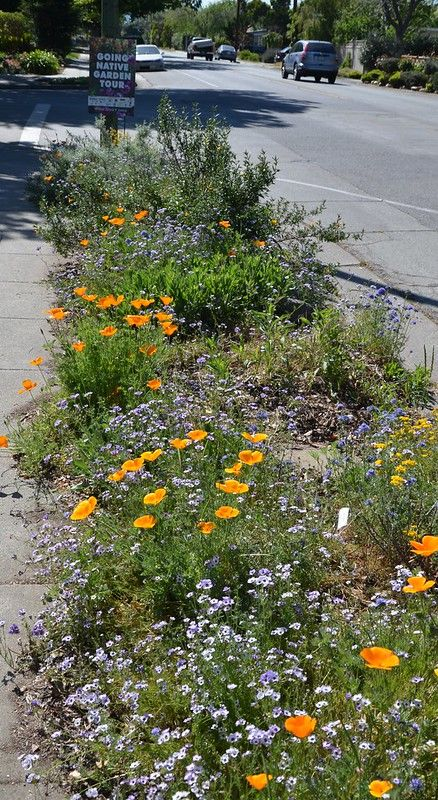
Front yards benefit greatly when native plants are used to form colorful strips along pathways or property lines. These plants are adapted to local soil and climate, meaning they require minimal irrigation and fertilizer once established. A row of native wildflowers, ornamental grasses, or small shrubs provides natural vibrancy without constant upkeep. Arranging them in bands or ribbons helps define the space, guiding the eye across the yard and framing walkways or driveways with seasonal interest. Native species also support pollinators, improving biodiversity and adding ecological value. Unlike high-maintenance annuals, these plantings thrive with less intervention, making them budget-friendly over time. Mulching around the roots preserves moisture and suppresses weeds, reducing care further. Color schemes can shift naturally across seasons, with spring blooms giving way to summer textures and autumn foliage highlights. For homeowners who want consistent curb appeal without weekly chores, native strips deliver balance between structure and ease. Their resilience to drought, pests, and temperature fluctuations makes them reliable long-term choices. Beyond aesthetics, they connect the property to the broader landscape, blending seamlessly with the local environment. The result is a front yard that looks polished yet feels organic, offering both beauty and sustainability with minimal effort.
Bold Driveway Ribbon Inlays

Driveways often dominate the front yard, but subtle design changes can transform them into stylish features rather than plain slabs. Ribbon inlays are narrow strips of contrasting material—gravel, grass, stone, or brick—inserted between or alongside concrete sections. These breaks add visual rhythm, softening what might otherwise appear monotonous. For example, alternating paver bands across a plain driveway creates a geometric effect, while grass or groundcover strips introduce natural contrast. Inlays not only add character but also improve drainage, reducing water runoff. Homeowners can customize width, spacing, and material choice to match architectural style, whether modern, rustic, or traditional. Stamped patterns or recycled bricks add unique texture, elevating the surface from functional to decorative. Darker stone ribbons against pale concrete achieve bold contrast, while earth tones deliver subtle refinement. This method avoids costly full replacements, offering a budget-friendly upgrade that dramatically shifts perception. Practicality is preserved since vehicles still travel on sturdy surfaces, but the eye focuses on the artistic detailing. Driveway ribbons demonstrate how small interventions can significantly improve curb appeal. They balance structure with creativity, making the home’s approach feel curated rather than overlooked, while also contributing to better overall yard cohesion.
Shadow-Plant Groundcover Waves
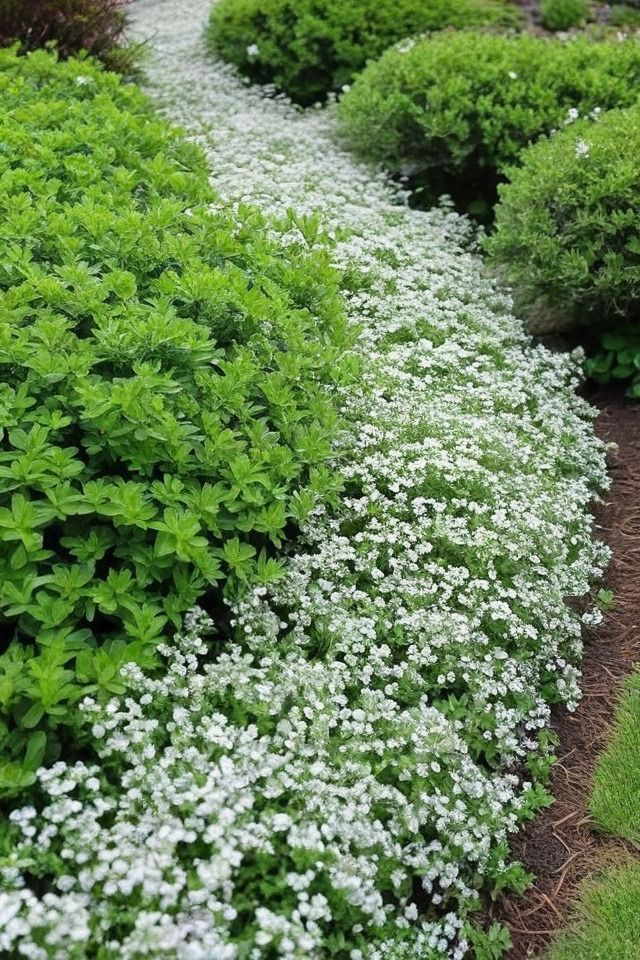
Groundcovers provide excellent solutions for filling gaps in front yards, and shadow-tolerant varieties thrive in areas where taller plants cast dappled patterns. Designing these beds in sweeping, wave-like formations creates natural flow that softens rigid edges. Plants such as pachysandra, vinca, creeping thyme, or ajuga spread evenly, suppressing weeds while maintaining visual interest. Their low profiles allow them to act as a living carpet, blending effortlessly with larger shrubs and trees. Waves of alternating colors—like silver-leafed lamium beside dark-green ivy—add texture and depth without heavy maintenance. This design thrives especially under mature trees or along foundation lines, where sunlight shifts throughout the day. Mulching between new plantings helps them establish faster while conserving soil moisture. Once grown in, they provide consistent greenery across seasons with little trimming required. Because they hug the soil, these plantings help prevent erosion on small slopes while visually expanding narrow beds. The layered wave effect keeps the yard dynamic, drawing attention to its natural contours rather than masking them. For homeowners seeking sustainable, low-input design, shadow-plant groundcover waves offer both practical coverage and graceful beauty that complements the home’s exterior year-round.
Lush Compact Garden Pockets

Unused corners or narrow gaps near walkways present opportunities for small but impactful garden pockets. These intimate plantings introduce lushness without demanding expansive space. Selecting layered vegetation is key—start with dwarf evergreens or ornamental grasses at the back, then layer flowering perennials and seasonal accents toward the front. This structure creates depth, ensuring the pocket feels abundant even in a small footprint. Compact gardens thrive in spaces by stoops, mailbox areas, or the ends of driveways where a splash of greenery instantly softens hard edges. Containers can supplement in-ground plantings, allowing easy seasonal rotation. Rich foliage contrasts with gravel or mulch bases, highlighting colors and textures more vividly. Adding a focal piece such as a decorative urn, lantern, or birdbath makes the pocket feel intentional rather than incidental. Because of their size, these gardens are easier to maintain, requiring minimal watering and pruning. Grouping plants with similar light and soil needs ensures longevity while minimizing effort. Garden pockets also serve as excellent habitats for pollinators, enriching the local environment. By maximizing small areas, homeowners create curated vignettes that boost curb appeal significantly. The result is charm and vitality introduced in spaces that might otherwise go overlooked.
Raised Rustic Planter Boxes

Timber planter boxes bring structure and versatility to the front yard, particularly when raised for visibility. Constructed from reclaimed wood, cedar, or treated planks, these boxes offer rustic charm while providing a controlled growing environment. Their height protects plants from pests and reduces strain during maintenance. Filled with colorful annuals, hardy perennials, or even herbs, the boxes add personality and fragrance to entry zones. Arranging them symmetrically near pathways or asymmetrically along porches creates balance depending on the home’s style. Their modular nature allows homeowners to rearrange or refresh plantings seasonally without disturbing the overall landscape. Rustic finishes age gracefully, blending seamlessly with both traditional and farmhouse aesthetics. Lining the boxes with landscape fabric prolongs durability and prevents soil erosion. Drip irrigation or self-watering inserts reduce upkeep, making them practical for busy schedules. These raised elements also visually break up large open spaces, providing vertical variation in an otherwise flat yard. Because they can be constructed as DIY weekend projects, planter boxes are affordable yet impactful. They showcase creativity while offering flexibility, ensuring the yard feels both grounded and adaptable. Rustic raised boxes ultimately bridge utility and style, adding depth to the outdoor canvas.
Solar-Lit Edge Accents
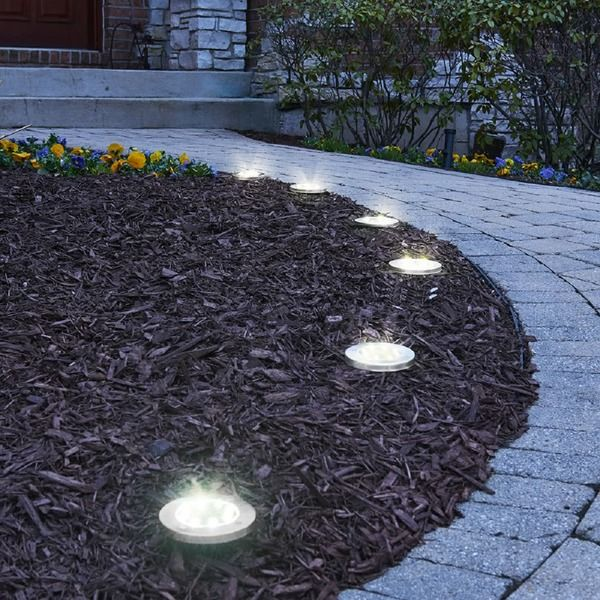
Illuminating pathways and borders with solar fixtures is an efficient way to highlight the front yard’s layout while improving safety. These lights absorb energy during the day and automatically activate at dusk, requiring no wiring or electricity. Lining driveways, walkways, or garden beds with low-profile stakes creates a defined boundary that guides movement naturally. Unlike harsh overhead floodlights, solar edge accents provide a soft glow that enhances rather than overpowers the landscape. Options range from sleek stainless designs to rustic lantern styles, allowing customization for various architectural aesthetics. Their placement can emphasize curves, highlight plant groupings, or underscore stonework. Because they’re movable, adjustments can be made seasonally to fit new layouts or plant growth. Maintenance is minimal, with occasional panel cleaning and battery replacement ensuring longevity. This affordable update significantly increases nighttime curb appeal, making the yard feel inviting and secure. Beyond aesthetics, the added visibility reduces tripping hazards and discourages intruders. For eco-conscious households, solar fixtures present a sustainable choice that blends practicality with style. Edge lighting demonstrates how thoughtful details can elevate the front yard’s ambiance, turning simple borders into illuminated design statements that serve both form and function.
Seasonal Potted Drama

Statement planters are one of the fastest ways to refresh a front yard with minimal effort, and seasonal changes keep the look dynamic. Oversized containers near the entry or along pathways act as natural focal points, especially when styled with bold plant combinations. For spring, tulips and daffodils paired with cascading ivy deliver freshness. In summer, vibrant geraniums, coleus, or tropical palms provide fullness and color. Autumn arrangements often feature mums, ornamental kale, or mini pumpkins tucked into foliage for extra texture. Winter styling may include evergreens, pinecones, and red branches for contrast against muted surroundings. Choosing large, weather-resistant materials like stone, ceramic, or wood ensures durability while supporting substantial root systems. Thrillers, fillers, and spillers—the design principle of tall, medium, and trailing plants—add depth and drama to each arrangement. Rotating selections seasonally ensures the yard never feels stagnant and encourages creative experimentation without permanent commitments. Accent lighting directed toward these containers enhances their impact after dark, giving them year-round presence. Beyond aesthetics, potted displays allow flexibility for homeowners with limited soil conditions or space. Seasonal container drama proves that a single bold feature, refreshed throughout the year, can consistently anchor and elevate curb appeal.