
Autumn landscapes come alive when gardens showcase a variety of colorful plants that highlight the season’s natural beauty. Choosing the best colorful plants to enhance your fall landscape helps transform outdoor spaces into vibrant displays while boosting curb appeal. From fiery foliage to long-blooming perennials, these seasonal selections create visual warmth and depth. This guide offers practical and expert insights for homeowners and gardeners who want quick, reliable options for making their outdoor spaces stand out during fall.
Hardy Mums

Gardeners often turn to hardy mums when seeking long-lasting autumn color. These perennials thrive in cooler temperatures and showcase dense clusters of blooms in shades of yellow, burgundy, purple, and white. Their rounded growth habit makes them excellent border plants, while potted varieties brighten porches and patios with seasonal charm. Hardy mums typically bloom from late summer through frost, ensuring continuous color when many other flowers fade. They perform best in well-drained soil with full sun exposure, though light afternoon shade can prolong blossom life. Pinching back stems in early summer encourages bushier growth and more abundant flowers. Once established, mums return year after year, making them a reliable investment for fall landscapes. Pair them with ornamental grasses or asters for textural contrast, or mass-plant them along walkways for a vibrant seasonal display. Their adaptability to containers also makes them popular for entryway arrangements and festive displays. Deadheading spent blooms extends their showy season, while mulching helps protect roots during harsh winters. Whether used in mixed beds or as colorful standalone accents, hardy mums bring unmatched vibrancy to autumn gardens and remain one of the most dependable choices for a bold fall display.
Marigolds
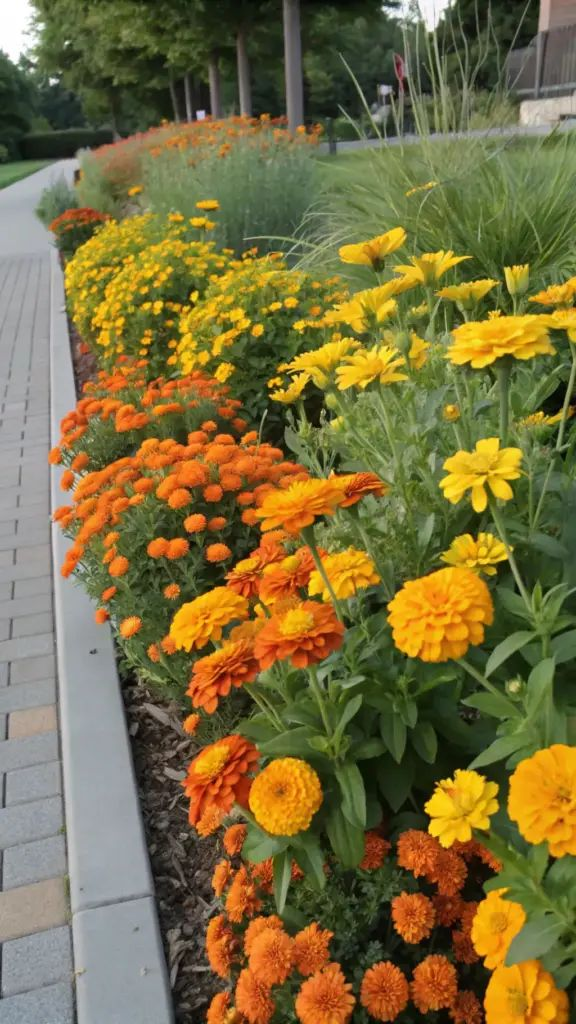
Vivid hues of marigolds provide warmth to fall landscapes well into the cooler months. Known for their golden, orange, and red tones, marigolds are annuals that thrive in full sun and well-drained soil. Their resilience to pests and ability to tolerate various conditions make them one of the easiest flowers to grow. Many gardeners choose them for edging pathways or filling empty spots in garden beds where color is needed quickly. Their compact growth also makes them ideal for container gardens and window boxes. Beyond aesthetics, marigolds are valued for their ability to deter certain insects, offering a natural companion to vegetables and herbs in mixed plantings. Deadheading faded blooms encourages continual flowering until the first frost, ensuring a bright display when other plants begin to decline. Taller African marigolds add vertical interest, while French marigolds provide dense, low-growing coverage with rich jewel tones. Their versatility allows them to pair well with mums, salvias, or ornamental peppers for dramatic autumn combinations. By weaving marigolds into fall designs, gardeners not only gain cheerful color but also practical garden benefits, making them indispensable for seasonal landscapes.
New England Asters
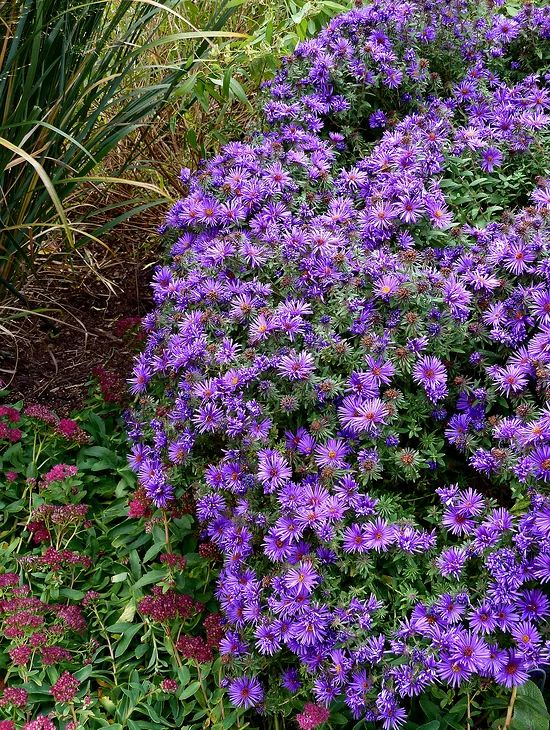
Striking shades of purple and violet from New England asters create a dramatic impact in autumn gardens. These native perennials attract pollinators such as bees and butterflies at a time when nectar sources are scarce, adding ecological value alongside beauty. Blooming from late August through October, they provide a refreshing burst of color when paired with ornamental grasses and goldenrod. New England asters thrive in full sun and prefer moist, well-drained soil but are tolerant of less-than-ideal conditions once established. Their tall, upright form makes them suitable for the back of borders, where they serve as a colorful backdrop to shorter seasonal plants. Regular pruning or pinching in early summer keeps them from becoming too leggy and encourages fuller blooms. Known for their hardiness, these asters withstand cold snaps and remain vibrant until frost, making them a dependable fall staple. Gardeners often combine them with coneflowers or black-eyed Susans for layered seasonal displays. With proper care, New England asters naturalize and return annually, requiring minimal maintenance. Their mix of ecological benefits and reliable fall color cements their place as one of the most rewarding perennials for autumn landscapes.
Black-Eyed Susans
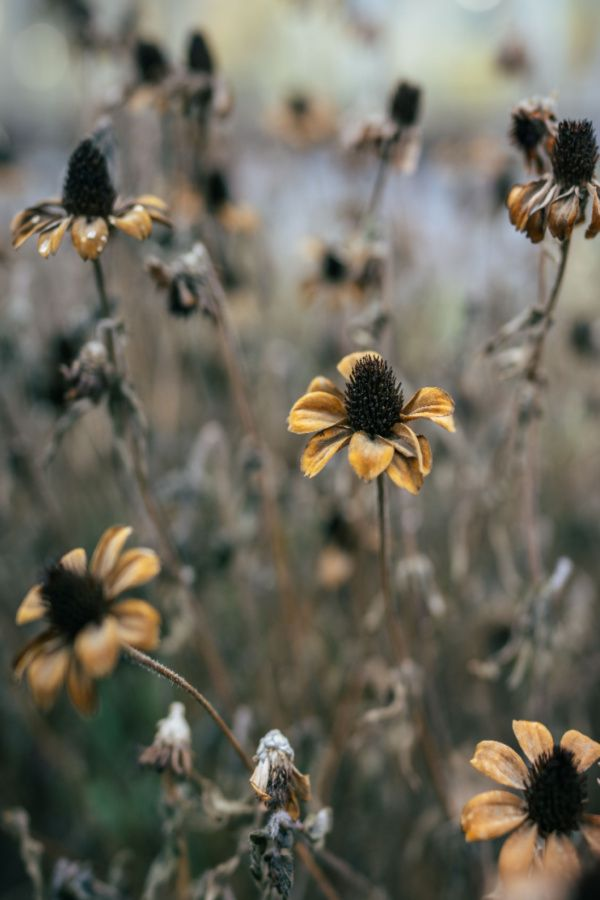
Golden petals surrounding dark brown centers give black-eyed Susans their signature look, making them one of the most recognizable plants for autumn displays. These hardy perennials bloom from midsummer into fall, ensuring color persistence as cooler weather approaches. Their sunny appearance pairs beautifully with purple asters and ornamental grasses, creating classic fall combinations. Adaptability is one of their greatest strengths—black-eyed Susans tolerate drought, poor soil, and full sun, thriving in diverse garden conditions. Once established, they require little care beyond occasional deadheading to prolong blooming. Their long stems also make them popular as cut flowers, brightening indoor arrangements with cheerful tones. These plants are especially valuable for pollinator-friendly gardens, attracting bees, butterflies, and even seed-eating birds as the season progresses. Planting them en masse in meadows or borders delivers dramatic swaths of color that last until frost. Resistant to many common pests and diseases, black-eyed Susans remain a low-maintenance yet visually impactful choice. Their resilience, bright blossoms, and ecological role make them a must-have addition for anyone looking to sustain vibrant color and wildlife support throughout the fall season.
Panicle Hydrangeas
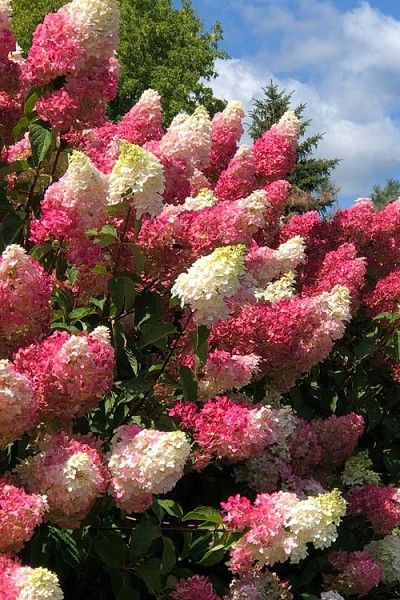
Cone-shaped clusters of blossoms make panicle hydrangeas a standout in fall gardens. Unlike mophead varieties, these shrubs feature elongated blooms that transition in color as the season progresses—from creamy white to soft pink, and finally to rich burgundy tones by late autumn. Their ability to change hues adds depth and drama, ensuring they remain focal points throughout the season. Thriving in full sun to partial shade, panicle hydrangeas are adaptable to various soil types as long as drainage is adequate. They are cold-hardy, making them suitable for northern climates where other hydrangea types struggle. Pruning in late winter encourages vigorous new growth and abundant flowering the following year. Their large blooms make excellent cut flowers, both fresh and dried, extending their appeal indoors. Pairing them with ornamental grasses or deep-hued asters enhances their visual impact, while planting them as hedges or specimen shrubs creates structure in the landscape. With minimal care, these shrubs return year after year, rewarding gardeners with ever-changing displays of color. Their versatility and long-lasting beauty secure their role as one of the best shrubs for enhancing fall landscapes with bold and dynamic seasonal interest.
Fothergilla
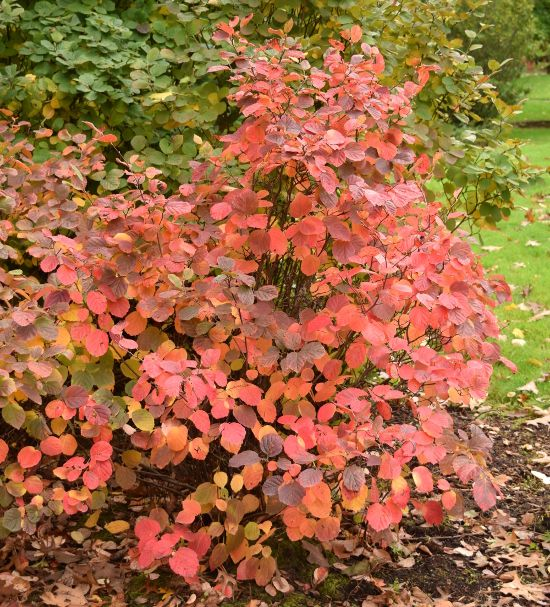
Brilliant foliage colors set fothergilla apart during autumn months. This native shrub, often overlooked, transforms from deep green in summer to fiery shades of red, orange, and yellow once temperatures drop. Its compact size makes it perfect for foundation plantings, borders, or small garden spaces where big color is desired without overwhelming the design. Fothergilla thrives in acidic, well-drained soils and flourishes in both full sun and partial shade, offering flexibility in placement. During spring, it produces fragrant, bottlebrush-like flowers before foliage emerges, extending its seasonal interest. By fall, the foliage show rivals that of maples, making it a valuable addition for gardeners seeking a shrub that delivers across multiple seasons. Low maintenance and resistant to most pests, it requires little more than occasional pruning to maintain shape. Pairing fothergilla with conifers or evergreens highlights its vibrant autumn hues, while mass plantings create a striking tapestry of color. Its ability to naturalize in woodland edges or structured landscapes adds versatility. For those looking to enrich fall gardens with vivid foliage and reliable performance, fothergilla stands as an exceptional, underutilized choice with year-round appeal.
Japanese Maples
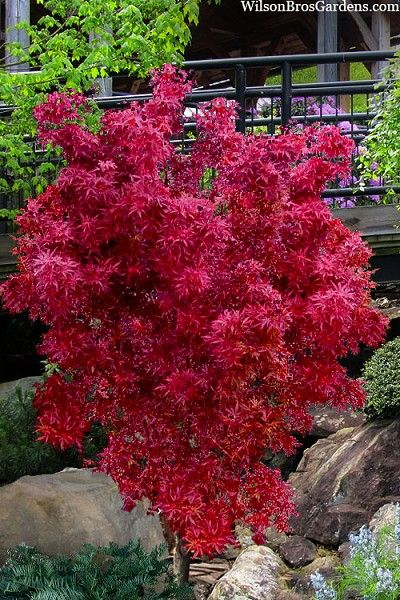
Delicate, lacy foliage gives Japanese maples their renowned elegance, especially when autumn sets in. These ornamental trees shift from summer greens to fiery shades of crimson, orange, and gold, making them among the most striking specimens for fall landscapes. Their varied sizes—from dwarf cultivars suitable for containers to larger varieties perfect as garden focal points—allow flexibility in design. Japanese maples thrive in well-drained soil with consistent moisture and prefer partial shade, particularly in hot climates, where protection from harsh afternoon sun preserves foliage vibrancy. Their slow growth and graceful branching make them ideal for both traditional gardens and modern spaces. Pruning is best done sparingly to maintain their natural form, while mulching around the base helps retain soil moisture and regulate temperature. These trees pair beautifully with evergreens, hostas, or ornamental grasses for layered seasonal displays. Beyond aesthetics, they add cultural richness, often associated with tranquility in Japanese-inspired landscapes. With proper care, Japanese maples can live for decades, providing annual autumn displays that rival the brilliance of larger shade trees. Their refined beauty and dependable fall color secure their place as treasured centerpieces in gardens worldwide.
Sedum ‘Autumn Joy’
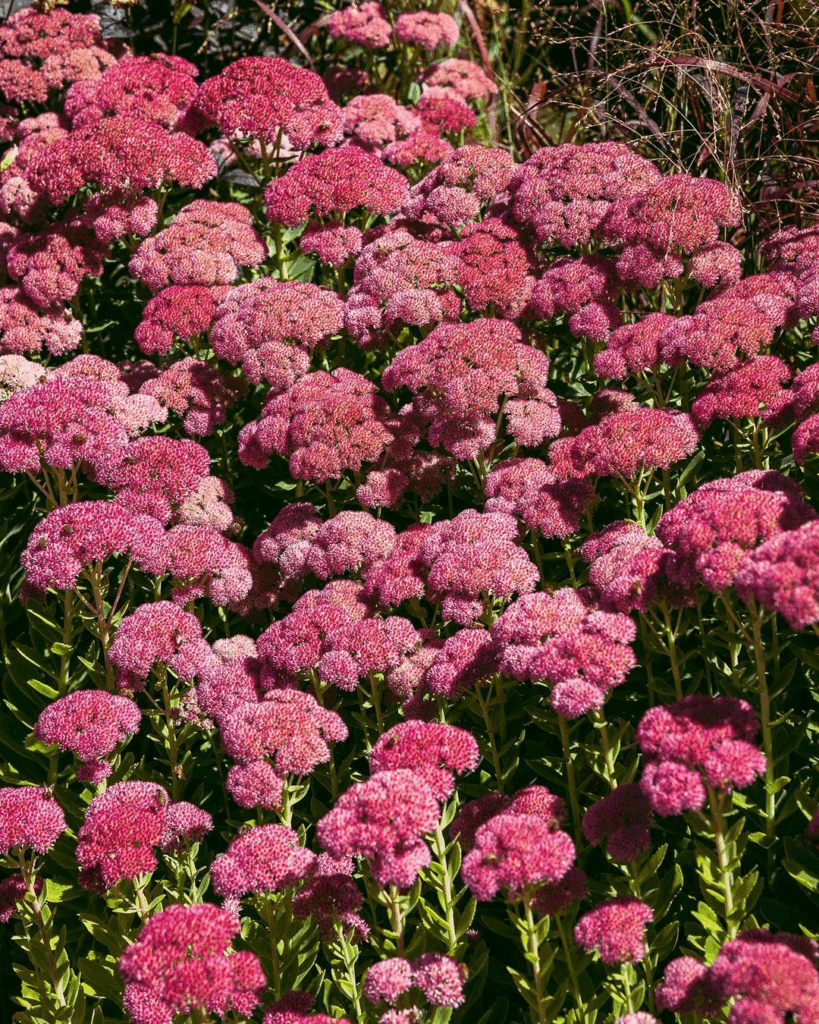
Succulent foliage paired with late-season blooms makes Sedum ‘Autumn Joy’ a gardener’s favorite for fall. This perennial starts the season with green flower buds that gradually open into rosy pink clusters, deepening into copper-red tones as temperatures drop. Its upright growth habit and fleshy leaves add structure to garden beds, while its long-lasting flowers attract pollinators well into autumn. Thriving in poor, sandy soils and full sun, Sedum ‘Autumn Joy’ is incredibly drought-tolerant, requiring little maintenance once established. Deadheading is unnecessary, as dried flower heads provide winter interest and can be left standing for texture against snow. This plant performs well in mixed borders, rock gardens, and container plantings, offering versatility across garden styles. Pairing it with ornamental grasses, asters, or goldenrod creates striking seasonal contrasts. Its durability against pests and diseases further enhances its reputation as a dependable perennial. By late fall, when many other blooms have faded, Sedum ‘Autumn Joy’ remains vibrant, anchoring landscapes with its rich tones. For gardeners seeking resilience, ecological value, and enduring beauty, this sedum offers one of the most rewarding solutions for colorful fall displays.
Asters
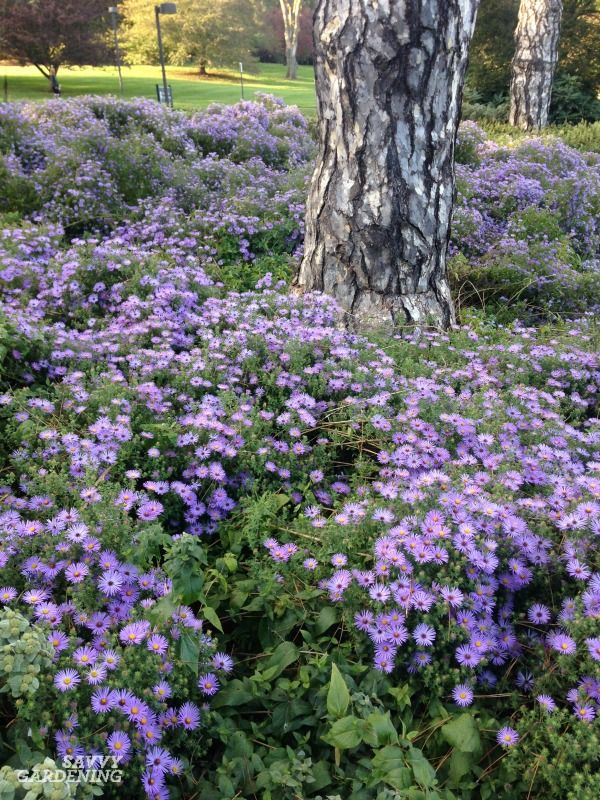
Brilliant star-shaped blossoms make asters an autumn favorite, offering shades of purple, blue, pink, and white that extend color well into fall. These perennials bloom prolifically from late summer through frost, providing nectar for bees and butterflies when many other flowers have faded. Their versatility allows them to shine in both borders and meadows, where they bring naturalistic charm. Asters thrive in full sun with moist, well-drained soil but adapt readily to less-than-ideal conditions once established. Taller varieties can reach several feet in height, making them excellent background plants, while compact forms work beautifully in front plantings or containers. Deadheading encourages longer bloom periods, and dividing clumps every few years maintains plant vigor. They are often paired with goldenrod or ornamental grasses for striking seasonal combinations. Aside from their ornamental appeal, asters contribute to pollinator-friendly gardens, supporting late-season ecosystems. Resistant to most pests, they require minimal upkeep beyond occasional watering in dry spells. Their cheerful, daisy-like faces brighten landscapes during the shortening days of autumn, ensuring gardens retain vibrancy right up to the season’s end. Gardeners seeking dependable color and ecological benefit will find asters indispensable for fall landscapes.
Heuchera (Coral Bells)
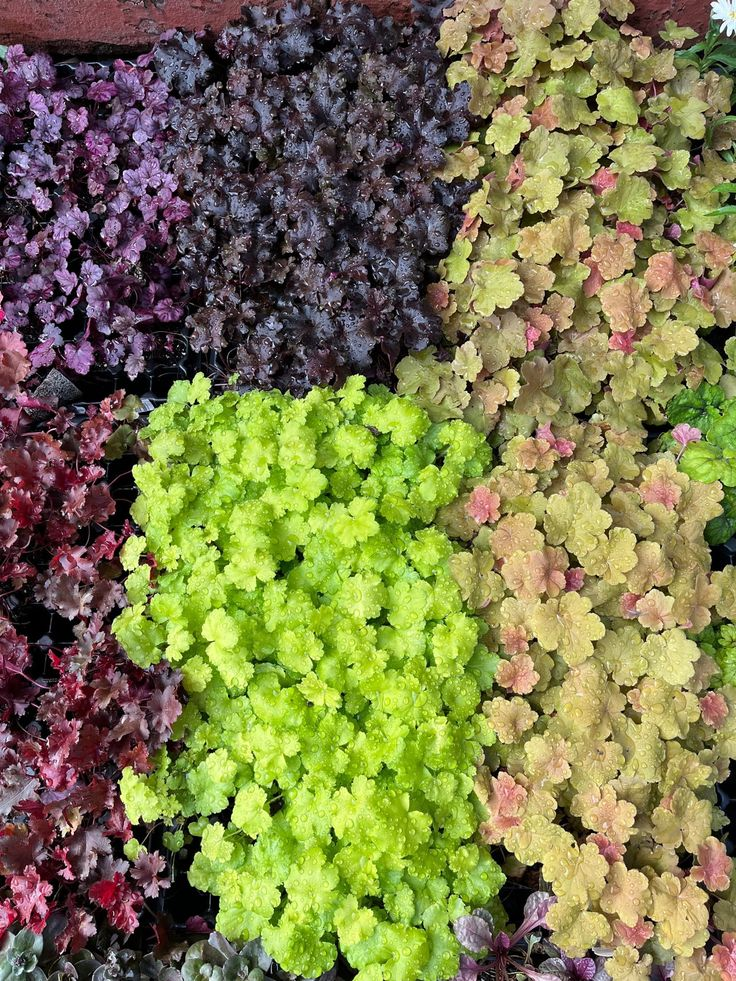
Vibrant foliage is the hallmark of heuchera, commonly known as coral bells. Unlike plants prized primarily for blooms, heuchera shines in fall with leaves that range from lime green and amber to deep burgundy and nearly black. Many cultivars feature striking veining or ruffled edges, adding texture and contrast to garden beds. Compact in form, coral bells are well-suited for edging pathways, filling containers, or weaving through perennial borders. They thrive in partial shade with well-drained soil, though some varieties tolerate full sun in cooler climates. Their evergreen or semi-evergreen nature ensures year-round presence, even after frost touches other perennials. While their delicate flower spikes appear in late spring to summer, it’s the foliage that steals the spotlight in autumn. Pairing coral bells with hostas, ferns, or ornamental grasses highlights their unique leaf tones, enriching fall compositions. Low maintenance and relatively pest-resistant, they offer reliability alongside beauty. Mulching in colder regions helps protect roots through winter, ensuring strong returns the following year. For gardeners desiring consistent color and versatile design options, coral bells remain a top choice for enhancing fall landscapes with long-lasting foliage appeal.
Goldenrod
Striking plumes of yellow brighten landscapes when goldenrod takes center stage in autumn. Often misunderstood as an allergen, goldenrod does not cause hay fever and instead provides critical late-season nectar for pollinators such as bees and butterflies. These hardy perennials thrive in full sun and well-drained soil, adapting well to wildflower meadows, cottage gardens, or naturalized plantings. Tall varieties reach impressive heights, creating vertical drama, while dwarf cultivars suit smaller beds and containers. Their resilience against drought and poor soil conditions makes them easy-care additions to gardens. Goldenrod’s golden spikes pair beautifully with purple asters, delivering one of fall’s most iconic color contrasts. Cut stems also work well in floral arrangements, where their brightness uplifts seasonal bouquets. With minimal maintenance, these perennials return year after year, requiring only occasional division to maintain vigor. Their ecological importance cannot be overstated, as they support pollinators at a critical time when few other blooms are available. Beyond their usefulness, goldenrod plants add energy and warmth, transforming ordinary borders into glowing autumn highlights. For gardeners wanting both beauty and biodiversity, goldenrod stands as an essential contributor to fall landscapes.
Cranberry Hibiscus
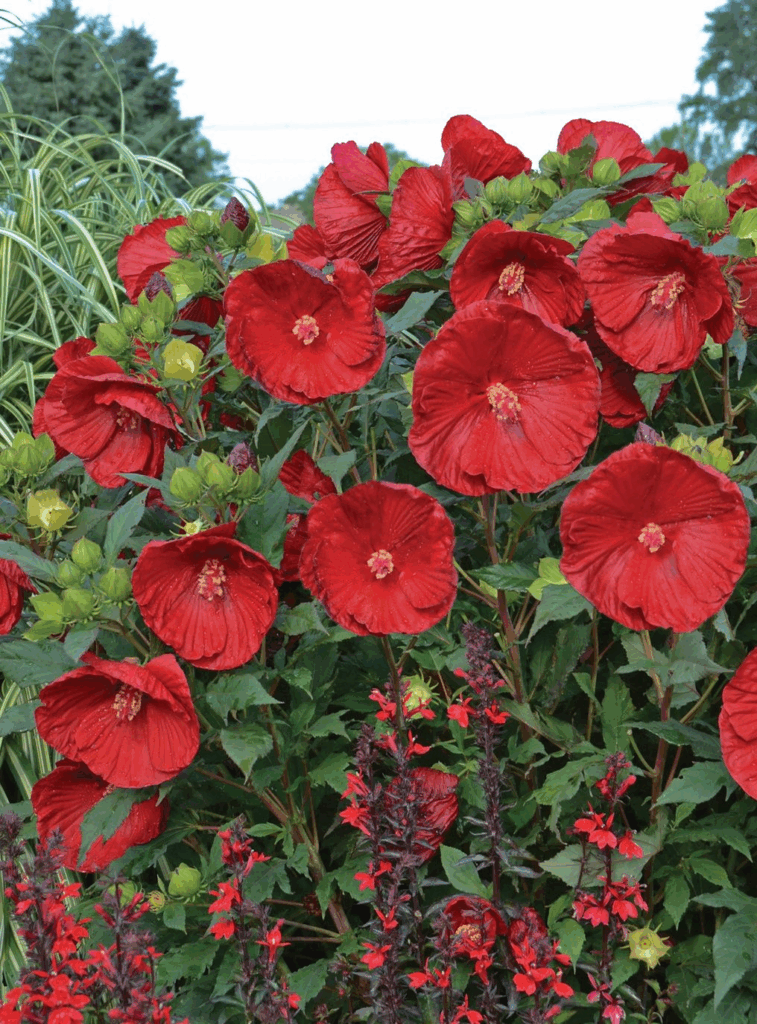
Deep burgundy foliage distinguishes cranberry hibiscus from many other fall plants, offering a dramatic splash of color long after flowers fade elsewhere. Though technically a tropical perennial, it is often grown as an annual in cooler climates, reaching heights of 3 to 5 feet in a single season. Its maple-like leaves provide ornamental appeal, while small, hibiscus-style pink blooms appear intermittently, adding subtle charm. Thriving in full sun and well-drained soil, cranberry hibiscus tolerates heat well, making it suitable for southern gardens or as a container feature further north. Regular pruning encourages bushier growth and prevents legginess, ensuring dense foliage displays. Beyond ornamental value, its tart leaves are edible and sometimes used in teas, salads, or as garnishes, blending beauty with utility. When planted alongside golden flowers such as marigolds or sunflowers, its dark tones create striking color contrasts. Though frost-sensitive, it can be overwintered indoors or replanted annually with ease. Its fast growth and bold foliage make it a favorite for gardeners seeking quick seasonal impact. For vibrant, nontraditional color that commands attention, cranberry hibiscus delivers a unique contribution to autumn landscapes.