
Guests often form lasting impressions based on the smallest spaces in your home, and the powder room plays a surprisingly important role. Top Powder Room Mistakes highlight the common design, layout, and styling errors that can make this area feel cramped, awkward, or uninviting. From poor lighting choices and oversized fixtures to lack of storage and overlooked details, these missteps reduce both comfort and visual appeal. This guide breaks down practical solutions that ensure your powder room feels polished and welcoming. Readers will gain expert insight to avoid costly errors and create a space that blends functionality with charm.
Treating it as a Coat Closet / Storage Dump
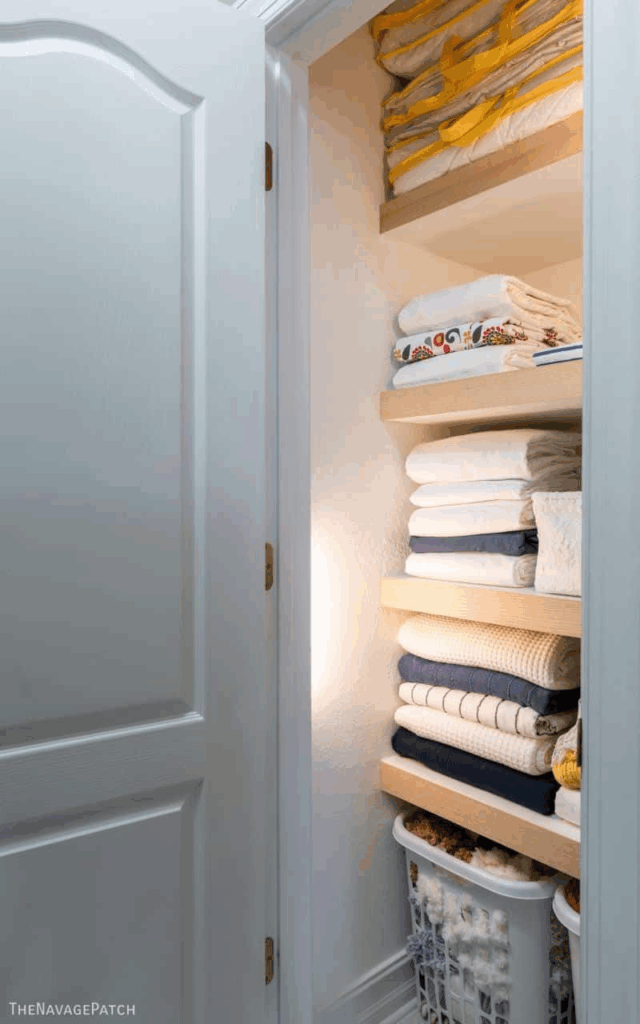
Many homeowners fall into the habit of using the powder room as an overflow storage space. Coats, cleaning supplies, and random household items might seem harmless when tucked away, but this instantly diminishes the function and beauty of a small space. The powder room is often the only bathroom guests see, and clutter makes it feel neglected rather than intentional. Instead of allowing it to double as a closet, treat the area with the same design attention as a kitchen or living room. Use concealed storage options such as recessed cabinets or slim floating shelves that don’t visually overwhelm. Seasonal coats, bulk cleaners, or linens belong in proper storage zones, not where first impressions happen. By eliminating that “dumping ground” mindset, you protect the powder room’s role as an inviting, well-maintained retreat. A thoughtful design communicates care, while clutter sends the opposite message. Prioritize essentials—towels, soap, and subtle décor—so every visit feels pleasant. The best powder rooms balance functionality with a polished aesthetic. Avoiding the storage-closet trap keeps the area fresh, organized, and truly reflective of your home’s style.
Painting Everything White to “Open Up” the Space
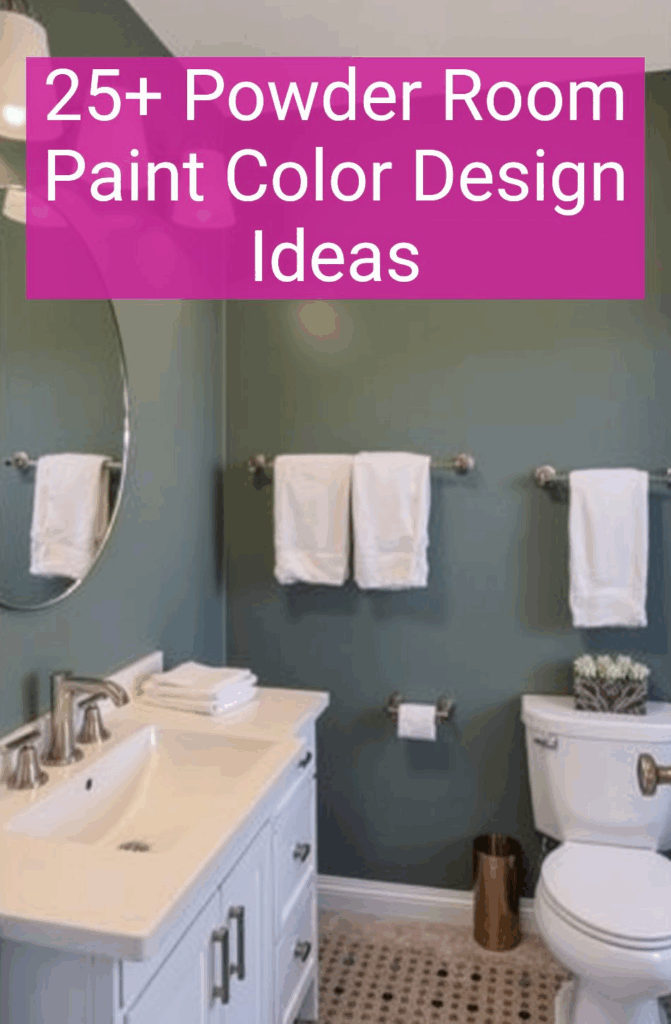
Many people assume the easiest way to make a small powder room look bigger is by painting everything bright white. While light shades can help reflect light, covering every surface in stark white often backfires, leaving the room feeling sterile and unimaginative. A completely white space lacks dimension and can feel more like a blank box than an inviting retreat. Powder rooms thrive when given personality—introducing subtle color variations, textural wallpaper, or warm undertones helps establish depth and charm. Instead of defaulting to a monochrome white scheme, consider pairing a pale neutral with contrasting finishes such as matte black fixtures or warm brass hardware. Even soft beige, greige, or muted pastels provide more warmth without making the room feel closed in. If you prefer a lighter palette, layering whites with texture—beadboard, shiplap, or subtle stone veining—avoids flatness. A powder room is a perfect space to experiment with finishes because its smaller size encourages boldness without overwhelming the home. The key is balance: bright enough to feel airy but grounded enough to add character. Avoiding the “all-white trap” ensures the room looks intentional rather than under-styled.
Using Dark or Moody Colors Without Proper Lighting
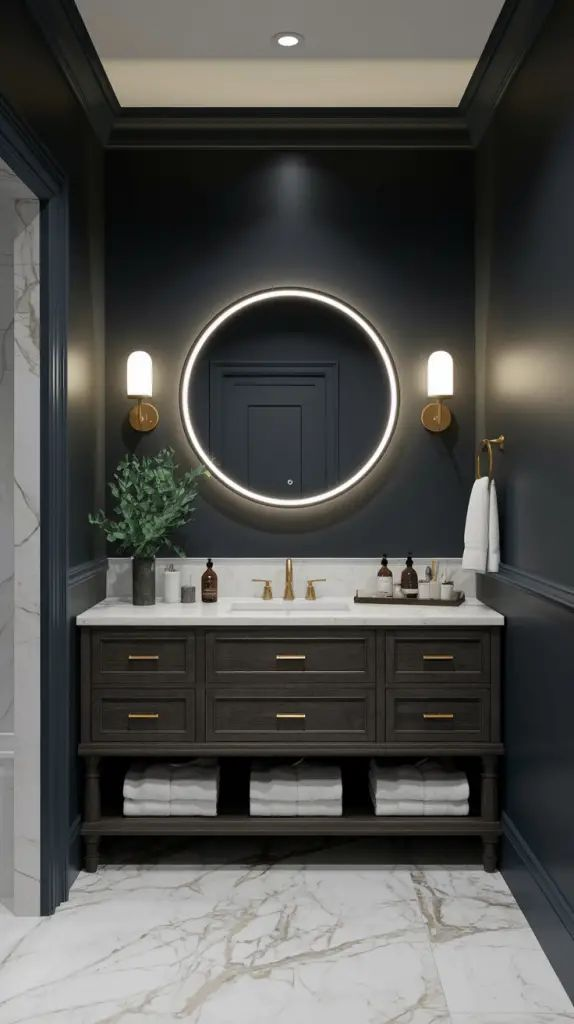
Dark hues such as navy, charcoal, or deep green can bring incredible drama to a powder room, but without sufficient lighting, the effect shifts from sophisticated to gloomy. A common mistake is painting walls in bold shades and relying on a single overhead fixture to do the job. Powder rooms often lack natural light, meaning shadows dominate when fixtures aren’t layered properly. Instead of dismissing moody colors altogether, pair them with thoughtful lighting design. Wall sconces on either side of the mirror prevent harsh facial shadows, while a dimmable overhead fixture balances ambience and function. Accent lighting under vanities or around niches adds another dimension. Glossy or semi-gloss finishes also reflect available light, ensuring deep tones don’t feel suffocating. When executed with layered illumination, moody shades feel elegant, cocooning, and luxurious. But when paired with weak lighting, the result is oppressive and impractical. Dark walls highlight poor planning, so test fixtures alongside paint samples before committing. The right combination ensures depth and intimacy rather than gloom. Proper lighting transforms moody palettes into sophisticated statements instead of regrettable mistakes.
Neglecting the Ceiling as a Design Element
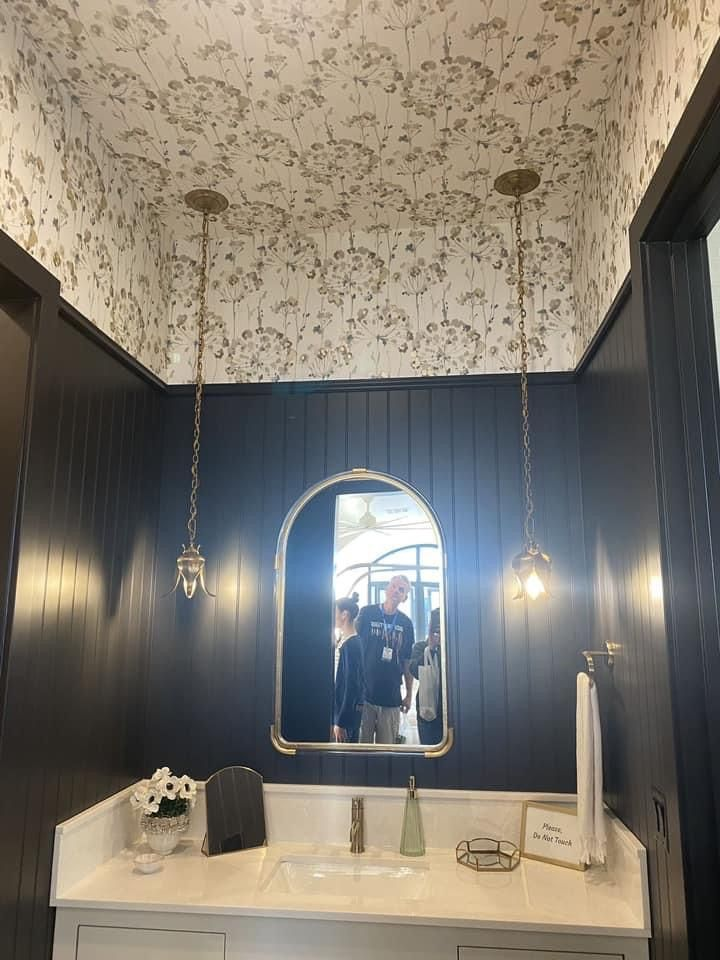
Often overlooked, the ceiling in a powder room offers a prime opportunity to elevate the design. Leaving it plain white when every other detail is considered creates a visual disconnect. Because the space is small, guests naturally notice ceilings, especially when seated. A bare, neglected surface makes the room feel unfinished. Instead, think of the ceiling as a fifth wall. Options range from subtle, like extending wall paint upward for a seamless envelope, to dramatic, such as metallic finishes, patterned wallpaper, or wood planking. Even painted beams or a bold contrast color can add personality without overwhelming. In spaces lacking height, vertical elements like striped wallpaper extending onto the ceiling draw the eye upward. For taller rooms, darker ceilings create intimacy. Lighting placement also plays a role: a chandelier or flush-mount fixture stands out more when paired with an intentional ceiling treatment. By avoiding the “forgotten ceiling” approach, you transform a purely functional space into a thoughtful design statement. Small powder rooms especially benefit from these details because they are noticed instantly. A designed ceiling ensures the space feels complete, cohesive, and visually striking.
Under-sized or Unremarkable Mirrors
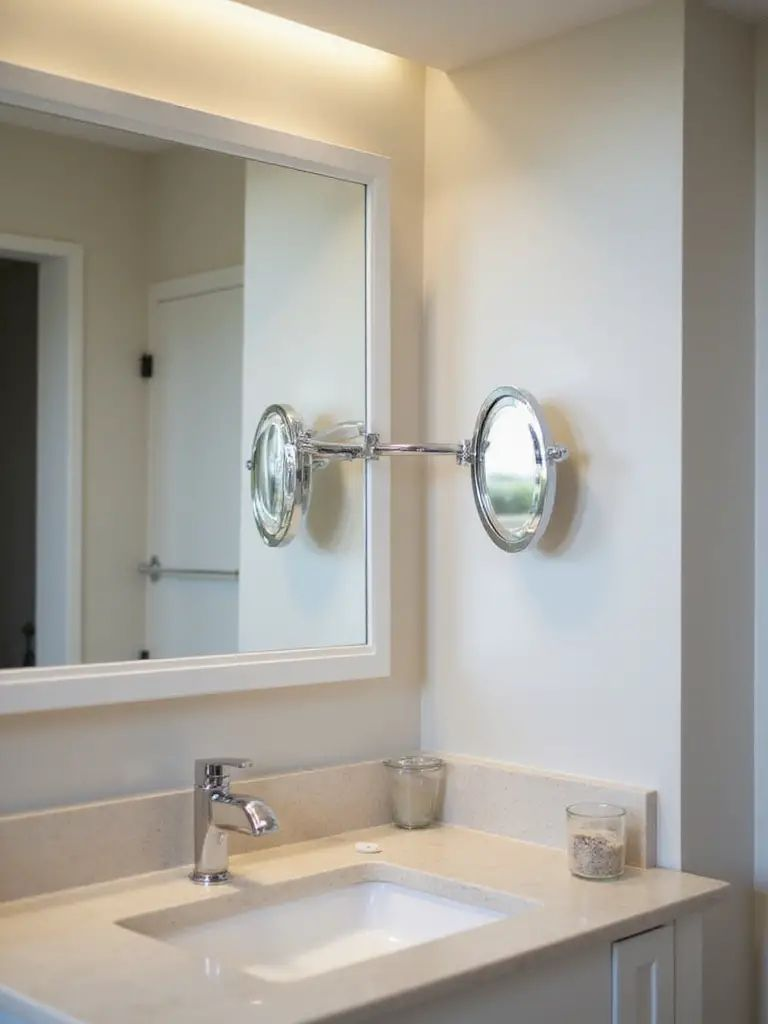
Mirrors serve both functional and decorative roles in powder rooms, yet they are often chosen as an afterthought. Too small or generic mirrors shrink the visual scale of the space and diminish its character. In a compact bathroom, mirrors help bounce light, making the room feel larger and brighter. An undersized option above the vanity wastes this potential. Similarly, frameless builder-grade pieces feel uninspired, sending the impression that the room was left unfinished. Instead, select a mirror that anchors the vanity and suits the overall style of the home. Oversized mirrors or unique shapes—arched, oval, or geometric—instantly make the space memorable. Framed mirrors in wood, brass, or black metal provide definition and tie into fixtures for cohesion. Consider backlit mirrors for a modern glow that eliminates harsh shadows. The right scale and finish transform a simple powder room into a statement corner. Avoiding plain, undersized mirrors ensures functionality, but more importantly, it gives the small space a bold focal point. Treat the mirror as a centerpiece rather than an afterthought, and the powder room will feel intentionally designed instead of unfinished.
Limiting Tile to Just Behind the Sink / Backsplash
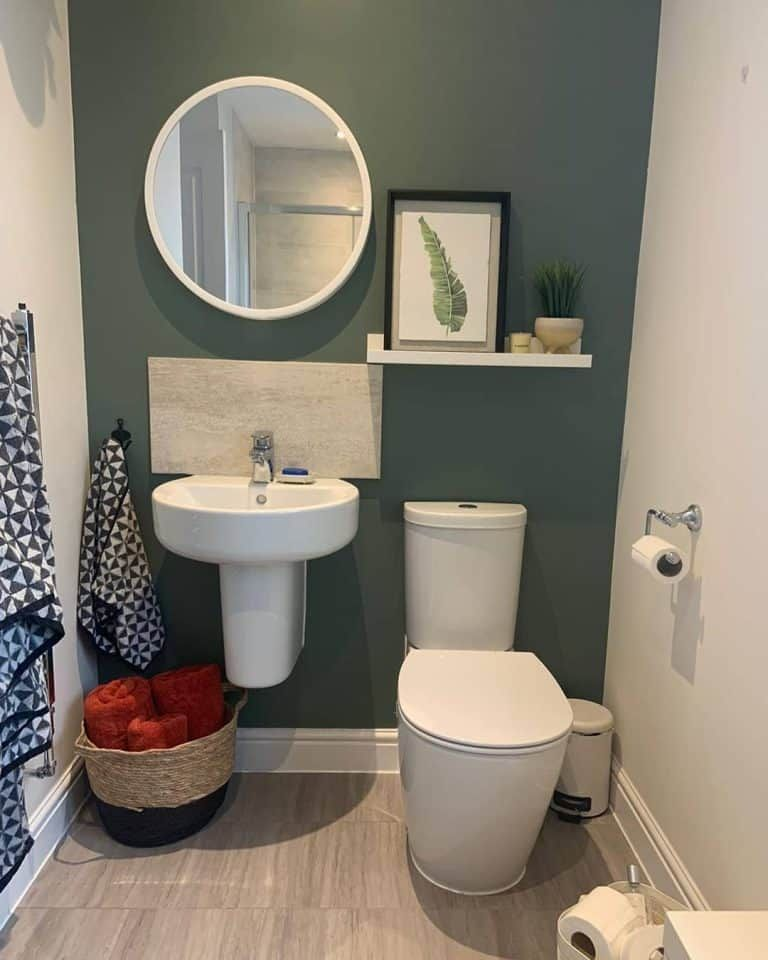
Restricting tile to a small backsplash behind the sink is a missed opportunity. While it protects against splashes, stopping at that area often leaves the design looking unfinished and visually disjointed. Powder rooms are compact canvases where extending tile further adds significant impact. Running tile from floor to ceiling behind the vanity, or across an entire accent wall, creates a polished and cohesive statement. Bold patterns, subway arrangements, or even textured tiles add depth and dimension that paint alone can’t provide. Limiting tile to just one strip also makes cleaning harder, as walls around the sink may stain or warp over time. Extending tile not only adds durability but also balances practicality with style. For a high-end feel, consider wrapping tile partially around the room or using vertical tile strips that draw the eye upward. Since powder rooms typically require fewer materials than full bathrooms, investing in quality tile goes further. Moving beyond the backsplash mindset ensures the space feels intentional, complete, and elegant, rather than an afterthought.
Sacrificing Comfort (No Plush Rugs, Soft Textures, Heating)

Powder rooms are functional, but functionality doesn’t have to mean cold or unwelcoming. A common mistake is neglecting comfort altogether—skipping rugs, soft textiles, or heating elements that make short visits pleasant. Cold tile floors without a rug or mat feel stark, and the absence of cozy touches reduces warmth. Even though it’s a small space, guests notice these details instantly. Plush rugs, absorbent hand towels, and upholstered stools add texture while enhancing comfort. Heated flooring or towel warmers elevate the experience further, especially in colder climates. The goal is to strike a balance: avoid clutter but still provide tactile softness. Powder rooms often rely on hard materials like stone, porcelain, and metal, so layering softer accents prevents the room from feeling sterile. Selecting textiles that complement the palette ensures cohesion while delivering comfort. A thoughtfully designed powder room considers sensory experience as much as visual appeal. Ignoring comfort details makes the space functional but forgettable, while prioritizing them turns even a small powder room into a welcoming retreat.
Choosing Fixtures That Are Too Large or Too Small
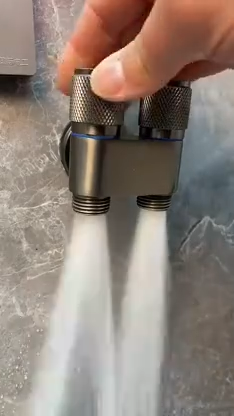
Scale is one of the most overlooked aspects of powder room design. Oversized vanities, bulky sinks, or massive light fixtures overwhelm compact layouts, while undersized fixtures look awkward and diminish functionality. A too-large vanity reduces floor space and restricts movement, making the room feel cramped. Conversely, an extremely small pedestal sink might lack sufficient surface area for essentials. Proportion matters more in powder rooms than in larger spaces because every inch counts. To avoid this mistake, carefully measure and select fixtures suited to the room’s dimensions. Wall-mounted sinks or floating vanities free up visual space, while compact toilets and streamlined faucets ensure balance. Lighting fixtures should complement mirror size and wall proportions without overpowering. When scale is correct, the room feels harmonious and practical. Poorly chosen proportions not only impact aesthetics but also comfort and usability. Striking the right balance makes the powder room look intentional, cohesive, and functional. Attention to proportion prevents regret and ensures a polished result that feels right every time the space is used.
Poor Lighting Design (Too Harsh, Shadows, Wrong Temperature)
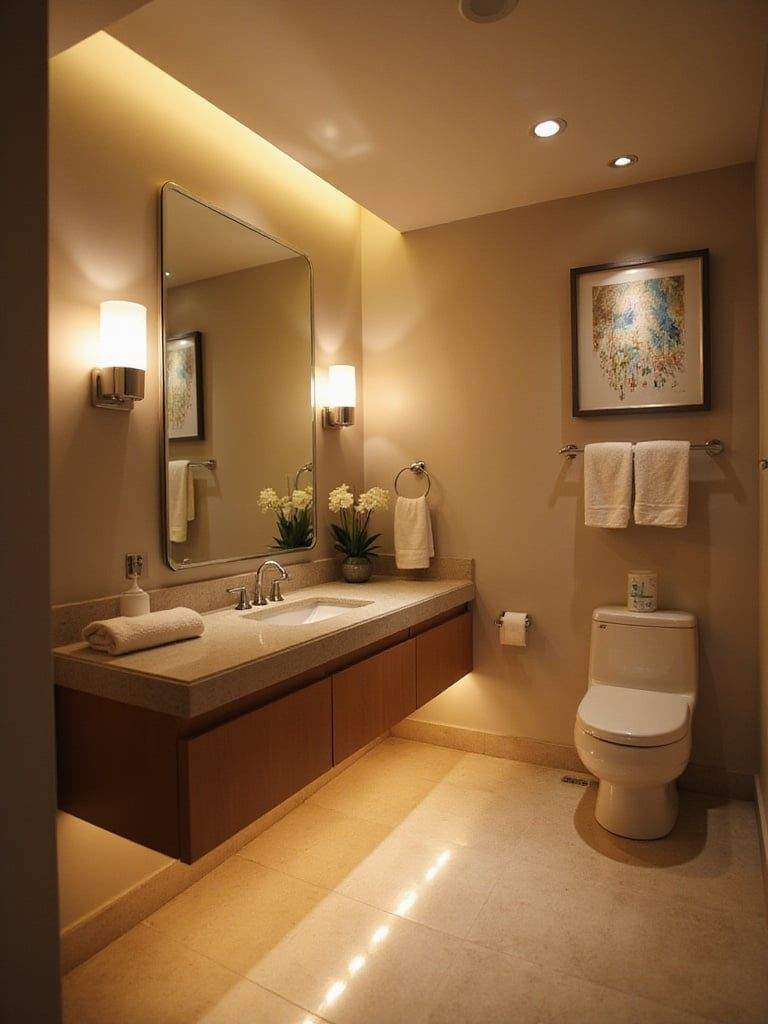
Lighting plays a critical role in powder rooms, yet it’s often treated as an afterthought. Harsh overhead bulbs, poor placement, or the wrong color temperature can ruin both function and ambiance. Shadows around the face make grooming difficult, while overly bright cool lighting creates a sterile atmosphere. Warm but dim lighting, on the other hand, leaves the space impractical for guests. Instead of relying on one fixture, layering is key. Vanity sconces on either side of the mirror eliminate unflattering shadows, while ceiling fixtures distribute light evenly. Accent options, such as under-vanity strips or backlit mirrors, add depth and softness. Color temperature should ideally range between 2700K and 3000K for flattering, natural light. Fixtures must also complement the room’s design, blending functionality with style. Poor lighting choices instantly highlight flaws in design, no matter how beautiful the finishes. Proper planning transforms the powder room into a balanced, functional, and inviting environment. Avoiding lighting mistakes ensures the room feels polished and welcoming while meeting practical needs.
Ignoring Ventilation / Humidity Control
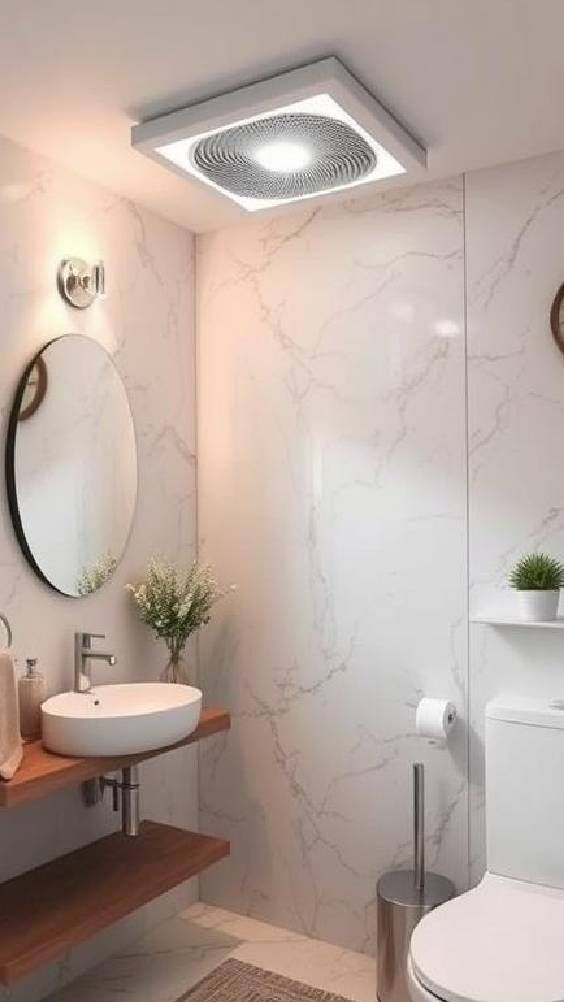
Even though powder rooms don’t have showers, they still benefit from proper ventilation. Without airflow, humidity builds from hand-washing, and odors linger longer than expected. Many homeowners neglect installing exhaust fans, assuming the smaller size doesn’t require them. Over time, trapped moisture can warp cabinetry, peel wallpaper, and encourage mold growth. A lack of fresh air circulation also makes the space uncomfortable for guests. To avoid this mistake, invest in a quiet exhaust fan that vents outdoors, sized appropriately for the room’s square footage. If ductwork installation isn’t feasible, consider alternatives such as humidity-sensing fans, window vents, or discreet air purifiers. Ventilation isn’t just about air quality—it’s about longevity of finishes and materials. Proper airflow preserves painted walls, cabinetry, and even mirrors from fogging or corrosion. In compact spaces, these details matter even more. Addressing ventilation early in the design process prevents costly repairs and maintains comfort for everyone who uses the powder room. Overlooking it shortchanges both function and durability, making it a crucial detail not to ignore.
Overcrowding with Accessories or Decor
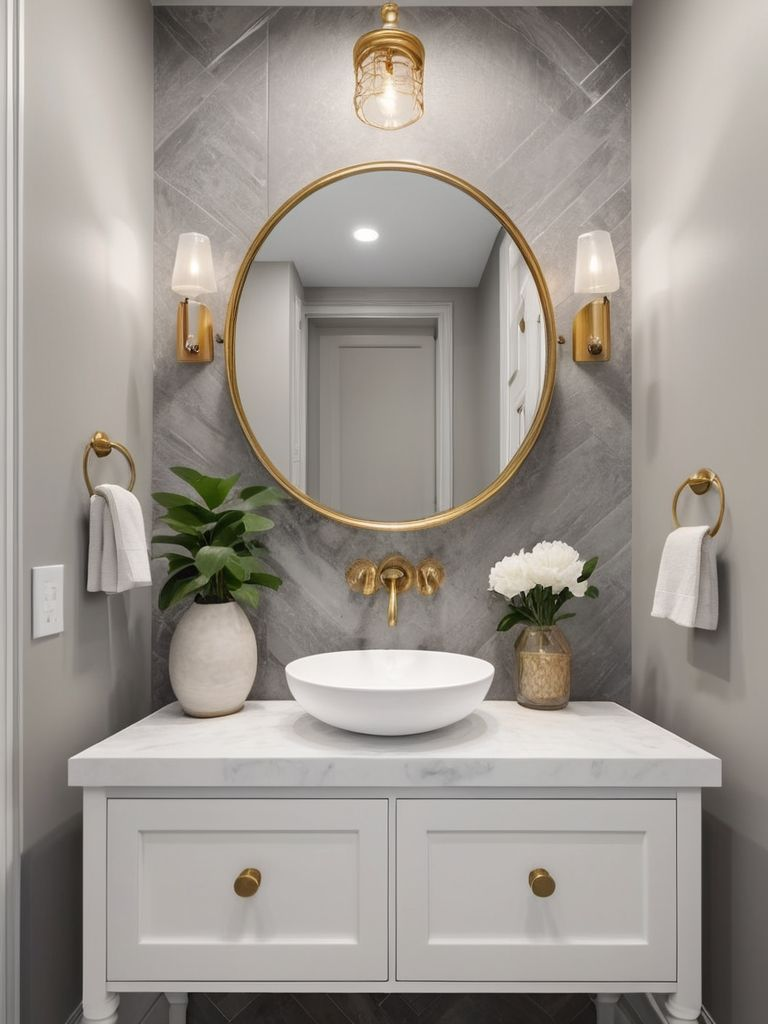
Powder rooms provide the perfect place for personal expression, but too many decorative items quickly tip the balance from stylish to chaotic. Overstuffed shelves, multiple wall hangings, and excessive accessories make small layouts feel even tighter. Instead of impressing guests, cluttered design reads as disorganized and overwhelming. Focus instead on a few impactful pieces—a striking mirror, sculptural lighting, or a bold wallpaper pattern. Functional accessories like soap dispensers and towel rings should be chosen carefully to complement rather than compete with the overall aesthetic. Negative space is just as important as filled space, giving the eye room to rest. By curating rather than crowding, the powder room maintains elegance while still reflecting personality. Smaller rooms especially benefit from restraint because every element is more noticeable. Keep surfaces clear, display intentional décor, and ensure each piece serves a purpose. Over-decorating diminishes impact, while strategic selection highlights the design choices that truly matter. Simplicity paired with intention creates an environment that feels curated, cohesive, and visually comfortable.
Neglecting Vertical Wall Space / Under-utilizing Walls
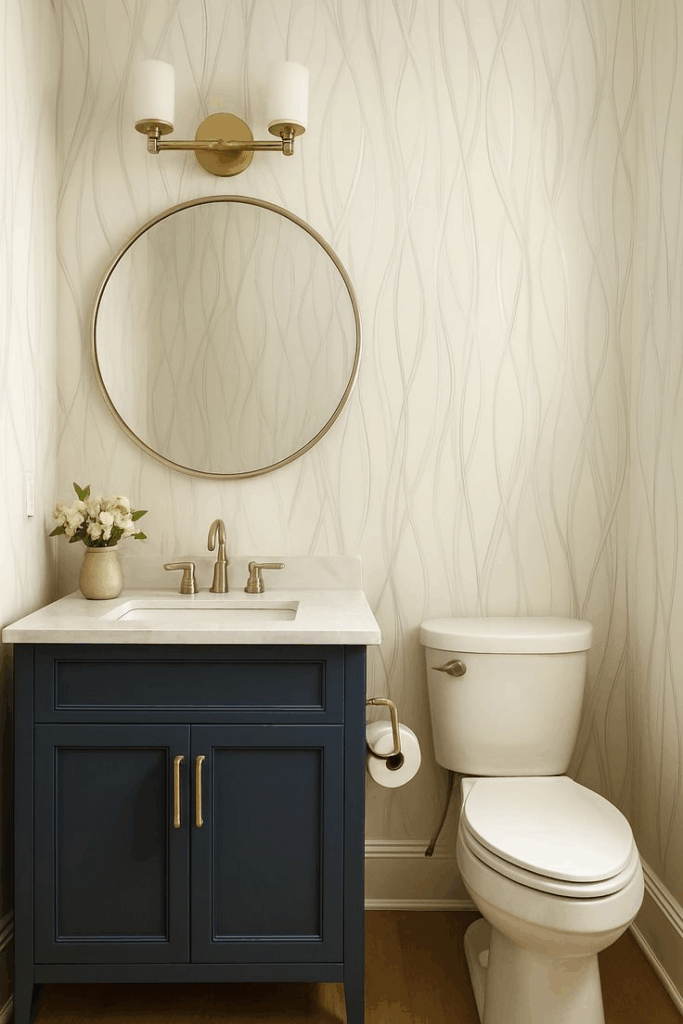
Powder rooms often suffer from wasted vertical real estate. Homeowners may focus on floor layout but leave walls underutilized, resulting in cluttered counters and missed opportunities. Vertical design expands functionality without encroaching on floor space. Installing floating shelves, slim wall cabinets, or recessed niches keeps essentials within reach while maintaining a clean vanity. Tall mirrors or vertical tile patterns draw the eye upward, creating the illusion of height. Even decorative elements like framed artwork or sconce lighting benefit from strategic placement along walls. Using walls wisely prevents countertops from becoming overcrowded with items. For very small layouts, a ladder-style towel rack or wall-mounted faucet can further save space. Powder rooms are about efficiency as much as appearance, and under-utilized walls waste potential. A well-planned vertical design maximizes function, improves flow, and makes the room feel more expansive. By focusing on height and surface usage, homeowners avoid clutter and achieve a polished, efficient, and visually striking powder room.