
Modern homeowners increasingly view the bathroom as more than just a functional space—it’s now a sanctuary for relaxation and style. Top Bathroom Updates focus on impactful changes that improve both aesthetics and usability without requiring a full remodel. From upgrading fixtures and lighting to refreshing tile, vanities, and storage, these updates make everyday routines more enjoyable while boosting long-term home value. Readers will find practical inspiration that fits a variety of budgets and layouts, ensuring each idea feels achievable. With the right updates, any bathroom can be transformed into a fresh, efficient, and inviting space tailored to contemporary living.
Swap in Statement Lighting — elevate mood + fix poor illumination
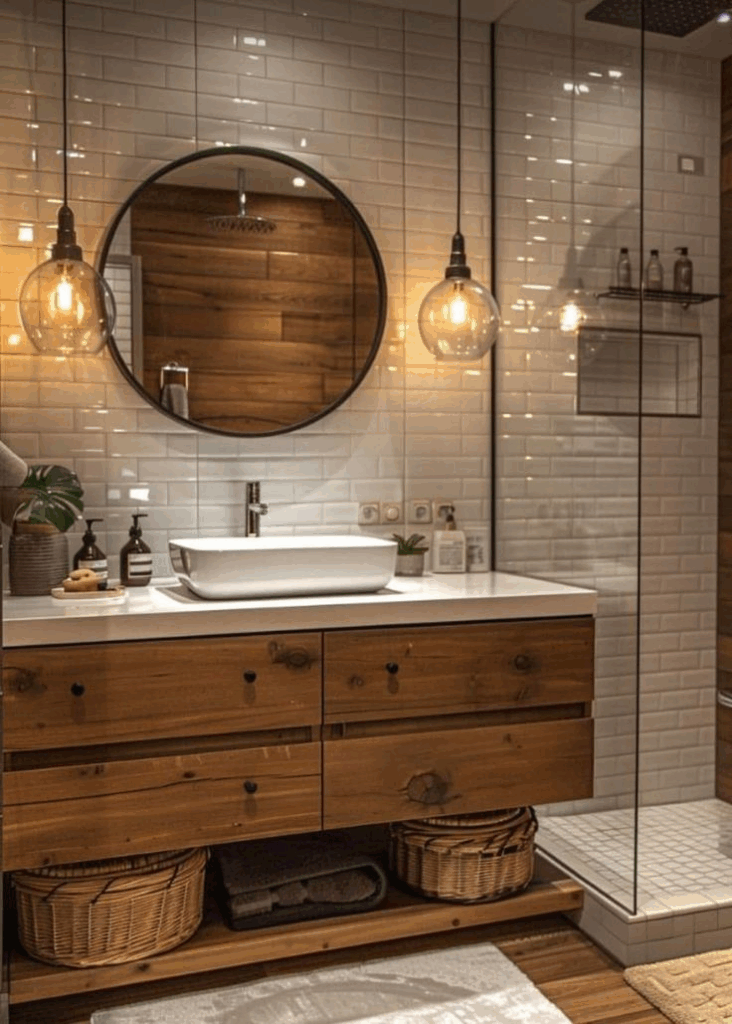
Dull bathrooms often feel lifeless, but a bold lighting choice can completely reset the mood. Statement lighting not only solves poor illumination but also doubles as a design anchor. A sculptural pendant over a freestanding tub, globe sconces flanking a mirror, or an oversized rattan shade can instantly set a tone of elegance or warmth. The key is balancing light output with aesthetic impact. Dimmable LED bulbs let you adjust brightness for grooming versus relaxation, while layered lighting ensures no corner feels neglected. Accent lighting tucked under vanities or within alcoves introduces depth, while reflective surfaces like mirrors enhance glow. Opting for fixtures in matte black, brushed brass, or smoked glass brings contemporary flair while hiding smudges and water spots. Larger fixtures make small bathrooms appear taller by drawing the eye upward, creating a sense of expansion. Energy-efficient bulbs reduce long-term costs and maintenance, adding practical value alongside style. A single lighting change can alter paint perception, emphasize textures, and even improve mood. Bathrooms are no longer spaces to tolerate dim, clinical light—they’re sanctuaries where light design matters. Statement lighting transforms the ordinary into polished, inviting spaces that feel worthy of everyday rituals and memorable self-care moments.
Float the Vanity / Use Wall-Hung Units — create sense of space + easier floor cleaning
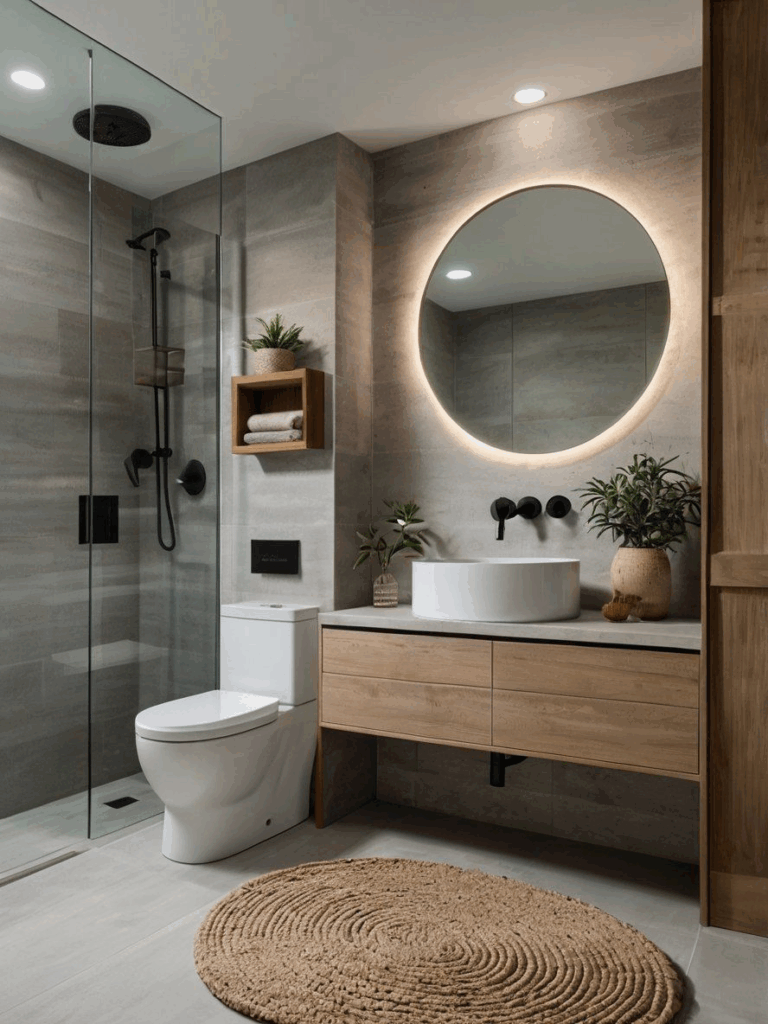
When a vanity rests directly on the floor, it can shrink the room visually and make cleaning awkward. Swapping for a wall-hung unit immediately frees floor space, allowing tile or wood flooring to run seamlessly beneath, creating the illusion of more square footage. The gap below reflects light, making the room appear airier and less cluttered. Functionality improves as well—dust, water splashes, and hair can be wiped away quickly without obstacles at the base. Contemporary floating vanities often include drawers that maximize organization with deep compartments and integrated dividers, eliminating the need for bulky side storage. Materials such as oak veneer, glossy laminate, or solid-surface fronts keep the look streamlined. Pairing a floating vanity with wall-mounted faucets furthers the clean, uninterrupted effect, while under-cabinet LED strips introduce soft ambient light. In compact bathrooms, the psychological benefit is significant: you perceive more walking space even if the footprint hasn’t changed. Wall-hung vanities also adapt to universal design, allowing flexibility in installation height for accessibility. When combined with slim mirrors or recessed cabinets, they provide both style and efficiency. Floating fixtures bring together minimal upkeep, sleek visuals, and improved functionality—a trifecta that instantly modernizes and simplifies bathroom design.
Install a Wet-Room or Walk-in Shower — remove bulky shower doors, open flow
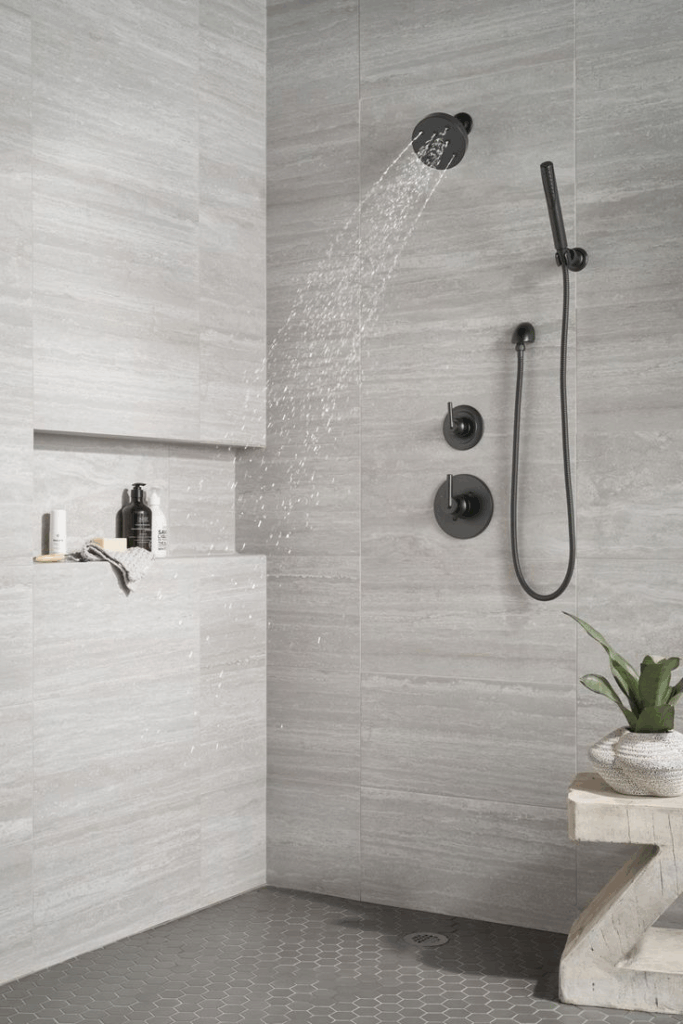
Conventional shower cubicles with heavy frames or swinging doors can dominate a bathroom’s layout, interrupting flow and limiting mobility. A wet-room or walk-in shower redefines the layout by eliminating unnecessary partitions. With a level floor, water drains seamlessly into a subtle linear system, creating barrier-free movement that suits both modern aesthetics and accessibility needs. Clear glass panels or half-walls maintain sightlines, expanding perceived space while letting natural or artificial light flow unobstructed. For compact bathrooms, this approach prevents claustrophobia and enables multifunctional use of every inch. Durable finishes such as slip-resistant porcelain, large-format stone, or microcement ensure safety while maintaining elegance. The open format also reduces the need for frequent cleaning—no tracks or door seals to collect grime. Heated flooring pairs beautifully, eliminating dampness and offering comfort after showers. Styling can lean minimal with monochrome tiles or bold with patterned flooring running continuously from dry to wet zones. With thoughtful waterproofing, wet rooms hold up well long-term and even increase resale value by aligning with luxury spa-inspired trends. By removing barriers, homeowners gain an accessible, versatile, and visually larger bathroom that balances functionality with a premium, retreat-like experience.
Mix Tile Scales & Patterns — prevent a flat look; define zones
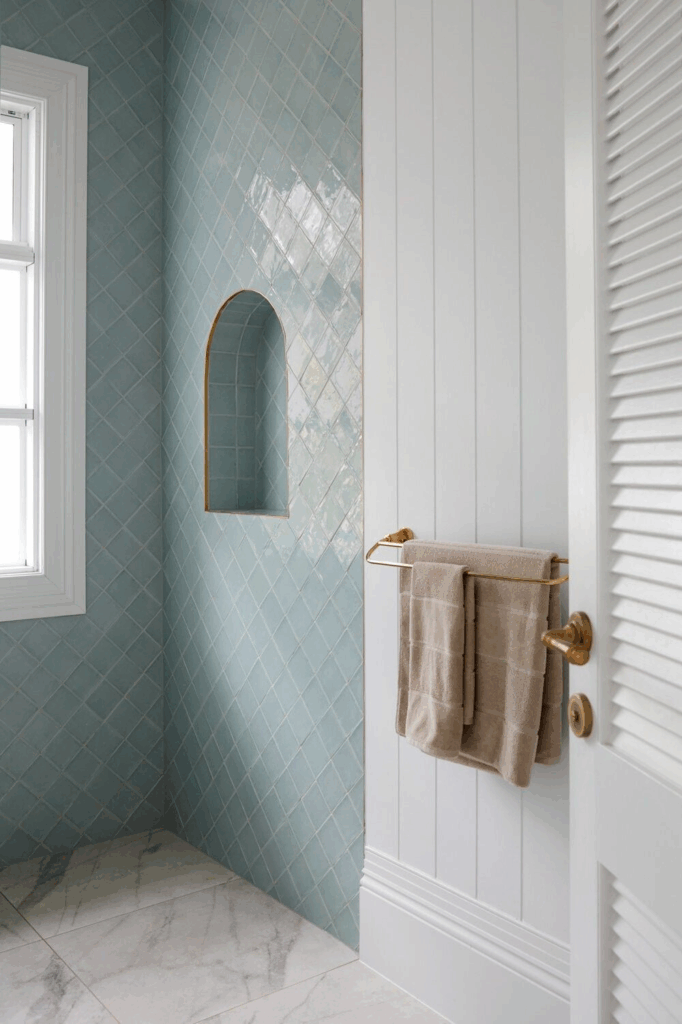
Flat, uniform surfaces often leave bathrooms feeling sterile and uninspired. Introducing varied tile scales and patterns injects rhythm and visual layering. Large hexagon floor tiles paired with skinny vertical subway tiles on the wall immediately break monotony while still coordinating. Using small mosaics within niches or shower floors defines functional zones without needing bulky dividers. Patterns such as herringbone or chevron elongate sightlines, while bold geometric motifs anchor focal points. Scale variation prevents the eye from glazing over—subtle shifts in size create dynamism. A common approach is applying larger tiles on walls for spaciousness while incorporating smaller accents on floors for grip and interest. Grout color also influences the final result: tone-on-tone grout keeps patterns understated, while contrasting grout highlights structure. Mixing finishes, like glossy wall tiles with matte flooring, adds tactile depth without overwhelming with color. Even small bathrooms benefit when carefully balanced—too many clashing elements can feel chaotic. The trick lies in restraint: select one hero pattern, then support it with complementary scales. Strategic variety not only enriches design but also solves layout challenges, ensuring bathrooms avoid the flat, cookie-cutter appearance. It’s a subtle yet powerful way to craft spaces that feel intentional and styled.
Add Texture with Fluted Panels or Shiplap — bring depth without color risk
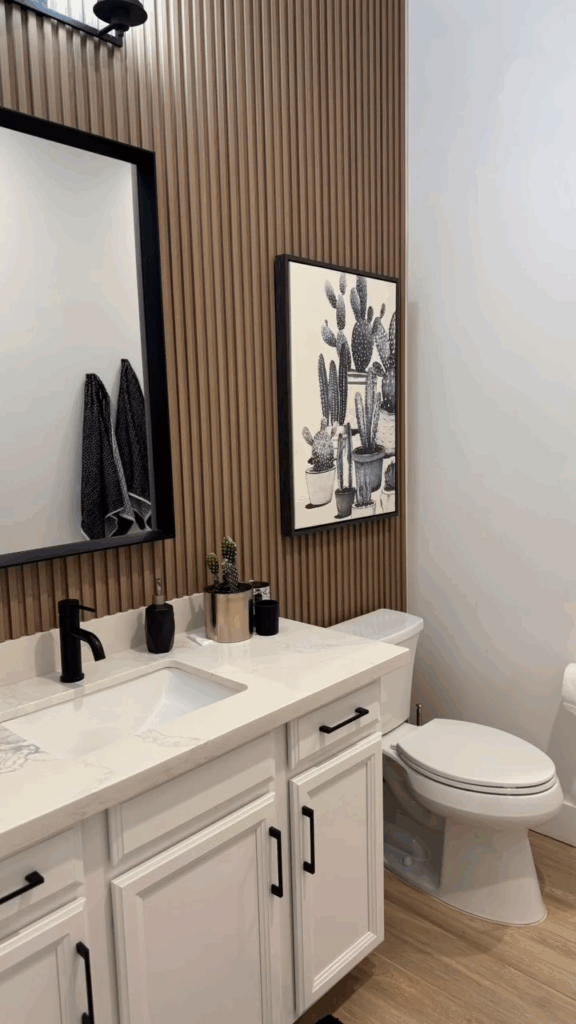
Sometimes color changes aren’t enough to shift mood; texture introduces depth while keeping palettes calm. Fluted panels bring soft vertical grooves that naturally draw the eye upward, enhancing height perception. Painted in muted shades or natural wood, they provide understated character without overwhelming small spaces. Shiplap, with its horizontal lines, works beautifully behind vanities, soaking tubs, or on ceilings, adding cottage charm or modern farmhouse warmth. Both options double as architectural features, breaking large wall expanses into approachable, tactile surfaces. Texture also plays with light—shadows between grooves or boards create subtle depth shifts that plain drywall cannot achieve. These treatments work well in moisture-prone environments when sealed properly with durable finishes, ensuring longevity. They’re versatile too: fluted panels pair with contemporary stone and brass fixtures, while shiplap aligns with rustic décor or coastal-inspired styling. For renters or budget-conscious homeowners, peel-and-stick fluted wall kits or faux shiplap boards offer a temporary but impactful upgrade. When balanced with smooth tiles or glass, the contrast avoids monotony and enhances layered design. Texture is a low-risk solution to personalize bathrooms, especially for those hesitant to commit to bold colors. It elevates atmosphere without relying solely on paint or accessories.
Change to Matte or Dark Hardware / Fixtures — modernize, hide water spots

Polished chrome once dominated bathrooms, but constant fingerprints, smudges, and water marks reveal its maintenance burden. Switching to matte or dark finishes instantly modernizes the aesthetic while minimizing upkeep. Matte black faucets, gunmetal showerheads, or oil-rubbed bronze handles camouflage water spots far better than reflective surfaces. These finishes pair seamlessly with both minimalist designs and traditional schemes, offering flexibility across styles. Dark hardware also grounds lighter palettes—white subway tiles feel sharper when contrasted with black or deep bronze accents. Meanwhile, pairing them with warm wood vanities softens the look, balancing drama with natural texture. Satin brass or brushed nickel variations expand choices, ensuring a cohesive scheme without overwhelming. Maintenance is easier too; fewer streaks mean less polishing. Homeowners often underestimate how hardware influences overall mood—small updates to towel bars, knobs, or shower fixtures deliver noticeable impact without large-scale remodeling. Consistency is key: carrying the finish across faucets, cabinet pulls, and lighting unifies design. Matte finishes also age gracefully, avoiding the dated sheen that reflective chrome often develops. For bathrooms needing subtle but effective refreshes, upgrading fixtures to matte or dark tones offers sophistication, practicality, and timeless appeal in one straightforward update.
Install Vertical Accent Tile (e.g. in niches or as a strip) — draws eyes upward to enhance height
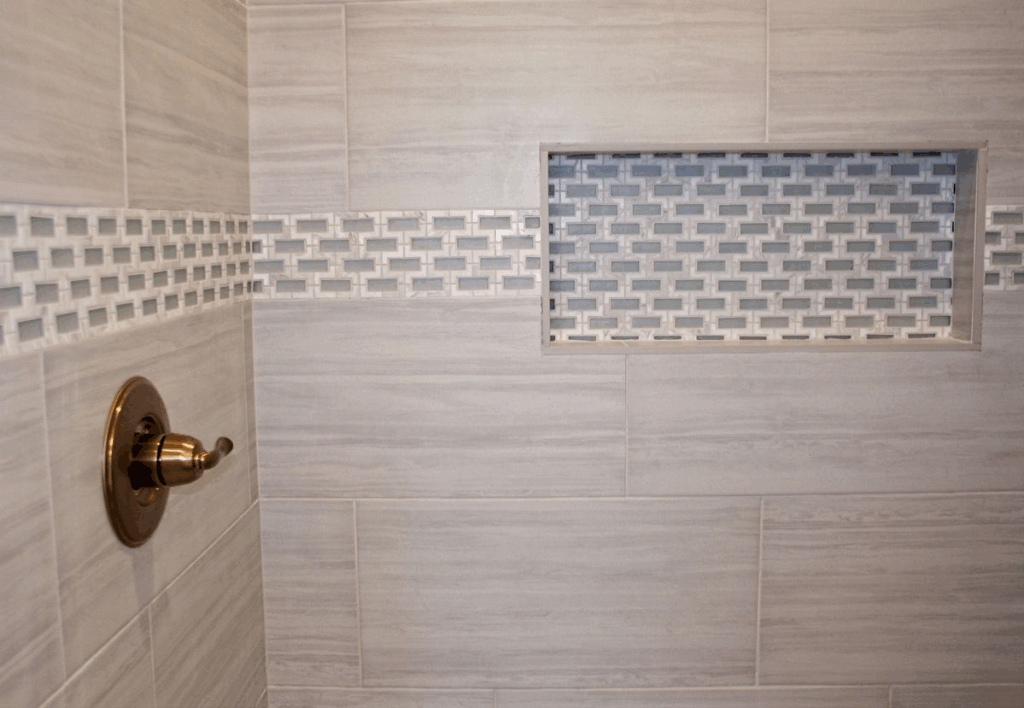
Bathrooms with low ceilings can feel compressed, but vertical accent tiles manipulate perception. Installing a bold strip of tile from floor to ceiling—whether in a shower niche, behind a vanity, or along a corner—directs the gaze upward, elongating the room. Thin, stacked subway tiles, narrow glass mosaics, or textured stone strips are popular choices. This technique works especially well in tight spaces, transforming proportions without structural changes. Vertical accents also act as built-in artwork, offering focal points without needing extra décor. When chosen in contrasting shades or reflective finishes, they add drama while remaining practical against water and humidity. A classic pairing involves neutral field tiles with a narrow vertical stripe of patterned or colored material. For subtlety, tone-on-tone variations create height without stark contrast. Vertical placement can also highlight architectural lines, drawing attention to windows or tall mirrors. Beyond aesthetics, they break visual monotony and prevent bathrooms from appearing flat. The installation process requires minimal additional tile, making it budget-friendly compared to full-wall redesigns. By rethinking orientation, homeowners achieve visual lift and renewed character, proving that layout tricks can often be as impactful as expensive renovations.
Use Large Format Tiles or Fewer Grout Lines — visually cleaner, easier to maintain
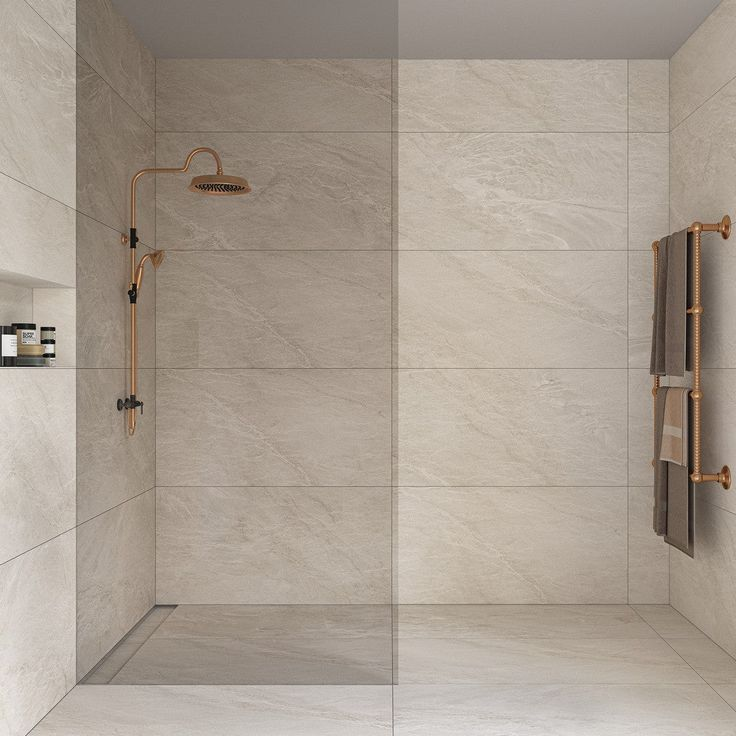
Grout lines often dictate how spacious and seamless a bathroom feels. Large-format tiles reduce grout interruptions, creating surfaces that appear expansive and continuous. Porcelain slabs, oversized marble-effect tiles, or rectified ceramics are popular choices, with dimensions often exceeding 24 inches. Fewer joints mean less visual clutter and significantly easier cleaning—grout tends to discolor quickly in wet areas, so minimizing it reduces upkeep. Continuous tile runs also mimic luxury spa aesthetics, giving even compact bathrooms a sleek finish. Large tiles aren’t limited to floors; wall applications extend sightlines and create the illusion of height when stacked vertically. When paired with light grout in matching shades, the effect feels monolithic and calming. Advances in manufacturing ensure these oversized options remain durable and slip-resistant, countering old concerns about practicality. Installation may require professional handling due to weight and precision cuts, but the long-term payoff in maintenance and appearance justifies the effort. For homeowners seeking a minimalist or modern look, fewer grout lines embody understated luxury. By simplifying visual breaks, large-format tiles prove that clean lines and reduced maintenance can go hand in hand, ensuring bathrooms feel both sophisticated and user-friendly.
Incorporate Hidden or Recessed Storage — reduce clutter on countertops
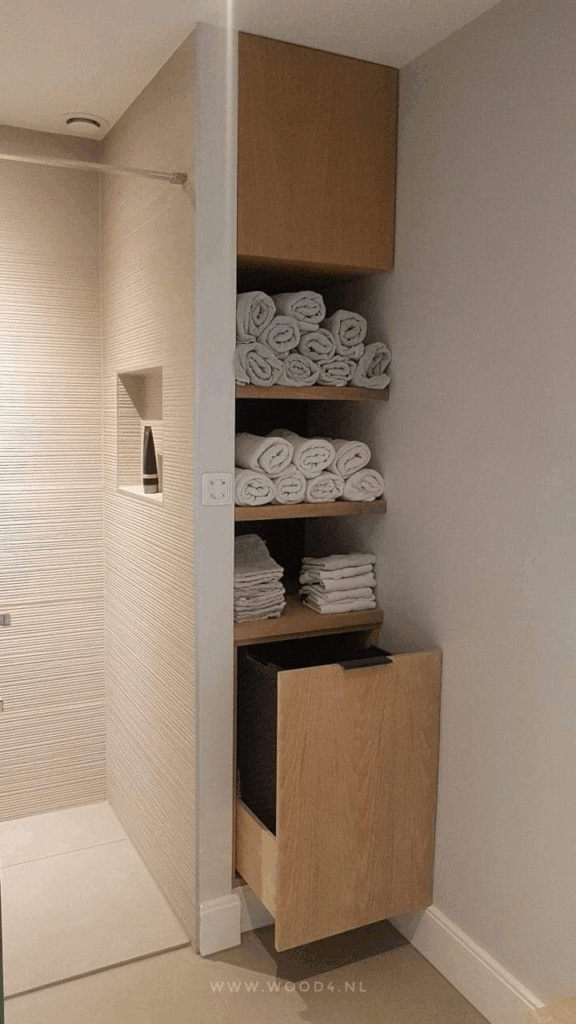
Visual clutter undermines even the most thoughtfully designed bathrooms. Recessed or hidden storage solves this by keeping surfaces clear while maximizing efficiency. Medicine cabinets recessed into walls provide extra depth without protrusion, offering storage for daily essentials at eye level. Similarly, built-in niches within showers hold shampoos and soaps neatly, eliminating the need for bulky caddies. Under-vanity drawers with hidden compartments or mirrored cabinets with concealed shelves maintain minimalism without sacrificing practicality. Push-to-open mechanisms further streamline appearances by removing visible handles. Hidden storage also contributes to safety—items like razors, medications, or cleaning supplies remain tucked away, keeping surfaces child-friendly. Design cohesion improves as well: uninterrupted tile walls or sleek vanities stay visually dominant rather than being overshadowed by bottles or baskets. This approach aligns with both modern and small-space needs, where functionality must remain discreet. Lighting within recessed shelves enhances convenience and highlights design details. Even small updates, such as recessed toilet roll holders or slim wall cabinets above doors, can significantly improve usability. Hidden storage turns bathrooms into organized, stress-free spaces that look styled yet practical, reflecting a balance of thoughtful architecture and everyday convenience.
Add Ambient / Layered Lighting (sconces, toe kicks, mirrors) — eliminate harsh shadows, soften space
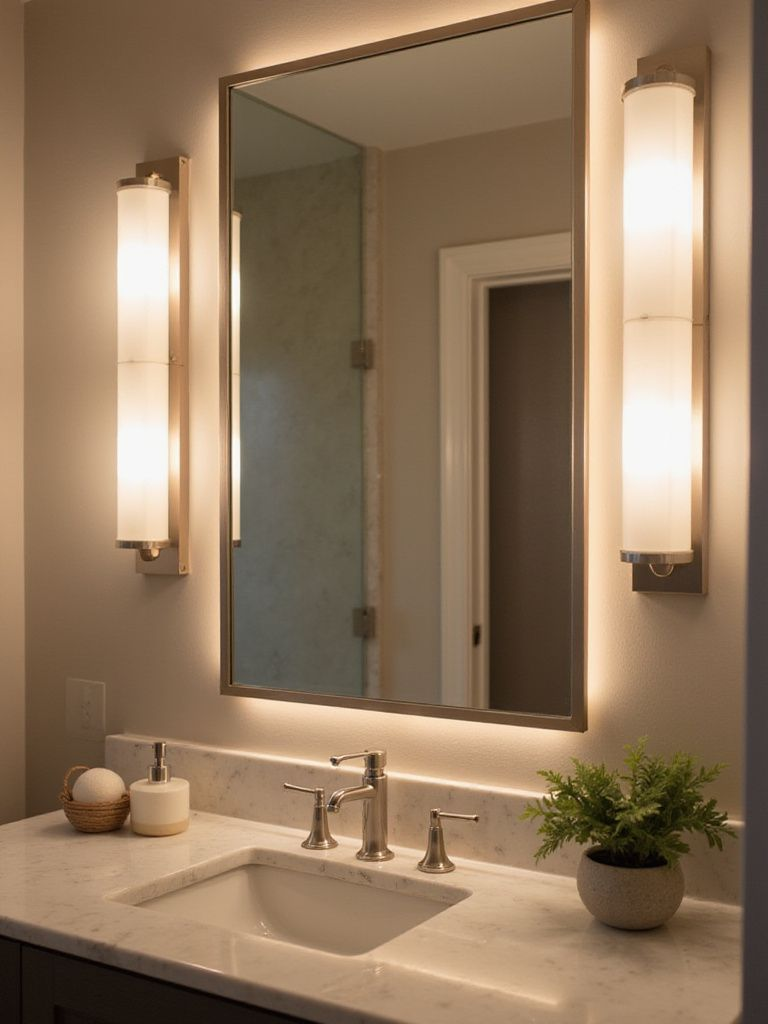
Harsh overhead bulbs often cast unflattering shadows in bathrooms, particularly during grooming. Layered lighting counters this by blending ambient, task, and accent sources for balanced illumination. Wall sconces at face height reduce shadowing during shaving or makeup application, while integrated LED mirrors provide even, glare-free light. Toe-kick lighting beneath vanities or soft strips under floating shelves introduce subtle glow, guiding movement at night without disturbing sleep cycles. Overhead recessed lights fill the general area, but dimmable options allow mood flexibility. Combining warm and cool tones ensures accurate reflection while maintaining a welcoming atmosphere. Layering light reduces reliance on a single fixture, making the space feel dynamic and adaptable. It also enhances architectural elements—highlighting textured walls, alcoves, or statement tile. Beyond function, layered lighting transforms bathrooms into restorative environments resembling high-end spas. Thoughtful placement avoids dark corners and enhances safety, particularly for aging users. With energy-efficient LEDs, maintenance remains low while versatility increases. Properly balanced lighting elevates not only appearance but also usability, proving that illumination strategy is as critical as layout. The result is a softened, inviting bathroom where every activity feels supported by thoughtful, multi-directional glow.
Introduce Natural Materials (stone, wood, plants) — soften hard surfaces & infuse warmth
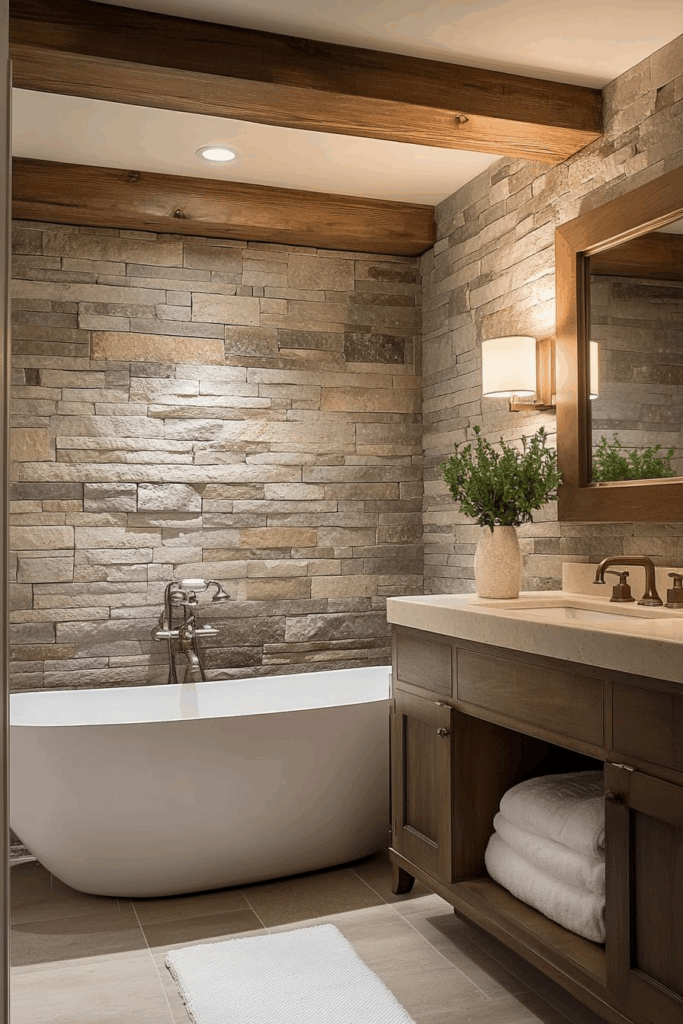
Bathrooms dominated by tile and porcelain can feel sterile without natural contrast. Introducing organic elements softens the environment and establishes warmth. Stone countertops, river-rock shower floors, or marble accents introduce tactile depth while remaining durable in wet conditions. Wooden vanities, teak bath mats, or cedar shelving balance hard edges with earthy tones, provided they’re sealed against moisture. Even small touches, such as rattan baskets or bamboo accessories, contribute to coziness. Indoor plants thrive in humidity—ferns, pothos, or orchids bring life, improve air quality, and visually relax the space. Natural elements connect bathrooms with spa culture, encouraging relaxation and grounding daily routines. Pairing stone with greenery enhances sensory appeal, while wood warms neutral palettes. Biophilic design research shows that natural materials reduce stress, making bathrooms not only functional but restorative. To keep balance, mix textures thoughtfully: matte tiles with wood slats, smooth marble with woven baskets. Natural light enhances this effect, so maximizing windows or skylights further reinforces outdoor connection. Maintenance is manageable with proper sealing and plant care. By weaving in natural materials, bathrooms gain timeless style and an atmosphere that feels personal, organic, and deeply welcoming.
Upgrade Ventilation & Humidity Control — ensures longevity of finishes + comfort
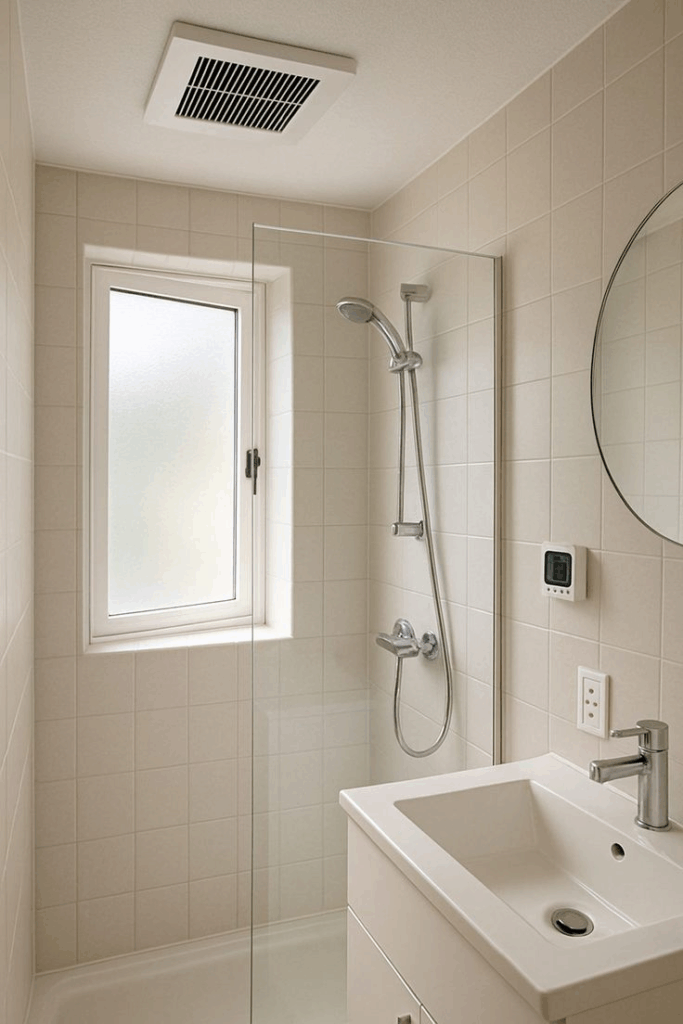
Moisture is a bathroom’s greatest enemy, leading to peeling paint, warped wood, mold growth, and unpleasant odors. Effective ventilation protects both finishes and health. High-capacity, quiet exhaust fans sized appropriately for room volume ensure steam clears efficiently after showers. Humidity sensors automate operation, reducing the chance of lingering dampness. For luxury setups, integrated HVAC vents or heat-recovery systems maintain optimal air circulation and consistent temperature. Strategic window placement or operable skylights supplement mechanical systems with natural airflow. Proper ventilation safeguards investments in stone, tile, and cabinetry by preventing deterioration, while keeping mirrors and glass free of fog. Comfort also improves significantly—air feels fresher, and surfaces dry faster, minimizing slip risks. Beyond immediate benefits, upgraded ventilation supports energy efficiency by controlling moisture without overcooling or overheating. Aesthetic options now exist, with fans designed as sleek ceiling fixtures or hidden within recessed lighting. Ignoring ventilation often shortens bathroom lifespan, making this upgrade one of the most critical for longevity. Balanced humidity management ensures the space remains both functional and enjoyable, protecting design choices and improving everyday well-being.