
First impressions are shaped within seconds of walking through the front door, making the entryway one of the most impactful spaces in any home. Poor layout choices, cluttered surfaces, weak lighting, or mismatched finishes can quietly undermine both style and function. Because this area connects multiple rooms, small misjudgments often affect flow, comfort, and daily routines. Understanding where things go wrong helps homeowners avoid repeated frustration and unnecessary updates. This guide focuses on common entryway errors that limit usability and visual appeal, offering clear insight into what to avoid and how thoughtful adjustments can lead to a more welcoming, organized, and cohesive home environment.
Overcrowded First Impression

Walking through the front door should feel open and intentional, yet excess furniture, stacked décor, and scattered accessories often overwhelm the space immediately. When too many elements compete for attention, the entryway loses clarity and becomes visually stressful instead of welcoming. Common contributors include oversized consoles, multiple small accent pieces, and decor placed without hierarchy. This mistake also makes the area feel smaller than it actually is, restricting movement and creating friction during daily routines. A crowded entry increases the likelihood of clutter buildup, as there is no clear boundary between functional necessities and decorative extras. Guests may feel unsure where to stand, place bags, or move forward, which subtly affects comfort. Simplifying the first impression improves both aesthetics and usability. Limiting furnishings to essential pieces, maintaining negative space, and selecting fewer but more intentional accents restores balance. Visual breathing room allows key design elements to stand out while supporting smoother traffic flow. An uncluttered entryway also signals organization throughout the rest of the home, setting expectations immediately.
No Dedicated Drop Zone
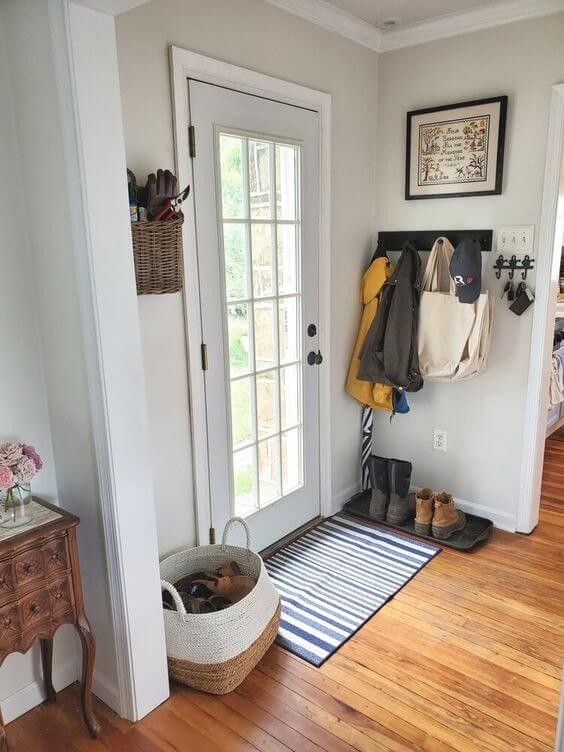
Every entryway functions as a transition point, yet many lack a clearly defined area for daily essentials. Without a designated spot for keys, bags, mail, and sunglasses, items end up scattered across surfaces or carried deeper into the home. This creates unnecessary clutter and increases time spent searching for belongings when leaving. The absence of a drop zone often leads to piles forming on consoles, dining tables, or kitchen counters instead. Over time, this erodes organization habits and adds friction to routines. A functional drop zone does not require large furniture but does demand intention. Hooks, trays, shallow drawers, or compact wall-mounted solutions can establish order without consuming space. When these elements are missing, the entryway fails its most practical role. Consistency matters as well; everyone in the household needs an obvious place to use daily. Clearly defined storage zones reduce visual noise and support smoother departures and arrivals. A thoughtful setup also preserves surrounding surfaces for styling rather than clutter control.
Poor Entryway Lighting

Lighting strongly influences how an entryway feels and functions, yet it is often overlooked or poorly planned. Insufficient illumination makes the space feel dull, cramped, or uninviting, especially during evenings or overcast days. Relying solely on a single overhead fixture can cast harsh shadows, obscuring details and reducing visual comfort. Poor lighting also affects safety, making it harder to see steps, rugs, or thresholds. In many homes, outdated fixtures produce uneven or overly cool light that clashes with the rest of the interior. Layered lighting is essential for balance, combining ambient, task, and accent sources. When this balance is missing, the entryway feels unfinished and disconnected. Thoughtful placement of wall sconces, table lamps, or concealed lighting improves depth and usability. Proper brightness helps mirrors function effectively and enhances color accuracy on walls and finishes. Well-planned lighting supports both aesthetics and daily routines, ensuring the space works at all hours.
Messy Shoe Situation

Shoes are one of the most common sources of entryway disorder, and unmanaged footwear quickly undermines the entire space. Piles near the door create visual clutter, restrict walking paths, and introduce dirt into surrounding areas. Without proper storage, shoes accumulate faster than expected, especially in households with multiple occupants. Open piles also make it difficult to find matching pairs, adding frustration to daily routines. A disorganized shoe setup can cause tripping hazards and damage flooring over time. The issue often stems from storage that is either insufficient, inconvenient, or poorly placed. When solutions are too small or hard to access, they go unused. Effective shoe management balances capacity, accessibility, and ventilation. Closed cabinets, low-profile drawers, or structured racks help contain clutter while maintaining a clean appearance. Assigning space per person further improves consistency. Managing footwear properly preserves the entryway’s function and appearance, keeping the area clean, safe, and visually calm without sacrificing convenience.
Wrong Rug Size or Texture
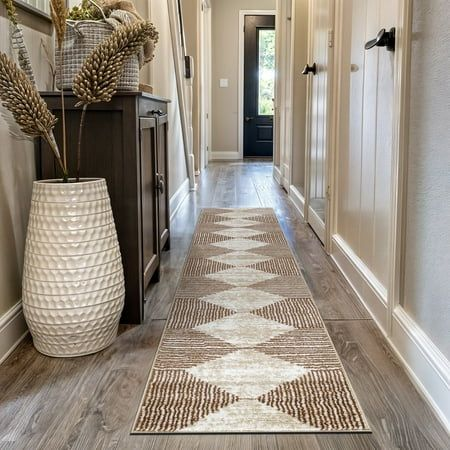
Rugs play a critical role in entryway design, yet incorrect sizing or material choices can create immediate problems. A rug that is too small looks disconnected and fails to anchor the space, while oversized options may block doors or disrupt movement. Texture also matters significantly; overly plush rugs trap dirt and wear down quickly, whereas slick surfaces can become slippery. In high-traffic areas, durability and grip are essential considerations often ignored. The wrong rug choice can emphasize clutter rather than contain it, especially if edges curl or shift underfoot. Color and pattern selection also influence maintenance, as light tones and busy designs may show dirt faster. Proper proportions help define the entry zone and guide foot traffic naturally. Low-pile, tightly woven materials tend to perform best near doors. Selecting the correct rug improves safety, cleanliness, and visual cohesion. When size and texture align with usage, the rug enhances the entryway instead of becoming another maintenance issue.
Blocked Walkway Flow

Clear movement paths are essential in an entryway, yet furniture placement often interferes with natural flow. When consoles, benches, or storage units obstruct walking routes, the space feels cramped and inefficient. This problem becomes more noticeable during busy moments, such as arrivals with groceries or departures during mornings. Blocked pathways also increase the risk of bumps and collisions, especially in narrow layouts. Poor flow can make even well-designed elements feel inconvenient. The issue usually arises from prioritizing aesthetics over circulation requirements. Entryways should allow comfortable movement without sidestepping obstacles. Measuring clearances and understanding door swing direction helps prevent congestion. Furniture should support movement rather than interrupt it. Wall-mounted or slim-profile pieces often work better in tight spaces. Maintaining unobstructed walkways improves safety and comfort while making the entry feel larger. A functional flow ensures the space supports daily life instead of slowing it down.
No Strategic Mirror Placement

Mirrors serve both functional and visual purposes in an entryway, yet improper placement diminishes their impact. Without strategic positioning, mirrors fail to reflect light effectively or provide practical use before leaving. Placing them too high, too low, or in poorly lit areas reduces usefulness. Some entryways omit mirrors entirely, missing an opportunity to enhance brightness and spatial perception. When mirrors are undersized or poorly framed, they appear like afterthoughts rather than integrated elements. Placement should consider sightlines, available wall space, and natural or artificial light sources. A well-positioned mirror helps with last-minute checks while visually expanding the area. It can also reflect attractive views or lighting features, adding depth. Ignoring these considerations results in a less functional and visually flat space. Thoughtful mirror placement strengthens both usability and design, making the entryway feel intentional and complete.
Style Over Function Choice

Prioritizing appearance without considering usability is a frequent entryway mistake. While visually striking furniture and décor may look appealing, they often fail to support daily needs. Delicate surfaces, unstable seating, or impractical materials wear quickly in high-traffic zones. Choosing pieces solely for style can lead to constant maintenance or replacement. Entryways demand durability, easy cleaning, and practical storage. When these needs are ignored, frustration builds as items become inconvenient to use. Decorative benches without storage, shallow consoles, or fragile finishes are common examples. Function and style should complement each other rather than compete. Well-designed entryways balance visual appeal with real-world demands. Selecting sturdy materials and purposeful layouts ensures longevity. Practical choices also reduce clutter by providing proper storage. A functional foundation allows decorative elements to shine without compromising daily routines or comfort.
Clashing Color Scheme

Color cohesion is essential in an entryway, yet mismatched tones often create visual confusion. When wall colors, flooring, furniture, and décor do not relate harmoniously, the space feels disjointed. This issue is amplified in small entryways where limited square footage magnifies contrast. Clashing colors can also disrupt continuity with adjacent rooms, making transitions feel abrupt. The problem often stems from mixing undertones without consideration, such as warm finishes against cool paint shades. Overuse of accent colors further complicates balance. A cohesive palette does not require monotony but should follow a clear structure. Limiting dominant hues and repeating them subtly throughout the space creates unity. Neutral foundations paired with controlled accents work well in transitional areas. Harmonized colors make the entryway feel calm, intentional, and connected to the rest of the home.
Unused Vertical Wall Space

Walls in entryways often remain underutilized, missing valuable opportunities for storage and organization. When vertical space is ignored, clutter spreads horizontally across floors and surfaces instead. This is especially problematic in small or narrow layouts where floor space is limited. Bare walls can also make the area feel unfinished or sparse. Hooks, shelves, and wall-mounted organizers provide practical solutions without crowding walkways. When vertical options are absent, coats, bags, and accessories end up piled on furniture or chairs. Proper use of wall space improves efficiency and keeps essentials accessible. Height variation also adds visual interest and structure. Strategic placement prevents congestion while supporting daily routines. Maximizing wall functionality enhances both order and design, allowing the entryway to work harder without feeling crowded.
Seasonal Decor Overload

Seasonal accents can add charm to an entryway, but excessive decoration quickly overwhelms the space. Overloading surfaces with themed items reduces functionality and creates visual clutter. Entryways have limited real estate, making restraint especially important. Large wreaths, stacked décor, and multiple color themes can compete with everyday essentials. This not only disrupts balance but also makes cleaning and movement more difficult. Seasonal pieces should complement existing design rather than dominate it. Rotating a few well-chosen accents maintains freshness without sacrificing order. Storage for off-season items is equally important to prevent overflow. When decor remains proportional, the entryway stays welcoming year-round. Controlled seasonal updates enhance atmosphere while preserving practicality and flow.
Lack of a Clear Focal Point

Without a defined focal point, an entryway can feel scattered and directionless. When no single element anchors the space, the eye has nowhere to settle. This often results in random placement of furniture and décor, diminishing overall impact. A focal point could be a mirror, artwork, lighting fixture, or statement furniture piece. Its absence makes the entry feel unfinished and forgettable. Multiple competing elements can also dilute attention if no hierarchy exists. Establishing a focal point provides structure and guides design decisions. Supporting elements should complement rather than compete with it. A strong visual anchor enhances coherence and creates a memorable first impression. Defining one central feature brings clarity, balance, and intention to the entryway, improving both aesthetics and function.