
Clean lines, geometric shapes, and a balance of nature with structure define the essence of mid-century modern landscaping. This style continues to resonate today, blending simplicity with functionality while highlighting outdoor spaces as true extensions of the home. By pairing low-maintenance plants with minimalist hardscaping, homeowners can achieve a look that feels timeless yet practical. Strategic use of gravel, concrete, and native greenery adds depth while preserving a modern aesthetic. Readers searching for inspiration will find this guide filled with mid-century modern landscaping ideas that enhance curb appeal, provide year-round style, and bring effortless harmony to outdoor environments.
Sculptural Boxwood Repetition
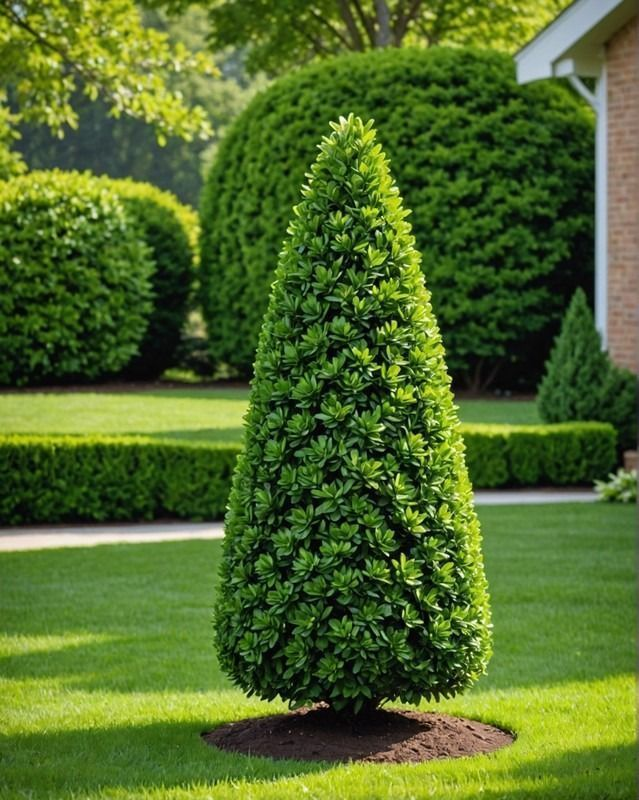
Design harmony emerges when boxwoods are placed in repeated sculptural forms, echoing the geometric discipline that defines mid-century modern gardens. Rows of clipped spheres, pyramids, or tiered silhouettes create rhythm while keeping the design clean and intentional. This repetition draws the eye forward, guiding movement through outdoor rooms without overwhelming the simplicity of surrounding structures. The evergreen character of boxwood ensures year-round consistency, while its adaptability allows precise pruning into bold sculptural shapes. When paired with gravel beds or poured concrete walkways, the result is a structured but organic balance that feels timeless. Designers often alternate heights in symmetrical rows to build visual cadence, which contrasts elegantly with flat rooflines or angular architecture. Strategic lighting at the base of each shrub enhances depth, casting shadows that accentuate their sculptural presence after sunset. Integrating repetition also reduces the need for overly diverse plantings, maintaining clarity in design intent. To soften the austerity, ground covers like thyme or sedge may be woven between boxwoods, ensuring continuity without detracting from the focal rhythm. This approach not only strengthens architectural alignment but also delivers a low-maintenance solution ideal for homeowners seeking structured beauty in modern landscapes.
Linear Paver Ribbon Paths
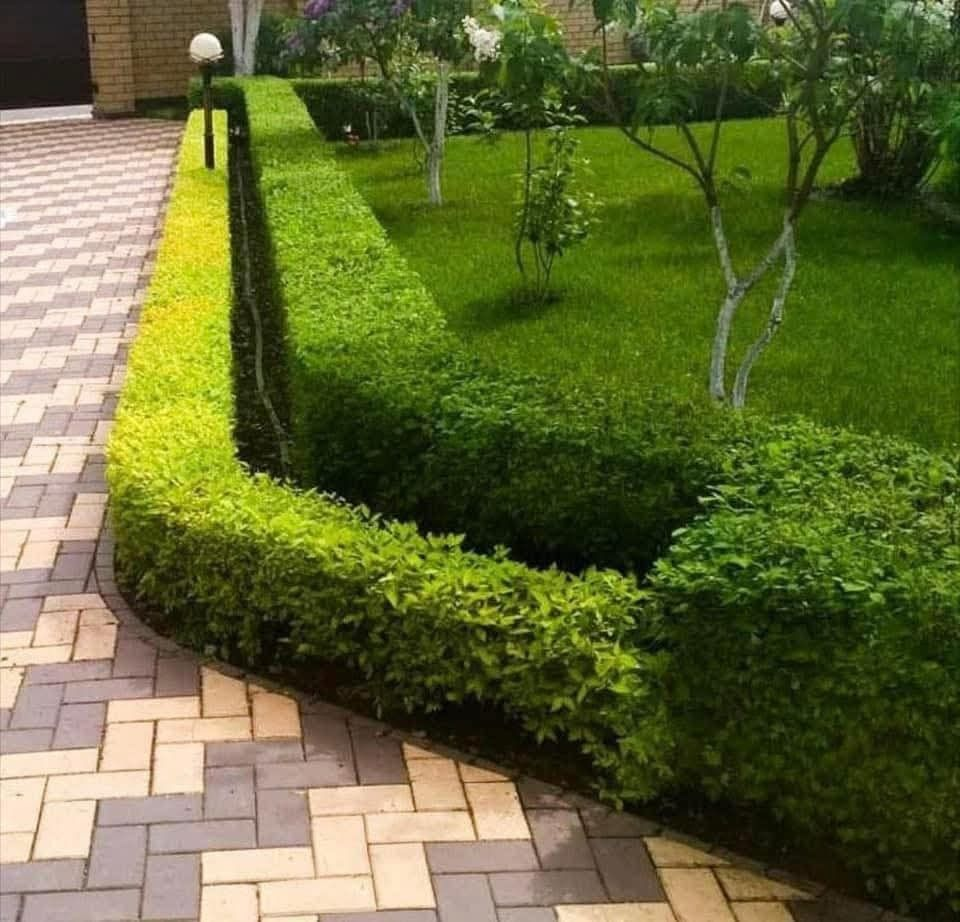
Orderly movement defines many mid-century inspired gardens, and ribbon paths crafted from linear pavers achieve this balance seamlessly. Set within strips of gravel, turf, or decomposed granite, the pavers mimic architectural lines while encouraging functionality. Their slender form mirrors the horizontality of mid-century design, connecting outdoor zones with an understated sense of continuity. Designers frequently choose light gray concrete or honed limestone to maintain neutrality, letting the textures of plantings become the visual interest. Ribbon layouts also improve permeability, allowing rainwater to filter naturally rather than pooling. This sustainability feature blends effortlessly with today’s eco-friendly practices, echoing principles that first emerged in the era of modernist architecture. The strong geometry contrasts beautifully with fluid planting beds filled with ornamental grasses, succulents, or clipped hedging. Lighting can be integrated between ribbons for subtle night visibility, further emphasizing their linear strength. To maintain crisp definition, edging materials such as steel or stone are often incorporated. Unlike expansive slabs, these segmented paths feel lighter, weaving outdoor circulation into the garden without overpowering it. Ribbon pavers also scale well in compact yards, offering a sense of elongation that visually expands narrow spaces. Their adaptability makes them an enduring feature in contemporary reinterpretations of mid-century landscaping.
Minimalist Monochrome Palette
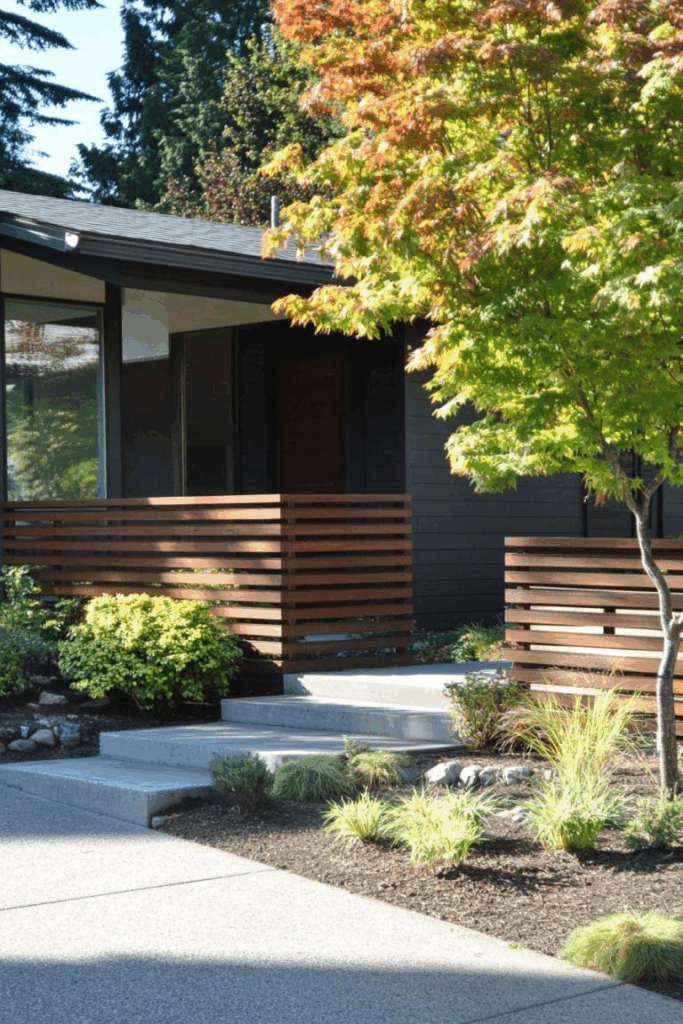
Purity of color anchors mid-century modern gardens, and a monochrome palette delivers understated elegance. Restricting the scheme to varying shades of green, gray, or white allows form and texture to dominate rather than competing hues. This approach emphasizes clean architectural lines while reinforcing the philosophy of simplicity. A garden might showcase evergreen shrubs against white gravel, concrete retaining walls, and soft gray paving, creating a unified backdrop for outdoor living. Within this restrained palette, contrast arises from leaf shapes, surface finishes, and seasonal shifts in tone. For instance, glossy magnolia foliage can stand against matte grasses, while smooth concrete counters rough stone. Night lighting further intensifies the monochrome scheme, casting deliberate highlights without disturbing cohesion. Such restraint also strengthens the connection between indoor and outdoor spaces, as muted tones transition effortlessly from modern interiors to structured exteriors. Beyond visual clarity, monochrome gardens feel calming, offering a meditative atmosphere free from distractions. Designers often add repetition of sculptural plants like agave or yucca to underline the simplicity. Gravel mulches and polished aggregate concrete surfaces amplify the aesthetic, reinforcing both minimalism and functionality. This controlled use of color transforms landscapes into sophisticated extensions of the home’s architecture, perfectly aligned with mid-century modern ideals.
Geometric Concrete Planters

Strong geometry is central to mid-century design, and concrete planters provide the perfect vehicle for showcasing sculptural plantings. Their crisp edges and versatile finishes—from smooth cast to exposed aggregate—complement architectural forms while serving as functional focal points. Square, rectangular, and cylindrical planters offer clean repetition that harmonizes with low rooflines and expansive glazing. Designers frequently position planters in modular groupings, reinforcing rhythm and spatial organization. The neutral tone of concrete ensures plants remain the highlight, whether it’s structured boxwood, textural succulents, or cascading vines. Durability is another key advantage, as these planters withstand weather fluctuations without losing their form. In small courtyards, oversized geometric planters can substitute for built structures, defining outdoor rooms while conserving ground space. Their weight also anchors windy sites, providing stability for tall grasses or slender trees. Some modern approaches include staining or polishing the concrete to introduce subtle tonal variation, maintaining cohesion with a minimalist palette. Drainage can be tailored during casting, ensuring longevity for plant health. Groupings of varying heights introduce depth while avoiding visual clutter, a hallmark of mid-century landscapes. Ultimately, geometric concrete planters embody both utility and design clarity, reinforcing the timeless balance between natural elements and architectural precision.
Eco-Brutalist Green Walls

Mid-century modern landscapes often merge raw materials with natural softness, and green walls built on concrete frames reflect this balance beautifully. Brutalist design celebrates exposed concrete, while vertical plantings introduce a living contrast that softens rigidity. These installations maximize limited ground space, allowing foliage to climb across structured facades without disrupting architectural clarity. Designers often use modular panels or metal grids anchored to concrete walls, planting drought-tolerant species such as ivy, creeping fig, or succulents. This layering creates visual texture while reinforcing sustainability by improving insulation and filtering air quality. In outdoor living spaces, vertical greenery reduces glare, provides shade, and fosters a microclimate conducive to comfort. Minimal irrigation systems integrated into the design ensure low-maintenance upkeep while preserving water efficiency. Lighting directed upward highlights the interplay of concrete and greenery after dark, emphasizing shadows and depth. Pairing vertical walls with linear pavers or geometric planters strengthens cohesion within the overall scheme. Unlike ornamental trellises, these walls feel substantial, anchoring the design with a modernist authenticity that never feels decorative for its own sake. The result is a sculptural yet functional feature that aligns with eco-conscious values while remaining true to the raw, unembellished essence of mid-century modern landscapes.
Architectural Succulent Clusters
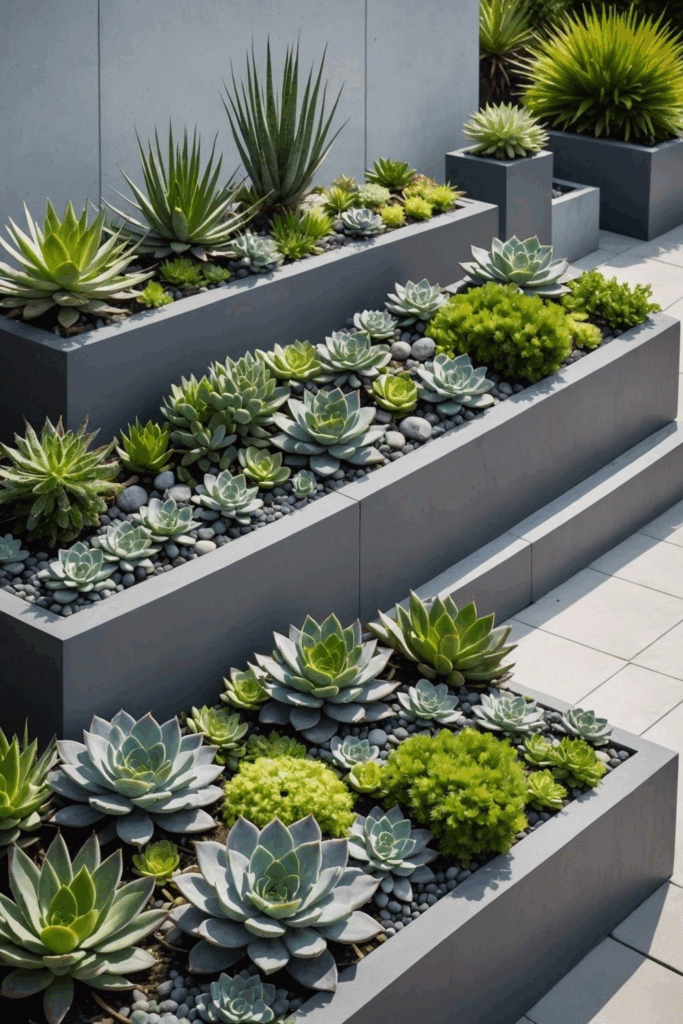
Sculpted plant forms find perfect expression in succulent groupings arranged with architectural precision. Varieties such as agave, echeveria, and aloe offer bold silhouettes that echo the geometric vocabulary of mid-century design. When clustered in repeating patterns, these plants deliver both texture and rhythm without overwhelming simplicity. Their drought tolerance ensures they thrive in sun-soaked courtyards or gravel beds, requiring minimal maintenance while reinforcing sustainability. Designers often place succulents in raised beds framed by steel or concrete borders, highlighting their structural outlines. Contrasting leaf tones—blue-gray agave beside chartreuse sedum—add visual interest within a restrained palette. The clarity of these compositions resonates with clean architectural lines, blurring the boundary between plant and sculpture. Low-voltage lighting beneath large rosettes intensifies their dramatic presence at night, transforming outdoor areas into striking focal points. Unlike traditional flower beds, succulent clusters maintain consistent form throughout the year, reducing seasonal fluctuation and keeping the garden coherent. Gravel mulches not only complete the look but also aid drainage, extending plant health and longevity. This marriage of efficiency and visual strength exemplifies the modernist philosophy of functionality meeting art, where every planting choice serves both aesthetic and practical purposes in the landscape.
Native-Grass Buffer Strips
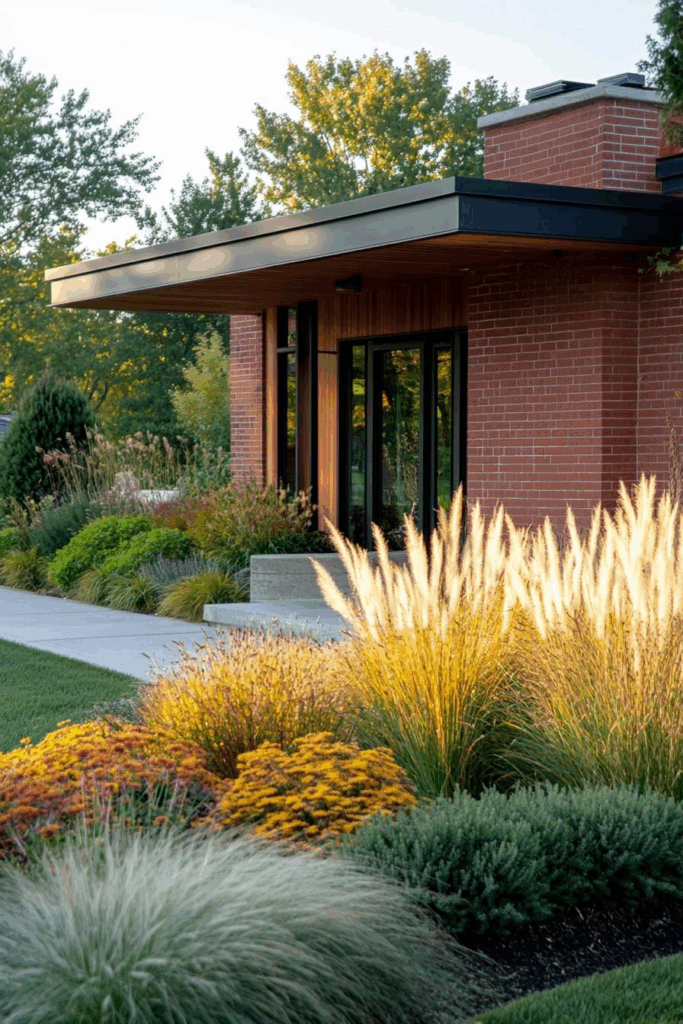
Sustainability aligns seamlessly with mid-century landscapes through the use of native grasses planted in linear buffer strips. These low-maintenance bands define boundaries while providing texture and movement in the garden. Species such as little bluestem, switchgrass, or fescue introduce feathery plumes that sway with the breeze, adding subtle dynamism against the backdrop of rigid architectural lines. Designers frequently integrate grass strips alongside driveways, patios, or water features to soften transitions between hardscape and open space. Their deep root systems promote soil health and improve stormwater absorption, offering ecological benefits without compromising design clarity. In drought-prone areas, grasses thrive with minimal irrigation, reinforcing a responsible approach to landscaping. Clipped hedges or concrete edges can frame these strips, maintaining the disciplined geometry characteristic of the style. Seasonal variations—from spring greens to golden autumn tones—add richness while preserving cohesion within a restrained palette. Lighting at ground level brings grasses alive at night, highlighting their silhouettes against angular structures. This thoughtful integration not only enhances biodiversity by supporting pollinators but also strengthens the balance between human-made and natural elements. Buffer strips remind us that functional plantings can serve both ecological and aesthetic roles, embodying the ethos of mid-century modern garden design.
Hidden Curved Seating Nooks
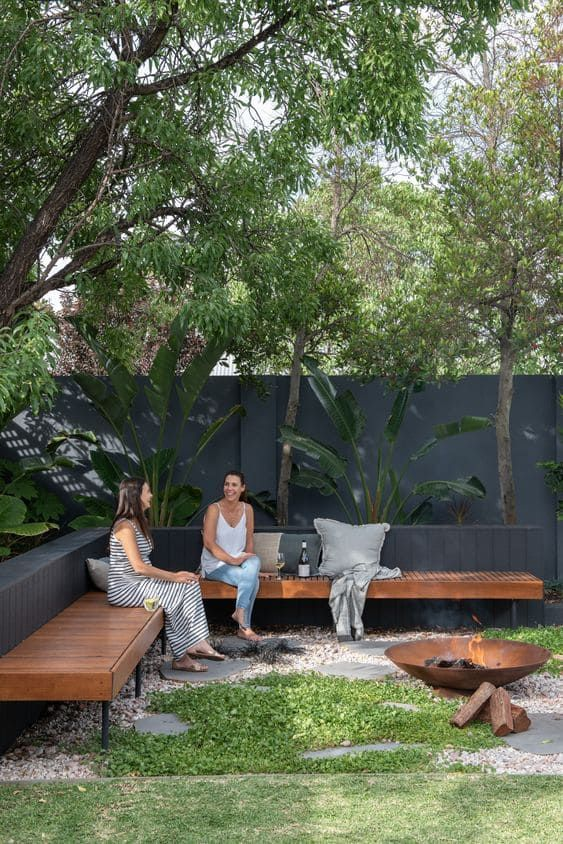
Unexpected curves bring balance to the strong linear language of mid-century modern design, and seating nooks carved into landscape recesses offer both function and intimacy. Nestled behind plantings or framed by low concrete walls, these spaces create sheltered retreats without disrupting the larger geometric order. Designers often integrate curved benches crafted from poured concrete, stone, or weathered wood, ensuring durability while maintaining visual simplicity. Softening elements such as ornamental grasses or evergreen hedges provide privacy, turning the nook into a quiet refuge. When paired with sculptural planters or fire features, the space transforms into an inviting hub for relaxation or conversation. The curvature contrasts with the surrounding rectilinear lines, adding human warmth to otherwise rigid forms. Pathways leading to these nooks are typically understated, ensuring discovery feels intentional rather than obvious. Subtle lighting enhances evening use, casting shadows across curved surfaces that complement the play of geometry. These niches scale well in both large properties and compact courtyards, proving versatile across different settings. Their ability to blend structure with comfort reflects the philosophy of functional elegance, ensuring outdoor environments are not only visually striking but also deeply livable within the mid-century modern framework.
Low-Lit Stone Pathway Glow

Atmosphere plays a pivotal role in mid-century landscapes, and stone pathways illuminated with low-level lighting create both safety and mood. Rather than harsh overhead fixtures, designers favor discreet lights embedded along path edges or concealed within ground-level housings. This approach casts a subtle glow across textured stone surfaces, highlighting material richness while guiding footsteps. Stones such as basalt, slate, or limestone often align with the modernist palette, their natural tones grounding the overall design. The interplay between rough textures and soft lighting adds depth without overwhelming simplicity. In practical terms, low-lit pathways enhance nighttime navigation while minimizing light pollution, preserving the tranquil ambiance of outdoor spaces. Pairing illuminated paths with sculptural plantings or reflective water features further enriches the nighttime garden experience. LED fixtures provide energy efficiency and longevity, ensuring sustainability without compromising aesthetic intent. Designers frequently stagger lighting placement to avoid uniformity, creating rhythm that echoes the repetition seen in mid-century architecture. The result is an inviting environment where form, function, and atmosphere coalesce, proving that understated details often leave the most lasting impression. These glowing pathways transform gardens into immersive extensions of the home, equally compelling by day and night.
Modern Water Feature Entry Accent
First impressions hold lasting influence, and water features positioned near entryways define mid-century modern homes with striking clarity. Rather than ornate fountains, designers favor linear troughs, reflective pools, or cascading sheets integrated into concrete or stone basins. These minimalist forms celebrate geometry while providing auditory softness through the gentle sound of moving water. Positioned adjacent to walkways or front doors, they introduce calmness and create focal points that reinforce architectural alignment. Reflective surfaces amplify nearby plantings, sculptural planters, or lighting, offering depth without clutter. The integration of recycled water systems ensures efficiency, aligning with eco-conscious practices. In smaller spaces, wall-mounted spouts paired with narrow basins achieve presence without overwhelming scale. Materials such as steel, concrete, and basalt maintain cohesion with modernist design vocabulary, ensuring harmony between architecture and landscape. At night, submerged or perimeter lighting transforms still water into glowing surfaces, enhancing entry drama. Beyond aesthetics, water features cool the microclimate and provide a habitat for birds, connecting human design with ecological value. This functional artistry reflects the essence of mid-century design—where form, material, and environment intersect seamlessly to create inviting, enduring landscapes.
Drought-Lush Pollinator Beds

Resource-conscious landscapes thrive when lush planting design meets drought tolerance, and pollinator beds offer the perfect balance. By selecting native perennials such as coneflower, salvia, or yarrow, homeowners achieve vibrant displays while conserving water. These species attract bees, butterflies, and hummingbirds, enhancing biodiversity without compromising visual clarity. Beds are often arranged in linear bands or modular grids, aligning with the geometric rigor of mid-century modern design. Gravel or decomposed granite mulch replaces traditional bark, reinforcing the minimalist palette while supporting drainage. Seasonal blooms provide bursts of color against evergreen backdrops, ensuring interest throughout the year. The choice of drought-tolerant plants not only reduces irrigation demands but also lowers maintenance requirements, ideal for busy households. Designers frequently balance upright flower spikes with ground-hugging succulents, creating layers of texture within restrained compositions. Pollinator beds positioned near patios or seating areas bring life and movement into daily outdoor experiences, reinforcing the connection between people and nature. Low-voltage lighting enhances their evening presence, ensuring functionality extends beyond daylight hours. This integration of ecological health with architectural precision exemplifies how mid-century modern landscapes continue to adapt to today’s environmental priorities while maintaining timeless beauty.
Clover Lawn Infill Sky Swap
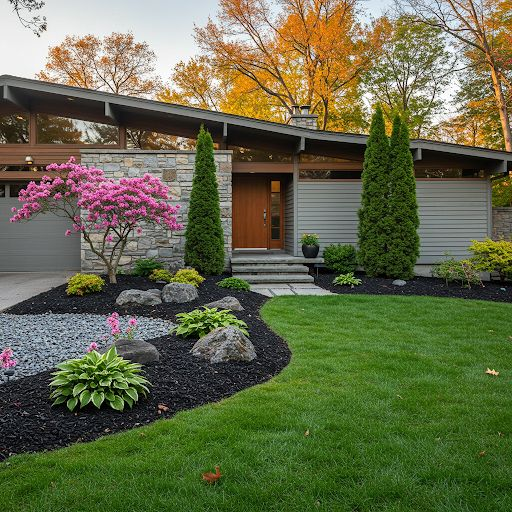
Traditional turf lawns consume water and chemicals, yet mid-century landscapes gain renewed life through clover infill alternatives. White or micro-clover creates a lush carpet of greenery that requires far less irrigation while improving soil fertility naturally. Its nitrogen-fixing qualities eliminate the need for synthetic fertilizers, aligning with eco-friendly practices. Designers often integrate clover into geometric lawn panels framed by concrete pavers, reflecting the modular layouts iconic to the era. The soft texture contrasts with hardscapes while remaining durable enough for light foot traffic. Seasonal blooms introduce delicate white flowers, adding visual interest without disrupting the monochrome restraint of modern design. Clover lawns stay green during dry seasons when traditional turf would fade, ensuring year-round consistency. Their adaptability to partial shade further broadens application, making them practical across varied climates. When paired with structural plantings such as agave or ornamental grasses, the result feels balanced and sustainable. Clover also attracts pollinators, reinforcing biodiversity within the landscape. For homeowners seeking alternatives to high-maintenance lawns, this solution delivers both ecological and aesthetic benefits. By trading conventional grass for clover, outdoor spaces embody modernist ideals of simplicity, resilience, and connection to the environment.