
Homeowners seeking instant impact in their landscape often turn to fast-growing evergreen trees for both beauty and function. These trees provide year-round greenery while quickly offering privacy, wind protection, and shade. Unlike slower-growing varieties, evergreens such as Leyland cypress, Thuja Green Giant, and pine species establish height and density in just a few seasons. Their ability to thrive in diverse climates makes them a practical solution for enhancing property value and creating natural barriers. This guide highlights top choices and care tips, helping readers select reliable fast-growing evergreen trees that combine lasting greenery with rapid, dependable growth for outdoor spaces.
Thuja ‘Green Giant’
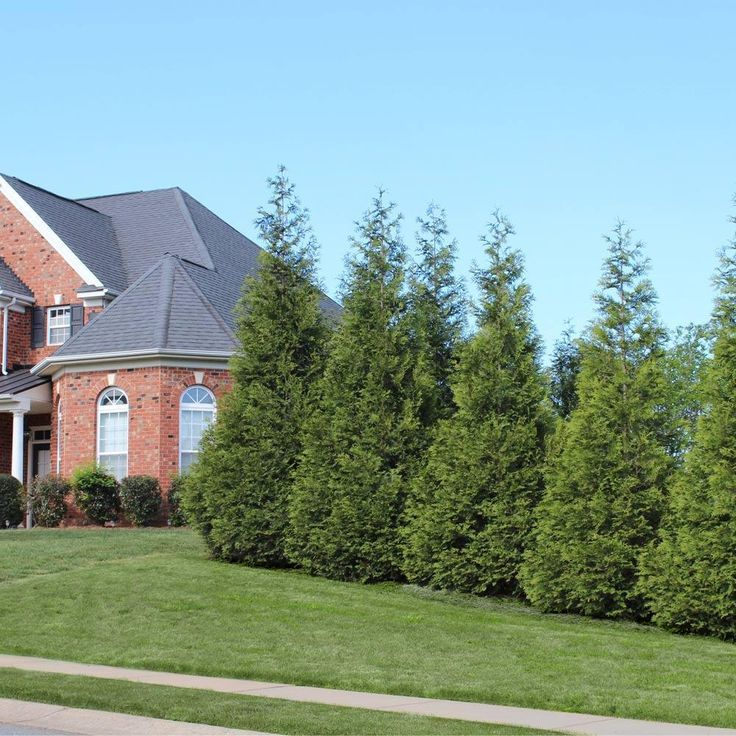
Rapid growth paired with dense evergreen foliage makes Thuja ‘Green Giant’ one of the most dependable privacy trees for residential and commercial landscapes. Known to grow 3–5 feet per year under optimal conditions, it quickly establishes tall screens reaching 40–60 feet in maturity with a spread of 12–20 feet. Its uniform, conical shape requires little pruning, and the soft, feathery needles remain rich green year-round, even in colder climates. Resistant to deer browsing and tolerant of varied soils, it adapts easily to most sites as long as it receives full sun to partial shade. Landscapers favor this hybrid arborvitae because it resists many of the common diseases and pests affecting similar species. With its dense structure, the tree muffles sound and blocks wind, making outdoor living spaces more comfortable. Homeowners often use Thuja ‘Green Giant’ as a living alternative to fences since it provides height, beauty, and low maintenance in one planting. When spaced 5–6 feet apart, young trees quickly grow into a solid wall of greenery, ideal for suburban properties. Its tolerance to humidity, heat, and even urban pollution further expands its versatility, ensuring that it continues to be a top recommendation for fast, reliable screening.
Leyland Cypress
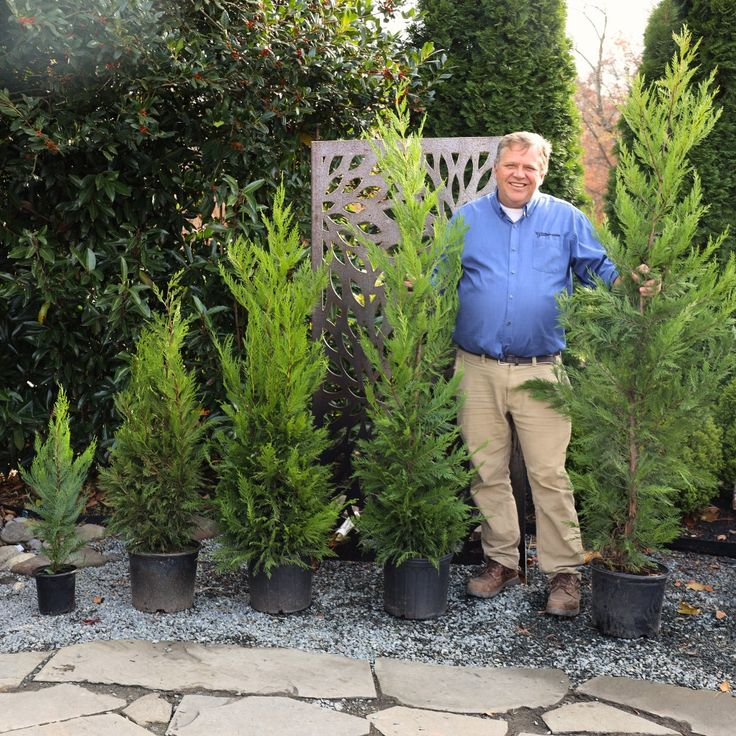
Fast growth and adaptability have made Leyland Cypress a top choice for creating tall evergreen walls within a short time. Known for its rapid growth rate of up to 4 feet per year, it matures at 60–70 feet with a spread of 15–25 feet, forming a lush pyramidal silhouette. Its foliage consists of dense, feathery sprays in medium to dark green tones, offering an elegant backdrop for gardens and driveways. Popular for privacy hedges and windbreaks, this hybrid thrives in full sun and grows best in well-drained soils, though it tolerates a range of conditions. Because it establishes quickly, many homeowners use it when an instant screen or shelter is needed. Care involves occasional pruning to maintain shape and prevent overcrowding when planted in rows. While Leyland Cypress performs well in many regions, it does best in temperate climates where extremes of heat and drought are moderated. One drawback is its susceptibility to certain diseases, such as canker and root rot, especially when stressed by poor drainage. For that reason, good siting and spacing are essential. Despite these considerations, its ability to deliver dense, towering coverage in only a few seasons has solidified Leyland Cypress as a reliable fast-growing evergreen.
Norway Spruce
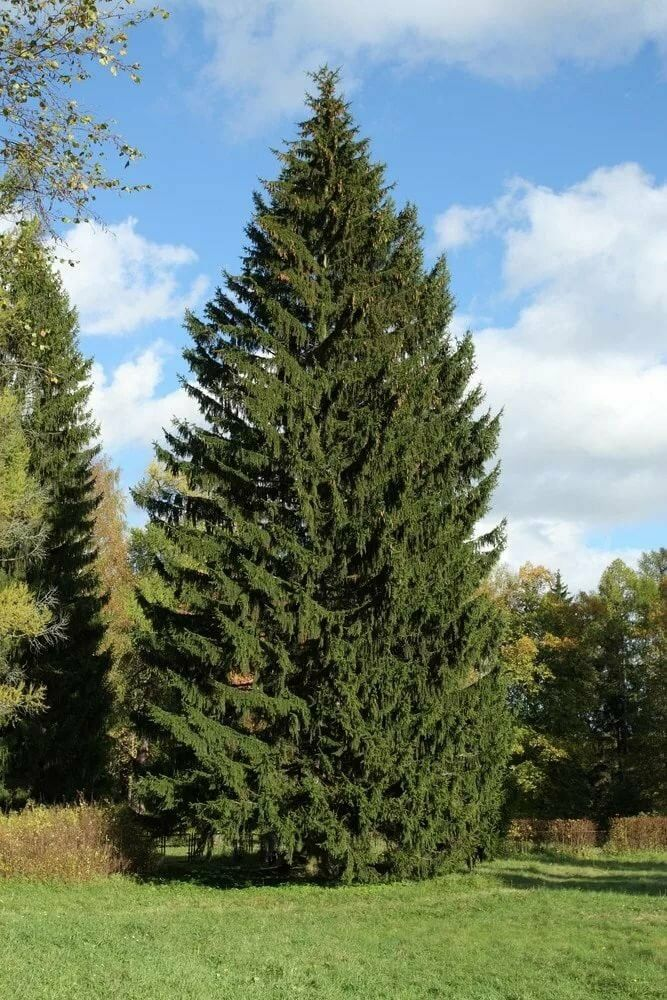
Stately form and rapid juvenile growth make Norway Spruce one of the most practical conifers for large properties and screens. Capable of growing up to 2–3 feet per year in its early stages, it matures at 50–75 feet tall with a spread of 25–30 feet. Its branches are gracefully downward sweeping, adorned with stiff, dark green needles that remain vibrant throughout the year. Known for hardiness, it thrives in cold climates, tolerating harsh winters that limit other species. Landscapers value its adaptability to various soils, provided drainage is good, and its usefulness as both a specimen tree and part of windbreaks. Its rapid early growth allows it to establish screens more quickly than many other spruce species, while its longevity ensures decades of performance. Cones add seasonal character, dangling attractively along branches in winter. Though dense, the tree remains airy enough to provide shelter for birds and small wildlife, enhancing biodiversity in gardens and rural spaces. Regular watering during establishment is key, but once settled, it tolerates moderate drought. For properties requiring a long-lasting, fast-growing evergreen with strong cold resistance, Norway Spruce stands as a timeless solution, blending classic European appeal with reliable performance in North American landscapes.
Eastern White Pine
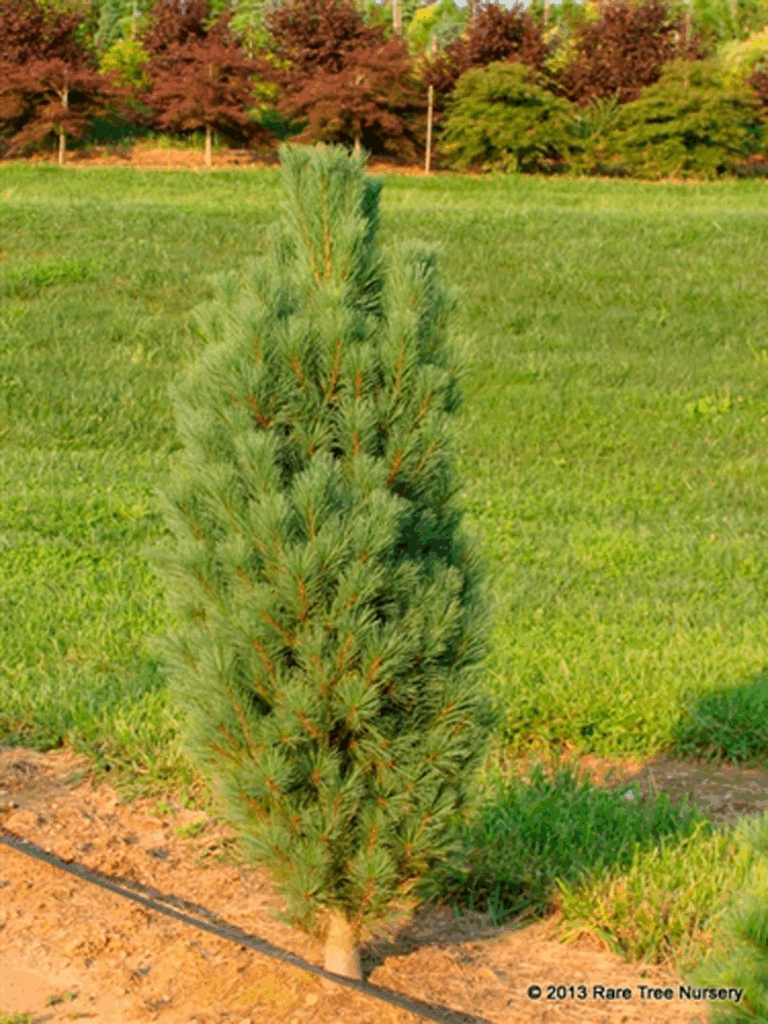
Graceful growth and soft-textured needles give Eastern White Pine a unique place among fast-growing evergreens. With an average rate of 2–3 feet annually in youth, it can reach 50–80 feet tall and 20–40 feet wide, forming a broad pyramidal crown that becomes irregular and picturesque with age. Its slender blue-green needles grow in bundles of five, offering a lighter and softer appearance compared to denser conifers. Highly valued for windbreaks, screening, and reforestation, this pine adapts well to acidic, well-drained soils and prefers full sun. Once established, it tolerates cold winters across USDA zones 3–8, making it suitable for much of the northern United States. While it grows quickly, it benefits from thoughtful placement since its long branches can extend widely, casting deep shade. Its wood has long been prized in construction, but in landscapes, it serves more for aesthetics and environmental protection. Eastern White Pine attracts birds and provides habitat for wildlife, contributing ecological value in addition to beauty. Regular pruning is not required, but light shaping when young helps encourage strong form. As a fast-growing evergreen with versatility and heritage, this species continues to be favored for properties needing height, softness, and natural character.
Monterey Pine (Pinus radiata)
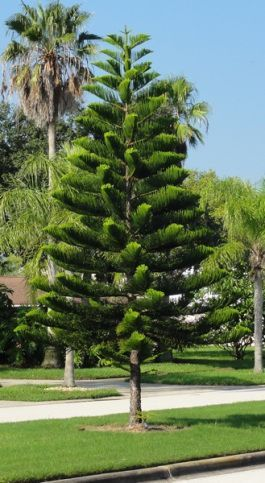
Exceptional speed of growth and a striking silhouette make Monterey Pine one of the fastest-growing conifers for coastal or mild climates. Native to California but cultivated worldwide, it can gain 3–4 feet annually and reach 80–100 feet tall at maturity with a spread of 30–40 feet. Its dark green, slightly twisted needles appear in clusters of three, forming a dense canopy with a pyramidal outline that opens gracefully with age. Best suited to regions with mild winters, it thrives in USDA zones 7–10 and adapts well to sandy or rocky soils, particularly in coastal areas. Its resilience to salty winds makes it an ideal windbreak for properties near the ocean. While it establishes quickly, its lifespan is relatively shorter compared to other pines, averaging 60–90 years. Landscapers appreciate its utility in large-scale plantings, erosion control, and fast privacy screening. Wildlife benefit from its cones and cover, though in some regions, it requires careful management due to pest susceptibility. Regular watering during establishment ensures the best growth performance, and pruning should focus on removing weak or crossing branches. For landowners in appropriate climates seeking instant evergreen presence, Monterey Pine offers unmatched vigor and dramatic visual impact.
Italian Cypress
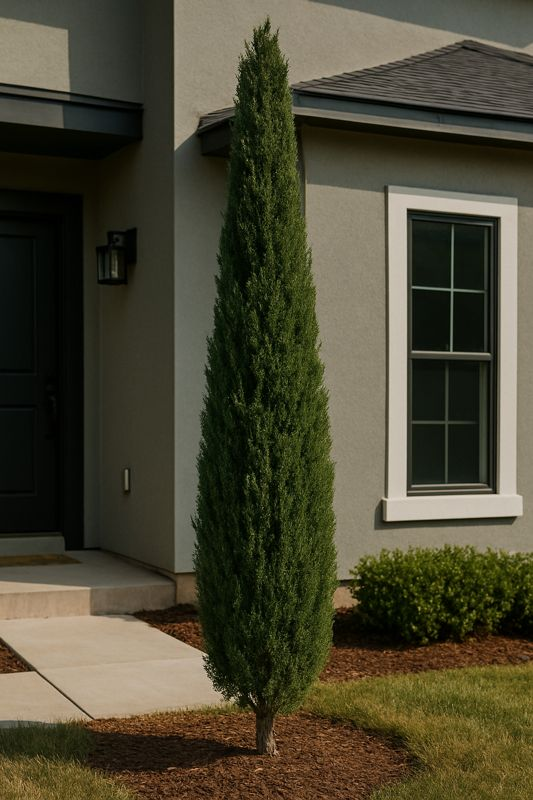
Tall and statuesque growth defines Italian Cypress, making it one of the most recognizable fast-growing evergreens for Mediterranean-inspired landscapes. Growing about 2–3 feet per year when young, it matures at 40–60 feet tall while remaining just 3–6 feet wide. Its naturally columnar form requires little shaping, and the dense, dark green foliage stays neat throughout the year. Often planted in formal rows, Italian Cypress creates dramatic avenues, driveway borders, or striking architectural accents. Its slim profile allows it to fit into narrow spaces where broader trees would overwhelm. Best suited for USDA zones 7–11, it thrives in hot, dry climates with full sun exposure and well-drained soils, tolerating drought once established. Although sensitive to overly wet conditions, careful site selection prevents root issues. Its growth habit provides an elegant alternative to fences or walls, especially for homeowners seeking vertical emphasis. Italian Cypress has been celebrated for centuries in classical gardens, symbolizing timelessness and sophistication. In modern designs, it continues to add refinement while serving functional roles as windbreaks or privacy dividers. Few evergreens deliver such dramatic height in a small footprint, making this tree a practical and beautiful solution for landscapes requiring fast-growing evergreen structure with architectural flair.
Nellie Stevens Holly
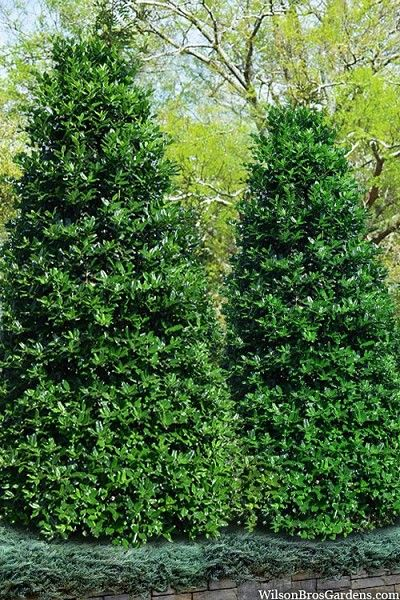
Dense growth and glossy evergreen leaves make Nellie Stevens Holly a versatile option for privacy hedges and ornamental plantings. Capable of growing 2–3 feet per year, it reaches 15–25 feet tall with a spread of 8–12 feet, forming a broad, pyramidal shape that responds well to pruning. Its dark green foliage remains vibrant year-round, and during fall and winter, it produces bright red berries that persist through the colder months, adding seasonal color and feeding wildlife. This hybrid holly thrives in USDA zones 6–9 and adapts to various soils, performing best in full sun to partial shade. Homeowners favor it for its resilience against heat, humidity, and moderate drought once established. Its dense branching makes it an excellent living screen, muffling noise and providing habitat for birds. Unlike some hollies, Nellie Stevens is partially self-pollinating, which means a single tree can bear berries, though planting with a male pollinator increases yield. Its fast growth combined with ornamental appeal ensures it serves both functional and decorative roles. Whether used as a specimen tree, grouped in hedges, or lining property borders, Nellie Stevens Holly remains a top recommendation for landscapes needing reliable, evergreen coverage with added seasonal interest.
Carolina Sapphire Cypress
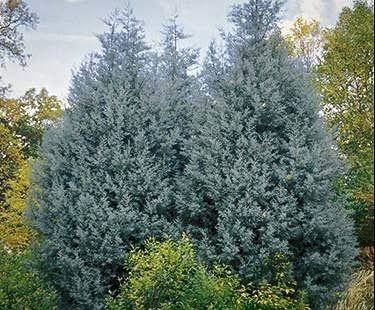
Silvery-blue foliage and impressive growth speed make Carolina Sapphire Cypress a standout among fast-growing evergreens. Growing up to 3–4 feet per year, it matures at 30–40 feet tall with a spread of 15–20 feet, forming a dense, pyramidal canopy. Its soft, feathery needles carry a unique aroma when brushed, giving gardens an added sensory element. Popular in southern regions, this Arizona Cypress cultivar thrives in USDA zones 7–9, tolerating drought, heat, and poor soils better than many other conifers. Its striking color contrasts beautifully with green plantings, making it as decorative as it is functional. Landscapers use it for windbreaks, privacy screens, and large-scale plantings where quick establishment is needed. Once rooted, it requires little maintenance beyond occasional shaping to control spread. Its natural resistance to pests and diseases adds to its reliability, though good air circulation helps prevent fungal issues in humid climates. Carolina Sapphire Cypress also provides ecological value by offering cover for birds and small animals. With its combination of vibrant blue tones, aromatic foliage, and rapid growth, it brings both beauty and practicality to residential and rural properties, making it one of the most versatile evergreen trees for fast screening solutions.
Cryptomeria ‘Radicans’
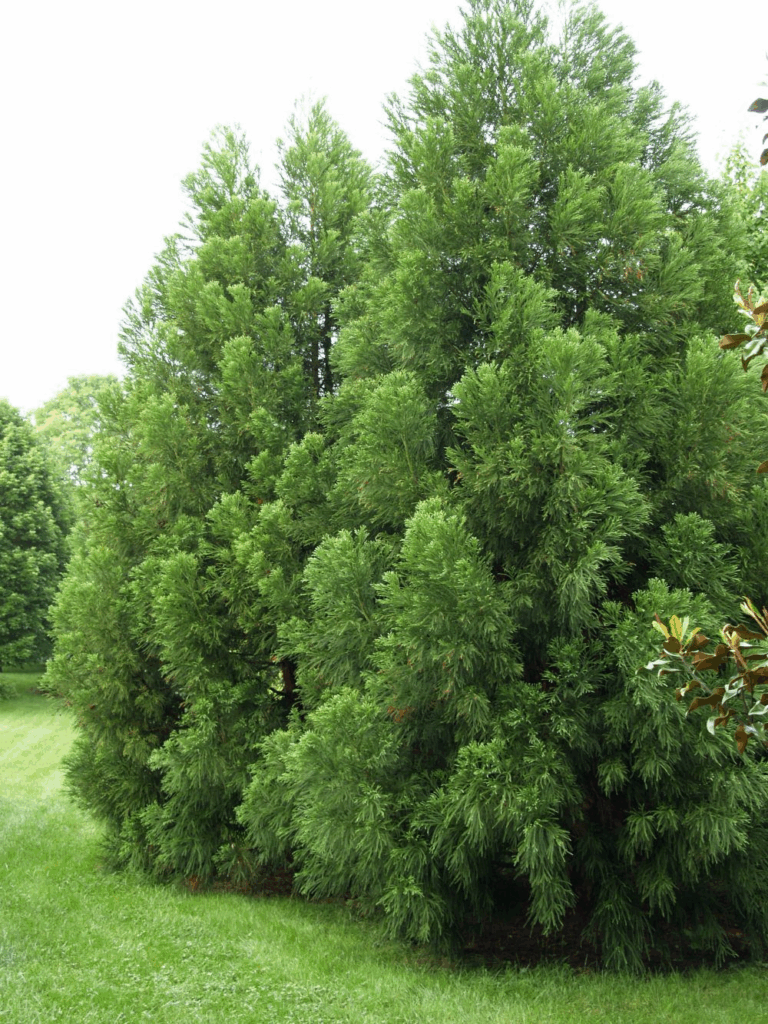
Graceful growth and rich green needles give Cryptomeria ‘Radicans’ a distinctive presence among fast-growing evergreens. Capable of growing 3 feet per year in youth, it reaches 30–40 feet tall with a spread of 15–20 feet, forming a uniform pyramidal shape. The soft, dense foliage remains deep green through the seasons, with new growth flushing lighter before maturing. Unlike some conifers, ‘Radicans’ resists bronzing in winter, maintaining color even in colder regions. Known for its adaptability, it thrives in USDA zones 6–9, tolerating both heat and humidity, making it especially popular in the Southeast. Landscapers use it for privacy screens, windbreaks, and ornamental plantings since it grows quickly without becoming unruly. Its growth habit is slightly looser than Leyland Cypress, offering a more natural look while still providing dense coverage. Once established, it tolerates varied soils and moderate drought, though consistent watering during establishment ensures best performance. Low susceptibility to pests and diseases enhances its reliability, reducing maintenance needs for homeowners. As an evergreen that balances elegance with practicality, Cryptomeria ‘Radicans’ provides year-round structure and screening, earning it a place in both residential and larger landscape projects where fast growth and dependable greenery are essential.
Wax Myrtle
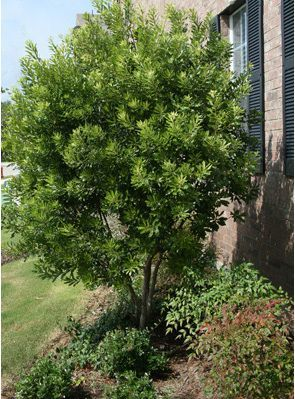
Rapid adaptability and fragrant foliage make Wax Myrtle a fast-growing evergreen valued in both ornamental and functional landscapes. Growing 2–4 feet per year, it reaches 15–20 feet tall and wide, forming a dense, multi-stemmed shrub or small tree. Its aromatic, lance-shaped leaves release a pleasant fragrance when crushed, while clusters of waxy gray berries adorn female plants, historically used for candle-making. Native to the southeastern United States, Wax Myrtle thrives in sandy, acidic soils and is highly tolerant of salt spray, making it an excellent choice for coastal landscapes. It performs best in USDA zones 7–10, tolerating heat, humidity, and even periodic flooding. Landscapers use it for hedges, screens, or naturalized plantings since it provides quick coverage while supporting wildlife. Birds feed on its berries, and its dense structure offers excellent shelter. Once established, Wax Myrtle requires minimal care, adapting to poor soils and resisting many common pests. It also fixes nitrogen in the soil, improving fertility for surrounding plants. With its combination of speed, resilience, and aromatic appeal, Wax Myrtle functions as both a decorative element and a problem-solving evergreen, especially in coastal or challenging sites where other species may struggle.
Emerald Colonnade Holly
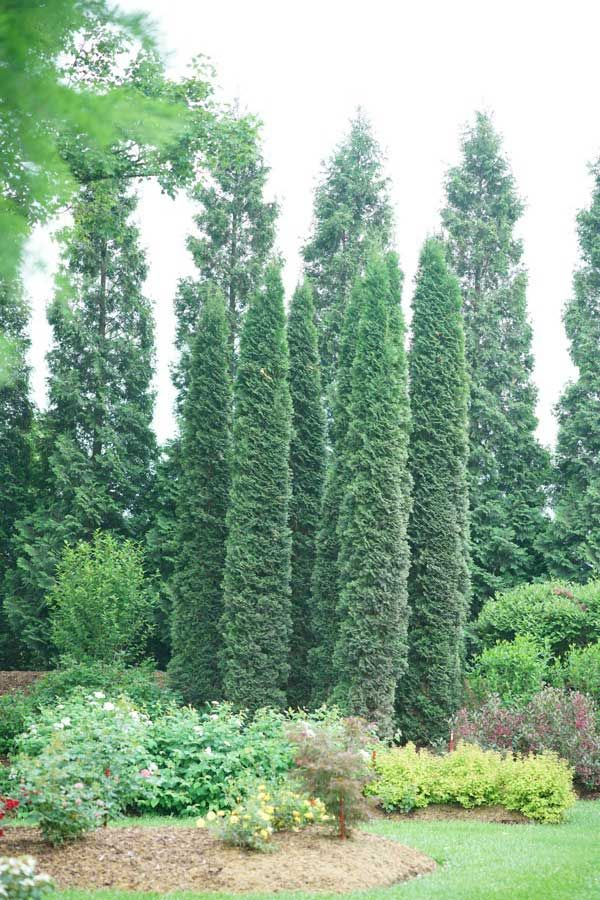
Upright structure and glossy evergreen foliage make Emerald Colonnade Holly a refined option for fast-growing screens and specimen plantings. Growing 2–3 feet per year under good conditions, it matures at 20–30 feet tall with a spread of 8–10 feet, forming a narrow, columnar shape. Its leaves are deep green, slightly serrated, and remain vibrant through every season, providing a polished, formal appearance. Unlike some hollies, Emerald Colonnade produces few to no berries, making it a low-maintenance choice for homeowners who prefer clean landscapes. Adaptable to full sun or partial shade, it thrives in USDA zones 6–9 and tolerates a wide range of soils as long as drainage is adequate. Landscapers often choose it for vertical accents near entryways, along driveways, or as tall, narrow hedging where space is limited. Its dense branching makes it highly effective at blocking views or softening hard architectural lines. Once established, it handles moderate drought and requires only light pruning to maintain symmetry. With its combination of growth speed, elegant form, and year-round foliage, Emerald Colonnade Holly delivers structure and greenery without the mess of fruiting varieties. This balance of beauty and practicality ensures it remains a versatile solution for modern residential landscapes.
Silver King Euonymus
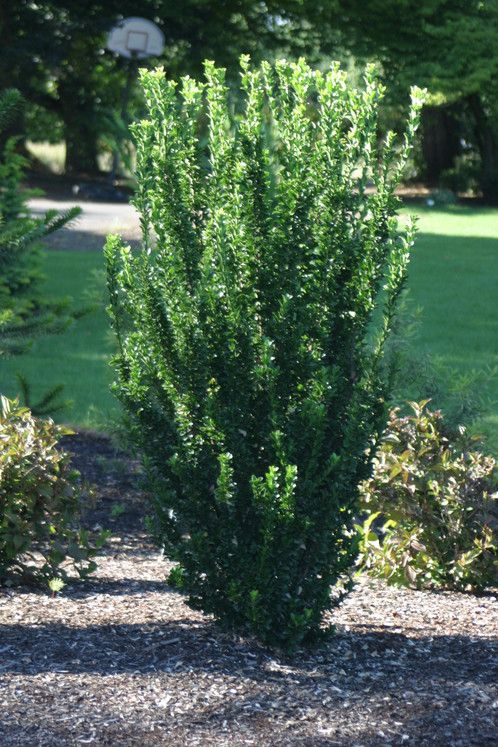
Striking variegated foliage and consistent growth speed set Silver King Euonymus apart as an evergreen shrub or small tree suited for fast coverage. Capable of gaining 1–2 feet per year, it typically reaches 8–12 feet tall with a spread of 4–6 feet, though pruning can maintain a smaller, more compact habit. Its leaves are leathery with bold green centers and bright silver-white edges, creating year-round contrast in borders, hedges, or foundation plantings. Native to East Asia, this species adapts to USDA zones 6–9 and thrives in full sun to partial shade. Once established, it tolerates urban conditions, pollution, and moderate drought, making it useful in both suburban and city landscapes. Landscapers rely on it not only for screening but also for its ornamental value since the foliage remains vibrant in winter. Low maintenance needs add to its appeal: occasional trimming keeps it tidy, while its resistance to most pests and diseases makes it dependable. Silver King Euonymus also works well as an accent among conifers or flowering shrubs, where its variegation adds brightness. For homeowners seeking a fast-growing evergreen with visual flair as well as utility, this plant provides both coverage and ornamental interest throughout the seasons.