
Crisp air and vibrant foliage make autumn the perfect season to refresh outdoor spaces with thoughtful landscaping. Fall gardens can showcase warm colors, layered textures, and hardy plants that thrive as temperatures cool, offering both beauty and practicality. By incorporating seasonal flowers, ornamental grasses, and creative accents, homeowners can extend the life of their gardens well beyond summer. Strategic design choices not only enhance curb appeal but also create inviting spaces for gatherings and relaxation. This guide shares inspiring fall garden landscaping ideas that are easy to implement, helping readers bring charm, warmth, and balance to their outdoor environments.
Sun-Drenched Storytelling Corners
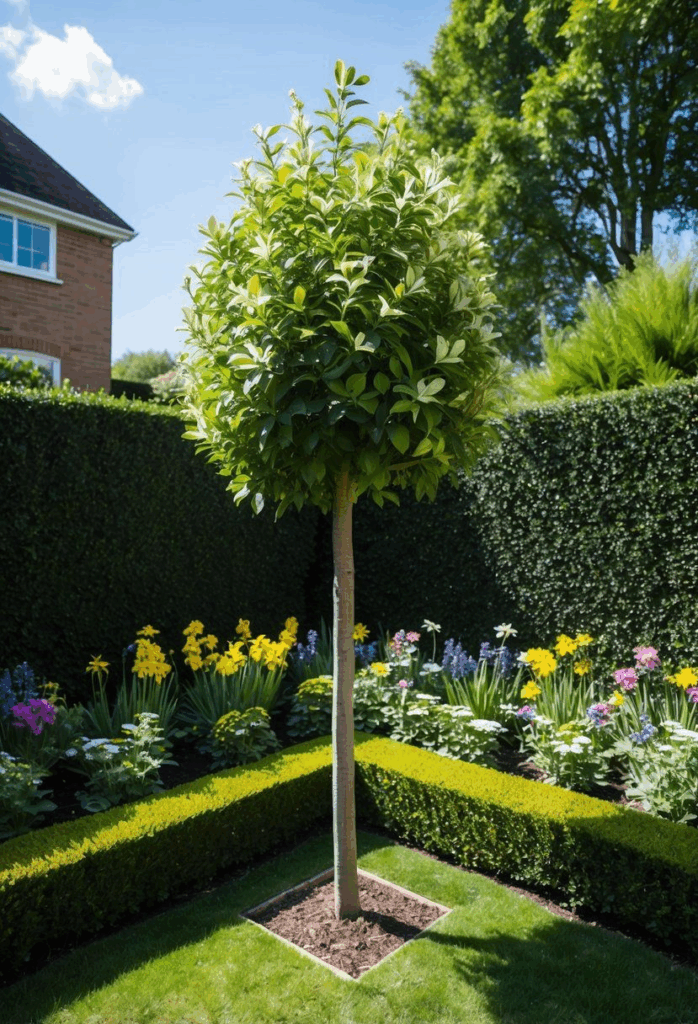
Golden autumn afternoons invite spaces where stories unfold naturally in the garden. Positioning seating near south-facing edges ensures warmth lingers into cooler months, creating a nook where sunlight softens the crisp air. Pair rustic benches or weathered Adirondacks with woven throws in earthy tones, and let the backdrop of maples or oaks frame the setting. Layer pumpkins, lanterns, and baskets of gourds nearby for added seasonal charm. Incorporating climbing vines like clematis or Virginia creeper on trellises behind the seating adds vertical color and texture. These corners also benefit from understory plantings—ferns, hellebores, or hostas—that catch the light and contribute visual depth. The effect is both aesthetic and functional, offering a retreat for reading, sipping cider, or simply watching shifting shadows. In smaller yards, reclaimed wood chairs set beside a raised bed or container grouping can achieve the same feeling of intimacy without requiring expansive space. Thoughtful placement of seasonal accents such as hay bales or corn husk bundles transforms the corner into a lived-in autumn story scene. Beyond visual appeal, these areas encourage homeowners to pause, connect, and extend outdoor living deep into the season, making fall gardens both practical and soulful.
Pumpkin Arch Gateways

Seasonal entryways become memorable when pumpkins are used not only as accents but as architectural statements. An archway crafted from wood or wire can be adorned with vines of gourds, climbing ivy, and cascading mums to frame the garden entrance. Layer varying sizes of pumpkins along the base, interspersed with straw bales, to ground the structure and give it harvest richness. Dried corn stalks rising vertically provide balance, while clusters of marigolds and asters enhance the color palette. For sturdiness, choose lightweight foam pumpkins higher on the arch if using delicate frames, while heavier natural varieties anchor the bottom. String warm-toned fairy lights through the arch to ensure evening appeal, casting a welcoming glow after sunset. Beyond aesthetics, such gateways act as symbolic transitions between the home and garden, guiding guests into seasonal displays with theatrical impact. Smaller yards can adapt the concept with single-sided vertical trellises wrapped in pumpkins and foliage to simulate a partial arch. These gateways also double as photo backdrops, turning ordinary gatherings into cherished memories. With thoughtful arrangement, the pumpkin arch blends practicality with festive storytelling, ensuring your fall landscaping remains unforgettable throughout harvest season and well into early winter gatherings.
Moonlight Glow Paths
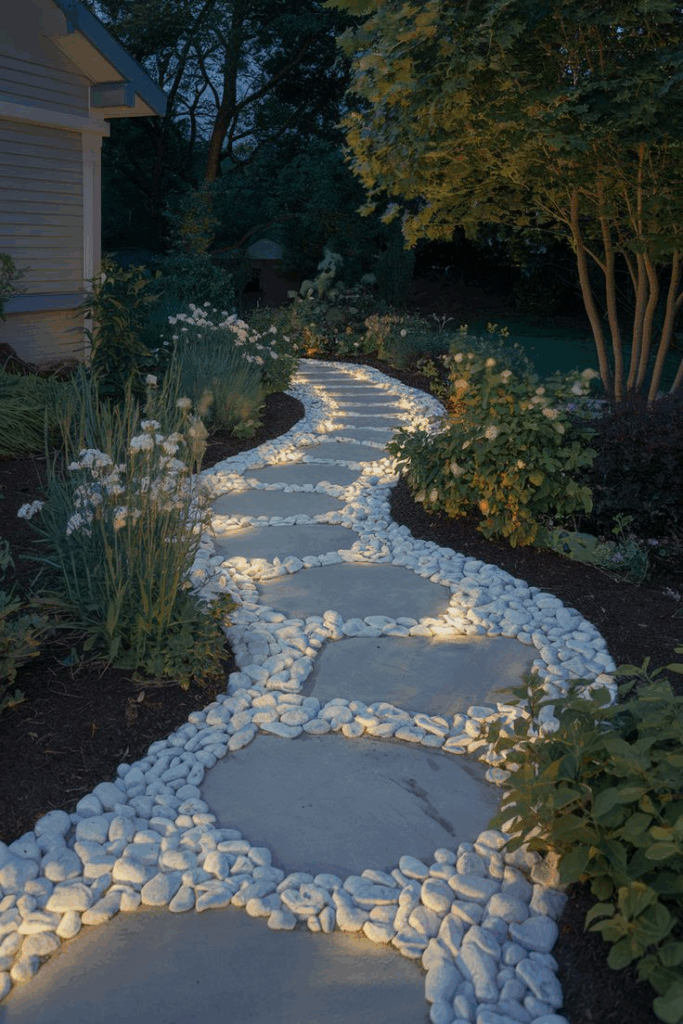
Evening landscapes take on an enchanting character when paths are illuminated with subtle lighting designed to mimic moonlight. Choosing fixtures with soft, diffused lenses ensures shadows remain gentle, preventing harsh contrasts. Stone walkways, gravel paths, or brick inlays gain definition from low-voltage stake lights positioned discreetly within planting beds. Silver-leaved plants—such as lamb’s ear, dusty miller, or Artemisia—reflect these soft beams, enhancing the shimmering effect. Pumpkins or gourds placed intermittently along the path further reinforce seasonal character. Solar lanterns tucked into ornamental grasses or beneath shrubs add energy-efficient accents while maintaining an organic appearance. To heighten the sense of rhythm, scatter tall seed-head silhouettes like alliums or rudbeckia along the walkway; under subtle lighting, they cast dramatic yet natural shadows. For safety, consider placing lights closer near curves or steps while allowing stretches of soft darkness to balance ambiance with functionality. These pathways not only guide movement but also encourage lingering strolls during crisp autumn evenings. Homeowners with smaller gardens can replicate the effect using container lanterns or string lights draped over shepherd’s hooks. The result transforms practical circulation routes into atmospheric experiences, allowing gardens to remain alive with warmth and depth long after daylight fades.
Wabi-Sabi Rustic Sculpture Beds

Seasonal gardens embrace imperfection beautifully when rustic sculpture beds follow wabi-sabi principles. Natural stone, weathered wood, and aged metal pieces become anchors, offering texture and presence against autumn foliage. Position irregular boulders or driftwood within planting areas, allowing them to contrast with chrysanthemums, sedum, and ornamental cabbages. Rather than polished symmetry, let asymmetry guide the layout; a single tall sculpture paired with clustered smaller forms evokes balance without uniformity. Rust-patina steel or terracotta fragments can be arranged alongside native grasses, lending authenticity while celebrating natural aging. Fallen leaves scattered across the bed should be welcomed, not tidied, reinforcing seasonal honesty. Lighting can enhance the mood by casting long shadows across these sculptural elements, especially during late afternoons when sun angles shift dramatically. For smaller spaces, tabletop sculptures or handcrafted clay pots grouped among fall annuals achieve the same understated richness. These beds highlight resilience and simplicity, honoring weathering as part of design rather than something to hide. Beyond visual impact, wabi-sabi beds invite contemplation, offering subtle cues about time, transition, and renewal. By celebrating raw, imperfect materials alongside thriving seasonal plants, homeowners create landscapes that feel timeless, grounded, and deeply connected to autumn’s fleeting rhythm.
Companion-Plant Mum Melodies
Fall landscapes sing with harmony when chrysanthemums are planted in companion groupings. Pairing mums with ornamental kale, pansies, or asters extends seasonal color while supporting pollinators still active in cooler months. Structure planting beds so that taller mums anchor the rear, while creeping groundcovers like ajuga or thyme soften edges. This staggered layering ensures rhythm and depth, allowing the eye to follow natural patterns. Companion planting isn’t only aesthetic—it also improves soil health and deters pests, making gardens resilient. Planting mums alongside herbs such as sage or rosemary contributes aromatic accents and culinary benefits while enhancing foliage diversity. For containers, combine bright mums with trailing ivy and variegated grasses to achieve portable melody arrangements suitable for patios or entryways. Integrating pumpkins, gourds, or seed pods among these displays ties the plantings to broader autumnal themes, reinforcing seasonal unity. Mums thrive in cooler temperatures, so their vibrant blooms often outlast delicate flowers, ensuring longevity through frost. Regular deadheading maintains crisp displays and encourages further blooming. The overall result is a layered chorus of textures and colors, offering both utility and beauty. Such thoughtfully composed beds transform fall gardens into orchestrated landscapes where structure, health, and artistry harmonize seamlessly with the season’s mood.
Textural Fall Containers

Seasonal arrangements gain character when containers showcase diverse textures rather than relying solely on color. Terra cotta pots, galvanized buckets, and wooden barrels serve as rustic vessels, grounding the display in natural warmth. Fill them with tall ornamental grasses for movement, rounded mums for volume, and trailing ivy or creeping jenny for softness spilling over the edges. Contrast velvety lamb’s ear with spiky sedges or feather reed grass to engage multiple senses. Gourds and mini pumpkins tucked among plantings enhance fall identity while offering sculptural forms. For added interest, intersperse seed pods, dried hydrangea heads, or even bundled twigs to provide height and visual rhythm. These containers can be arranged in clusters at entryways, on patios, or within garden beds to build layered impact. Smaller spaces benefit from vertical arrangements, stacking containers of different heights to achieve dimension without occupying excess ground. Regular rotation of seasonal plants ensures freshness—pansies or violas extend bloom periods as mums fade. Thoughtful watering and placement in sunny locations prolong vibrancy well into late autumn. By curating tactile contrasts alongside traditional color palettes, fall containers bring intimacy and drama, proving that texture is often the most powerful design element when daylight shortens and landscapes cool.
Rustic Edible Frames

Harvest displays become practical and decorative when garden frames highlight edible elements. Trellises crafted from reclaimed wood or wire arches can support climbing beans, gourds, or even late-season squash, blending utility with rustic charm. Surrounding these structures with marigolds or calendula adds color while deterring pests naturally. Integrating pumpkins at the base ties the design to traditional fall themes, reinforcing both abundance and festivity. Edible frames function as visual boundaries, guiding movement and segmenting garden zones with purpose. For smaller gardens, vertical A-frame supports planted with kale or rainbow chard achieve similar decorative and edible value. Adding straw mulch around the frame base helps retain soil warmth and extend the harvest season. Lighting, whether string bulbs or lanterns, can be woven through the frame to highlight its silhouette at dusk, ensuring continued appeal after dark. Rustic finishes, such as weathered wood, not only complement the fall palette but also improve ecological authenticity, reducing reliance on treated or synthetic materials. This approach allows homeowners to celebrate seasonal flavors while reinforcing design. Rustic edible frames stand as symbols of practicality meeting beauty, transforming functional gardening into artful structure, and ensuring fall spaces radiate nourishment alongside visual interest.
Soft Lighting for Evening Warmth

As days shorten, gardens remain inviting when illuminated with thoughtfully placed lighting that radiates warmth. Lanterns hung from shepherd’s hooks, string lights woven through pergolas, and solar-powered path markers create layered glows without overwhelming the natural setting. Amber bulbs or warm LEDs mimic firelight, casting shadows that complement autumn colors. Pairing lighting with seating nooks or dining areas extends usability, allowing outdoor spaces to remain central gathering points deep into the season. Mason jar lanterns filled with battery-operated candles offer budget-friendly solutions while preserving rustic authenticity. To reinforce seasonal character, place lights among gourds, straw bales, or near containers brimming with chrysanthemums. Fire pits or tabletop chimineas can serve as focal points, combining functional heat with atmospheric brilliance. In smaller yards, a handful of carefully placed candles around raised beds creates intimacy without clutter. Lighting should guide movement as much as it inspires ambiance, ensuring paths remain safe while moods remain inviting. By balancing subtle accents with practical positioning, gardens become evening sanctuaries. This gentle warmth not only draws people outdoors but also highlights the shifting textures and colors of fall, turning ordinary evenings into memorable seasonal experiences beneath crisp, star-filled skies.
Pumpkins + Foliage Trails

Seasonal pathways become dynamic when pumpkins are arranged alongside cascades of autumn foliage. Lining trails with alternating orange, white, and green pumpkins creates rhythm, while weaving in leafy branches of oak, maple, or birch intensifies color and texture. Interspersing potted mums or ornamental cabbages between the pumpkins adds layers that feel intentional rather than repetitive. For visual balance, stagger the sizes—placing larger pumpkins at bends or focal points while clustering smaller gourds along straighter stretches. Trails can also incorporate dried corn stalks tied to stakes, reinforcing vertical dimension and echoing harvest traditions. To elevate functionality, solar stake lights positioned between pumpkins cast a subtle glow, guiding evening strolls with charm. In compact yards, this idea translates beautifully along patio edges or short garden paths by simply clustering pumpkins with containers of seasonal foliage. Trails not only serve as decorative guides but also define movement, drawing visitors naturally toward seating areas, firepits, or garden features. Their ephemeral character—lasting from early fall through late November—makes them flexible and easy to refresh. With careful curation, pumpkin and foliage trails transform ordinary walkways into narrative corridors that celebrate abundance, nostalgia, and the artistry of autumn gardening.
Raised Layered Planters

Gardens gain both practicality and drama when raised planters are arranged in tiered layers. Stacked wooden boxes, stone walls, or galvanized troughs provide structure while elevating seasonal plantings for easy viewing and maintenance. Position taller elements such as ornamental grasses, millet, or kale at the back layer, while mid-height blooms like mums and pansies fill the middle. Trailing foliage—ivy, creeping jenny, or sweet potato vine—spills over the front edges, softening lines and creating movement. This structured layering ensures a continuous cascade of color and texture, enhancing depth in limited spaces. For autumn, integrate pumpkins or gourds within the planters to strengthen seasonal identity. Soil within raised beds warms more quickly, extending the growing window for cool-weather crops like lettuce, chard, or radishes. Stone or brick planters also add permanence, serving as both garden and hardscape features. Smaller patios benefit from tiered containers stacked vertically to maximize planting area without occupying large footprints. Maintenance becomes easier as elevated beds reduce bending and improve accessibility. Beyond aesthetics, these planters improve drainage and soil control, making them practical investments. Raised layered arrangements become focal displays that combine design, health, and longevity, perfectly suited to highlight fall’s bounty in organized yet natural compositions.
Seed-Head & Ornamental Grass Focal Points

Autumn gardens find rhythm when seed-heads and ornamental grasses take center stage. As flowering plants fade, grasses like miscanthus, fountain grass, or switchgrass create movement with their swaying plumes. Seed-heads from coneflowers, black-eyed Susans, or alliums add sculptural silhouettes, feeding birds while contributing visual drama. Grouping these elements together ensures continuity, especially when planted against evergreens or structural backdrops. Lighting enhances their value—when illuminated at dusk, seed-heads shimmer while grasses cast dynamic shadows across the ground. Mixing textures—feathery, upright, or arching forms—creates dimension and prevents monotony. For smaller gardens, containers planted with dwarf grasses and dried seed pods can deliver similar depth without overwhelming space. Beyond aesthetics, these features support ecological health by providing food and shelter for wildlife, reinforcing sustainable gardening practices. When frost arrives, grasses hold their shape, adding beauty through winter while reducing the need for immediate cleanup. Pairing seed-head displays with pumpkins or straw bales grounds them in fall’s celebratory spirit. These focal points remind homeowners that late-season landscapes thrive not through color alone but through texture, form, and natural resilience. Their understated elegance ensures autumn gardens remain captivating long after traditional blooms have passed.
Wabi-Sabi Drift Stones

Seasonal landscapes gain meditative character when drift stones are introduced as design anchors. Naturally shaped rocks, weathered by time and water, embody wabi-sabi principles of imperfection and transience. Positioning stones within planting beds allows them to contrast with fiery autumn foliage or the muted tones of ornamental grasses. Groupings of three or five stones, varied in size, create balance while avoiding forced symmetry. Surrounding these stones with groundcovers such as moss, creeping thyme, or ajuga softens their edges and ties them seamlessly into the soil. Fallen leaves scattered among the stones should remain untouched, reinforcing authenticity and seasonal honesty. When placed near pathways, stones invite contemplation, slowing movement and encouraging pauses. In compact spaces, a single striking boulder can serve as a focal point, paired with container plantings to extend its presence. The weathering of the stones themselves symbolizes endurance and change, aligning perfectly with fall’s transitional character. Their tactile surfaces catch frost and dew, adding subtle sparkle on crisp mornings. Wabi-sabi drift stones transform gardens into reflective environments where simplicity prevails, offering both visual grounding and philosophical depth. By highlighting the beauty of natural imperfection, they turn fall gardens into places of calm, balance, and enduring resonance.