
Boxwoods have long been admired for their versatility, structure, and timeless appeal in landscaping. Whether framing walkways, shaping elegant hedges, or enhancing garden beds, these evergreen shrubs offer year-round beauty with minimal maintenance. Their dense foliage makes them ideal for both classic symmetry and modern outdoor layouts, providing homeowners with endless design opportunities. By incorporating boxwoods into outdoor spaces, it’s possible to achieve polished borders, defined pathways, and lush focal points that elevate curb appeal. This guide highlights practical, stylish, and creative boxwood landscaping ideas to inspire readers seeking reliable solutions for a more refined and welcoming outdoor setting.
Boxwood Parterre Grids
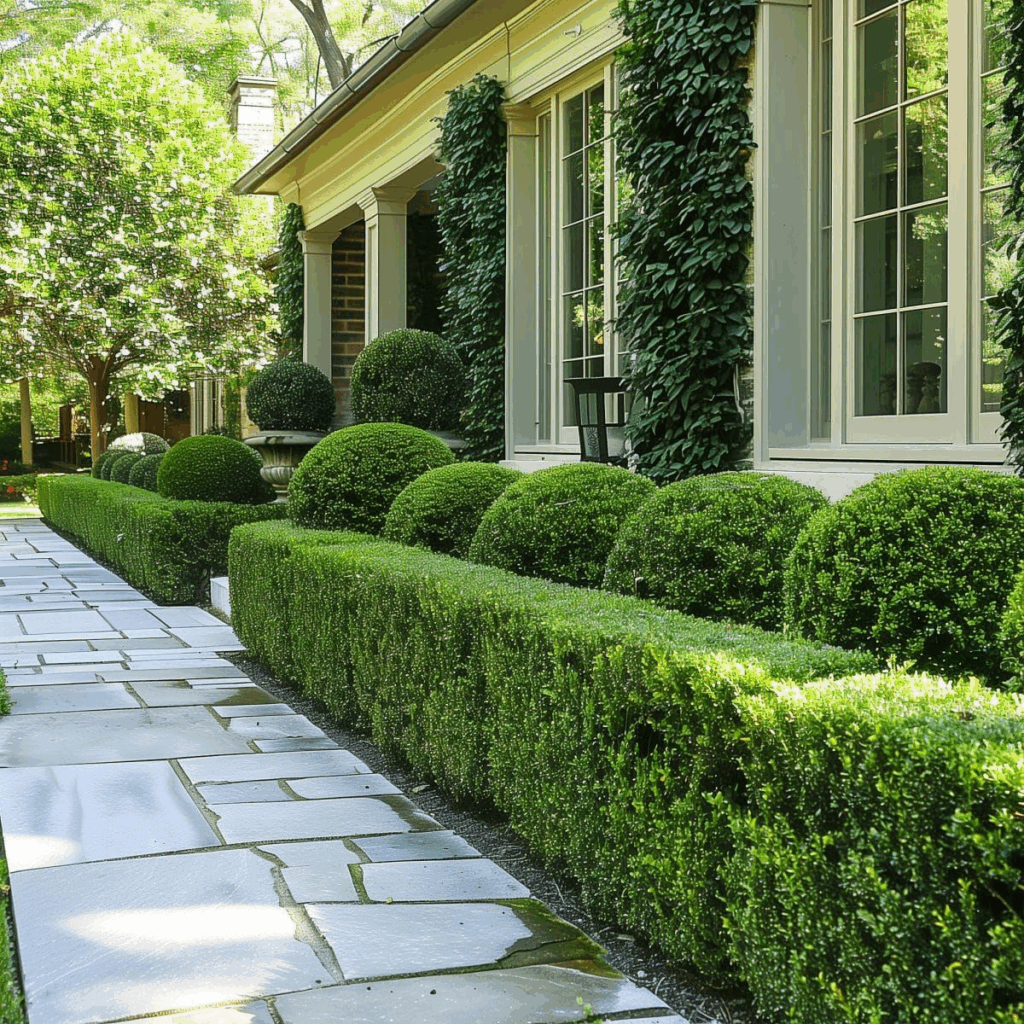
Symmetry always feels timeless in garden design, and boxwood parterre grids capture this principle with sharp definition. Clipped low hedges form square or diamond enclosures, giving each segment a clear purpose. Within these shapes, homeowners often introduce gravel, seasonal flowers, or decorative mulch to highlight contrast against the evergreen backdrop. The structural clarity of a parterre not only guides the eye but also adds a refined rhythm to front yards or courtyard landscapes. Historically seen in European estates, this style has transitioned smoothly into modern homes seeking organized charm. The key lies in consistent trimming schedules, ensuring each boxwood section remains precise throughout the year. Low-maintenance plant choices inside the grids, such as lavender or creeping thyme, can provide both fragrance and pollinator-friendly benefits. Parterre grids work particularly well for properties with formal architecture, where geometry complements clean lines of windows and pathways. Even smaller suburban lots can integrate a simplified pattern to maximize elegance without overwhelming available space. When paired with gravel walkways or stone borders, these grids look as if drawn with a ruler, delivering balance and longevity. For anyone wanting order and visual structure, parterre grids stand as a reliable way to ground landscaping in both beauty and practicality.
Layered Globe & Pyramid Mix
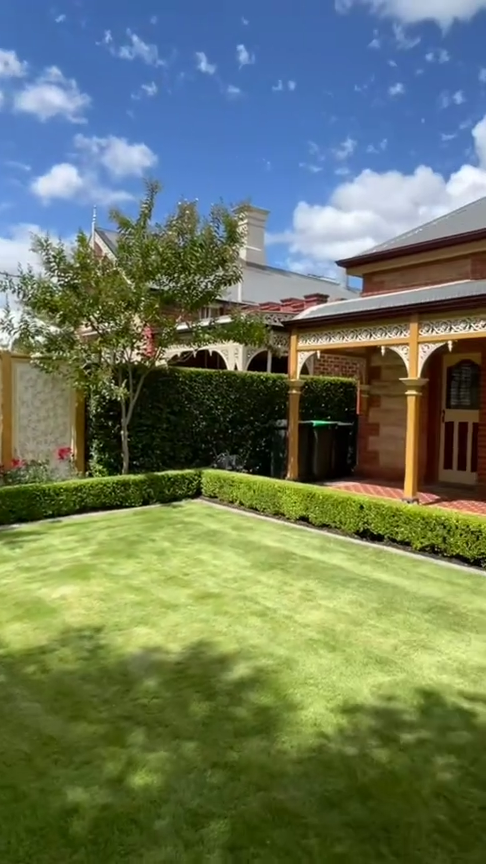
Contrasts in form bring intrigue, and boxwood’s adaptability allows designers to experiment with geometric layers. Combining spheres with pyramids creates a sculptural rhythm, where rounded softness balances sharp triangular lines. This mix is often arranged in progressive heights, leading the eye from low to tall elements along driveways, patios, or garden entrances. The juxtaposition gives the setting both playfulness and authority, making it equally suitable for contemporary or traditional landscapes. Careful pruning ensures clarity of shape, requiring multiple trims per season to retain symmetry and prevent overgrowth. Gardeners frequently integrate stone urns or gravel bases beneath these plantings, allowing the topiary forms to shine without distraction. Placing globes and pyramids in alternating rows creates an avenue-like effect, guiding movement and highlighting focal points such as fountains or doorways. In smaller yards, just two or three layered elements can anchor a sitting area or frame a bench with sophistication. During winter months, the evergreen color maintains presence even when surrounding plants are dormant, making this style versatile across seasons. With discipline in maintenance, layered boxwood topiary becomes living architecture, turning simple shrubs into enduring design statements that reflect both creativity and craftsmanship in outdoor spaces.
Topiary Gate Flankers
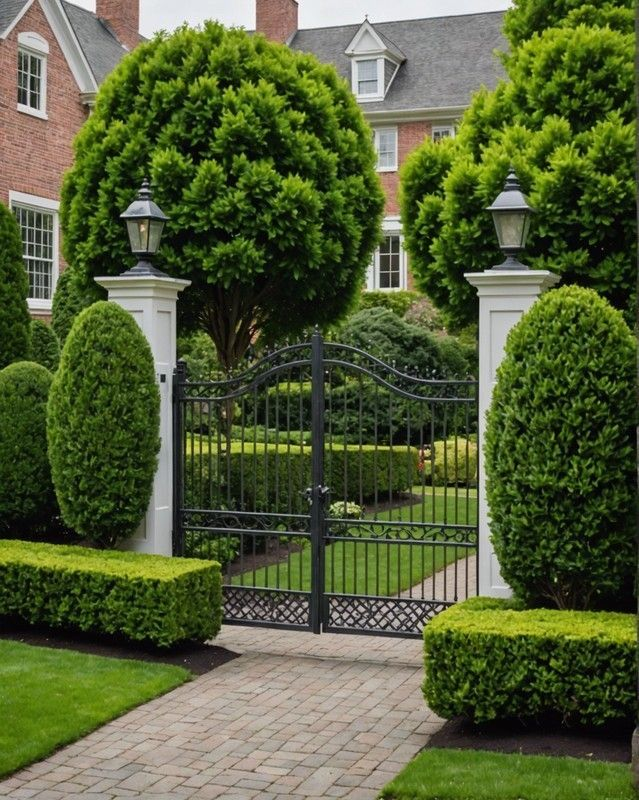
First impressions often begin at the gate, and boxwood topiary flankers set the tone with a sense of grandeur. By shaping shrubs into symmetrical forms such as spheres, spirals, or tiered cones, entrances gain an immediate formality. These living sculptures stand guard like sentinels, drawing attention to walkways or driveways while framing the property boundary. The technique has roots in classical garden traditions where order and symmetry symbolized control over nature. Today, the approach works just as well for suburban homes seeking curb appeal. When paired with wrought iron or wooden gates, the structured greenery softens hard edges and adds lasting charm. To maintain crisp outlines, trimming should be performed at least three times during the growing season, preventing boxwood from losing its sculpted shape. Flankers also lend themselves to accent lighting, where soft illumination highlights curves and shadows at night. Seasonal planters can be positioned nearby for added color, ensuring variety without detracting from the sculptural green forms. Beyond pure aesthetics, these topiaries communicate care and intentionality, signaling a thoughtfully maintained property. For homeowners who want their entrances to look refined yet welcoming, boxwood gate flankers offer a practical and visually striking solution that elevates daily arrivals and departures.
Boxwood Maze Miniature

Playfulness in the garden can be achieved without overwhelming space by using miniature boxwood mazes. Unlike expansive hedge labyrinths in historical estates, scaled-down versions provide both charm and manageability. These mazes typically range between knee and waist height, creating pathways that intrigue visitors while remaining accessible. Children delight in weaving through the twists, while adults appreciate the structured artistry. Placing a small statue, birdbath, or sundial at the center offers a focal destination and encourages exploration. In urban yards where space is limited, miniature mazes can be installed within rectangular beds or alongside patios, maximizing design impact without requiring acres of land. Boxwood’s dense foliage ensures walls remain opaque, enhancing the sense of mystery despite reduced scale. Maintenance remains essential, with precise trimming keeping the lines sharp and preventing encroachment. Gravel paths between hedges allow for clean walking surfaces and effective drainage. Seasonal flowers around the perimeter can frame the maze with color, while solar lights tucked discreetly along the edges extend usability into evening hours. Beyond visual interest, miniature boxwood mazes serve as conversation pieces, blending playful whimsy with classical heritage. They prove that structured gardens need not be grand in scale to inspire wonder and delight.
Tiered Scene Sculpting
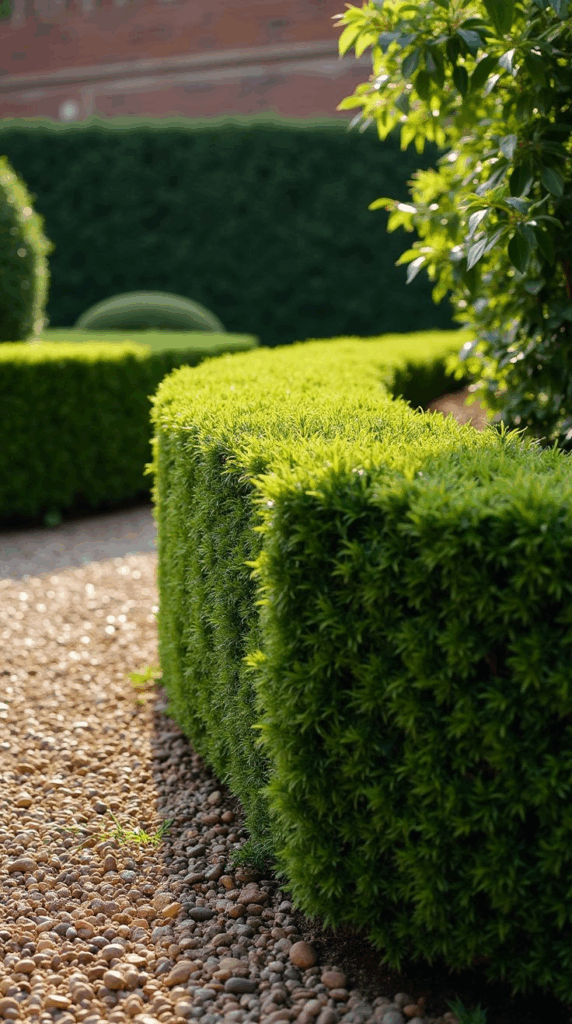
Visual drama often comes from varying heights, and tiered boxwood sculpting introduces dynamic layers into outdoor spaces. Designers frequently arrange shrubs in concentric circles, terraces, or ascending pyramids, producing depth and hierarchy within the landscape. This method transforms flat ground into a living stage where each tier contributes to the overall composition. Lower levels might remain as clean spheres, while higher tiers taper into conical points, ensuring variation without disorder. Terraced backyards especially benefit, as boxwoods naturally reinforce retaining walls or staircases with greenery. The symmetry of tiered plantings creates balance, making them suitable for both traditional courtyards and modern architectural settings. To maintain definition, pruning schedules must remain consistent, with attention given to proportion so smaller tiers do not become engulfed. Mulching around bases prevents weed competition and highlights sculptural clarity. Accent lighting from below can dramatize layered silhouettes at night, turning shrubs into focal landmarks. Seasonal plants in between tiers, such as tulips or pansies, bring splashes of temporary color against the permanent green foundation. Tiered sculpting demonstrates how structured repetition and height contrast can elevate even modest gardens, providing architectural character and long-term resilience through boxwood’s evergreen qualities.
Boxwood & Rock Meditative Beds

Calmness emerges when greenery meets stone, and boxwood paired with rocks creates a balanced, meditative design. This approach borrows from Zen gardens, where simplicity and order convey serenity. Low-clipped boxwood borders outline gravel or pebble beds, while larger boulders act as grounding anchors. The evergreen texture contrasts beautifully with smooth stone surfaces, producing a landscape that feels intentional and restful. Designers often use white gravel or river pebbles to amplify brightness, while darker lava rock adds depth and warmth. Within these beds, pathways can be formed using steppingstones, guiding movement while maintaining the tranquil mood. Water features such as small fountains or reflective basins integrate seamlessly, complementing the quiet nature of the composition. Maintenance involves periodic pruning and refreshing gravel to prevent weed intrusion, ensuring the setting remains crisp and uncluttered. These designs thrive in both compact courtyards and larger outdoor sanctuaries, giving homeowners a dedicated retreat for reflection. Lighting tucked discreetly at the base of rocks can highlight textures after sunset, enhancing the meditative aura. By blending boxwood with natural stone, landscapes gain permanence and balance, offering homeowners not just visual structure but also a daily invitation to pause and breathe in their private outdoor sanctuary.
Driveway Ribbon Borders
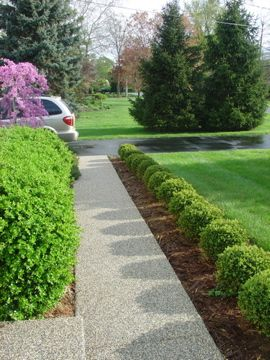
Clean lines flanking a driveway instantly heighten curb appeal, and boxwood ribbon borders deliver this effect with lasting precision. Trimmed in narrow rows, these hedges run parallel along both sides, functioning like living green stripes that guide vehicles and visitors toward the home. Their compact growth habit makes them resistant to road dust and adaptable to various climates, ensuring year-round greenery. Beyond aesthetics, ribbon borders subtly protect gravel or paver edges from erosion, keeping driveways neat and contained. Designers sometimes alternate boxwood with seasonal flowering strips, giving homeowners color variation while maintaining structural discipline. When illuminated with low-voltage path lighting, the borders double as safe navigation markers after dusk. Regular trimming is essential, as consistency of height and thickness defines the ribbon effect. Mulching the base prevents weed intrusion and supports healthy growth. Ribbon borders also integrate well with wider landscaping schemes, seamlessly connecting entryways, lawns, and gardens. Even narrow urban driveways benefit, as the orderly greenery softens concrete expanses and creates visual balance. For homeowners seeking an understated yet impactful design, boxwood ribbon borders provide both practicality and timeless appeal, transforming driveways into more than just functional passages but visually framed experiences.
Artful Row Statement
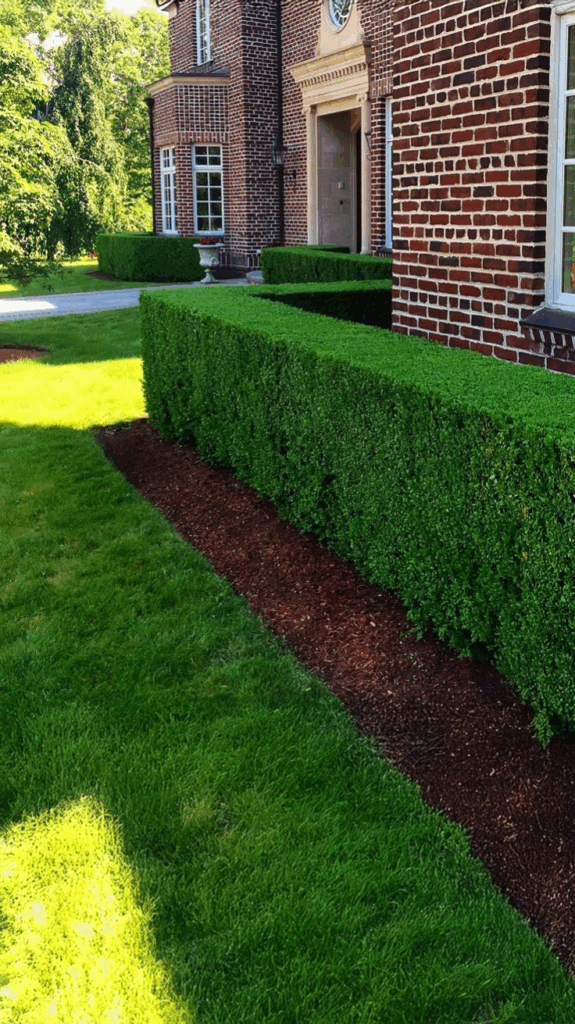
Repetition makes a strong visual impact, and arranging boxwood in continuous rows turns hedges into artful statements. These rows often border walkways, garden beds, or patios, lending rhythm and symmetry to otherwise flat spaces. The density of boxwood foliage ensures a uniform look that feels deliberate rather than accidental. Designers sometimes stagger rows of varying heights, producing a layered perspective without clutter. When paired with gravel or stone edging, the contrast sharpens the geometry, making the greenery stand out. Artful rows can also act as low fences, defining outdoor rooms without heavy structural barriers. Seasonal perennials planted behind the hedges introduce bursts of color, while the evergreen shrubs maintain order year-round. Maintenance is straightforward: regular shearing keeps the tops level and the sides flush, preserving the intended line. Lighting along rows can dramatize their sculptural quality after sunset, especially when shadows fall in repeating patterns. Whether outlining a vegetable patch, surrounding a terrace, or framing a poolside retreat, boxwood rows communicate intentionality and elegance. Their simplicity allows them to adapt to both classic and modern gardens, proving that disciplined repetition has the power to transform greenery into living architecture that endures across seasons.
Hidden Nook Screens

Privacy often defines comfort outdoors, and boxwood screens provide a natural way to carve out hidden nooks. By arranging taller boxwoods in clusters or staggered formations, gardeners create intimate alcoves shielded from surrounding views. These spaces serve as perfect reading corners, meditation spots, or secluded dining areas, offering a retreat within the landscape. Unlike rigid fences, boxwood adds softness and greenery while still delivering effective screening. For maximum impact, shrubs are planted close together, their dense growth forming opaque walls over time. Gardeners may incorporate archways or small entry gaps, giving the nook a sense of invitation without revealing too much. Gravel or flagstone flooring complements the green enclosure, keeping the ground tidy while reinforcing the cozy feel. Lighting tucked into the base of hedges provides gentle evening illumination, ensuring usability after dark. To keep screens effective, trimming schedules must maintain straight vertical lines, preventing gaps that compromise privacy. Seasonal accents such as potted flowers or lanterns can be added without disturbing the structured foundation. Hidden boxwood screens not only solve practical challenges of seclusion but also introduce mystery and surprise into the garden, encouraging exploration and creating personal retreats that blend functionality with elegance.
Arched Living Walkways

Garden paths achieve greater drama when overhead greenery frames the journey, and boxwood arched walkways make this possible with sculpted structure. By training shrubs into curved forms that meet above head height, designers craft tunnels of foliage that guide movement and heighten anticipation. The living archway transforms simple pathways into experiences, whether leading to a patio, courtyard, or garden centerpiece. These arches often pair with climbing vines or seasonal blooms woven through the structure, introducing color and fragrance alongside evergreen stability. For added effect, lighting woven discreetly along the underside highlights the curves at night, casting enchanting shadows. Maintenance requires careful pruning to keep symmetry consistent, as even slight irregularities can disrupt the visual flow. Gravel or cobblestone paths beneath the arches reinforce the sense of old-world charm, while modern homes might use sleek pavers for contrast. In small gardens, even a single archway offers dramatic impact, serving as a gateway between outdoor “rooms.” Larger properties may line multiple arches in succession for a tunnel-like passage. Arched living walkways embody both artistry and functionality, proving that greenery can act as both structure and ornament, enriching landscapes with elegance and immersive charm across all seasons.
Seasonal Display Anchors
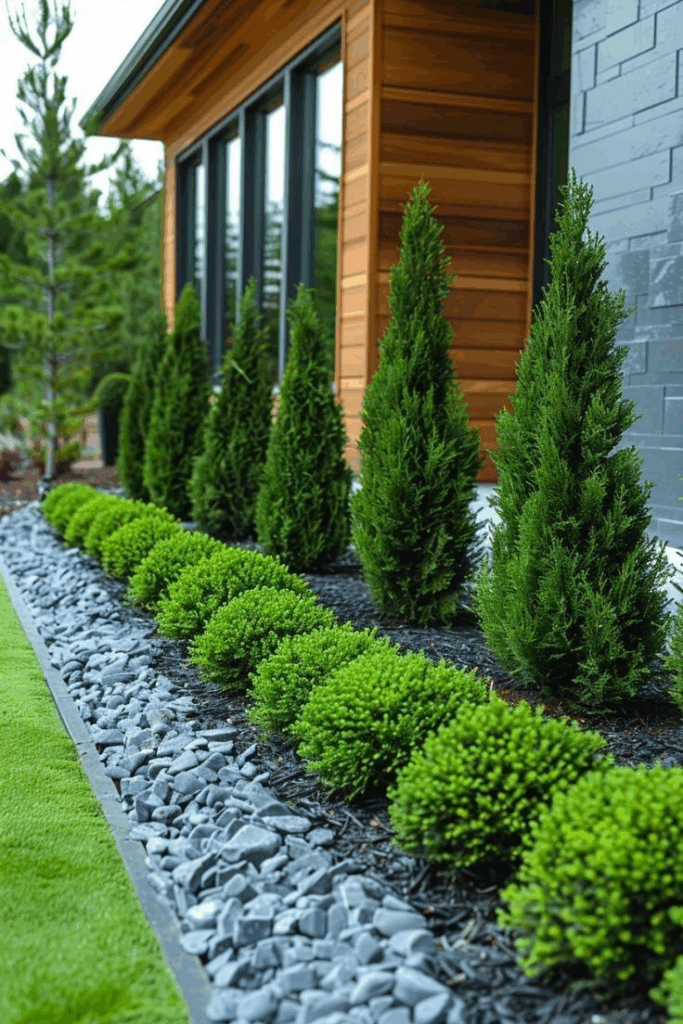
Year-round interest relies on strategic focal points, and boxwood serves as a dependable anchor for seasonal displays. Its evergreen stability provides the backdrop against which changing accents shine. During spring, tulips or daffodils planted at the base contrast vibrantly with structured green forms. In summer, vibrant annuals such as geraniums or petunias add bursts of color, while fall welcomes pumpkins and ornamental cabbages nestled around the shrubs. Winter decor might include twinkling lights or decorative urns placed beside the clipped greenery, ensuring appeal even in dormant months. Anchors can take the form of spheres, cones, or tiered topiary positioned at corners, entryways, or courtyard intersections. Their role is to provide permanence, grounding the design while allowing flexible embellishment throughout the year. Maintenance involves shaping the boxwood consistently to ensure seasonal accents don’t overpower their form. Mulch and proper irrigation sustain health across varied climates. This approach proves especially valuable for homeowners who enjoy refreshing their landscape frequently without reworking core design. Seasonal anchors demonstrate the versatility of boxwood: they provide structural permanence while inviting creativity, making gardens feel dynamic and alive as the calendar progresses, yet always rooted in timeless, dependable greenery.
Contrast Minimalist Frames

Clarity of design often lies in restraint, and boxwood minimalist frames highlight architecture and pathways with quiet precision. By forming narrow, straight-edged hedges around patios, lawns, or garden beds, the greenery functions like a living picture frame. The dense foliage provides definition without unnecessary ornamentation, making surrounding features stand out. For modern properties, this style complements clean architectural lines, while in traditional homes, it lends order without distraction. Designers often integrate stone pavers, gravel, or grass inside these frames, letting the central surface contrast with the hedge border. Because boxwood maintains its green year-round, the framed effect persists across all seasons, ensuring consistent curb appeal. Maintenance centers on tight shearing to keep edges crisp, requiring attention every few months during active growth. Low-voltage lighting set along the base sharpens the linearity at night, creating glowing outlines that emphasize structure. Minimalist frames work equally well on large estates and compact urban gardens, proving that scale does not diminish their impact. For homeowners seeking elegance through simplicity, boxwood framing offers a disciplined yet flexible solution, transforming ordinary outdoor areas into curated spaces that look intentional, balanced, and enduringly stylish.