
Holiday decor sets expectations before guests step further into the home, making the entryway especially sensitive to missteps during seasonal styling. Overcrowding, poor lighting balance, clashing colors, or oversized decorations can quickly turn festive intent into visual chaos. Since entryways are often small and high-traffic, mistakes here disrupt flow and reduce functionality. Seasonal elements should enhance warmth without blocking movement or overwhelming existing design. Understanding common holiday decor errors helps homeowners create a welcoming first impression that feels intentional rather than rushed. This guide highlights where entryway holiday styling often goes wrong and explains how thoughtful adjustments can deliver festive charm while keeping the space practical, balanced, and inviting throughout the season.
Overcrowding the Entryway
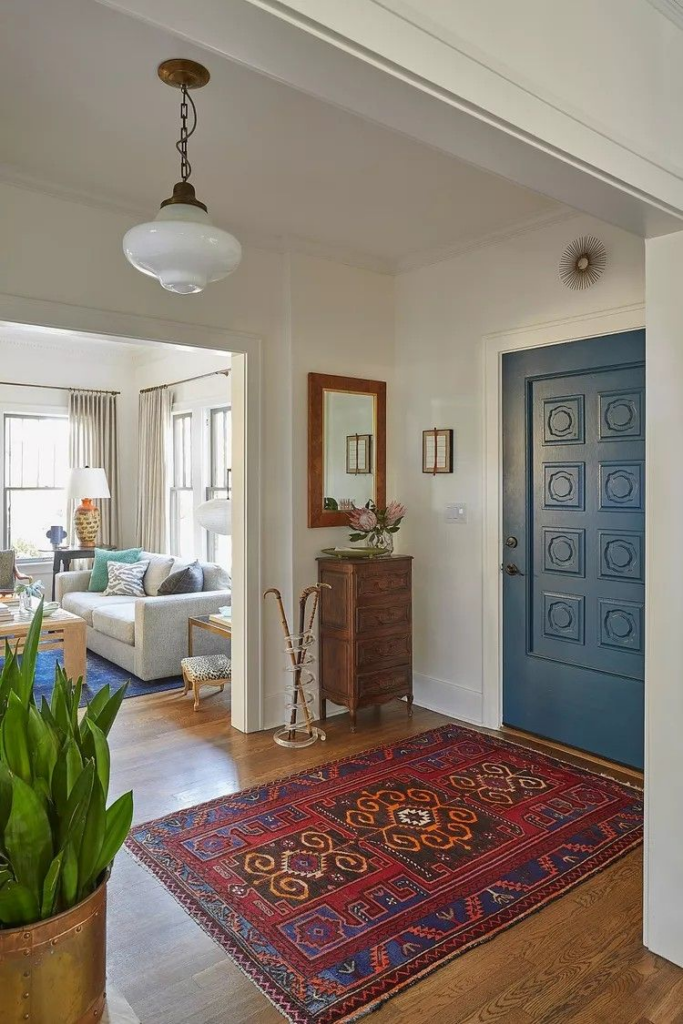
Holiday enthusiasm often leads to excessive decorative additions that overwhelm the entryway and disrupt its primary purpose. When too many items compete for limited square footage, movement becomes restricted and the space immediately feels stressful rather than welcoming. Large wreaths paired with multiple floor accents, stacked baskets, oversized lanterns, and extra furniture pieces quickly eliminate clear walking paths. This mistake is especially noticeable in smaller foyers where every inch matters. Overcrowding also makes routine tasks like removing shoes, hanging coats, or opening doors unnecessarily difficult during high-traffic holiday periods. Visual clutter further reduces the impact of individual decor pieces, causing even beautiful items to appear chaotic instead of intentional. A crowded entryway collects dirt faster, increases tripping risks, and complicates cleaning during winter weather. Seasonal decor should enhance function, not interfere with it. Thoughtful editing allows each element to breathe while maintaining an organized appearance. Selecting fewer, well-scaled accents creates balance and preserves flow. Leaving open floor space supports safer movement for guests carrying packages or wearing bulky outerwear. A streamlined layout ensures holiday decor feels festive without sacrificing practicality, allowing the entryway to remain efficient, visually calm, and genuinely inviting throughout the season.
Blocking the Door Swing
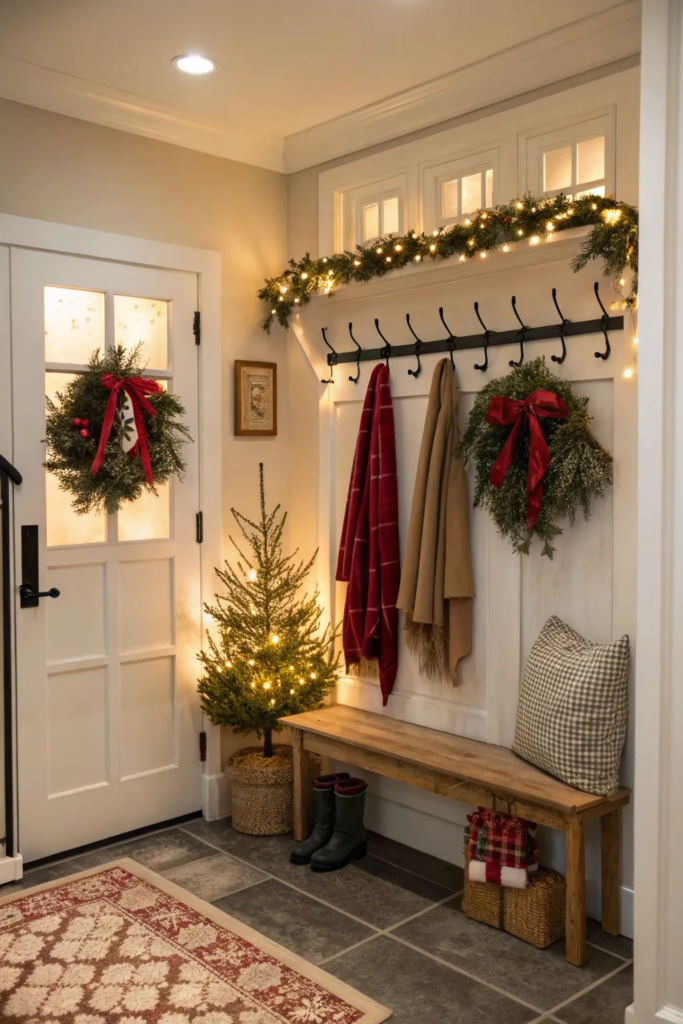
Limited awareness of door clearance often leads to decor placement that interferes with proper door operation. When benches, baskets, trees, or lanterns obstruct the swing path, daily entry becomes awkward and potentially unsafe. This issue is particularly common during the holidays when temporary items are added without considering functional zones. Doors that cannot open fully restrict airflow, complicate moving items in and out, and increase wear on hinges and hardware. Guests juggling coats or gifts may struggle to enter smoothly, creating frustration at the very first point of contact with the home. Blocked door swings also raise safety concerns during emergencies when quick exits matter. Seasonal accents positioned too close to hinges or handles often suffer damage from repeated contact. Scratches, dents, and broken decor become unavoidable results of poor spacing. Maintaining adequate clearance ensures usability remains intact while still allowing decorative expression. Measuring the full arc of door movement before placing any items prevents this common mistake. Thoughtful positioning supports comfort, efficiency, and longevity of both decor and architectural elements. A functional entry that opens freely establishes a positive tone while preserving ease of use throughout the busy holiday season.
Ignoring Vertical Space
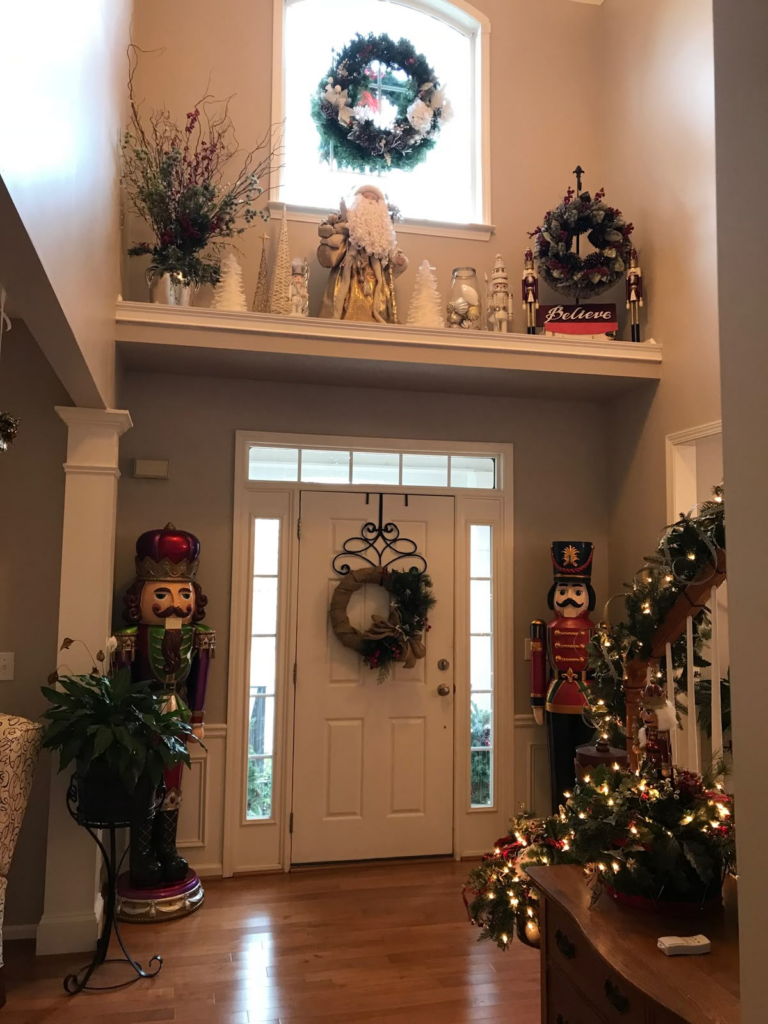
Horizontal surfaces frequently receive all the attention during holiday decorating, leaving valuable vertical areas unused. When walls remain bare while floors become cluttered, the entryway feels unbalanced and visually heavy at ground level. Overlooking vertical space forces decor to occupy walkways, reducing functionality and increasing congestion. Hooks, narrow shelving, and wall-mounted accents offer opportunities to display seasonal touches without sacrificing movement. Failing to utilize height also limits visual interest, making the space appear shorter and more confined. Tall ceilings or unused wall sections provide ideal locations for wreaths, garlands, framed art, or subtle lighting features. Vertical placement draws the eye upward, creating a sense of openness even in compact entries. Practical benefits include keeping items off the floor, improving organization, and supporting cleaner surfaces during wet winter months. Without vertical solutions, coats and accessories often end up piled on chairs or consoles, compounding clutter. Strategic wall use balances decoration with function, allowing seasonal style to coexist with everyday needs. A well-considered vertical approach enhances proportion, improves flow, and maintains a polished appearance throughout the holidays while protecting valuable floor space from unnecessary obstruction.
Using Slippery Rugs
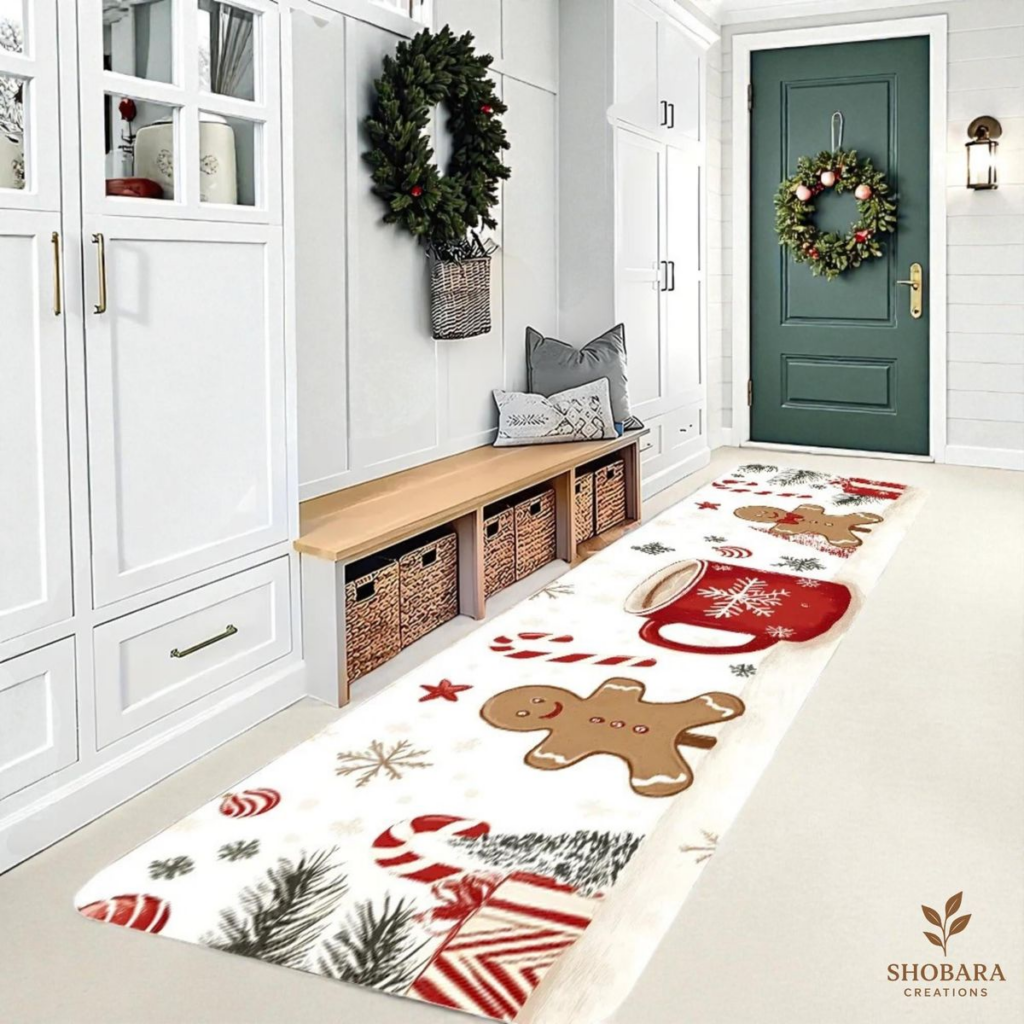
Seasonal rugs often introduce safety hazards when material and backing are overlooked. Smooth fibers, thin weaves, or unsecured runners can slide easily on hard flooring, increasing the risk of slips during winter months. Moisture from snow, rain, or wet shoes further amplifies this danger, especially in busy households. Decorative appeal alone should never outweigh traction and stability in an entryway. Rugs without proper grip tend to shift out of place, creating uneven edges that catch toes or bunch underfoot. This issue becomes more pronounced when guests move quickly or carry items inside. Improper rug selection also accelerates wear, as constant repositioning stresses fibers and edges. Non-slip pads, rubber-backed options, or low-pile textures provide better performance in high-traffic zones. Choosing materials designed for durability and moisture resistance supports both safety and longevity. Rugs should sit flat, stay anchored, and allow doors to clear without interference. A secure surface promotes confidence when entering the home and reduces maintenance concerns throughout the season. Thoughtful rug choices protect floors, enhance comfort, and prevent avoidable accidents while still contributing warmth and seasonal character to the entryway.
Overdoing Seasonal Colors

Overdoing Seasonal palettes can quickly overwhelm an entryway when too many bold colors are introduced at once. Excessive use of bright reds, greens, or metallics often clashes with existing finishes, creating visual noise rather than festive charm. Saturated tones layered across rugs, wall decor, accessories, and textiles diminish cohesion and distract from architectural features. When seasonal colors dominate every surface, the space may feel temporary and unrefined instead of thoughtfully styled. This approach also limits versatility, making it harder to transition decor after the holidays. Strong hues reflect light differently, sometimes exaggerating shadows or making small entries feel more confined. Subtle accents integrated into an established color scheme maintain balance while still signaling the season. Neutral foundations paired with restrained festive touches provide warmth without overwhelming the senses. Overuse of color can also appear dated or themed, reducing the timeless appeal of the space. A measured palette ensures holiday elements complement rather than compete with permanent design choices. Visual harmony supports a welcoming atmosphere that feels intentional and polished. Controlled color use enhances longevity, flexibility, and overall aesthetic clarity throughout the holiday period.
Poor Lighting Choices
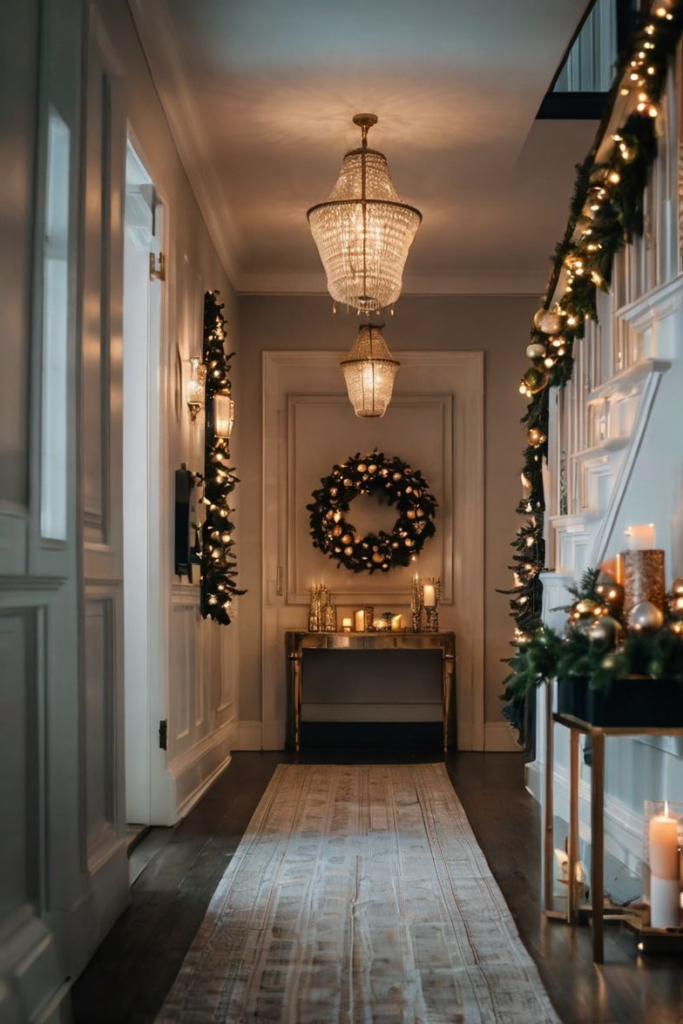
Inadequate or poorly planned lighting undermines both function and atmosphere in the entryway during the holidays. Relying solely on harsh overhead fixtures creates glare, deep shadows, and an uninviting first impression. Seasonal decor often introduces darker tones or layered textures that require thoughtful illumination to remain visually clear. Insufficient lighting makes navigation difficult, especially during shorter winter days and evenings. Dim or uneven light can obscure steps, footwear, and obstacles, increasing accident risks. Decorative string lights used without balance may appear cluttered or fail to provide usable brightness. Lighting temperature also matters; overly cool bulbs can drain warmth from festive accents, while inconsistent tones disrupt cohesion. Layered lighting strategies offer better results, combining ambient, task, and accent sources. Wall sconces, table lamps, or subtle uplighting enhance depth without overpowering the space. Proper illumination highlights decor while maintaining practical visibility. Well-chosen lighting supports safety, showcases design details, and creates a welcoming transition from outdoors. Thoughtful planning ensures the entryway remains functional, comfortable, and visually appealing throughout the holiday season.
Forgetting Storage Function

Seasonal decor often displaces essential storage elements, reducing the entryway’s ability to handle daily needs. When hooks, cabinets, or benches become blocked by decorative items, coats and shoes quickly accumulate in disorganized piles. This oversight creates clutter that undermines the intended festive atmosphere. Functional storage supports efficiency, especially during holidays when guests, packages, and outerwear increase. Ignoring storage needs forces temporary solutions that feel messy and inconvenient. Decorative baskets without capacity planning may look appealing but fail to contain real-world items. Lack of accessible storage also slows entry and exit routines, causing congestion in busy households. Holiday accents should work around essential systems, not replace them. Maintaining clear access to drop zones preserves order while allowing decor to remain intentional. Multi-purpose pieces that combine storage and seasonal styling provide practical advantages. Without thoughtful planning, the entryway becomes a bottleneck rather than a welcoming threshold. Prioritizing function ensures the space handles increased activity smoothly. Storage-conscious decorating supports organization, cleanliness, and comfort while allowing festive elements to enhance rather than disrupt everyday use.
Mismatched Decor Scale

Disproportionate decor elements disrupt visual balance and make entryways feel awkward or incomplete. Oversized pieces in small spaces dominate sightlines, while tiny accents disappear in larger foyers. Scale mismatches often occur when holiday items are added impulsively without considering existing proportions. A large tree crammed into a narrow entry restricts movement, while undersized wall decor leaves tall walls feeling empty. Inconsistent sizing creates a disjointed look that lacks cohesion and intention. Furniture, lighting, and accessories should relate to one another in height, width, and visual weight. Poor scale choices also affect function, as bulky items interfere with circulation or door clearance. Balanced proportions allow decor to complement architectural features rather than compete with them. Evaluating ceiling height, wall width, and floor space before selecting accents prevents common mistakes. Well-scaled elements create harmony, improve flow, and enhance comfort. When proportions align, even minimal decor feels impactful. Thoughtful attention to scale supports a refined, professional appearance that maintains visual clarity and usability throughout the holiday season.
Skipping a Clear Focal Point
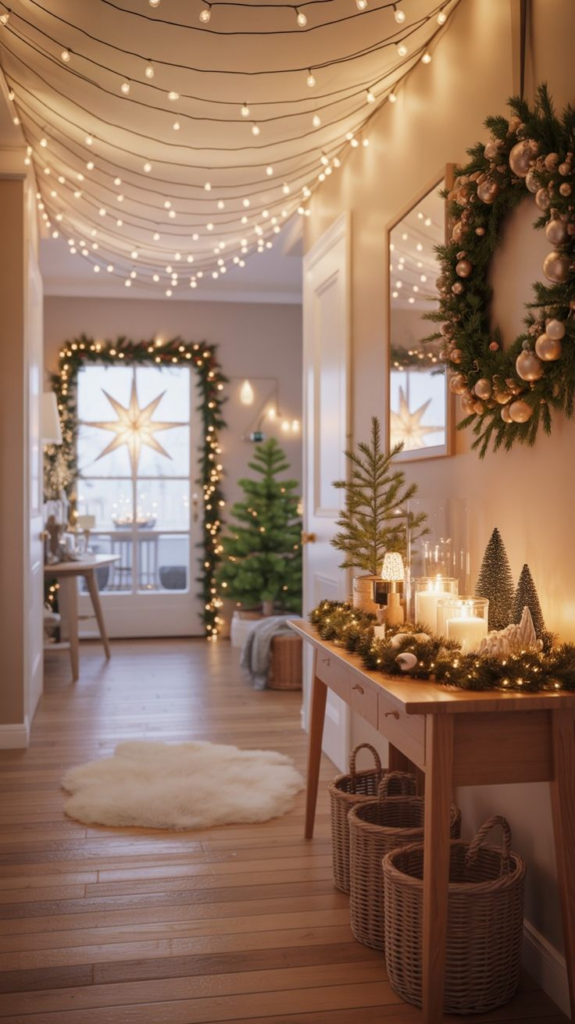
Without a defined focal point, holiday decor in the entryway feels scattered and directionless. Multiple small accents placed randomly fail to guide the eye or establish visual hierarchy. This lack of focus makes the space appear cluttered, even when few items are present. A focal point anchors the design and provides a reference for supporting elements. Common options include a mirror, artwork, statement light, or centered seasonal arrangement. Skipping this step causes decor to compete rather than coordinate. Guests may struggle to visually process the space, reducing its impact. A strong focal element creates order and intention, allowing secondary pieces to enhance rather than distract. Without it, styling decisions feel arbitrary and incomplete. Establishing a central feature also simplifies decorating choices, preventing overuse of accessories. The focal point should align with the scale and function of the entryway. Clear emphasis supports balance, flow, and visual calm. When properly defined, the entryway feels welcoming, organized, and cohesive throughout the holiday season, offering a confident first impression that reflects thoughtful planning.
Neglecting Weather Practicality
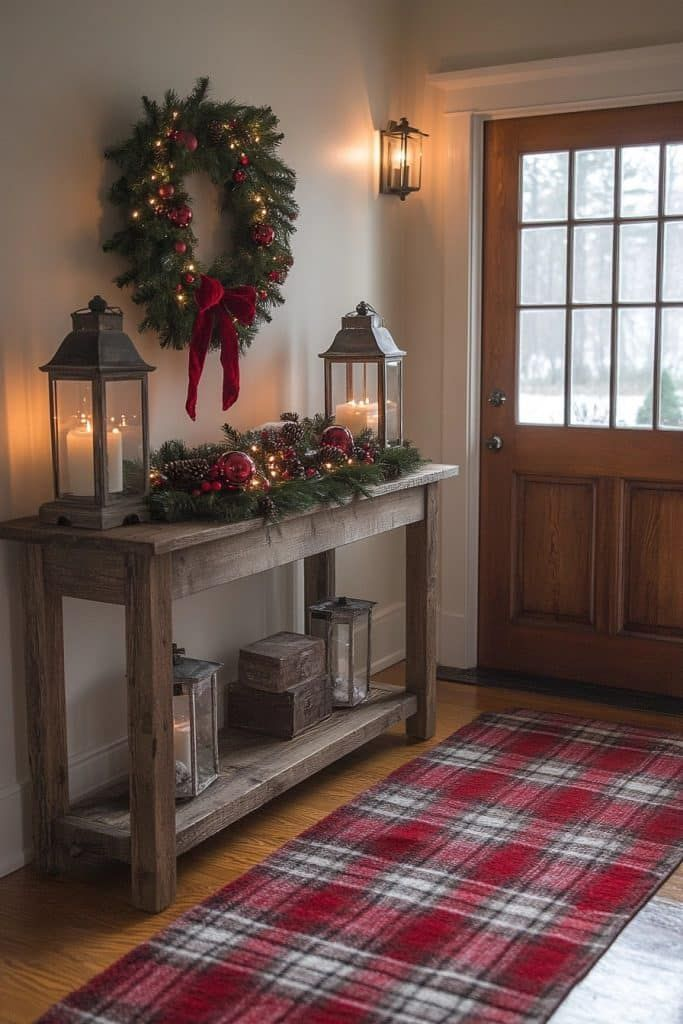
decor often prioritizes appearance while overlooking seasonal weather demands. Winter conditions introduce moisture, dirt, and temperature changes that entryways must handle daily. Delicate textiles, untreated wood, or porous materials deteriorate quickly when exposed to wet boots and cold air. Decorative items placed near doors may warp, stain, or crack under fluctuating conditions. Ignoring weather practicality increases maintenance and replacement costs. Slippery floors and soggy mats create safety hazards for residents and guests. Entryways require durable surfaces, absorbent materials, and easy-clean solutions during this time. Decor should withstand heavy use without compromising performance. Weather-appropriate choices support longevity and reduce stress during high-traffic periods. Protective layers such as trays, mats, or sealants preserve both decor and flooring. Failure to plan for seasonal realities results in cluttered, damaged, and unsafe spaces. Practical awareness ensures the entryway remains functional and presentable despite outdoor conditions.
Using Fragile Decor at Floor Level
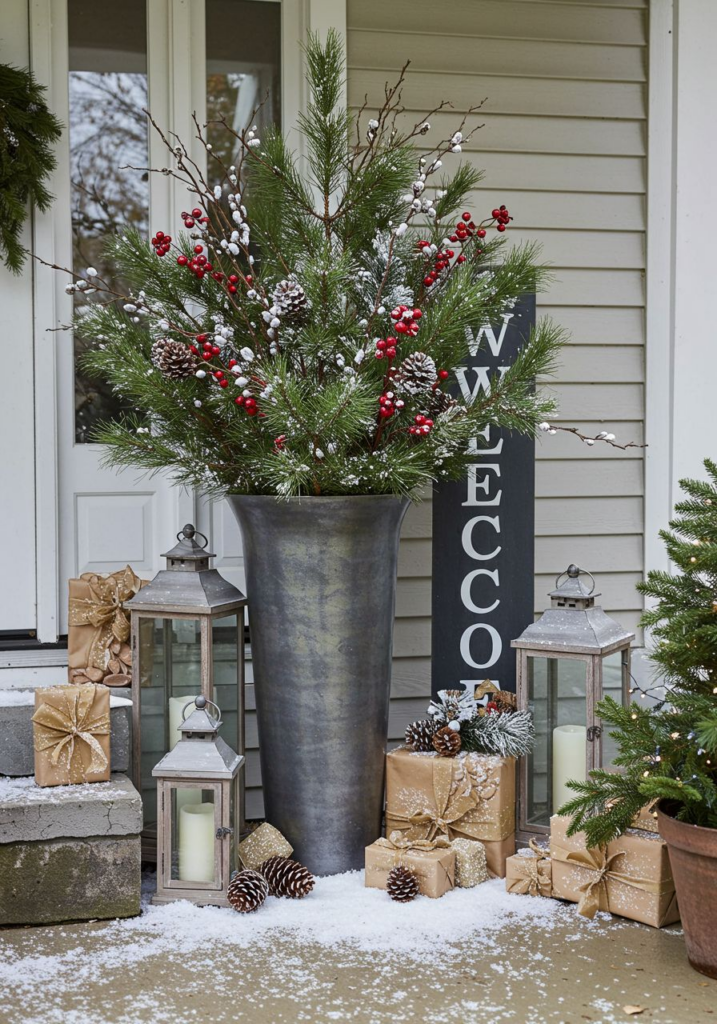
Placing delicate items near the floor exposes them to constant risk in busy entryways. Foot traffic, pets, children, and dropped items increase the likelihood of damage. Fragile decor positioned low often becomes an obstacle rather than an enhancement. Glass, ceramics, and lightweight objects are especially vulnerable during holiday gatherings. Breakage creates safety hazards and disrupts the visual flow of the space. Floor-level placement also competes with functional needs like shoe storage and walking clearance. Items intended for display quickly collect dirt, moisture, and scuff marks in this location. Elevating fragile accents onto shelves or consoles protects them while improving visibility. The entryway requires durable, stable elements at ground level to support daily use. Ignoring this principle leads to frustration and frequent replacements. Strategic placement ensures decor remains intact and purposeful. Choosing resilient materials for lower zones preserves both safety and aesthetics. Thoughtful arrangement balances beauty with practicality, allowing the entryway to function smoothly during the active holiday season.
Forgetting Scent Control
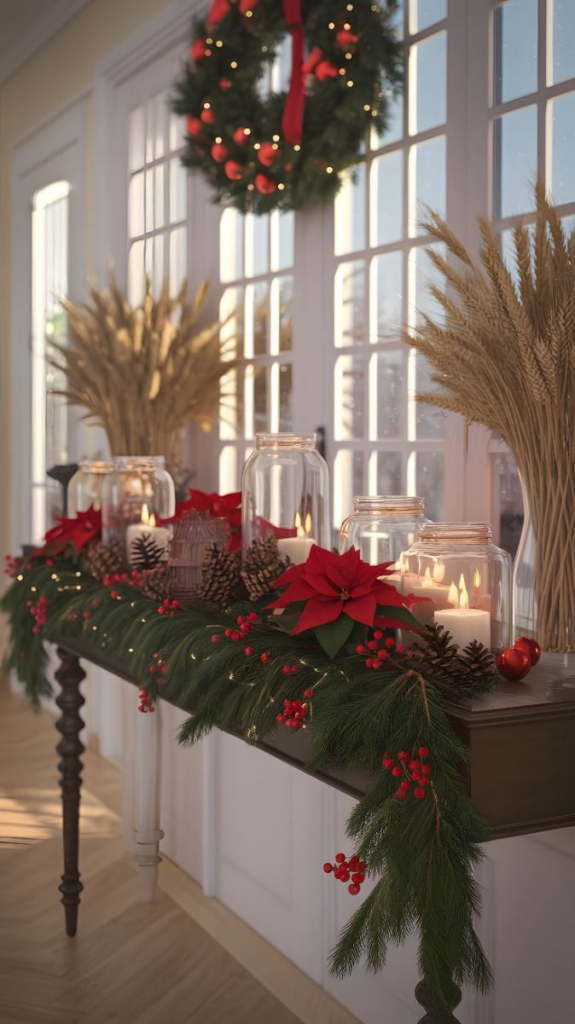
Unmanaged odors undermine even the most visually appealing holiday entryway. Wet shoes, coats, and outdoor air introduce lingering smells that accumulate quickly in enclosed spaces. Seasonal decor such as greenery or candles may add fragrance but often fails to address underlying issues. Overpowering scents layered without balance can become unpleasant rather than inviting. Entryways require neutralization before enhancement. Without proper airflow or odor control, the space may feel stale or heavy. Guests form immediate impressions based on scent as well as appearance. Ignoring this element diminishes comfort and perceived cleanliness. Practical solutions include ventilation, absorbent materials, and subtle scent sources designed for high-traffic areas. Strong fragrances should never mask functional problems. Maintaining freshness supports a welcoming environment throughout frequent comings and goings. Consistent scent management reinforces order and care. When addressed thoughtfully, the entryway feels clean, calm, and hospitable, completing the sensory experience of holiday decor with understated effectiveness.