
A refreshed layout can significantly influence focus, comfort, and overall workflow, making the decision to rearrange your home office an impactful step toward better productivity. Even small adjustments—such as repositioning the desk for natural light, improving storage flow, or decluttering high-traffic zones—can create a more supportive environment for daily tasks. Rearranging also helps uncover wasted space, streamline movement, and introduce a sense of clarity that boosts motivation. This guide shares practical, expert-backed ideas that help readers rethink their workspace with intention, ensuring the new setup feels efficient, well-organized, and tailored to both professional demands and personal comfort.
Window-Facing Minimalist Desk Layout
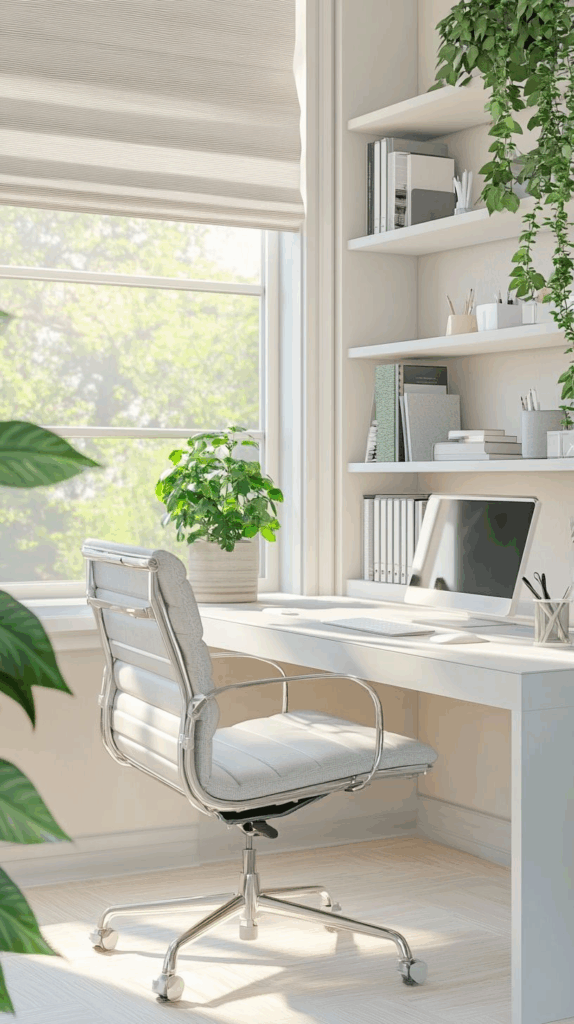
Morning light naturally shapes a workspace when the desk is oriented toward a window, making tasks feel clearer and more manageable. This arrangement reduces eye strain, improves alertness, and supports steady productivity throughout the day. By keeping the desktop intentionally restrained, only essential tools remain in sight, allowing mental focus to sharpen without visual distractions. Slim organizers, a narrow laptop stand, and a clean cable route ensure the setup stays visually calm. Natural textures—such as pale woods or muted fabric accessories—soften the overall mood without overwhelming the simplicity. Window height and direction also matter: a lower sill invites an open view, whereas a taller frame channels soft, dispersed light ideal for reading or digital work. When paired with breathable curtains or adjustable blinds, the desk environment stays comfortable during bright afternoons or cloudy hours. Airflow from a slightly opened window improves comfort during long sessions, making the space feel fresher and more grounded. A compact plant or a low-profile sculpture can add a quiet personal touch while keeping the aesthetic intentional. This layout works especially well for people who thrive on a calm environment anchored by daylight, offering both clarity and quiet motivation throughout the workday.
Dual-Zone Work + Recharge Setup
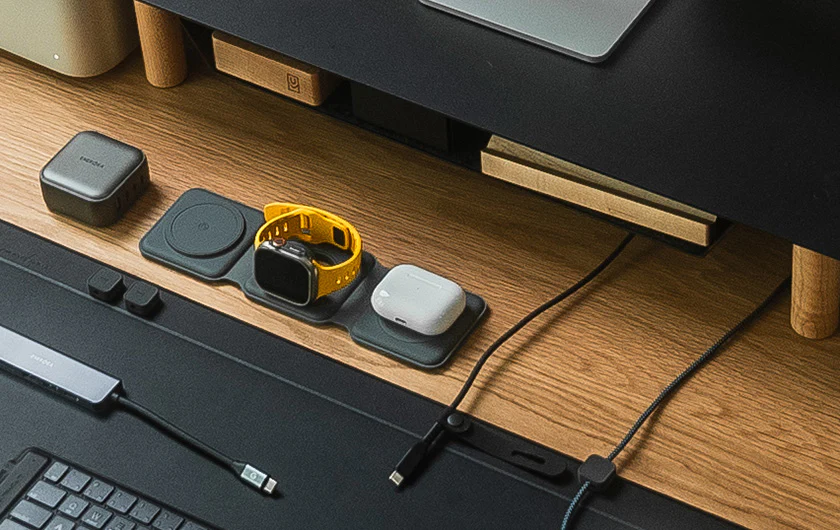
Productivity improves when the room is thoughtfully divided into separate work and reset zones, giving the mind distinct cues for focus and rejuvenation. The work area remains streamlined, equipped with reliable ergonomics and consistent lighting for deep concentration. Meanwhile, the recharge zone provides a soft counterbalance—a place for quick resets, stretching, or stepping away from screens. A comfortable lounge chair, a small side table, and a warm-toned floor lamp can turn even a small corner into an effective recovery space. Sound control between zones enhances the experience, especially in spaces shared with family or roommates. Area rugs, acoustic panels, or fabric dividers subtly buffer noise while helping define each zone visually. A subtle palette shift also reinforces separation: cooler, cleaner tones for productivity, and warmer, grounding shades for relaxation. Storage placement matters as well, keeping work items near the desk and personal comforts in the recharge area. This structure reduces burnout by reducing mental clutter and supporting intentional workflow cycles. Short breaks become more restorative, making the return to the desk feel smoother and more focused. Over time, the dual-zone layout builds stronger work habits and creates a healthier rhythm for both energy and attention.
Low-Profile Floating Desk for Small Rooms
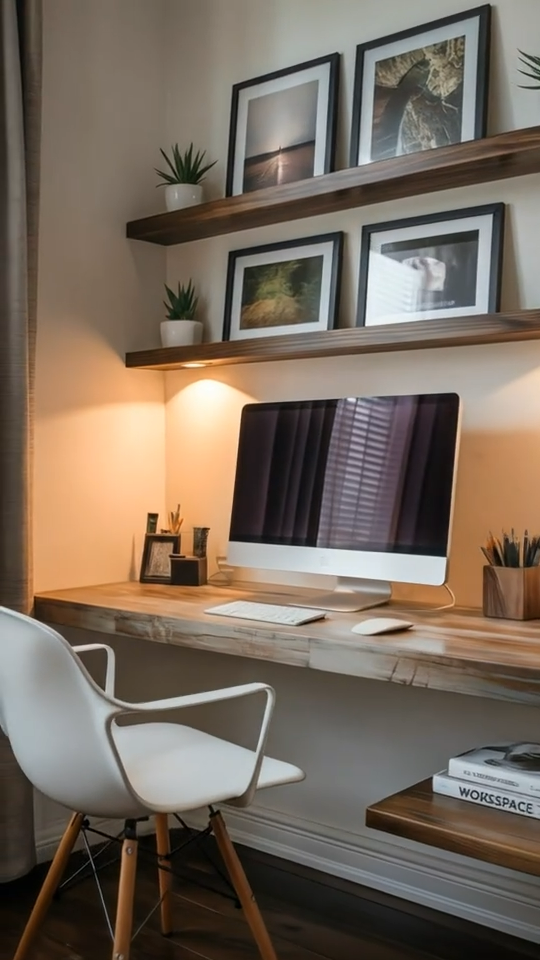
Space-constrained rooms benefit immediately from a wall-mounted floating desk that keeps the floor visually open while preserving essential functionality. The slimmer footprint frees up circulation space, which helps the room feel larger and less boxed in. Proper mounting height and depth ensure the desk supports laptops, writing tasks, and small accessories without overpowering the wall. Hidden brackets or minimalist hardware keep the profile clean, allowing the workspace to blend harmoniously with the rest of the room. Paired with a narrow task chair, the setup becomes an efficient workstation that tucks neatly into tight corners, alcoves, or unused wall segments. Storage remains vital in small rooms, so installing a shallow shelf above or a discreet wall pocket nearby prevents clutter buildup. Light-toned surfaces or matte finishes help diffuse brightness, giving the desk an airy presence rather than a solid block. Cable routing through a slim channel along the wall preserves the streamlined look. Proper lighting—whether a clamp lamp or a compact sconce—ensures visibility without occupying precious desk space. This approach keeps the room flexible, ideal for bedrooms, rented apartments, or shared spaces where a traditional desk feels intrusive. The result is a functional zone that supports productivity while respecting limited square footage.
L-Shaped Productivity Corner
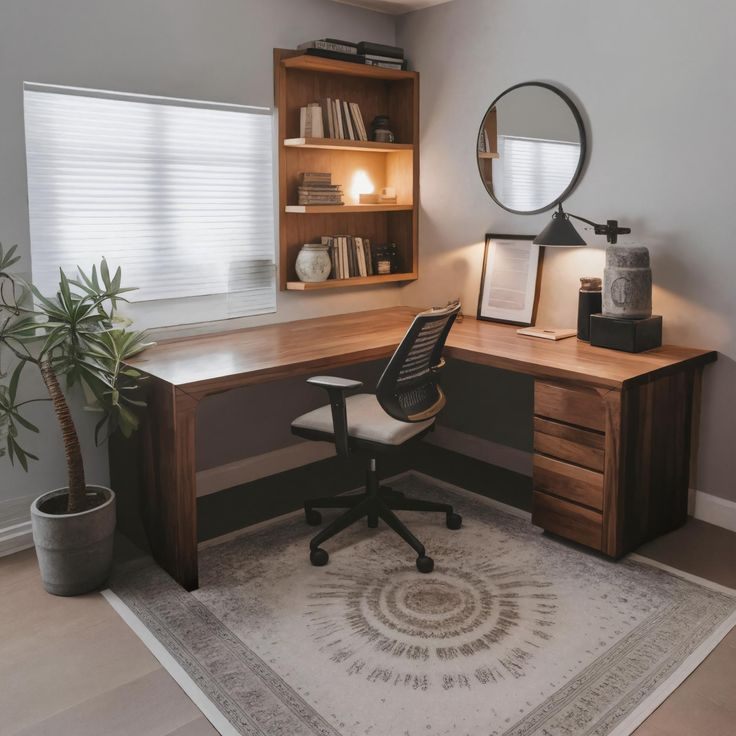
Turning a corner into an L-shaped workstation offers both practicality and improved workflow by distributing tasks across two surfaces. One side can host digital work—monitors, keyboards, and devices—while the adjoining surface supports writing, planning, or reference materials. This separation reduces clutter buildup and makes multitasking feel smoother. Corner placement naturally minimizes movement around the room, keeping everything within reach without feeling cramped. With the right chair position, posture remains supported and the arms can transition between sides effortlessly. Storage choices such as under-desk drawers, floating shelves, or corner cabinets fit neatly within the configuration without interrupting leg space. Lighting becomes more strategic: a focused desk lamp on one wing and a softer ambient source on the other help define task zones. Cable routing remains manageable, especially when a shared corner grommet channels wires discreetly. The arrangement works well in both spacious rooms and compact layouts because it utilizes an often-underused corner. Materials like warm wood, matte metal, or subtle laminates keep the station professional yet approachable. Over time, an L-shaped setup improves productivity by structuring tasks naturally around the layout, helping users stay organized and mentally aligned with their workflow.
Pegboard Wall for Adjustable Storage
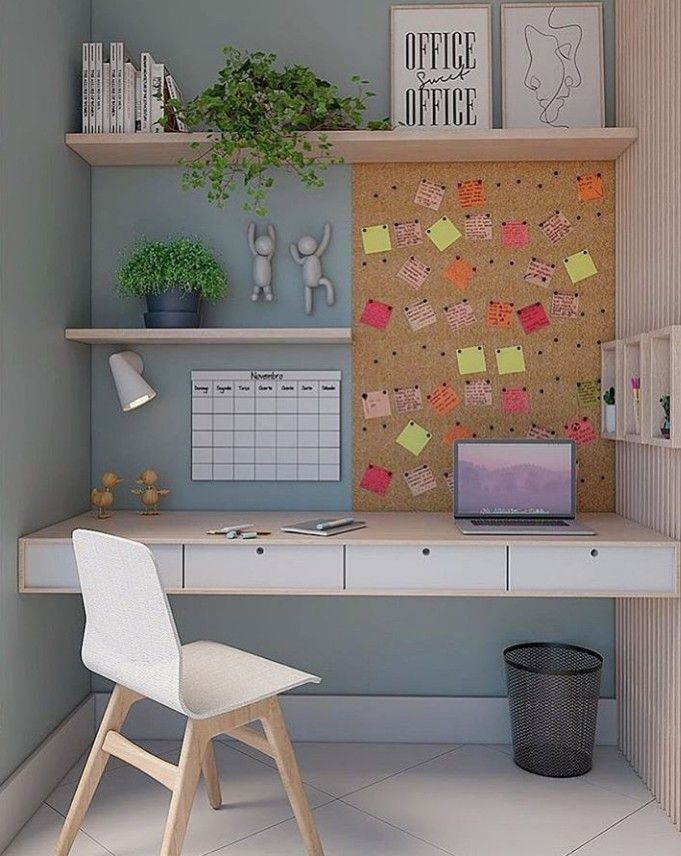
Flexible organization thrives on a pegboard wall that adapts as tools, accessories, and workflows evolve. This system allows items to remain visible yet orderly, reducing time spent searching for essentials. Hooks, trays, shelves, and holders can be rearranged anytime, making it easy to optimize storage for new equipment or seasonal needs. The vertical orientation frees valuable desk space while keeping daily-use objects within arm’s reach. A pegboard also doubles as a visual management tool, helping categorize supplies by task type or frequency of use. Durable materials—such as coated steel or sturdy MDF—ensure longevity and secure mounting. When installed near the desk, it supports both creative activities and administrative work, offering space for headphones, notepads, cables, or inspirational references. A balanced arrangement prevents visual clutter; grouping related items together helps maintain cohesion. Color accents within the board’s accessories add subtle personality without overwhelming the workspace. Proper lighting, especially directional task light, enhances visibility and highlights key tools. Over time, this adaptable wall becomes a stable yet customizable backbone of the office, keeping everything efficient, tidy, and ready for evolving projects. It encourages consistent organization while offering effortless adjustability.
Hidden Tech Cabinet
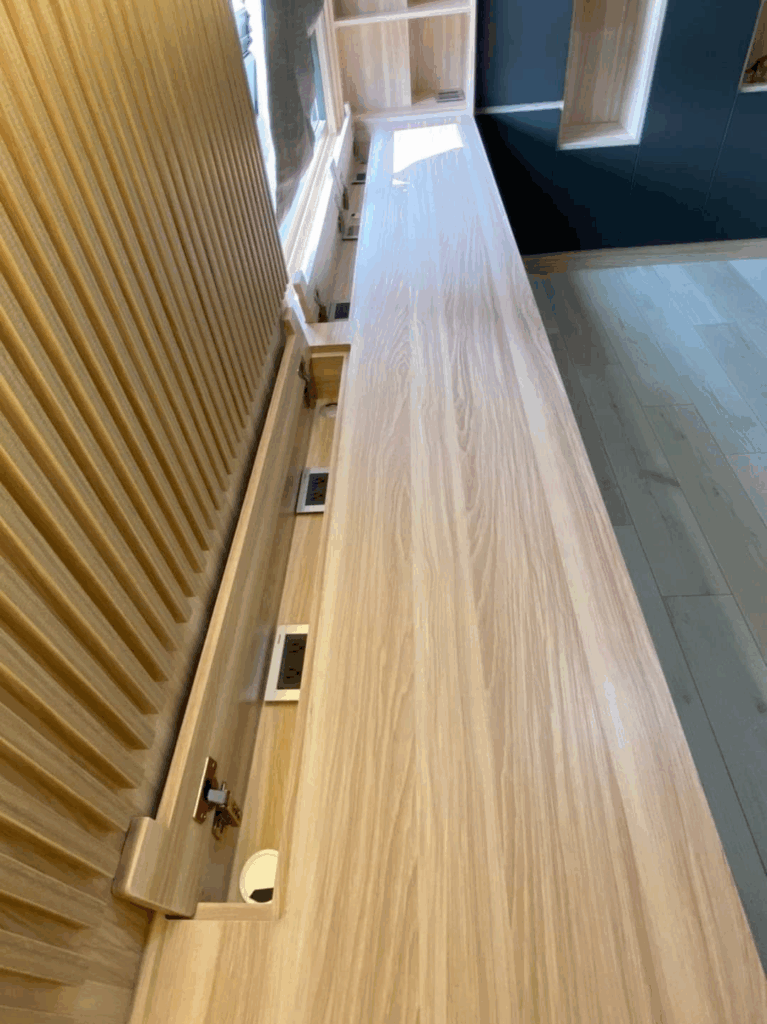
Managing devices becomes noticeably easier when technology is stored in a concealed cabinet designed to control clutter and maintain a streamlined environment. This solution hides routers, drives, cameras, chargers, and cords behind closed doors while ensuring proper ventilation for safe operation. Cable cutouts at the back of the cabinet keep wires organized and prevent tangling. Internal compartments help categorize equipment, making routine access straightforward. A clean exterior finish preserves a calm visual aesthetic, especially in minimalist or professional spaces. Placing the cabinet near the desk allows quick plug-ins without exposing unnecessary hardware. Smart integration—such as built-in charging docks or surge-protected power strips—adds functionality without compromising the concealed look. Sound-absorbing materials inside the cabinet can help soften fan noise from devices, contributing to a more peaceful workspace. Adjustable shelves accommodate future upgrades, ensuring long-term flexibility. Whether wall-mounted or freestanding, the cabinet keeps the room looking orderly while supporting a robust digital workflow. The result is a space where technology functions efficiently in the background without visually dominating the office.
Colour-Blocked Accent Wall for Focus
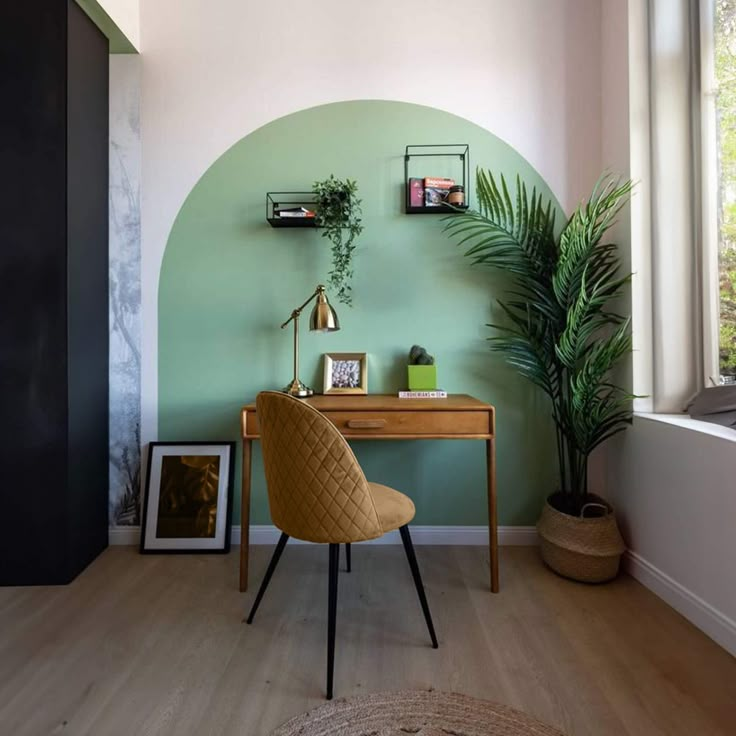
A targeted color-block strategy can shift the room’s mood and sharpen concentration by using contrasting tones to define the workspace. This approach helps designate the office zone within a larger room, making boundaries visually clear. Strategic color placement around the desk creates a psychological cue that signals focus time. Using matte or low-sheen finishes reduces glare and supports screen-based work. Cooler hues—like muted greens or soft charcoals—steady the mind, while warmer tones offer gentle energy and warmth. The key is selecting shades that complement existing furnishings without overwhelming the environment. Clean lines between color blocks introduce structure, reinforcing clarity and purpose. Lighting also plays a role; warm bulbs soften bolder shades while neutral bulbs keep cooler tones crisp. Accessories such as framed art, shelving, or organizational boards positioned within the color block tie the zone together. This method is especially helpful in multipurpose rooms, studios, and rental spaces where permanent structural changes are limited. The accent wall becomes both a visual anchor and a subtle motivator, providing a backdrop that supports productivity and reduces visual noise.
Shelf-Integrated Desk Setup
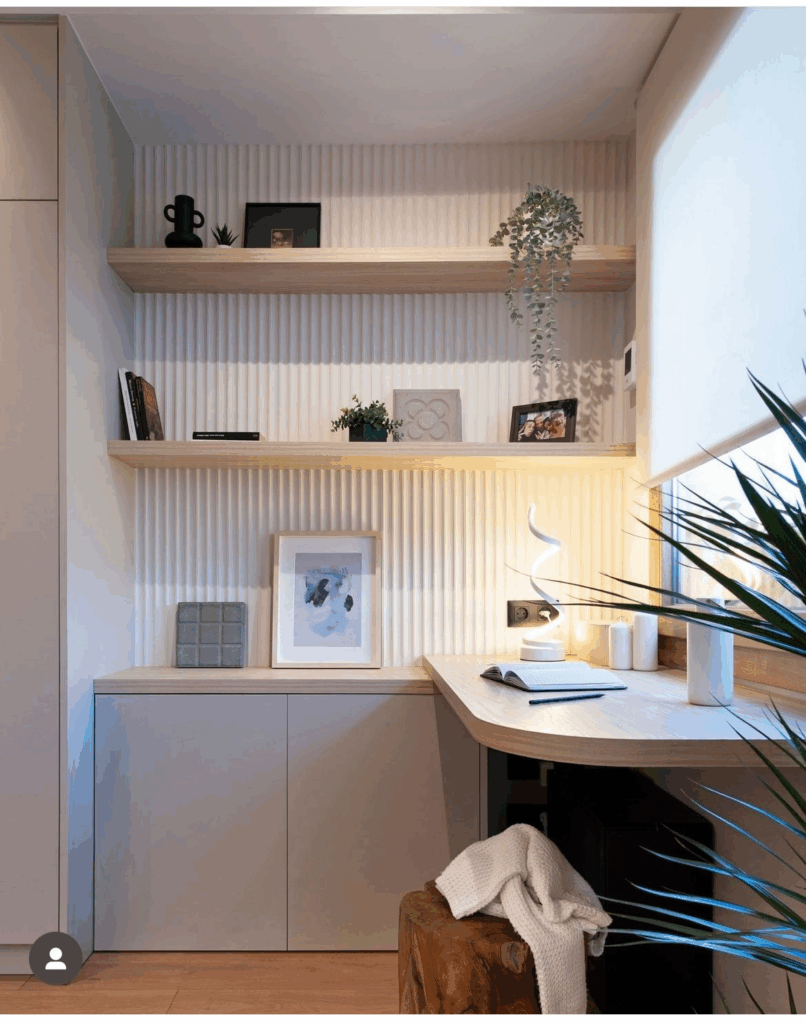
Combining shelving with the desk structure creates a highly efficient system that keeps essentials organized while maximizing one continuous vertical footprint. Everything from reference books to decorative pieces can be arranged neatly above the workstation, promoting accessibility without consuming floor space. Proper shelf spacing prevents visual overcrowding, allowing important items to stay in reach while maintaining a clean aesthetic. The desk surface below benefits from this built-in storage, reducing clutter and supporting a calm workflow. When shelves reach from floor to ceiling, they create a strong architectural presence that enhances the workspace visually. Materials like wood, metal, or hybrid combinations add durability while complementing the room’s style. Adjustable shelves allow the setup to evolve with changing needs, whether accommodating new tech or expanding personal collections. Lighting integrated beneath a shelf—such as LED strips—adds functional brightness across the desk without occupying surface area. This layout suits small rooms, home studios, or long walls that otherwise feel underutilized. Over time, the combination of desk and shelving becomes a cohesive station that supports organized work habits and delivers both function and visual balance.
Standing Workstation Add-On
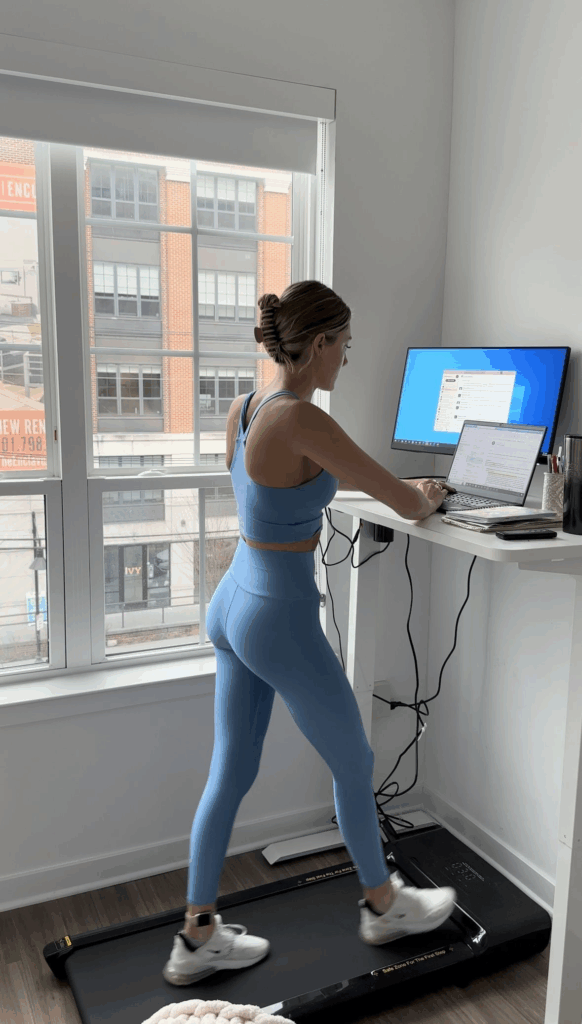
Switching between sitting and standing throughout the day supports better posture, circulation, and sustained focus. A standing workstation add-on provides this flexibility without requiring an entirely new desk. With adjustable height settings, the platform rises smoothly to accommodate various working positions, ensuring screens remain at eye level and wrists stay neutral. This prevents the strain often associated with prolonged sitting or poorly aligned setups. Stability is essential, so choosing a solid mechanism ensures steady support even when typing vigorously. Cable management remains important, with stretch-friendly routing preventing snags when the platform moves. Pairing the standing add-on with an anti-fatigue mat improves comfort during longer standing sessions. The ability to shift positions encourages micro-breaks, reducing stiffness and boosting productivity. This solution works well for compact offices, shared spaces, or renters who prefer not to install a full standing desk. Over time, the workstation add-on promotes healthier working habits without disrupting the room’s layout or requiring major adjustments to existing furniture.
Symmetrical Workspace for Calm Energy
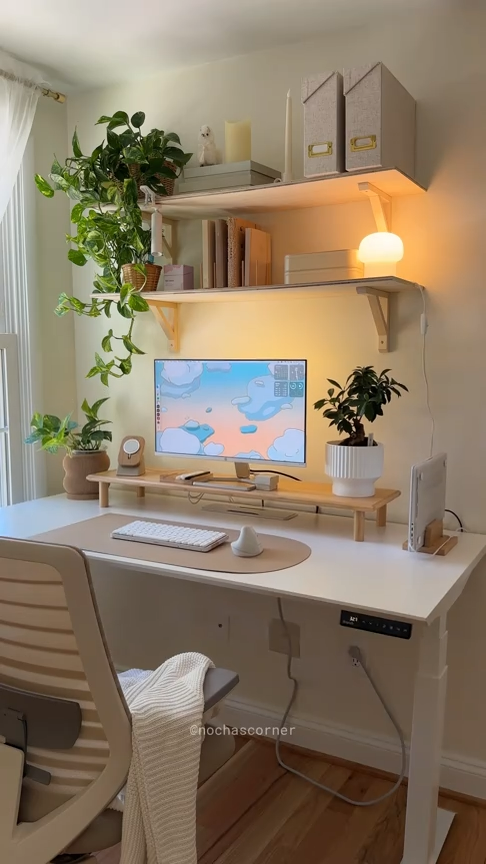
Balanced arrangements can influence the room’s atmosphere, making symmetry an effective method for creating calm and order. By aligning key elements—such as paired shelves, evenly placed lighting, or two identical organizers—the workspace gains a sense of visual stability. This arrangement naturally supports a focused mindset, reducing mental noise. The desk becomes the central anchor, with supporting elements mirrored on both sides to maintain equilibrium. Even in single-person offices, symmetrical placement brings a feeling of spaciousness and organization. Lighting symmetry is especially powerful, with matching lamps distributing light evenly and minimizing harsh shadows. Storage follows the same logic, as identical bins, trays, or vertical files keep the area cohesive. This layout works particularly well in rooms that feel visually unbalanced or narrow, as symmetry subtly corrects the perceived proportions. Neutral palettes enhance the effect, though subtle accents can be introduced without disturbing the overall balance. Over time, this structured environment supports clear thinking, measured workflows, and a calmer day-to-day working experience.
Acoustic Soft-Furnishing Layering

Noise control becomes much more manageable when soft furnishings work together to absorb sound and reduce harsh echoes in the room. A combination of curtains, rugs, upholstered seating, and acoustic wall panels creates a cushioned environment that supports focus and privacy. Thick materials—such as wool, microfiber, or dense cotton—offer excellent sound dampening without compromising style. Layering textures adds depth to the space while enhancing practical sound absorption. Even small additions, like fabric-covered pinboards or textile table mats, contribute to quieter surroundings. For shared homes or apartments with thin walls, this approach significantly improves comfort during meetings or extended work periods. Placement matters: curtains around windows block outside noise, rugs soften footfall, and wall panels tackle mid-range sound reflections. The result is a peaceful atmosphere that feels warm and grounded. Beyond acoustics, these materials bring tactile warmth, supporting mental ease and prolonged concentration. Over time, layered soft furnishings create a workspace that feels quieter, more intimate, and more conducive to high-quality work.
Mood-Lighting Desk Lamps
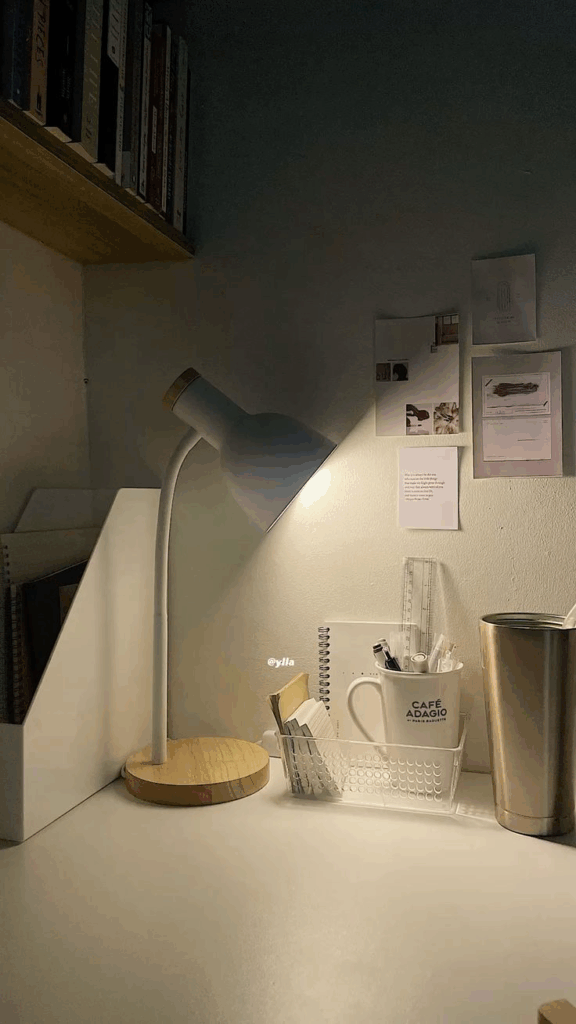
Lighting profoundly affects focus, energy, and comfort, making adjustable desk lamps a strong tool for shaping the workspace. Lamps with variable brightness and color temperature settings support different tasks throughout the day: cooler tones for morning clarity and warmer tones for evening comfort. A directed beam helps illuminate paperwork without spilling harsh light across the room, while diffused shades prevent eye fatigue during longer sessions. Placement also matters—angling the lamp to the opposite side of the writing hand minimizes shadows and increases visibility. Modern lamps with touch controls, flexible arms, or rotating heads offer convenience and precision. Paired with ambient sources nearby, mood lighting softens the overall environment and keeps the workspace from feeling stark or overly clinical. Subtle highlights on shelves or wall art further enhance the atmosphere. The right lamp not only improves productivity but helps set a tone that feels inviting and balanced. Over time, thoughtful lighting choices contribute to a workspace that feels both functional and emotionally soothing.