
Entryways influence how a home is experienced from the very first moment, yet they are often overlooked during design decisions. Poor layout choices, inadequate lighting, cluttered surfaces, and mismatched finishes can make this space feel awkward or unwelcoming. Because entryways connect multiple rooms, small missteps here affect overall flow and functionality. Identifying common mistakes helps homeowners avoid wasted space, unnecessary expenses, and daily frustration. This guide highlights frequent entryway design errors and explains why they matter, offering clear insight for creating a space that feels organized, welcoming.
Oversized Furniture at the Door
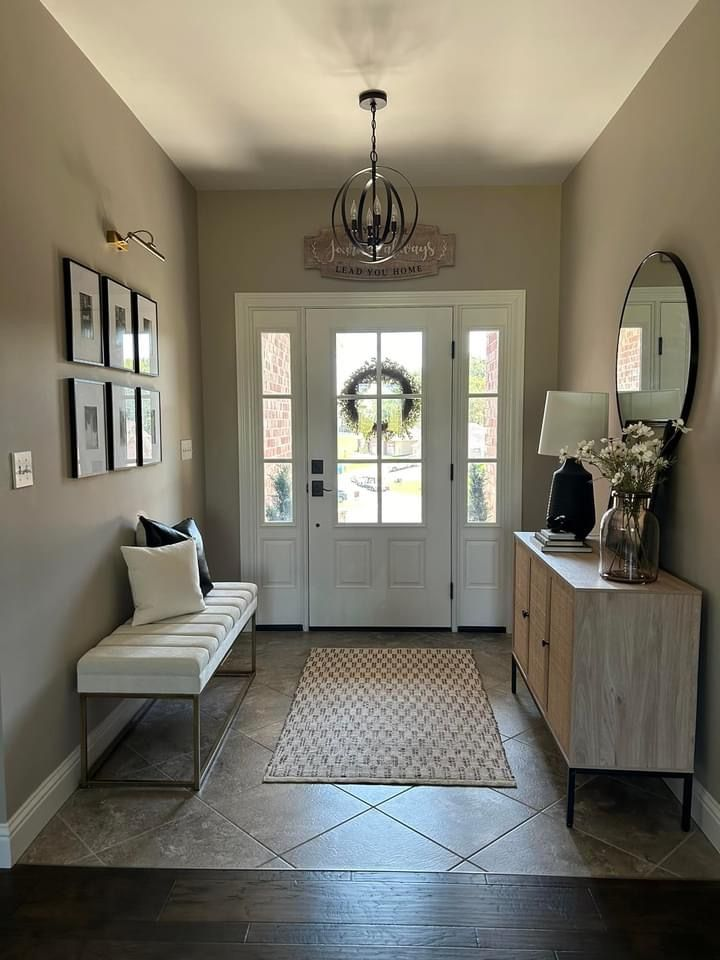
First impressions suffer when large-scale pieces immediately dominate the entrance zone. Entryways function as transition spaces, not full living areas, so furniture with deep profiles or exaggerated height quickly restricts circulation. Wide consoles, thick-legged benches, or bulky armoires near the door interrupt natural walking paths and cause daily friction, especially in apartments or narrow foyers. Oversized items also visually compress the space, making ceilings appear lower and walls feel closer than they are. From a functional standpoint, these pieces often prevent doors from opening fully or force awkward sidestepping during entry and exit. Practical entry design relies on proportional balance. Slim-profile consoles, open-leg benches, or wall-mounted storage maintain breathing room while still offering utility. Scale should always relate to door width, wall length, and clearance requirements rather than aesthetics alone. When furniture exceeds appropriate dimensions, clutter accumulates faster because surfaces invite excess placement. Downsizing key pieces improves flow, safety, and usability without sacrificing style. Choosing furniture designed specifically for entryways ensures smoother movement, better sightlines, and a more welcoming arrival experience that supports daily routines rather than obstructing them.
Dark Flooring in Tight Entries

Limited entryways often struggle with light distribution, and dark flooring compounds this challenge quickly. Deep-toned wood, charcoal tile, or near-black stone absorbs available light, causing narrow foyers to feel enclosed and visually heavy. In spaces lacking natural light, dark floors reduce contrast clarity, making dirt, scuffs, and debris more noticeable throughout the day. This increases maintenance demands and detracts from the entry’s perceived cleanliness. Visually, dark surfaces shorten sightlines, which can make hallways appear narrower and ceilings feel lower. Functionally, darker floors paired with similar wall tones blur edges, reducing spatial definition and increasing the risk of trips in poorly lit areas. Lighter flooring options such as pale wood, warm stone, or soft-toned tile reflect light upward, improving brightness and spatial awareness. If darker flooring already exists, balance becomes essential through lighter walls, reflective finishes, and layered lighting. Flooring should support visibility, durability, and easy upkeep while reinforcing openness, especially in compact entry zones where every visual decision has amplified impact.
Overloaded Wall Hooks

Wall hooks are practical, but excessive installation often leads to visual chaos and functional inefficiency. When hooks crowd every available inch, coats overlap, bags tangle, and daily retrieval becomes frustrating. Overloaded walls quickly appear cluttered, undermining the calm and order an entryway should provide. Structural issues can also arise, as too many hooks placed without proper anchoring may loosen over time under repeated weight. From a design perspective, crowded hooks disrupt wall balance and eliminate negative space, which is essential for visual clarity in small areas. Instead of solving storage problems, excessive hooks often encourage accumulation of unused items. A more effective approach involves limiting hooks to a defined zone and assigning each one a purpose. Pairing a few well-spaced hooks with concealed storage or seasonal rotation prevents overflow. Proper spacing improves accessibility, preserves wall integrity, and maintains a cleaner appearance. Controlled hook usage supports organization, reduces visual noise, and keeps the entry functional without overwhelming the space.
Undersized Floating Rugs

Small rugs placed in entryways often fail to perform either visually or practically. When rugs float awkwardly without anchoring furniture or aligning with door clearances, they appear accidental rather than intentional. Undersized rugs also shift easily, creating tripping hazards and reducing durability due to uneven wear. In narrow entries, a rug that stops short of key traffic zones leaves flooring exposed where protection is needed most. Visually, too-small rugs exaggerate room proportions, making spaces feel disjointed and unfinished. Functional entry rugs should define the zone, accommodate door swing, and extend beneath primary furniture elements like benches or consoles. Proper sizing helps unify the space while trapping dirt and moisture effectively. Flatweave or low-pile options sized to the full width of the entry improve safety and cohesion. Selecting the correct rug dimensions ensures stability, visual grounding, and long-term performance, turning a common misstep into a reliable design foundation.
Bulky Closed Shoe Cabinets

Large enclosed shoe cabinets promise organization but often overwhelm entryways with unnecessary mass. Deep units protrude into walkways, limiting movement and creating bottlenecks near the door. In compact entries, these cabinets can block light, restrict airflow, and make spaces feel boxed in. Closed designs also encourage overfilling, leading to jammed doors and inefficient storage. From a usability standpoint, bulky cabinets slow daily routines, especially during busy mornings. Visually, they dominate sightlines and compete with architectural features. Slim-profile storage, tilt-out systems, or open shelving with baskets provide comparable capacity without excessive depth. Elevating storage off the floor improves visual lightness and cleaning access. Shoe storage should align with household needs rather than maximum capacity. Right-sizing cabinets improves flow, preserves openness, and supports quicker access while maintaining a clean, organized appearance that complements rather than overwhelms the entryway.
Heavy Console Tables

Weighty console tables introduce imbalance in entry spaces meant for transition rather than permanence. Thick slabs, ornate bases, or dark finishes anchor visual weight near the door, making the area feel static and crowded. These tables often reduce usable floor clearance, interfering with door operation and foot traffic. Heavy consoles also limit flexibility, making seasonal adjustments or layout changes difficult. From a design standpoint, they compete with focal elements such as mirrors or artwork instead of supporting them. Lighter alternatives with open bases, narrow depths, or wall-mounted designs offer equal functionality with less visual burden. Proper console selection emphasizes proportion, allowing accessories and lighting to stand out without overpowering the space. Entryways benefit from furniture that supports movement, storage, and balance. Choosing lighter silhouettes improves circulation, enhances openness, and ensures the console contributes positively to both function and first impressions.
Too Many Small Decor Pieces

An excess of small decorative objects quickly creates clutter in entryways where clarity is essential. Multiple trinkets, frames, bowls, and accents compete for attention, fragmenting visual focus and reducing impact. Small items also collect dust easily and require frequent maintenance, which becomes impractical in high-traffic zones. Instead of adding personality, too many pieces dilute it. Visually, the lack of hierarchy makes surfaces appear busy and disorganized. Functionally, limited surface space becomes unusable for essentials like keys or mail. Fewer, larger-scale decor elements establish stronger presence and simplify upkeep. Thoughtful curation improves balance and allows each piece to be appreciated. Entry design benefits from restraint, prioritizing purpose-driven accents that complement the space. Reducing small-item overload restores order, improves usability, and creates a cleaner, more intentional arrival experience without sacrificing character.
Poor Mirror Placement

Mirrors play a critical role in entryways, yet improper placement undermines both function and design. When positioned too high, too low, or away from light sources, mirrors fail to reflect useful views or enhance brightness. Poorly placed mirrors can distort proportions or reflect clutter, amplifying visual noise rather than clarity. From a practical perspective, mirrors that do not align with average eye level limit usability for last-minute checks. Placement opposite blank walls or near natural light maximizes reflective benefit. Size also matters; undersized mirrors lack impact, while oversized ones placed incorrectly overwhelm the wall. Secure mounting and thoughtful alignment with furniture ensure safety and cohesion. Effective mirror placement improves light distribution, supports daily routines, and enhances spatial perception. Correcting placement transforms mirrors from decorative afterthoughts into functional design tools that elevate the entire entryway experience.
Harsh Overhead Lighting Only
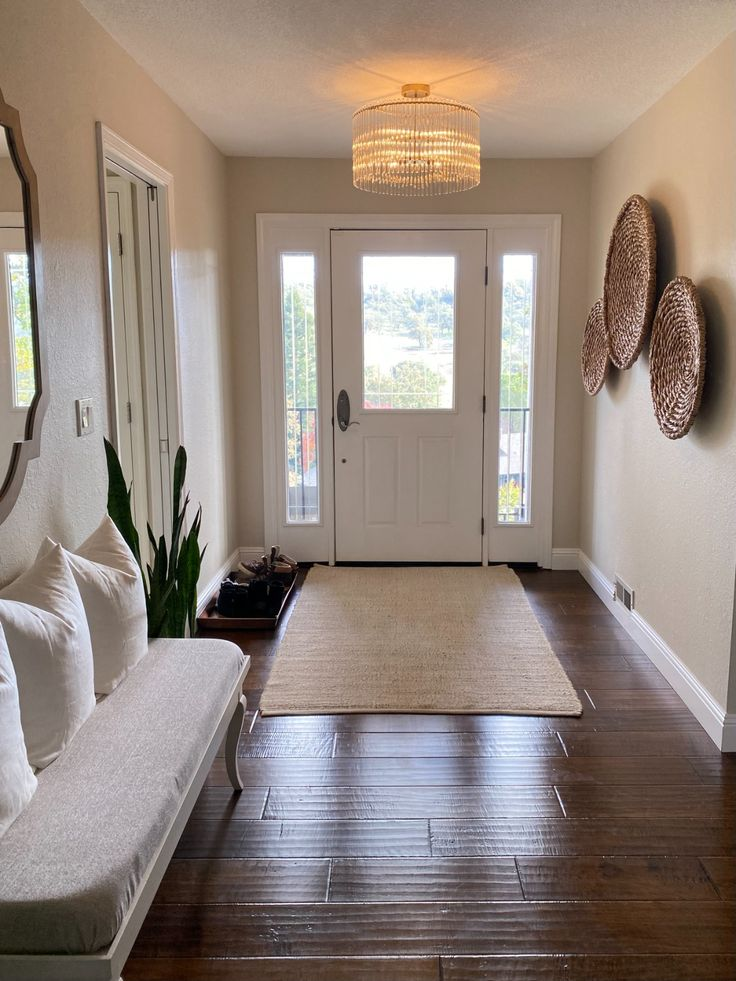
Reliance on a single overhead light creates flat, uninviting entry environments. Harsh fixtures cast direct shadows, exaggerate imperfections, and fail to provide layered illumination. This lighting approach often results in glare during evening hours and insufficient brightness during the day. Without secondary sources, depth and warmth are lost, making the space feel utilitarian rather than welcoming. Functional entry lighting should balance ambient, task, and accent layers. Wall sconces, table lamps, or integrated LED strips soften illumination and improve visibility across different times of day. Layered lighting also enhances safety by reducing dark corners and improving contrast. Thoughtful lighting design supports mood, usability, and aesthetics. Moving beyond single-source overhead lighting creates a more comfortable, adaptable, and visually appealing entryway that responds to real-world use.
High-Contrast Trim Everywhere

Excessive contrast between trim and walls can overwhelm entry spaces, especially when applied indiscriminately. Dark trim against light walls outlines every edge, visually fragmenting the area and drawing attention to architectural breaks. In small entries, this reduces perceived width and height, making spaces feel boxed in. High contrast also magnifies imperfections in molding and paint lines. While contrast can be effective when used strategically, overuse creates visual noise. Softer transitions or tonal variations maintain definition without harsh separation. Matching trim to wall color or using subtle shade differences supports cohesion. Entryways benefit from continuity that guides the eye smoothly. Reducing contrast where space is limited preserves openness, improves flow, and creates a calmer visual experience without sacrificing architectural character.
Awkward Door Swing Layouts
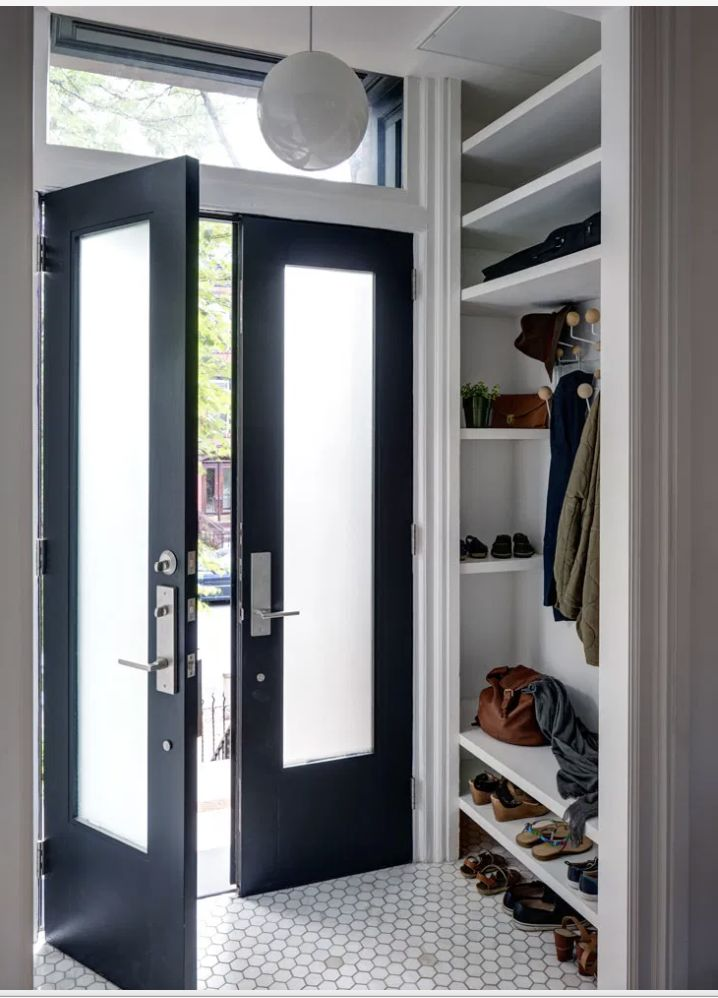
Poorly planned door swings disrupt entry functionality and compromise safety. Doors that collide with furniture, walls, or adjacent doors create daily frustration and restrict movement. In tight entries, improper swing direction can block storage access or trap users in narrow clearances. These issues often stem from prioritizing aesthetics over spatial planning. Evaluating door clearance, hinge placement, and traffic patterns is essential. Alternatives such as pocket doors, out-swing adjustments, or hinge reversals often resolve conflicts without major renovation. Proper door planning improves accessibility, reduces wear on hardware, and enhances overall flow. Addressing door swing issues transforms the entry into a smoother, safer transition zone that supports efficient movement.
Ignoring Vertical Space

Walls above eye level are frequently underutilized in entryways, leading to missed storage and design opportunities. When vertical space is neglected, clutter shifts to floor level, crowding walkways and surfaces. High walls left empty also create imbalance, especially in tall entries where lower elements feel disconnected. Vertical solutions such as tall shelving, upper cabinets, or elongated wall decor redistribute function upward. This improves organization while freeing floor area. Thoughtful vertical use also enhances proportions, drawing the eye upward and making spaces feel larger. Integrating storage and visual elements vertically supports efficiency and balance. Utilizing full wall height ensures the entryway works harder without feeling crowded, delivering practical benefits through smarter spatial planning.