
Year-round gardening doesn’t have to come with a hefty price tag or professional tools. With the right approach, cheap and easy DIY greenhouse ideas can extend your growing season, protect delicate plants, and make use of everyday materials already around the home. From repurposed windows to budget-friendly PVC frames, these backyard setups are not only practical but surprisingly stylish. Whether you’re short on space or just starting out, there’s a low-cost greenhouse solution that fits your needs. This curated list will walk you through creative, realistic builds that anyone can manage—making garden dreams more accessible than ever before.
Mini window-frame greenhouse – repurpose old windows
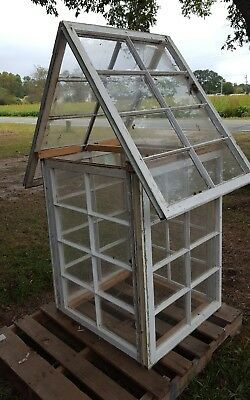
Old wood-framed windows often end up forgotten in sheds or landfills—but they hold surprising potential for small-scale greenhouse construction. By arranging them vertically and horizontally into a box-like structure with a pitched roof, you can create a compact growing shelter with strong light transmission and a rustic, reclaimed aesthetic. Hinged sections offer easy access, while the wood frame provides enough strength to endure seasonal elements when properly sealed and reinforced. Hinges and caulking can further weatherproof the setup, keeping warmth in and pests out. Gardeners who prefer vintage charm and sustainability find this solution appealing, especially when paired with cold-hardy plants or early seed starts. Since standard windows come in various dimensions, each project takes on a slightly different shape—perfect for customizing to fit tight corners or patio nooks. For extra insulation in cooler months, layer bubble wrap on the inner panes or apply film to reduce heat loss. This approach not only minimizes waste but also delivers practical results for those working with limited space or budgets. A few screws, brackets, and exterior wood glue are usually all that’s needed to bring the structure together. With minimal cost and maximum light exposure, this design makes repurposing both functional and beautiful.
Countertop or CD-case mini greenhouse for seedlings
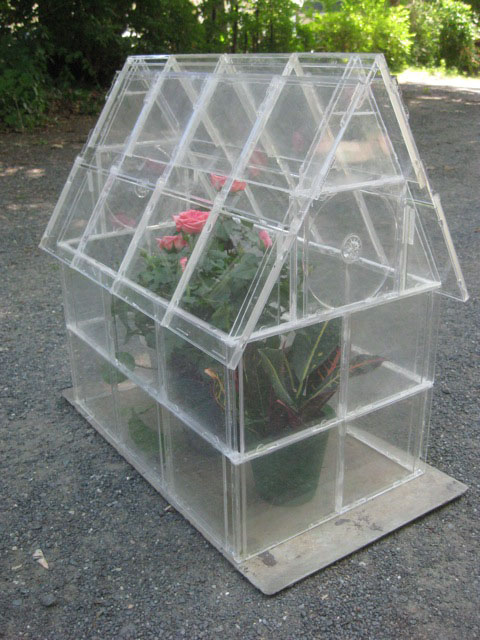
Seed starting indoors can be both effective and space-efficient with the help of upcycled materials like CD cases or shallow plastic storage bins. By assembling a few clear CD jewel cases into a box shape using hot glue or double-sided tape, you instantly form a tiny greenhouse ideal for countertop use. These transparent sides allow for excellent light diffusion while trapping humidity and warmth—two essential ingredients for healthy germination. If CD cases aren’t available, plastic takeout lids or small picture frames can serve the same purpose. Add a plastic or wooden base lined with a moisture tray, and the unit becomes a functional microclimate zone for herb or veggie seedlings. For airflow control, keep one side loosely affixed or install a simple sliding top. These compact greenhouses work well in windowsills or under grow lights, making them perfect for urban gardeners or those working with extremely limited indoor space. You’ll also find this method ideal for teaching kids about plant growth without investing in commercial kits. A spritz bottle, seed tray, and a little monitoring are all it takes to maintain optimal conditions inside. Affordable and accessible, this concept is a clever way to extend your growing season from the comfort of your home.
Umbrella-covered barrel greenhouse – ultra-portable
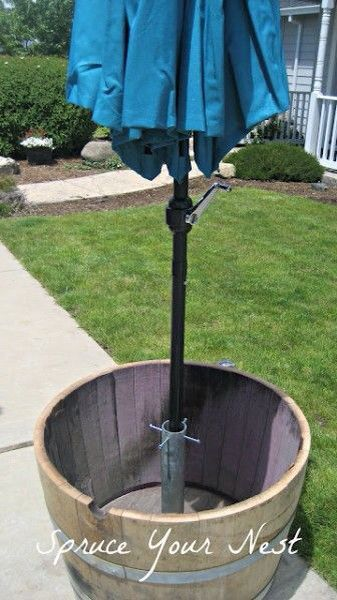
Repurposing a clear vinyl umbrella over a plastic or wooden barrel creates a simple yet surprisingly effective greenhouse for small outdoor plants. This technique traps heat and moisture directly around seedlings, making it ideal for early spring or fall transitions when night temperatures fluctuate. Once the umbrella is securely anchored inside the barrel—either by screwing it into the center or stabilizing the handle with gravel—you gain a mobile mini-greenhouse that can easily be moved to chase the sun or avoid wind exposure. The dome shape of the umbrella helps condensation roll off while still maintaining humidity inside, protecting tender starts from temperature stress. For even better results, drill drainage holes in the base and fill with potting soil, allowing the entire barrel to double as a planter. This solution is highly practical for balconies, patios, and renters who can’t commit to a full greenhouse structure. If needed, unzip or open the umbrella slightly during warmer days to provide ventilation and prevent mold buildup. Creative, low-cost, and user-friendly, this design brings flexibility and function to anyone seeking seasonal greenhouse protection without heavy tools or permanent structures. It’s proof that even overlooked household items can deliver serious gardening value.
Geodesic dome greenhouse – PVC or wood frame
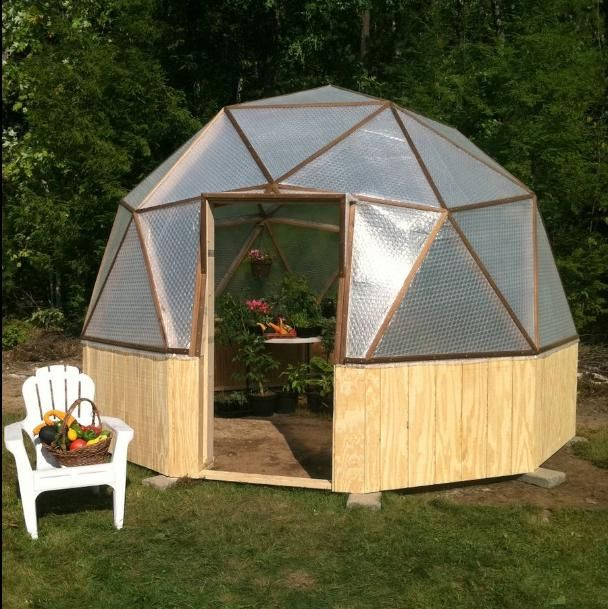
Known for structural stability and energy efficiency, the geodesic dome greenhouse offers a visually striking and durable option for DIY enthusiasts. Constructed using a series of interconnected triangles, this design distributes stress evenly, making it highly resistant to wind and snow. PVC piping remains the go-to material for budget builds, though lightweight wood strips or conduit also work well when properly measured and joined with simple hubs or zip ties. Covered with clear greenhouse plastic or polycarbonate panels, the dome traps solar warmth while minimizing heat loss through its aerodynamic shape. The inside feels spacious, even for small diameters, making it suitable for raised beds, shelving, or hanging planters. Due to the modular nature of the structure, you can scale it to suit your available space and needs. It’s also possible to add ventilation panels, solar fans, or thermal mass elements like water barrels to regulate internal temperature naturally. Assembly involves basic tools and geometry, with online dome calculators available for precise angle measurements. This DIY project does require more setup time than simpler greenhouses, but the payoff is substantial in terms of durability and performance. For gardeners seeking a blend of aesthetics and resilience, this dome delivers on both fronts.
Hoop-house tunnel – PVC or conduit with plastic wrap
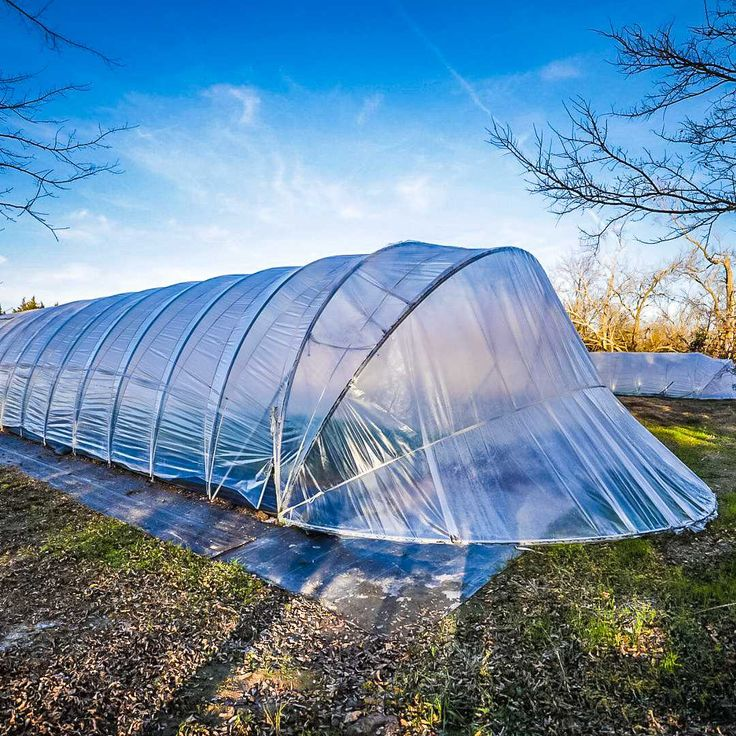
Creating a hoop-house tunnel with flexible PVC pipe or metal conduit is one of the most accessible ways to protect garden rows from unpredictable weather. These arched structures can be installed directly into the ground using rebar stakes, then bent into shape and covered with clear polyethylene sheeting. The result is a greenhouse tunnel that insulates seedlings, extends growing seasons, and shields plants from heavy rain or wind. Because of the minimal material requirements—just conduit, plastic sheeting, and clamps—it’s among the most affordable methods available. Gardeners appreciate its modular nature: the length can stretch across entire garden beds or remain short and narrow for tighter spaces. For ventilation, lift the sides and secure them with bricks or clips, allowing air to circulate without removing the entire cover. When the weather stabilizes, the plastic wrap can be removed and reused later. This solution works well for greens, root vegetables, and early-season herbs that need an extra layer of warmth in spring or fall. Simple to build and easy to maintain, hoop houses remain a staple in DIY gardening for good reason—they offer a perfect balance of cost-effectiveness, protection, and scalability for gardeners of all experience levels.
Pallet-frame greenhouse – recycled wood base
Discarded shipping pallets serve as an excellent foundation for building a low-cost greenhouse frame. With a little deconstruction and reassembly, these sturdy slats can be transformed into sidewalls, shelving, or even roof rafters. Once the frame is in place, staple clear polyethylene sheeting or greenhouse plastic over the surface to trap heat and moisture effectively. Pallets are typically uniform in size, making them ideal for creating stable rectangular structures that can accommodate everything from seed trays to mid-sized potted plants. For added support, reinforce the corners with metal brackets or repurposed 2x4s, ensuring the build withstands wind and rain. This style works well in backyards where space isn’t an issue and complements rustic or farmhouse outdoor aesthetics. Many gardeners also include hinged doors or lift-up panels for easier access and airflow control. By repurposing free or low-cost materials, you reduce landfill waste while gaining a functional and scalable grow space. From tomatoes to herbs, your plants benefit from added warmth and protection, especially in early spring and late autumn. With basic tools, a screwdriver, and some screws, you can assemble a fully operational greenhouse that reflects both sustainability and practicality—ideal for budget-conscious, eco-minded gardeners.
Lean-to against sunny wall – space-saving
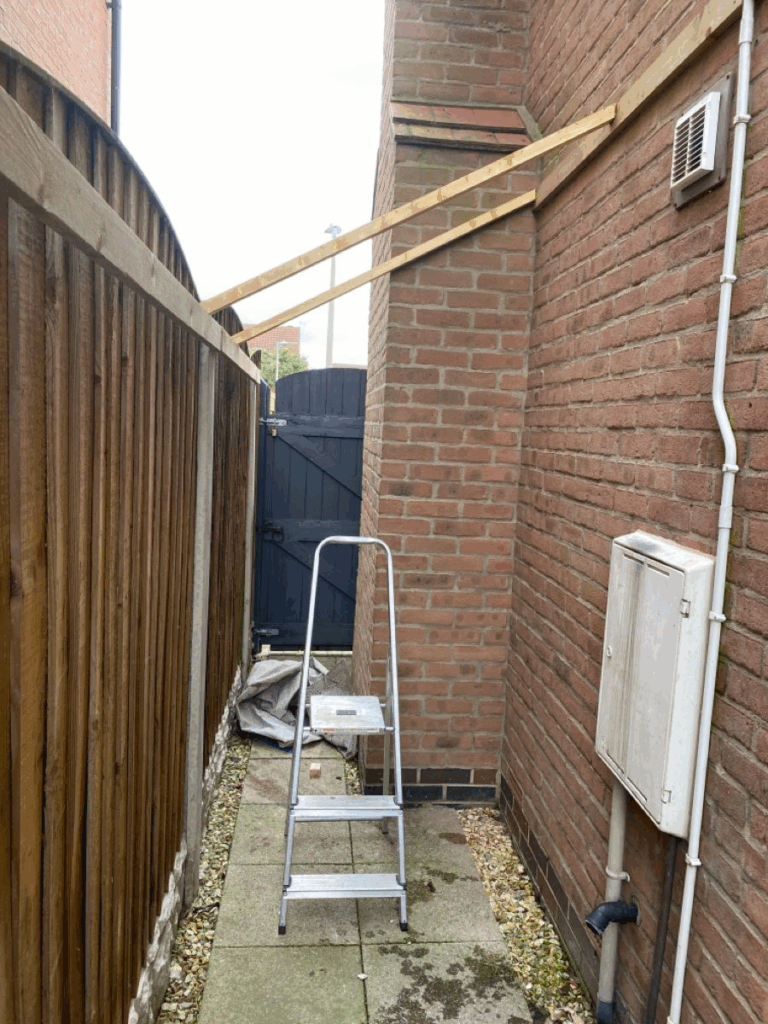
When outdoor space is limited, leveraging an existing sunny wall becomes a clever strategy for greenhouse construction. A lean-to greenhouse structure can be framed using wood, PVC, or metal and then covered with clear panels or greenhouse plastic. This design traps warmth from both direct sunlight and residual heat radiating from the wall, providing extra insulation for plants during colder months. Compact and efficient, it works especially well along the side of garages, sheds, or even the main house. Slanted roofing encourages water runoff and helps maximize light exposure, while wall mounting reduces the need for heavy supports. This setup is ideal for herbs, greens, or even vertical shelving systems if height allows. For ease of use, consider adding a hinged access panel or sliding door, ensuring good ventilation and temperature control. Since the wall offers a solid back, wind exposure is minimized—an added advantage in breezy locations. This greenhouse method proves that even narrow alleys or backyard corners can become productive growing zones with just a few materials and a little planning. The lean-to structure blends seamlessly into home architecture, offering a smart, unobtrusive solution that’s both affordable and surprisingly efficient.
A-frame greenhouse with polycarbonate panels
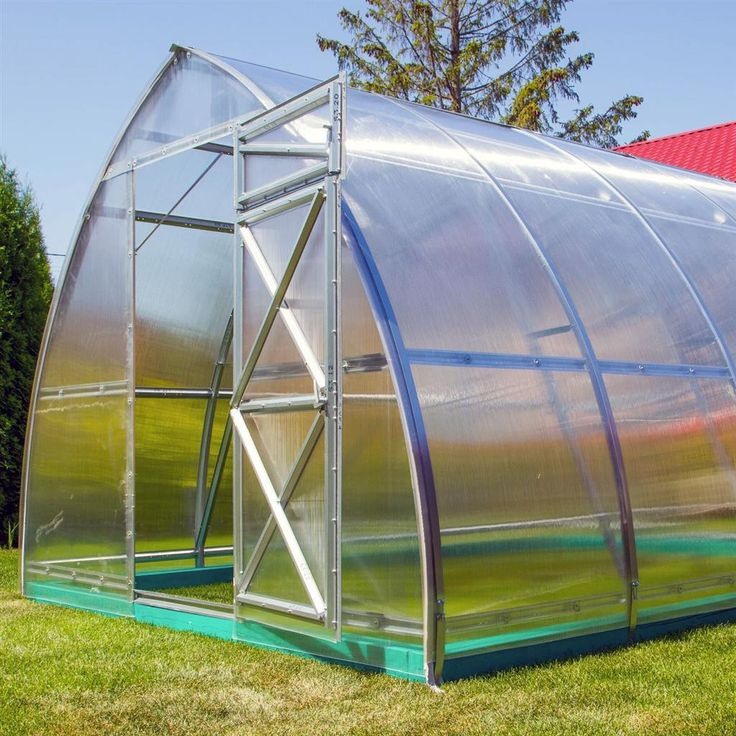
Triangular in shape and visually distinct, the A-frame greenhouse is a durable option that balances function and form. Constructed from wood or metal and sheathed in rigid polycarbonate panels, this design resists wind and snow thanks to its steep sloped sides. The panels provide excellent insulation while allowing ample light diffusion, making them ideal for seed starting, young plants, or overwintering tender crops. Assembly involves creating two sloped walls joined at the top ridge, forming a stable peak that naturally channels rainwater and snow away. The structure can be placed directly over raised beds or built as a freestanding shelter in compact yards. Many gardeners incorporate a hinged door or a lift-up panel on one side to maintain airflow and manage interior temperature fluctuations. The compact footprint makes this greenhouse suitable for urban gardens, patios, or even narrow side yards. Polycarbonate material offers long-term durability, often outperforming traditional plastic sheeting in harsh climates. Whether you’re trying to extend the harvest season or gain early seed-starting advantages, this greenhouse style provides solid weather resistance without taking up too much space. It’s an excellent choice for gardeners seeking a blend of resilience, energy efficiency, and simplicity in one straightforward build.
PVC pop-up dome or cart greenhouse
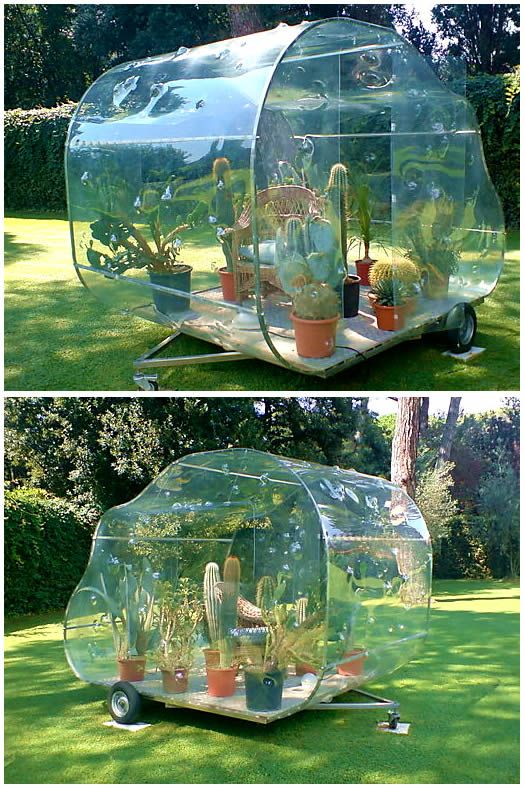
Gardeners with limited time or frequent weather shifts benefit from a mobile greenhouse structure that can be deployed or removed quickly. A pop-up dome or wheeled cart greenhouse built from PVC pipes and plastic sheeting meets that need effortlessly. The frame can be preassembled in sections and joined using elbow joints, zip ties, or snap connectors, allowing the whole unit to collapse or lift in minutes. Some designs include a wheeled base or metal cart, making relocation simple—especially useful for renters or those who like to follow sunlight across their yard. Cover the structure with clear vinyl or greenhouse film, securing it with clamps or Velcro straps. These materials trap warmth, protect against wind, and maintain humidity levels essential for plant growth. Add a zippered flap or roll-up panel for easy access and temperature regulation. The base can be outfitted with seed trays, potted herbs, or even stacked shelving for multi-level growing. This system is ideal for those starting seedlings, overwintering plants, or protecting delicate varieties during surprise cold snaps. Lightweight yet functional, this compact greenhouse provides the flexibility needed for ever-changing backyard needs without the commitment of a permanent structure.
Geothermal raised-bed greenhouse – soil-warming
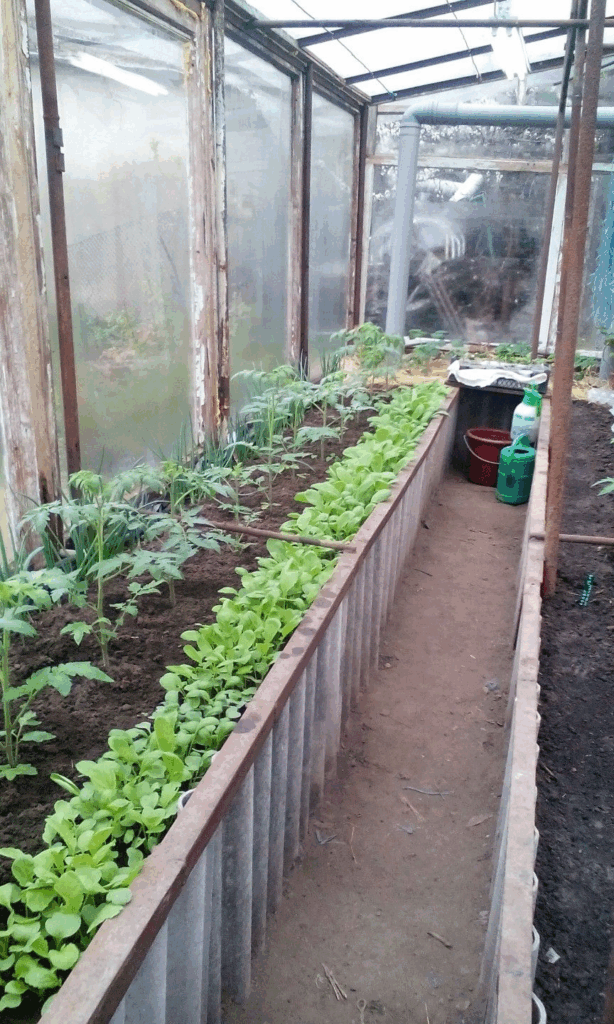
Harnessing ground heat offers a powerful edge in year-round gardening. A geothermal raised-bed greenhouse combines insulation with thermal mass to keep soil temperatures consistent, even in colder months. By burying PVC tubing or vented pipes beneath the raised bed, you channel warmer air from the ground into the greenhouse chamber. As the sun heats the interior during the day, that warmth circulates through the pipes and helps prevent frost buildup at night. Pair this with insulated side panels, and you’ve created a system that naturally moderates temperatures without electricity. Raised beds also simplify drainage and improve root health by avoiding compacted ground. Line the greenhouse with polycarbonate panels or UV-stabilized plastic, ensuring light diffusion while retaining internal heat. Add a hinged lid or framed tarp on top to maintain access and airflow as needed. This method works exceptionally well in regions with short growing seasons or frequent temperature drops. Beyond energy savings, the design also enhances seed germination rates and extends your harvest window significantly. With a bit of digging, pipe placement, and weatherproof framing, gardeners can establish a durable, efficient growing zone that keeps the ground warmer longer—right when your crops need it most.
Sliding-door frame greenhouse – ease of access
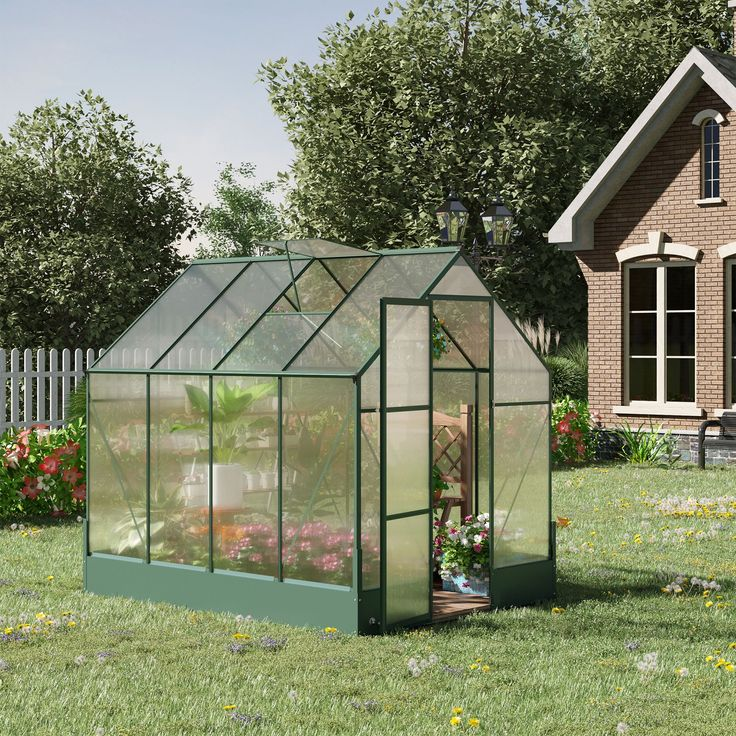
Accessibility plays a crucial role in greenhouse design, especially for gardeners who value efficiency and convenience. A sliding-door frame greenhouse allows quick entry and exit without disrupting internal temperatures or humidity levels. Constructed from metal or wood framing and covered with clear polycarbonate or greenhouse-grade plastic, this structure features a side-entry sliding door—ideal for maneuvering garden tools or moving trays without obstruction. The track can be assembled from repurposed cabinet rails or basic aluminum guides, keeping the budget low. Inside, the vertical walls provide ample space for shelving, seed trays, or hanging baskets. The door’s functionality becomes particularly useful during watering, harvesting, or managing airflow on warm afternoons. Strategically placed vents along the top can help regulate heat buildup, while the sealed panels ensure consistent warmth inside. This style adapts easily to both compact yards and larger outdoor plots. Beyond convenience, sliding doors help prevent sudden drafts and reduce wear compared to hinged models, extending the greenhouse’s overall lifespan. Whether growing herbs or starting vegetables, this structure improves daily usability and encourages more frequent interaction with your garden. Thoughtful layout, durable materials, and smooth access make this greenhouse a reliable upgrade for those seeking form and functionality.
Cold-frame brick or wood structure with lid
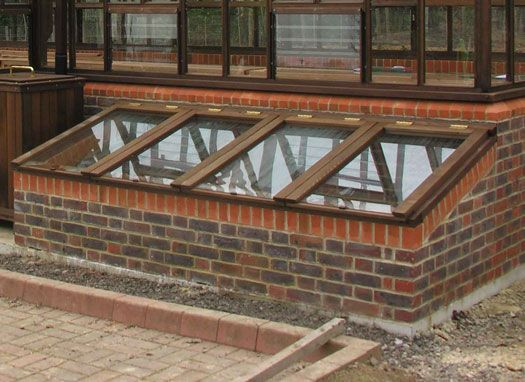
Simple and time-tested, cold frames offer a compact solution for extending your growing season with minimal resources. Constructed from bricks, cinder blocks, or wood boards, the base forms a sturdy perimeter raised slightly above ground level. A transparent lid—often a repurposed window or acrylic panel—hinges at the back and opens from the front to allow air circulation and easy access. Positioned to face the sun, these structures trap solar energy during the day and retain warmth overnight, shielding seedlings and cold-sensitive crops from frost. This design excels in early spring and late fall when short bursts of sunshine can still sustain growth. Because of their low profile, cold frames heat up quickly and hold warmth efficiently. Straw bales or insulation blankets can also be added along the edges for further temperature control. For optimal performance, monitor internal heat with a simple thermometer and lift the lid during peak warmth hours to prevent overheating. Whether you’re hardening off plants or growing leafy greens year-round, this method delivers high results from low investment. Compact, durable, and customizable, cold frames remain a must-have in the DIY gardener’s toolkit—offering the ideal bridge between indoor germination and full garden transplanting.
Wine-barrel cloche greenhouses – decorative & tiny
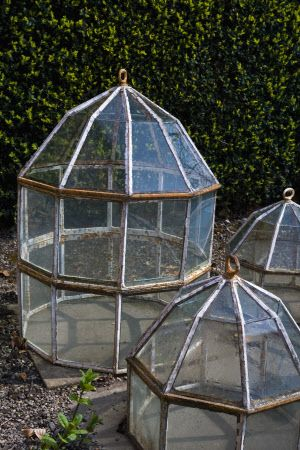
Upcycled wine barrels can become charming micro greenhouses with the addition of a fitted clear cloche or dome-style lid. These compact, self-contained units provide excellent protection for individual plants or starter clusters, blending aesthetics with practicality. By slicing a wine barrel in half and drilling drainage holes in the base, you create a rustic planter with insulation and visual appeal. Adding a fitted glass or polycarbonate dome allows sunlight in while preserving heat and humidity—perfect for herbs, lettuce, or small florals. Vents or top hatches can be included for airflow, helping to regulate internal conditions. Because they’re movable, these mini greenhouses adapt easily to sun patterns or changing seasons. Their petite footprint makes them ideal for patios, balconies, and decorative garden borders. For a more artistic finish, you can stain or paint the barrel exterior to match outdoor décor. Some gardeners even install solar string lights beneath the lid to create a magical nighttime glow while encouraging warm air retention. Whether you’re growing basil near the kitchen or nurturing a tiny alpine bloom, this concept proves that small-scale greenhouses can deliver both beauty and productivity. The wine-barrel cloche is where rustic charm meets clever garden engineering.
IKEA cabinet or shelving unit repurposed indoor greenhouse
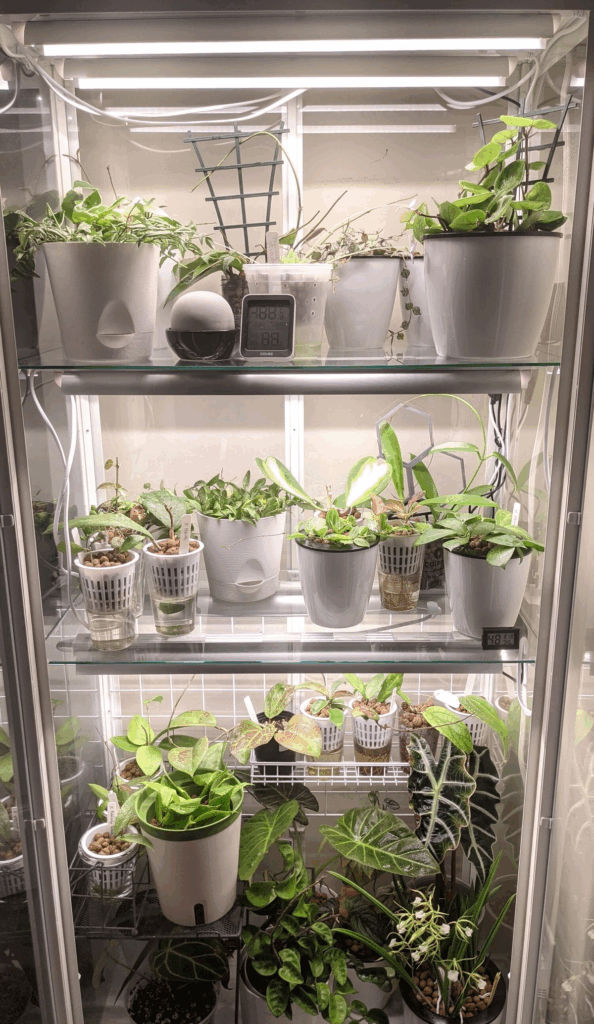
Turning an unused IKEA cabinet or basic shelving unit into an indoor greenhouse is both trendy and practical for urban gardening. The transparent glass doors of display cabinets—like the popular DETOLF or Milsbo series—allow light to pass through while trapping humidity, creating a cozy environment for plant propagation. By lining the interior with waterproof trays and adding LED grow lights under each shelf, you build a vertical grow zone ideal for herbs, microgreens, or succulents. Many DIYers add small USB fans for airflow and a hygrometer to track moisture and temperature levels. To increase insulation, weather stripping or magnetic door seals can be applied around the edges. The beauty of this setup lies in its accessibility—no yard or outdoor tools required, just a small indoor space and minimal modifications. It also doubles as home décor, allowing you to showcase greenery in kitchens, living rooms, or hallways. Watering becomes easy with bottom trays, and many units can hold heating mats for seed starting. Whether you’re battling a cold climate or simply maximizing your apartment’s potential, this cabinet greenhouse offers a highly functional and visually pleasing solution. It’s a perfect fusion of storage, style, and smart plant care.
DIY greenhouse-kit build arches with conduit & wood base
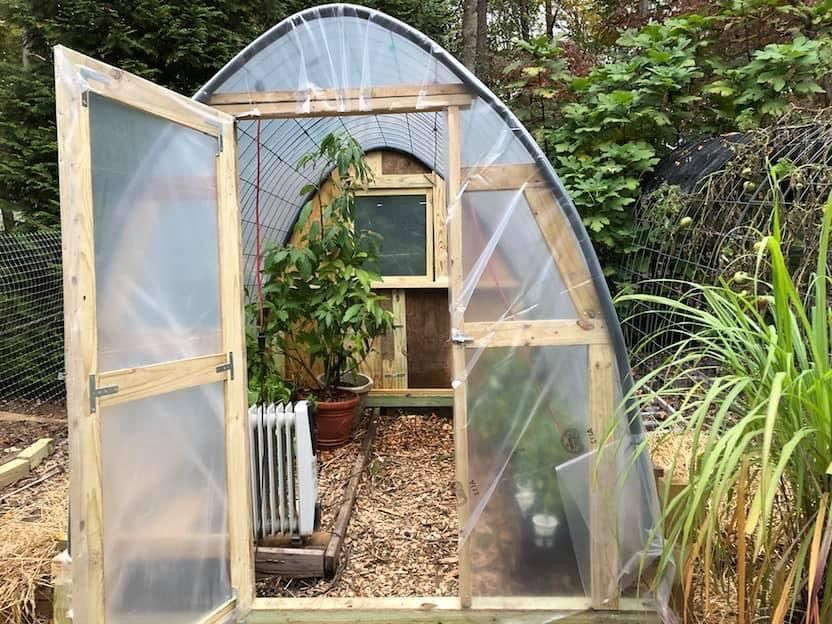
Pre-cut greenhouse kits often provide structure but leave room for cost-cutting and creativity. A popular DIY variation involves constructing a wood base frame and arching metal conduit or PVC across it to form the ribs of the greenhouse. These curved supports are then covered with greenhouse-grade plastic sheeting and secured using clamps or staples. The wooden base—typically made from treated lumber—adds stability while allowing anchoring to the ground, deck, or raised beds. This hybrid approach balances affordability with durability, making it ideal for larger installations or semi-permanent backyard setups. Door frames and vents can be customized using leftover lumber, while the interior accommodates hanging pots, shelf units, or ground-level beds. For added heat control, reflective insulation panels or thermal curtains can be attached to the sides. One of the major advantages of this build is its scalability—you can expand or shrink the length based on your available space. Simple tools like a drill, saw, and measuring tape are all it takes to assemble a high-functioning greenhouse tailored to your climate and gardening goals. For hobbyists or small-scale growers, this conduit-arch kit method delivers impressive results without the cost of commercial greenhouse structures.