
Golden canopies, fiery reds, and crisp amber tones mark the shift into one of nature’s most breathtaking displays. As temperatures dip and daylight softens, stunning autumn trees landscape scenes turn everyday trails, forests, and parks into painterly marvels worth experiencing firsthand. These vibrant transitions aren’t just visual treats—they signal seasonal change, invite mindful moments, and offer endless inspiration for outdoor strolls or scenic drives. Whether you’re a foliage chaser, photographer, or simply craving beauty in the everyday, this guide curates the most captivating autumnal views you won’t want to miss. Let the glow of fall colors lead you through the ultimate leaf-peeping experience.
Forest road flanked by fiery maples
Morning light stretches across the path, casting golden beams on either side as vibrant red and orange maple trees form a fiery corridor. The scene is drenched in seasonal brilliance, with every leaf glowing like a flame in the crisp autumn air. This type of natural tunnel—lined with maples—is a favorite for fall foliage drives and photography walks, offering a perfect blend of structure and chaos that only nature can provide. With each gust of wind, leaves gently fall like embers, softening the forest floor and adding to the sensory experience. The trees arch slightly toward the center, framing the road like a portal into the heart of fall. These tree-lined roads provide more than just beauty—they help reduce wind erosion, offer shade, and act as ecological corridors for wildlife. Popular among leaf-peepers and travel bloggers, these fiery maple lanes evoke the magic of the season while also highlighting the importance of preserving deciduous forests. Whether you’re on foot or behind the wheel, traveling such a route becomes an experience steeped in color and quiet serenity. It’s a quintessential autumn landscape that never feels overdone, yet always leaves an impression.
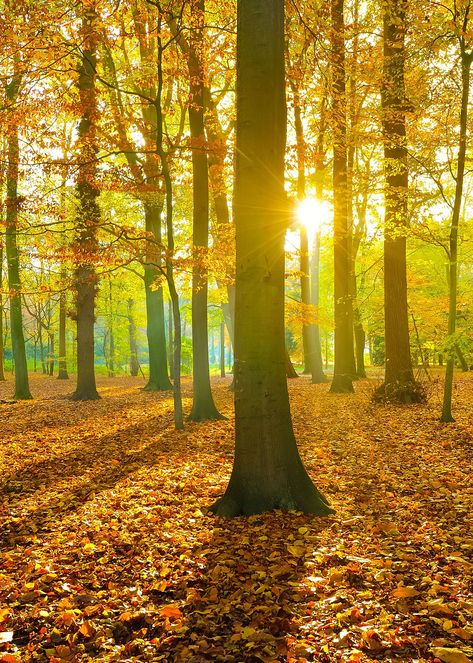
Golden-bronze trail with sunlight filtering through
Golden light seeps through thinning branches, illuminating a winding trail covered in bronze and amber leaves. This forest path offers more than scenic beauty—it presents a study in light, depth, and seasonal transition. The filtered sunlight creates moving patterns across the trail, dancing with every passing breeze. Underfoot, leaves crunch softly, adding a tactile rhythm to the visual harmony above. Each step forward feels like a journey deeper into the heart of fall, where the play of light and shadow turns the mundane into the magical. These golden-bronze trails are typically composed of beech, birch, and oak, their leaves layering the ground like nature’s mosaic. Hikers and nature photographers often favor these routes for their warm, glowing aesthetic and tranquil atmosphere. Trails like these also help demonstrate how forests adapt to shorter days and cooler temperatures, as chlorophyll breaks down and allows other pigments to shine. For those seeking solitude or inspiration, few scenes compare. Every glance upward reveals a canopy glowing like stained glass, while the ground remains blanketed in nature’s palette. This is autumn at its most peaceful—quiet, golden, and fleeting.
Lone red tree against snowy mountain backdrop
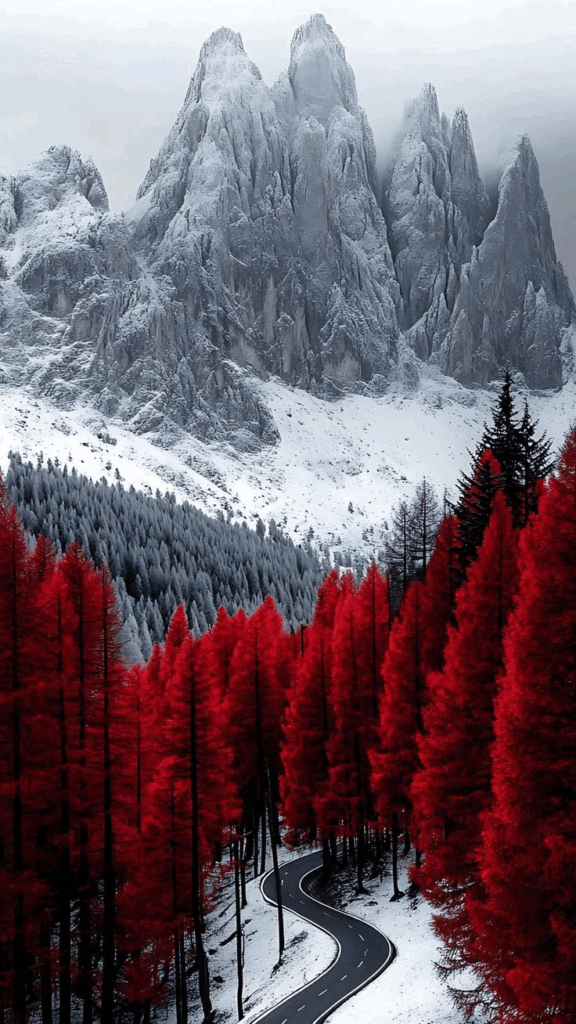
Near the edge of a frost-kissed field, a single red maple stands defiantly vivid against a backdrop of snow-dusted peaks. The juxtaposition between brilliant crimson foliage and the stark alpine stillness creates a landscape that feels both bold and serene. Such a view often arises in early autumn at higher elevations, where snowfall arrives even before the last leaves fall. This natural contrast not only delights the eye but also speaks to seasonal convergence—autumn’s warmth and winter’s approach, frozen in a moment of coexistence. The solitary tree, likely a red maple or sugar maple, thrives in transitional climates and often turns ahead of its neighbors. Its fiery hue is accentuated by the whiteness of the distant mountains and the sharp blue of the sky. Photographers favor such scenes for their dramatic contrast and symbolic weight, capturing both impermanence and endurance. While the snowy backdrop adds a touch of winter’s quiet strength, the vibrant tree reminds us of nature’s fleeting brilliance before dormancy. In this moment, color and cold find balance—a living flame against nature’s chill canvas
Bright tunnel of mixed yellow & orange foliage
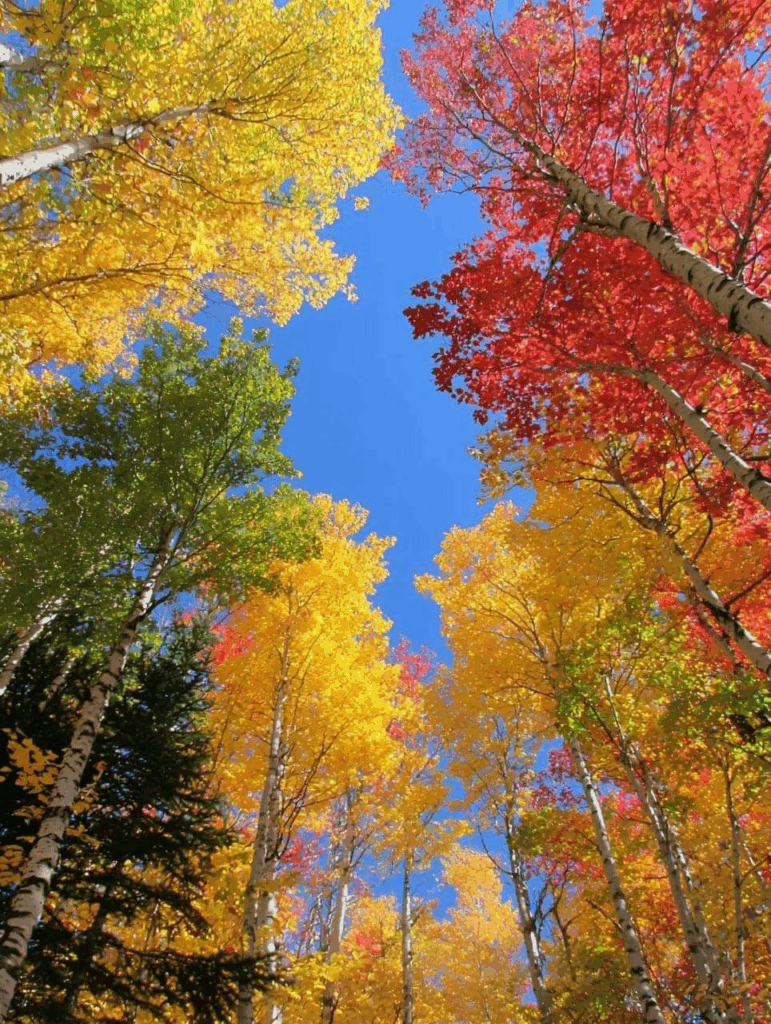
Overhead branches interlace to form a natural canopy glowing in yellows, oranges, and hints of lingering green. This vibrant tunnel, often seen along tree-lined trails or rural parkways, envelops travelers in autumn’s full spectrum. The experience feels immersive, as if the world has shifted into warmer tones. Such tunnels are typically formed by deciduous species like maple, birch, and poplar, all peaking in color within the same short window of fall. As the sun filters through the overlapping leaves, each step or wheel turn becomes a journey through autumn’s finest artistry. The contrast between shaded trunks and glowing treetops creates a layered visual effect, enhancing both depth and motion. These colorful corridors are often seen in nature reserves and countryside backroads, where preservation of native tree lines remains intact. Beyond their beauty, they also serve as important ecological zones, supporting insects and birds during seasonal transitions. For anyone wandering beneath this living canopy, it offers not just a visual feast but a momentary escape from modern noise. The mix of colors, movement, and light in these natural tunnels provides an autumn memory difficult to forget.
Reflection of autumn canopy on tranquil lake
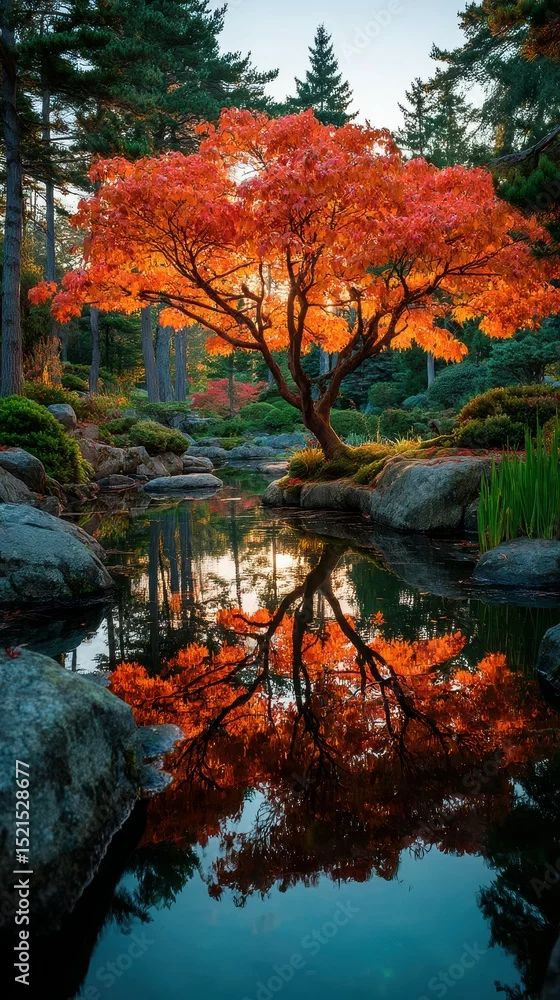
Glass-like water mirrors the treetops above, blurring the line between earth and sky. A calm lake surface transforms the surrounding autumn canopy into a masterpiece of symmetry and stillness. When the air is still and the leaves have reached peak coloration, the result is a natural mirror that doubles the visual impact. Lakes ringed by sugar maples, aspens, and oaks often produce this effect, especially in the golden hour when the light is soft and shadows are long. The mirrored reds, oranges, and golds ripple gently with the breeze, giving the entire scene a watercolor-like texture. Landscapes like these attract painters, photographers, and nature lovers alike, drawn to the ephemeral beauty that exists only when weather, timing, and color align. Tranquil reflections also symbolize balance in nature, showing how harmony exists even in transition. Birdcalls echo across the water, and the rustle of leaves becomes background music to the visual spectacle. For those seeking peace, few things compare to watching the season’s colors reflected so perfectly in nature’s still waters. It’s a fleeting canvas that changes by the day—and sometimes by the hour.
Aerial view of multi-hued woodland patchwork
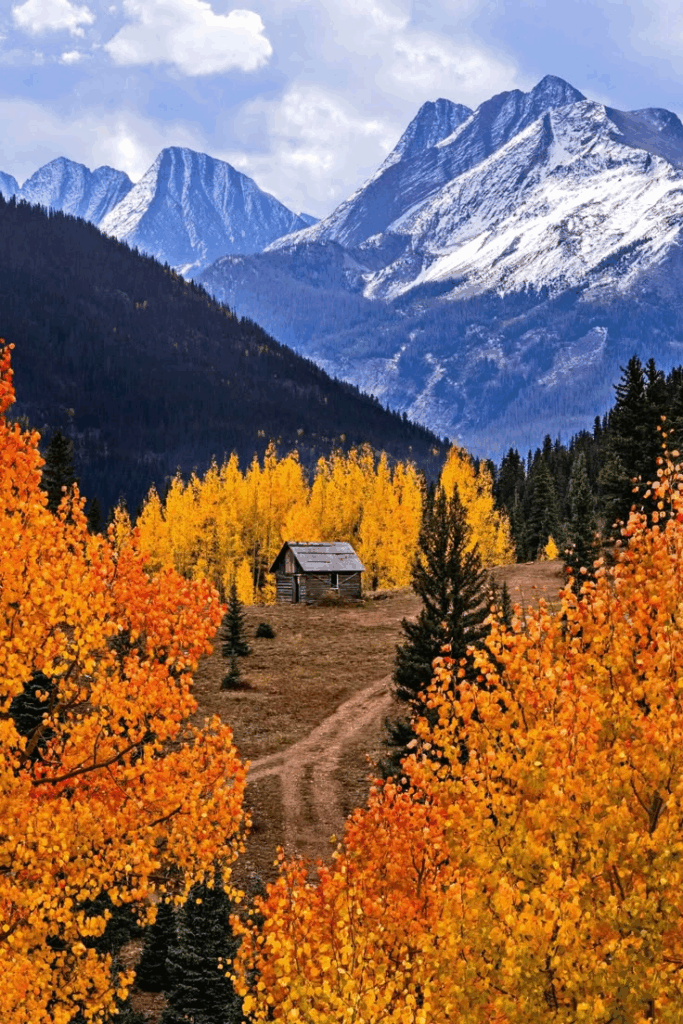
Seen from above, forests transform into vibrant quilts stitched together with amber, burgundy, ochre, and gold. The sweeping aerial perspective reveals how different species peak at varying times, creating a tapestry of tone and texture. Oaks retain rust tones, maples blaze with crimson, and aspens glimmer in yellow, forming a patchwork that’s as dynamic as it is breathtaking. Drones and aircraft photography have made this perspective more accessible, drawing viewers into the full scope of autumn’s transformation. The contrast between evergreen clusters and deciduous color bursts adds a rhythmic balance to the overhead scene. These elevated views also offer insight into forest health and diversity, highlighting gaps, tree lines, and natural corridors. Regions like New England, the Great Smoky Mountains, and the Pacific Northwest deliver particularly vivid mosaics when viewed from above during peak season. From a storytelling perspective, the bird’s-eye angle speaks of scale—how small we are compared to nature’s grandeur. Whether for ecological study or aesthetic wonder, this viewpoint captures the complexity and unity of fall foliage in one glance. The entire forest seems to breathe color, stitched together by seasonal rhythm.
Misty mountain valley filled with fall color
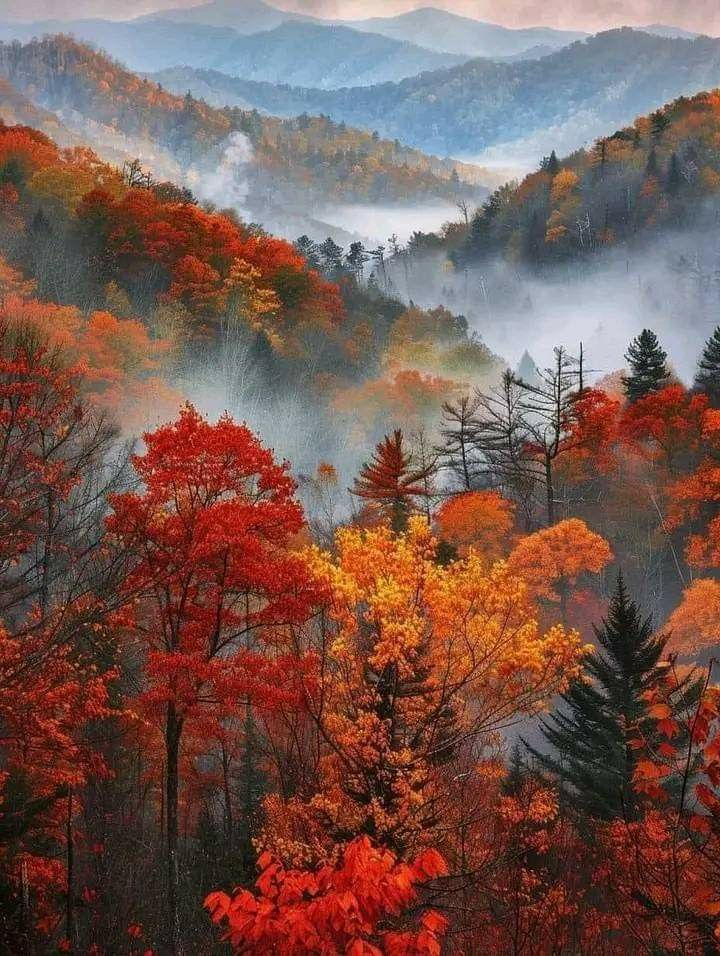
Low-hanging fog snakes through a mountain valley, weaving among hills blanketed in fiery autumn tones. The blend of mist and saturated foliage creates a dreamlike atmosphere, where colors appear to glow softly under a veil of moisture. These scenes often emerge in the early morning hours, especially in mountainous regions like the Adirondacks or Appalachians where temperature fluctuations produce natural mist. Vibrant maples, sweetgums, and hickories contrast beautifully against the subdued gray of fog, creating an effect that feels both ethereal and grounded. Mist diffuses the light, softening sharp lines and turning treetops into blurred strokes of pigment. Hikers often encounter such vistas at scenic overlooks, where altitude offers panoramic views of the mist drifting below. From an ecological lens, the valley supports a range of biodiversity, providing refuge and nourishment to migrating birds and woodland animals. For viewers, the sight evokes introspection—stillness suspended between seasons. The interplay of moisture, elevation, and color captures autumn’s fleeting essence in its quietest form. It’s a landscape that feels untouched, almost sacred in its silence.
Rustic cabin nestled among vivid trees
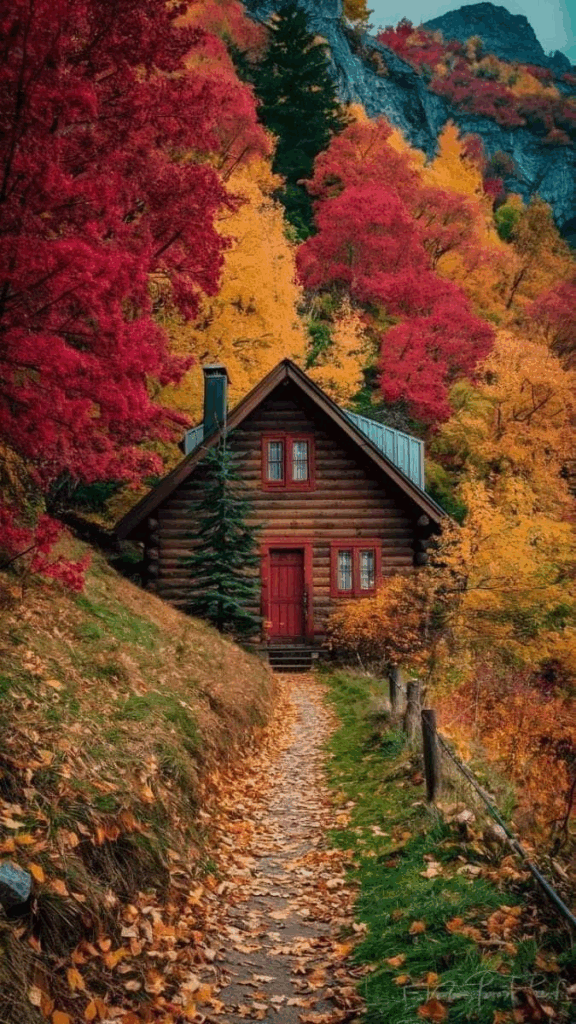
Wooden beams peek through a halo of golden and crimson leaves, giving the scene the charm of a storybook illustration. A rustic cabin surrounded by blazing foliage offers more than picturesque appeal—it symbolizes retreat, simplicity, and harmony with nature. These structures are often built from natural materials like pine and cedar, allowing them to blend seamlessly into the autumn setting. Located in wooded regions across North America, from Vermont to Oregon, such cabins become seasonal sanctuaries where the distractions of the modern world feel distant. Smoke curling from a chimney, leaves rustling underfoot, and filtered light through colorful trees build a sensory experience tied to both nostalgia and comfort. The surrounding trees, often a mix of maple, oak, and beech, provide a seasonal cloak that changes daily. For wildlife, this environment offers both food and shelter as they prepare for winter. For people, it offers space to reconnect—with nature, with loved ones, or simply with silence. The visual harmony between architecture and foliage is a reminder that the best autumn moments are often the quietest ones, tucked away off the main road.
Empty wooden walkway in leaf-strewn forest
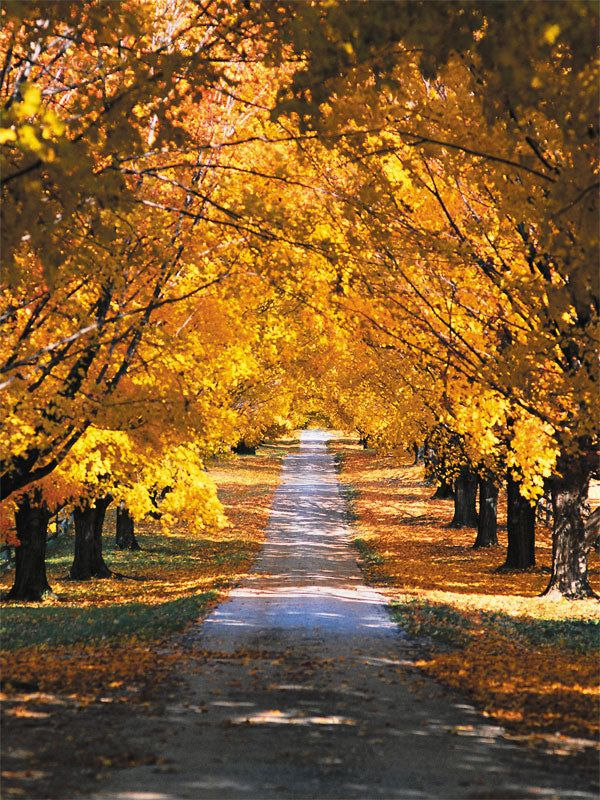
Wooden planks stretch forward beneath a thick carpet of fallen leaves, guiding visitors through a forest softened by time and season. This kind of walkway, often found in state parks and nature preserves, bridges wetlands, marshy terrain, or forest floors that become muddy in autumn rains. As leaves tumble from above, they settle across the path, creating a natural mosaic in hues of ochre, rust, and amber. The solitude of an empty trail enhances the experience—each creak of the wood, each crunch beneath the boot becomes part of the environment’s soundtrack. Without crowds or conversation, the focus shifts entirely to the quiet beauty that surrounds. Forest boardwalks help protect fragile ecosystems while allowing people to move deeper into nature without damaging undergrowth. Alongside their utility, they also become symbolic—offering literal and metaphorical pathways through change. In fall, these paths feel particularly meaningful, framed by bare branches above and colorful layers below. As the canopy thins and the forest readies for rest, walking here becomes a gentle farewell to the growing season, filled with subtle beauty at every step.
Sunburst through crimson leaves at dawn
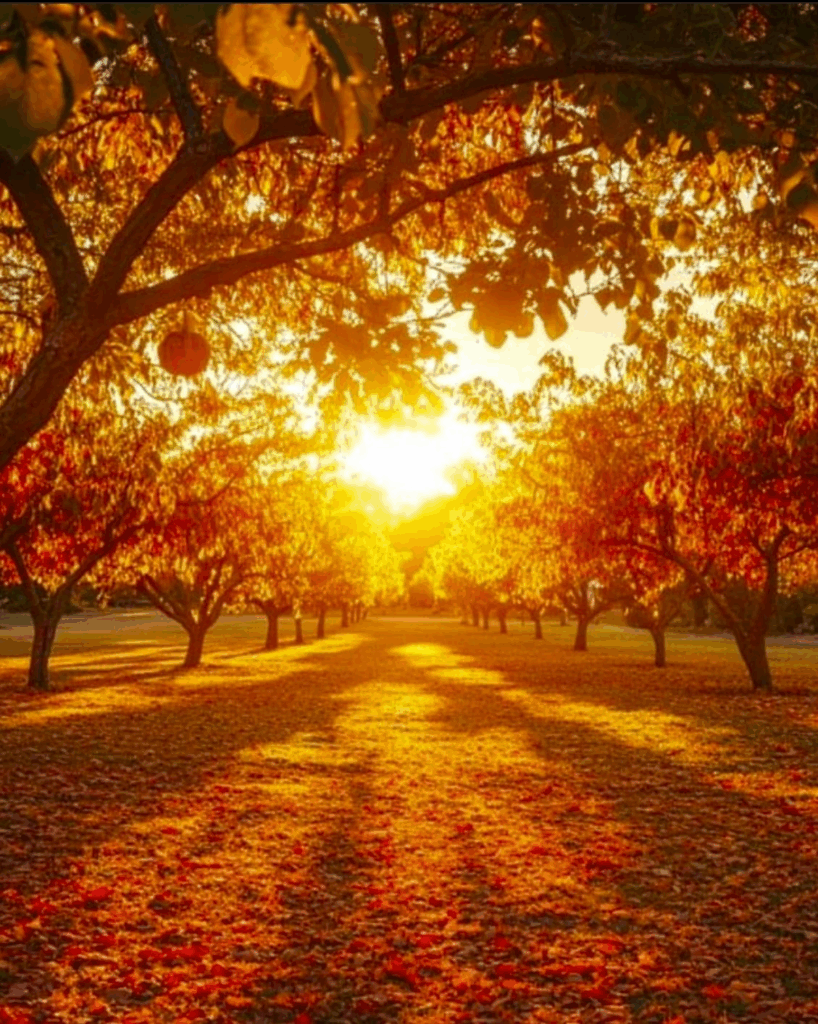
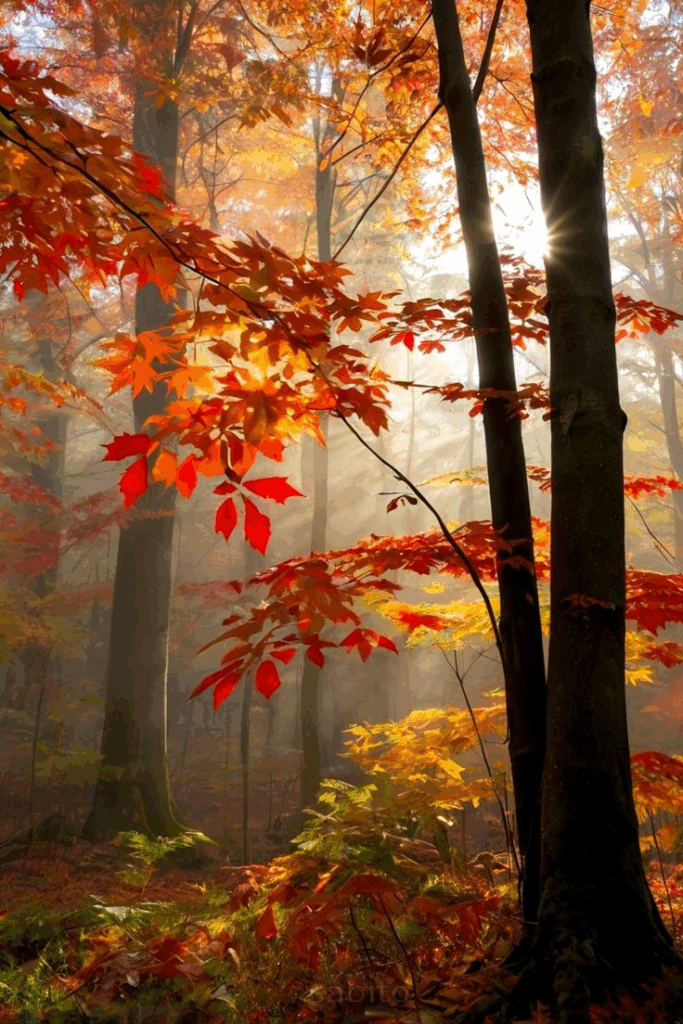
First light pierces the forest canopy, sending warm rays through a web of crimson leaves just as the day begins. The angle of the sun at dawn creates sharp, golden shafts that highlight the fiery red tones of maples and dogwoods, setting them ablaze with light. This combination of timing and color makes for one of autumn’s most powerful visuals. Early risers are often rewarded with these scenes—moments where the interplay of light and color feels nothing short of magical. Cool air heightens the clarity of the scene, while dew-kissed leaves shimmer briefly before drying under the morning sun. Landscapes like this appear briefly, often only for minutes, before the light shifts or clouds roll in. Photographers seek them out for their rich drama, but even without a lens, the experience imprints deeply. From a scientific standpoint, the red pigments—anthocyanins—are more vivid when cool nights precede sunny days, explaining the saturation at this hour. Light filtering through these leaves isn’t just beautiful; it’s revealing the season’s final burst before the inevitable fade. Such moments remind us of nature’s rhythm—luminous, fleeting, and perfectly timed.
Winding riverside lined with fiery trees
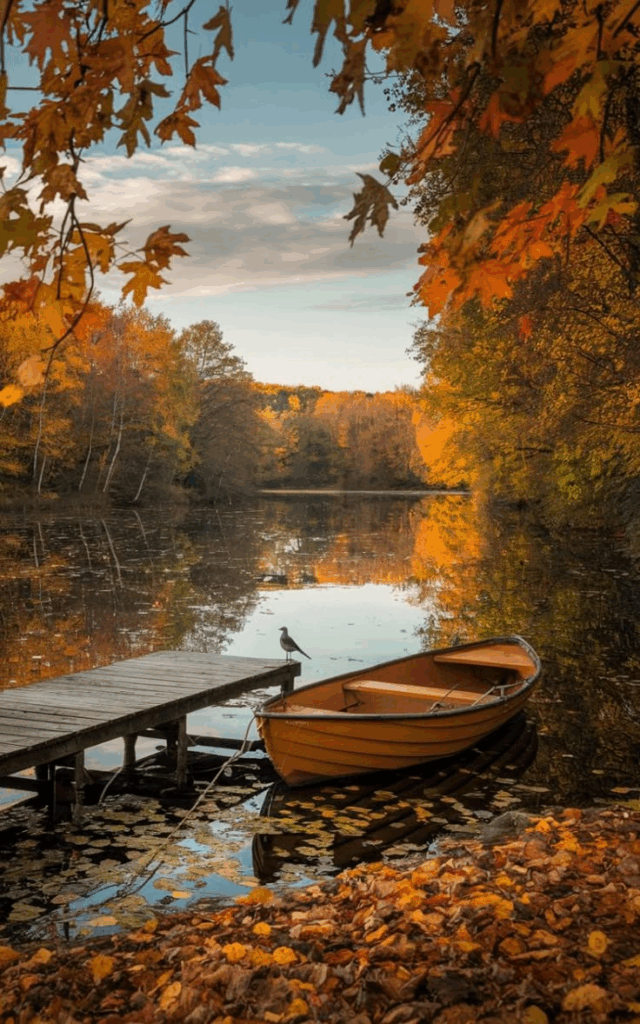
Curves of a gentle river trace through the landscape, each bend framed by vivid foliage in shades of scarlet, gold, and orange. The reflective surface captures every color, doubling the intensity of the scene as if fire dances along the shoreline. Rivers bordered by hardwoods like maple, ash, and sweetgum become especially striking in autumn, as their foliage peaks in unison. These winding riverbanks often offer a tranquil retreat for kayakers, anglers, and hikers, where the stillness of the water enhances the visual grandeur above. Wildlife flocks to these areas too—herons wade through shallows while deer sip near fallen leaves at dusk. The trees serve as crucial stabilizers, preventing erosion and supporting aquatic ecosystems below the surface. Scenic byways and footpaths often hug these river curves, providing unmatched views and quiet moments of reflection. The contrast of water’s cool blue against autumn’s warmth offers a painterly quality no filter can match. For those looking to witness fall at its most serene, these riverside trails reveal how landscape and season work in harmony. With every bend, another scene unfolds—each more beautiful than the last.
Quiet country road bordered by vibrant maples
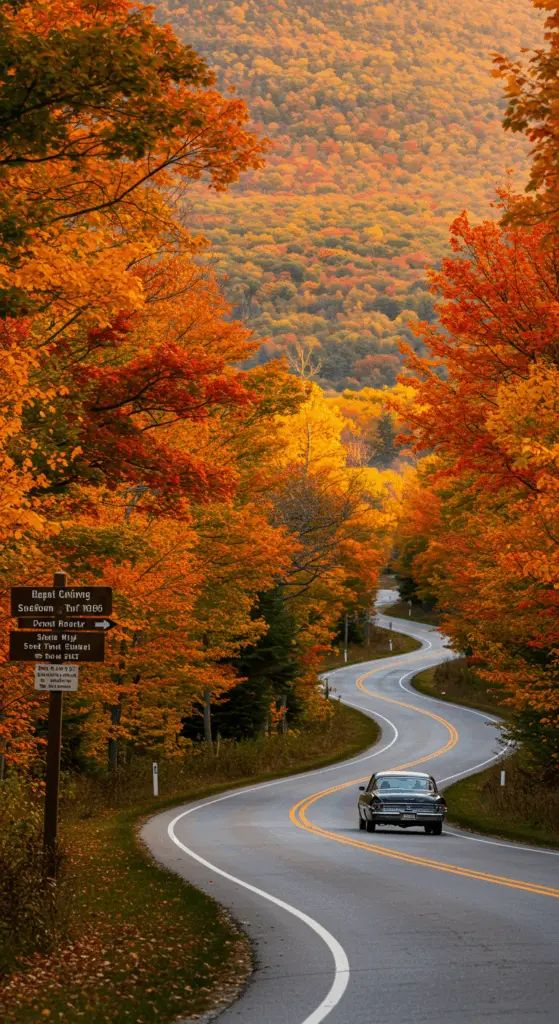
Stretches of open road wind through farmland and woodland, flanked by maple trees blazing in red, orange, and gold. These rural corridors become seasonal showpieces as October approaches, especially in regions like Vermont, Ontario, or upstate New York. The symmetry of maples on either side creates a balanced frame that guides the eye toward the horizon, often glowing in soft autumn light. For travelers, it’s a drive that invites slowness—windows down, the crisp scent of leaves in the air, and the faint rustle of wind-stirred branches overhead. The leaves overhead form an archway of color, while the ones on the road soften the sound of tires, adding a sense of quiet to the experience. For photographers and content creators, this scene provides endless perspective shots, symmetry, and tonal richness. These roads aren’t just scenic—they’re also deeply rooted in local heritage, often connecting small towns, farms, and historic homes. Many of these maple-lined roads date back generations, intentionally planted for shade and beauty. In fall, they fulfill that legacy, delivering one of the most iconic views of the season. Every curve holds a new palette, proving autumn never paints in monotone.
Autumn sunset lighting sky behind bare branches
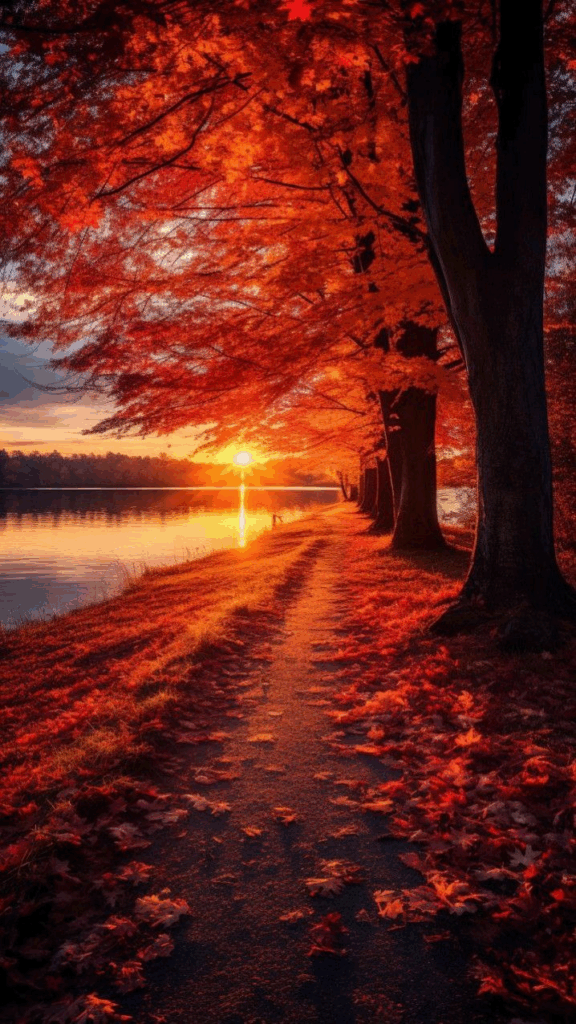
As the sun descends, its final rays wash the sky in shades of lavender, coral, and soft tangerine. Against this glowing canvas, skeletal branches stretch upward—remnants of trees now past peak, their leaves already scattered. This twilight moment feels poetic, signaling both the close of a day and the slow decline of a season. Unlike the vivid fullness of early fall, this scene offers a quieter, more introspective beauty. Bare branches, often from elms or ash, become silhouettes etched against the sky’s warm gradient. It’s a moment that evokes reflection rather than awe—a reminder that change, too, holds its own elegance. These sunsets often emerge crisp and clear in late October or early November, when the air cools quickly after sundown. Without dense foliage to block the view, the sky seems more expansive, its colors unfiltered and open. For artists and writers, this imagery holds symbolic weight—endings, resilience, the beauty of letting go. While many chase peak color, scenes like this speak to those who appreciate what follows. It’s the quiet exhale of autumn, illuminated in soft light and skyfire.
Lake with floating fallen leaves at golden hour
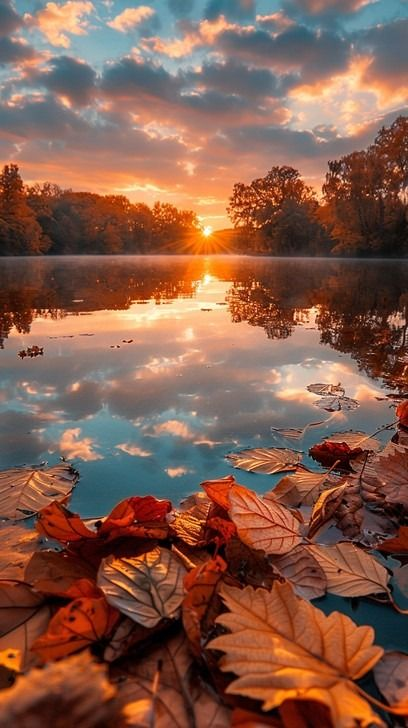
Sunlight glints off the water’s surface as scattered leaves drift gently across, forming islands of color atop a glassy lake. The golden hour bathes the entire scene in warmth, softening every reflection and turning ordinary stillness into something cinematic. These lakes often sit sheltered among wooded terrain, allowing leaves to accumulate in calm pockets without wind disruption. Maples, oaks, and birches contribute to this floating mosaic, their freshly fallen leaves still retaining bold hues. The visual effect is painterly—reds and golds against the lake’s cool blue tones, glowing where light strikes just right. This gentle clutter becomes a symbol of autumn’s final act, where beauty doesn’t just fall—it floats, lingers, and refracts. Dragonflies skim the surface, and distant bird calls echo across the water, enhancing the sense of seasonal transition. For observers, it’s a reminder that not all color comes from trees above—some of autumn’s richest tones lie underfoot or adrift. Photographers and artists often flock to these golden hour scenes, where shadow and light perform a brief, stunning duet. As the sun sinks lower, reflections deepen, and the floating leaves become part of a fleeting masterpiece.
Cobblestone path shaded by colorful canopy
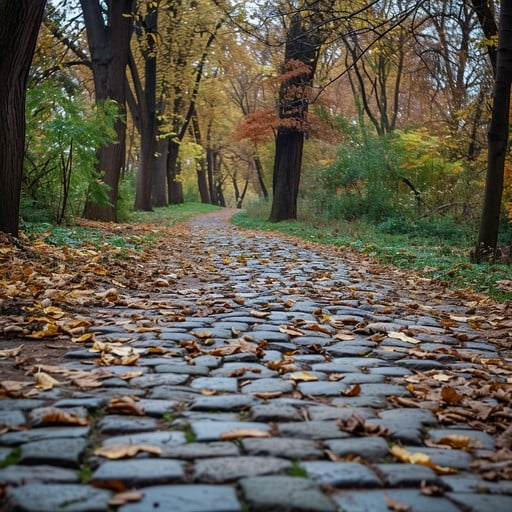
Old stones form a winding walkway beneath a ceiling of vibrant fall foliage, where every step feels like a stroll through another century. These cobblestone paths, often found in historic villages or parkland estates, blend architectural heritage with nature’s seasonal show. Overhead, trees such as sugar maples and tulip poplars burst into fiery oranges and buttery yellows, casting dappled shadows on the uneven stones below. As leaves drop, they nestle into the crevices of the path, creating textured patterns that change daily. This kind of setting appeals not only to those seeking seasonal beauty but also to history lovers and culture tourists, offering a visual bridge between past and present. Many such paths were originally laid for carriages or foot traffic long before asphalt took over. In autumn, their rough, aged charm is enhanced by nature’s finishing touch. Morning walks here feel particularly magical, with dew catching on fallen leaves and cool air whispering through branches. Every element—the crunch underfoot, the filtered light, the historic stonework—adds to the layered ambiance. It’s not just a pathway; it’s a walk through time dressed in autumn’s finest.