
Limited ground space doesn’t have to limit your garden’s potential. Vertical flower gardens offer a smart, eye-catching way to add color and texture to walls, fences, balconies, or even narrow walkways. With the right setup, you can grow a lush floral display that doubles as a natural privacy screen or living art piece. From repurposed ladders to wall-mounted planters, these designs make it easy to bring blooms upward—maximizing space without sacrificing beauty. Whether you’re working with a small patio or just want to enhance a blank wall, this guide shares ideas that turn vertical surfaces into blooming garden statements.
Pallet Pocket Wall
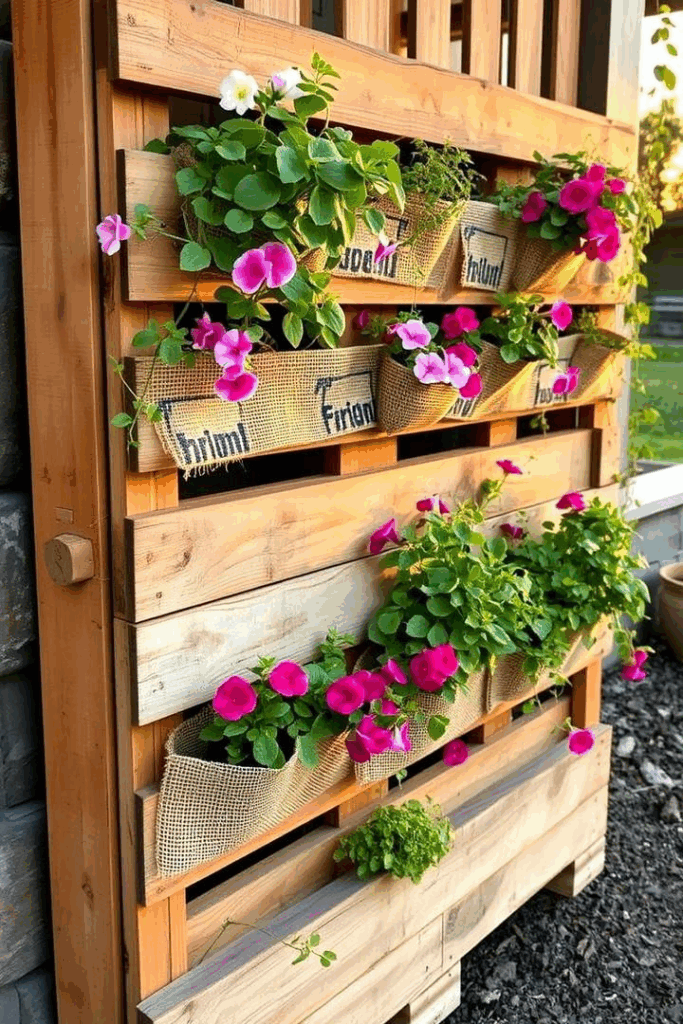
Weathered wood pallets can be reimagined into a striking vertical flower display that doubles as a space-saving garden solution. When mounted securely against a wall or fence, each horizontal slat can be outfitted with grow bags or lined cavities to cradle soil and flowering plants. Marigolds, pansies, petunias, or compact zinnias thrive in these snug compartments. This setup encourages efficient drainage while protecting roots from ground-level pests. Gardeners can stagger color schemes to form ombré patterns or mix trailing vines with upright bloomers for layered interest. These DIY units are especially popular for renters and balcony gardeners since pallets are easily sourced and modified with minimal tools. Seasonal updates are effortless—just refresh the soil and replant. Because of the pallet’s modular nature, several can be combined side-by-side for larger living murals. For longer-lasting use, seal the wood to prevent rot, and line pockets with landscape fabric before planting. This idea excels in limited spaces and brings a rustic, natural feel to urban corners. It also fosters better plant air circulation, which helps reduce mildew in humid climates. In small yards, patios, or city balconies, pallet pocket walls provide visual charm while maximizing floral diversity per square foot.
Rain‑Gutter Cascade Planter
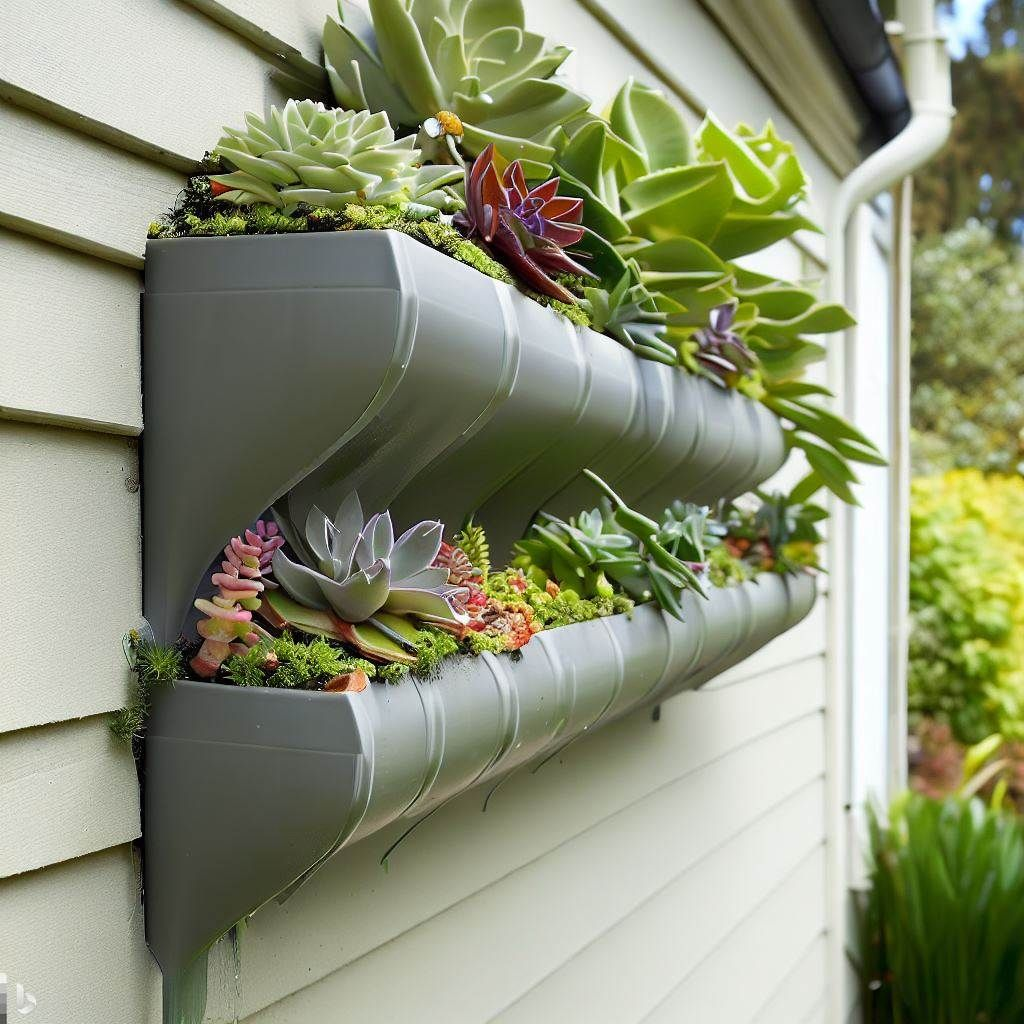
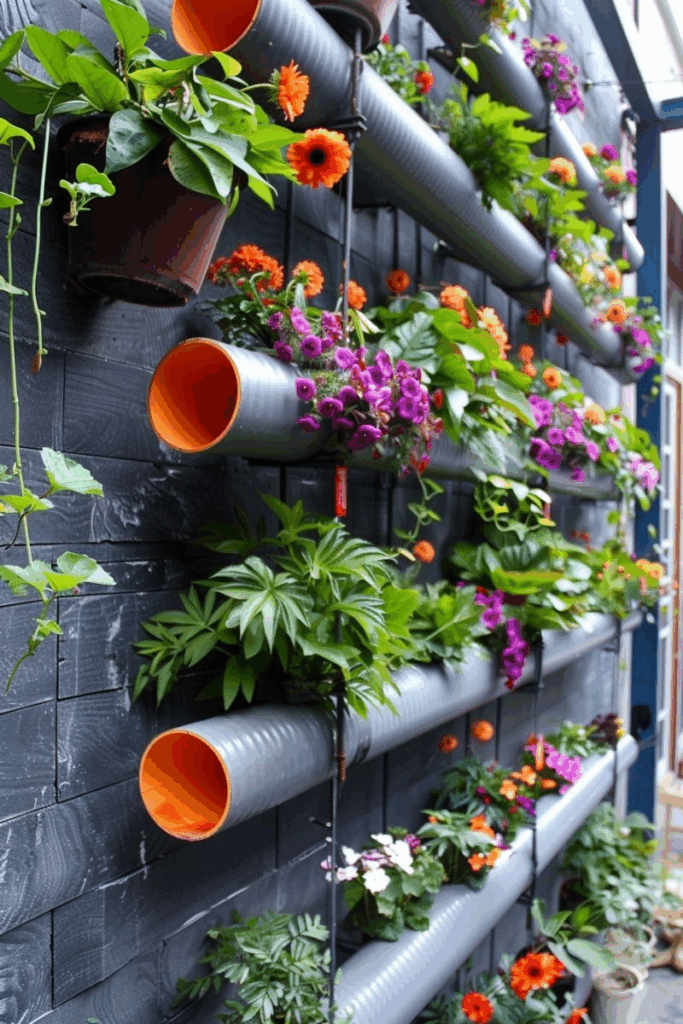
Old or surplus rain gutters often end up as scrap—but with a bit of vision, they transform into tiered planters that bloom with beauty and function. When mounted in a stepped or diagonal cascade on vertical boards or fences, these gutters act as elongated flower boxes, supporting shallow-rooted species like begonias, pansies, or nasturtiums. The linear shape naturally lends itself to narrow spaces such as alleyways or apartment balconies. Adjustable bracket systems allow for varying slopes, which encourages water trickling from the top row to nourish the lower levels. For best performance, small drainage holes should be drilled along the bottom of each gutter segment to prevent pooling and root rot. Painted or powder-coated finishes also prevent rust and extend outdoor longevity. This cascading system is particularly popular among urban dwellers who crave a multi-tiered garden without the footprint of traditional pots. Interspersing herbs like chives or thyme between blooms not only adds fragrance but also deters common garden pests. Overall, rain-gutter planters are lightweight, scalable, and ideal for experimenting with floral arrangements. With smart placement and sunlight consideration, these upcycled structures deliver continuous color flow from spring through fall without cluttering ground-level walkways.
Stackable Flower‑Tower Modules
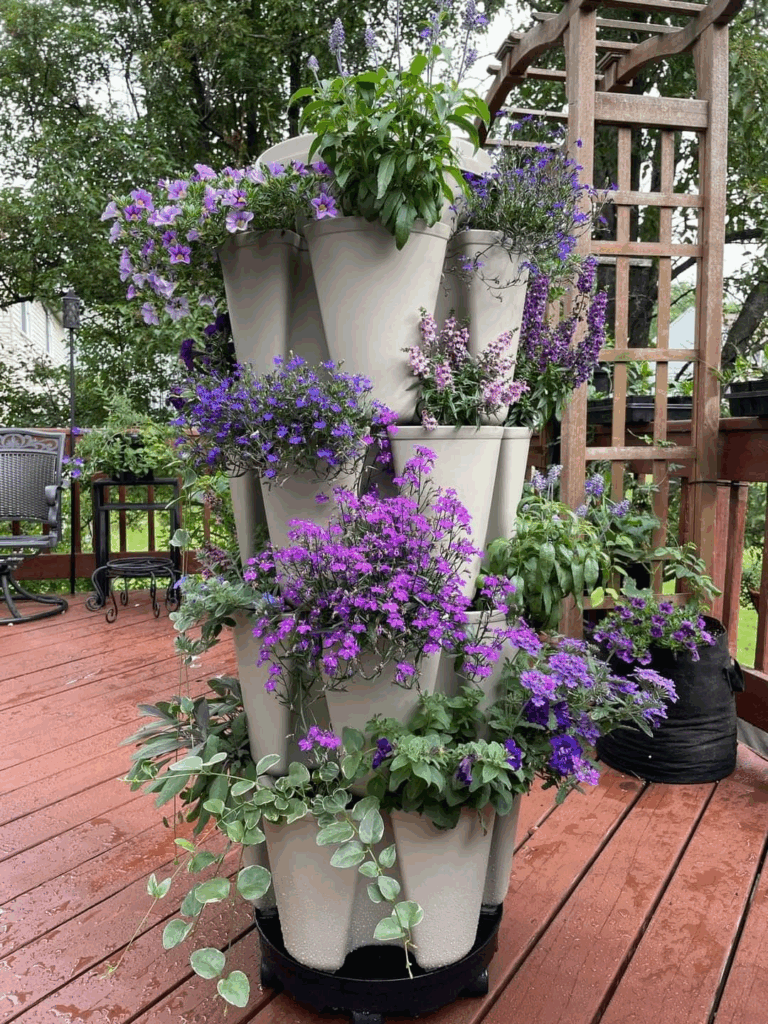
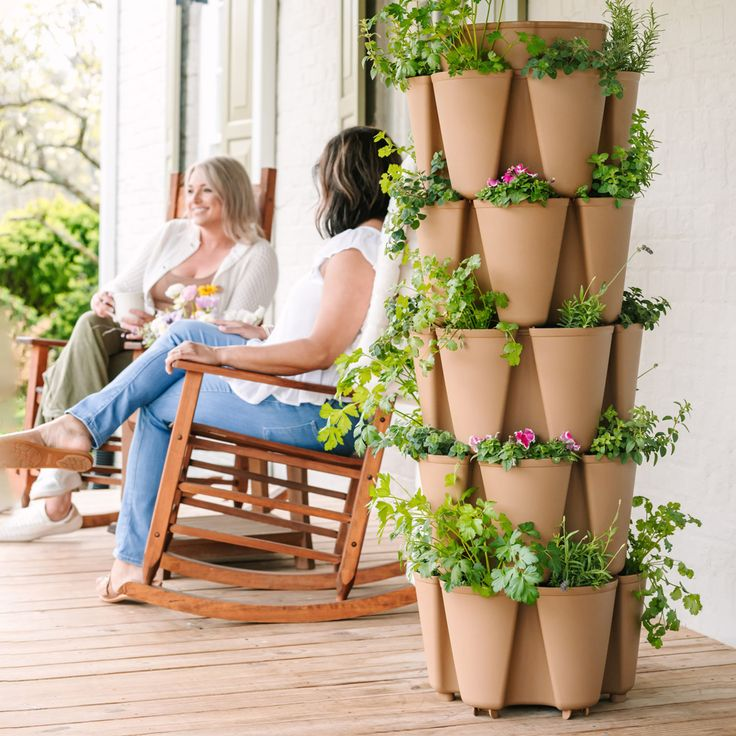
Modular stackable systems offer a sleek, scalable way to add vertical gardening potential without permanent construction. These flower towers, often made of interlocking plastic or composite units, support layers of plants in every direction—ideal for compact yards or patios craving color density. Each module contains multiple angled pockets that cradle individual plants and channel water through gravity-fed irrigation. With built-in water flow channels, these systems prevent overwatering while reducing waste. Gardeners often fill the lowest tiers with water-thirsty species like lobelia or calibrachoa, while drought-tolerant blooms such as geraniums or portulaca thrive toward the top. These stackables are simple to rearrange or relocate depending on seasonal sun exposure. They work particularly well in rented homes or shared spaces, offering flexibility without major investment. Nutrient-rich, lightweight soil ensures proper root development in small compartments. Maintenance is straightforward—just rotate the tower occasionally and monitor watering. This configuration also supports visual experimentation, allowing for patterned color blocks or wild cottage-style mixes. Whether purchased as kits or assembled from recycled materials, stackable towers present a visually dynamic and highly functional gardening method. For households with pets or small children, these vertical builds keep fragile flowers safely out of reach while doubling as decorative features.
Leaning Ladder Bloom Shelf
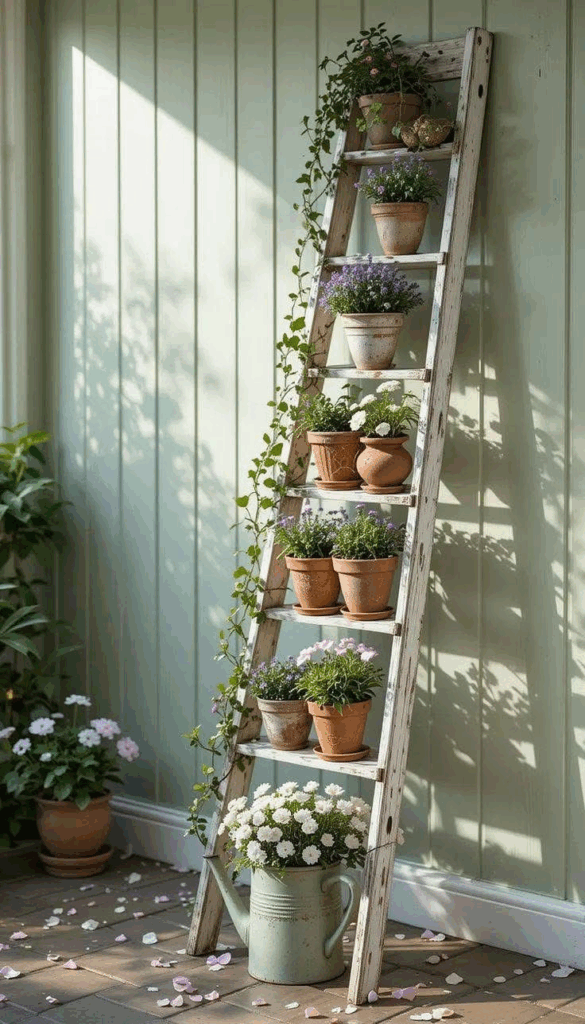
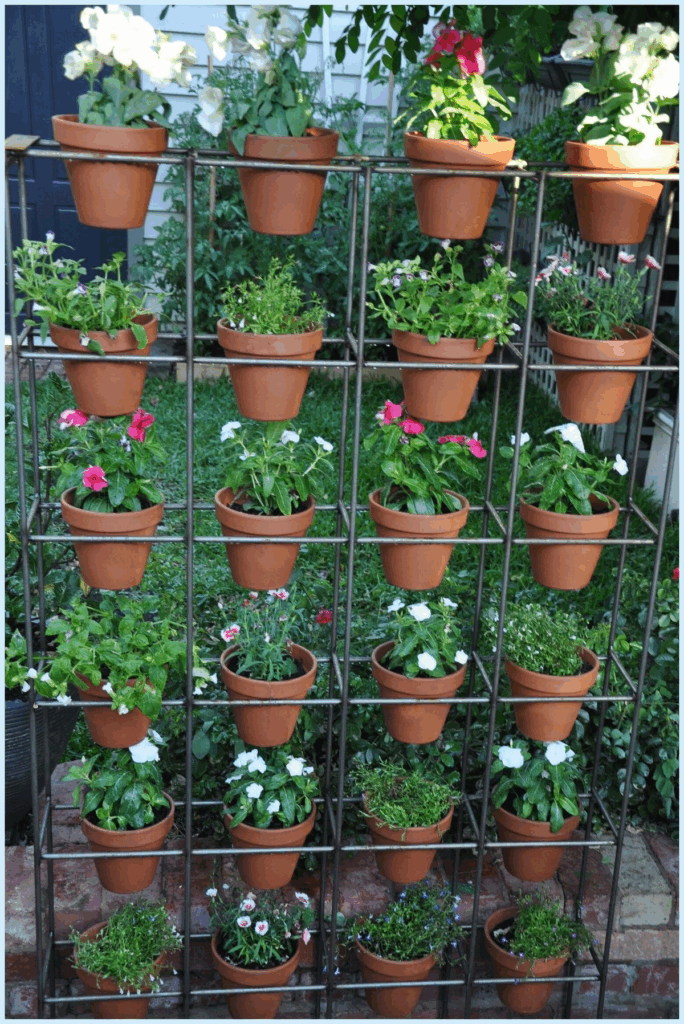
A vintage wooden ladder can be refashioned into a tiered flower showcase, leaning gently against fences, brick walls, or balconies. Each rung becomes a platform to support flower pots, shallow troughs, or hanging baskets, giving the setup a cascading bloom effect. Sun-loving species like gerbera daisies, dianthus, or dwarf sunflowers work well for upper tiers, while shadier plants like coleus or begonias flourish near the base. This angled build optimizes vertical display without penetrating walls—ideal for renters or those avoiding structural alterations. Using weatherproof wood or applying sealant helps protect the frame from outdoor wear, and attaching shallow trays to rungs adds planting space while keeping soil contained. Some gardeners prefer to paint the ladder in vibrant hues, complementing their flower palette or outdoor furniture. For additional flair, solar fairy lights or climbing ivy can be woven through the side rails. Leaning ladders offer a visually playful approach to vertical gardening, blending farmhouse charm with botanical function. The movable nature of this structure also allows for repositioning based on seasonal light shifts. Practical, charming, and relatively low-cost, this DIY build is especially appealing to gardeners seeking flexibility and vertical charm without permanent fixtures or complicated setups.
Pocket Shoe‑Organizer Balcony Garden
Clear plastic or fabric shoe organizers aren’t just for closets—they double as perfect compact flower gardens for balconies and railings. When hung vertically against a sunny wall or railing, each pocket becomes a miniature planter for vibrant blossoms such as pansies, violas, dwarf marigolds, or even edible nasturtiums. The pockets help maintain defined root zones, reducing competition between plants while supporting efficient water absorption. Gardeners can easily label or rotate plant varieties, making this method great for trial gardening or seasonal swaps. To prevent root rot, small holes should be added for drainage if the fabric doesn’t already breathe. Soil-filled pockets retain moisture well but dry evenly due to airflow between layers. Lightweight and budget-friendly, this idea is widely loved by city gardeners working within minimal square footage. It’s also kid-friendly—low-level pockets can be filled with sensory blooms or safe edibles for little hands. Some variations come pre-lined with moisture barriers, while others benefit from DIY reinforcement using plastic sheeting. This method adds bursts of color without requiring heavy infrastructure or deep planters, and it’s ideal for spaces that see partial sun. With vibrant rows of flowers blooming at eye level, these organizers deliver charm and practicality in one vertical bundle.
Wire‑Mesh Cylinder Totem
Gardeners looking for a sculptural floral display often turn to cylindrical mesh totems. Crafted by rolling hardware cloth or galvanized mesh into tall cylinders and anchoring them into large pots or the ground, these vertical forms serve as cages to support cascading or upward-growing blooms. Strawflowers, nasturtiums, or morning glories fill out the structure as they weave or spill through the open grid. Some opt to fill the inner core with lightweight soil and layer the outside with moss or coconut fiber, pressing small starter plants into each crevice for a living totem effect. Others use the mesh purely as a structural guide for vining species. This format allows 360-degree planting, maximizing sunlight exposure and color impact. It’s an excellent choice for patio focal points or standalone garden centerpieces, and the metal form ensures long-term durability. For extra height, multiple sections can be stacked or tiered. Customizing with colored mesh or painted support rods adds artistic personality, while bird netting can be integrated to protect young blooms. Overall, this vertical system provides both architectural intrigue and floral abundance, turning basic mesh into a blooming column that brings depth and seasonal color to any outdoor layout.
Living Picture‑Frame Planter
Repurposing a deep picture frame into a vertical flower display introduces botanical beauty with gallery-like precision. The frame is typically mounted over a mesh backing and lined with landscape fabric and soil to hold small flowering plants in place. Succulents, violas, and moss rose are ideal choices due to their compact growth and shallow root systems. When arranged thoughtfully, these flowers form living artwork that changes subtly with the seasons. Some designs integrate a wooden box frame behind the mesh to create enough soil depth without protruding too far from the wall. The backing ensures structural integrity, while the mesh supports the blooms and allows for airflow. These planters are usually installed on fences, balconies, or exterior home walls that receive partial sunlight. Maintenance involves regular misting and occasional trimming to maintain the frame’s aesthetic balance. For best results, secure the planter in a sheltered spot to avoid wind damage or overwatering during storms. These living frames transform blank spaces into captivating flower portraits that blend art with nature. By rotating floral palettes each season, gardeners can refresh the visual effect without rebuilding the frame—making it an enduring vertical solution with high creative potential and low spatial demand.
Clay‑Pipe Blossom Stack
Terra cotta drainage pipes stacked and angled with intent form an earthy, rustic tower ideal for flowering plants. Gardeners often slice openings along each pipe’s length or layer various pipe sizes to create offset planting pockets. Petunias, alyssum, and trailing lobelia spill beautifully from these circular tiers, softening the rigidity of the clay’s geometry. When stacked vertically with inner support rods or rebars, the structure remains stable even in wind-prone zones. Clay naturally regulates moisture, which keeps roots cool and helps prevent rot in hotter climates. Some designs alternate between full pipes and half-pipes, creating nooks for both upright and cascading plants. A bottom reservoir can be filled with gravel or sand for weight and drainage. These vertical stacks are especially favored in Mediterranean-style gardens or patios with terracotta accents. As each pipe weathers, it gains patina, contributing to an aged, timeless charm. The material’s breathability benefits plant health, while its structure supports efficient vertical planting without plastic or synthetic components. Because of its cylindrical format, the pipe stack is viewable from all sides, making it a stunning central feature. It also attracts pollinators and becomes a small-scale sanctuary for color, texture, and natural heat regulation.
PVC Pocket Wall
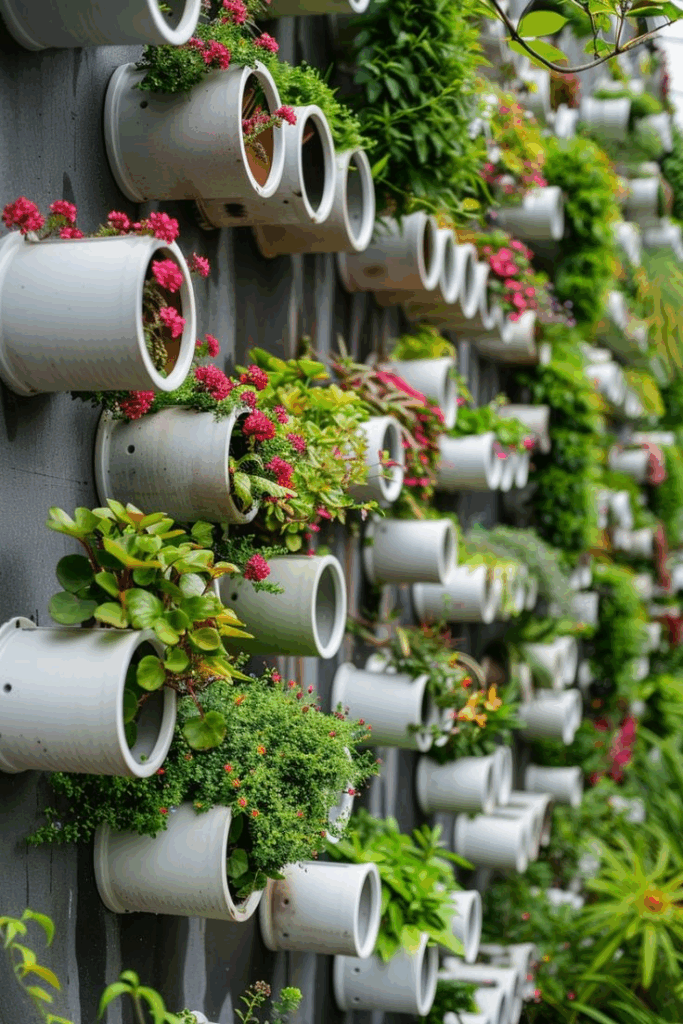
PVC pipe sections cut into half-moon pockets and mounted on wooden or metal backings create a functional, low-cost flower wall that’s both clean and contemporary. Each pocket holds just enough soil for small flowering varieties like dwarf marigolds, violas, or dianthus. With strategic drilling for drainage and spacing between rows, this method ensures both airflow and moisture control. Vertical pipe walls are particularly effective on sunny balconies or along fence panels that lack visual interest. PVC’s light weight allows for easy mounting, while its durability stands up well against rain and UV exposure. For added charm, the pipes can be painted in garden-safe hues or labeled with plant names. Many home gardeners prefer this approach for its adaptability—rows can be added or removed based on space and seasonal needs. These walls can also be built with angled pipes to encourage trailing plants to cascade downward, forming lush vertical patterns. To improve sustainability, upcycled construction-grade PVC often gets repurposed into these garden systems. They’re ideal for renters or budget-conscious growers looking for minimal fuss and maximum bloom. Maintenance is simple, requiring occasional rinsing and seasonal soil refreshes. PVC pocket walls deliver compact floral impact without overwhelming small outdoor spaces.
Crate‑Stack Flower Tower
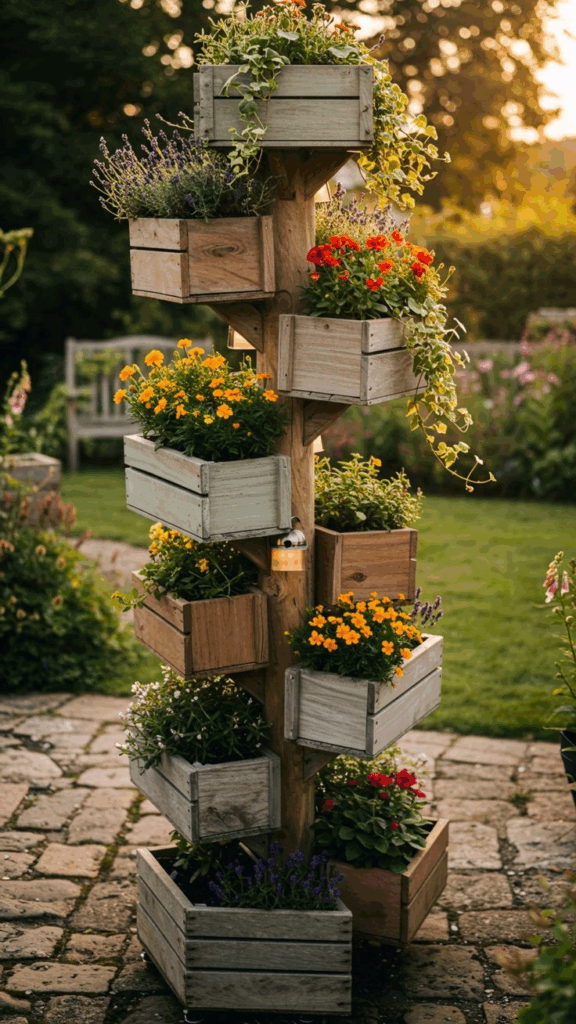
Plastic or wooden crates, when stacked creatively, form multi-level displays that celebrate vertical blooms without requiring complex installation. Arranged in a pyramid or tiered column, each crate becomes a modular flower shelf for showcasing pansies, impatiens, and trailing verbena. For stability, the crates can be zip-tied or bolted together, with the base filled with heavy material like sandbags or bricks. Depending on crate size, pots can nest within or flowers may be planted directly inside using landscape liner and rich potting soil. The open-grid design of many crates supports air circulation and proper drainage, keeping roots healthy through warmer seasons. Some gardeners spray-paint the crates to match seasonal color schemes or leave them natural for a rustic touch. The tower structure works particularly well in corners of patios or courtyards that need height and life. It’s also easy to rearrange or expand with additional crates as needed. Because the system is mobile, it can be rotated for even sunlight exposure or repositioned during seasonal transitions. Crate stacks allow creative experimentation while making the most of vertical space, and their simplicity invites even novice gardeners to join in the joy of planting upward with minimal tools or cost.
Modular Felt Living‑Wall Panels
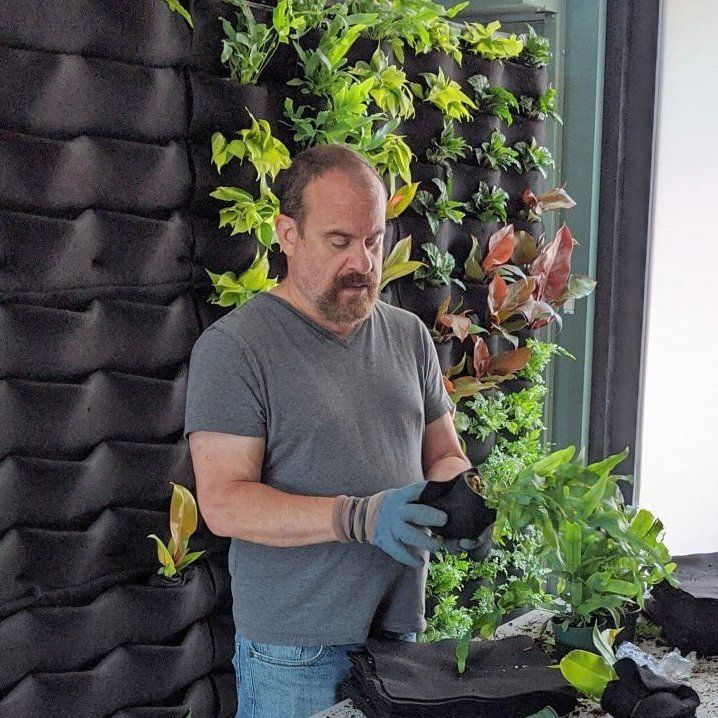
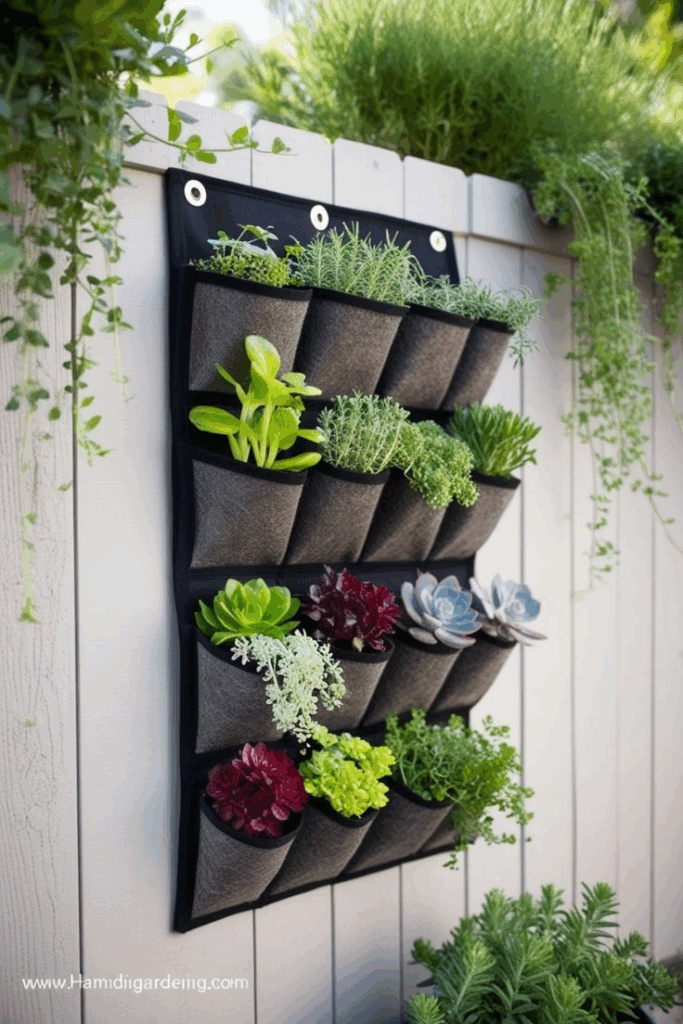
Felt-based living wall systems bring a modern edge to floral gardening while delivering excellent airflow and root breathability. Each panel features individual felt pockets stitched onto a backing, allowing for easy planting of compact, flowering varieties like begonias, nasturtiums, and mini petunias. The breathable nature of felt minimizes the risk of root rot while retaining just enough moisture to keep blooms vibrant between waterings. These modular panels can be attached to exterior walls, fences, or balcony dividers using simple brackets or hooks. Because the setup is segmented, gardeners can expand over time without dismantling existing blooms. The fabric material also holds soil well while keeping the structure lightweight, making it suitable for weight-sensitive surfaces. Regular misting and occasional nutrient boosts are enough to keep the system healthy. For design enthusiasts, the vertical format offers an opportunity to arrange flowers in color gradients or living mosaics. Some versions include built-in drip irrigation lines for easier upkeep. Ideal for renters or homeowners seeking non-invasive solutions, these panels also provide seasonal flexibility—plants can be rotated or replaced in minutes. Modular felt walls strike a perfect balance between structure and softness, allowing flowers to thrive vertically in both residential and commercial garden settings.
Magnetic Tin‑Can Fence Garden
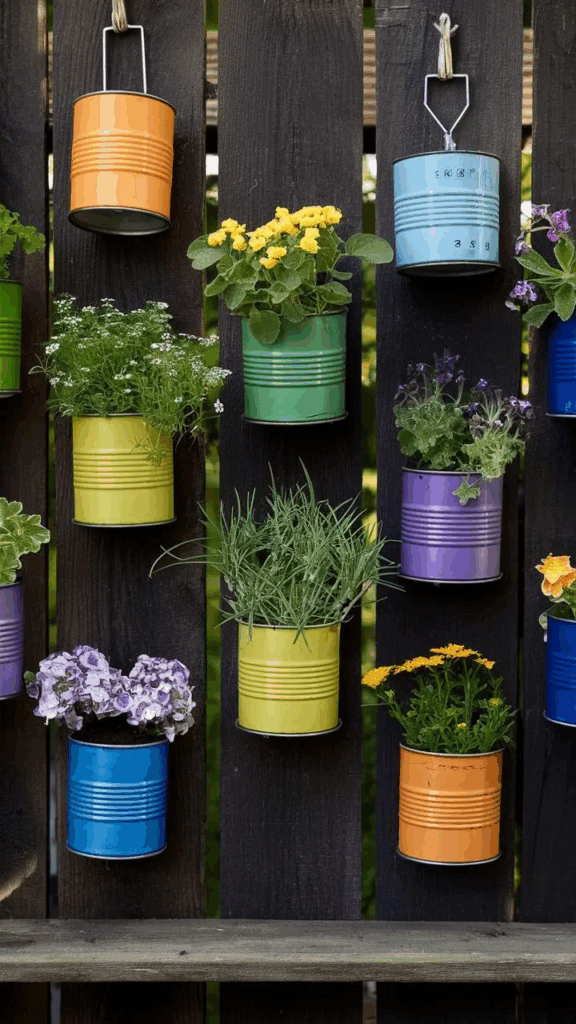
Tin cans, when outfitted with strong magnets and a splash of creativity, become charming flower containers that cling to metal fences, railings, or even steel balcony panels. Each can is typically drilled with a few drainage holes at the bottom, then filled with potting mix to support compact blooms like violas, alyssum, or mini petunias. Gardeners often paint or decorate the exterior to match seasonal aesthetics, giving the setup a whimsical, DIY feel. The magnets must be industrial-strength to support the full weight of soil and moisture, and placing them in pairs increases grip and stability. This technique is particularly appealing for renters, since it requires no drilling or structural commitment. It also allows for playful rearrangement—cans can be shifted daily to optimize sun exposure or design layout. While best suited for short-term plantings, they work wonderfully for showcasing annuals and experiment-friendly flower varieties. For added function, herbs or edible blossoms like calendula can be mixed in. Because the cans hover above ground level, they remain out of reach of small pets or foot traffic. This vertical flower approach turns ordinary fencing into a colorful, ever-changing wall of blooms with minimal materials and maximum charm.