
Porch spaces take on a whole new charm when framed by cascading blooms and fragrant greenery. Climbing flowers offer a natural, low-maintenance way to boost curb appeal while adding a touch of romance and shade. Whether you prefer soft pastels or vibrant hues, the right flowering vines can quickly turn plain railings, posts, or pergolas into a lush living backdrop. These stunning climbers don’t just beautify—they attract pollinators and enhance the overall outdoor experience. Keep reading to uncover floral varieties that thrive on porches, blend effortlessly with different styles, and bring year-round visual interest to your entryway or sitting area.
Chocolate Vine Ambiance Canopy
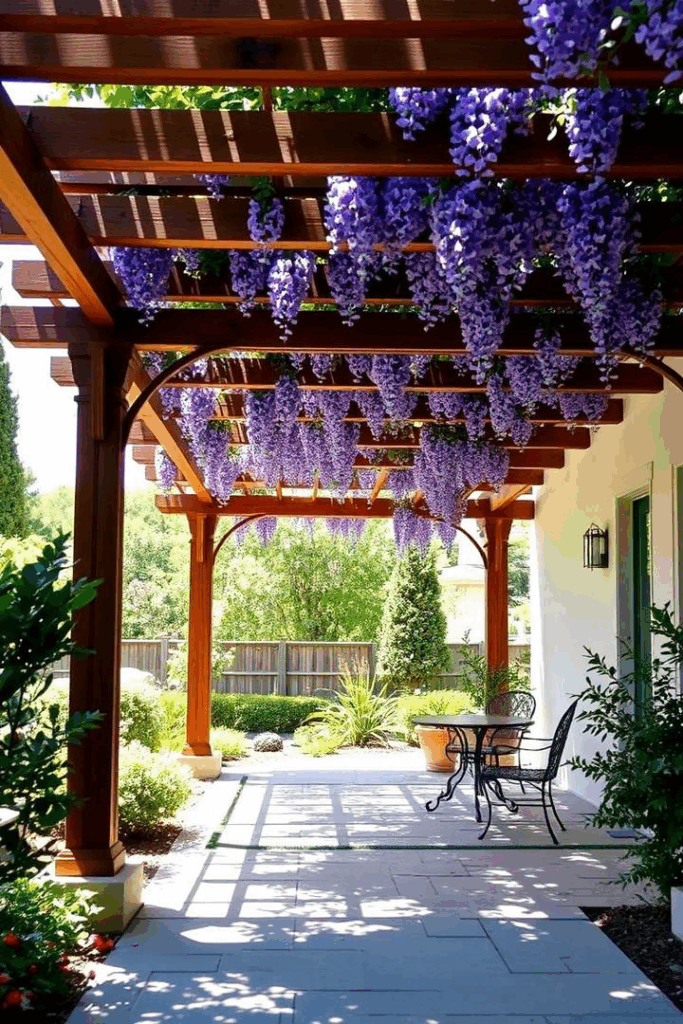
Trailing along pergolas or archways, this climbing flower brings a sense of serenity with its lush foliage and dusky blooms. The chocolate vine, or Akebia quinata, thrives in partial shade and blooms in early spring, showcasing purplish-brown, vanilla-scented flowers. Its five-lobed leaves remain semi-evergreen in warmer climates, offering visual interest even when the blossoms fade. Once established, it grows vigorously and can quickly form a natural canopy that cools and shades porch spaces, providing a private retreat.
Ideal for rustic or Zen-inspired outdoor seating areas, the chocolate vine’s fast growth makes it well-suited for trellises and lattices. It does require routine pruning to prevent overgrowth and to encourage airflow. When trained properly, its trailing tendrils can even support lightweight fairy lights for a magical evening porch setting.
Gardeners often choose this plant not only for its ornamental qualities but also for its resilience. It tolerates a variety of soil types, requires minimal fertilization, and has low pest issues. This makes it a low-maintenance but high-impact option for porches craving structure and natural shade. With its earthy tones and textured presence, the chocolate vine is a charming alternative to more common climbers like ivy or wisteria.
Scarlet Leatherflower Accents
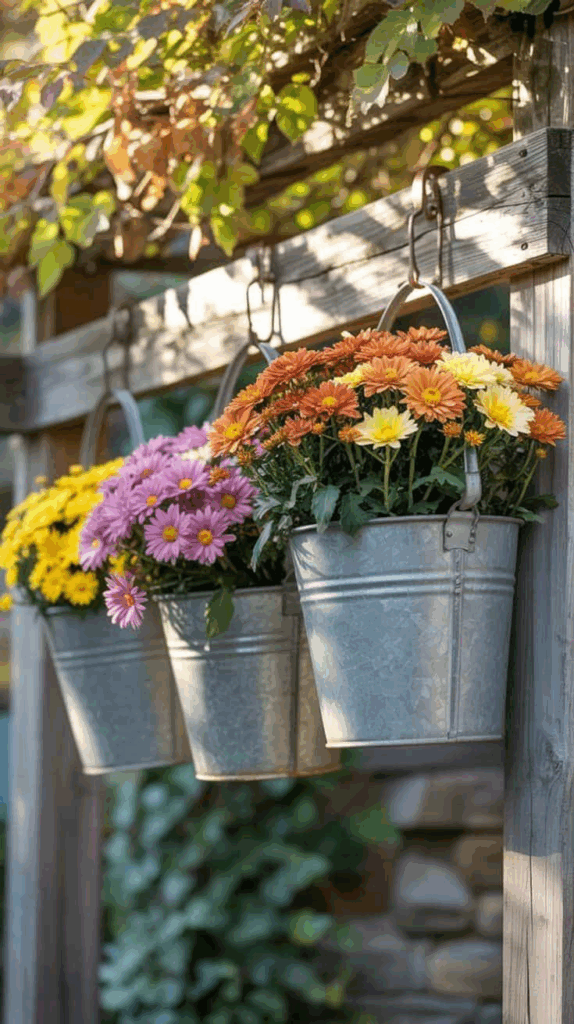
Nodding bell-shaped blooms bring unique charm to any porch space, and Clematis viorna, known as scarlet leatherflower, does just that. Unlike typical clematis varieties, its compact, urn-like red flowers add architectural appeal and botanical interest from summer into early fall. Native to the southeastern U.S., it handles hot, humid climates with ease, making it a favorite for porches needing a touch of bold color without overwhelming space.
This non-aggressive climber works beautifully on small trellises, porch railings, or even mailbox posts. With careful pruning and support, it remains manageable while still blooming generously. Its leathery, deep green foliage provides a subtle contrast to its vivid flowers, ensuring it doesn’t fade into the background.
Attracting native pollinators like bees and butterflies, it’s both visually striking and ecologically supportive. The scarlet leatherflower prefers well-drained soil, partial to full sun, and minimal fertilization, making it practical for low-maintenance gardeners. It pairs well with neutral porch furniture or pale siding, offering a pop of saturated color that feels organic rather than artificial.
For those seeking climbing flowers for porches that don’t overgrow or require constant trimming, this option offers seasonal drama with refined elegance.
Climbing Aster Autumn Display
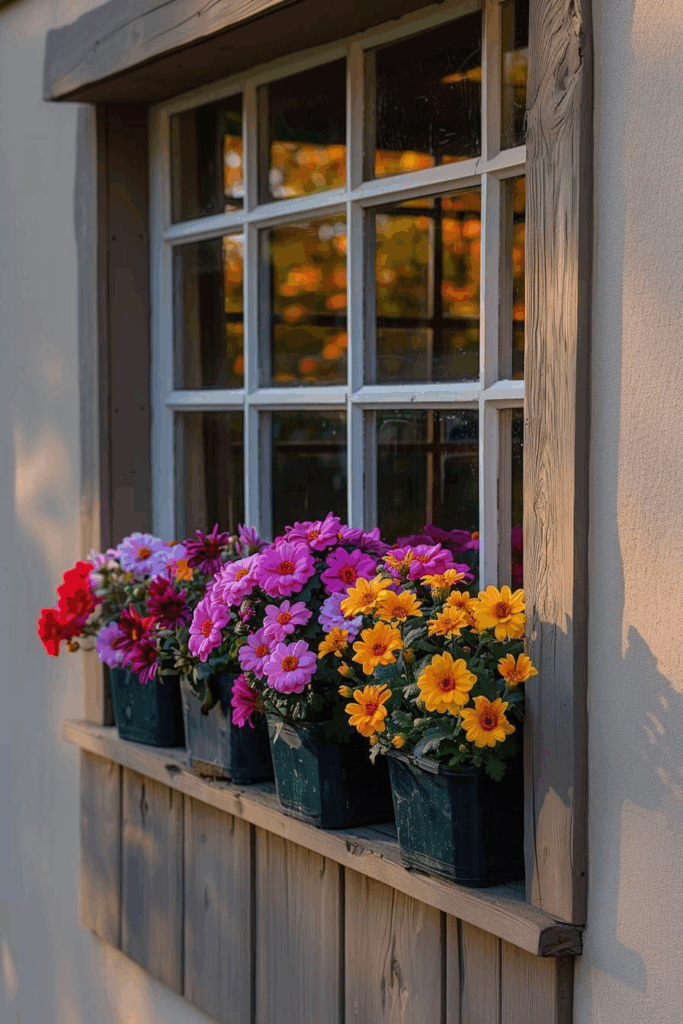
Late bloomers like the climbing aster (Ampelaster carolinianus) offer porch displays that stretch well into fall when most other flowers are fading. Featuring clusters of lilac-pink daisy-like blossoms, this native vine flourishes from late summer through autumn, attracting bees and migrating butterflies with its nectar-rich petals. Its naturalistic, wildflower appearance complements relaxed, cottage-style porches or untamed garden edges.
Despite its name, climbing aster behaves more like a sprawling shrub than a true vine. With light support, it can twine through trellises, porch fencing, or arched frames, creating a soft, bushy cascade. The slender stems and narrow leaves help maintain air circulation, reducing issues with mildew or pests.
Adaptable to various soil conditions and moderately drought-tolerant once established, it’s a reliable choice for Southern and coastal porch gardens. It performs best in full sun but can handle light shade, especially in hotter regions.
As the seasons change and temperatures drop, this plant continues to shine, offering bursts of pastel color against golden autumn backdrops. It pairs effortlessly with ornamental grasses, pumpkins, or vintage porch décor. If you’re planning a porch garden that transitions gracefully into cooler months, climbing aster ensures it ends the season with vibrancy.
Coral Honeysuckle Hummingbird Magnet
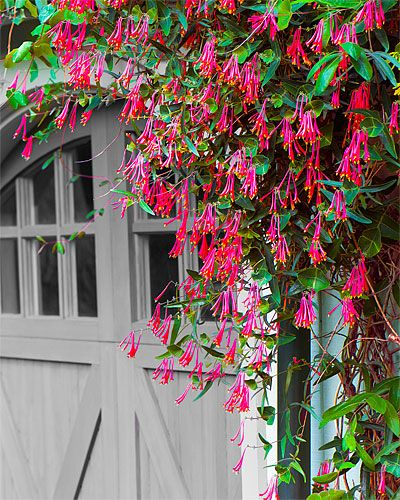
Trumpet-shaped blooms in coral and orange hues make Lonicera sempervirens, or coral honeysuckle, a magnet for hummingbirds and butterflies. This native climber provides continuous blooms from spring into late summer, thriving with minimal upkeep and adding color to porches without dominating the space. Its semi-evergreen foliage ensures year-round structure in warmer climates, while its non-invasive nature makes it safer than other honeysuckle varieties.
Perfect for porch columns, lattice screens, or mailbox trellises, coral honeysuckle brings movement and texture with its twining stems and glossy leaves. It appreciates full sun for maximum blooms, though it will tolerate partial shade, especially in hot southern zones. Drought-tolerant and resistant to common plant diseases, it’s a low-effort solution for gardeners seeking performance without constant pruning.
Beyond its ornamental appeal, this plant supports local pollinators and serves as a larval host for butterflies, making it ideal for eco-conscious homeowners. With its vibrant blooms set against green backdrops, coral honeysuckle adds a playful yet elegant flair to porch spaces.
Whether paired with whitewashed woodwork or rustic wrought iron, this climbing flower delivers reliable beauty with a naturalistic feel that draws attention season after season.
Clematis Texensis Porch Columns
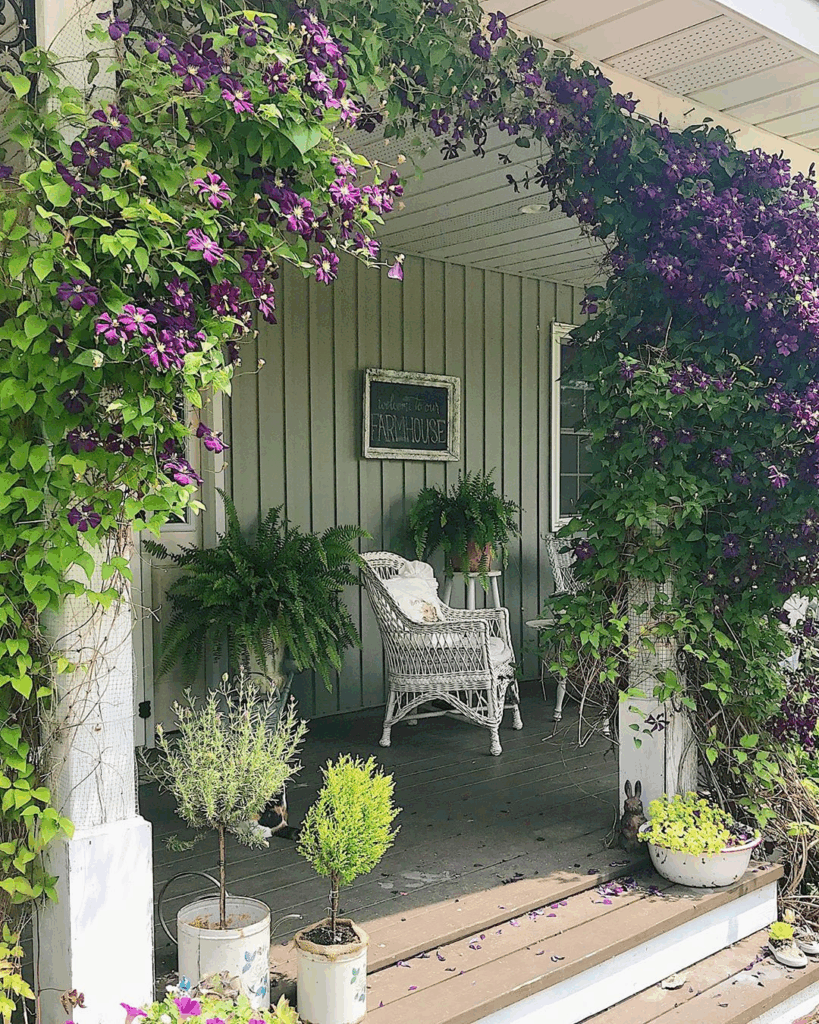
Porch columns become living pillars of color when dressed in the waxy, tulip-shaped blooms of Clematis texensis. Native to Texas and surrounding regions, this species thrives in heat and full sun, setting it apart from many clematis varieties. Its vibrant red to deep pink flowers bloom from midsummer through fall, offering an extended season of eye-catching detail.
Compact yet vigorous, it climbs porch structures with the help of tendrils, twining effortlessly around columns, railings, or narrow trellises. For best results, it should be planted in well-draining soil with roots kept cool—often achieved with mulch or companion ground cover plants.
Its foliage remains dense and tidy, allowing it to serve as a partial screen or frame around porch entrances. When trained thoughtfully, it adds vertical interest and symmetry, enhancing curb appeal while welcoming guests with seasonal vibrance.
Deadheading spent flowers can extend the blooming period, while light pruning in early spring promotes a strong flush of growth. With a manageable size and striking appearance, Clematis texensis is particularly suited for homeowners seeking climbing flowers that remain structured without becoming unruly.
For porch spaces needing architectural drama without high maintenance, this native clematis offers charm, color, and reliability.
Wisteria Driftwood Arbour
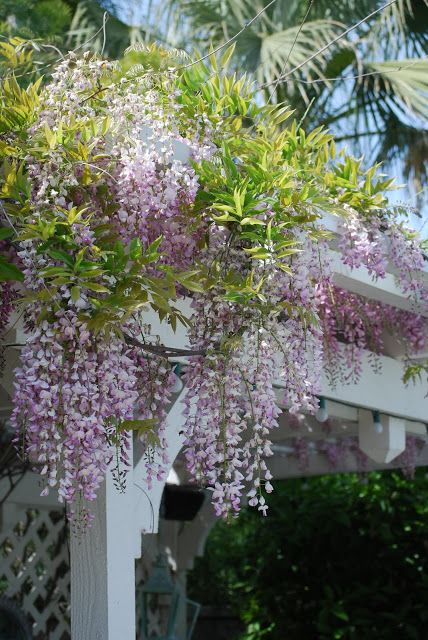
Sculptural beauty and cascading blooms define the pairing of driftwood and wisteria. When trained over an arbour crafted from reclaimed wood, Wisteria sinensis or Wisteria floribunda offers an enchanting display of lavender to bluish-purple flowers in late spring. These fragrant blooms hang in long clusters, creating a natural curtain that elevates any porch or garden entry with timeless elegance.
Driftwood lends a rustic, organic feel, perfectly complementing wisteria’s dramatic growth pattern. Together, they form a living architectural feature that softens hardscape lines while adding texture and seasonal interest. Wisteria requires strong structural support and regular pruning to manage its vigorous habit, but the visual payoff is unparalleled.
Thriving in full sun with well-draining soil, it’s a long-lived climber that rewards patience with decades of seasonal splendor. This combination is particularly suited for coastal-inspired or bohemian porch settings, especially when paired with stone paths, hammocks, or trailing succulents in hanging planters.
Wisteria not only attracts pollinators but also establishes a sense of permanence and presence in outdoor spaces. When draped over natural driftwood, it transforms into a living sculpture—one that evolves through the seasons while maintaining a grounded, tactile beauty that draws in admiration.
Cottage-Rose Cluster Living Walls
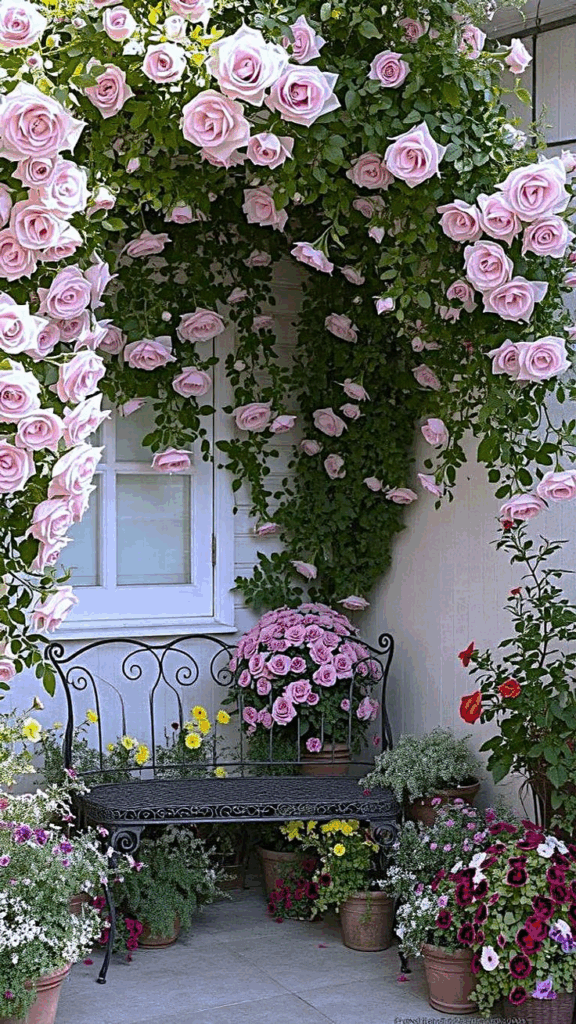
Porch railings and walls turn into fragrant vertical gardens when adorned with rambling Rosa multiflora or climbing heritage roses. Their soft petals and lush foliage evoke English cottage charm while serving as a living backdrop to seating nooks and garden entrances. When grown in tight clusters along trellised wall panels, they form a floral screen that adds color, privacy, and scent.
These roses, often in blush pinks, apricots, and creamy whites, thrive in well-drained soil with ample sun exposure. Regular feeding and deadheading encourage repeat blooms throughout the growing season. Unlike formal hybrid roses, these old-world varieties are resilient, low-maintenance, and far more forgiving when it comes to pests or pruning errors.
By weaving them through lattice panels or iron scrollwork, homeowners can establish climbing flower walls that blur the line between structure and plant life. They pair beautifully with lavender pots, vintage lighting, and distressed wood benches.
Cottage-style rose climbers offer more than visual appeal—they enhance the porch experience with texture, scent, and seasonal variation. Whether cascading over a pergola or climbing along railings, their presence turns an ordinary porch into a storybook setting with real-life charm.
Hydrangea Petiolaris Shade Panels
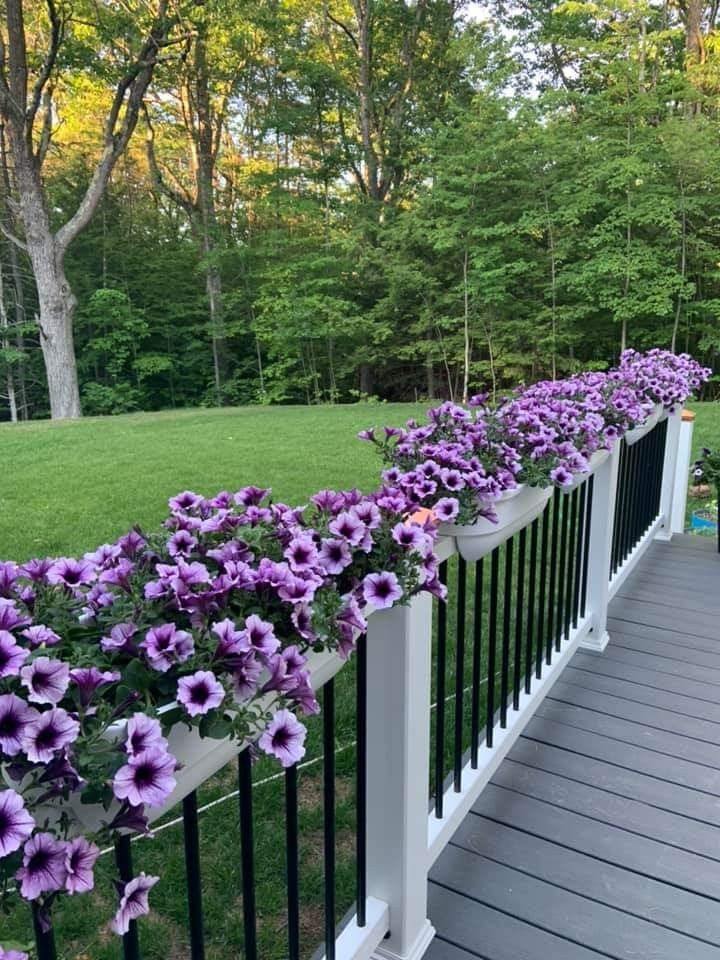
Shade-heavy porches benefit from climbers that don’t demand full sun, and Hydrangea petiolaris fits the bill with its heart-shaped leaves and lace-cap flowers. This deciduous vine thrives in dappled or full shade, producing delicate white blooms in late spring to early summer that resemble snowflakes dusting a green curtain.
Ideal for covering privacy panels, walls, or shaded arbors, this slow-growing yet eventually vigorous climber adheres naturally to rough surfaces with aerial rootlets. Over time, it forms a lush, sculptural presence without overwhelming nearby structures. Its foliage turns buttery yellow in fall, offering multi-season interest.
Moist, well-draining soil and occasional mulching keep this hydrangea healthy, while annual pruning ensures shape and airflow. Once established, it requires minimal maintenance, making it a reliable solution for hard-to-fill shady porch corners.
Gardeners often favor this variety for its architectural quality—it creates structured greenery without the fuss of more delicate flowering vines. When paired with stone pathways, ferns, or antique porch furniture, it evokes a classic, timeless atmosphere.
Whether aiming for cottage serenity or woodland garden vibes, climbing hydrangea provides a soft, cooling effect that transforms shaded porches into calming retreats.
Variegated Kiwi Vine Edible Beauty
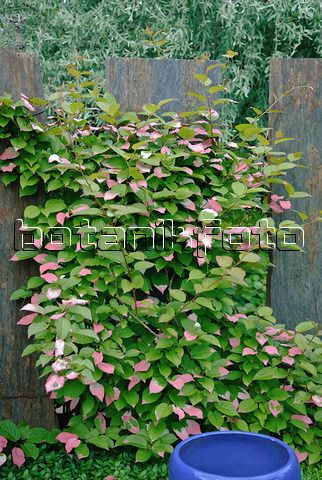
Bold foliage and edible rewards make Actinidia kolomikta or variegated kiwi vine a standout for creative porch gardeners. With splashes of creamy white and blush pink on green leaves, this plant offers eye-catching visuals even before the fruit appears. Its dual-purpose charm lies in its ability to provide ornamental interest and tiny, tangy kiwi fruit—especially when both male and female plants are grown nearby.
Adaptable to trellises, arbors, or porch posts, it grows best in full sun to partial shade, preferring fertile, well-drained soil. In spring and summer, the leaves appear to have been artistically dipped in paint, making the vine look like a botanical art piece.
Because it requires both pollination and space to spread, this climber is best suited for larger porches or side gardens. When trained vertically, it can form a leafy curtain that cools sun-drenched spaces while delivering a whimsical, edible twist.
Regular pruning maintains shape and improves airflow. As the vine matures, its performance improves, becoming a seasonal highlight that balances beauty and bounty. If you’re seeking a climbing flower that adds vibrant texture while offering functional appeal, variegated kiwi vine checks all the boxes with flair.
Skyline Clematis Bi‑Color Showstopper
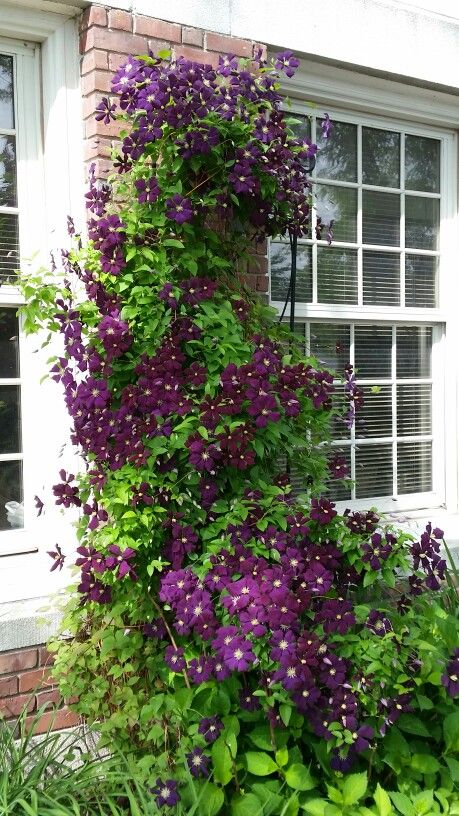
Visual drama takes center stage with clematis cultivars like ‘Nelly Moser’ or ‘Dr. Ruppel,’ known for their striking bi-color petals and star-shaped flowers. These clematis hybrids unfurl in shades of lavender, pink, or magenta, often marked by bold central stripes that radiate from the bloom’s heart. Ideal for porch railings, vertical obelisks, or pergola frames, they bring a pop of color that feels fresh yet refined.
This variety blooms heavily in early summer and often delivers a second flush in late summer with proper pruning. It performs best when roots remain cool—mulching or planting around the base helps retain moisture and shield from heat stress.
While vibrant, these clematis remain manageable, typically growing between 6 to 10 feet. Their tendrils cling easily to wires or netting, simplifying the setup process. Pairing them with climbing roses or morning glories creates a layered, high-impact vertical garden effect.
Skyline clematis suits porches that aim to combine elegance with personality. Whether set against crisp white siding or a painted fence, these blossoms catch sunlight beautifully, making every bloom feel like a hand-painted detail. Few climbing flowers deliver this level of contrast and artistry with such minimal effort.
Golden Honey Honeysuckle Fragrance Screen
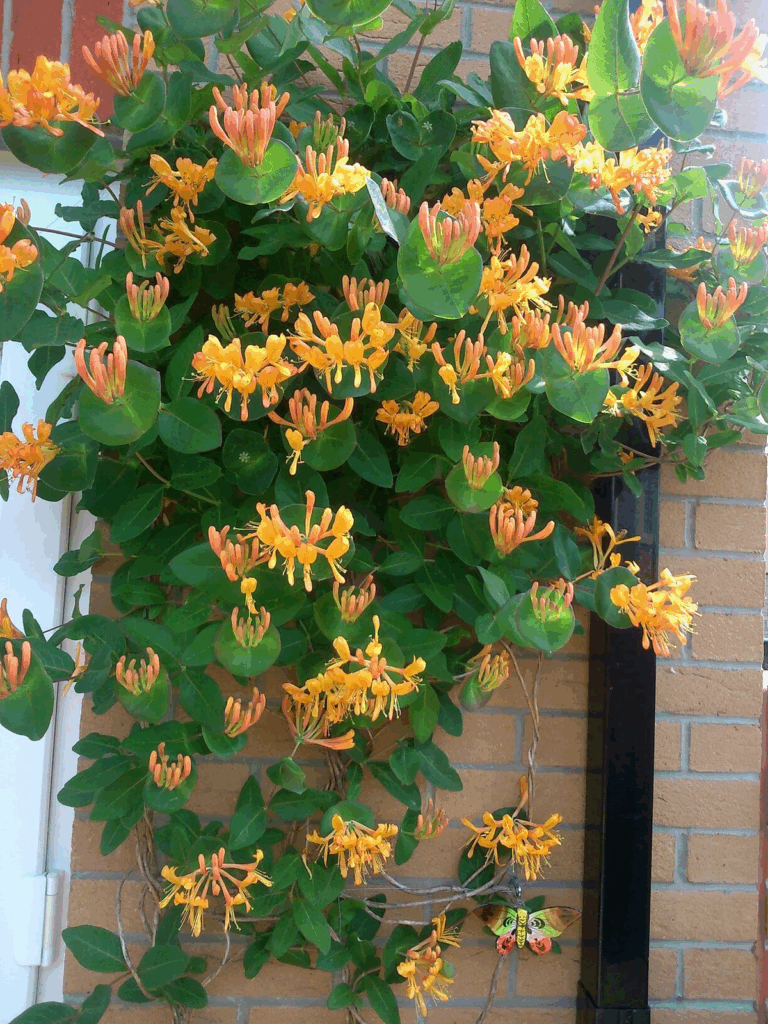
Sweetly perfumed blossoms in golden yellow make Lonicera × tellmanniana a porch essential for those craving both fragrance and flair. This honeysuckle hybrid produces long, tubular blooms that attract hummingbirds and beneficial pollinators, while its vigorous growth allows it to quickly form a living privacy screen when trained along porch fences or lattice panels.
With semi-evergreen foliage in warmer climates, it offers visual coverage even outside bloom season. The fragrance is most noticeable in the evening, adding an aromatic backdrop to outdoor dinners or quiet reading time. Unlike invasive varieties, this cultivar is well-behaved and easier to manage, making it suitable for small-space gardens or porch edges.
Full sun encourages the best flowering, though it tolerates light shade. Regular trimming after flowering helps shape the vine and encourage additional blooms. Its low-maintenance nature and drought tolerance once established make it a smart choice for busy homeowners.
Golden honeysuckle thrives in well-drained soil and can be paired with softer companion plants like salvia or lamb’s ear. For porches that need a fragrant, fast-growing vertical element that also looks stunning in bloom, this honeysuckle offers a beautiful, pollinator-friendly solution with year-round appeal.
Midnight Jasmine Moonlit Scent Display
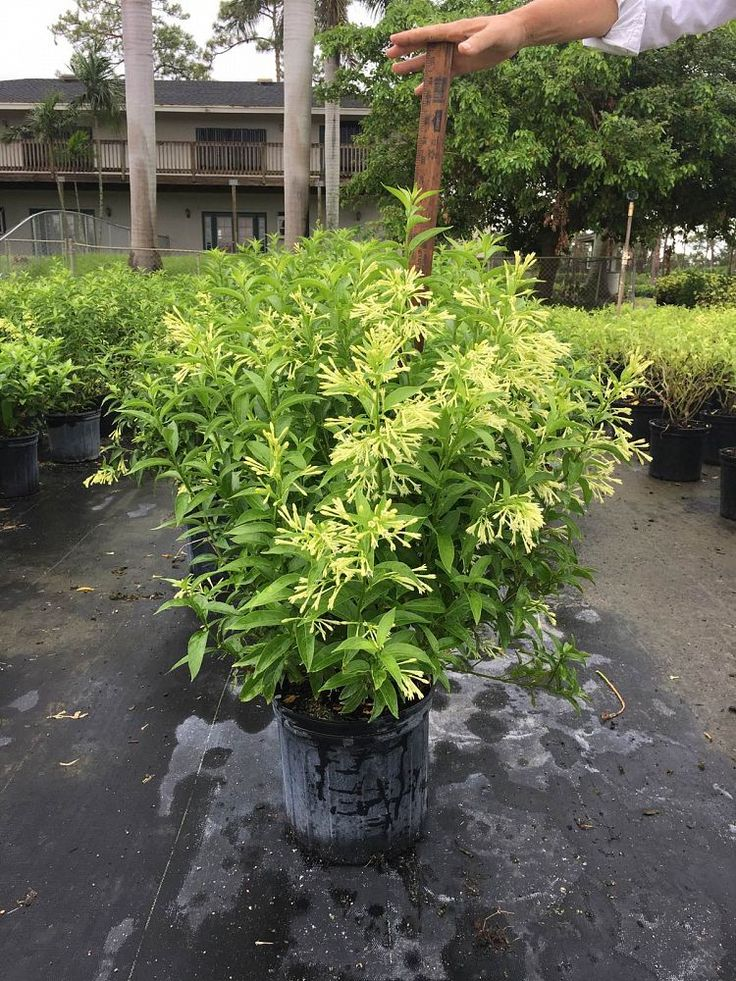
Porch evenings become unforgettable with the intoxicating aroma of Cestrum nocturnum, commonly known as night-blooming jasmine. This tropical shrub-trained-as-a-climber unfurls clusters of creamy white flowers that release their potent fragrance after dusk, transforming nighttime porch lounging into a sensorial experience.
Ideal for warm climates, this plant thrives in containers or directly in the ground, given full sun and well-drained soil. While not a true jasmine, its scent surpasses many more common varieties in intensity, especially during summer nights. Supported by trellises or porch screens, it creates an elegant and aromatic backdrop without cluttering the space.
Its deep green, slender leaves provide a clean canvas for the cascading blooms, and the fast growth rate means it quickly covers structures with foliage and flowers. Though frost-sensitive, it can be overwintered indoors in colder zones or treated as a patio container specimen.
Gardeners favor this plant for its ability to fill the air with floral perfume at a time when most other climbers are winding down. If your porch needs a soft glow of white blooms and unmatched evening fragrance, night-blooming jasmine delivers magic when the sun goes down.
Electric Blue Passionflower Statement Climber
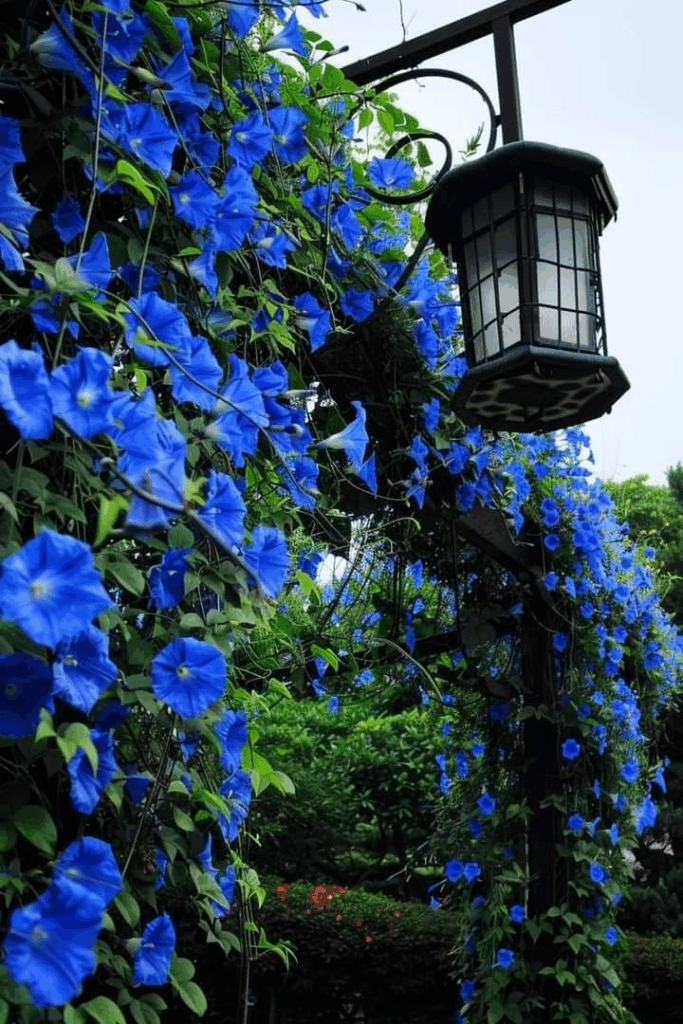
Tropical flair and eccentric elegance collide in Passiflora caerulea, commonly known as blue passionflower. Its intricate blossoms—with electric blue filaments and purple centers—look like something out of a botanical fantasy, making it a bold choice for porch columns, trellises, or privacy dividers.
Blooming from summer through early fall, this fast-growing vine adapts well to full sun and fertile, moist soil. In warmer climates, it remains evergreen and continues to flower for months. Its tendrils grasp onto supports quickly, covering vertical spaces with vibrant leaves and surreal-looking blooms that last just a day but appear in succession.
Beyond its looks, it supports pollinators and may even bear small, edible fruit in ideal conditions. While it can grow up to 20 feet in a single season, strategic pruning keeps it manageable and encourages fuller growth.
This vine lends an exotic tone to porch spaces, especially when paired with tropical planters, rattan furniture, or mosaic tiling. For those seeking a conversation-starting climbing flower with maximum visual impact, the blue passionflower combines architectural structure, pollinator value, and show-stopping blooms in a way few plants can rival.
Ruby Red Trumpet Vine Hummingbird Draw
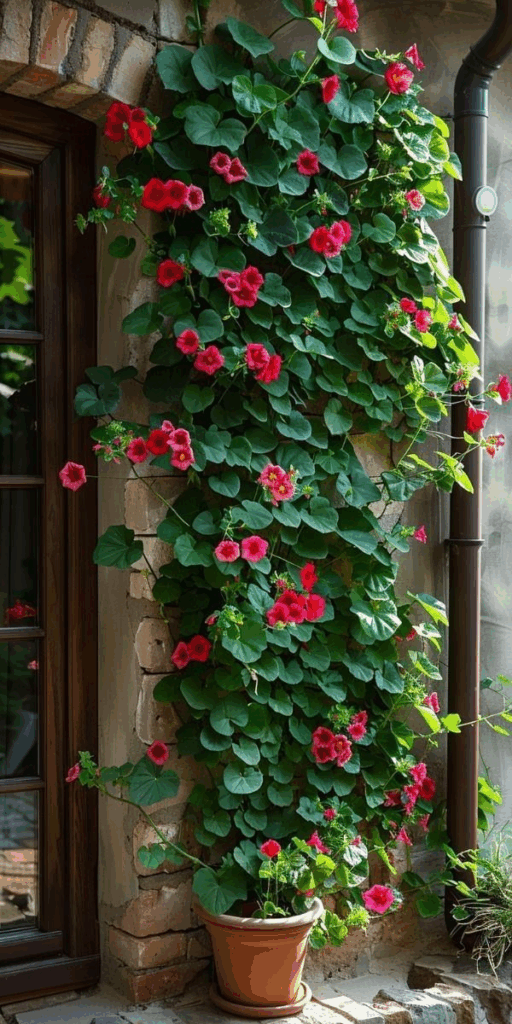
Brilliant scarlet-orange flowers shaped like trumpets burst from Campsis radicans, drawing hummingbirds with unmatched enthusiasm. This native climber is as vigorous as it is striking, quickly covering porch pergolas, fencing, or side walls with a profusion of blooms from summer to early fall.
Its lush green foliage provides dense coverage, making it a strong contender for porches seeking privacy with color. While its growth can be aggressive, regular pruning after flowering helps control its spread and shape its vertical climb. In return, it rewards with long-lasting color and reliable hummingbird visits.
This plant thrives in full sun and tolerates a variety of soil types, even poor or sandy conditions. Once established, it’s drought-resistant and virtually pest-free. The woody vine structure offers durability, with some stems thickening into permanent support beams for future growth seasons.
Perfect for country, cottage, or nature-inspired porches, trumpet vine creates a dynamic display of movement and sound as birds hover and dart among the blooms. If you’re looking for a pollinator magnet that fills space and adds brilliant seasonal character, this climber checks every box—while adding just the right dose of wild beauty to the porchscape.
Star Jasmine Porch Fragrance Evergreen
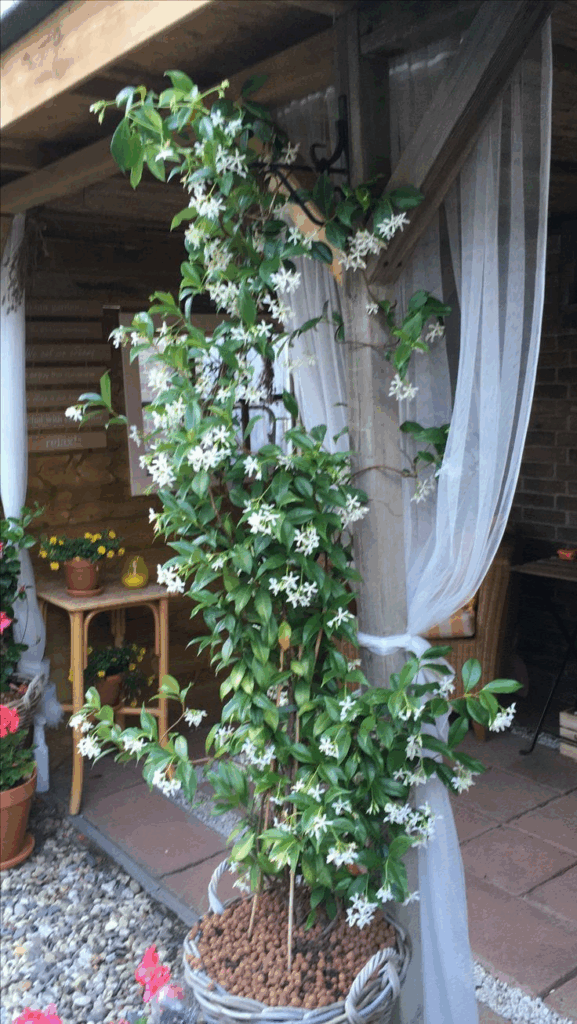
Year-round greenery and springtime fragrance make Trachelospermum jasminoides, or star jasmine, a porch essential in warm climates. Glossy, deep green leaves provide consistent visual texture, while clusters of star-shaped white flowers bloom in late spring, emitting a sweet and calming scent that lingers through the day and evening.
This climber twines well along railings, porch fences, or trellised posts, eventually forming a dense screen that offers both privacy and beauty. Despite its delicate appearance, star jasmine is quite tough—tolerant of drought once established and relatively resistant to pests or disease.
Full sun to partial shade encourages flowering, and it performs best in well-drained soil with occasional feeding. Light pruning helps maintain its shape and encourages more prolific blooming the next season.
Homeowners seeking evergreen coverage with the added benefit of seasonal scent will appreciate the practical elegance this vine brings. Whether framing a doorway, wrapping a column, or softening hard fencing, star jasmine brings a polished look that works across porch styles—from traditional Southern verandas to modern outdoor lounges.
When it comes to combining long-lasting structure with floral romance, few climbing flowers deliver on as many levels as star jasmine.