
Floor coverings often determine how a space feels the moment someone walks in. The right rug choice anchors furniture, defines zones, and brings warmth, texture, and balance to interiors of any size. From living rooms and bedrooms to hallways and open layouts, thoughtful rug ideas help correct proportions, soften acoustics, and unify color schemes. Material selection, pattern scale, and placement all play a role in long-term comfort and visual impact. This guide focuses on practical, stylish solutions that suit modern homes, offering clear inspiration for homeowners seeking rugs that enhance function while delivering a polished, designer-level finish.
Oversized Neutral Statement Rug
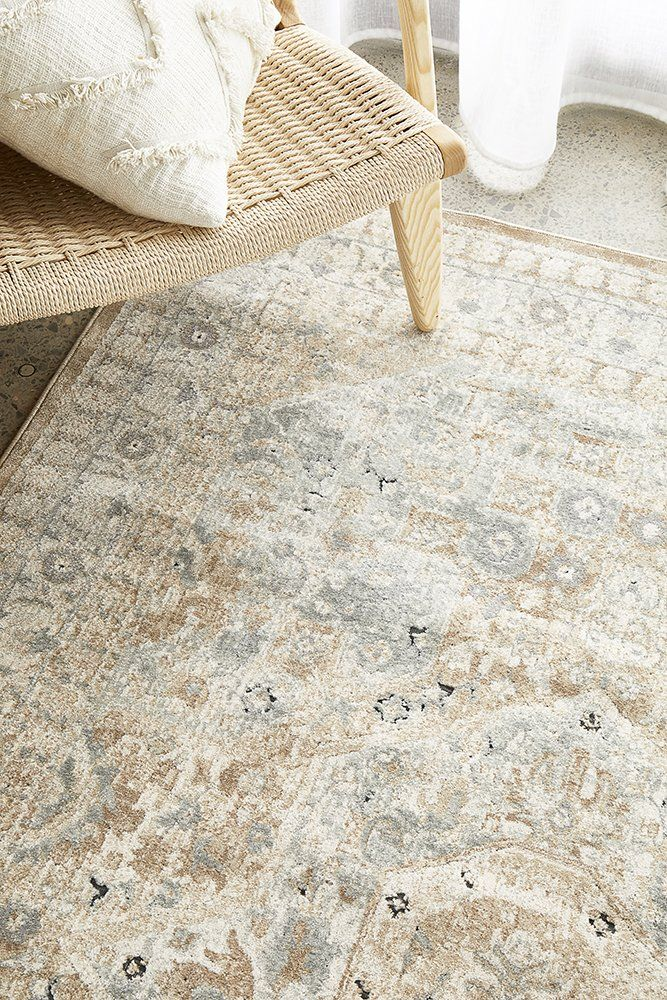
Scale plays a defining role when anchoring a room, and larger rugs in restrained palettes accomplish this with quiet authority. Expansive neutral rugs visually connect seating zones, reduce visual clutter, and establish cohesion across open layouts. Shades like warm ivory, stone, sand, and light taupe soften hard architectural lines while allowing surrounding furnishings to breathe. A generously sized rug also minimizes awkward floating furniture, ensuring sofas and chairs sit comfortably within the same visual boundary. Texture becomes the main source of interest, whether through subtle ribbing, tonal marbling, or woven depth. These understated details add warmth without overpowering nearby décor. Neutral foundations also provide long-term flexibility, supporting seasonal updates or evolving style preferences without replacement. In high-traffic areas, larger rugs help distribute wear evenly, extending usability while maintaining a polished appearance. Paired with natural wood, matte metals, or soft upholstery, this approach delivers balance rather than distraction. Lighting interacts gently with neutral fibers, preventing glare and maintaining a relaxed atmosphere throughout the day. For spaces requiring calm continuity rather than contrast, oversized neutral rugs offer a practical yet refined solution that remains relevant across design trends and lifestyle changes.
Vintage-Inspired Faded Persian Look
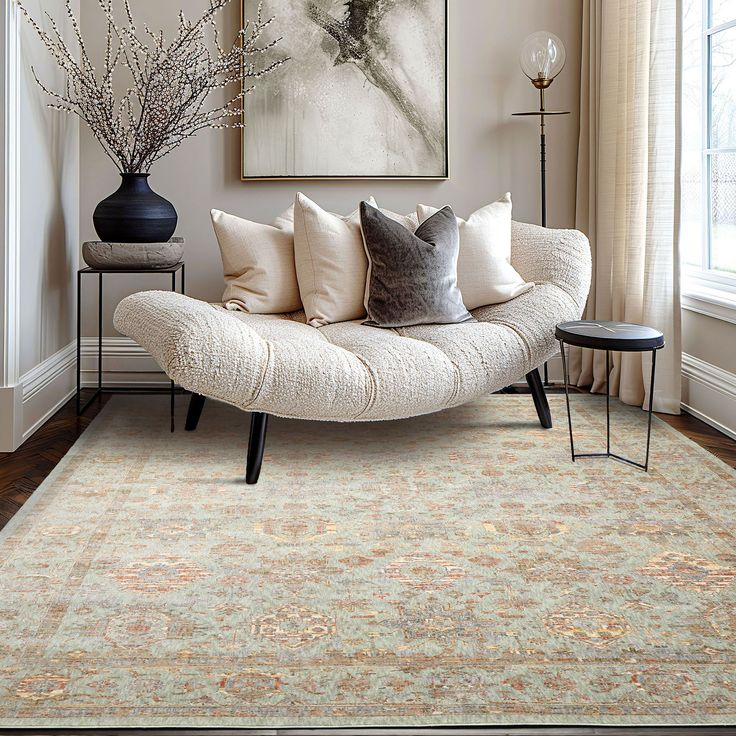
History-driven patterns bring character into interiors without relying on bold color saturation. Rugs inspired by aged Persian designs achieve this through softened motifs, muted palettes, and intentionally distressed finishes. Subtle fading allows intricate medallions and borders to read as textured layers rather than sharp statements, making them suitable for both traditional and contemporary rooms. Earthy reds, washed indigo, muted charcoal, and antique beige tones blend effortlessly with modern furnishings while still honoring classic craftsmanship. These rugs excel at grounding eclectic spaces, tying together varied materials such as leather, linen, and reclaimed wood. Their worn appearance disguises everyday wear, making them practical for family rooms, hallways, or dining areas. Pattern density adds visual interest without overwhelming the floor plan, particularly when paired with clean-lined furniture. Layered styling benefits as well, as faded Persian looks complement solid rugs or natural fibers beneath. The result feels collected rather than styled all at once. By introducing heritage influence through softened execution, these rugs deliver warmth, storytelling, and timeless appeal while remaining adaptable to evolving interiors.
Bold Geometric High-Contrast Rug

Strong visual rhythm transforms a space when crisp geometry meets high-contrast color pairings. Rugs featuring graphic lines, angular shapes, or repeating motifs instantly energize neutral rooms, acting as functional art underfoot. Black and white remains the most popular combination, though charcoal with ivory or navy with cream offers similar impact with added depth. These designs suit contemporary interiors where clean silhouettes dominate, providing movement without excess ornamentation. Placement matters significantly, as geometric rugs perform best when furniture remains simple, allowing the pattern to take center stage. Rectilinear layouts benefit from sharp alignment, reinforcing symmetry and structure. In open-concept spaces, contrast-driven rugs help define zones without physical dividers. Low-profile constructions maintain visual sharpness, ensuring patterns remain legible over time. Lighting enhances edges and angles, adding dynamic interest throughout the day. Used thoughtfully, geometric rugs balance boldness with restraint, creating a focal point that feels intentional rather than overwhelming. They work especially well in living rooms, home offices, or modern dining areas where clarity and confidence guide design choices.
Soft Sculptural Loop-Pile Rug
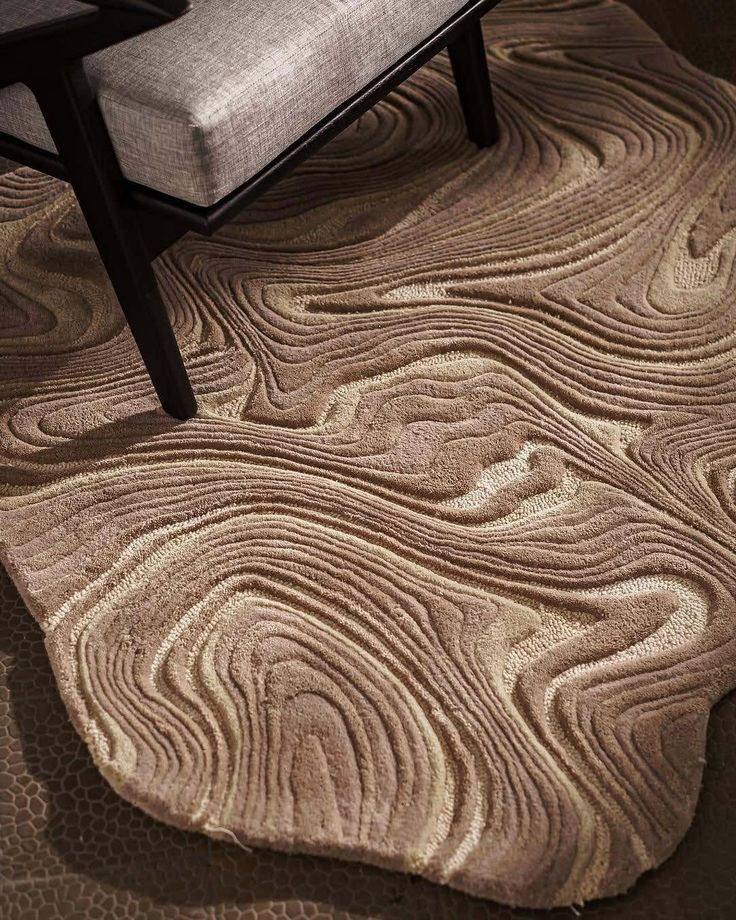
Texture-driven flooring introduces depth through touch rather than pattern. Loop-pile rugs achieve this with raised formations that create sculptural interest across the surface. Varying loop heights form organic contours, delivering visual movement while remaining neutral in tone. This tactile quality enhances comfort underfoot, making such rugs ideal for bedrooms, lounges, or relaxed seating areas. Neutral shades like oatmeal, warm gray, and ivory allow texture to stand out without competing with surrounding décor. The sculpted appearance pairs well with curved furniture, soft upholstery, and natural materials. Durability remains a practical advantage, as looped construction resists crushing and maintains shape over time. Vacuum lines subtly highlight contours, reinforcing depth without appearing busy. These rugs also perform well in minimalist spaces, offering dimension without relying on color contrast. When paired with layered lighting, shadows accentuate the surface design, adding visual interest throughout the day. For interiors seeking quiet sophistication through material quality rather than ornamentation, sculptural loop-pile rugs provide a refined yet inviting foundation.
Layered Rugs for Depth
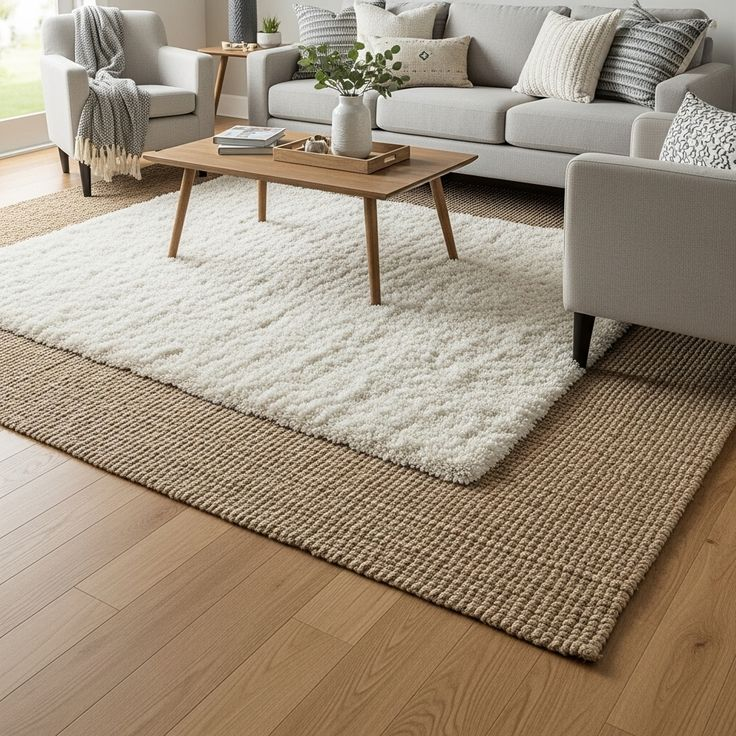
Visual richness increases when multiple rugs work together to create intentional dimension. Layering allows designers to combine scale, texture, and pattern without committing to a single dominant piece. Typically, a large neutral base anchors the layout while a smaller patterned or textured rug defines a focal zone. This technique adds flexibility, enabling seasonal updates or subtle refreshes without full replacement. Natural fibers beneath patterned rugs introduce contrast and warmth, balancing softness with structure. Layering also solves proportion challenges, particularly in oversized rooms or rented spaces where custom sizing is not an option. Proper alignment remains key, ensuring layers appear deliberate rather than accidental. Color harmony should guide selection, keeping palettes cohesive even when textures differ. Beyond aesthetics, layered rugs enhance comfort and acoustics, especially on hard flooring. This approach suits eclectic, transitional, and modern interiors alike, offering creative freedom while maintaining balance. When executed thoughtfully, layered rugs bring personality and depth without clutter, making spaces feel curated and lived-in rather than overly styled.
Earth-Tone Textured Flatweave

Grounded color palettes establish warmth through simplicity, and flatweave rugs in earth tones excel at this role. Shades inspired by clay, sand, olive, and terracotta connect interiors to natural surroundings while remaining versatile. Flatwoven construction keeps profiles slim, making these rugs suitable for dining areas, entryways, and layered arrangements. Texture replaces heavy patterning, relying on subtle weave variation to create interest. These rugs complement wood floors, stone surfaces, and neutral upholstery without visual conflict. Durability adds practical appeal, as tight weaves resist shedding and maintain structure under frequent use. Earth-toned flatweaves transition easily between seasons, pairing just as well with linen in summer as with wool accents in cooler months. Their understated presence supports calm environments, particularly in homes prioritizing comfort and longevity. Used in open layouts, they visually link adjacent spaces while preserving flow. For readers seeking reliability without sacrificing style, earth-tone flatweave rugs deliver function, warmth, and timeless adaptability.
Abstract Art–Style Rug

Creative expression finds a functional outlet through rugs inspired by abstract artwork. Fluid shapes, painterly strokes, and asymmetrical compositions introduce movement that feels expressive rather than rigid. Color palettes often blend neutrals with muted accent tones, creating depth without overwhelming the space. These rugs function as visual anchors, especially in rooms with streamlined furniture and restrained décor. Abstract designs soften structured layouts, adding organic energy beneath seating areas or dining tables. Scale and placement determine impact, with larger pieces allowing patterns to read as cohesive compositions rather than scattered motifs. Low-pile constructions help maintain clarity, ensuring designs remain crisp over time. Lighting enhances layered colors, revealing subtle transitions across the surface. Abstract rugs suit modern, contemporary, and creative interiors, offering personality without relying on literal patterns. They provide a balanced way to introduce artistic influence while maintaining everyday usability, making them ideal for homeowners seeking individuality through design-forward flooring.
Checkerboard Modern Revival Rug
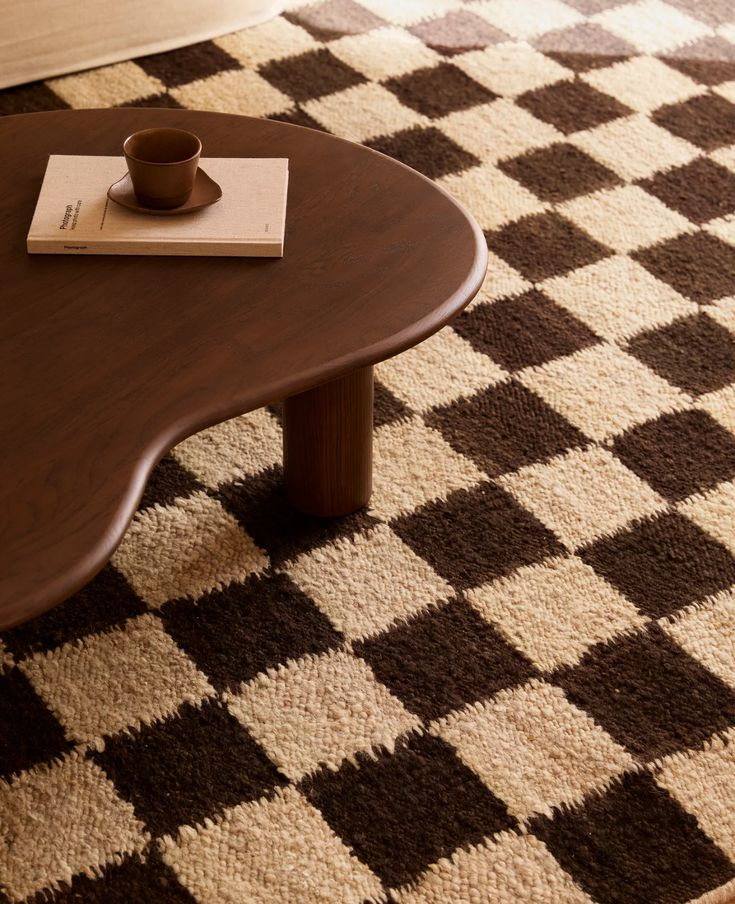
Classic patterning returns with renewed relevance through checkerboard-inspired rugs. Updated color combinations and refined proportions give this traditional layout a contemporary edge. Alternating squares create visual order, making these rugs effective in spaces that benefit from structure. Neutral pairings such as cream and charcoal feel timeless, while muted color variations introduce subtle personality. Checkerboard rugs define seating areas clearly, grounding furniture with precision. Flat or low-pile constructions preserve sharp pattern definition, ensuring longevity. This style pairs well with both vintage and modern furnishings, bridging stylistic gaps effortlessly. In kitchens, entryways, or living rooms, checkerboard rugs add graphic interest without excess decoration. Symmetry encourages visual calm, particularly in busy households. The revival works because it balances familiarity with freshness, offering pattern-driven appeal that remains versatile. For readers seeking clarity and character in equal measure, checkerboard rugs provide a confident yet adaptable choice.
Natural Jute With Patterned Border
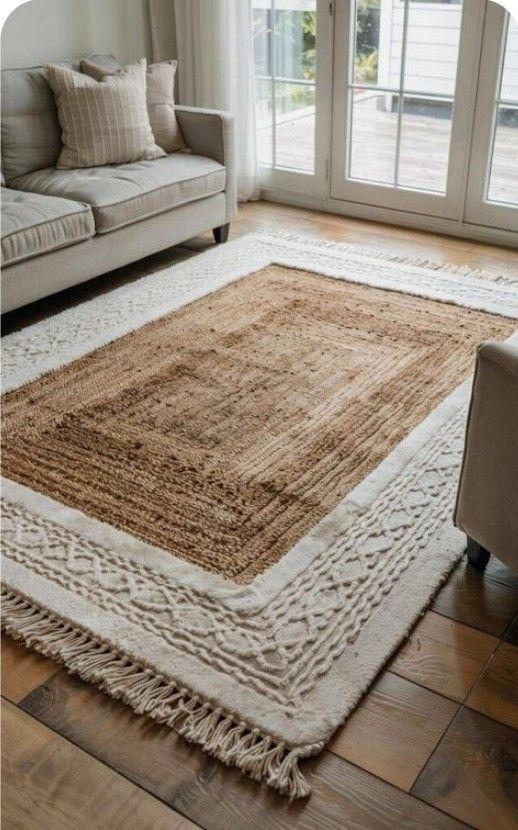
Material authenticity enhances interiors when natural fibers take center stage. Jute rugs deliver texture, warmth, and durability while maintaining a grounded aesthetic. Adding a patterned border elevates the simplicity, framing the rug with subtle detail that defines space. Neutral borders in black, charcoal, or soft brown provide contrast without overwhelming the natural weave. These rugs suit casual living areas, coastal interiors, and transitional spaces where relaxed refinement matters. Jute’s resilience supports everyday use, particularly in high-traffic zones. Patterned edging creates visual boundaries, helping anchor furniture arrangements. Layering potential adds versatility, allowing softer rugs to rest on top for added comfort. Natural fibers also contribute to breathable interiors, supporting comfort across seasons. For readers seeking practical flooring with understated design interest, jute rugs with patterned borders offer balance, longevity, and organic appeal.
Muted Color-Block Rug
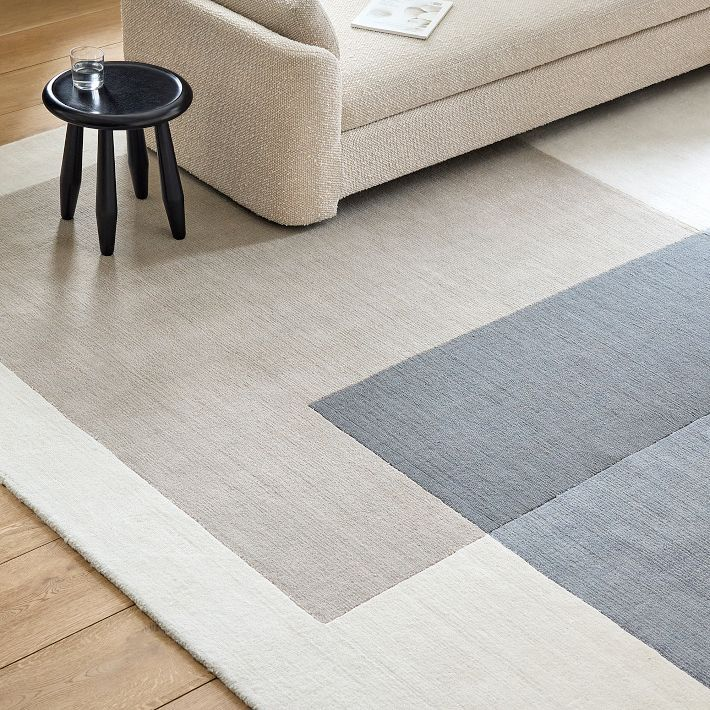
Subtle segmentation introduces interest through intentional color placement rather than pattern complexity. Muted color-block rugs rely on softened tones arranged in balanced compositions, offering structure without visual noise. Shades such as clay, sage, stone, and warm gray create harmony across the surface. These rugs suit contemporary interiors where clean lines dominate. Color blocking helps define zones, especially in open layouts, guiding the eye without abrupt contrast. Low-pile designs maintain crisp edges while remaining practical for daily use. Furniture placement benefits from clearly defined sections, reinforcing layout clarity. Muted palettes ensure adaptability, allowing surrounding décor to evolve over time. This approach supports calm, organized environments while still offering design relevance. For homeowners seeking controlled visual interest, muted color-block rugs deliver modern appeal without overwhelming the room.
Low-Pile Luxe Hotel-Style Rug

Refined comfort defines hotel-inspired interiors, and low-pile rugs play a central role. Smooth surfaces create a polished foundation while remaining practical for frequent use. Neutral palettes dominate, often featuring subtle patterning or tonal variation. These rugs suit living rooms and bedrooms where understated elegance matters. Low profiles allow furniture to sit evenly, preventing instability while maintaining visual flow. Maintenance remains simple, as dense fibers resist trapping dust and debris. The overall effect feels intentional and serene, mirroring hospitality environments designed for relaxation. Paired with layered lighting and soft textiles, hotel-style rugs support calm, cohesive spaces. Their durability ensures long-term appeal, making them a reliable investment. For readers prioritizing comfort with refinement, low-pile luxe rugs offer an accessible path to elevated interiors.
Unexpected Shape Accent Rug
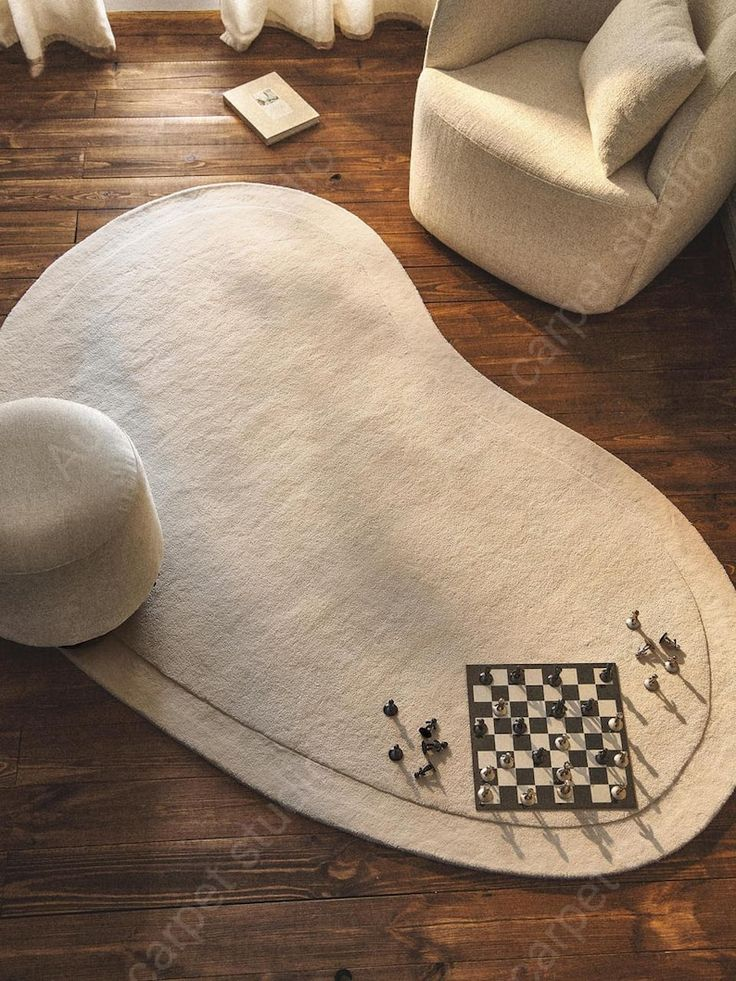
Breaking away from traditional rectangles introduces personality through form. Accent rugs in circular, oval, or asymmetrical shapes create focal points that feel playful yet deliberate. These designs work well in smaller zones such as reading corners, bedrooms, or entryways. Unconventional silhouettes soften linear layouts, adding visual movement. Neutral tones maintain balance, allowing shape to lead without overwhelming décor. Placement becomes key, ensuring the rug complements rather than disrupts furniture flow. These rugs function as artistic elements while remaining practical underfoot. When used sparingly, unexpected shapes add interest without clutter. For readers seeking distinctive yet manageable design updates, shape-driven accent rugs offer a creative solution that feels fresh and intentional.