
Raised flower beds offer a practical and visually appealing way to organize and showcase plants while improving soil quality and drainage. They make gardening more accessible, reduce weed growth, and allow for creative designs that enhance curb appeal. Whether built from wood, stone, or metal, raised beds can fit any garden size or style. This guide highlights the best raised flower bed ideas, providing inspiration for functional and beautiful planting spaces that bring structure, color, and charm to your outdoor landscape.
Circular Keyhole Stone Raised Bed for Compost Efficiency
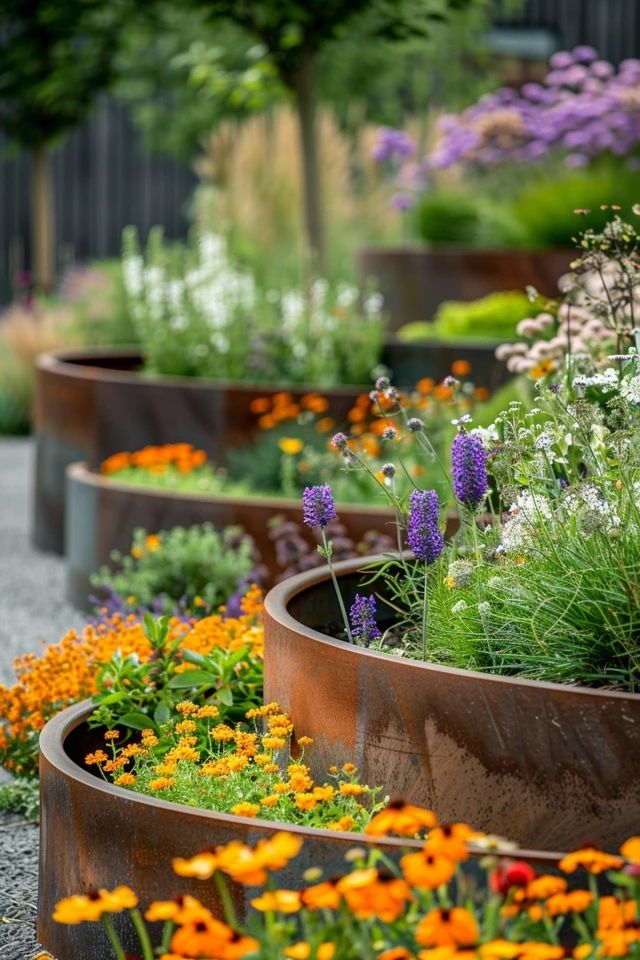
Gardeners seeking a low-maintenance and sustainable planting method benefit greatly from a circular keyhole stone raised bed. Its unique shape features a central compost basket, allowing organic waste to break down and feed surrounding plants naturally. Stones retain heat, promoting steady soil temperatures that encourage growth, especially for nutrient-hungry flowers like marigolds or zinnias. The circular design maximizes planting surface while keeping all plants within easy reach, reducing strain during watering, pruning, or harvesting blooms. Compost in the central “keyhole” is regularly topped up with kitchen scraps, grass clippings, or garden trimmings, creating a steady nutrient cycle. Stones also offer excellent drainage, preventing root rot during heavy rains. This style works well in both small and large gardens, functioning as a striking focal point while serving a practical purpose. When positioned in a sunny spot, it supports vibrant, long-lasting floral displays. For added visual appeal, contrasting stone shades can be used to complement the surrounding landscape. The layout’s efficiency is especially appreciated in areas where water conservation is important, as nutrient-rich moisture moves outward from the compost core. This design blends functionality with charm, giving gardeners a long-term solution for healthy, flourishing plants without constant reliance on store-bought fertilizers.
L‑Shaped Long Narrow Cedar Beds with Drip Irrigation
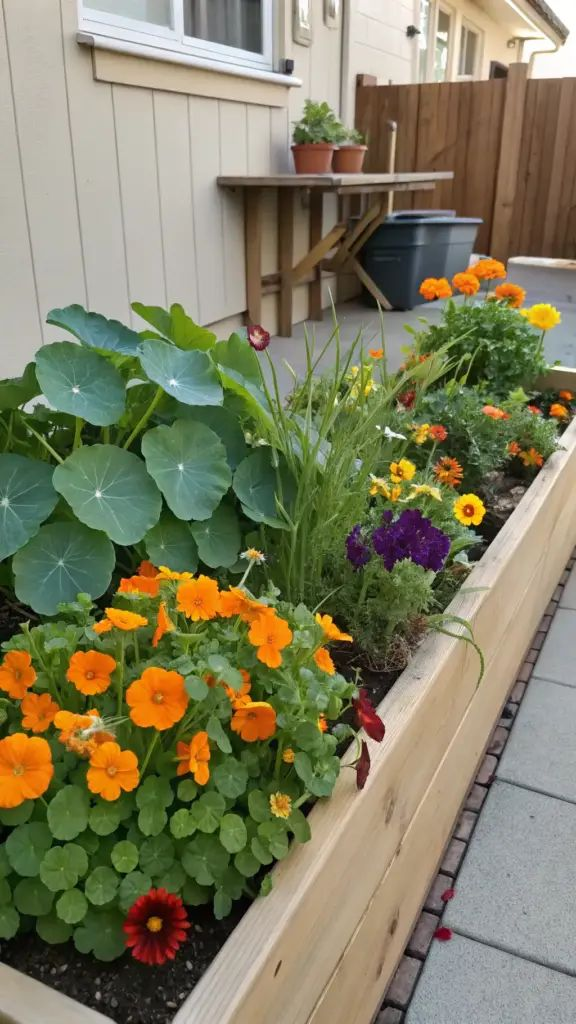
For gardeners working along fences or property edges, L-shaped cedar beds provide a smart use of narrow spaces while creating ample planting zones. Cedar’s natural resistance to decay ensures the bed remains durable through changing seasons without chemical treatments. The L-shaped configuration frames a corner beautifully, offering two long arms that can host a variety of flowers, from trailing petunias to tall sunflowers, without overcrowding. Integrating a drip irrigation system ensures consistent moisture delivery directly to the root zone, minimizing water waste and reducing the risk of fungal diseases caused by overhead watering. The layout also allows for easy maintenance, as each side is accessible without overreaching. Mulching the surface further improves moisture retention and keeps weeds at bay. By pairing vibrant blooms at varying heights, gardeners can create depth and visual interest along each section. Placing taller plants along the back and cascading varieties toward the front enhances the layered look while keeping sunlight evenly distributed. Drip irrigation timers can automate watering schedules, making it ideal for busy homeowners. This setup combines beauty, durability, and water efficiency, making it a reliable choice for long-term floral growth in compact or awkward garden areas where every inch of soil matters.
Tiered Multi‑Level Timber Beds for Compact Spaces
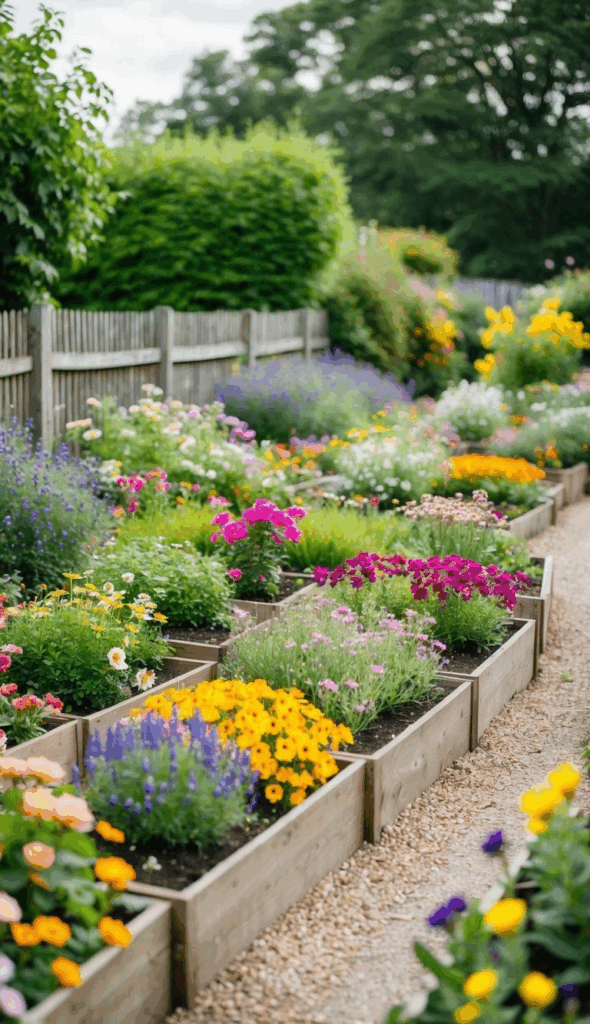
Vertical layering is key for gardeners with limited ground space, and tiered timber beds deliver both structure and abundant planting opportunities. These designs feature ascending levels, often in two or three tiers, allowing flowers of different sizes and growth habits to thrive together without competing for sunlight. Lower tiers are perfect for compact or trailing blooms like alyssum, while higher tiers accommodate taller flowers such as cosmos or gladiolus. The stepped arrangement creates a dynamic, cascading display that’s visually striking from any angle. Timber construction offers warmth and a natural appearance, especially when using rot-resistant species like cedar or redwood. This style also improves drainage, as excess water naturally flows downward through the tiers, preventing waterlogging. It’s an excellent way to separate plant varieties according to their moisture and light preferences, which promotes healthier growth overall. Filling the tiers with nutrient-rich soil mix ensures roots have the necessary resources to flourish throughout the growing season. This design also lends itself to easy seasonal replanting, as individual tiers can be cleared and refreshed without disturbing the rest. Whether placed against a wall or as a free-standing centerpiece, tiered timber beds bring height, order, and high-impact blooms to smaller gardens.
Raised Bed with Built‑In Vertical Trellis for Climbers
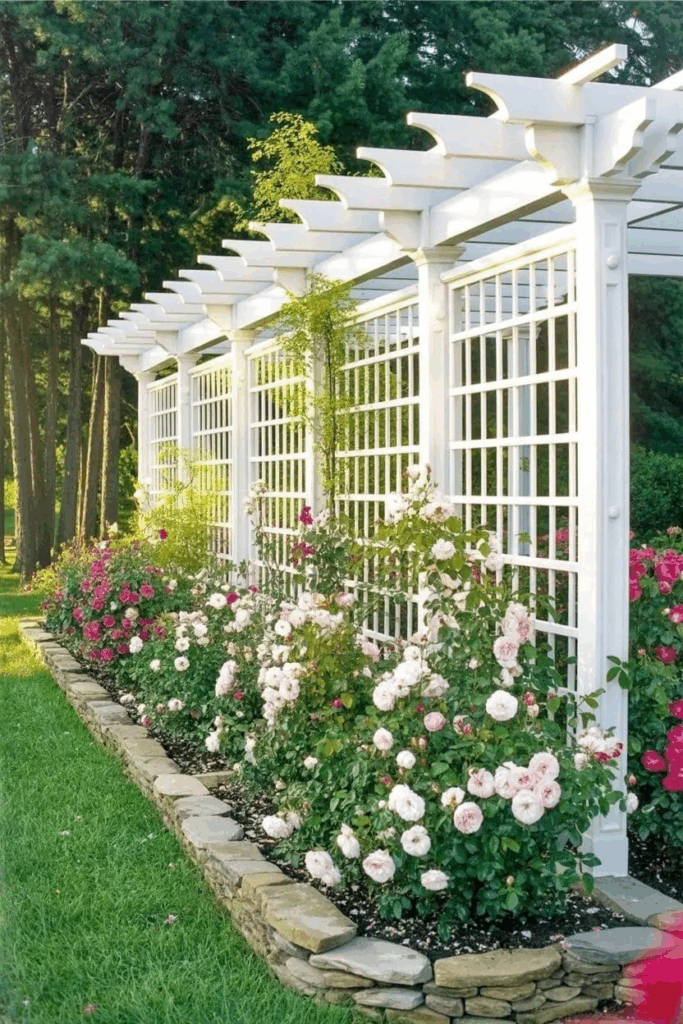
Combining a raised planting space with a vertical trellis makes the most of limited ground area while encouraging upward growth. This setup works exceptionally well for climbing flowers like morning glories, sweet peas, or clematis, which need structured support. The raised base improves soil quality, offering deeper, nutrient-rich planting zones free from compacted ground soil. The trellis, often made from wood, metal, or coated wire, integrates seamlessly with the bed’s frame, creating a unified structure that’s both functional and decorative. This design keeps climbing plants organized, reducing tangling and ensuring better airflow, which helps prevent mildew or rot. It’s also a practical way to introduce height into a garden, drawing the eye upward and adding dimension to the landscape. Placing sun-loving climbers in such a bed ensures their blooms are displayed at eye level, enhancing visibility and enjoyment. The elevated soil warms faster in spring, allowing earlier planting and extended flowering seasons. Maintenance tasks like pruning, training vines, and harvesting cut flowers become more convenient with the plants lifted off the ground. Whether positioned along a sunny wall or as a freestanding feature, this raised bed and trellis pairing offers a space-saving, visually appealing solution for vibrant vertical displays.
Galvanized Metal Trough or Tub Herb Planter Bed
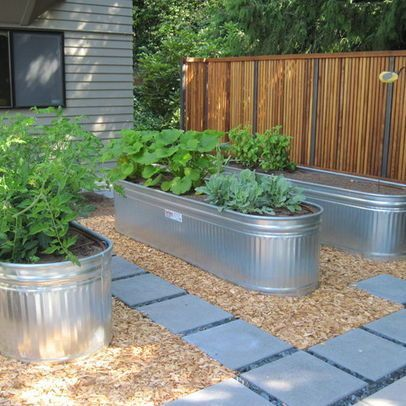
Durability and rustic charm meet in galvanized metal trough or tub beds, making them a practical choice for long-term planting. These containers, often repurposed livestock troughs, resist rust and weather damage while adding a farmhouse-style accent to gardens. Their raised height reduces bending during maintenance and provides a barrier against pests such as rabbits. While commonly used for herbs, they work equally well for colorful flowers like geraniums, pansies, or lavender, creating a fragrant and visually appealing display. Metal sides naturally warm the soil faster in spring, encouraging early growth and extended blooming seasons. Drainage holes ensure excess water escapes easily, preventing root rot. Because of their enclosed structure, gardeners have complete control over soil quality, enabling nutrient-rich blends tailored to specific plant needs. These troughs are portable enough to be repositioned if sunlight patterns change during the year. For additional style, exterior surfaces can be painted or left with their natural patina for a weathered look. Grouping several troughs of varying heights creates depth and interest in larger spaces, while a single unit serves as a statement piece in smaller yards or patios. With minimal upkeep, this design offers both resilience and beauty, supporting vibrant blooms season after season.
Rolling Wheel‑Mounted Elevated Bed for Mobility
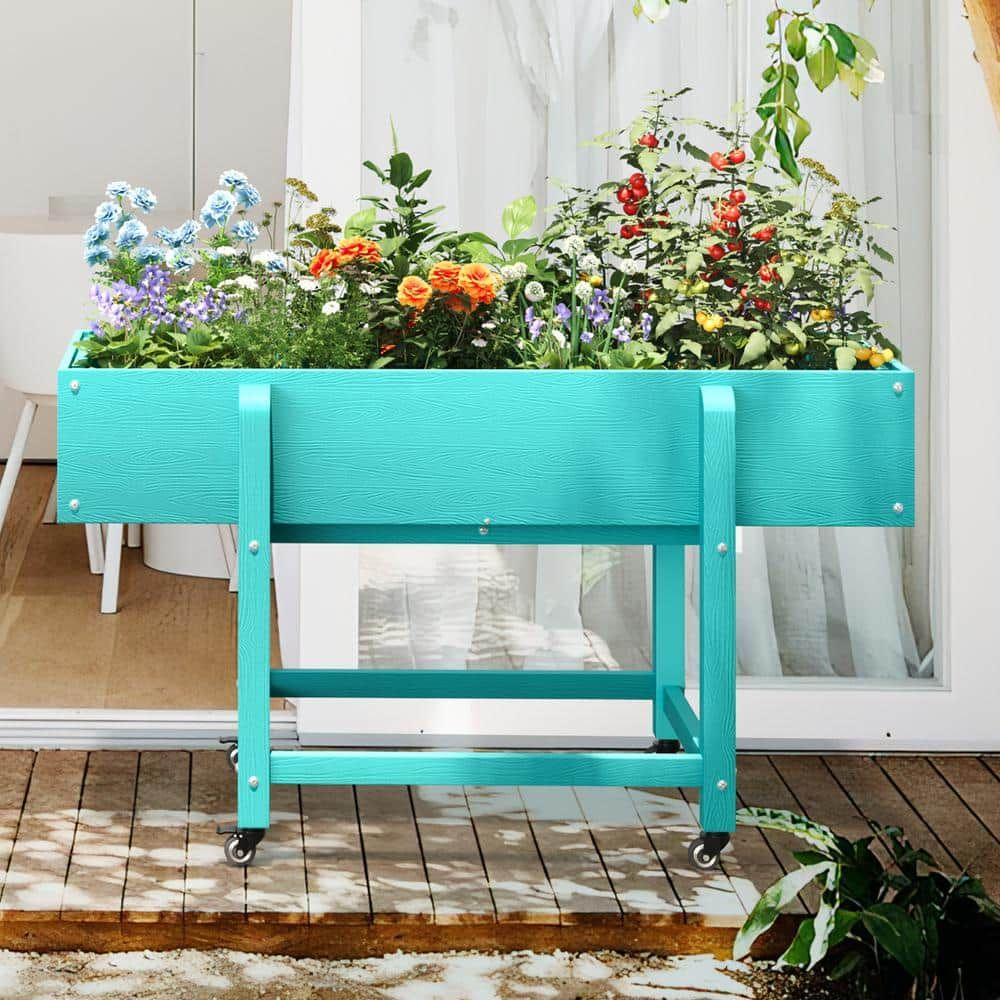
Mobility becomes a major advantage with wheel-mounted elevated beds, particularly for gardeners with limited yard space or changing sunlight conditions. These raised planters sit atop sturdy frames with lockable caster wheels, allowing effortless relocation around patios, decks, or paved areas. The elevation not only improves accessibility for those with mobility challenges but also deters common ground pests. Perfect for seasonal flowers such as begonias, impatiens, or nasturtiums, these beds enable gardeners to move plants into prime sunlight or shelter them from harsh weather. Built-in bases hold nutrient-rich soil, while drainage systems prevent waterlogging. Because they’re portable, it’s easy to rotate displays, bringing blooming plants to the forefront while rotating others for recovery. This flexibility also supports indoor overwintering of tender species. Sturdy construction materials like treated wood or powder-coated metal ensure the frame withstands repeated movement and outdoor exposure. For added efficiency, some designs include lower shelves for storing tools, watering cans, or spare pots. Their versatility makes them especially suitable for renters or urban gardeners seeking a non-permanent yet productive solution. Whether arranged singly or grouped for a mobile floral display, these elevated beds provide adaptability without sacrificing growing capacity or aesthetic appeal.
Cinder Block or Brick‑Edged Raised Planter Design
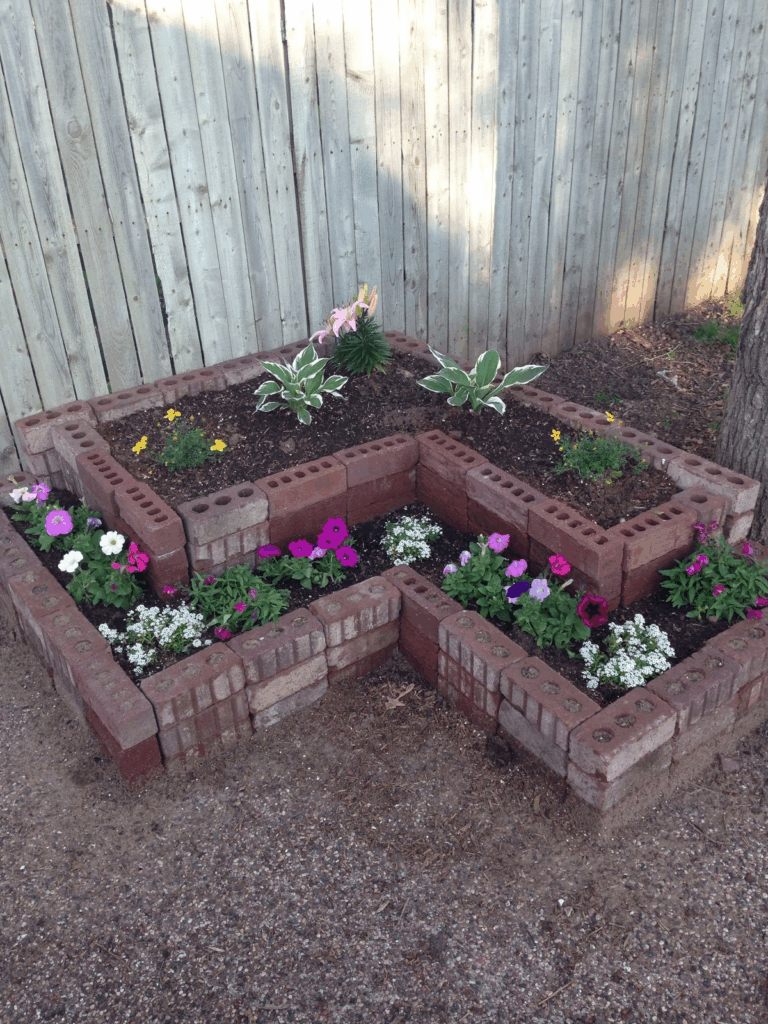
For those wanting structure with customizable dimensions, cinder block or brick-edged raised beds provide strength, longevity, and flexibility in design. Blocks or bricks can be arranged in straight lines, curves, or even geometric patterns to fit any garden layout. The solid edging helps retain soil, prevents erosion, and resists weathering far better than untreated wood. Cinder blocks offer the bonus of hollow cavities that can be filled with soil and planted with trailing flowers like alyssum or lobelia for a decorative edge. The interior bed can host a vibrant mix of seasonal blooms, perennials, or pollinator-friendly plants. Bricks lend a classic, timeless aesthetic, blending well with traditional and modern landscapes alike. Both materials provide excellent heat retention, keeping soil warm in cooler months and promoting faster root development. The structure’s durability ensures minimal long-term maintenance, while its height eases strain during planting or weeding. Drainage can be improved by laying a gravel base before filling with nutrient-rich soil. This approach works equally well in urban courtyards, suburban backyards, or along pathways, offering both visual appeal and dependable function. With endless configuration possibilities, cinder block and brick-edged beds can be tailored to suit both creative designs and practical gardening needs.
Rustic Log or Natural Stone Cottage‑Style Bed
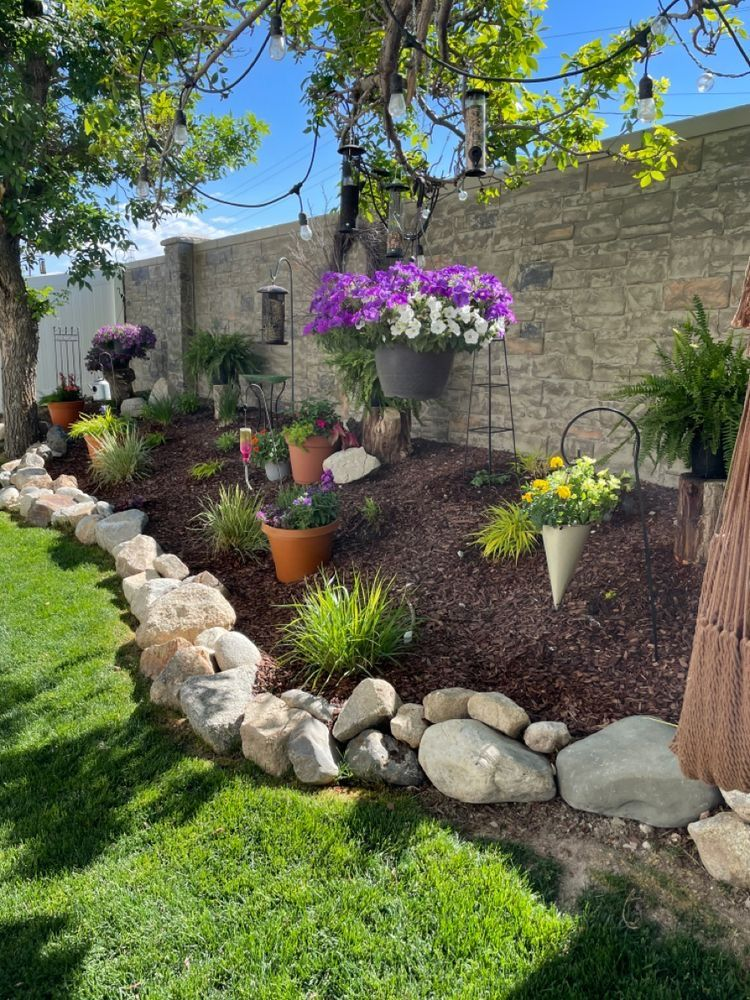
Natural materials like logs or irregular stones create a charming, old-world cottage garden feel while providing a sturdy border for raised beds. Logs, especially from rot-resistant species such as cedar or oak, blend seamlessly with surrounding greenery and can be arranged horizontally or vertically for varied textures. Stones offer a rugged, enduring structure that doubles as a heat sink, slowly releasing warmth into the soil during cooler nights. This style works beautifully with traditional cottage flowers like hollyhocks, foxgloves, and daisies, producing a relaxed, informal look. The irregular shapes of logs or stones encourage creative planting arrangements, allowing trailing plants to spill over edges for a soft, romantic effect. Building the bed on a level, well-drained base ensures stability and longevity. Using locally sourced materials enhances sustainability while reducing costs. Over time, weathering adds character to the structure, making it feel even more integrated into the garden. The raised height improves soil drainage and reduces back strain, making maintenance easier. Whether set against a backdrop of hedges or nestled within a wildflower meadow, rustic log and stone beds bring authenticity, texture, and timeless charm to outdoor spaces, appealing to gardeners who value both function and aesthetic tradition.
Square‑Foot Grid Critter‑Free Planting Zone Bed
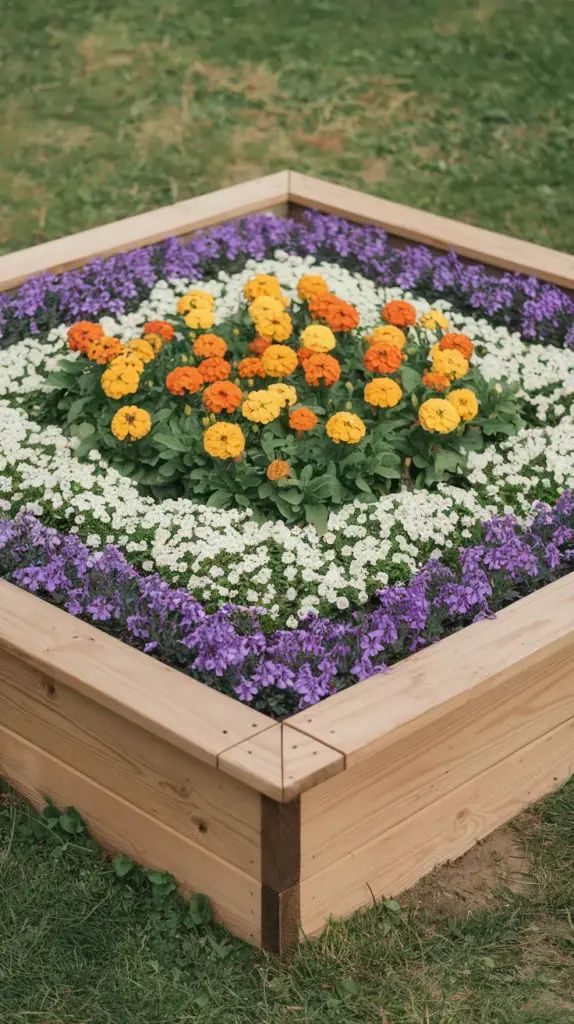
Organized gardeners appreciate the precision of square-foot gardening, especially when combined with a critter-proof raised bed. This method divides the planting surface into equal sections, each dedicated to a specific flower variety, ensuring no overcrowding and maximizing every inch of soil. Frames can be built from rot-resistant wood or composite materials, with sturdy mesh or wire enclosures protecting plants from rabbits, squirrels, and birds. The grid system simplifies planting schedules and crop rotation while making it easier to manage soil health. By tailoring soil blends to each section, gardeners can optimize conditions for diverse flowers, from sun-loving marigolds to shade-tolerant impatiens. Elevated construction also improves drainage and accessibility. A hinged or removable lid allows easy access for watering, pruning, and harvesting cut blooms while keeping unwanted pests at bay. This setup is especially effective in suburban or rural areas where wildlife pressure is high. The structured approach ensures a steady, balanced display throughout the growing season. With its blend of organization, protection, and beauty, the square-foot critter-free bed offers a practical solution for gardeners who want precision planting without sacrificing visual appeal.
Corner Triangular Raised Bed Maximizing Tight Yards
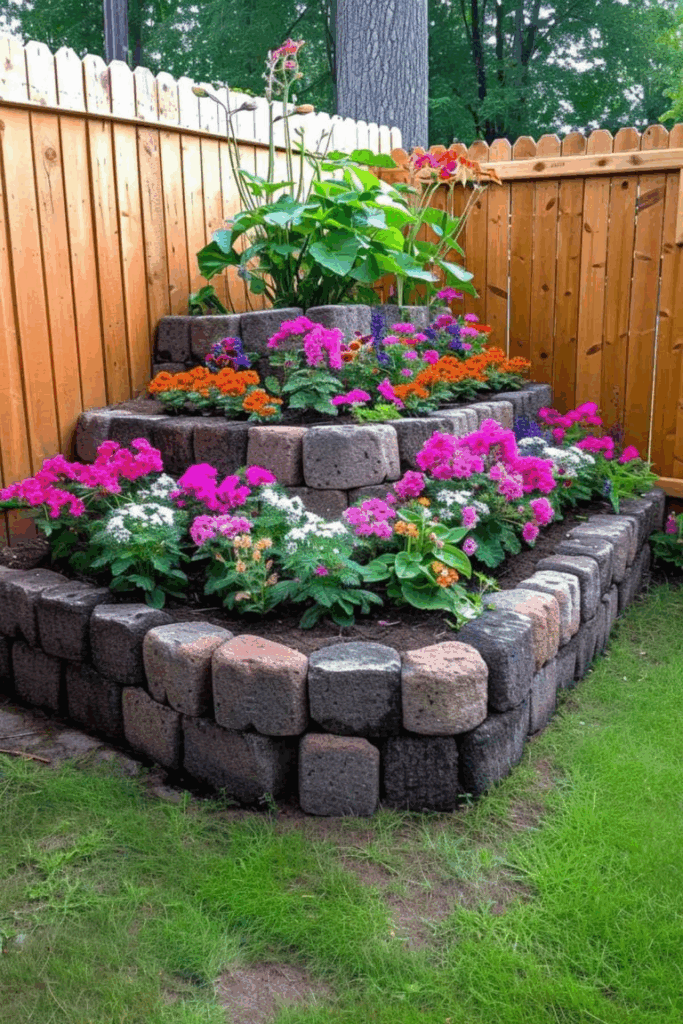
Unused corners often go to waste, but a triangular raised bed turns them into productive planting zones. Designed to fit neatly into right-angled spaces, these beds make efficient use of small yards, patios, or courtyard edges. The triangular layout offers a natural focal point, perfect for layered plantings with taller blooms at the back and cascading varieties along the front edges. Construction materials range from cedar and redwood to stone or composite boards, all providing durability and resistance to rot. Because of its compact footprint, soil management is easy, allowing for nutrient-rich, well-drained mixes tailored to flowering plants. This configuration can also help define garden boundaries or soften hardscaped corners. When positioned strategically, triangular beds can receive optimal sunlight while sheltering more delicate plants from wind. They are equally suited for ornamental displays or pollinator-friendly plantings, attracting bees and butterflies to underused spaces. Maintenance tasks like weeding and watering are simplified due to the bed’s accessible shape and size. Whether brightening a dull patio corner or filling a narrow yard nook, triangular raised beds bring beauty and efficiency to overlooked areas, making them a smart addition for gardeners working with limited space.
Modular Composite or Sleek Black Steel Minimalist Bed
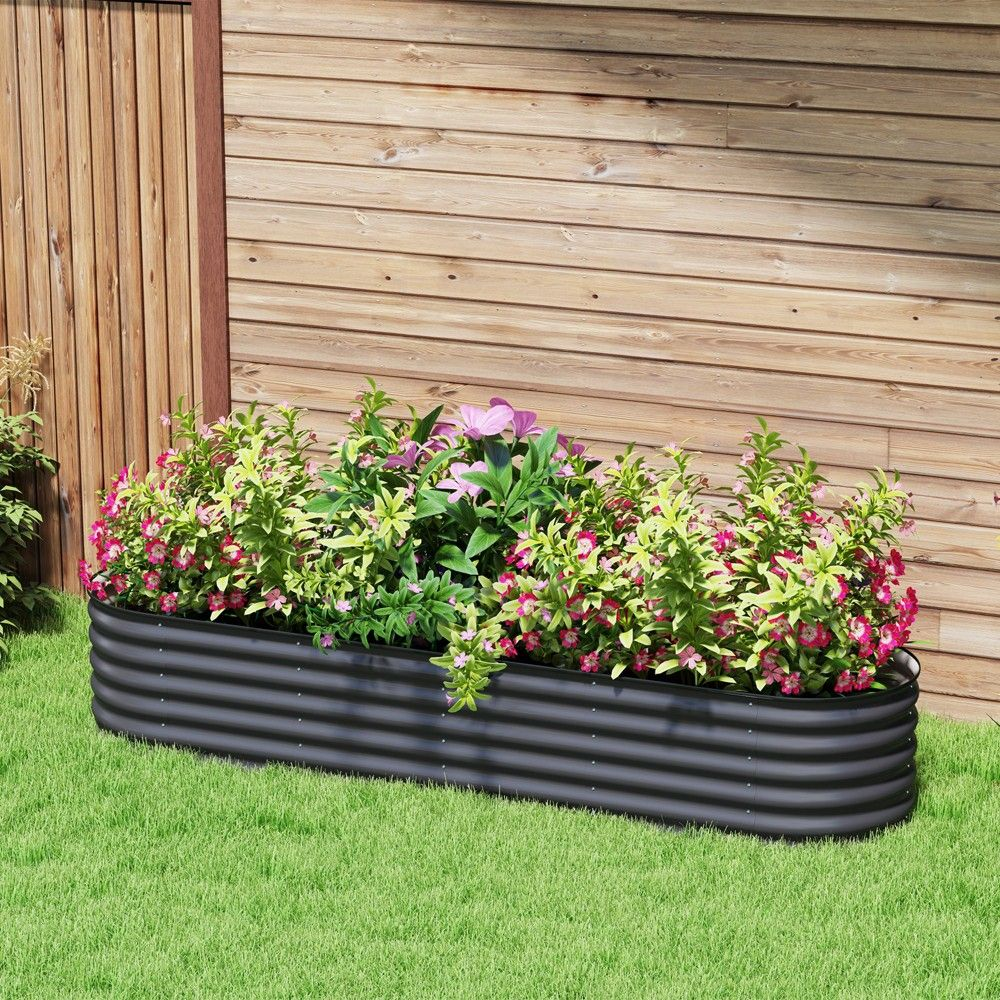
Clean lines and contemporary finishes make modular composite or black steel beds ideal for modern landscapes. Composite materials offer the warmth of wood grain without the risk of rot, fading, or insect damage, while powder-coated steel frames deliver unmatched durability and a striking industrial edge. Modular designs allow gardeners to customize bed dimensions or expand planting space over time, adapting to evolving garden plans. The smooth, minimalist surfaces complement architectural gardens, rooftop spaces, or urban courtyards. Despite their modern look, these beds function exceptionally well for vibrant floral displays, from structured tulip arrangements to free-flowing ornamental grasses. Steel frames often feature reinforced corners, ensuring stability even in high-traffic areas. Composite panels resist warping and maintain their appearance season after season, reducing upkeep. The raised structure improves drainage and soil quality, while the streamlined aesthetic highlights the plants themselves rather than the framework. These beds also pair beautifully with outdoor furniture, decking, or stone pathways, creating a cohesive, intentional design. For gardeners seeking a blend of performance, flexibility, and visual impact, modular composite or sleek steel beds deliver lasting style and practicality.
Cardboard‑Base Stake Raised Bed for Weed Control & Soil Building
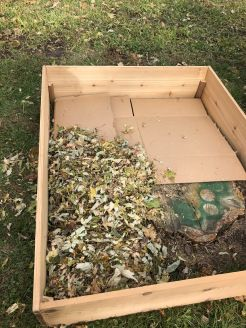
Suppressing weeds while improving soil fertility is easily achieved with a cardboard-base stake raised bed. The process begins by laying flattened cardboard sheets over the chosen site, which smothers existing weeds and grass while slowly decomposing to enrich the soil. Stakes driven into the corners and along the sides hold wooden or composite boards in place, forming a sturdy planting box. Once filled with a mix of compost, topsoil, and organic matter, the bed becomes a fertile, low-maintenance growing space. This method is especially effective for flowers sensitive to competition from invasive weeds, such as lilies or snapdragons. Over time, earthworms and beneficial microbes work through the cardboard layer, improving soil structure and nutrient availability. The raised format provides better drainage and prevents compaction, ensuring healthy root development. This approach is budget-friendly, sustainable, and adaptable to different bed sizes. Adding mulch on top further conserves moisture and extends weed suppression. The result is a thriving, low-maintenance planting area that builds soil health year after year, making it an excellent choice for gardeners focused on eco-friendly and productive flower cultivation.