
Grass-free patios provide a low-maintenance, eco-friendly alternative for creating stylish and functional outdoor spaces. Ideal for areas with water restrictions, heavy foot traffic, or shaded yards, these designs eliminate the need for constant mowing and upkeep. Options range from pavers and gravel to decking and stamped concrete, each offering unique visual appeal and durability. This guide explores the best no grass patio ideas that enhance comfort, maximize usability, and suit a variety of styles, helping you design a beautiful, hassle-free backyard retreat.
Gravel Courtyard Patio with Native Plant Islands
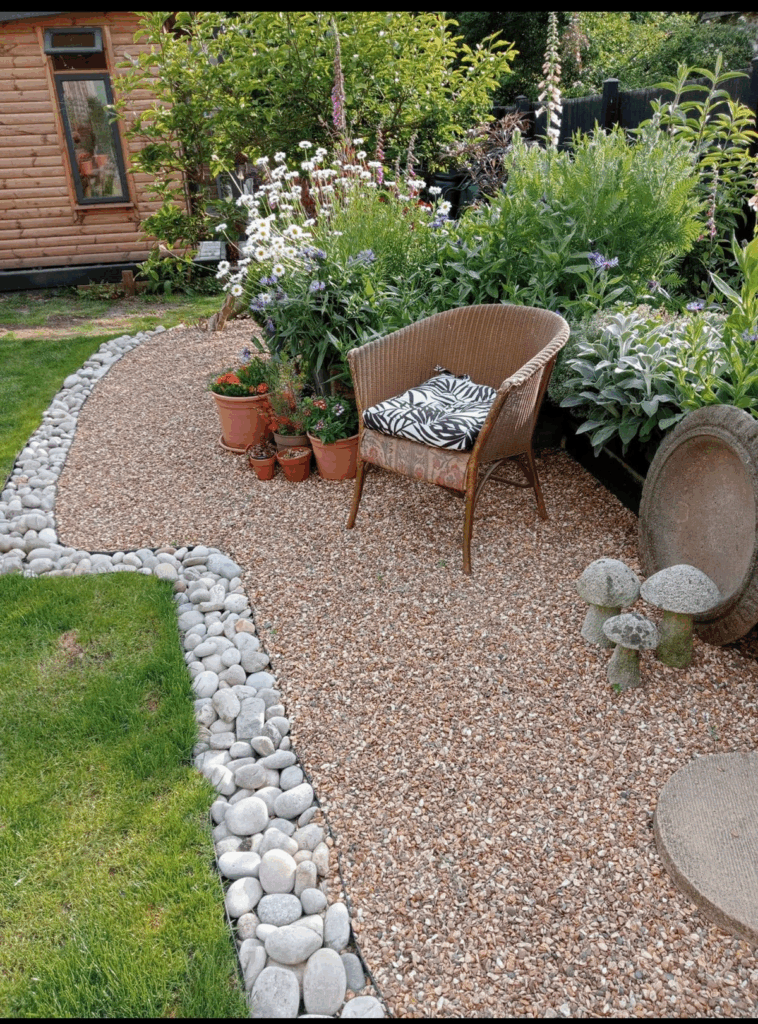
Designing a patio with a gravel base offers a low-maintenance and eco-friendly surface that pairs beautifully with native plant islands. Start by preparing the ground with proper weed suppression fabric, then spread a mix of crushed granite or pea gravel for a stable, permeable surface. This choice supports excellent drainage and prevents muddy patches, making it ideal for year-round use. Break up the expanse with carefully shaped planting islands filled with regional species such as coneflowers, ornamental grasses, or lavender, ensuring they’re suited to the local climate. The contrast between the soft greenery and the textured gravel adds depth and visual interest, while the plants attract pollinators, enhancing biodiversity. Curved edges on the plant beds create a natural flow, and larger anchor plants or boulders provide structure. Seating can be placed strategically among the islands, giving visitors a sense of being immersed in a garden without the upkeep of a lawn. Adding solar path lights along the gravel walkways enhances usability after dusk and highlights the plant groupings. This approach delivers a timeless, sustainable aesthetic that thrives with minimal watering and mowing, offering both beauty and practicality for those seeking a versatile outdoor living space.
Moss or Creeping Thyme Stepping‑Stone Patio Surface
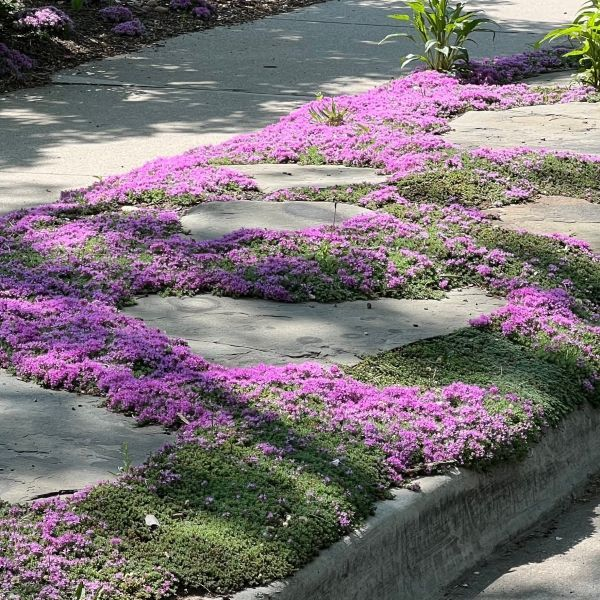
Blending natural greenery with durable hardscaping, a stepping-stone patio surrounded by moss or creeping thyme offers a soft, inviting surface underfoot. Begin with large, flat stones spaced evenly to create comfortable walking paths, leaving gaps wide enough for planting. Moss thrives in shady, moist conditions, while creeping thyme prefers sunnier spots and brings the added benefit of seasonal blooms with a gentle fragrance. Both options suppress weeds and require far less maintenance than grass, while visually softening the stone layout. To establish the greenery, fill joints with well-draining soil and plant plugs or sprigs, watering regularly until established. Over time, the plants will knit together, creating a seamless living carpet that adapts naturally to the stone’s contours. This design works beautifully for informal seating areas, garden pathways, or transitional zones between different patio materials. Occasional trimming keeps thyme from overgrowing the stones, while moss generally needs minimal care beyond ensuring consistent moisture. Pair the look with rustic wooden benches, weathered pots, or low garden lanterns to enhance its organic charm. By combining hardy plant groundcovers with structural stone, this patio style delivers durability, tactile beauty, and a naturalistic feel perfect for serene, low-impact outdoor living.
Stamped Concrete Patio with Integrated Planter Beds

Uniting the durability of concrete with the warmth of greenery, a stamped concrete patio featuring integrated planter beds creates a polished yet inviting outdoor space. The concrete surface can be imprinted with patterns mimicking flagstone, brick, or wood, offering aesthetic variety without the high maintenance of natural materials. Integrating planter beds directly into the patio layout allows for creative planting combinations—lush annuals for seasonal color, evergreen shrubs for structure, or herbs for functional beauty. These built-in beds can be framed with the same stamped finish or contrasting borders to emphasize shape and style. Using raised designs improves accessibility and keeps soil neatly contained, while built-in irrigation simplifies plant care. This layout also works well for defining activity zones, such as dining areas or lounge spots, without resorting to walls or fencing. Concrete’s reflective properties help brighten the patio, while the surrounding greenery softens its appearance. Opting for a neutral base color allows the plants’ hues to stand out, creating year-round appeal. With minimal upkeep beyond occasional resealing of the surface, this design ensures longevity, comfort, and visual cohesion, making it ideal for homeowners seeking a functional yet decorative no-grass alternative for their outdoor living area.
Xeriscape Patio with Succulents & Drought‑Tolerant Perennials
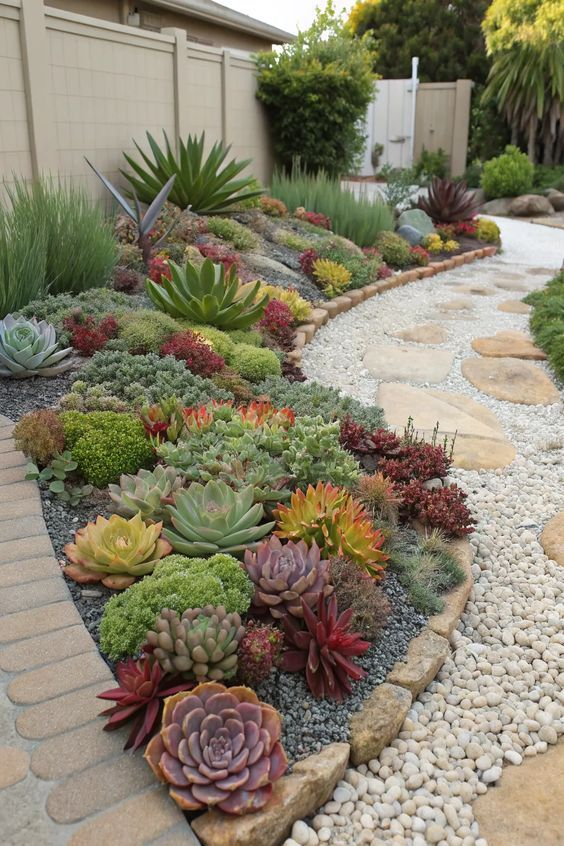
Prioritizing water efficiency without sacrificing style, a xeriscape patio combines gravel or decomposed granite surfaces with hardy succulents and drought-tolerant perennials. This approach thrives in hot, arid regions where traditional lawns are impractical. Succulents such as agave, aloe, and echeveria bring sculptural interest, while plants like salvia, yarrow, and Russian sage add seasonal blooms and attract pollinators. Grouping plants with similar water needs ensures consistent care, and mulch or decorative rock helps retain soil moisture while suppressing weeds. Low-profile seating, like stone benches or simple wood loungers, integrates seamlessly into the layout, providing comfort without interrupting the clean lines. Incorporating raised planting mounds or terraced beds adds depth and visual layering to the space. Drip irrigation systems hidden beneath the gravel keep plants healthy while minimizing water waste. Choosing a neutral gravel base allows the vibrant greens, silvers, and purples of the plant palette to pop, creating a visually engaging yet low-maintenance retreat. Over time, this style matures into a self-sustaining landscape that offers year-round beauty, reduces environmental impact, and saves on upkeep costs—making it a smart, stylish solution for those embracing both sustainability and outdoor enjoyment in a no-grass setting.
Composite Wood Lounge Deck with Potted Shrubs
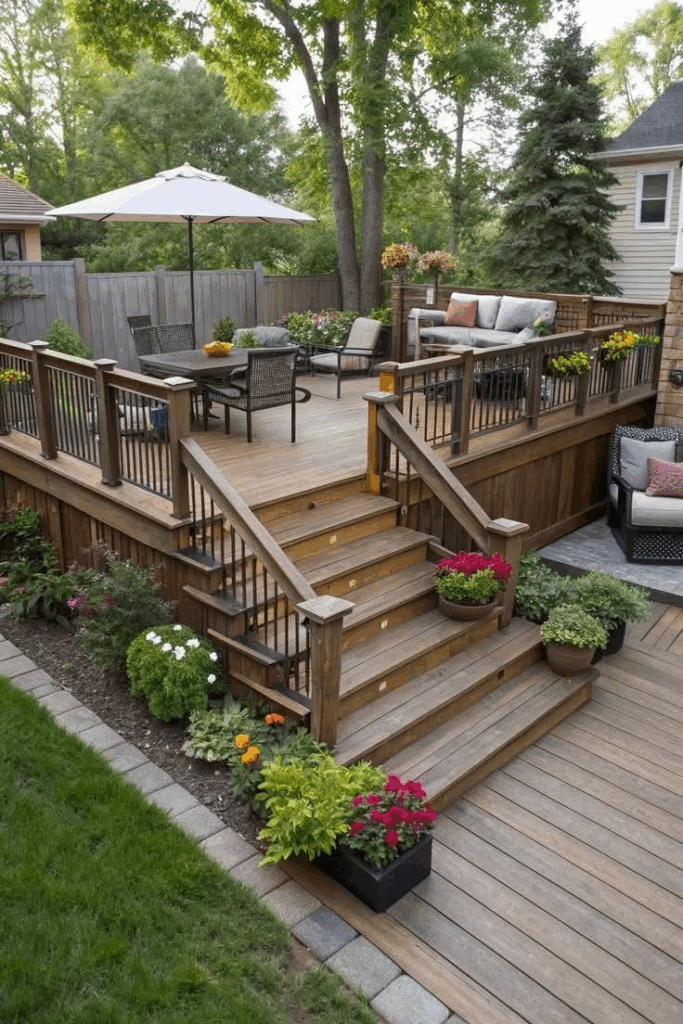
Blending modern materials with natural greenery, a composite wood lounge deck offers durability and a sleek finish while eliminating the need for grass. Composite decking resists fading, warping, and rot, making it a smart investment for long-term outdoor use. Arranging potted shrubs around the perimeter softens the edges, introduces height variation, and creates a sense of enclosure without heavy structures. Planters in coordinating tones with the decking tie the look together, while shrubs such as boxwood, dwarf conifers, or ornamental grasses add year-round interest. This layout works well for both small and expansive patios, allowing flexibility in rearranging pots to refresh the design. Incorporating seating areas—whether a sectional sofa, chaise loungers, or built-in benches—maximizes comfort for entertaining or relaxing. Under-deck lighting can extend usability into the evening, while outdoor rugs define functional zones. Since composite surfaces require minimal maintenance beyond occasional cleaning, the main care focus shifts to the potted plants, which can be swapped seasonally for fresh color. This approach delivers a refined yet low-maintenance environment that pairs contemporary style with botanical charm, offering a practical no-grass solution that performs well in varied climates while maintaining a visually appealing, welcoming outdoor retreat.
Raised Flower Beds Bordering a Gravel Patio Court
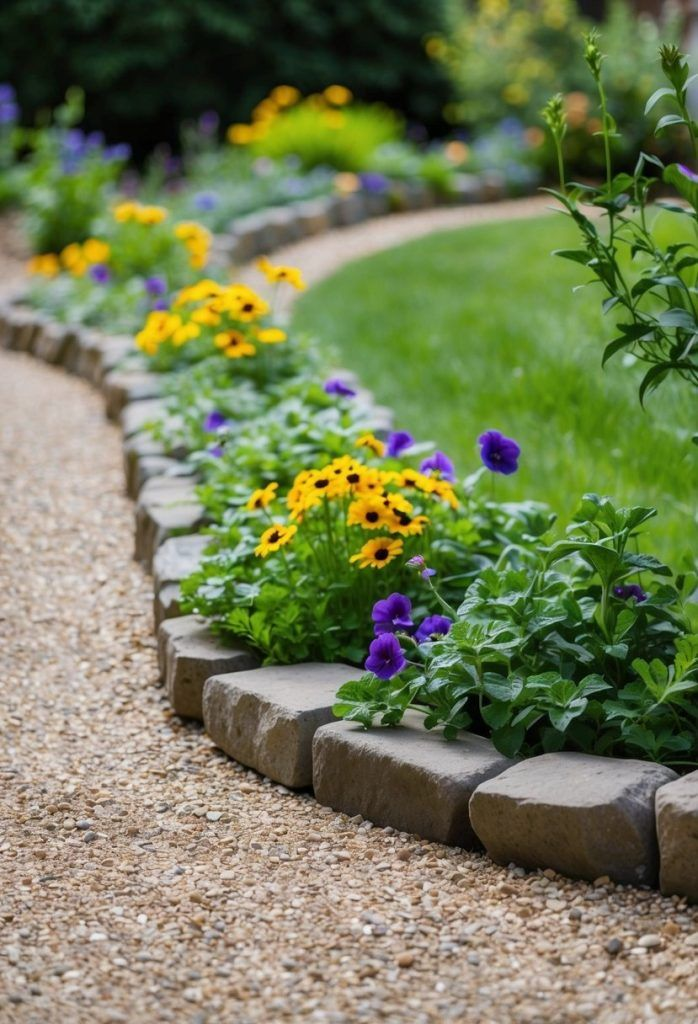
Creating definition and structure, raised flower beds surrounding a gravel patio court offer a dynamic alternative to flat lawn spaces. Constructed from materials like stone, brick, or weather-resistant wood, these elevated planters frame the patio while adding texture and color at eye level. The gravel surface beneath provides excellent drainage and a crisp, clean backdrop for the lush greenery above. Planting combinations can range from colorful perennials and annuals to low-maintenance shrubs and herbs, allowing for seasonal variation without overhauling the entire layout. The height of the beds reduces the need for bending during gardening, making maintenance more comfortable. Strategically placed seating, such as wrought-iron chairs or a central table set, creates a natural gathering spot within the courtyard. Decorative edging or lighting integrated into the planter walls enhances visual appeal after sunset. This design works especially well for urban or compact spaces where maximizing planting space without sacrificing usability is a priority. By combining the stability of gravel underfoot with the vibrancy of raised blooms, the result is a balanced outdoor living area that remains inviting, functional, and easy to care for while offering an attractive, grass-free alternative.
Rock Garden Corner Feature with Alpine Plants
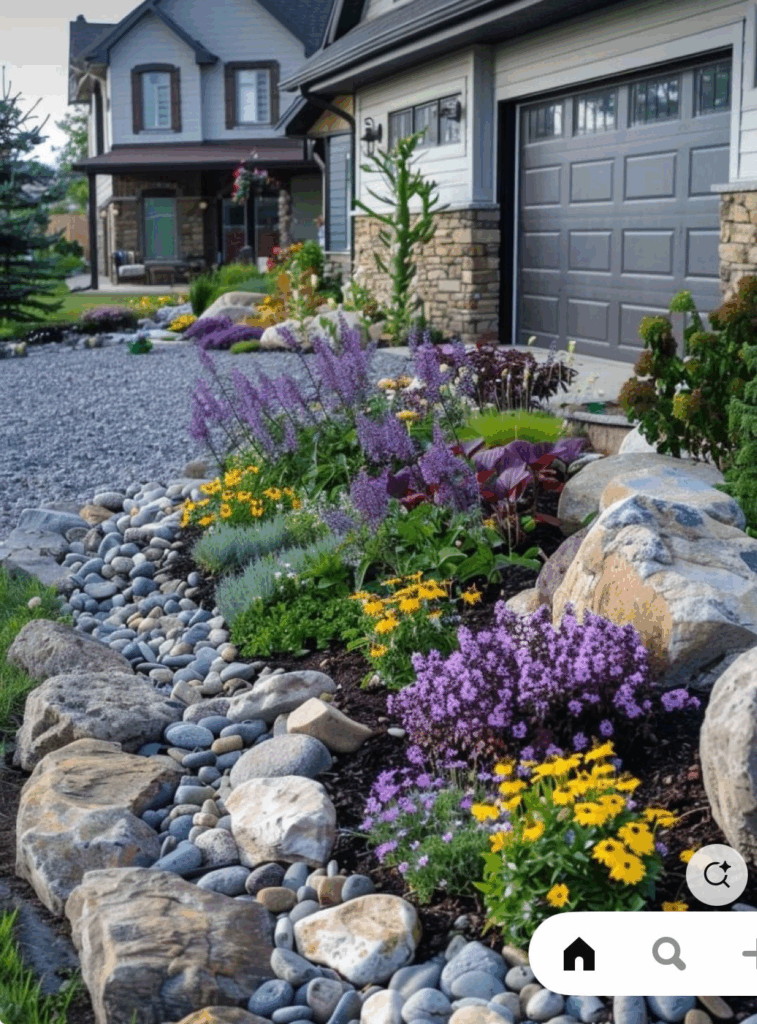
Transforming an unused patio corner into a rock garden filled with alpine plants adds both texture and year-round visual interest. Start with a base layer of gravel or coarse sand to promote drainage, then arrange a variety of boulders, river stones, and smaller rocks to mimic a natural hillside. Alpine plants such as saxifrages, sedums, and dwarf dianthus thrive in these conditions, offering compact growth habits, resilience, and seasonal color. Layering plants between stones creates a soft contrast to the rugged rock formations while preventing erosion. This feature works especially well alongside gravel or paver patio surfaces, integrating seamlessly with other no-grass designs. Low-voltage lighting placed discreetly among the rocks adds nighttime drama, highlighting plant textures and stone shapes. Since alpine species are generally drought-tolerant, this corner garden requires minimal watering and upkeep, making it a practical choice for busy homeowners. A small bench or stone seat nearby turns the area into a peaceful contemplation spot. By incorporating natural materials and hardy plant varieties, the space captures the beauty of a mountain landscape in miniature, offering a striking focal point that blends with sustainable, low-maintenance patio living.
Chamomile or Clover Tapestry Lawn as Groundcover Alternative
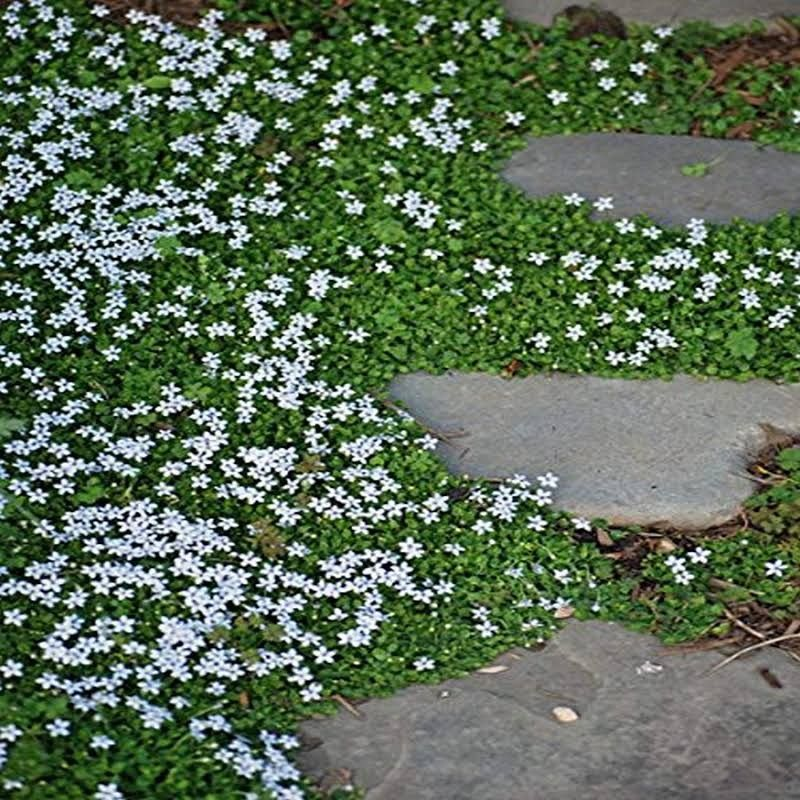
Replacing traditional grass with chamomile or clover creates a lush, resilient tapestry lawn ideal for a soft, fragrant groundcover. Both plants tolerate foot traffic and require significantly less mowing, watering, and fertilizing than turf. Chamomile offers delicate daisy-like blooms and a gentle scent when walked upon, while clover brings dense green foliage and pollinator-friendly flowers. Preparing the area involves removing existing grass, amending the soil, and sowing seeds or planting plugs for quicker coverage. Once established, these groundcovers suppress weeds naturally and adapt well to various soil conditions. They pair beautifully with stone pathways, paver seating areas, or gravel borders, adding organic charm to no-grass patios. Clover’s nitrogen-fixing properties enrich the soil over time, reducing the need for synthetic fertilizers. Chamomile thrives in sunny locations with moderate moisture, while clover tolerates a broader range of climates. Seasonal blooms provide visual variety without the maintenance demands of traditional lawns. Low edging or contrasting hardscapes can help define the planting area, ensuring a tidy appearance year-round. This living carpet approach merges eco-friendly landscaping with functional outdoor design, offering comfort, aesthetic appeal, and sustainability in one easy-care package.
Paver Seating Nook on Geotextile + Mulch Surface
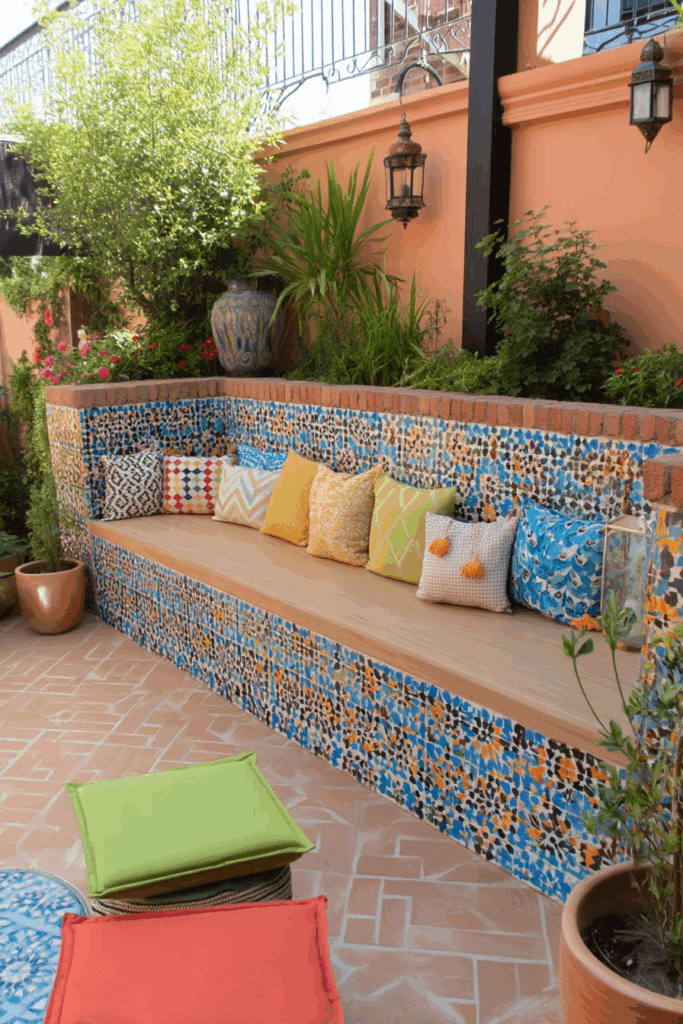
Designing a seating nook with pavers laid over geotextile fabric and finished with a mulch surround offers a stable, low-maintenance surface that resists weeds and erosion. The geotextile acts as a barrier while allowing water to drain naturally, making it ideal for areas prone to dampness. Pavers can be arranged in clean geometric patterns or more organic, irregular layouts depending on the desired style. Mulch between and around the pavers softens the look, adds warmth, and reduces surface heat during sunny days. Surrounding the nook with low-growing shrubs, perennials, or container arrangements enhances the sense of enclosure, making it feel like a private retreat. This setup works well for small patios or corners where lawn maintenance is impractical. A bistro set, Adirondack chairs, or a built-in bench fits perfectly within the defined paver area, providing comfort for casual gatherings or quiet relaxation. The combination of materials also offers seasonal flexibility—mulch can be refreshed annually, and pavers require minimal upkeep beyond occasional cleaning. By blending structural elements with natural textures, this design delivers a functional, visually pleasing alternative to grass while creating an inviting outdoor space that’s easy to maintain year-round.
Fire Pit Patio Section with Gravel Base

Integrating a fire pit into a gravel-based patio section creates a year-round focal point for gatherings. Gravel offers excellent drainage, preventing muddy spots around the pit, while providing a rustic, relaxed feel underfoot. The fire pit can be built from stone, metal, or concrete, sized appropriately for the space, and surrounded by a safety perimeter of non-flammable material. Low seating—such as weather-resistant chairs, built-in benches, or stump stools—can be arranged in a circle to encourage conversation and warmth. Adding larger pavers beneath the seating area offers additional stability and visual contrast against the gravel. Decorative touches, like string lights above or lanterns along the perimeter, extend usability after dark. For a layered look, incorporate planters with heat-tolerant plants such as ornamental grasses or succulents nearby, positioned far enough from the flames for safety. This design is both functional and flexible—gravel is easy to replenish or adjust, and the pit can be wood-burning or fitted with a gas insert for convenience. Perfect for cool evenings, this style merges practical landscaping with inviting ambiance, creating a no-grass patio feature that encourages year-round outdoor enjoyment while minimizing upkeep demands.
Artificial Turf Pad with Surrounding Planter Border
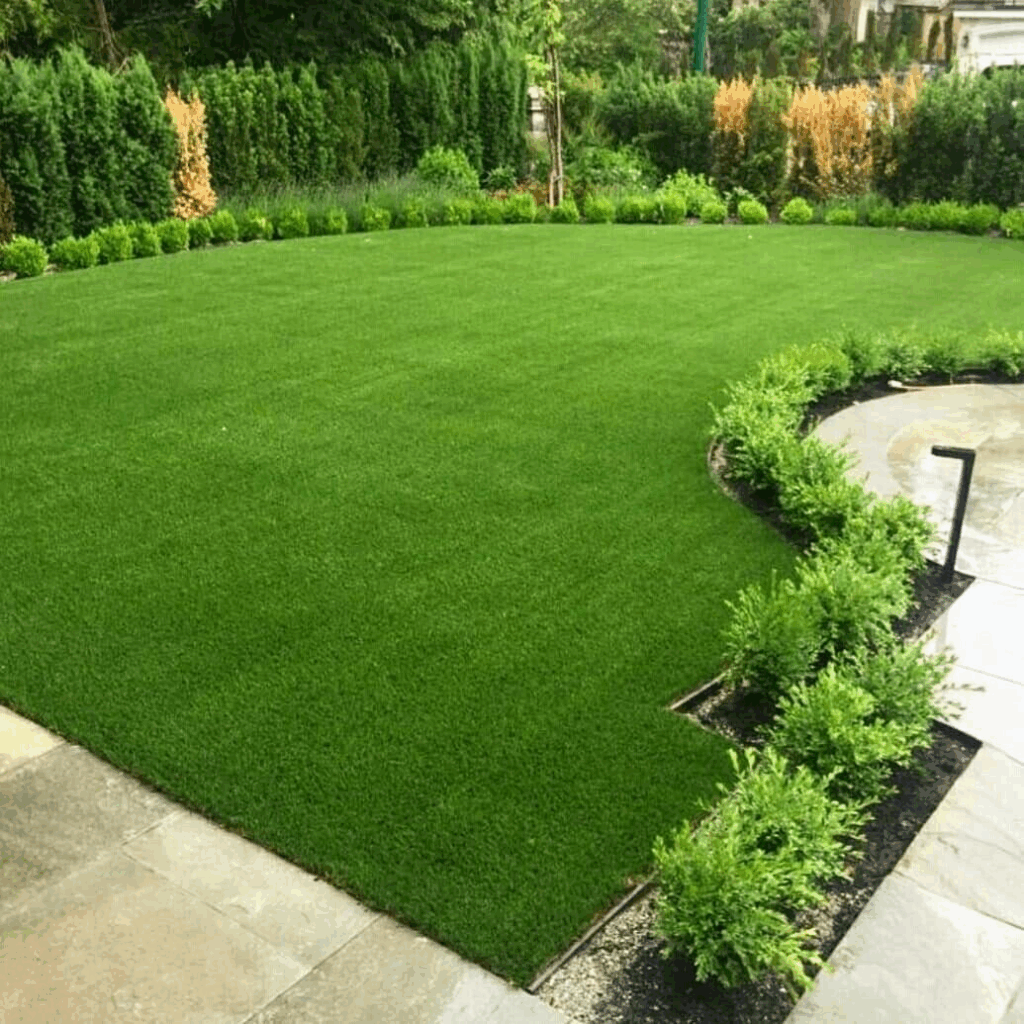
Installing an artificial turf pad framed by a border of planters offers the appearance of a manicured lawn without the upkeep. High-quality turf feels soft underfoot, resists fading, and drains efficiently, making it suitable for seating areas, play zones, or outdoor exercise spaces. The surrounding planter border introduces vibrant color, seasonal variety, and height contrast, breaking up the uniformity of the turf. Planters can host flowering annuals, evergreen shrubs, or even edible plants for a functional twist. Choosing containers that match or complement nearby hardscaping ensures a cohesive design, while integrated drip irrigation keeps plants healthy with minimal effort. Turf edges can be neatly secured with paver or stone trim to prevent fraying and maintain a polished look over time. This layout works well in small urban patios, rooftop terraces, or shaded yards where natural grass struggles to grow. Beyond aesthetics, artificial turf reduces water usage and eliminates the need for mowing, fertilizers, and pesticides. Paired with lush planters, it creates a lively yet low-maintenance outdoor area that blends the benefits of greenery with long-lasting practicality.
Flagstone Path Mixed with River Rock & Groundcover
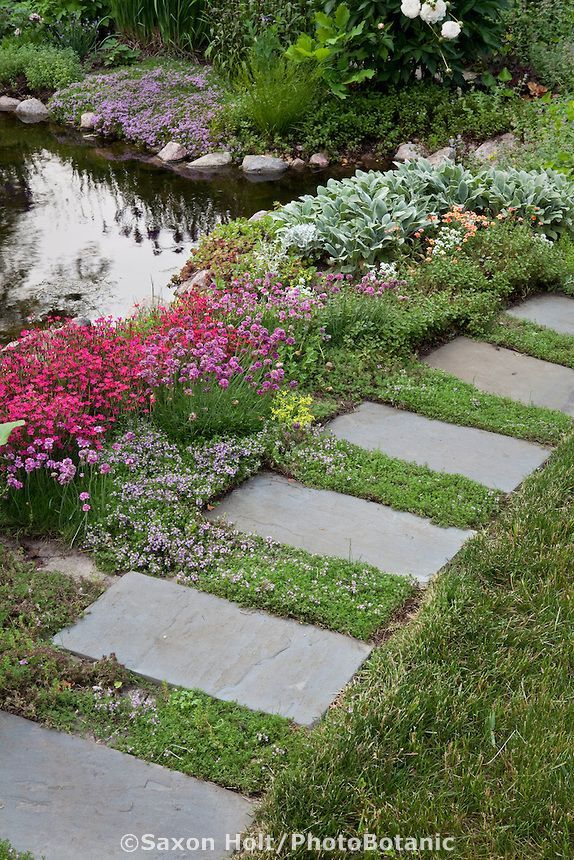
Combining irregular flagstone pieces with smooth river rock and low-growing groundcover produces a textured, layered patio surface that blends hardscape durability with organic charm. Flagstones provide stable footing and natural visual appeal, while river rock fills the gaps, aiding drainage and adding subtle contrast in color and texture. Planting creeping groundcovers—such as woolly thyme, sedum, or Irish moss—between stones softens the look, brings seasonal blooms, and attracts pollinators. The materials’ varied tones and shapes create a custom, artisanal feel that complements rustic, Mediterranean, or cottage-style landscapes. This design adapts easily to patios, walkways, or transitional garden spaces, especially in areas where grass is difficult to maintain. A careful base preparation with compacted gravel ensures long-term stability, while proper spacing between stones accommodates plant growth. The result is a surface that’s comfortable to walk on, visually dynamic, and inherently low-maintenance. Integrating seating areas or decorative planters nearby enhances the functional use of the space while preserving its naturalistic character. This blend of stone, rock, and living greenery delivers a grass-free patio solution that is both practical and visually enriching year-round.