
Small outdoor spaces can still burst with color and charm when thoughtfully planned with the right plants and layouts. Tiny flower gardens maximize limited square footage by using creative arrangements, vertical planting, and layered blooms to create visual depth. They’re perfect for adding beauty to patios, balconies, or compact yards without requiring extensive maintenance. This guide shares the best tiny flower garden ideas that combine aesthetic appeal, practicality, and seasonal variety, helping you turn even the smallest space into a vibrant floral retreat.
Container Bucket Blooms
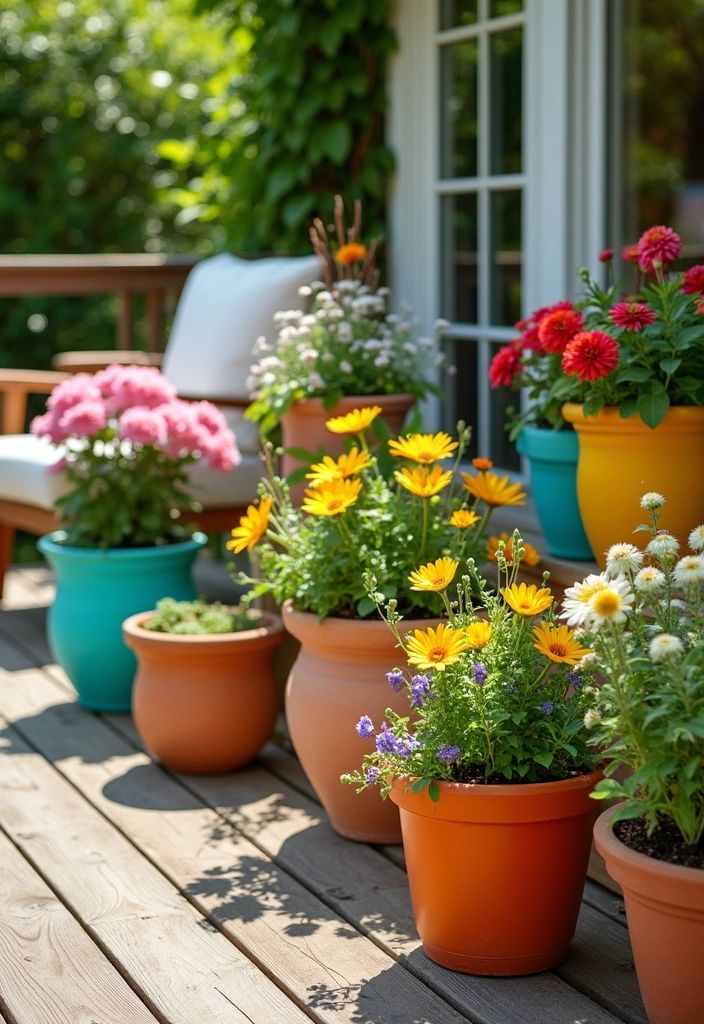
Repurposed metal or plastic buckets offer an affordable and charming way to grow flowers in small spaces. Their portability makes them ideal for patios, balconies, or sunny spots that change with the seasons. Ensure each bucket has proper drainage holes to prevent root rot, then fill with a high-quality potting mix suited to your chosen blooms. Annuals like petunias, marigolds, or pansies provide instant color, while dwarf dahlias or compact zinnias can add a striking focal point. Mixing trailing varieties, such as lobelia or ivy geraniums, with upright flowers creates visual depth and interest. For a cohesive look, group buckets in clusters of three or five, varying heights slightly to give a layered feel. Painted finishes can complement surrounding décor, while galvanized metal offers a rustic farmhouse touch. Buckets also allow seasonal rotation—spring tulips can be swapped for summer impatiens, then replaced with autumn mums. Positioning them near entryways or seating areas brings vibrant beauty up close, while their mobility ensures plants can follow optimal sunlight. This flexible, low-maintenance approach not only brightens small gardens but also enables experimentation with different color palettes and flower types, making it an excellent choice for gardeners seeking quick results and maximum versatility in compact outdoor spaces.
Vertical Flower Tower Stack
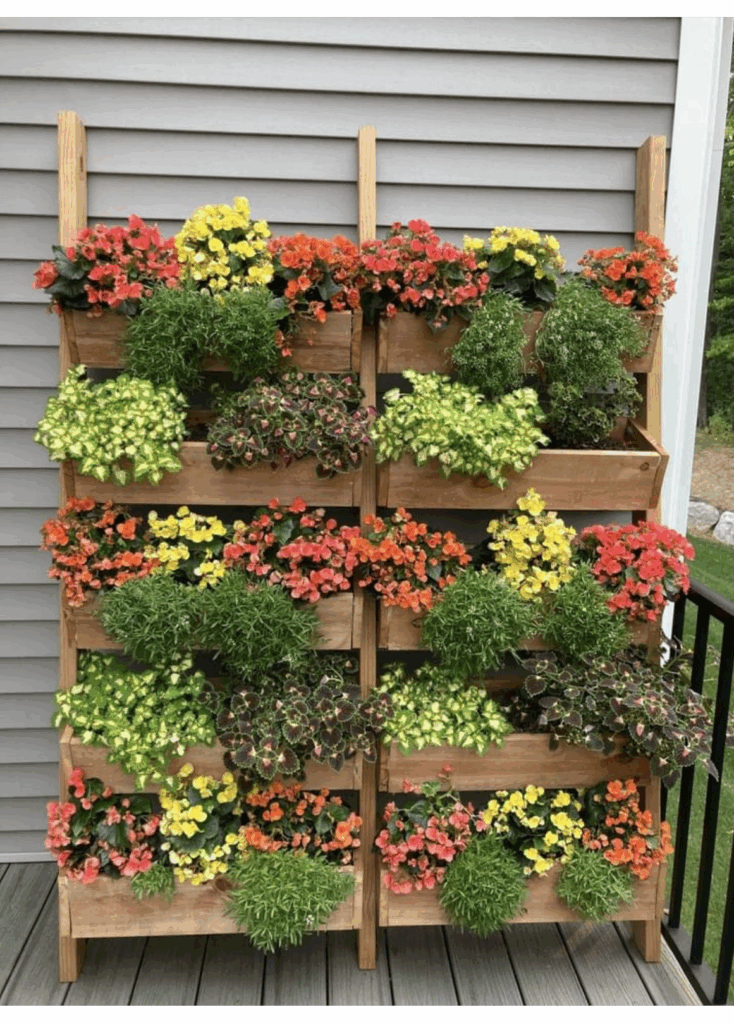
Stacked planters allow multiple tiers of blooms without occupying much ground space, making them perfect for narrow balconies or tight courtyards. A flower tower can be created using specialty stacking containers or by repurposing pots of decreasing sizes placed one atop another, each offset for stability. This arrangement works beautifully with trailing plants like calibrachoa, bacopa, or sweet alyssum spilling over the edges, complemented by upright flowers such as dwarf snapdragons or geraniums for structure. The vertical layout ensures each layer receives ample sunlight, reducing overcrowding and promoting healthy growth. Choosing a consistent color scheme—whether bold jewel tones or calming pastels—adds visual harmony, while incorporating seasonal rotations keeps the display fresh year-round. Lightweight materials like resin or plastic make towers easier to move for cleaning or repositioning. Adding a central support rod improves sturdiness, especially in windy locations. For watering efficiency, top layers should drain into lower ones, reducing waste and keeping soil evenly moist. Whether placed as a focal point in a tiny patio garden or flanking an entryway, a vertical flower tower draws the eye upward, creating the illusion of a larger, more lush space while showcasing an abundant mix of textures and blooms in a compact footprint.
Hanging Mini Garden Organizer
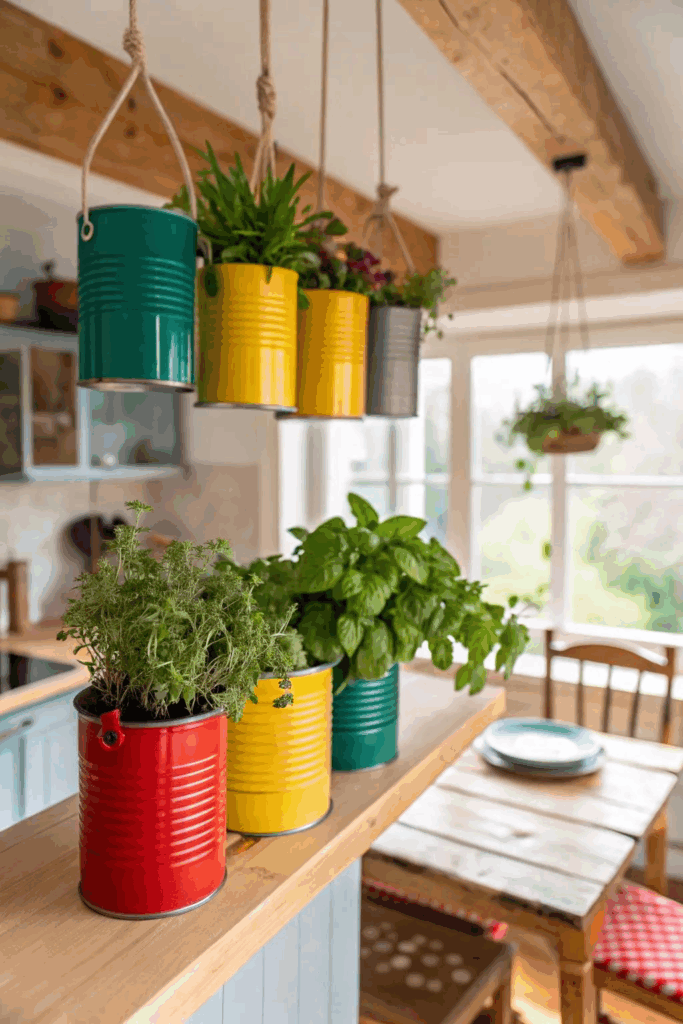
Utilizing vertical wall space for flowers through hanging organizers transforms even the smallest outdoor corner into a colorful feature. Cloth or felt pocket planters, wooden crates, or repurposed shoe organizers can hold a variety of compact flowering plants. Marigolds, dwarf nasturtiums, and pansies thrive in individual pockets, while cascading blooms like trailing lobelia or wave petunias add movement and softness. These organizers work well on balconies, fences, or exterior walls where ground space is limited. Proper drainage is essential to avoid waterlogging—liner inserts or breathable fabric pockets help regulate moisture while protecting wall surfaces. Arranging plants by height or bloom size creates an intentional, layered effect, and grouping colors strategically can make patterns or gradients for added appeal. Hanging gardens also benefit pollinators when planted with nectar-rich flowers such as alyssum or dwarf sunflowers. Maintenance is straightforward, requiring regular watering and occasional pruning to prevent overcrowding. This method not only beautifies confined spaces but also keeps plants at eye level for easy appreciation and care. In addition, the modular nature of hanging organizers means they can be expanded or rearranged seasonally, offering flexibility for changing color schemes and plant types throughout the year without disrupting the overall garden layout.
Self-Seeding Pollinator Patch
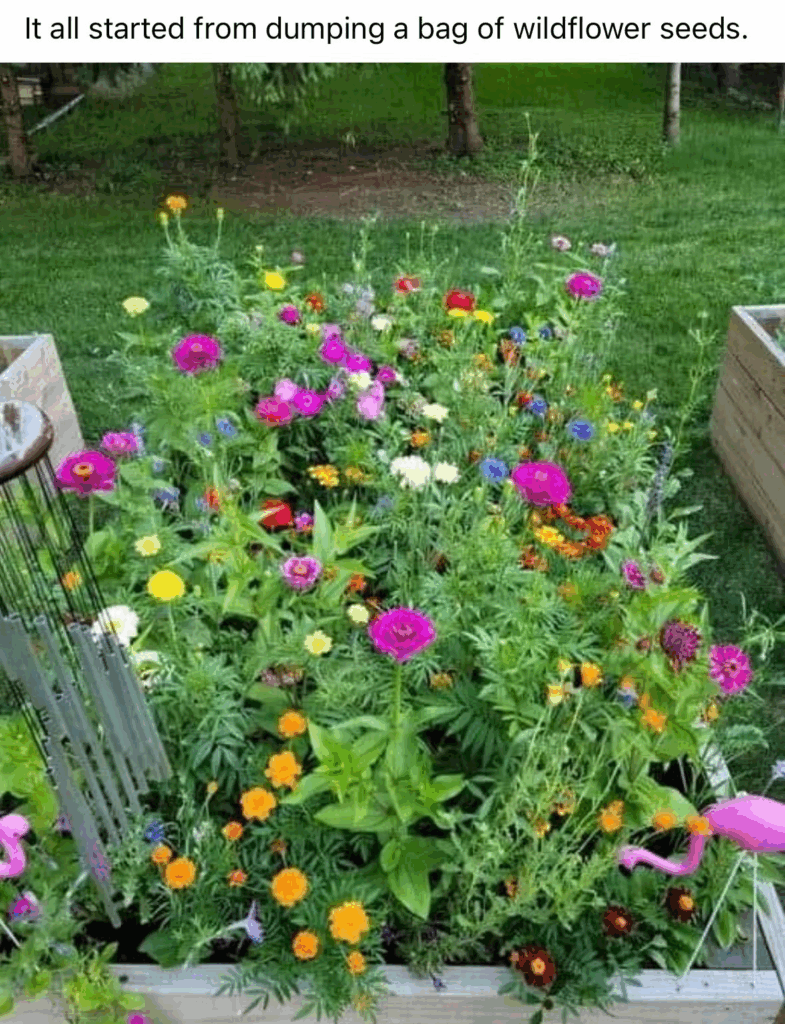
Compact pollinator patches can be both beautiful and beneficial, even in small gardens. By selecting self-seeding flowers, the garden renews itself each year with minimal intervention. Coreopsis, calendula, and cosmos are reliable options that thrive in containers or small beds, while native wildflowers provide habitat and nectar for bees, butterflies, and other beneficial insects. Position the patch in a sunny location to maximize blooming potential, as most pollinator-friendly plants require full light. Grouping species with staggered flowering times ensures nectar availability throughout the season. Allow some spent blooms to remain so seeds can mature and drop naturally, encouraging self-propagation. A light mulch layer can retain moisture without smothering seedlings. Avoid chemical pesticides to protect visiting insects, opting instead for organic pest-control solutions. Even a square meter of self-seeding blooms can support biodiversity while offering an ever-changing display of colors and textures. Over time, the patch adapts to its environment, with stronger varieties dominating, making it more resilient. This approach saves both time and money on replanting while fostering an ongoing relationship between the garden and local wildlife. A well-planned pollinator patch transforms a modest corner into a thriving, eco-friendly floral haven that reappears season after season.
Layered Height Container Planting
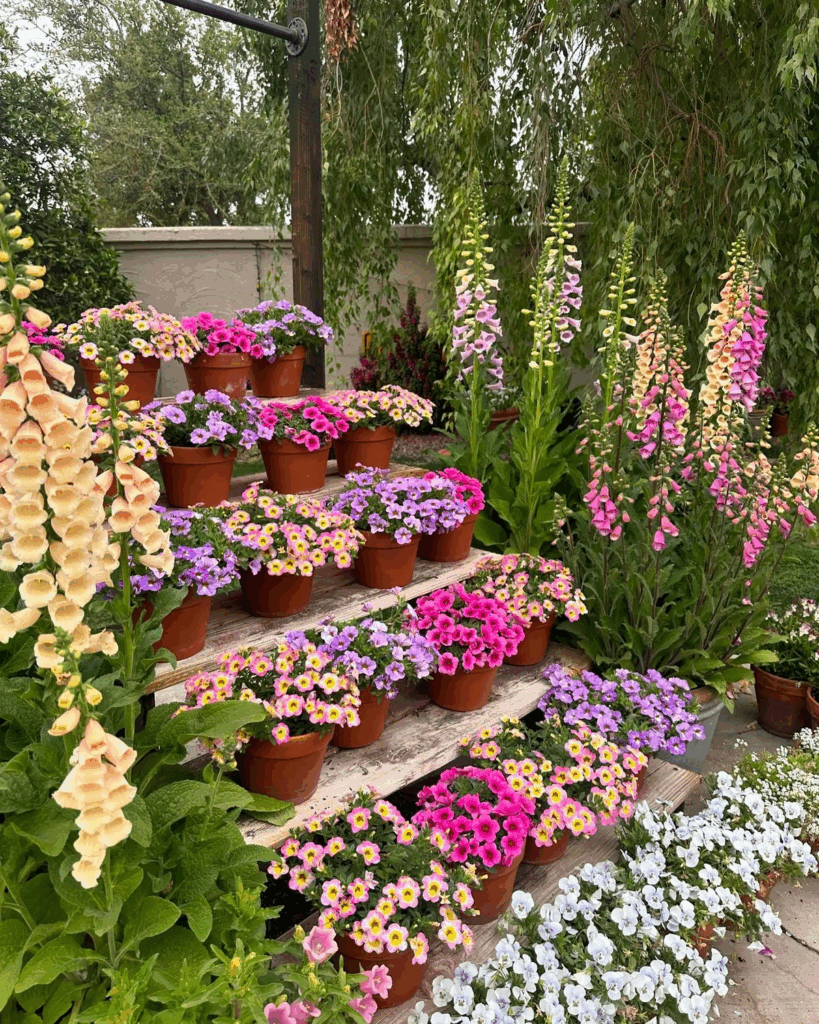
Varying plant heights in a single container arrangement creates visual depth and a professional, garden-center finish. This method typically follows the “thriller, filler, spiller” principle: a tall, eye-catching centerpiece plant; medium-height fillers for bulk and texture; and trailing spillers to soften edges. In a tiny flower garden, this can be achieved with a central canna lily or ornamental grass, surrounded by mid-height blooms like impatiens or dianthus, and finished with cascading ivy geraniums or creeping Jenny. Using containers allows experimentation with both sun-loving and shade-tolerant combinations depending on placement. Select a color palette—such as monochrome whites for elegance or mixed warm tones for vibrancy—and repeat it across several pots for unity. Soil choice is crucial; a lightweight potting mix with slow-release fertilizer supports steady growth. Regular deadheading encourages continuous blooms, while rotating pots occasionally ensures even sun exposure. Layered arrangements can also integrate herbs or edible flowers like nasturtiums for added function. By playing with scale and proportion, even the smallest patio corner can look lush and well-designed, offering year-round interest and transforming basic containers into showpieces that highlight both plant diversity and the gardener’s personal style.
Monochrome Color Palm Scheme
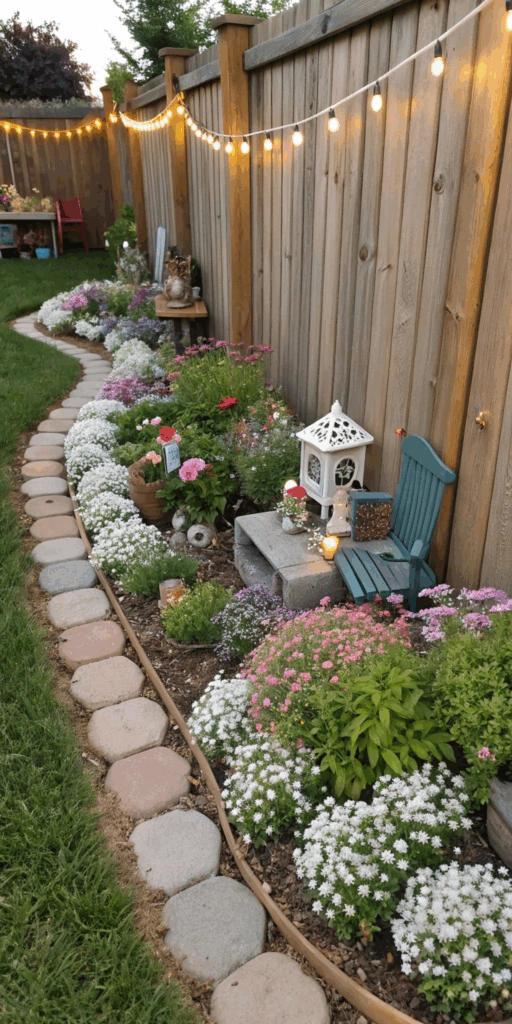
Focusing on a single color family in a small flower garden produces a cohesive, high-impact display that feels intentional and sophisticated. Selecting blooms in various shades of one hue—such as soft blush through deep magenta, or pale lemon through rich gold—creates depth without overwhelming the eye. Palms or other structural greenery can be used as vertical anchors, adding height and texture while keeping the color theme intact. For example, pairing yellow lantanas with golden marigolds and variegated foliage palms offers warmth and tropical flair. In cooler palettes, white vincas with cream-edged dracaena palms give a serene, airy effect. Planting in groupings of odd numbers enhances the natural flow, while repetition reinforces the color story across the space. Containers, borders, and accent decor can echo the chosen tone for visual unity. To keep the look fresh, rotate seasonal plants within the same color range—spring tulips can give way to summer zinnias, followed by autumn chrysanthemums. Balanced placement ensures palms don’t overshadow flowering elements, maintaining harmony between bold greenery and the featured bloom color. This deliberate approach delivers a polished, professional result while allowing small spaces to feel expansive, uncluttered, and thematically consistent from season to season.
Low-Water Drought-Tolerant Picks
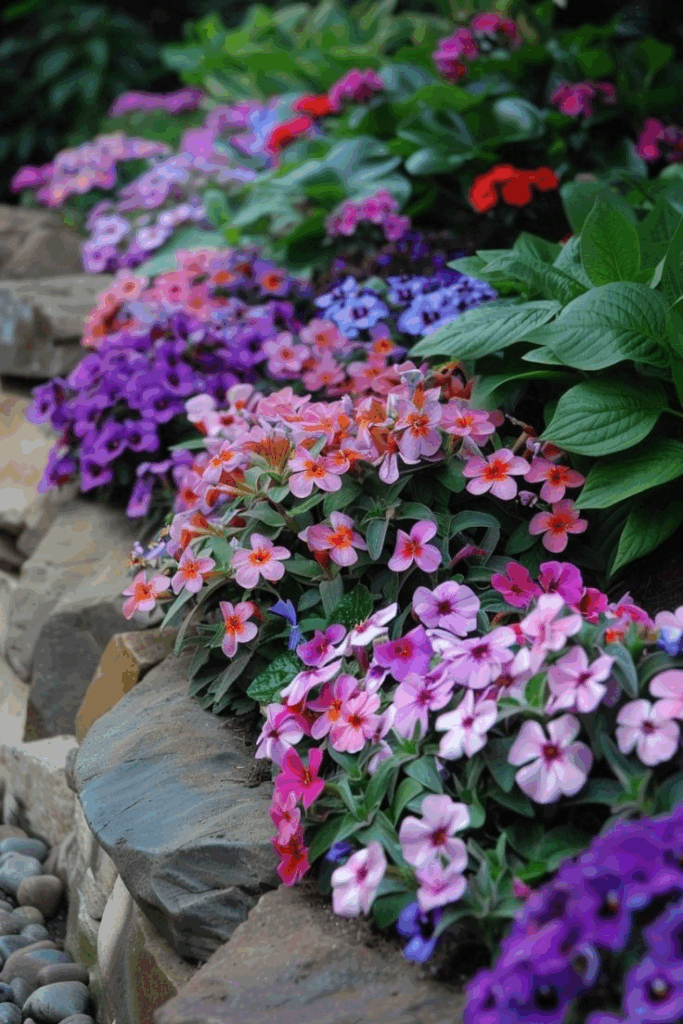
Choosing drought-tolerant flowers for a small garden ensures beauty with minimal maintenance, especially in hot or dry climates. Plants such as gazanias, blanket flowers, and lantanas thrive on infrequent watering while producing vibrant, long-lasting blooms. Succulent-like species, including portulaca and sedum, add texture and store water in their leaves, making them ideal companions. Placing these plants in well-draining soil—amended with sand or grit—prevents root rot and improves longevity. Grouping species with similar water needs simplifies care and promotes healthier growth. Mulching around the base helps retain moisture and suppress weeds, while drip irrigation or deep, occasional watering encourages roots to grow deeper and more resilient. Compact arrangements work well in containers, raised beds, or sunny border edges where irrigation is limited. To extend flowering periods, choose varieties that bloom in succession, ensuring color from spring through fall. Even in the smallest spaces, drought-tolerant plants can form a striking display when mixed with hardy ornamental grasses or foliage plants for contrast. Beyond their visual appeal, these resilient selections reduce water consumption and gardening effort, making them perfect for eco-conscious gardeners who want a sustainable, colorful, and low-maintenance planting solution without sacrificing vibrancy or seasonal interest.
Sensory Mini Scented Strip
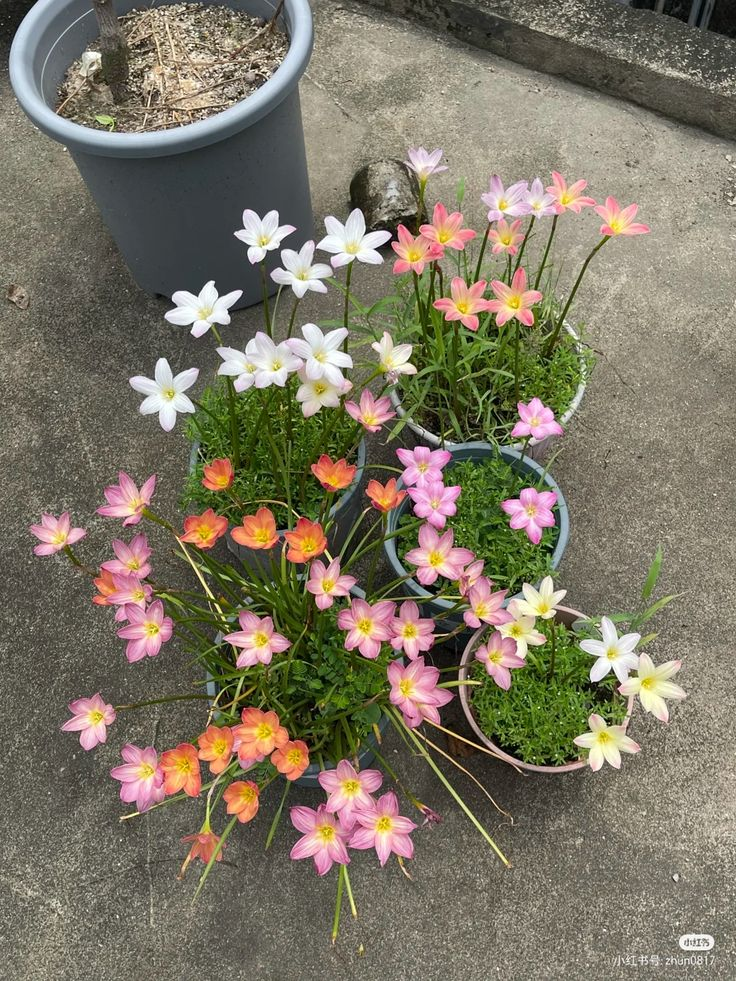
Designing a narrow planting strip with fragrant flowers creates an immersive sensory experience in limited space. Position it along a walkway, patio edge, or beside a bench where blooms can be enjoyed up close. Sweet alyssum, lavender, and dianthus provide continuous fragrance, while night-blooming jasmine or heliotrope add evening scent. Selecting flowers with staggered blooming seasons ensures the aroma changes subtly throughout the year. For a tactile element, include soft-leaved plants like lamb’s ear, which invites touch without harm. The strip should be no wider than the gardener’s reach from one side, making maintenance easy without stepping into the bed. Good soil drainage and regular deadheading will keep blooms fresh and scents strong. To enhance the sensory appeal, mix varying heights and textures, allowing taller scented plants to act as gentle backdrops for lower-growing varieties. This intimate garden feature not only delights visitors but also encourages mindful moments outdoors, making it ideal for relaxation zones. With thoughtful plant pairing, a mini scented strip transforms even the narrowest corner into a multi-sensory retreat that engages sight, smell, and touch, elevating the garden’s atmosphere while offering continuous seasonal interest in the smallest of spaces.
Upcycled Pallet Pocket Planter
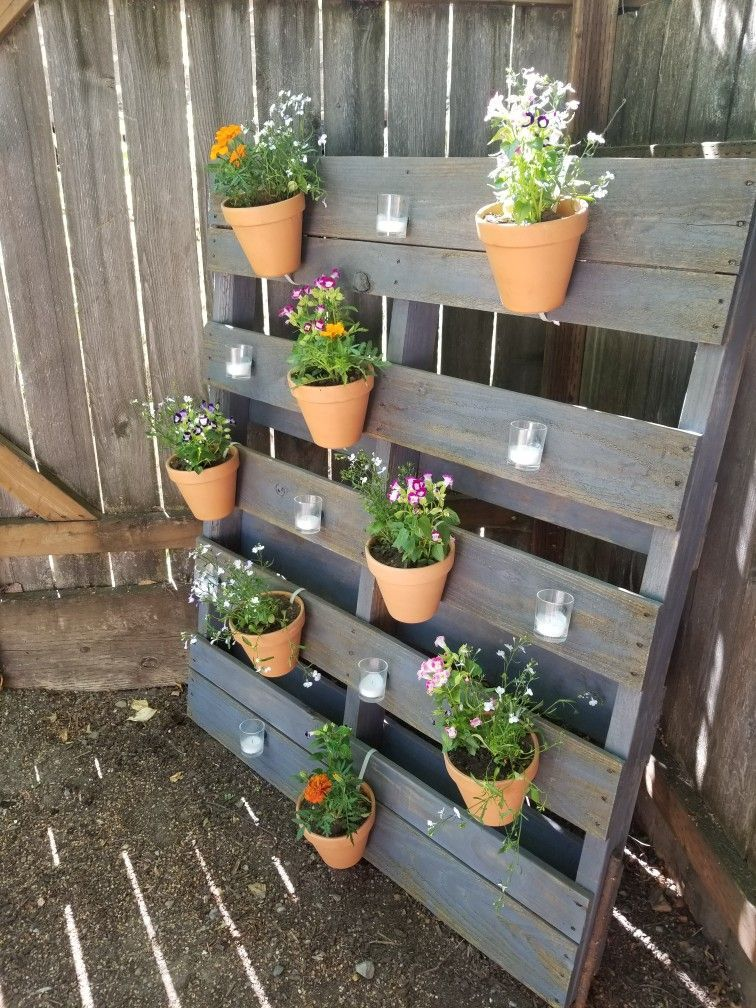
Reusing wooden pallets as vertical planters offers a cost-effective and space-saving solution for tiny gardens. The slats naturally create pockets that can be lined with landscape fabric and filled with potting mix. Compact flowers such as pansies, violas, or dwarf petunias thrive in these shallow spaces, while trailing varieties like lobelia or nasturtiums cascade beautifully down the pallet face. Positioning the pallet upright against a wall or fence maximizes vertical growing space, making it ideal for balconies and narrow courtyards. A coat of weatherproof sealant protects the wood from moisture damage, ensuring durability. Arranging flowers in color blocks or gradients can create a striking visual pattern, while mixing in herbs or edible blooms adds functionality. Pallet planters require regular watering, as their small soil pockets can dry quickly, especially in sunny spots. Installing a simple drip system or using self-watering inserts can reduce maintenance needs. Because the structure is lightweight, it can be relocated seasonally or redesigned with new plant combinations. This approach not only reduces waste by repurposing materials but also allows for a customizable, ever-changing display that adapts to different color themes, seasons, and space constraints in small-scale gardening environments.
Mirror-Backed Bloom Wall
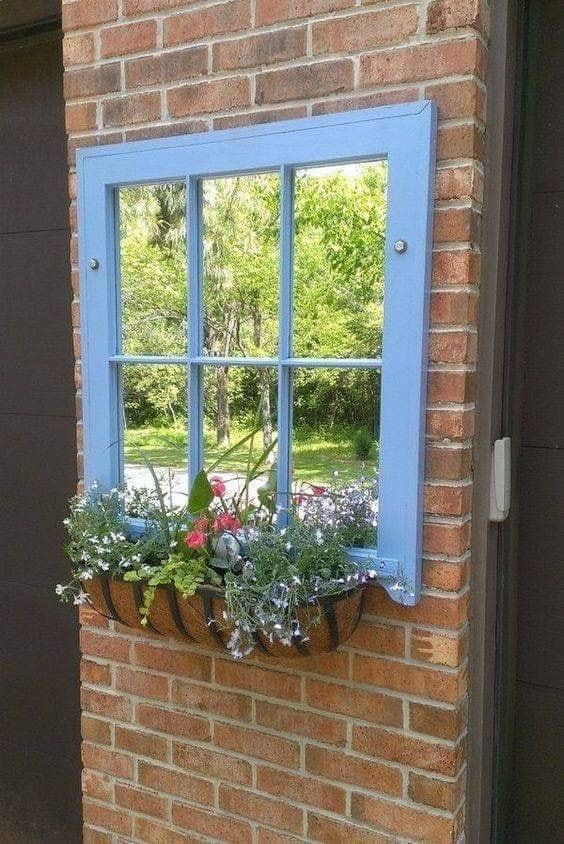
Incorporating mirrors behind flowering plants enhances depth and brightness in confined outdoor areas. This design trick reflects both blooms and surrounding greenery, creating the illusion of a larger, more abundant garden. A weather-resistant mirror, framed in wood or metal, can be mounted to a fence, wall, or trellis behind containers or vertical planters. Choosing flowers with bold colors—like red geraniums, yellow coreopsis, or purple verbena—ensures the reflected display remains vibrant. For added texture, mix upright plants with trailing varieties that spill across the mirrored surface. Placement is key; situate the mirror where it will catch light without causing glare or excessive heat on plants. This setup also doubles the visual impact of seasonal arrangements, allowing even a modest number of blooms to appear lush and full. Regular cleaning of the mirror maintains clarity, while framing it with vines or lattice softens the hard edges for a natural integration. Beyond aesthetics, mirrors can brighten shaded corners by bouncing light onto areas that receive minimal sun. The result is a compact yet visually rich feature that transforms small spaces into dynamic floral displays, adding both drama and perceived openness to patios, balconies, and narrow garden strips.
Step/Rail Multi-Level Pots Display
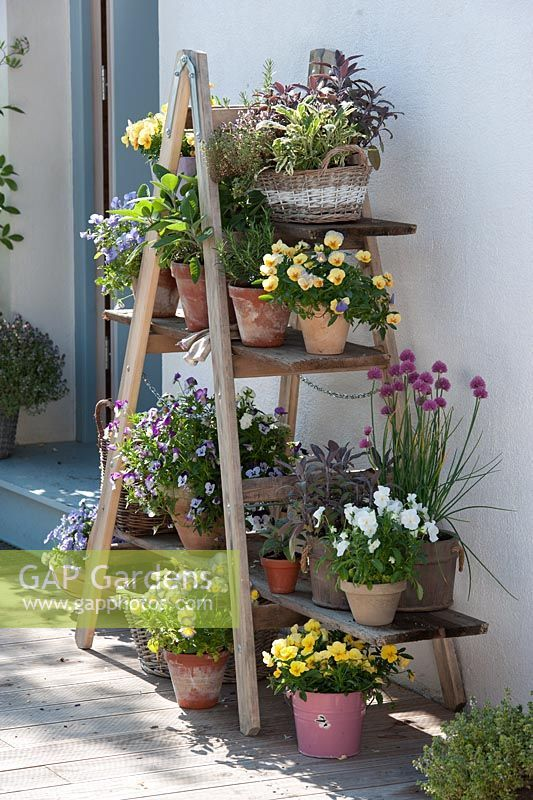
Utilizing stair steps, railing ledges, or tiered plant stands allows flowers to be displayed at varying heights without occupying much floor space. Each level can hold pots featuring different textures and bloom shapes, creating a cascading effect from top to bottom. Tall, upright flowers like salvia or dwarf delphinium suit the upper tier, mid-height options such as gerbera daisies or begonias work well in the middle, and trailing plants like verbena or ivy geraniums are ideal for lower levels. Matching pots in a consistent material—terracotta, ceramic, or metal—creates visual unity, while varying pot sizes adds dimension. Positioning the display along porch steps, balcony rails, or custom-built shelving maximizes available sunlight for each plant and makes watering easier. Seasonal rotation keeps the arrangement fresh; spring bulbs can give way to summer annuals and autumn mums. The vertical layering also draws the eye upward, giving the illusion of a larger garden. Adding solar path lights or fairy lights between tiers enhances evening appeal, making the setup both decorative and functional. This flexible, modular approach allows for quick rearrangement and accommodates plant growth, ensuring blooms remain prominent and healthy throughout the season in even the smallest outdoor areas.
Self-Seeding Annual Wildflower Bed
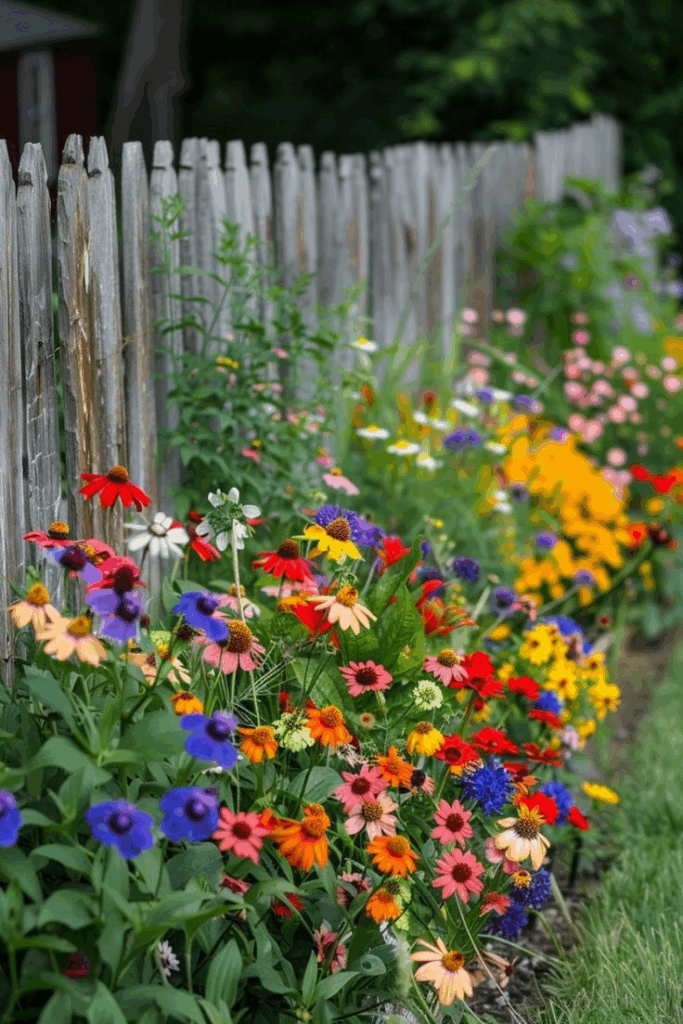
Creating a bed of self-seeding annual wildflowers offers continuous beauty year after year with minimal replanting. Flowers such as cosmos, poppies, calendula, and cornflowers naturally drop seeds that germinate in the following season, ensuring a fresh display without constant intervention. To start, select a sunny location with well-draining soil, then scatter a mix of seeds over a prepared bed in early spring or fall, depending on climate. Avoid heavy mulching, as this can block seed-to-soil contact. Once established, allow some flowers to mature and go to seed, ensuring future growth. Mixing varieties with different bloom times extends color throughout the growing season, while including pollinator-friendly options supports bees and butterflies. Minimal watering is needed after plants are established, making it ideal for low-maintenance gardening. The natural, meadow-like aesthetic works well in small spaces by softening hard edges and creating a free-flowing, colorful focal point. Each year’s growth pattern will vary slightly, adding an element of surprise and uniqueness. This approach reduces costs, encourages biodiversity, and offers an evolving display that adapts naturally to the garden’s microclimate, ensuring vibrant results for seasons to come without the need for constant replanting or intensive upkeep.