
Entry consoles play a central role in shaping how a home feels from the moment the door opens. Thoughtful styling can turn this small surface into a functional anchor that balances storage, décor, and visual flow. Scale, spacing, and layering choices determine whether the area feels polished or cluttered, especially in narrow entryways. Strategic use of mirrors, lighting, trays, and greenery helps create structure while supporting daily routines like key storage and mail drop zones. This guide focuses on proven console styling principles that work across modern, classic, and transitional interiors, offering reliable solutions for creating a welcoming, well-composed entry without constant rearranging.
Anchor With One Oversized Statement Object
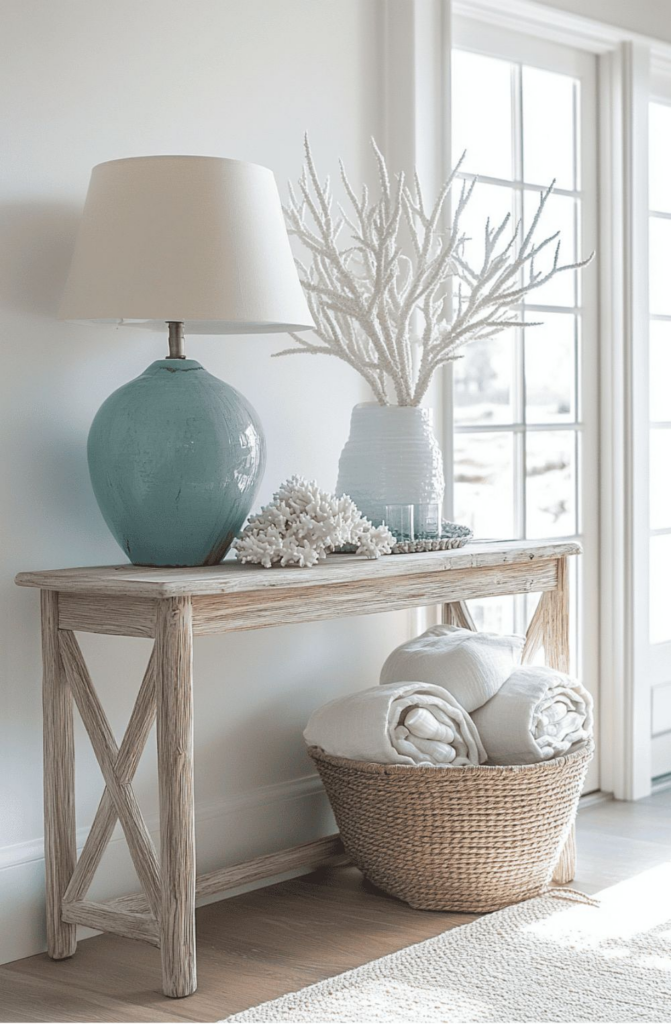
A single dominant piece establishes visual authority and prevents an entry console from feeling scattered or indecisive. Large-scale objects such as an oversized ceramic vessel, sculptural lamp, or substantial stone bowl naturally draw the eye and create an instant focal point. This approach reduces the need for excessive accessories while still delivering strong impact. The statement piece should visually outweigh surrounding items without overwhelming the console’s surface. Height, width, or visual density can all serve this purpose. Neutral-toned consoles benefit from bold texture, while darker finishes pair well with lighter statement objects for balance. Placement slightly off-center often feels more organic than strict symmetry. Supporting decor should remain intentionally understated, allowing the anchor piece to lead the composition. This method works especially well in narrow entryways where clutter quickly becomes noticeable. Oversized does not mean impractical; scale should relate proportionally to console length and wall height. Materials like ceramic, stone, wood, or metal offer durability and timeless appeal. By committing to one visually commanding object, the entire setup feels curated rather than accidental. This technique simplifies styling decisions and creates a confident, welcoming first impression that feels considered, polished, and easy to maintain over time for everyday living.
Use Height Variation To Avoid Flat Styling

Visual interest depends heavily on vertical movement across the console surface. When all decor items sit at similar heights, the arrangement appears static and uninspired. Introducing varied heights guides the eye naturally from one point to another, creating rhythm and depth. Taller elements such as table lamps, vases with branches, or stacked books instantly lift the display. Mid-height accents like framed photos or sculptural objects bridge the gap between tall and low pieces. Shorter items, including trays or bowls, ground the arrangement and prevent top-heaviness. The goal is a gentle rise and fall rather than extreme contrast. Height variation also improves functionality, making frequently used items easier to spot and access. This strategy works regardless of decor style, from contemporary to traditional. Keeping taller objects toward the back maintains clear sightlines while preserving balance. Avoid lining items straight across the console edge, as staggered placement feels more natural. Repetition of height patterns across the display adds cohesion without symmetry. Thoughtful vertical layering transforms even simple decor into a dynamic arrangement that feels intentional, visually engaging, and comfortably lived-in for daily routines.
Limit Decor To Odd-Number Groupings Only
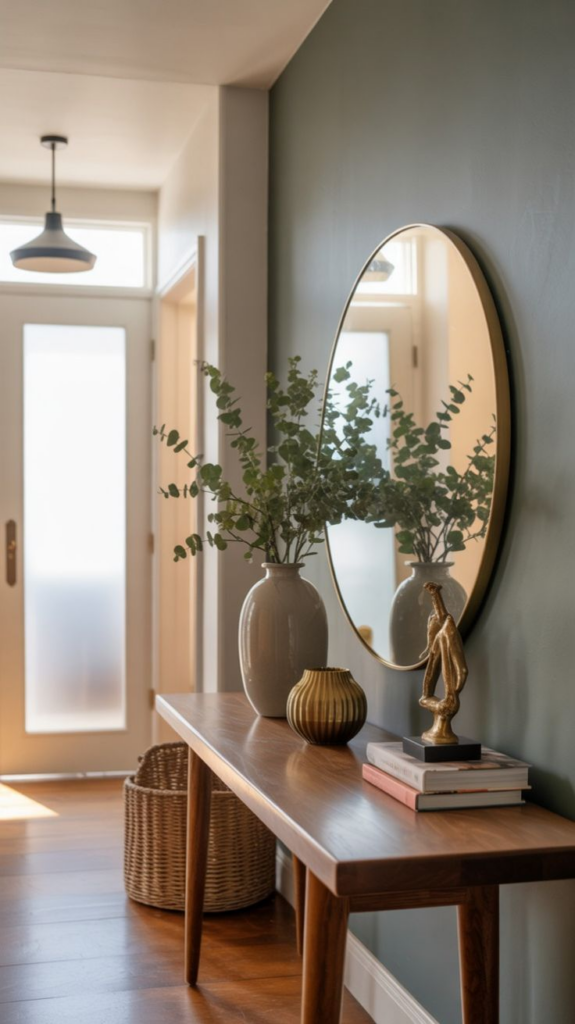
Odd-number groupings create a sense of movement and visual balance that feels less rigid than even-number arrangements. Sets of three or five naturally encourage the eye to travel across the display, making the console feel curated rather than staged. This principle applies to small objects, stacked books, or mixed accessories. For example, pairing a tray with two complementary accents feels more dynamic than matching pairs. Odd groupings work because they avoid mirror symmetry, which can feel overly formal in an entry space. Variation within the group matters just as much as the number itself. Differences in height, texture, or shape prevent the grouping from appearing repetitive. Keeping one item dominant within the trio adds hierarchy and clarity. This approach also simplifies decision-making, reducing the temptation to overcrowd the console. When space is limited, three well-chosen pieces often outperform a larger collection of smaller decor. Odd-number styling adapts easily to seasonal updates without disrupting balance. By consistently applying this rule, entry consoles maintain visual harmony while feeling relaxed, approachable, and thoughtfully styled for everyday use.
Blend One Functional Item Into The Display
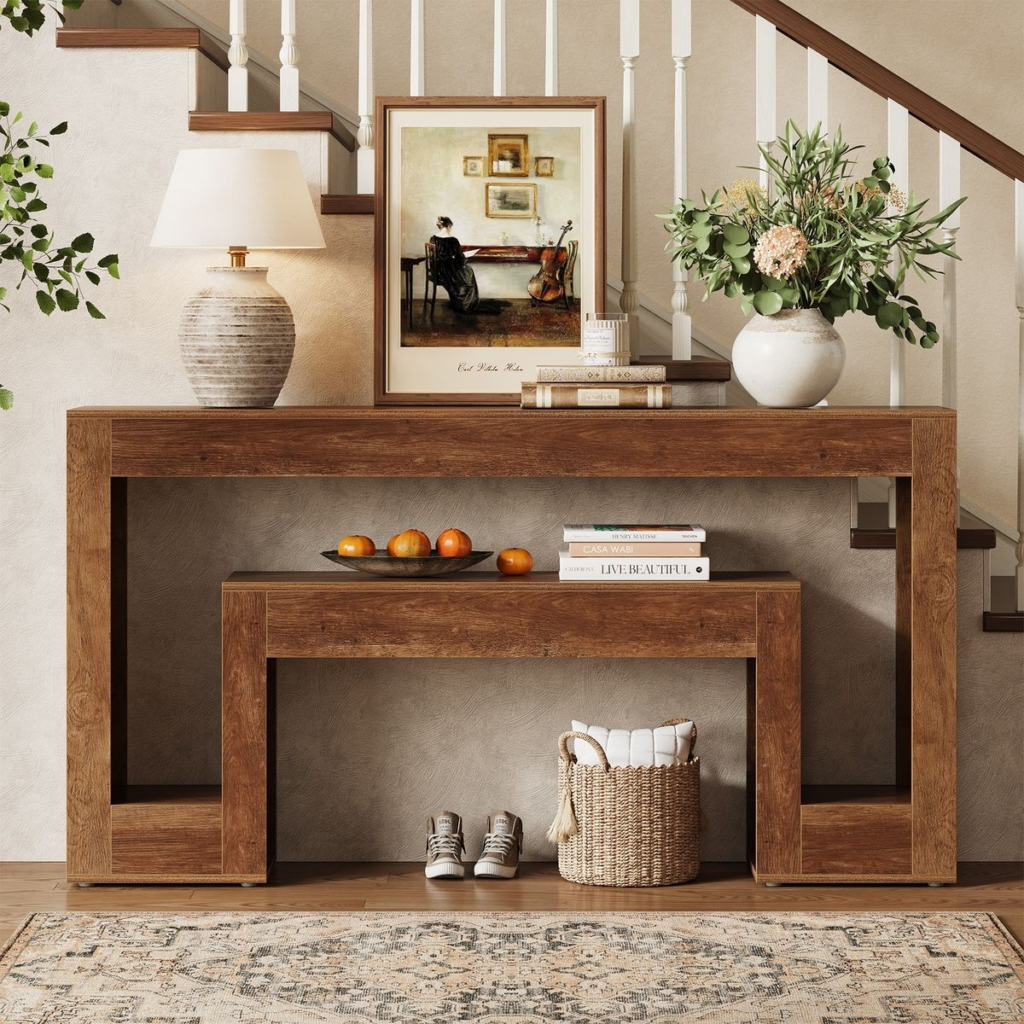
Practicality and aesthetics should coexist seamlessly in entry console styling. Including one functional item ensures the setup supports daily routines without sacrificing visual appeal. Key bowls, catchall trays, mail organizers, or small baskets can serve as both decor and utility. The key lies in selecting pieces that complement the overall style through material, color, or form. For instance, a leather tray suits modern spaces, while woven baskets align with casual or rustic interiors. Placement matters; functional items should feel intentional rather than tacked on. Positioning them near the console edge improves accessibility while maintaining balance. Limiting functionality to one primary item prevents the display from becoming cluttered. This approach reinforces the console’s purpose as a transition zone between outdoors and home. Well-designed functional decor reduces everyday mess and encourages consistent use. Over time, this strategy supports organization without constant restyling. By thoughtfully integrating one useful element, the console remains attractive, efficient, and realistic for real-life entryway demands.
Keep Negative Space Intentionally Visible

Empty space is as important as the objects themselves when styling an entry console. Negative space allows each item to breathe, preventing visual overload and enhancing clarity. Leaving portions of the console surface exposed creates contrast and highlights key decor pieces. This approach makes even minimal arrangements feel intentional rather than unfinished. Negative space also improves functionality by preserving clear zones for daily use. Instead of filling every inch, spacing items strategically establishes balance and calm. Wall space above the console benefits from this principle as well, avoiding overcrowded art arrangements. The eye naturally rests in open areas, making the overall display more comfortable to view. Negative space is especially valuable in small or narrow entryways where clutter feels amplified. Maintaining visible gaps between objects enhances their individual impact. This method supports long-term styling, as fewer items require less adjustment. Thoughtful restraint results in a polished, refined console that feels welcoming, organized, and visually effortless.
Layer Art Behind Objects Instead Of Hanging Everything

Artwork does not always need to be mounted to make an impact. Leaning framed pieces against the wall introduces depth and a relaxed, collected feel. Layering art behind decor objects creates dimension while reducing the need for precise wall placement. This technique works particularly well on consoles where flexibility is preferred. Frames of varying sizes add interest without committing to permanent arrangements. Supporting objects like vases or lamps partially overlapping artwork enhance the layered effect. This approach also allows for easy updates without tools or wall damage. Artwork becomes part of the surface styling rather than a separate element. Leaning pieces slightly off-center avoids stiffness and feels more natural. Neutral frames maintain cohesion, while subtle contrast adds character. This method softens the entryway and encourages experimentation. Layered art contributes to a curated look that feels intentional, adaptable, and personal without overwhelming the space.
Repeat One Material For Visual Cohesion

Consistency strengthens visual harmony across the console display. Repeating a single material, such as wood, metal, or ceramic, ties diverse objects together effortlessly. This repetition does not require identical finishes; variation within the same material adds depth without chaos. For example, mixing light and dark wood tones still reads cohesive. Material repetition guides the eye and reinforces a unified style. It also simplifies styling decisions by narrowing choices. Even small accents like frames, trays, or bowls can echo the chosen material. This technique works across decor styles and prevents the display from feeling disjointed. Balance remains important; the repeated material should complement, not dominate. When done thoughtfully, repetition creates subtle structure and polish. The result feels intentional, calm, and visually connected, making the entry console appear professionally styled yet approachable.
Mix Matte And Glossy Finishes Together

Surface contrast enhances visual interest without relying on excessive decor. Combining matte and glossy finishes introduces depth and texture to the console arrangement. Matte objects provide softness and grounding, while glossy surfaces reflect light and add energy. This balance prevents the display from feeling flat or overly uniform. For example, pairing a matte ceramic vase with a polished metal tray creates subtle tension. The contrast works across color palettes and styles. Light reflection from glossy items also brightens darker entryways. Moderation is essential; too much shine can feel distracting. Keeping finishes intentional maintains sophistication. This approach elevates simple decor by emphasizing material quality rather than quantity. Mixing finishes adds richness and dimension while preserving a refined, cohesive look suited for everyday living.
Style For Real Daily Use Not Just Aesthetic

An entry console should support daily habits while remaining visually appealing. Styling decisions must account for how the space functions throughout the day. Frequently used items like keys, sunglasses, or bags need accessible placement. Choosing durable materials ensures longevity despite regular handling. Decor should not obstruct movement or create inconvenience. Clear surfaces encourage consistent use and reduce clutter buildup. This approach prioritizes practicality without sacrificing style. Thoughtful organization supports smoother routines and minimizes frustration. Items should feel easy to put back, reinforcing order naturally. Styling for real use also reduces maintenance time. A console that works well daily remains visually appealing longer. Function-driven design fosters a welcoming, livable entry that aligns beauty with purpose.
Align Console Decor With Wall Width
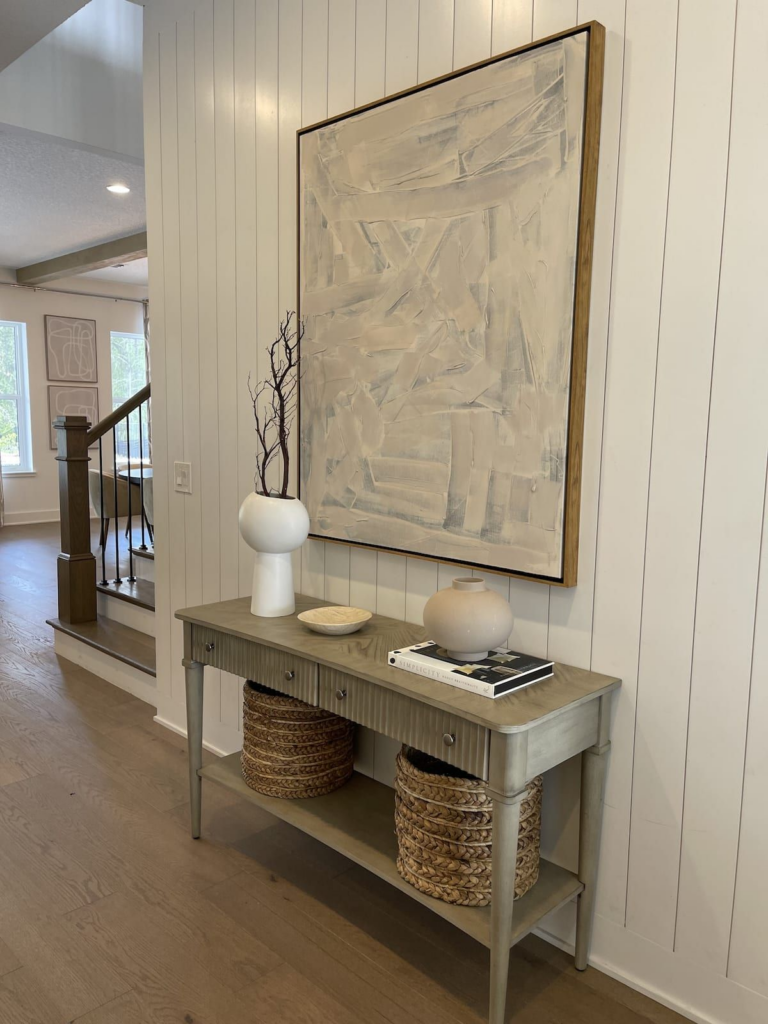
Proportion plays a crucial role in successful console styling. Decor arrangements should visually align with the width of the wall or artwork above. Narrow groupings on wide walls feel disconnected and unbalanced. Extending the visual footprint across the console surface creates harmony. This can be achieved through wider trays, horizontally oriented art, or distributed object placement. The goal is to echo the wall’s scale without overcrowding. Balanced width alignment grounds the console within the space. This principle enhances cohesion and prevents the setup from appearing undersized. Thoughtful spacing across the console reinforces structure and intentional design. Proper alignment results in a polished, well-proportioned entryway that feels complete and visually stable.
Use One Low Element To Ground The Setup

Low-profile elements anchor the console display and provide visual stability. Items such as shallow bowls, trays, or stacked books create a grounding effect. These pieces balance taller decor and prevent the arrangement from feeling top-heavy. Positioning low elements toward the front enhances accessibility and depth. They also serve functional purposes without disrupting aesthetics. Grounding elements establish a base that supports vertical variation. This technique adds structure and calm to the overall composition. Keeping the low element simple avoids visual clutter. The result feels balanced, intentional, and visually secure within the space.
Rotate One Piece Seasonally Without Restyling Everything

Seasonal updates need not require a complete overhaul. Swapping a single accent refreshes the console while preserving cohesion. Items like small sculptures, vases, or framed prints adapt easily to seasonal themes. This strategy maintains consistency while introducing subtle change. Limiting updates reduces effort and avoids disruption. Seasonal rotation keeps the entryway feeling current and engaging. The rest of the decor remains stable, reinforcing continuity. This approach supports long-term styling efficiency and prevents fatigue. A single seasonal swap delivers impact without excess, keeping the console relevant year-round.