
First impressions begin at ground level, where the right door mat combination sets the tone before anyone steps inside. Layered mats, coordinated textures, and thoughtful color pairings can instantly upgrade curb appeal while protecting floors from dirt and wear. Beyond function, well-chosen door mats help frame the entry, connect exterior style with interior décor, and signal a sense of care and intention. This detail matters for both homes and apartments, where small upgrades create visible impact. The ideas ahead focus on practical, style-driven mat pairings that balance durability and design, offering simple ways to refresh an entry without major changes or ongoing maintenance.
Natural Coir Layered Over Neutral Flatweave
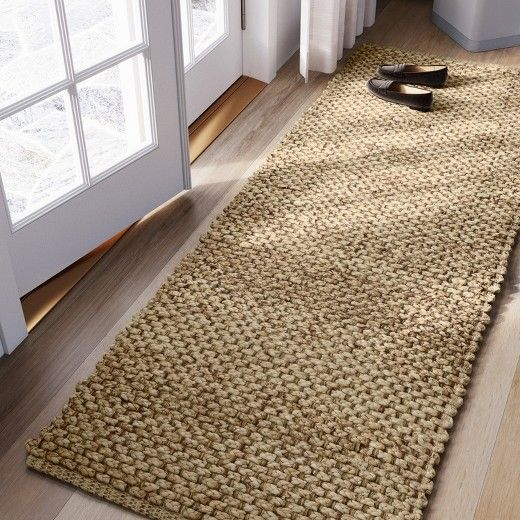
Stepping into an entry where texture feels intentional instantly sets a grounded tone. This combination works by placing a classic natural coir mat on top of a neutral flatweave rug, creating depth without visual clutter. The flatweave acts as a soft base that defines the entry footprint, while the coir mat provides durability where shoes first land. Neutral tones such as sand, oat, or light taupe keep the look versatile across modern, farmhouse, or transitional homes. Dirt stays trapped in the coir fibers, while the lower rug protects flooring from moisture and wear. Scale matters here; the base rug should extend several inches beyond the mat on all sides to avoid a cramped appearance. Rectangular shapes work best for standard doorways, while subtle woven textures prevent the area from feeling flat. This pairing performs well in high-traffic homes, especially with pets or kids, because each layer serves a clear function. Maintenance remains simple, as the top mat can be shaken out regularly while the flatweave only needs occasional vacuuming. Together, both layers create a polished yet practical first impression that feels thoughtful rather than styled for show alone.
Oversized Neutral Base Rug With Minimal Text Mat

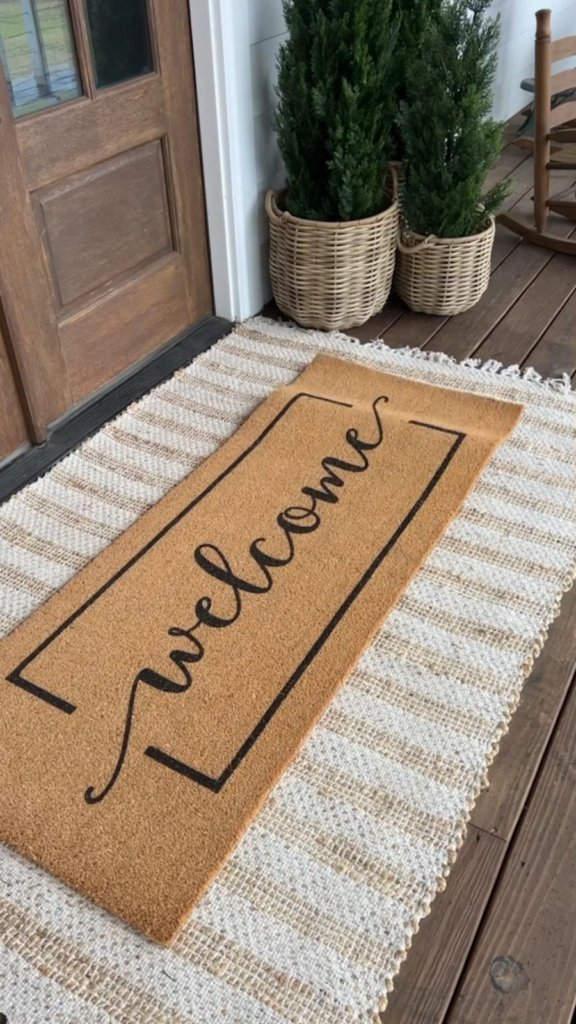
Walking through a doorway framed by generous proportions immediately feels more intentional. Using an oversized neutral rug as the foundation visually expands the entry, while a smaller text-based mat adds a subtle focal point without overpowering the space. Calm hues such as ivory, beige, or warm gray help reflect light and make compact foyers appear larger. The text mat works best when messaging remains understated, avoiding novelty phrases in favor of simple greetings. This contrast keeps the entry refined instead of themed. Functionally, the larger rug protects surrounding flooring from moisture, especially during rainy seasons, while the top mat handles debris directly underfoot. Placement should center the text mat with equal margins around it to maintain balance. Flat, low-pile base rugs reduce tripping hazards and allow doors to open smoothly. Homes with open-plan layouts benefit most from this approach, as the oversized rug visually anchors the entry without walls. Regular rotation helps prevent uneven wear, particularly in high-use households. The result feels welcoming, orderly, and easy to maintain, offering a smart solution for homeowners who want visual impact without introducing bold patterns or complex layering strategies.
Striped Outdoor Rug Paired With Plain Coir
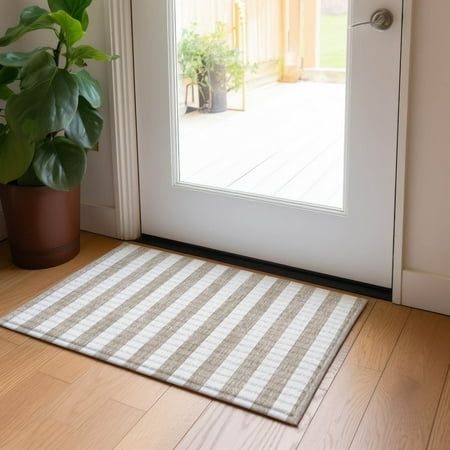
Movement and structure define this layered pairing, making it ideal for busy households. A striped outdoor rug introduces visual direction, subtly guiding foot traffic while grounding the doorway. Neutral or muted stripes prevent the look from feeling overly bold, keeping the entry cohesive with surrounding decor. On top, a plain coir mat adds organic texture and practical grit control. The absence of text allows the striped base to remain the primary design element. Outdoor rugs excel here due to their moisture resistance and easy-clean fibers, especially in climates with frequent rain or snow. The coir layer captures dirt before it spreads across the rug beneath. Orientation plays a key role; stripes running parallel to the door widen the visual field, while vertical stripes elongate narrow entries. Rubber backing beneath the base rug prevents shifting and ensures safety. This combination works equally well in covered porches and indoor entryways that connect directly to outdoor spaces. Simple upkeep, durable materials, and timeless design make this pairing a reliable option for homeowners prioritizing both appearance and daily functionality.
Vintage-Style Pattern Rug With Solid Welcome Mat
Character comes through when subtle pattern meets restraint. A vintage-style rug introduces soft color variation and lived-in charm, making an entry feel warm rather than formal. Muted motifs in faded neutrals, clay, or washed blues keep the look timeless and adaptable. Placing a solid welcome mat on top creates a clear landing zone that prevents the pattern from becoming visually overwhelming. This contrast helps the layered look feel curated instead of busy. The patterned rug establishes personality, while the plain mat keeps functionality front and center. Material choice matters; low-pile or washable rugs handle frequent foot traffic without losing shape. The top mat should remain simple, focusing on texture rather than bold messaging. Balance is achieved when the base rug extends evenly around the mat, allowing the pattern to frame it naturally. This setup suits traditional homes, vintage-inspired interiors, and eclectic spaces seeking warmth at the threshold. With regular shaking and occasional washing, both layers maintain their appeal. The combination offers visual interest without sacrificing practicality, making it ideal for everyday use.
Black And Beige Layered Mats For Contrast
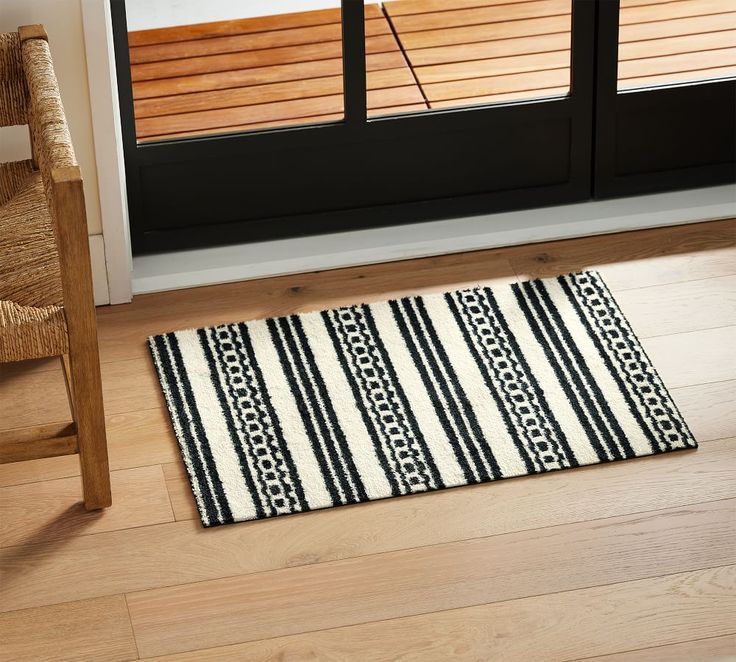
Contrast introduces clarity when executed thoughtfully. Pairing black and beige mats creates a crisp visual boundary that defines the entry without relying on patterns. A beige base rug softens the space and brightens darker doorways, while a black coir or rubber-backed mat on top adds structure and durability. This high-contrast pairing works especially well in modern and transitional homes where clean lines dominate. The darker top layer effectively hides dirt, making it practical for high-traffic entrances. Size proportion remains essential; the lighter base should feel expansive enough to frame the darker mat comfortably. Straight edges and rectangular shapes reinforce the clean aesthetic. This combination also photographs well, making it popular for homes styled with simplicity in mind. Maintenance stays straightforward, with the black mat requiring minimal upkeep and the beige layer benefiting from regular vacuuming. The overall effect feels intentional and polished, offering homeowners a dependable solution that balances visual impact with everyday usability.
Soft Neutral Plaid Base With Simple Text Mat

Warmth and familiarity define this inviting pairing. A soft plaid rug in neutral tones introduces gentle pattern without overwhelming the entry. Subtle checks or windowpane designs work best, providing texture while remaining versatile across seasons. Topping it with a simple text mat adds a friendly greeting that feels personal rather than decorative. Keeping the text minimal ensures the layered look remains refined. The plaid base visually anchors the doorway, while the top mat handles daily wear from shoes. Material selection should prioritize low pile for the base to prevent bulk and ensure door clearance. This combination fits well in family homes, cottages, and transitional interiors where comfort matters. Regular rotation helps maintain even wear, especially where foot traffic concentrates. Together, both layers create a balanced entry that feels approachable, organized, and thoughtfully styled without appearing overly designed.
Muted Geometric Rug Under Natural Fiber Mat

Structure meets texture in this well-balanced combination. A muted geometric rug introduces subtle pattern that adds interest without dominating the entry. Neutral color palettes keep the look grounded, allowing the shapes to enhance rather than distract. Placing a natural fiber mat on top adds warmth and tactile contrast, softening the structured design beneath. This pairing works particularly well in contemporary homes seeking a refined yet welcoming feel. The geometric base defines the space, while the natural mat handles dirt and moisture efficiently. Proper alignment ensures the pattern frames the mat evenly, maintaining visual order. Flatweave or low-pile options prevent bulk and reduce maintenance concerns. The contrast between clean lines and organic texture creates a layered effect that feels intentional. This setup offers durability, easy care, and a modern aesthetic suited to everyday living.
Thin Border Rug Anchored By Rectangular Coir

Definition comes from restraint when using a thin border rug as the foundation. The subtle border outlines the entry without introducing heavy pattern, keeping the space visually calm. A rectangular coir mat placed centrally provides a strong focal point and practical surface for wiping shoes. This pairing works well in narrow entryways where visual clutter needs to be minimized. Neutral borders in darker tones help frame the mat while protecting surrounding floors. Alignment remains critical; equal spacing on all sides maintains symmetry. The coir layer absorbs dirt effectively, while the bordered rug enhances durability and style. Easy upkeep and timeless design make this combination suitable for both modern and classic interiors.
Washed Neutral Rug With Arched Door Mat

Gentle curves soften an entry when paired with relaxed textures. A washed neutral rug introduces subtle variation and a lived-in look that feels approachable. Placing an arched mat on top echoes architectural details often found in doorways, creating visual harmony. This combination works especially well in homes with traditional or Mediterranean influences. The curved mat breaks up straight lines, adding interest without overwhelming the space. Neutral tones ensure versatility across seasons and decor updates. Functional benefits include improved dirt control and floor protection. With thoughtful placement and regular maintenance, this pairing delivers both charm and practicality at the threshold.
Text-Free Coir Mat Over Subtle Texture Rug

Simplicity shines when layers focus on material rather than messaging. A subtly textured base rug provides quiet interest through weave or tonal variation. On top, a text-free coir mat keeps the look clean and timeless. This approach suits minimalist and modern homes where restraint matters. The absence of text prevents visual clutter, allowing texture to take center stage. Proper sizing ensures the base rug frames the mat evenly. Both layers serve clear functions, capturing dirt while protecting floors. Easy maintenance and neutral appeal make this combination a reliable choice for everyday use.
Warm Earth-Tone Rug With Light Natural Mat

Warmth feels immediate when earth tones ground the entry. A base rug in clay, terracotta, or warm taupe introduces depth without heaviness. Topping it with a light natural mat balances the palette and keeps the space feeling open. This pairing complements rustic, boho, and transitional interiors. The contrast between warm hues and lighter fibers adds dimension while remaining cohesive. Functional benefits include effective dirt control and floor protection. With proper placement and simple upkeep, this combination creates an inviting entry that feels relaxed and intentional.
Low-Profile Indoor-Outdoor Rug With Classic Coir

Durability defines this practical yet polished pairing. A low-profile indoor-outdoor rug provides a resilient base that withstands moisture and frequent use. Placing a classic coir mat on top ensures effective dirt removal at the doorway. Neutral designs keep the look adaptable across styles. The thin profile allows doors to open smoothly while maintaining layered interest. This combination suits high-traffic homes and busy lifestyles. Easy cleaning and long-lasting materials make it a dependable solution that balances form and function at the entry.