
Color has the power to completely shift the mood of any outdoor space, and a thoughtfully arranged flower garden can turn even the plainest yard into a stunning visual retreat. From vibrant wildflower mixes to curated color-blocked beds, the options are as endless as the seasons. Whether you’re working with containers, borders, or a full garden plot, the right palette can boost curb appeal and personal joy without demanding expert-level skills. This guide shares creative and practical ways to fill your garden with bold blooms that truly stand out. Get ready to find ideas that are both beautiful and easy to replicate.
Cottage‑Patch Rainbow Beds
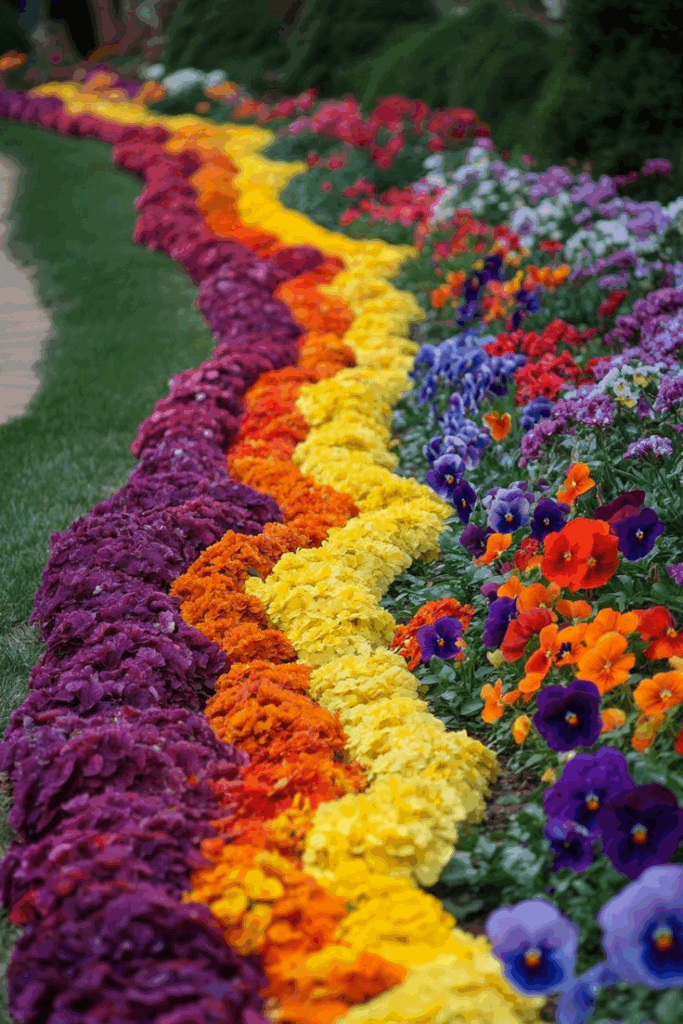
Whimsy meets abundance in these nostalgic, riotously colored beds that look like they’ve been painted by nature’s hand. Think hollyhocks brushing shoulders with cosmos, foxgloves swaying near pansies, and larkspurs threading through a mix of daisies, calendula, and phlox. To mimic that spontaneous yet intentional balance, structure each patch loosely by height while letting blooms self-sow freely between seasons. This layered color palette becomes even more magical when backdropped by rustic picket fencing or climbing roses. Soil enriched with compost ensures thriving seasonal rotation, from early spring bulbs to late-summer zinnias. Frequent deadheading keeps colors vivid and prevents overcrowding. For those drawn to storybook charm, this style delivers joyful disorder packed with visual warmth. These beds are not just ornamental; they attract bees, butterflies, and hummingbirds, making them ideal for those committed to pollinator gardening. Stagger your plantings for continued bloom cycles and include a few evergreen anchors to maintain form year-round. It’s this beautiful chaos—guided by gentle design—that makes cottage-inspired rainbow beds irresistibly timeless and alive. Whether edging a country home or brightening a small suburban yard, they bring a painterly magic no formal design can replicate.
Twice‑Blooming Perennial Rows
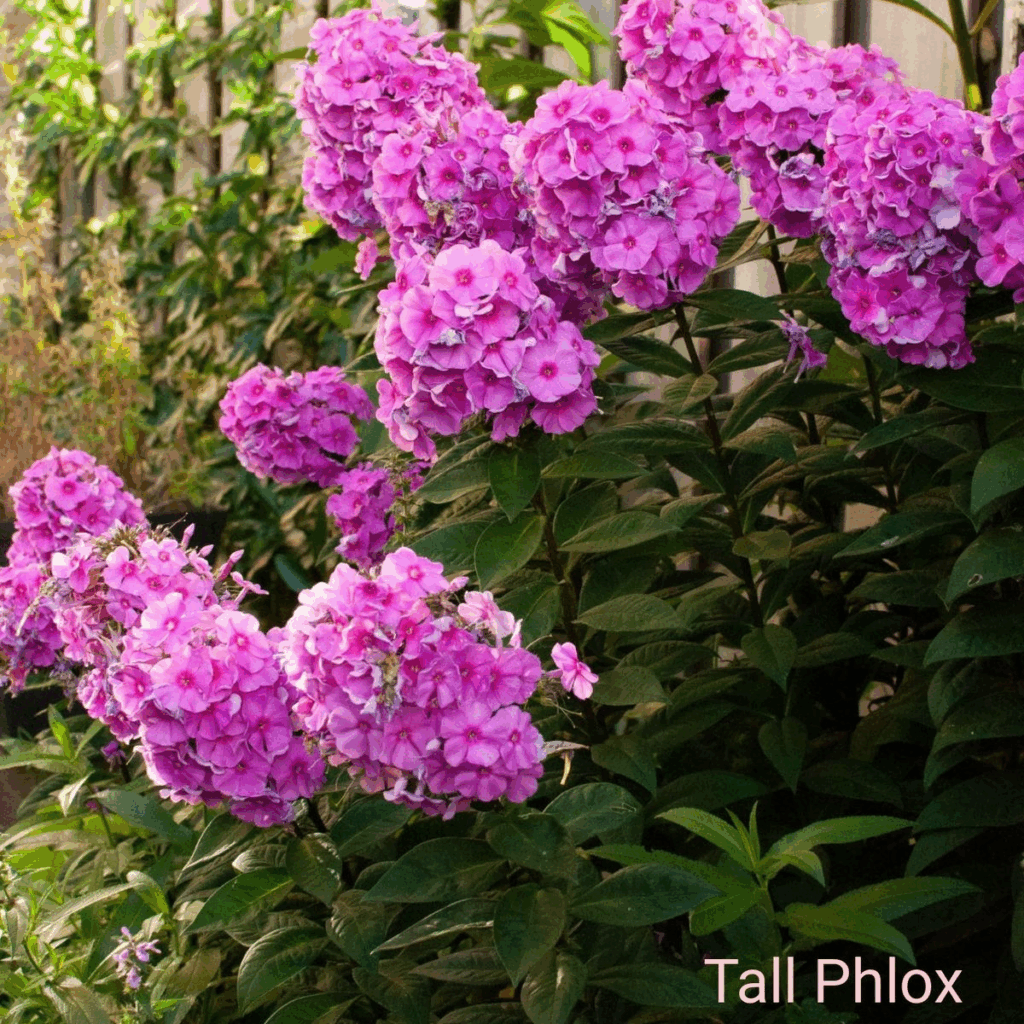
Color longevity becomes achievable when your garden leans on twice-blooming perennial varieties arranged in clean, color-coordinated rows. These low-maintenance powerhouses—like daylilies, reblooming irises, and certain echinacea cultivars—offer an early-season flush followed by a late-summer encore. With proper deadheading and a touch of midsummer pruning, this second wave arrives without needing replanting. Rows organized by color gradient—from lavender and peach into hot pink and burgundy—create visual rhythm, especially when spaced with symmetry in mind. Consider spacing between rows to allow airflow and easy maintenance. Mulching with organic compost not only preserves moisture but enriches root health, encouraging stronger blooms in both cycles. This style suits gardeners who want prolonged color without constant seasonal planting. Companion plants like salvia and coreopsis can fill gaps while encouraging beneficial pollinators. Keep supports handy for taller types and intermix shorter bloomers in front for a cascading effect. It’s the perfect setup for those desiring color consistency without resorting to annuals. Plus, the repetitive rows lend a sense of structure without feeling rigid. When curated well, these twice-blooming layers extend the life of your garden’s visual peak by weeks—if not months—offering a thoughtful, enduring splash of brightness throughout the growing season.
Bold Coral & Terracotta Accent Zones
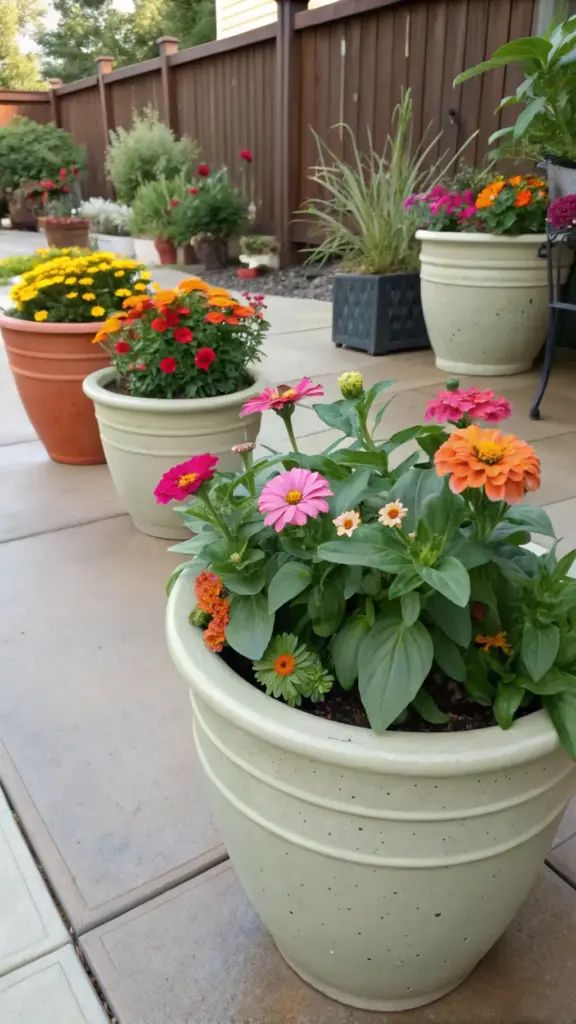
Warm earth tones make a dramatic impact when concentrated in accent zones featuring coral, orange, rust, and deep terracotta blooms. This curated color scheme thrives in full sun and works especially well in Mediterranean or desert-inspired landscapes. Plants like rudbeckia, Mexican sunflowers, geum, echinacea ‘Sombrero Salsa Red,’ and zinnias create a cohesive, fiery palette that holds its vibrancy even under harsh sunlight. Grouping these warm hues in intentional pockets—perhaps near pathways or patio borders—brings energy and grounding in equal measure. Integrating terra cotta pots and clay mulch adds cohesion, enhancing the visual continuity. These tones pair seamlessly with silvery foliage such as dusty miller or artemisia, which offer soft contrast without cooling the overall palette. For best results, opt for heat-tolerant perennials and keep irrigation targeted to avoid faded blooms. Deadheading is essential to keep colors vivid and blooming abundant. Consider layering height from low-growing lantana to upright cannas or crocosmia for visual depth. Accent zones like this not only break up monotony in larger gardens but serve as dynamic focal points in smaller spaces. With smart planning and soil that drains well, these bold hues radiate warmth and character all season long.
Wellness Color Therapy Garden
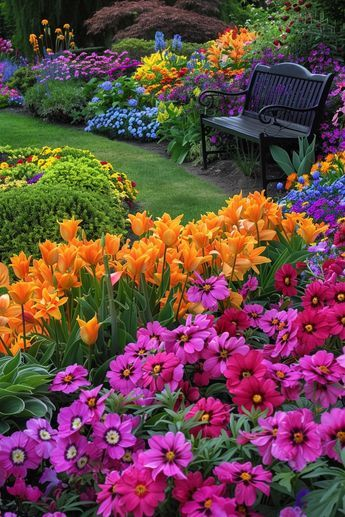
Designing with intention, this garden format blends the emotional power of color with the sensory benefits of aromatic and textured plantings. Each zone is curated based on psychological color theory—soft purples like lavender and salvia for calm, sunny yellows like coreopsis and calendula to boost mood, and deep blues from delphiniums or agapanthus for focus and restoration. Fragrant herbs such as lemon balm, mint, and rosemary add an additional layer of therapeutic effect, making the space ideal for quiet reflection or daily meditation. Raised beds or winding pathways can help define color blocks while allowing movement and accessibility. Stick with hardy perennials to reduce maintenance, and mulch consistently to protect root systems during seasonal transitions. For added wellness value, consider incorporating seating or a shaded pergola surrounded by plants selected specifically for relaxation. This design supports mental well-being while also encouraging pollinators and birds. It’s perfect for anyone seeking daily decompression, whether after work or during mindful mornings. Unlike traditional gardens that focus solely on aesthetics, this setup prioritizes emotional impact—offering a natural remedy for stress through both visual and aromatic experience. With balance and intention, the garden becomes a sanctuary rooted in healing and harmony.
Living Wildflower Fringe Paths
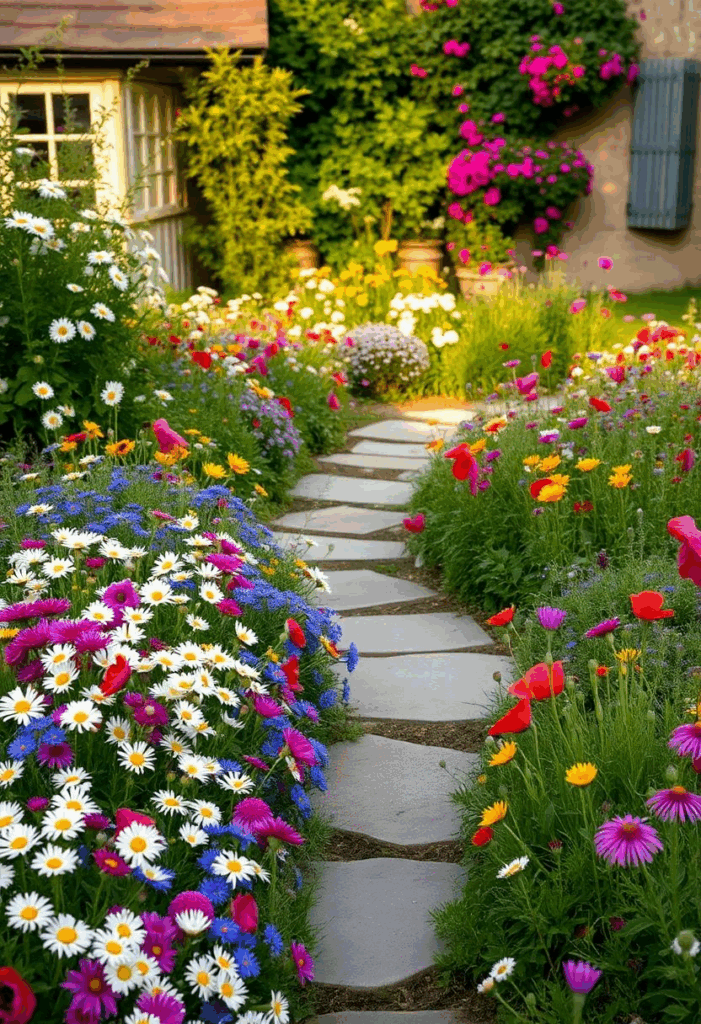
Naturalistic borders gain new life when framed with native or naturalized wildflowers spilling into walkways. These fringe paths soften hardscape edges, transforming functional paths into biodiverse corridors buzzing with life. Blanketflower, black-eyed Susans, yarrow, and blue flax work beautifully in staggered plantings that bloom across seasons. The key is embracing irregularity—let taller stems arch gently into walking space while intermixing low-growers like thyme or creeping phlox at the path’s edge. Well-draining soil and full sun are essential for these varieties to flourish, especially when self-sowing is encouraged. Mow or shear selectively to manage unruly patches without losing the spontaneous charm. These living paths draw in bees and butterflies, but they also create an immersive experience for anyone passing through. Gravel or flagstone paths help define movement while contrasting with the freeform nature of the blooms. This approach thrives in cottage gardens, prairie-inspired spaces, or anywhere where wild charm is preferred over polished design. For added dimension, tuck in grasses like little bluestem or blue fescue to sway between blooms. Once established, the maintenance is minimal—and the reward is continuous movement, color, and life. It’s a pathway that invites not just movement but pause and appreciation.
Pollinator Magnet Oasis
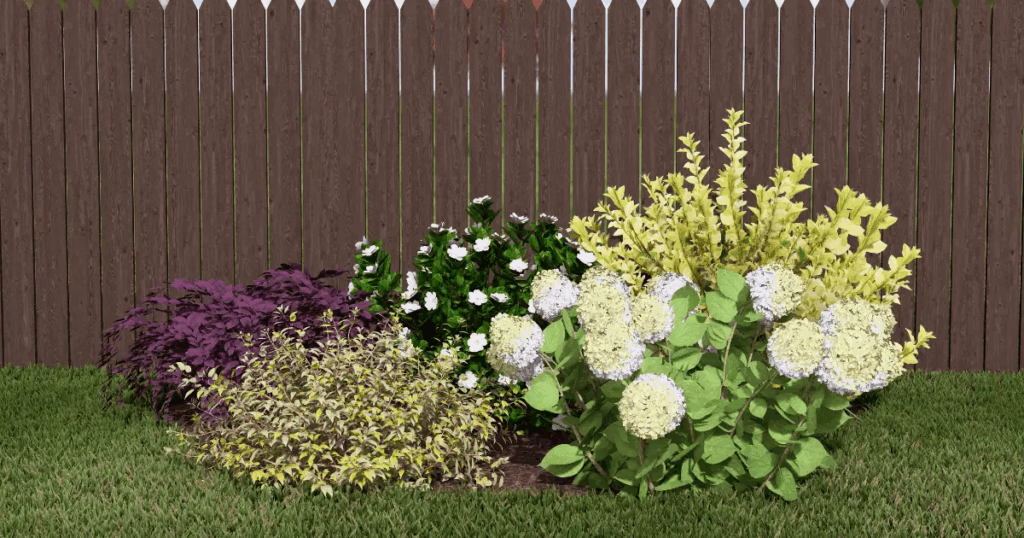
Gardens become living sanctuaries when designed with pollinators in mind—especially when brimming with colorful blooms from early spring through late fall. This setup focuses on staggered flowering times using bee balm, borage, milkweed, zinnias, coneflowers, and sunflowers to create a visually rich and ecologically purposeful space. Color selection matters: bees favor purples and blues, while butterflies are drawn to reds, pinks, and oranges. Planting in clusters rather than scattered helps pollinators find and linger among specific species. Include nectar-rich options like salvia and verbena, and leave small patches of bare soil for ground-nesting bees. No pesticides—opt for organic pest control to avoid harming beneficial species. Ensure continuous bloom with succession planting and deadheading. Consider adding water features like shallow birdbaths with stones or damp sand for butterflies. This garden isn’t only functional; it’s overflowing with movement, energy, and sound. Besides its environmental contribution, it transforms your yard into a dynamic display of fluttering wings and vibrant petals. For small spaces, raised beds or containers work just as effectively if densely planted. With thoughtful planning, this style delivers a rainbow of blooms while supporting biodiversity—making your garden feel alive, purposeful, and deeply connected to nature.
Mirror‑Backed Small‑Bed Illusion
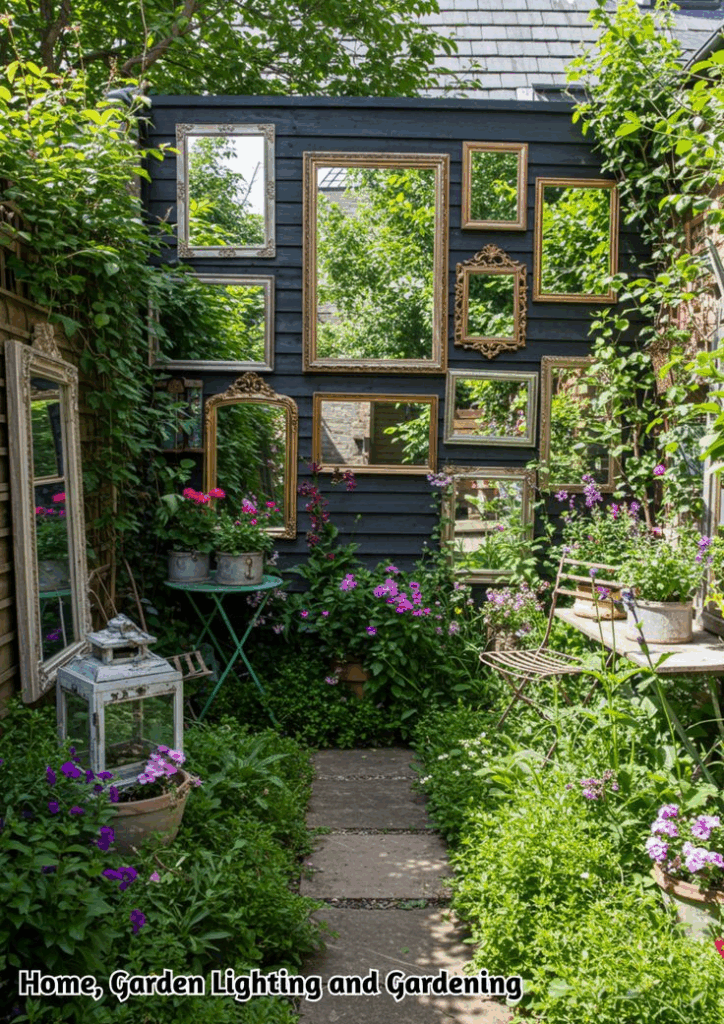
Visual depth can be dramatically increased in compact garden spaces using reflective panels behind vivid flower beds. Mounted mirrors or stainless-steel sheets placed against fences double the perceived space while amplifying colors and texture. Pair this illusion with vibrant blooms such as snapdragons, petunias, celosia, or coleus to enhance the reflected vibrancy. Strategic planting is essential—taller plants like delphiniums or foxgloves create vertical interest, while trailing lobelia or calibrachoa spill forward to add depth. Keep mirrors angled slightly downward to prevent bird confusion and reduce direct glare. This method works especially well in narrow side yards or enclosed patios where natural light is limited. Use rustic frames or trellised borders to blend reflective surfaces into your garden’s aesthetic. Even partial mirrors placed behind large containers can yield striking effects. Regular cleaning ensures the illusion stays crisp, and surrounding the area with mulch or gravel adds visual grounding. When done well, this trick not only brightens small plots but also creates a magical layering effect, making your flower bed feel unexpectedly lush and dimensional. This design solution bridges form and function while turning even the smallest garden corner into a focal point that feels twice as full and endlessly dynamic.
Monochrome White Moon Garden
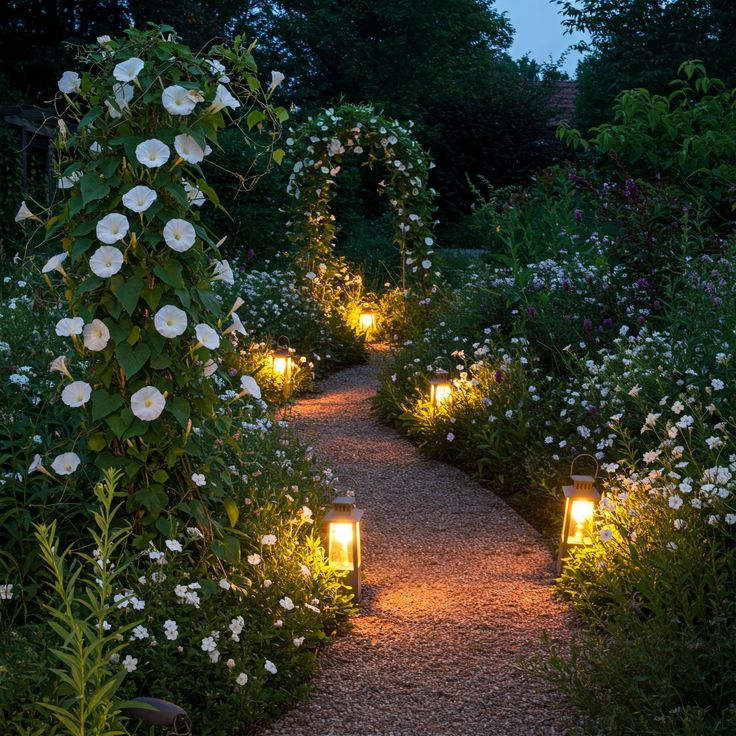
Nighttime gardens come alive under moonlight when filled with luminous white blooms and silvery foliage. This calming concept is rooted in contrast—leveraging moonbeam-reflecting petals against shadowed backdrops. Flowering plants such as white nicotiana, alyssum, moonflower, Shasta daisy, and ‘White Profusion’ phlox glow subtly after sunset, offering a sensory-rich nighttime experience. Foliage like dusty miller, lamb’s ear, and artemisia adds tone variation and softness during daylight hours. Curving pathways or stone edging allow for safe navigation and highlight form even after dark. Consider integrating solar-powered lighting or lanterns to gently illuminate focal blooms without overwhelming the ambiance. Soil should be well-drained and enriched with compost for consistent flowering, and deadheading encourages prolonged bloom periods. A water feature with white water lilies or pale irises adds tranquil movement. This garden style is ideal for evening entertaining or meditative stargazing and suits shaded or partially lit zones often overlooked in daytime-centered designs. Containers in matte or textured whites can expand the palette while adding portability. With careful plant selection and spacing, this design builds a serene visual rhythm that shifts beautifully from daylight elegance to nocturnal radiance. It’s a peaceful yet impactful display that transforms your garden into a reflective sanctuary after dusk.
Forest‑Floor Shade Beds
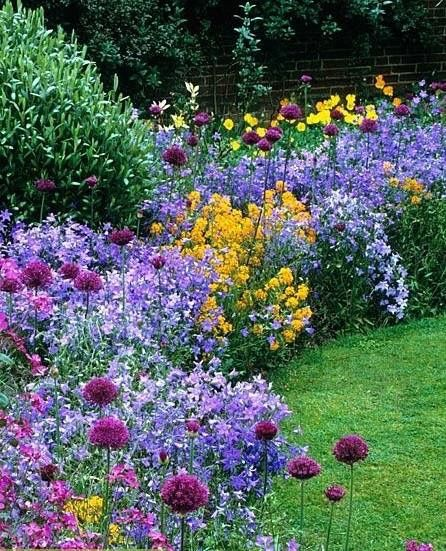
Heavily shaded zones offer surprising opportunities for a textured, moody, and colorful flower bed when planned with care. Woodland favorites like astilbe, hellebores, columbine, and Japanese toad lilies offer soft pops of color that thrive in low-light conditions. Complement them with shade-tolerant foliage plants like hostas, heuchera, and ferns for multi-tonal backdrops in burgundy, chartreuse, and silver-green. Soil health is essential—enrich heavily with leaf mold or compost to replicate forest floor richness and retain consistent moisture. These beds benefit from a naturalistic, loose structure rather than rigid planting lines, mimicking nature’s layering. Edges can be softened with groundcovers such as ajuga or lamium, which add contrasting texture and seasonal blooms. Choose companion plants that offer sequential blooming for interest across multiple months. Morning or dappled sunlight is enough for many of these plants to shine, especially when paired thoughtfully to maximize color impact in dim areas. Wood chip mulch or bark paths blend seamlessly with the woodland aesthetic and suppress weed growth. Whether positioned under mature trees or tucked along the north side of a fence, this bed style offers a lush retreat that prioritizes harmony with nature’s quieter palette. It proves color isn’t only reserved for the sunniest garden spots.
Edimentals—Edible Flower Mixes
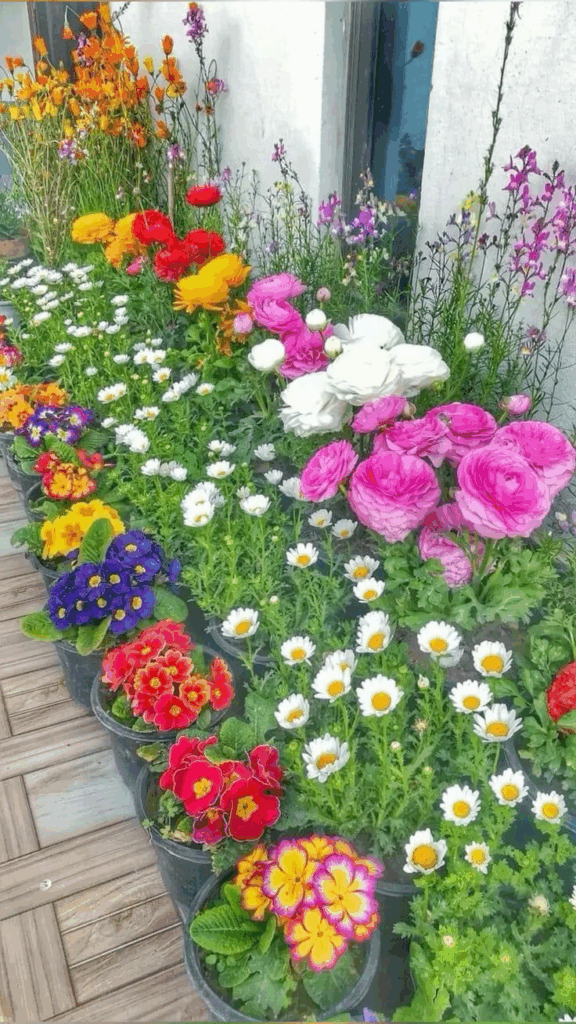
Combining aesthetic appeal with practical harvest, edimentals are edible ornamentals that offer both color and function in any flower garden. This concept merges culinary flowers like nasturtiums, violas, calendula, chives, and borage into beds typically reserved for visual beauty. These blooms aren’t just pretty—they’re packed with flavor and nutrition. Nasturtiums bring peppery zest to salads, borage flowers add a cucumber-like note to drinks, and calendula petals can be used as a saffron substitute. Interspersing these among herbs and leafy greens turns your garden into a feast for the eyes and palate. Ensure the soil is organically rich and free from chemical pesticides since flowers are intended for consumption. Companion planting with herbs like dill and basil can enhance flavor while deterring pests. Regular harvesting encourages regrowth and keeps plants bushy. Visually, the diversity of shape, color, and height makes the bed feel alive and interactive. Raised beds or borders lined with reclaimed wood add structure without diminishing the natural charm. Whether you’re hosting garden-to-table dinners or simply snipping petals for garnishes, this flower garden design goes beyond beauty, offering daily inspiration and seasonal usefulness. It’s perfect for creative cooks and visual gardeners alike, delivering taste, texture, and color in equal measure.
Vertical Living Color Panel
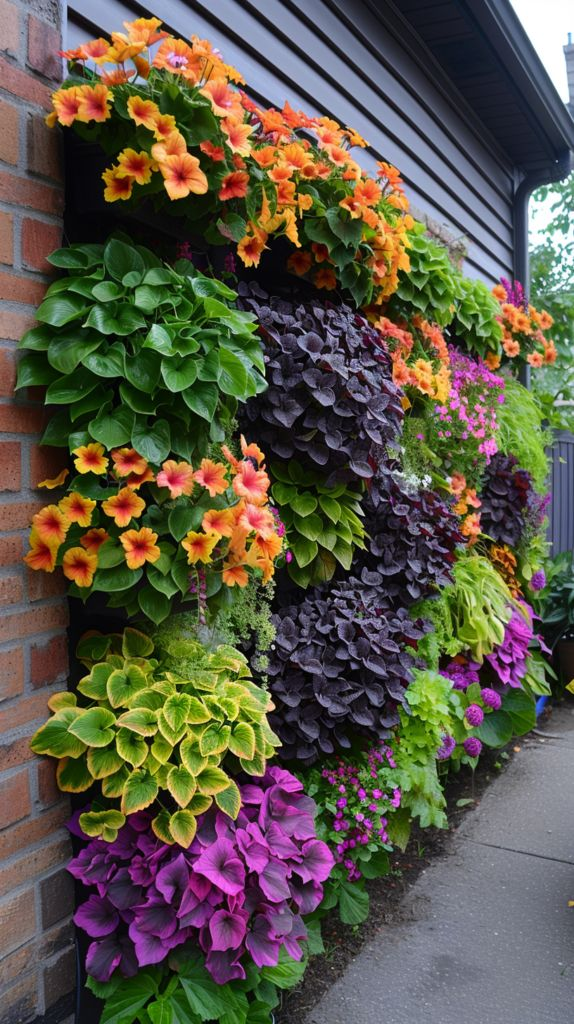
Going vertical with your flower garden design maximizes limited space while adding a modern, vibrant statement to fences, walls, or balconies. By stacking modular planters, hanging pockets, or trellised climbing blooms, you turn bland vertical surfaces into dazzling color panels. Compact species such as petunias, calibrachoa, pansies, violas, and nasturtiums thrive in wall planters, offering bursts of pigment that cascade downward. For added height and texture, weave in climbing clematis or sweet peas. Consistent irrigation is crucial, especially in vertical installations where soil dries faster. Drip irrigation systems or self-watering containers simplify maintenance. Lightweight potting soil and slow-release fertilizers keep plants nourished without overburdening the structure. To keep the color palette cohesive, opt for either tonal gradients or complementary opposites like purples against yellows. This design style works brilliantly in urban environments where square footage is minimal but visual impact is desired. It also doubles as a privacy solution when used as a screen between outdoor areas. Make sure to anchor your structure securely to withstand wind and seasonal changes. With thoughtful execution, this approach delivers layers of blooming color at eye level—turning vertical constraints into blooming canvases that feel intentional, abundant, and incredibly stylish.
Colour‑Block Sunshine Beds
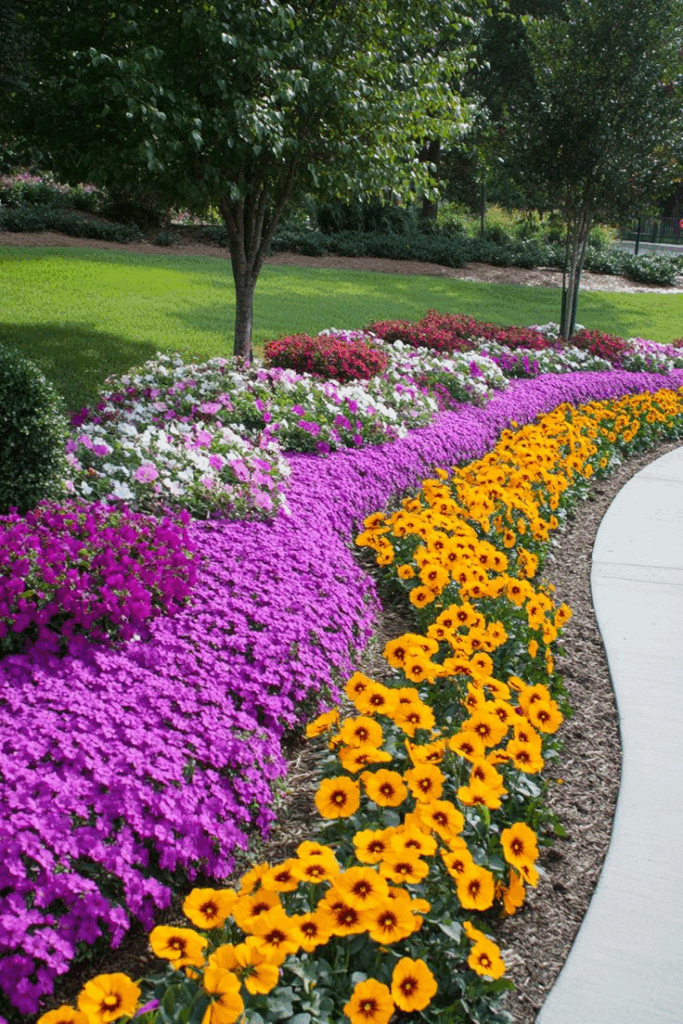
Segmenting flower beds into solid color blocks creates instant visual clarity and impact, especially when using bright, sun-loving flowers. Think golden coreopsis paired beside fiery red celosia, followed by vivid violet salvia—all arranged in rectangular or geometric segments rather than intermingled blends. This graphic technique reads like outdoor artwork and is particularly effective in larger spaces where colors can be seen from a distance. Well-drained soil and six-plus hours of sun ensure the full vibrancy of each block is achieved. Keep plant heights uniform within each section to maintain the sharpness of the design. Edging materials like steel, brick, or wood help define block boundaries and prevent encroachment between colors. Choose drought-tolerant varieties for minimal fuss, and mulch generously to preserve moisture and suppress weeds. This bed style appeals to those who enjoy visual order without sacrificing botanical richness. It’s also a smart option for show gardens, schoolyards, or front yards where curb appeal matters. Beyond aesthetics, color blocks can support pollinators by concentrating nectar sources in one place. With thoughtful rotation and seasonal replanting, these beds remain striking throughout the growing season. It’s a bold and artistic way to showcase color’s power in structured, high-impact layouts.