
Turning your backyard into a functional, inviting escape doesn’t have to come with a hefty price tag. With the right budget-friendly ideas, even the smallest corners or most expansive lawns can be reimagined into purposeful, stylish spaces. Whether you’re working with a compact patio or a full yard, smart upgrades can maximize comfort and charm without draining your wallet. From clever repurposing tricks to low-cost design tweaks, this guide delivers real solutions that work for all types of outdoor layouts. Keep reading to uncover easy, affordable ways to transform your outdoor area into something genuinely enjoyable year-round.
Pallet‑Deck Lounge Corner
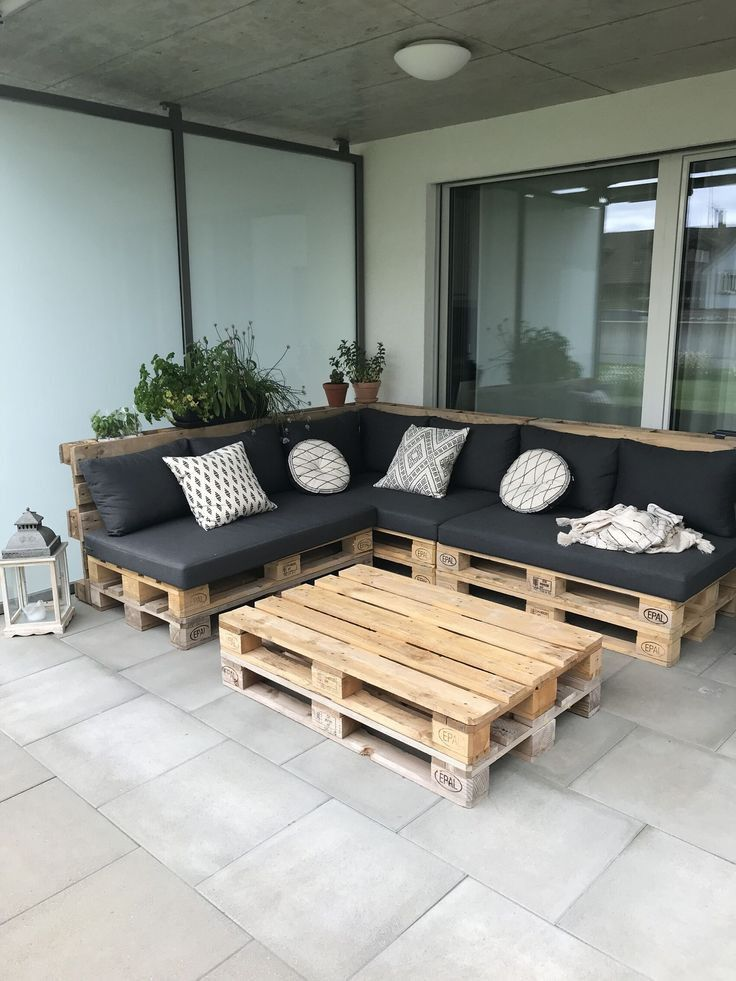
Salvaged wood pallets can turn underutilized backyard space into a cozy, leveled lounging area without draining your wallet. By aligning several treated pallets side by side, a raised surface forms the base for seating or coffee table arrangements. With just a sanding session and outdoor paint or stain, you gain a rustic platform ready for cushions, planters, or even a rug. Pallets are often available for free from warehouses or construction sites, making this an ultra-low-cost upgrade. Since the deck sits above the ground, it works well for uneven soil or grass patches. Small yards benefit from the structure’s compact footprint, while larger spaces can scale up with multiple sections. Add a weatherproof bench pad or scatter outdoor cushions to finish the look. Positioning it near a fence or corner instantly defines the area and brings a sense of structure. This setup also doubles as an entertaining zone or morning coffee spot. The layered wood aesthetic pairs beautifully with string lights or vertical plants, making it feel polished without looking overdone. For DIY enthusiasts and weekend upgraders, this solution offers practical charm with minimal spend and zero need for concrete or permanent installation.
Espalier Living Fence
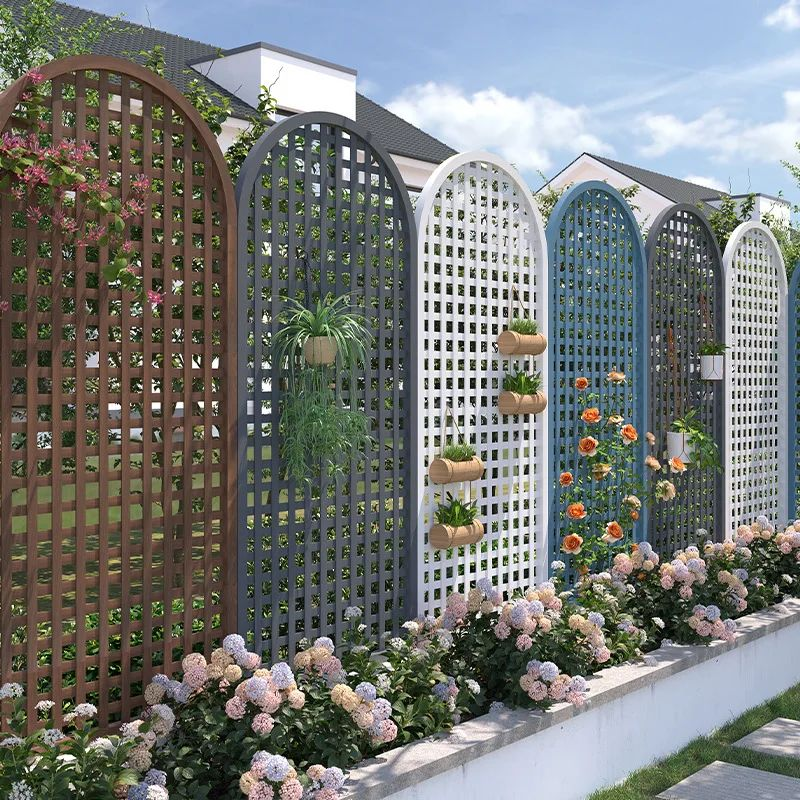
Flat-growing fruit trees or ornamental shrubs trained against a wall can become living fences that maximize privacy and style in tight outdoor areas. The espalier method uses wire lines or wooden trellises fixed against a fence or wall, guiding branches to grow horizontally. Unlike bulky hedges or expensive pre-built fences, espalier requires less depth while still producing visual division and seasonal color. Choose compact fruit trees like apple or pear for both beauty and functionality, or go ornamental with plants such as camellia or holly. Over time, the structure becomes denser, helping block views while saving yard space. This approach works well for narrow gardens or as a green partition between zones in a larger yard. Once established, it’s low-maintenance, only needing seasonal pruning and consistent tying. The upfront cost is low—basic supplies include wire, anchors, and saplings. Long-term benefits include increased property value, added garden interest, and a sustainable alternative to plastic or wood screens. Whether used to section off a patio, line a pathway, or replace traditional fencing, espalier introduces structure and growth potential. It’s a space-saving strategy that adds elegance without overspending, ideal for budget-conscious gardeners wanting a long-term impact.
Instant Fire‑Pit Circle
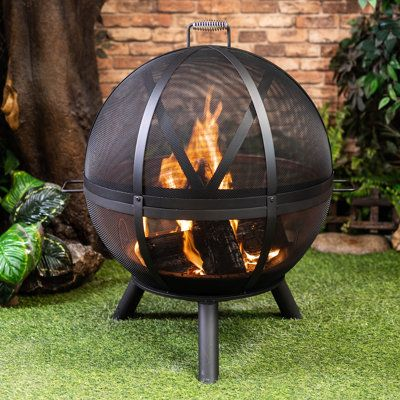
A weekend-friendly fire-pit setup can bring warmth and charm to a backyard without requiring excavation or concrete. Start by clearing a circular patch of ground, laying down a heat-resistant gravel base for fire safety. Then use budget-friendly materials like stacked cinder blocks, old bricks, or even large river stones to form a contained ring. No mortar is needed if the ground is level and stable, which keeps it semi-permanent and easy to shift later. This setup becomes a focal point for evening gatherings, marshmallow roasting, or cool-weather lounging. Surround the fire circle with inexpensive outdoor stools, reclaimed tree stumps, or pallet benches for an organic seating arrangement. Whether your space is small or expansive, this layout adapts to fit. Even on tighter lots, a compact version can be tucked into a corner, making it ideal for renters or DIYers on a tight budget. A fire pit instantly adds ambiance while extending the usability of your backyard into fall and early spring. For safety, ensure clearances from flammable structures and consider a fire screen or lid. This DIY project turns a bare patch into a social hub, elevating outdoor appeal with little more than sweat equity and simple materials.
DIY Stock‑Tank Plunge Pool
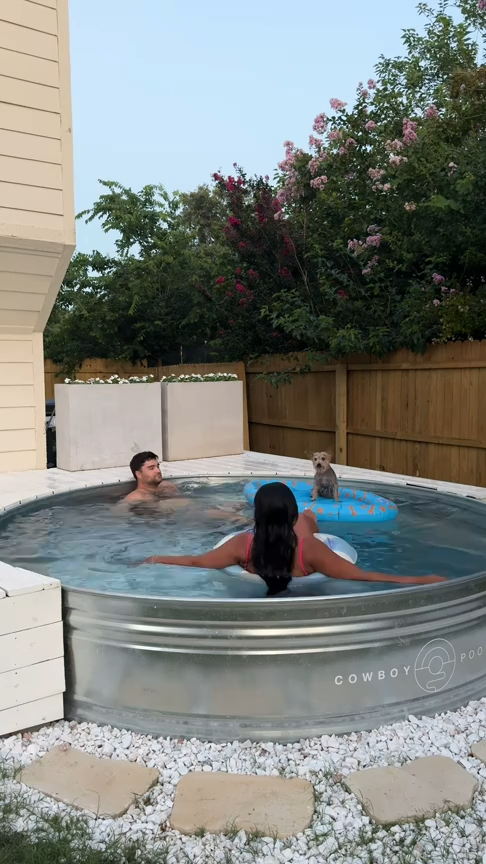
Affordable and refreshingly simple, stock tanks offer a quick backyard escape from summer heat without the price tag of traditional pools. These galvanized tubs, commonly used for livestock, can be found at feed stores or online in various sizes—typically 6 to 10 feet in diameter. Once placed on level ground and lined with a waterproof underlayer, they’re ready to fill. Some homeowners choose to paint or wrap the outside with wood or bamboo to blend it with surrounding decor. For added comfort, a small submersible pump keeps the water circulating and clean. While it doesn’t offer full swimming functionality, it’s perfect for cooling off during hot afternoons. The compact footprint works well in smaller yards and patios, especially where in-ground pools aren’t feasible. Consider adding a shade sail overhead or surrounding the tank with potted plants and gravel for a tropical mini-oasis effect. Maintenance is straightforward with basic pool-cleaning supplies, and many even add a chlorine floater or opt for natural salt systems. This approach combines practicality, style, and fun on a tight budget. It’s an ideal option for families, couples, or solo soakers who want backyard water access without diving into costly installations or permits.
Shoe‑Organizer Vertical Herb Wall
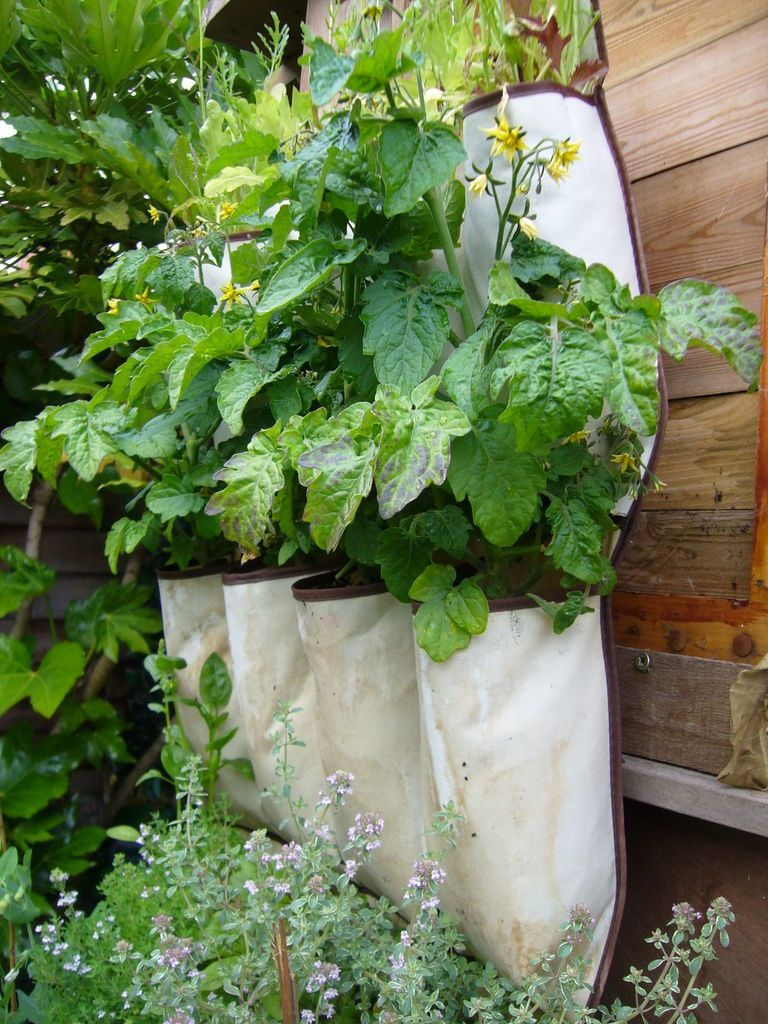
Reimagining a hanging shoe organizer can instantly turn bland walls or fences into lush, vertical herb gardens—perfect for renters or compact yards. Select a fabric or plastic shoe organizer with drainage holes, then hang it securely using metal hooks, nails, or cable ties against a sunny wall or balcony railing. Fill each pocket with lightweight potting mix and sow seeds or starter herbs such as basil, thyme, parsley, or chives. With water-retaining soil and proper drainage, plants flourish in these compact spaces. Watering is efficient since runoff trickles downward, hydrating lower pockets. Ideal for those short on ground space, this setup keeps culinary ingredients within arm’s reach while doubling as decorative greenery. The project stays within a modest budget—most materials cost under $25 and require no tools or permanent fixtures. Placement flexibility means you can shift it seasonally to follow the sun or bring it indoors during colder months. It’s an eco-conscious solution that recycles unused organizers while promoting sustainability and fresh eating habits. Great for balconies, patios, or even fence-lined garden beds, this vertical wall delivers utility and charm. For DIYers who crave greenery but lack a garden plot, it’s a smart and stylish answer.
Gravel & Stepping‑Stone Path
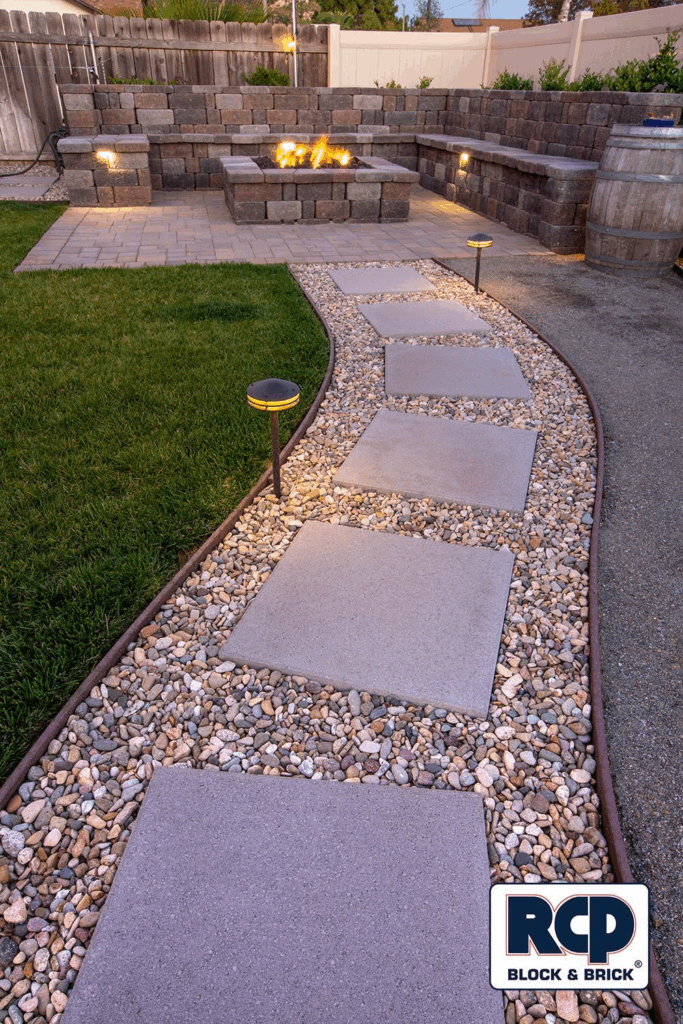
Creating clear flow in a backyard doesn’t demand concrete pours or elaborate masonry. A simple pathway using gravel and stepping stones offers a budget-conscious, elegant solution to guide foot traffic and reduce lawn wear. Begin by outlining the intended path with a garden hose or string. Once the shape is set, dig a shallow trench just a few inches deep and lay a weed barrier fabric along the base. Add a layer of compacted gravel, then evenly space out flat pavers or stepping stones across the surface. Pea gravel, decomposed granite, or crushed limestone all provide good drainage and firm footing. The stepping stones can be salvaged or bought individually, keeping costs minimal. This low-profile path works in both small and large yards, whether leading to a garden nook, shed, or seating area. It visually breaks up open lawn space while adding rustic or modern charm, depending on the materials chosen. Edging the path with metal strips or bricks helps contain the gravel and maintain clean lines. This style of path is easy to maintain, weather-tolerant, and incredibly adaptable. For homeowners wanting form and function without the expense of permanent walkways, this method strikes the perfect balance.
Tarp‑Sail Shade Triangle
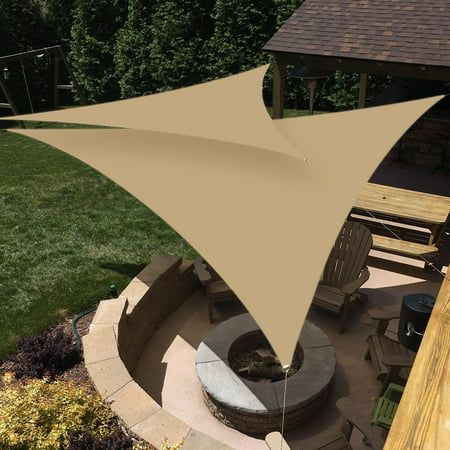
A triangle shade sail offers quick relief from sun exposure while adding geometric flair to outdoor lounging areas. With only three mounting points required—trees, poles, or fence posts—this setup is ideal for both open yards and compact patios. Choose a UV-blocking tarp or sailcloth, readily available at hardware stores or online. Install using rope or carabiner-style hooks for tensioning, ensuring it’s tilted slightly to allow rain runoff. When placed strategically above seating zones or play areas, it provides daytime comfort without the cost of permanent pergolas or gazebos. For small backyards, it defines usable space without adding clutter, while larger yards can benefit from multiple sails intersecting at different angles. Installation takes just a few hours and minimal tools, making it a perfect weekend project. The lightweight material is also easy to remove and store when not in use. Add ambiance in the evening with hanging string lights from the attachment points. This option fits well into tight budgets, offering both shade and style at a fraction of the cost of professional shade systems. For renters or homeowners looking for flexible, functional upgrades, a tarp-sail triangle brings comfort and visual structure with minimal commitment and maximum usability.
Wasp‑Repellent Herb Planters
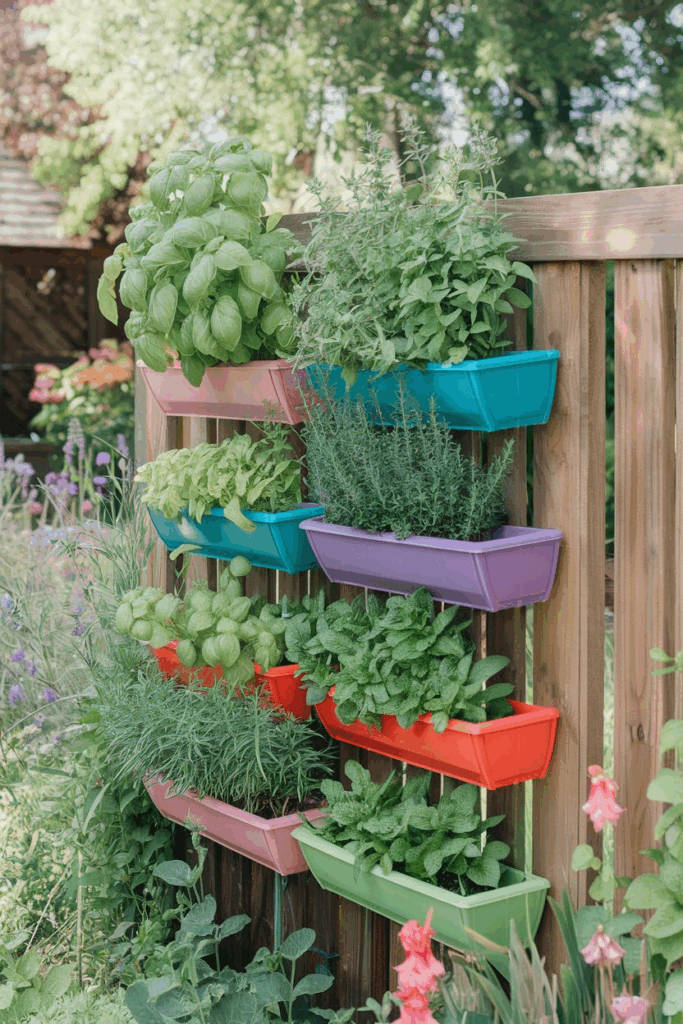
Natural pest deterrents like wasp-repellent herbs can protect your outdoor relaxation zones while doubling as charming décor. Plants such as mint, lemongrass, basil, and citronella emit strong scents that discourage wasps and other unwanted insects. By placing these herbs in raised planters or movable pots around seating or dining areas, you create a natural barrier that smells pleasant and supports pollinators without drawing in pests. Repurposed containers, thrifted planters, or even cinder blocks filled with potting soil keep the setup low-cost. Consider grouping herbs in clusters for a more concentrated effect, especially near entrances, barbecue areas, or poolside zones. Aside from warding off wasps, these herbs are also culinary staples—perfect for fresh drinks and meals. For those with larger yards, line garden paths or fences with these plants to add visual rhythm and protective coverage. Their low-maintenance nature makes them ideal for busy homeowners or beginner gardeners. Regular pruning encourages more fragrant growth while ensuring a tidy appearance. This approach blends practicality and eco-consciousness, replacing chemical sprays with greenery that serves multiple functions. With careful placement and minimal effort, wasp-repellent herbs contribute to a more enjoyable outdoor experience—without biting into your budget.
Portable Cinder‑Block Bar
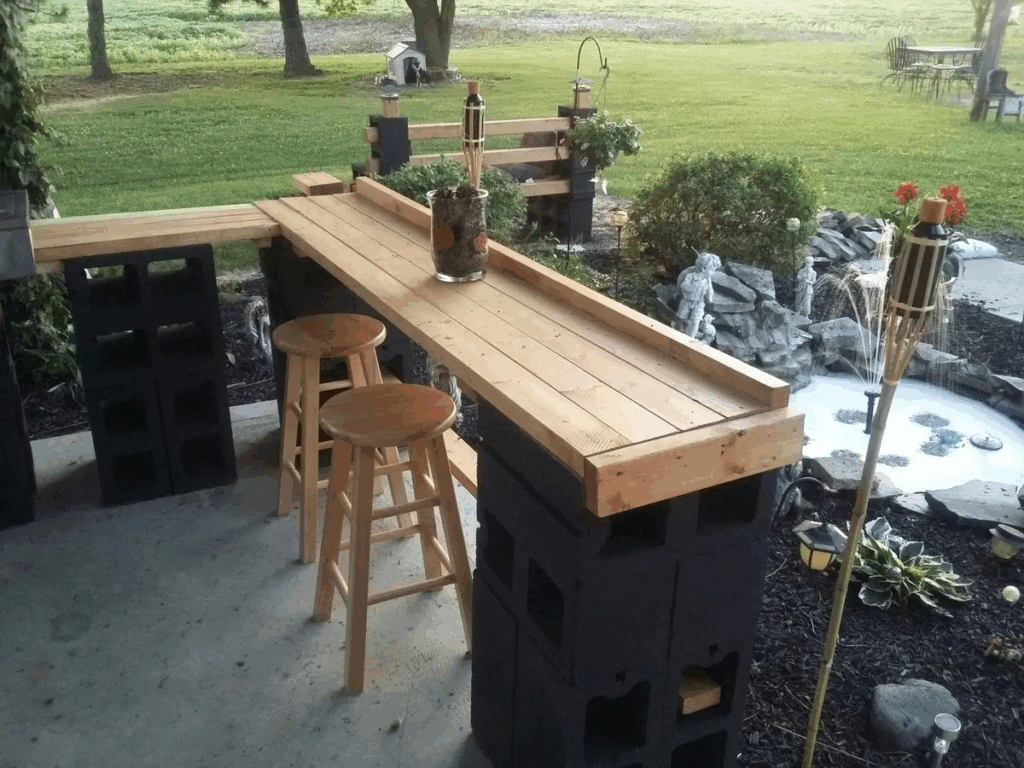
Cinder blocks and wood planks can be assembled into a backyard bar in under an hour—no tools, nails, or hardware required. By stacking the blocks vertically to support horizontal planks, you form instant shelving and countertop space that’s stable, rustic, and surprisingly versatile. This setup works on patios, decks, or even directly on grass, accommodating everything from summer cocktails to outdoor buffet stations. Because both materials are readily available at hardware stores and usually cost under $50 total, it’s one of the most budget-friendly furniture builds for outdoor entertaining. The design can be customized based on how many shelves you need or how high you want the bar to stand. For added personality, paint the cinder blocks or stain the wood to match existing backyard themes. Use the lower shelves for storing coolers, glassware, or planters, and the top for serving drinks or snacks. When the season ends or you need the space, the whole setup can be disassembled and stored compactly. Perfect for small patios or sprawling yards, this mobile station brings structure and utility without any commitment. Whether hosting guests or simply organizing outdoor essentials, a cinder-block bar is a no-frills solution with high-impact appeal.
String‑Light & PVC Pole Grid
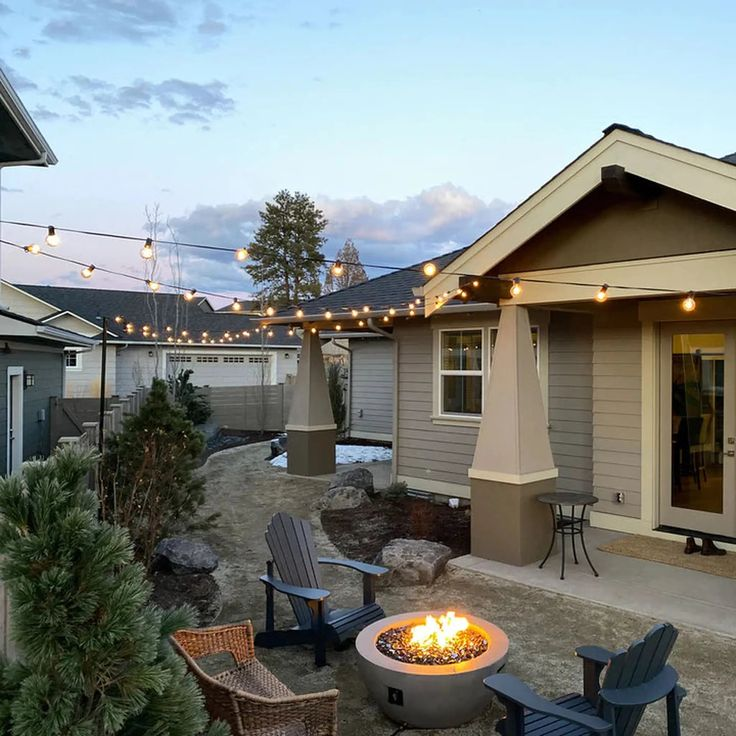
PVC pipes paired with weatherproof string lights can frame a glowing canopy across any backyard, creating instant ambiance for nighttime lounging or events. With just a few 1-inch PVC poles anchored into large planters, buckets filled with gravel, or even buried directly into soil, you form upright supports at key corners. Run twine or wire across the tops as your framework, then string bulb lights back and forth to craft a cozy glow. This method works in tight patios, expansive lawns, or decked areas, and doesn’t require drilling into siding or fences. The materials are lightweight, inexpensive, and easy to find—perfect for renters or DIYers on a strict budget. For extra charm, drape fabric or garland along the frame, or hang mosquito netting for a backyard boho vibe. Whether you’re throwing a dinner party or just want a soft-lit place to unwind, this simple setup brings an upscale feel without permanent fixtures. When not in use, the poles can be pulled out and stored compactly. It’s a versatile lighting hack that delivers atmosphere on demand, making evenings outdoors more inviting, functional, and budget-wise. Great for summer nights or seasonal celebrations alike.
Rain‑Gutter Planter Rail
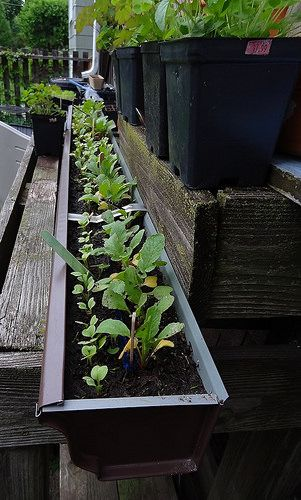
Old rain gutters can be repurposed into narrow, wall-mounted planter rails perfect for growing shallow-rooted herbs, flowers, or greens. Attach them horizontally to fences, railings, or walls using brackets or screws, then drill drainage holes along the bottom to prevent soggy soil. Fill each trough with a lightweight potting mix, and you’ve got a layered garden that takes up almost no ground space. Ideal for narrow side yards, balconies, or along garage walls, this approach suits both renters and homeowners looking to maximize growing capacity in tight quarters. The gutters themselves are low-cost, especially if recycled, and can be spray-painted to match any outdoor palette. Divide each rail by sectioning off different plants, or create a cascading color effect by layering multiple rows. The elevated height also makes harvesting easier and reduces the risk of pests. Beyond their function, these rails add linear visual interest to plain fencing or shed walls. Whether filled with edible greens or ornamental blooms, rain-gutter planters offer an unexpected and delightful twist on container gardening. It’s a practical, sustainable method that keeps your backyard looking green and full of life—even when floor space is limited or funds are tight.
Budget Movie‑Night Wall
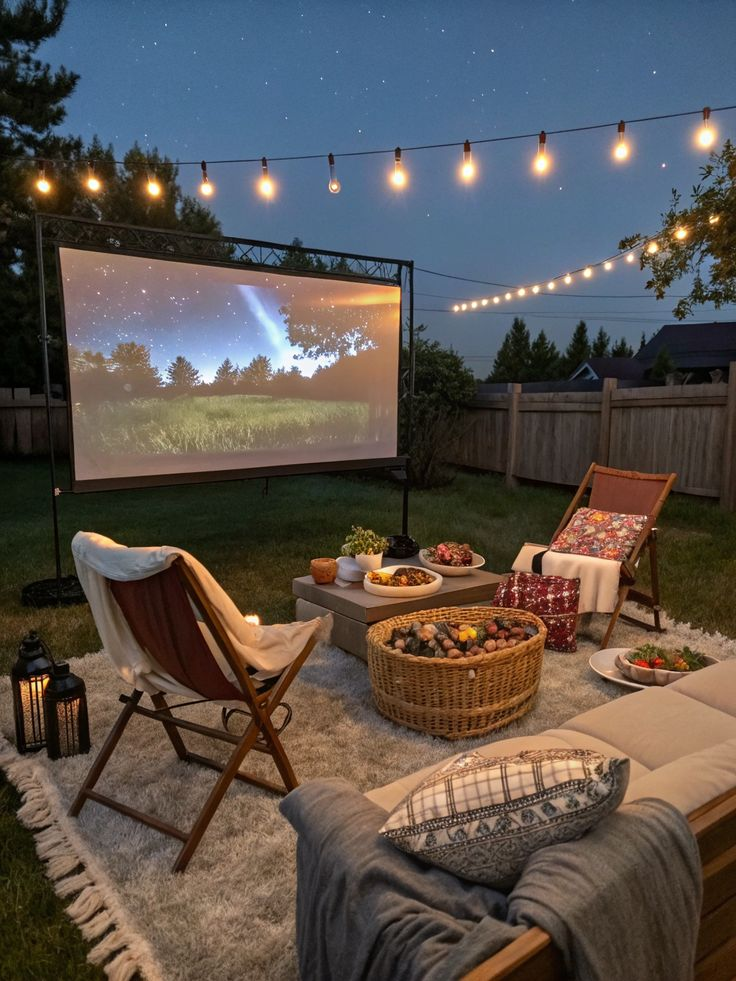
Turning a plain wall or fence into an outdoor movie screen can redefine backyard evenings—without investing in bulky projection gear or permanent builds. A simple white blackout curtain, canvas sheet, or painted plywood board can act as your screen surface when stretched taut against a frame or mounted on a wall. Use hooks or clips for easy takedown when not in use. Place it opposite a flat open area where you can lay down picnic blankets, folding chairs, or outdoor cushions. Affordable mini projectors compatible with smartphones or streaming devices make movie night possible for under $100 total. String lights or lanterns can line the viewing zone for added flair. This low-tech cinema zone is great for kids’ sleepovers, date nights, or weekend gatherings. It scales well for both small and large spaces, depending on your screen size and audience needs. Add a plastic storage bin as a DIY snack bar with popcorn, drinks, and blankets, and you’ve got an experience that rivals indoor theaters—without leaving home. The setup is temporary, customizable, and cost-efficient, making it ideal for families or hosts wanting high entertainment value without the overhead. This backyard addition brings screen-time outdoors, affordably and memorably.