
Fresh air, open space, and a touch of creativity can turn even the most modest yard into a personal retreat—without draining your wallet. With prices rising everywhere, more homeowners are looking for clever backyard upgrades that don’t break the bank. Whether it’s weekend DIY projects, recycled decor tricks, or simple layout tweaks, affordable changes can completely shift the feel of your outdoor area. This guide offers practical, budget-conscious ideas that maximize both style and function. From cozy seating corners to low-cost lighting hacks, each suggestion is designed to help you make the most of what you already have—and enjoy it even more.
Gravel Patio with Moss-Infill Pavers
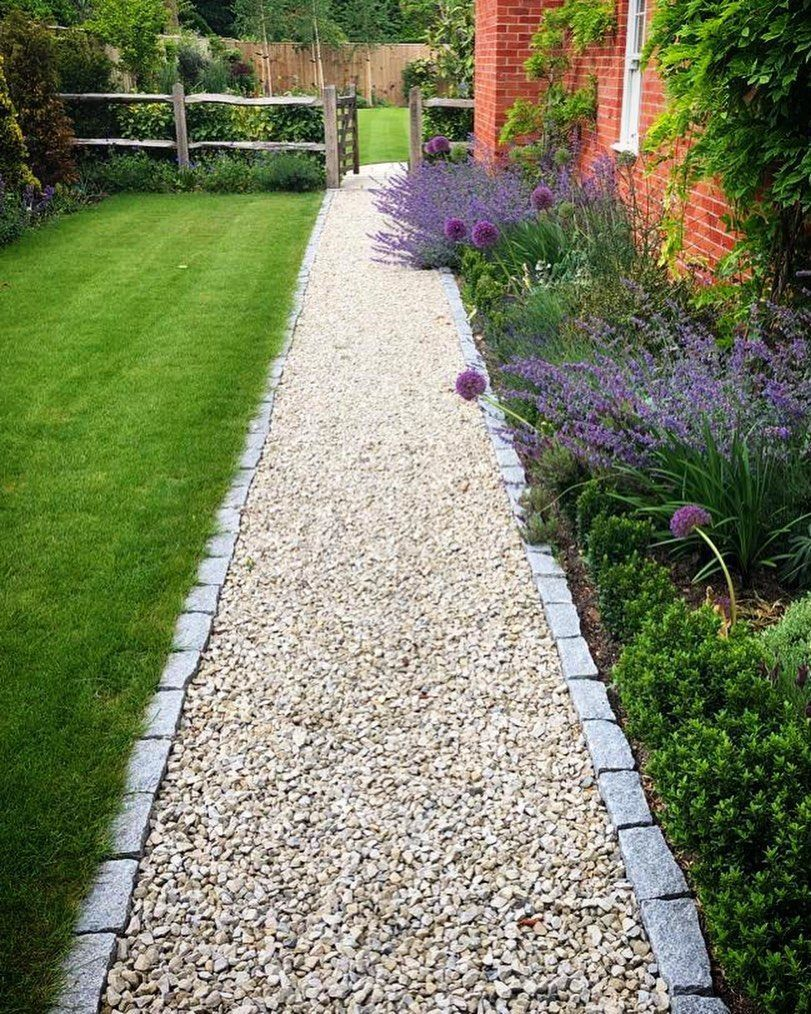
Budget-friendly patio upgrades don’t need to sacrifice charm. Gravel offers one of the most cost-effective base layers, while infilled pavers take it a step further with a touch of organic elegance. By arranging affordable concrete or stone pavers in loose gravel and tucking moss between them, homeowners create a soft, grounded look that mimics high-end landscape design. The moss naturally thrives in damp, shaded areas, though drought-tolerant options like creeping thyme or Irish moss can be used depending on your climate. This setup encourages water drainage, making it practical for wet regions while maintaining a rustic, European-style aesthetic. The gravel allows for easy leveling without needing professional labor, and recycled pavers can often be sourced at a discount. For added comfort, pair this space with thrifted outdoor seating and solar path lights. Whether it’s a quiet morning coffee nook or an evening gathering spot, this patio idea delivers visual appeal with minimal expense. Regular sweeping and the occasional moss trim are all that’s required for upkeep. It’s the kind of design that looks intentionally styled without revealing just how affordably it came together. Functional, green, and easy to replicate—this DIY patio concept punches well above its price point.
Flagstone or Crazy-Paving Walkway Using Reclaimed Materials
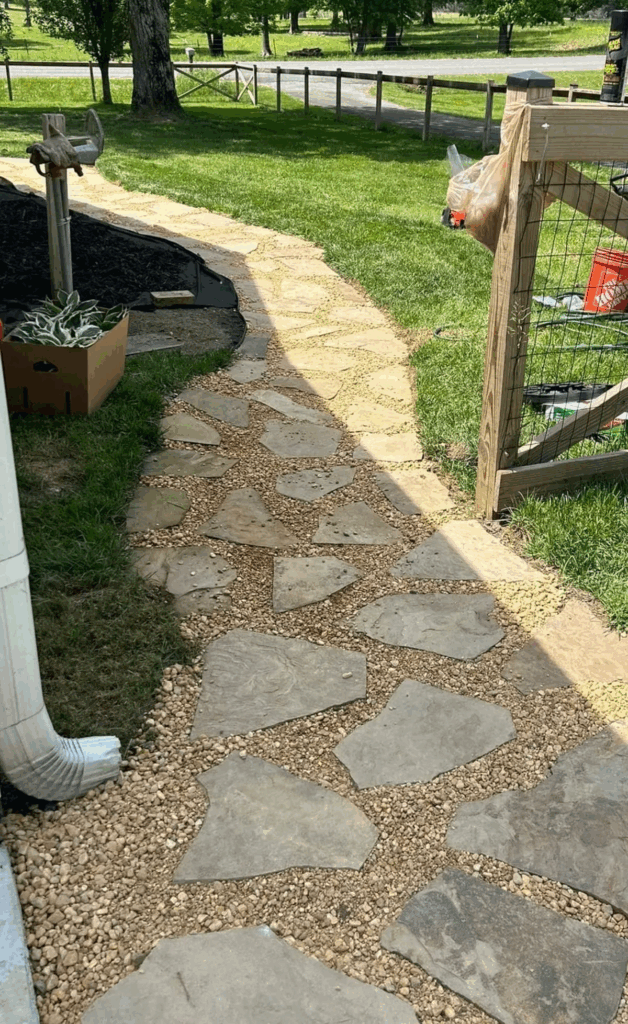
Walking paths don’t have to come with a premium price tag. Flagstone or crazy-paving designs constructed from salvaged stones offer a textured, artisan look using what others might discard. Broken concrete chunks, leftover slate, or even irregular tiles can be transformed into a charming mosaic-style walkway when placed thoughtfully in compacted sand or fine gravel. This irregular format doesn’t demand perfection—in fact, its asymmetry gives it rustic personality. Gaps between the stones can be filled with sand, pebbles, or creeping groundcovers like baby’s tears for a naturalistic touch. Homeowners can often source these materials for free from renovation sites, making this project one of the most budget-friendly landscaping solutions. Planning the layout like a puzzle ensures structural stability, while a border of brick or wood edging adds definition. The walkway doubles as both a practical route and an eye-catching design feature, making it ideal for connecting patio spaces, gardens, or fire pits. With no need for expensive cutting tools or adhesives, it’s an accessible weekend project for most DIY skill levels. The result is a charming, upcycled path that integrates seamlessly with nature, while staying kind to your budget and the environment.
Cinder‑Block Bench or Raised Planter Build
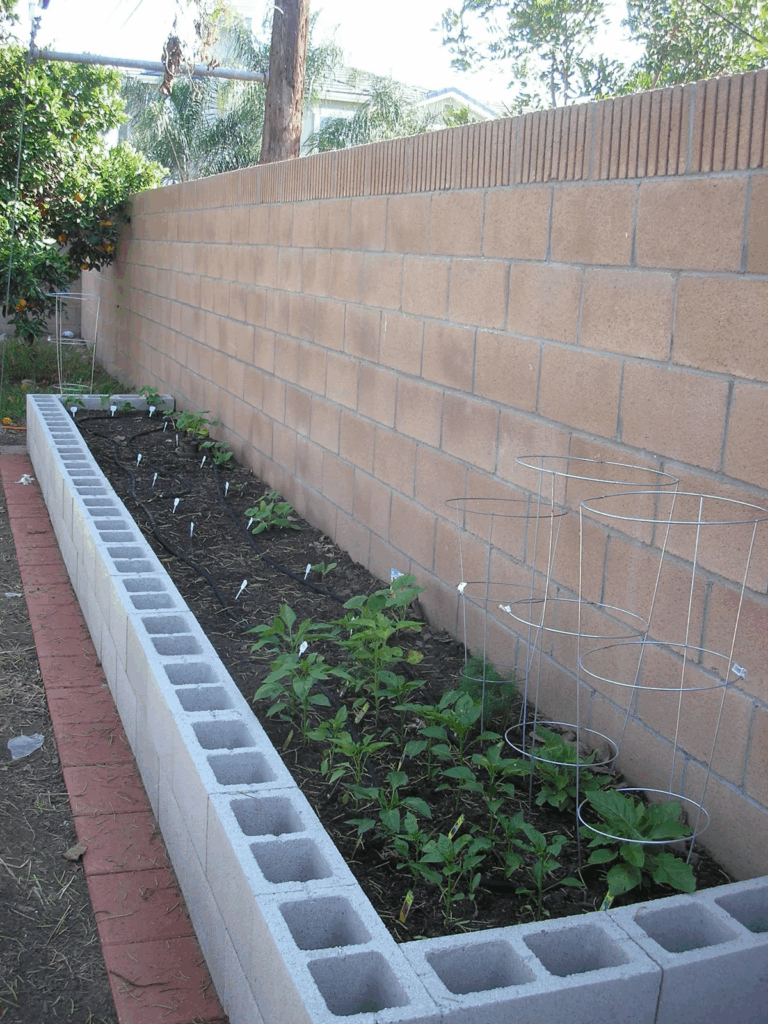
No-frills cinder blocks bring immense value to backyard builds when arranged creatively. Whether constructing a garden bench or raised planter, these industrial blocks offer strength, affordability, and versatility in one package. For a bench, stacking two verticals on each end with a few wooden beams secured through the hollow centers creates instant seating. For planters, form a U-shape or rectangle, line it with landscape fabric, and fill it with nutrient-rich soil for a raised bed that doesn’t require carpentry. Both builds can be enhanced with paint or lime wash for added character, while topping benches with weather-resistant cushions creates a polished look. This method is especially appealing for renters or beginners, as no tools or permanent fixtures are necessary. Cinder blocks are readily available at hardware stores or often found used through local marketplaces. Their uniform size ensures consistency, and their durability stands up to weather extremes. With a little imagination, this basic material transforms into a functional garden structure that can anchor a seating area or grow herbs, flowers, or vegetables. It’s a powerful reminder that good design isn’t about cost—it’s about creativity and knowing how to make everyday items work harder.
String-Light Poles From Planter Posts for Ambiance
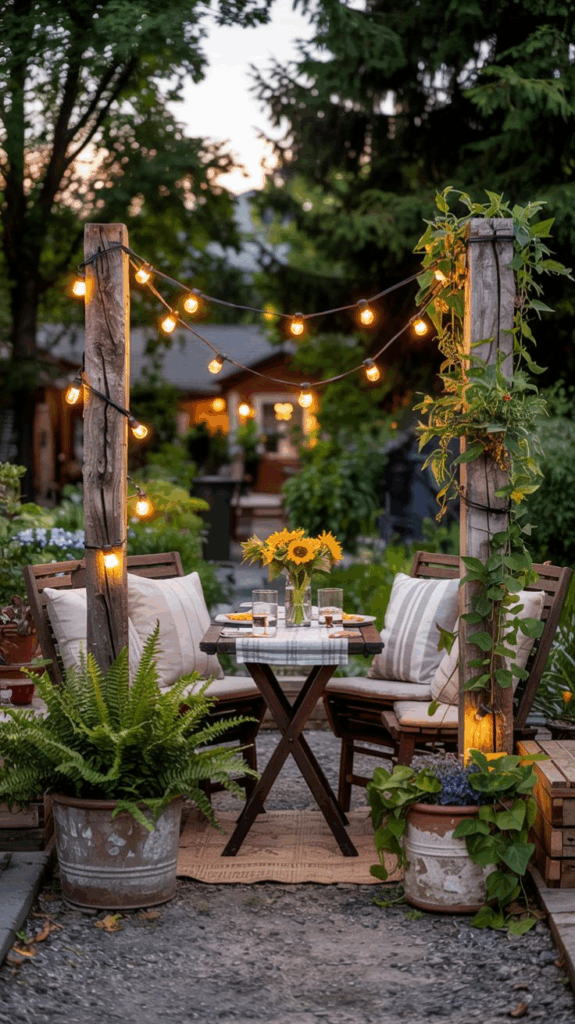
Evening ambiance in the backyard starts with the right lighting—and string lights deliver both warmth and charm. For renters or homeowners who prefer non-permanent options, placing string-light poles inside large planters offers a smart, movable solution. Fill the base of each planter with sand, gravel, or concrete for stability, then insert wooden or metal poles and secure the lights across the yard. This setup avoids drilling into fences or walls, making it ideal for patios, decks, or open lawn areas. The planters themselves can be styled to complement the overall design: think terracotta pots for Mediterranean flair or matte-black urns for modern minimalism. Some homeowners even turn the topsoil portion into mini herb gardens for dual-purpose charm. Solar-powered string lights cut down on energy costs while extending usability after dark. This approach also allows for creative flexibility—adjust the placement for seasonal gatherings or rearrange the lighting path as your backyard evolves. Whether framing a dining zone or outlining a conversation area, string lights instantly increase the perceived value of the space without a hefty investment. Simple, stylish, and full of impact, this DIY technique brings nighttime magic within easy reach.
Upcycled Fence Panels Painted with DIY Wall Art
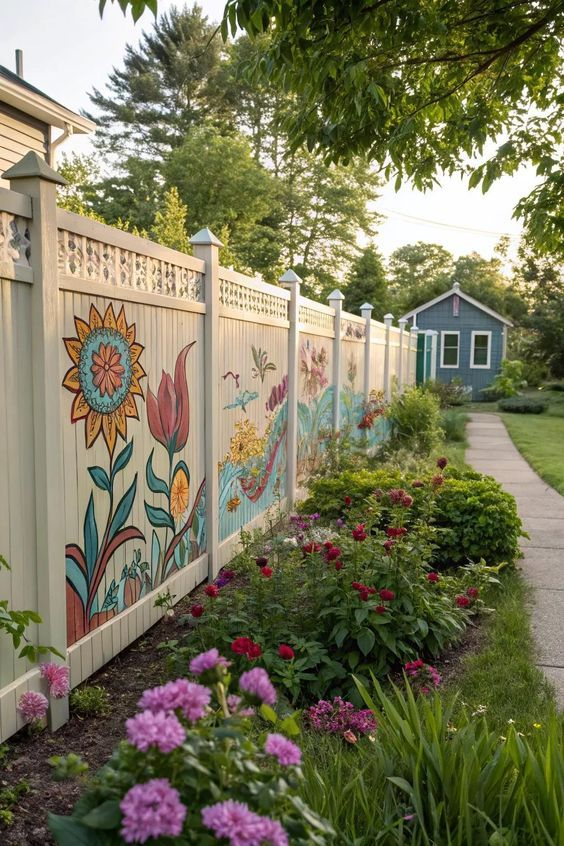
Plain fencing can quickly be transformed into backyard art using panels and a little imagination. Salvaged or secondhand fence boards—often found through local classifieds or reuse centers—make ideal canvases for budget wall decor. Start by sanding rough edges and applying outdoor-safe paint or sealant. From there, unleash your creativity: geometric color-blocking, mandala stencils, or weathered whitewash treatments all turn discarded panels into statement pieces. Hanging them vertically mimics the look of outdoor gallery walls, while horizontal installations can visually widen narrow spaces. Some creators use these panels as backdrops for outdoor seating or behind planters for a curated garden corner. Repeating patterns or matching tones with existing decor elements helps the space feel cohesive. Best of all, this method reuses what would otherwise end up in landfills—making it as sustainable as it is stylish. Homeowners with an artistic streak might even freehand murals or botanical sketches for a personalized touch. Whether you’re hiding an eyesore or just infusing character into a blank wall, painted fence panels deliver standout visual appeal for next to nothing. Functional, expressive, and refreshingly affordable, it’s backyard creativity at its best.
Tree‑Circle Bench Built from Pallet or Reclaimed Wood
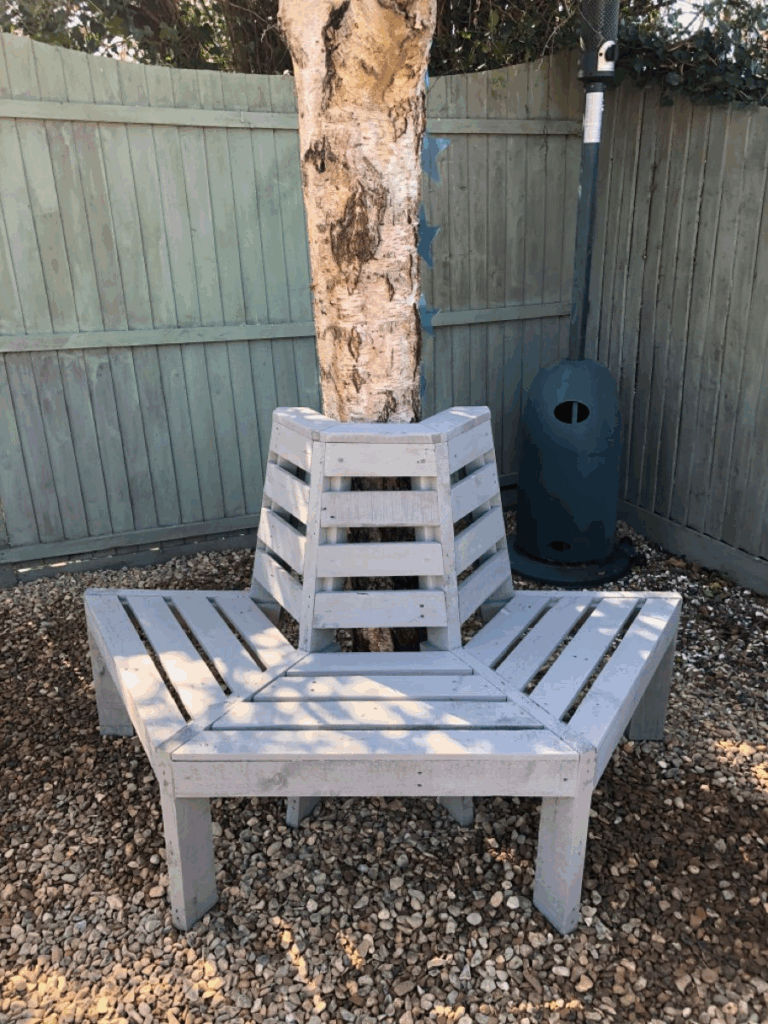
Circular seating around a tree trunk transforms unused ground into a functional garden highlight. Using reclaimed wood or old pallets, homeowners can construct a rustic bench that provides shaded seating while enhancing the tree’s presence in the landscape. Carefully measured cuts create angled segments that wrap around the trunk without damaging roots. Sanding and sealing the boards ensures safety and weather resistance, while paint or stain can personalize the bench to suit your garden’s vibe. Repurposed materials—like bed slats or fencing wood—keep the project budget low while reducing waste. Structurally, the bench can be free-standing or anchored into the ground using buried post supports. This DIY feature also makes tree maintenance more accessible by eliminating the need to mow directly under branches. Whether it’s for reading, resting, or socializing, the tree bench adds both form and function. Even better, its circular shape encourages connection, making it ideal for gathering spaces. Surrounding the area with mulch or low groundcover completes the look with minimal upkeep. A tree-circle bench crafted from reclaimed materials is proof that sustainable solutions can also be beautifully intentional—adding heart and purpose to any outdoor area.
Outdoor Rug to Define Relaxation Zone
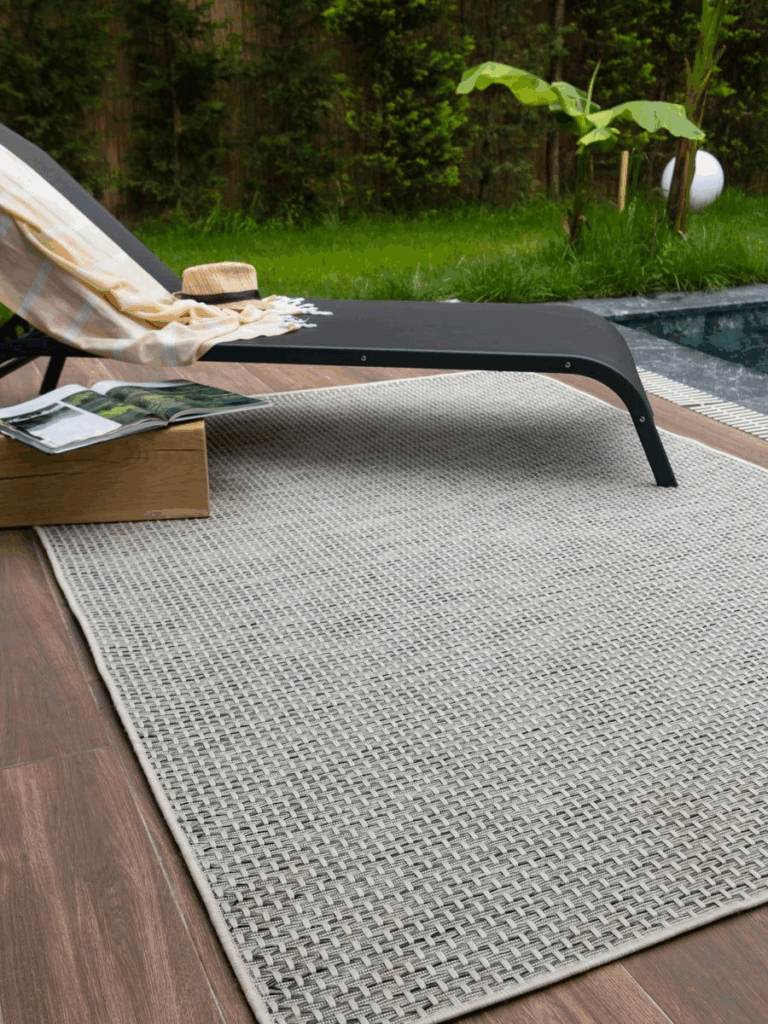
Sectioning off an outdoor lounge doesn’t require hardscaping—an affordable, weatherproof rug can visually anchor a seating area and pull the entire setup together. Available in a range of patterns and sizes, these rugs create a living-room feel outside while requiring only a flat surface beneath. Synthetic options made from polypropylene are budget-friendly and mold-resistant, making them ideal for patios, decks, or even grassy nooks. Placing the rug beneath a small bistro set, Adirondack chairs, or lounge seating instantly upgrades the atmosphere, signaling a space to unwind. For renters or those on tight budgets, low-cost runners or even cut remnants can be layered for a boho-inspired aesthetic. Some DIYers even stencil designs onto outdoor canvas drop cloths for a completely custom look at a fraction of the cost. When paired with string lights, potted plants, and thrifted cushions, the space feels styled and intentional without any permanent changes. It’s also easy to roll up and store during off-seasons, making it a practical choice for variable weather. Whether defining a dining nook or setting a cozy scene for reading, an outdoor rug proves that comfort and style can be both affordable and low-maintenance.
DIY Fire Pit with Gravel Base and Pavers
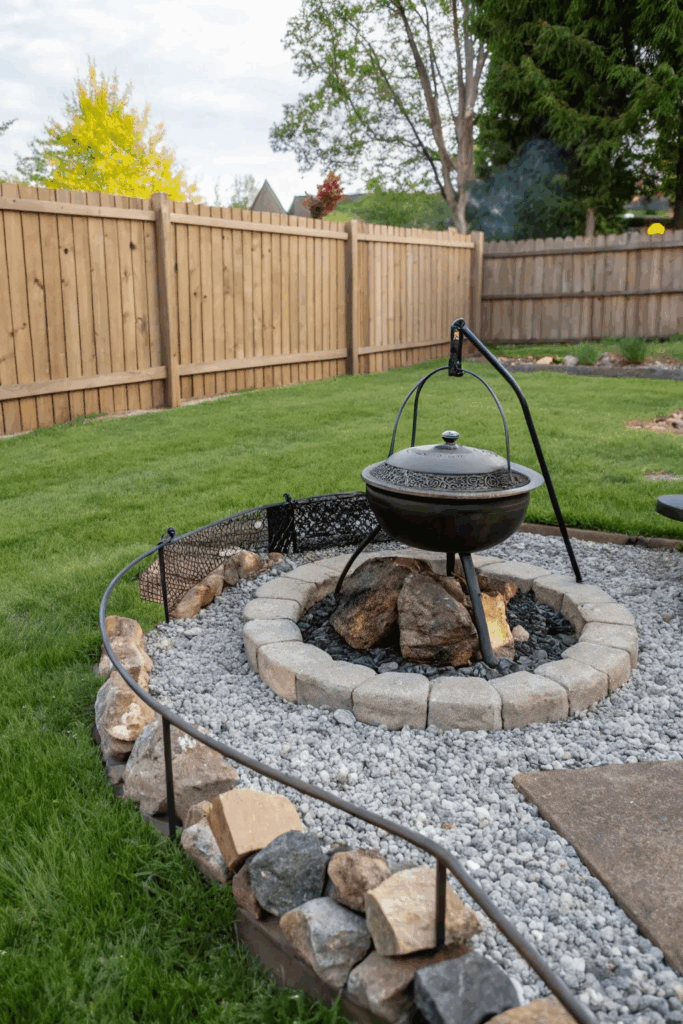
Backyard fire pits don’t have to break the bank. A simple gravel base combined with budget pavers creates a sturdy and safe spot for fireside evenings. Begin by clearing a flat circular area and laying down several inches of gravel to ensure drainage and prevent shifting. Then, stack inexpensive concrete pavers or bricks in a ring, dry-fitting them for stability. Many home improvement stores offer pavers for less when buying in bulk, and secondhand materials are often available through local marketplaces. This design skips mortar or adhesives, making it easy to adjust or move in the future. For added safety, use fire-rated blocks and ensure the pit is placed away from overhanging trees or structures. The gravel perimeter doubles as a buffer zone that defines the space and minimizes weed growth. Surround the pit with budget chairs or log stumps for seating, and consider solar lanterns or string lights for ambiance. This project doesn’t require specialized tools, making it approachable for first-time DIYers. A gravel-and-paver fire pit becomes the heart of backyard gatherings, delivering lasting function and atmosphere with minimal investment and effort.
Wall or Ceiling Hanging Planters for Vertical Greenery
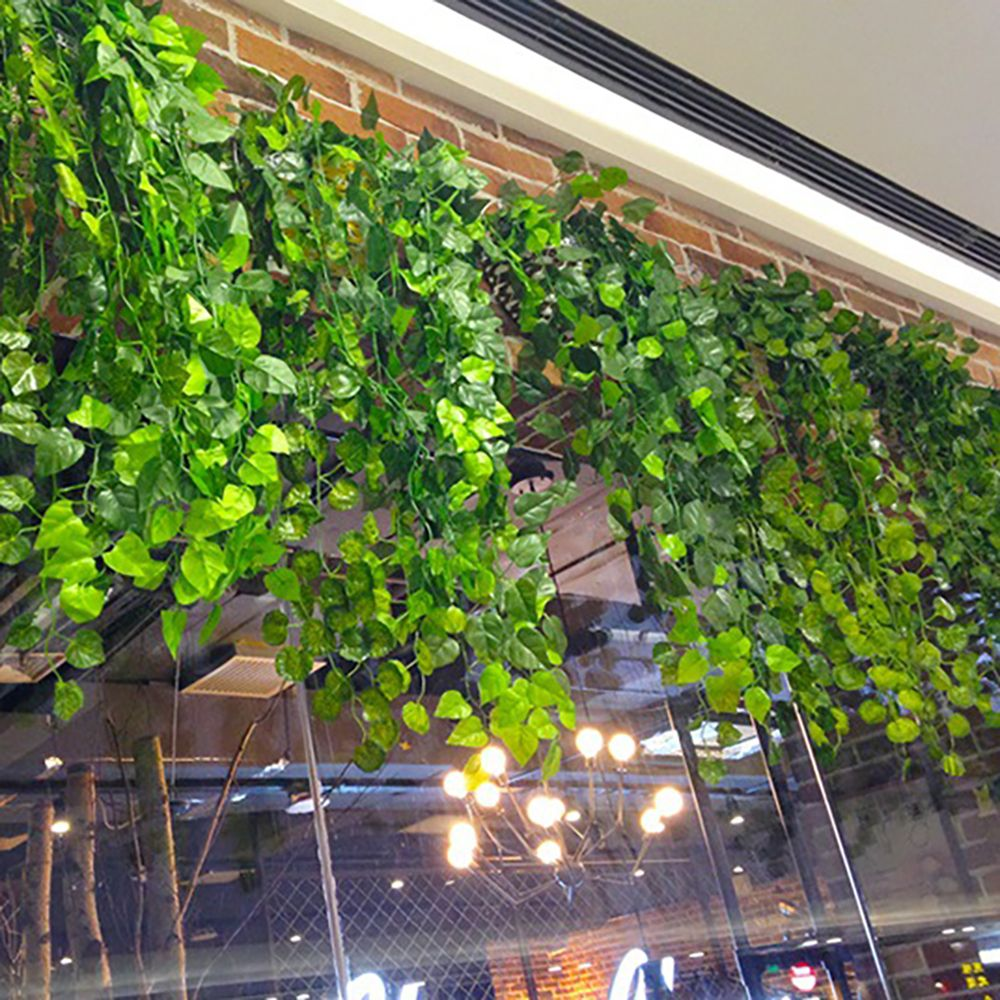
Limited ground space doesn’t have to restrict your greenery goals. Hanging planters—suspended from walls, pergolas, or simple ceiling hooks—create vertical interest while leaving the floor uncluttered. Affordable options include upcycled tins, macrame holders, or even painted plastic containers with drainage holes drilled in. Attach them to fences, porch beams, or under eaves to form a cascade of herbs, succulents, or trailing vines. Those who prefer a uniform look can group identical planters in a grid pattern, while more eclectic designs can mix shapes and materials for a collected feel. Repurposed kitchen colanders, mason jars, and even baskets with coconut liners work beautifully as well. Using sturdy hooks and weather-resistant rope or chain ensures durability across seasons. For added utility, cluster edible plants like mint, strawberries, or parsley within reach of your cooking area. Vertical displays also allow for easy access and can be rearranged as your plants grow. This method turns blank vertical surfaces into living walls while keeping things visually dynamic and budget-friendly. It’s an ideal solution for small patios, balconies, or yards needing personality without permanent installations or high costs.
DIY Pergola Support with Climbing Vines Shade
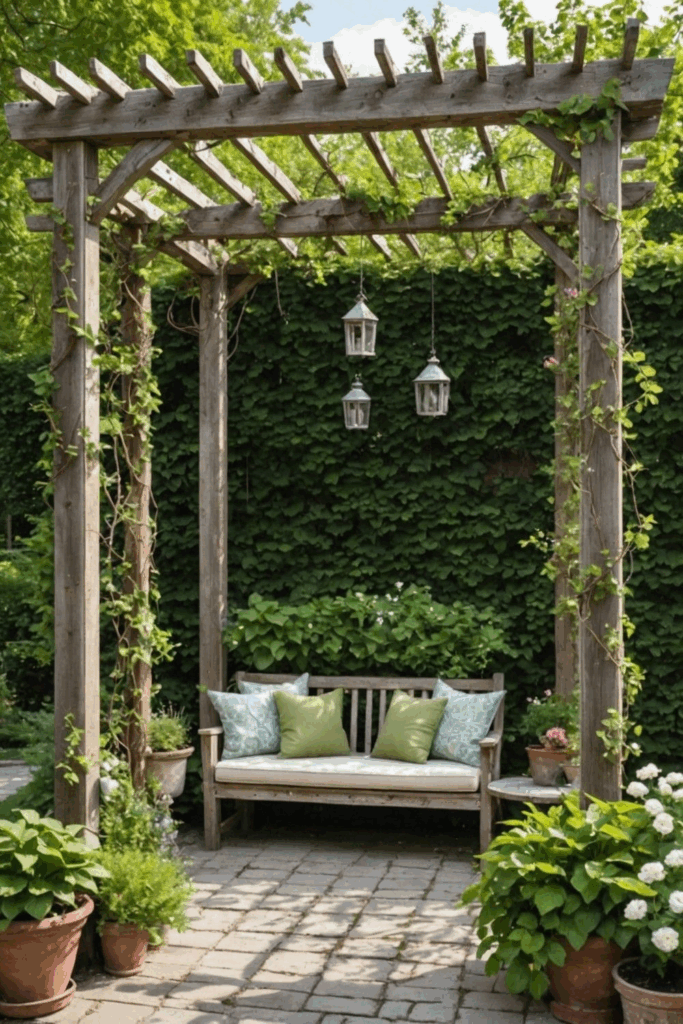
Basic wood beams or salvaged posts can be turned into a pergola-like frame that delivers structure and natural shade without high expenses. By constructing a simple open-frame arch with two upright supports and a horizontal beam, you create a support system for climbing plants such as jasmine, clematis, or morning glory. These fast-growing vines fill in quickly, providing cooling shade and a burst of greenery through the seasons. Opting for untreated reclaimed lumber or pressure-treated fencing wood keeps costs down while maintaining outdoor durability. Anchoring the structure with gravel and concrete or metal post spikes ensures it stays stable during wind or storms. For added function, string solar lanterns across the beam or hang a small hammock beneath for a relaxed retreat. As the vines mature, the space becomes a living canopy that’s cooler, more private, and deeply atmospheric. This simple frame project gives big visual and functional payoff, creating a focal point that evolves naturally without requiring professional landscaping. It’s a highly customizable idea that scales from narrow patio corners to larger lounge zones—perfect for anyone craving shade and structure on a small budget.
Potting Station from Salvaged Troughs and Boards
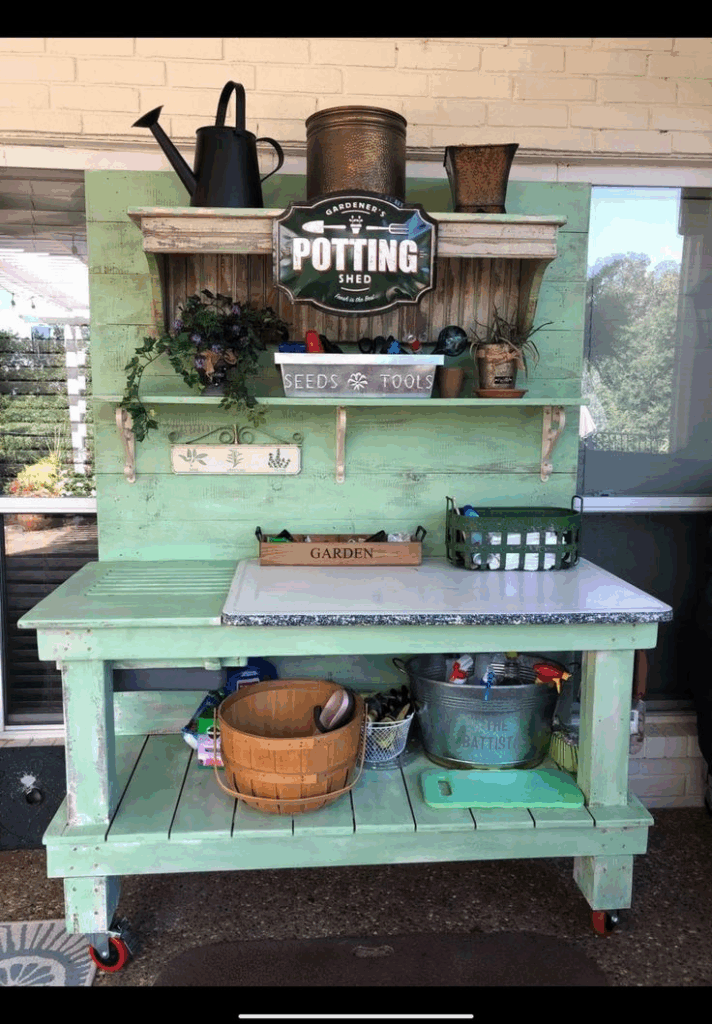
Gardeners in need of a prep zone can build a potting station using salvaged items like livestock troughs, wood crates, or even old doors. A waist-height work surface formed from reclaimed boards atop stacked cinder blocks or crates provides instant functionality without requiring carpentry skills. Add a salvaged metal trough or basin for soil storage, and you’ve got a workhorse setup that keeps tools and mess in one place. Hanging hooks from the backboard or nearby fence allows easy access to gloves, shears, and twine. Many DIYers source materials for free or cheap from garage sales, auctions, or recycling centers. For weather protection, treat wood surfaces with outdoor sealant or cover the station with a scrap piece of metal roofing. Some turn the structure into a design feature by painting it in cheerful garden tones or stenciling botanical designs onto the back. Beyond potting, it also serves as a display shelf for potted herbs or seasonal decor. Having a dedicated garden workspace makes planting more efficient, while using recycled materials keeps both costs and environmental impact low. Practical, sturdy, and full of charm, this station becomes a centerpiece for backyard green thumbs.
Mini Water Feature Built from Recycled Pottery or Hose Parts
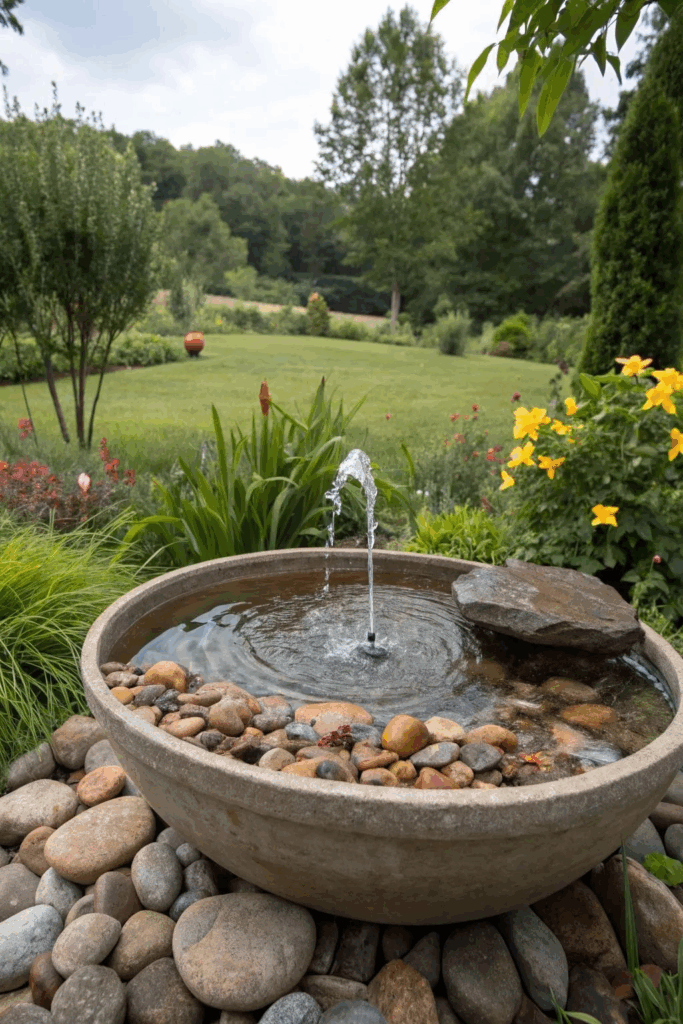
Turning discarded household items into a bubbling water feature adds movement and tranquility to a yard without straining your wallet. Old ceramic pots, chipped bowls, or even metal buckets can serve as the base for a small fountain. A submersible pump—available inexpensively online—circulates water through a simple tube, which can be creatively routed using leftover hose segments or copper piping. Nestle the feature among flower beds, or center it in a gravel seating nook for meditative effect. Adding polished river stones or glass marbles to the basin disguises the pump and enhances water flow. Solar-powered pump models remove the need for outdoor wiring, making this an ideal solution for patios and smaller yards. The soft trickle of water not only attracts birds and pollinators but also masks ambient noise from traffic or neighbors. For added drama, illuminate the feature with battery LED spotlights after dark. It’s a perfect blend of DIY ingenuity and aesthetic enhancement—proof that beautiful backyard elements can emerge from items you might already have on hand. Easy to maintain and surprisingly soothing, this mini fountain brings lasting serenity through simple, smart reuse.