
Nothing brings a garden to life quite like the flutter of butterflies drifting from bloom to bloom. But attracting these delicate pollinators isn’t just about pretty petals—it’s about planting with purpose. The right butterfly-friendly plants don’t just beautify your space; they actively support local ecosystems, boost pollination, and help reverse habitat loss. Whether you have a sprawling backyard or a compact balcony, choosing the right blooms can turn any outdoor space into a thriving butterfly haven. In this guide, you’ll uncover the most rewarding plants that not only draw in butterflies but also enhance your garden’s natural rhythm and resilience.
Butterfly Milkweed (Asclepias tuberosa)
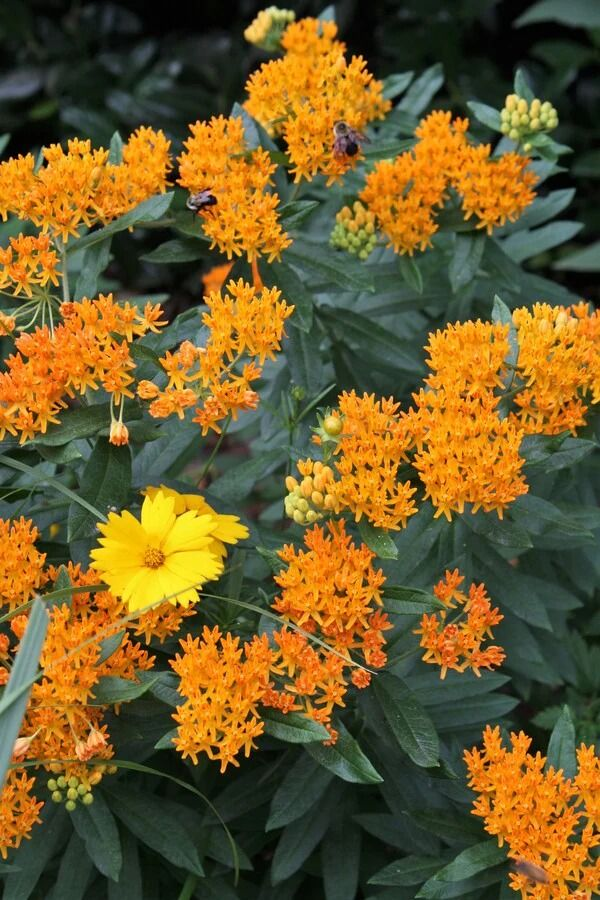
Bright orange blooms and upright clusters make this native perennial a magnet for monarchs. Known for its drought tolerance and compact growth, butterfly milkweed thrives in poor, sandy soils and full sun. It doesn’t require rich conditions to flourish, making it an excellent choice for low-maintenance pollinator gardens. The flowers provide abundant nectar not only to butterflies but also to bees and other beneficial insects. Unlike other milkweed varieties, this species doesn’t bleed milky sap, making it easier to manage and less messy. Once established, it becomes resilient and self-sustaining, returning reliably each year. Gardeners value it for both its ornamental charm and ecological function. From early summer through late July, its long-lasting blooms offer continuous support during the monarch breeding season. Tucking it along borders or in meadow-style plantings ensures steady butterfly activity. With its non-invasive behavior and deep taproot, it rarely needs division or extra care. Propagation is most successful by seed, and fall sowing encourages germination. Pair it with purple coneflowers or liatris for a dynamic visual impact. Its vibrant color, sturdy stems, and dependable nature have made it a staple in native gardens across the U.S.—especially in regions where drought-resistant landscaping is prioritized.
Swamp Milkweed (Asclepias incarnata)
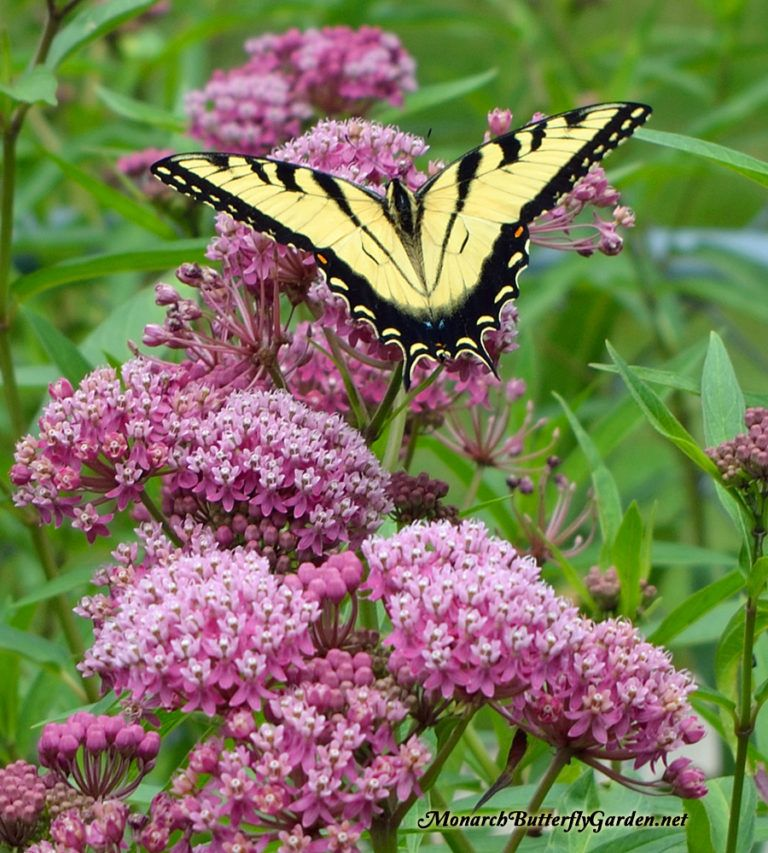
Adaptable and moisture-loving, this native perennial excels in rain gardens, near ponds, or any area with consistent moisture. Its clusters of pinkish-purple flowers bloom from midsummer into early fall, offering reliable nectar to monarchs, fritillaries, and swallowtails. Unlike its common cousin, swamp milkweed grows with more grace and less aggression, maintaining a refined vertical habit. Leaves serve as essential larval food for monarch caterpillars, ensuring its status as both a host and nectar plant. It performs best in full sun but can tolerate partial shade, especially in wetter soils. The subtle vanilla scent of its blooms adds an extra sensory element to butterfly gardens. With upright stems reaching 3–5 feet, it integrates easily into mixed borders or along stream edges. While tolerant of clay, it appreciates soil that doesn’t completely dry out. Its deep roots help stabilize erosion-prone areas. Planting in groups enhances visual appeal and improves butterfly foraging. Propagation by seed requires a cold stratification period for optimal germination. For gardeners aiming to attract pollinators while managing wet conditions, this species is a top choice. Its dual role as a nectar source and monarch host makes it invaluable in eco-friendly landscapes where biodiversity is prioritized.
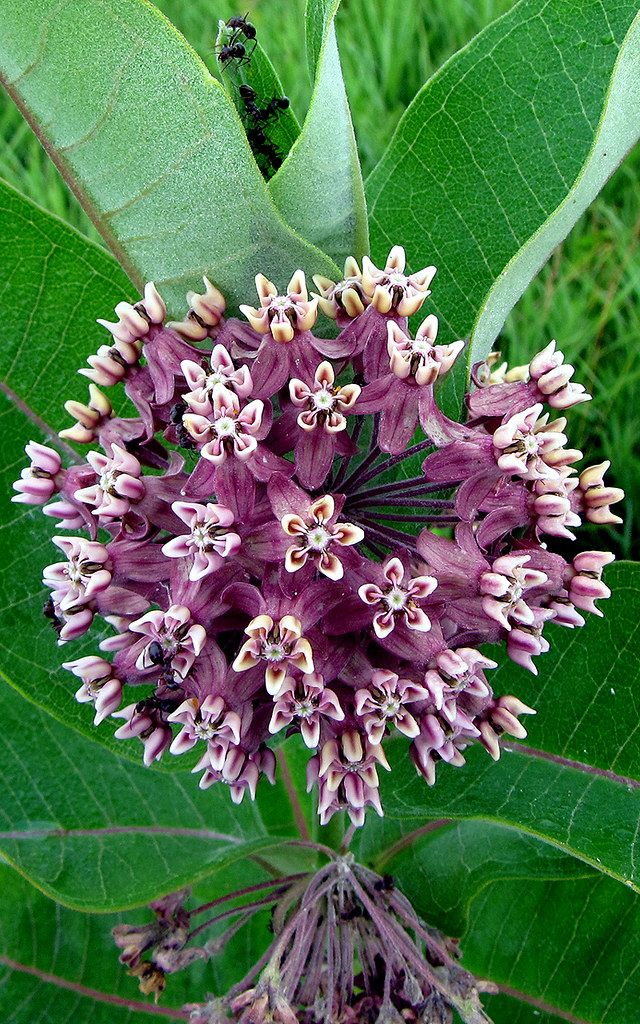
Recognized for its towering height and globe-shaped blooms, this widespread native species plays a vital role in monarch conservation. Large, fragrant flowers bloom in pale pink clusters and serve as nectar powerhouses throughout summer. Monarch caterpillars rely heavily on its foliage as a food source, making it an essential component in any pollinator-friendly yard. Common milkweed spreads via rhizomes, so it’s best suited to wildflower meadows, prairie gardens, or areas where aggressive growth isn’t a concern. It performs best in full sun and tolerates a wide range of soil types, including clay and loam. Each tall stem supports broad leaves and produces flowers that attract not only butterflies but also hummingbirds and native bees. Seed pods in fall add ornamental interest and offer opportunities for propagation. Once established, it’s highly drought-tolerant and requires minimal care beyond annual thinning. For gardeners committed to supporting monarch populations, allowing this plant to naturalize offers both ecological benefit and dramatic presence. Though it can be invasive in small spaces, its value to the pollinator ecosystem is unmatched. Best paired with grasses and other robust natives, it forms a foundational element of authentic butterfly habitats across the eastern and central U.S.
Butterfly Bush (sterile Buddleja cultivars)
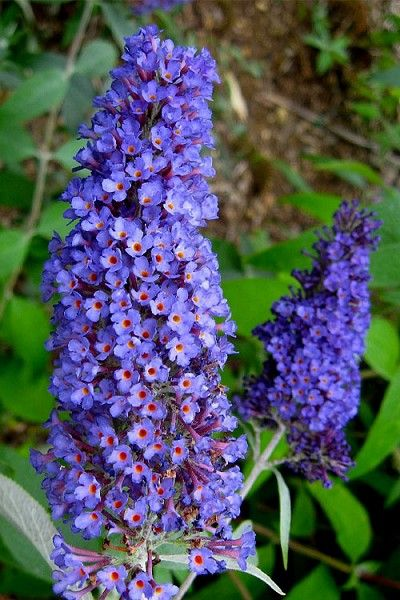
Large panicles of vibrant flowers and a long blooming season have made this shrub popular in pollinator gardens. Modern sterile cultivars, unlike traditional varieties, offer the same butterfly-attracting power without spreading invasively. Blooms in hues of purple, pink, white, and blue create a striking display from mid-summer through frost. Butterflies, especially swallowtails and painted ladies, flock to its nectar-rich blossoms. This fast-growing shrub prefers full sun and well-drained soil and responds well to hard pruning each spring, which encourages fuller growth and abundant flowering. While it’s not a host plant for caterpillars, it serves as a reliable food source for adult butterflies. Choose compact, sterile varieties labeled non-invasive to support your local ecosystem responsibly. Because it flowers on new wood, annual pruning helps control size and maintain shape. Suitable for both formal and wildflower gardens, it adds vertical interest and color throughout the warm months. Plant near seating areas to enjoy butterfly activity up close. Drought tolerance and ease of care further contribute to its popularity among beginner gardeners. Though not native, its sterile hybrids allow enthusiasts to enjoy its ornamental value while minimizing ecological impact—a balance increasingly sought in sustainable garden design.
Buttonbush (Cephalanthus occidentalis)
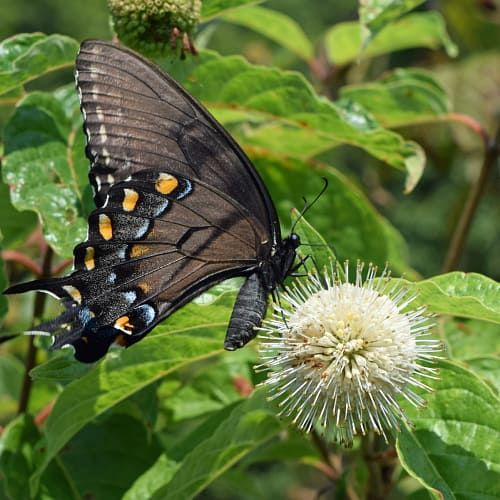
Unusual spherical flowers and a natural affinity for wet soils make buttonbush a standout shrub for pollinator gardens. Native to much of North America, it thrives in swampy areas, rain gardens, and along stream banks. Its creamy-white blooms, resembling pincushions, appear in summer and are rich in nectar, drawing in butterflies, hummingbirds, and bees alike. Leaves provide additional value, hosting several moth species. Reaching heights of 5–8 feet, this plant develops a pleasing rounded form and displays glossy green foliage that transitions to yellow in fall. It prefers full sun but adapts to partial shade in wetter areas. Aside from its ecological benefits, buttonbush also helps stabilize wetland edges with its dense root system. While tolerant of periodic flooding, it’s not drought-hardy, so it’s ideal for moisture-retentive soils. Its structure and bloom form add architectural interest, especially when planted en masse. Birds are attracted to its seeds in autumn, increasing its wildlife value. Maintenance is minimal beyond occasional thinning in early spring. For habitat restoration or water-wise butterfly gardens, few plants match its blend of aesthetic interest and native pollinator support. Its ability to thrive in conditions many ornamentals avoid makes it a key player in resilient landscape designs.
Purple Coneflower (Echinacea purpurea)
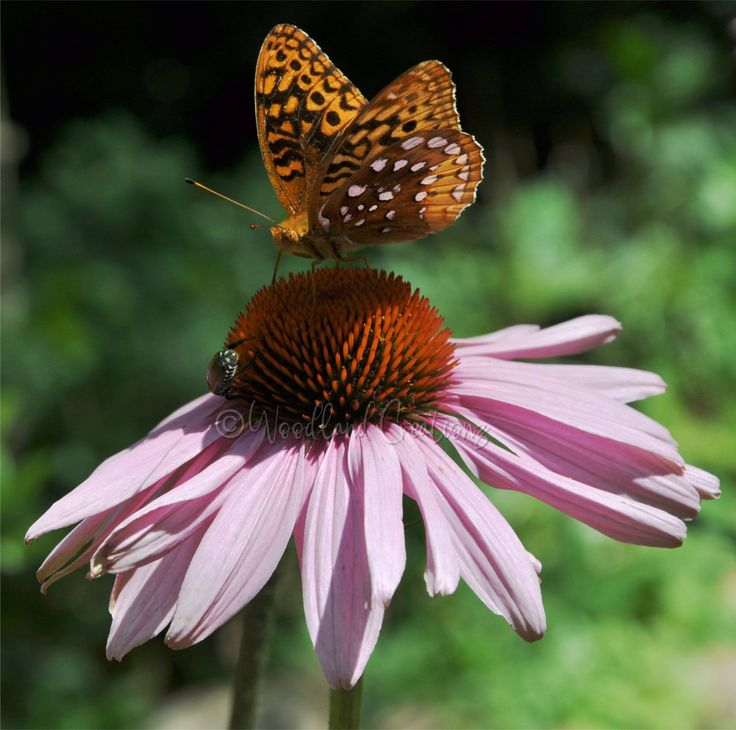
Daisy-like blooms and a rugged nature have earned this native perennial a top spot in butterfly gardens. With sturdy stems topped by large purple petals and coppery central cones, it attracts a wide range of pollinators including monarchs, fritillaries, and bees. Its long blooming season—from early summer to late fall—offers consistent nectar support throughout peak butterfly activity. The plant adapts well to varying soil conditions and thrives in full sun, although it tolerates light shade. Once established, it handles drought with ease and returns year after year with minimal maintenance. Seed heads left standing in autumn serve as food for birds, particularly goldfinches. Gardeners appreciate its ability to naturalize without becoming invasive. Whether planted in prairie borders, cottage gardens, or wildflower meadows, it adds both color and ecological value. Pairing it with milkweed, liatris, or rudbeckia enhances visual interest and creates a diverse foraging zone. Dividing clumps every few years helps maintain vigor. Propagation by seed or root division is simple and effective. For gardeners looking to combine ornamental appeal with butterfly habitat value, this plant checks every box. Its iconic silhouette and ecological importance have made it a staple in pollinator-friendly landscapes across the U.S.
Joe Pye Weed (Eutrochium spp.)
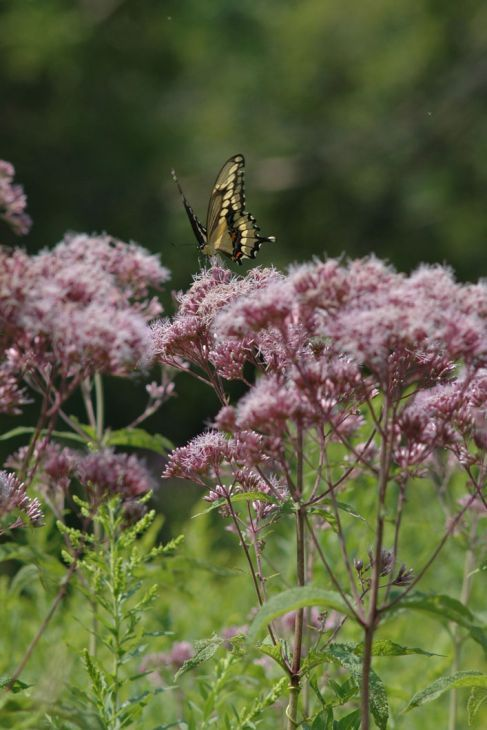
Towering stems and massive mauve flower heads make this native perennial a commanding presence in any butterfly garden. Joe Pye Weed can reach heights of 4–7 feet, blooming from midsummer through fall with dome-shaped clusters rich in nectar. Monarchs, swallowtails, and painted ladies are especially drawn to its blooms. Despite its size, it’s surprisingly well-behaved in garden settings, preferring full sun and consistently moist soil. It’s an ideal choice for the back of borders, rain gardens, or wildflower meadows. Its foliage remains attractive throughout the growing season, contributing texture and lushness to large plantings. Beyond its nectar value, it also provides shelter and vertical diversity in butterfly habitats. Modern cultivars offer more compact options for smaller yards without sacrificing bloom quality. Division every few years helps control size and promotes vigor. Because it blooms late in the season, it supports migrating butterflies when other flowers fade. Pair it with ironweed, swamp milkweed, or goldenrod for a layered pollinator zone. Cold-hardy and pest-resistant, it performs reliably across much of the eastern and central U.S. For gardeners aiming to blend dramatic height with ecological impact, few perennials match its butterfly appeal and season-long performance.
Zinnias (Zinnia elegans)
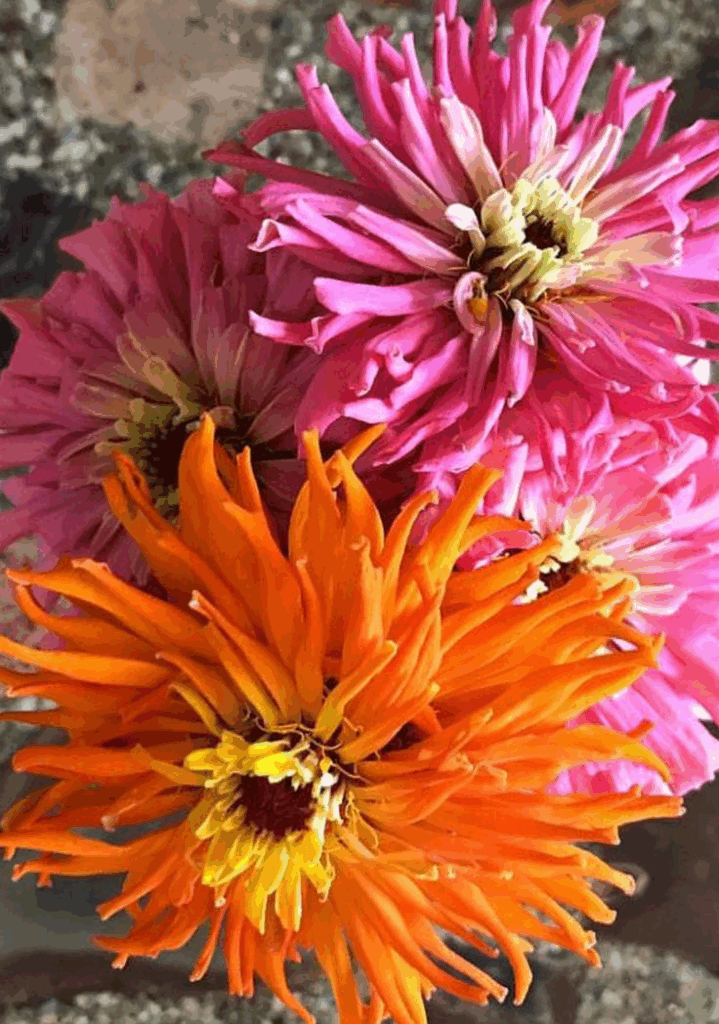
Fast growth and nonstop blooming make this annual a top performer for butterfly gardens across the country. Available in a rainbow of colors and a variety of heights, zinnias provide abundant nectar from early summer to the first frost. Butterflies—especially monarchs, skippers, and swallowtails—frequent their open-faced blooms daily. Easy to grow from seed, they thrive in sunny spots with well-drained soil and minimal fuss. Deadheading spent blooms encourages fresh growth and extends flowering. Compact varieties suit containers and borders, while taller cultivars shine in cutting gardens and mixed pollinator beds. These heat-tolerant plants flourish even in challenging summer conditions, making them reliable for continuous butterfly foraging. While they aren’t host plants, their value as nectar providers can’t be overstated. Planting in dense patches improves visual appeal and increases butterfly activity. Zinnias also make excellent companions to native perennials like milkweed or echinacea. Their disease resistance has improved through breeding, offering gardeners better durability without sacrificing bloom quality. Since they grow quickly, even late-season planting can yield flowers in weeks. For quick color, minimal effort, and a steady stream of butterflies, this flower remains an annual favorite that’s easy to love and harder to live without in a vibrant pollinator garden.
Marigolds (Tagetes spp.)
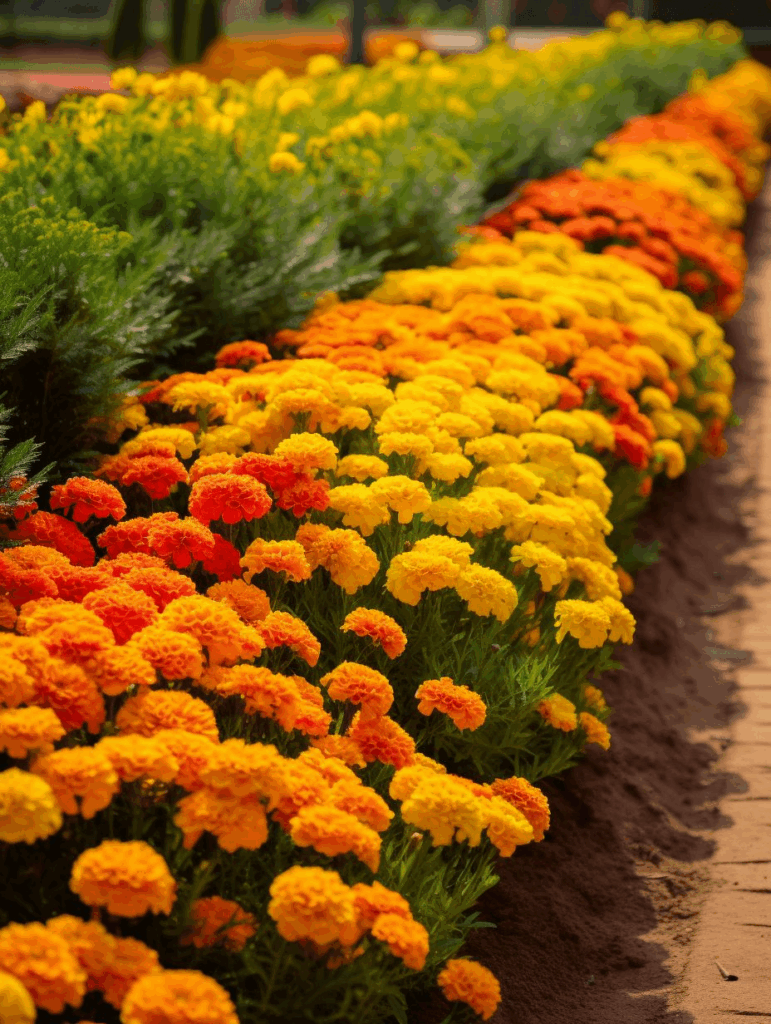
Bright blooms, pest control benefits, and ease of care make marigolds a backyard favorite. While often overlooked for pollinators, single-petaled varieties of Tagetes provide easy nectar access for butterflies and beneficial insects. Their strong scent also repels unwanted garden pests, making them a dual-purpose plant. Grown as an annual, marigolds are fast to germinate and tolerant of poor soil. They flourish in full sun and require minimal watering once established. With hues ranging from deep orange to golden yellow, their vibrant flowers draw visual attention and pollinator traffic alike. Gardeners use them as border plants, interplanted with vegetables, or in butterfly-friendly pots and window boxes. Removing faded blooms extends flowering and keeps plants looking fresh. While hybrids with dense petals may offer less value to butterflies, traditional open-faced cultivars support pollinator visits throughout the growing season. Heat resistance and compact growth make them a go-to for low-maintenance landscapes. Their role as companions to nectar-heavy natives adds color and function. For beginners and seasoned gardeners alike, marigolds offer a cheerful, functional option in pollinator design. Pair them with herbs, cosmos, or zinnias to complete a vibrant, butterfly-frequented space that balances beauty and ecological support effectively.
Mountain Mint (Pycnanthemum spp.)
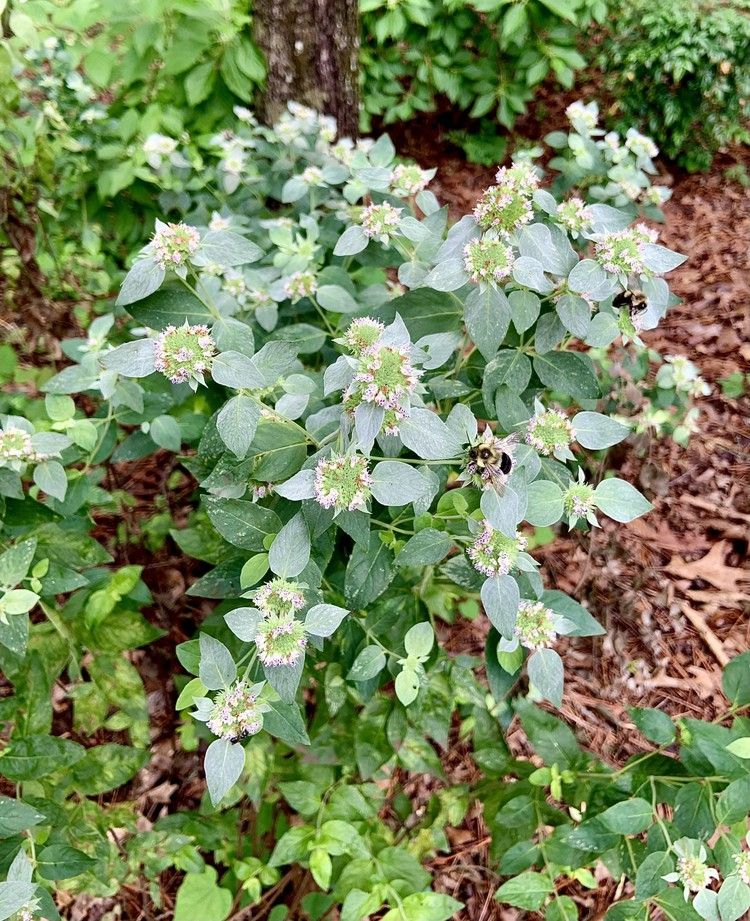
Strong pollinator draw and a pleasantly minty aroma make mountain mint a powerhouse in butterfly gardens. This native perennial produces clusters of small white to pale lavender flowers throughout midsummer, attracting monarchs, hairstreaks, and many native bees. Its high nectar production consistently tops pollinator preference lists. Foliage, which emits a refreshing scent when brushed, offers bonus appeal and deer resistance. The plant prefers full sun to partial shade and grows well in average to dry soils, making it adaptable across various garden zones. Its upright habit, typically 2–3 feet tall, forms dense clumps that resist flopping and support low-maintenance design. Excellent for borders, wildflower plantings, or herb-style gardens, mountain mint contributes ecological value without taking over. Though not a larval host, its abundant nectar supports adult butterflies throughout summer. Drought tolerance, low maintenance needs, and long bloom duration add to its appeal. Spreading slowly via rhizomes, it’s best managed with occasional division. Because of its unmatched draw for pollinators, it’s often recommended by ecological garden experts and conservationists. Planted in masses, it becomes a pollinator magnet, outperforming many showier flowers. Its discreet elegance and ecological function make it a quiet hero in any sustainable, butterfly-centered garden.
Liatris (Liatris spicata)
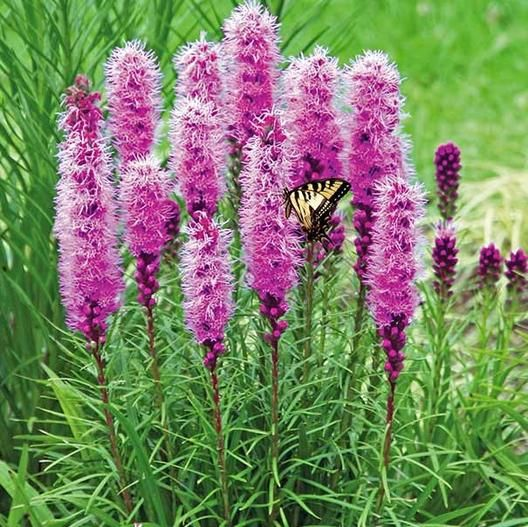
Vertical spikes of lavender-purple flowers and fine grass-like foliage give this native perennial a striking silhouette in butterfly gardens. Blooming from mid to late summer, Liatris attracts monarchs, painted ladies, skippers, and even hummingbirds. Its blooms open from top to bottom—a rare trait among perennials—offering unique visual interest and prolonged nectar access. Thriving in full sun and well-drained soil, it performs well in both formal borders and prairie-inspired landscapes. Once established, it tolerates drought and neglect, making it an ideal choice for low-maintenance pollinator habitats. The underground corms multiply each season, allowing for naturalistic drifts over time. Gardeners appreciate its deer resistance and strong upright form, which rarely requires staking. Whether planted en masse or interspersed with other native flowers, Liatris adds height, color, and ecological value. Its long vase life also makes it a favorite for cut flower arrangements. In addition to feeding butterflies, it supports native bees and beneficial insects. Plant alongside coneflowers, black-eyed Susans, or milkweed for a diverse nectar corridor. This resilient bloomer brings drama to the garden while directly supporting pollinator populations during peak summer activity. Its enduring beauty and function make it a keystone plant in butterfly-forward garden designs across North America.
Goldenrod (Solidago spp.)
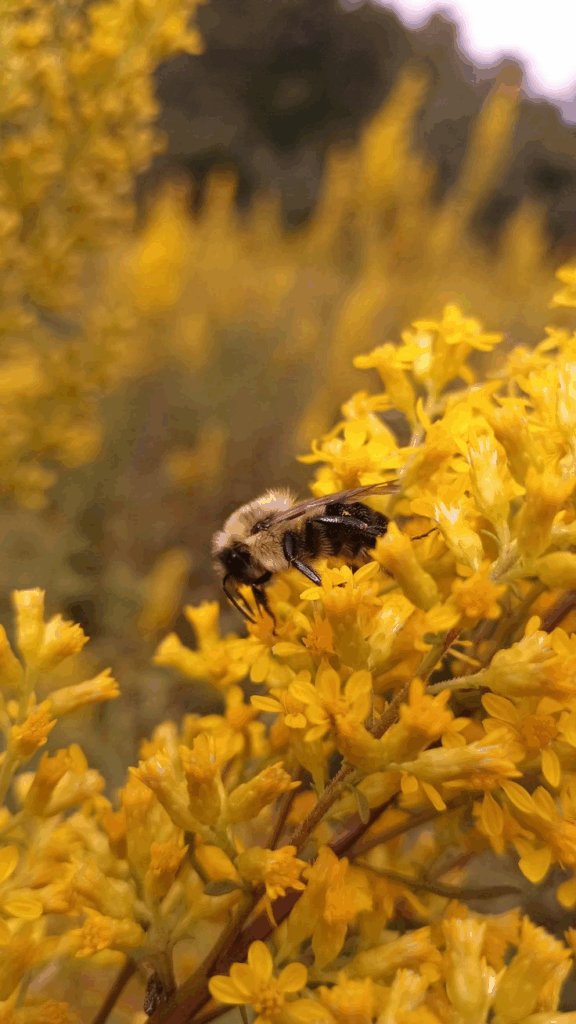
Brilliant golden plumes and late-season blooming power define this essential native plant. Often unfairly blamed for allergies (a role actually played by ragweed), goldenrod is a critical food source for migrating monarchs and dozens of other butterfly species. Its tall stems and dense floral clusters bloom from late summer into fall—precisely when nectar is most scarce. With over 100 species native to North America, goldenrod adapts to various soils and growing conditions, from dry prairies to moist meadows. Full sun ensures the best bloom performance, though some species tolerate light shade. As a perennial, it returns each year stronger, forming upright clumps that are easy to manage. Its extensive root systems help prevent erosion and support healthy soil ecology. For pollinator gardens, goldenrod partners well with asters, ironweed, and Joe Pye weed, forming a fall nectar buffet. Several cultivars now offer compact sizes suitable for small gardens or containers. In addition to butterflies, it supports a wide range of native bees, wasps, and beetles. Leave stems standing through winter to support beneficial insect overwintering. For late-season color and ecological richness, few plants compare. Goldenrod’s high-value nectar output and adaptability make it a cornerstone of North American butterfly gardens.