
First impressions start right at the doorstep, and the right setup can instantly boost both charm and functionality. Whether it’s a quiet spot for morning coffee or a welcoming entry that sets the tone for your home, stunning front porch ideas offer endless ways to personalize this often-overlooked space. With a mix of textures, greenery, seating, and seasonal accents, even the smallest porch can feel inviting and stylish. This guide pulls together design inspiration for every style—farmhouse, coastal, modern, and more—making it easier to refresh your entryway with purpose. Get ready to turn heads before guests even step inside.
Lush window boxes
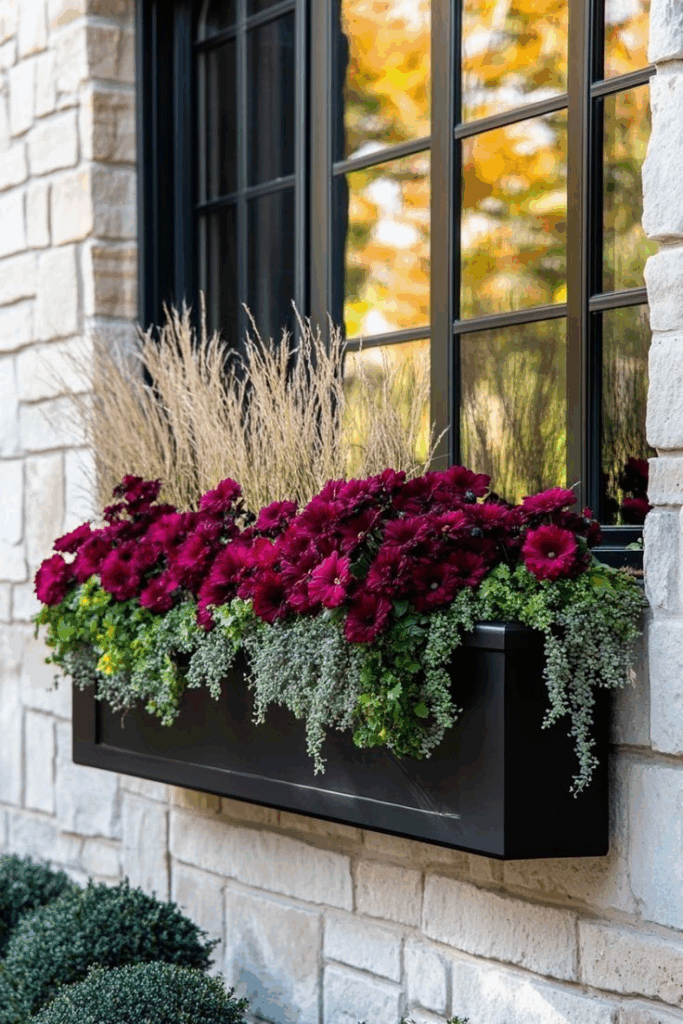
Framing the front porch with thriving window boxes introduces both charm and botanical character. When filled with trailing ivy, blooming geraniums, and upright grasses, these boxes create depth and seasonal appeal. Matching the plant palette to the home’s exterior paint and climate zone ensures year-round vibrancy without excess upkeep. For north-facing porches, ferns and impatiens perform beautifully in filtered light. South-facing exteriors benefit from sun-hardy petunias, calibrachoa, or cascading sweet potato vine. The materials of the boxes—whether galvanized metal, painted wood, or terra cotta—should complement the porch’s railing and trim. Consistency in color tones between boxes and porch accents such as shutters or the door frame enhances curb appeal. Drip irrigation or self-watering liners help maintain moisture without daily labor. Hanging the boxes slightly beneath sill level allows for a fuller, overgrown look without blocking the view from inside. Whether mounted beneath windows or railing ledges, well-maintained planters bring softness and fragrance right to the threshold. These miniature gardens provide a vibrant first impression that feels intentional and welcoming, offering a quick yet transformative visual boost to any style of entryway.
Symmetrical tall planters by the door
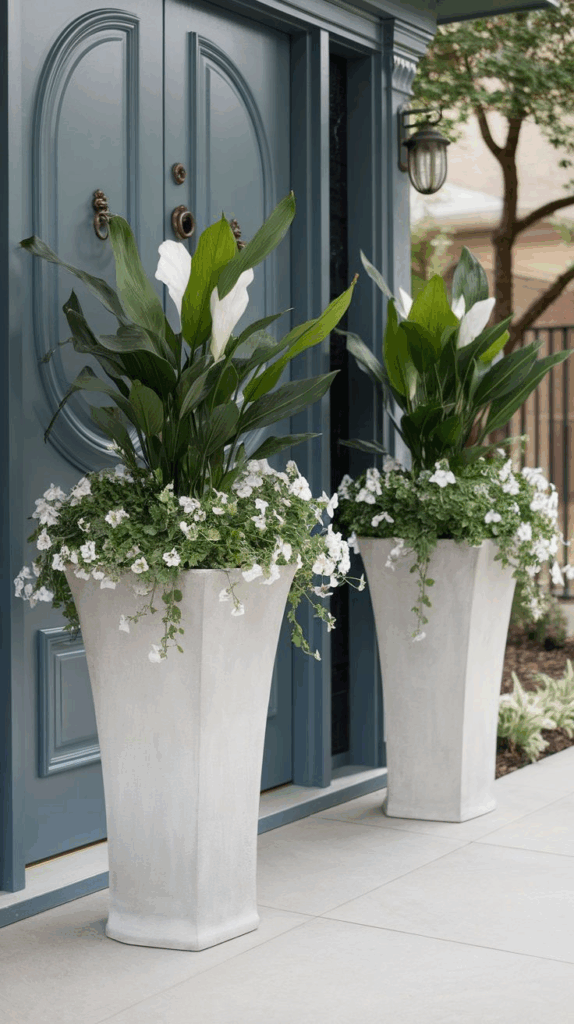
Establishing visual balance near the entrance begins with a pair of tall planters flanking the front door. This symmetrical layout naturally draws the eye inward, emphasizing the architectural focal point and creating a grand, welcoming feel. Whether crafted from sleek black fiberglass, classic concrete, or textured ceramic, the container’s finish should echo surrounding materials for cohesion. Height plays a crucial role; at least two-thirds the height of the door ensures proportional impact. Filling the vessels with statement greenery—like boxwoods, snake plants, or even seasonal evergreens—adds structure and year-round interest. For layered depth, include trailing vines such as creeping Jenny or dichondra around the planter base. Symmetry doesn’t require rigidity; identical planters may contain different plant types that share similar height or color tones to preserve balance while allowing creativity. Placement directly beneath sconces or architectural trim helps anchor the arrangement. In small porches, narrow or tapered styles maintain flow without overcrowding the steps. This approach blends formality with modern landscaping principles, offering both curb appeal and functional greenery. The result is a polished, timeless entry accent that elevates the home’s exterior while maintaining simplicity and low maintenance.
Chic rocking chairs or swing seating
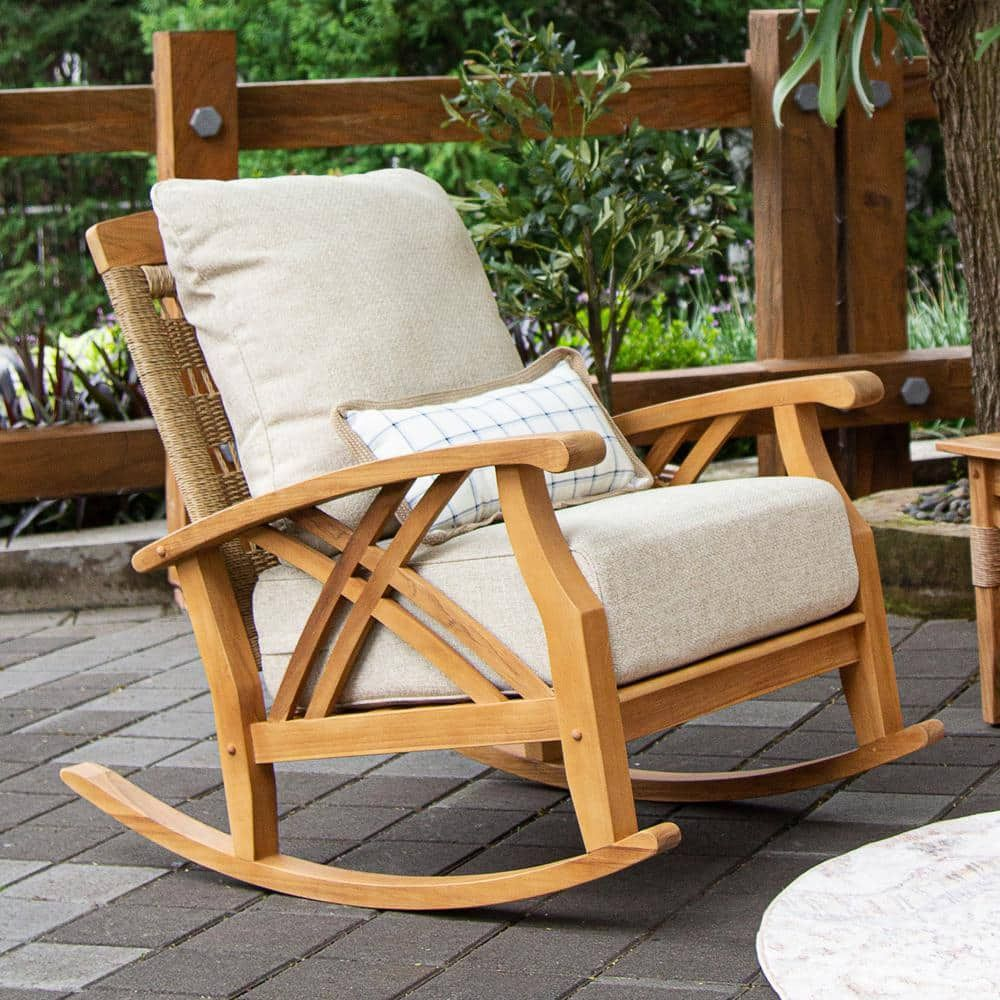
Comfort and hospitality converge when porch seating includes a pair of rocking chairs or a suspended swing. This classic feature transcends trends and instantly signals relaxation, making it a porch essential in both suburban and rural settings. Painted wood rockers in white or black evoke a Southern aesthetic, while natural teak or woven rattan suits coastal or contemporary homes. For compact porches, a swing hung from overhead beams offers the same charm without cluttering the floor. Cushions and throws in durable outdoor fabrics personalize the setup and allow for easy seasonal refreshes. Anchoring the seating with a small table encourages morning coffee routines or evening chats. Matching the seating material to porch elements—like railings or shutters—visually ties everything together. Hanging chains or ropes should be rated for weight and weather resistance, especially in climates with seasonal rain or humidity. When arranged thoughtfully, this seating zone becomes more than a visual feature—it extends the home’s usable living space outdoors. A cozy, stylish seat not only invites passersby to linger but also signals that the porch is an active part of the household’s day-to-day rhythm.
Layered doormat + outdoor rug
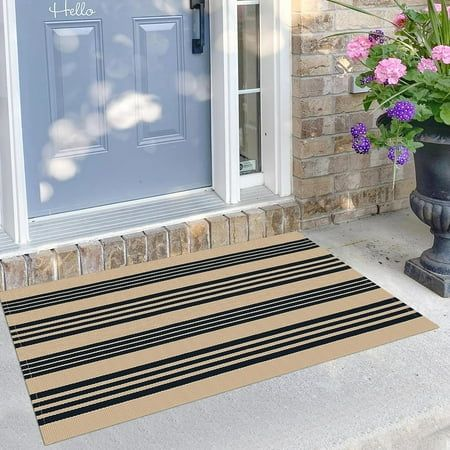
Blending practicality with personality starts right underfoot. A layered mat and outdoor rug combo instantly upgrades the front porch, offering color, texture, and functionality in one simple styling move. The base layer—a flat-woven outdoor rug—sets the tone with bold patterns, natural jute textures, or neutral stripes. On top, a coir or rubber doormat adds visual contrast and durability, serving as the primary surface for wiping shoes. This mix not only enhances the aesthetic but also improves cleanliness by trapping dirt before it enters the home. Proportion is key: the rug should extend 6–8 inches beyond the mat on all sides to create a framed look. Seasonal themes, personalized monograms, or geometric designs add extra flair and tie into other porch decor elements. For continuity, coordinate rug colors with surrounding planters, seating cushions, or wreaths. Both layers should be weather-resistant and easy to shake out or hose down, especially in high-traffic zones. This practical yet stylish pairing delivers both curb appeal and function, anchoring the entry visually and signaling intentional design. It’s a quick switch that makes a lasting impression every time guests arrive.
Statement front door color
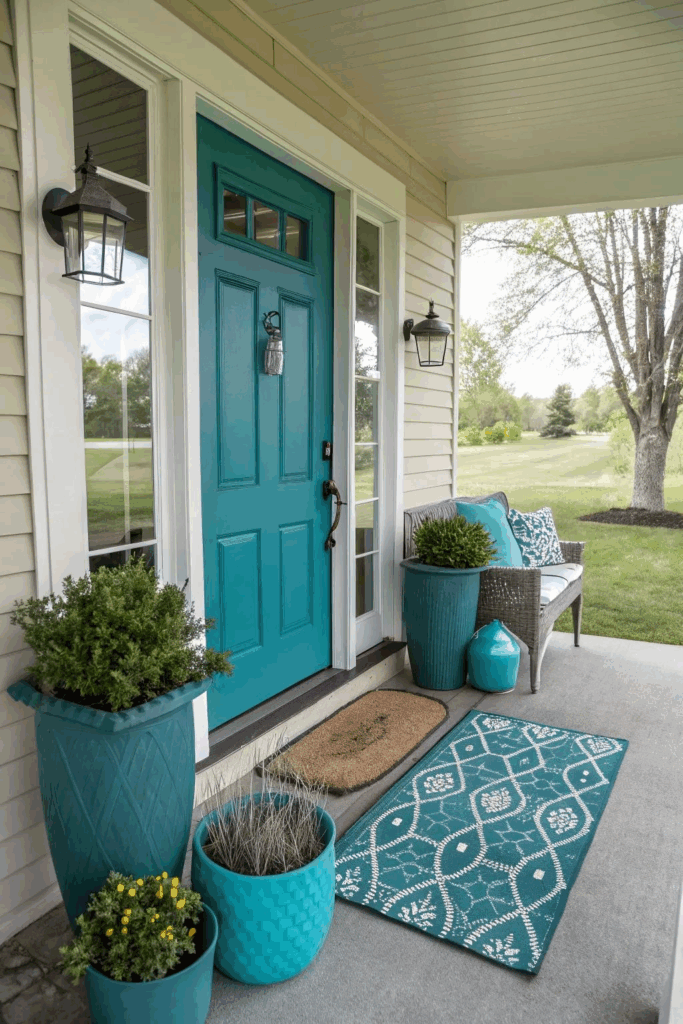
Introducing a bold front door hue is one of the fastest ways to refresh a porch without structural changes. The right shade instantly sets the tone for the home—whether it’s a cheerful yellow, navy blue, forest green, or classic black. The key lies in selecting a color that complements the surrounding trim, siding, and landscape without clashing. Matte finishes create a contemporary edge, while high-gloss adds a refined touch. For lasting impact, choose an exterior-grade paint that withstands sunlight, rain, and temperature swings. Pairing the door color with accent elements—like coordinating planters, address numbers, or mailbox details—ensures cohesion. Lighting fixtures and hardware in brass, matte black, or brushed nickel should also align with the color’s personality. A contrasting wreath or seasonal decor can soften the boldness while enhancing visual appeal. This approach goes beyond aesthetics; it communicates personality and confidence. Whether aiming for dramatic flair or playful charm, the front door becomes a powerful visual anchor that draws the eye and welcomes visitors. A color shift might seem subtle, but the overall effect can completely shift the mood of the porch and exterior.
Mixed-material cozy lighting (lanterns, sconces, string lights)
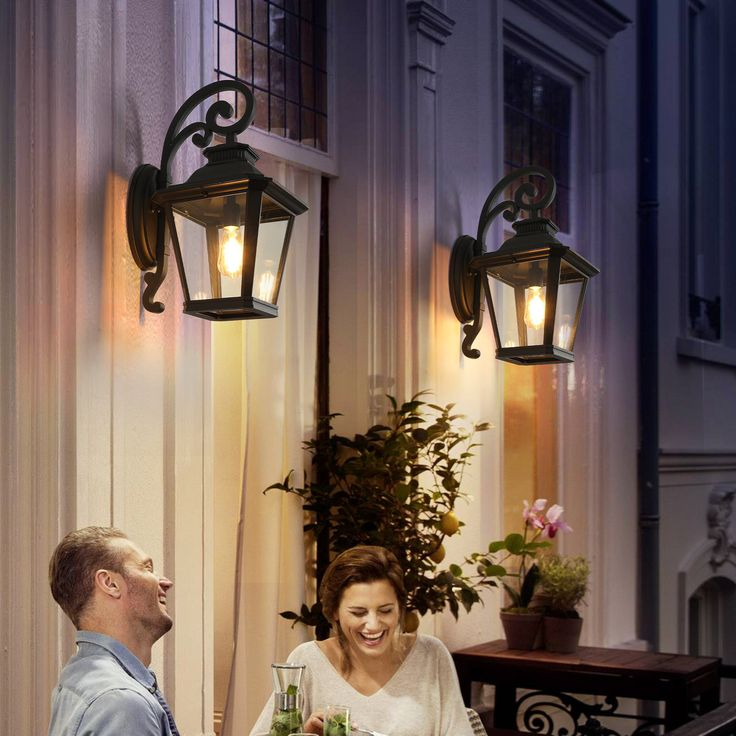
Strategic porch lighting goes beyond function—it creates ambiance and enhances visual interest during both day and night. Mixing materials like metal lanterns, glass sconces, and woven string lights adds layered warmth and texture to the space. Lanterns on the floor or hung from hooks near seating areas provide a rustic or boho touch, especially when filled with LED candles or battery-powered fairy lights. Wall-mounted sconces with vintage brass or matte black finishes offer targeted illumination near entryways while reinforcing the home’s architectural style. Overhead string lights draped across beams or railings cast a soft, welcoming glow ideal for evening relaxation. Varying light temperatures—from warm amber tones to daylight bulbs—lets you tailor the mood based on the season or occasion. Dimmable solar options reduce energy use while remaining practical for dusk-to-dawn operation. To maintain cohesion, keep fixture shapes and metal tones consistent even as materials vary. This layered lighting approach ensures every part of the porch—from step to ceiling—feels intentionally styled and safe after dark. The interplay of glow and shadow turns even the simplest porch setup into an inviting retreat for guests and homeowners alike.
Topiary urns or potted evergreen accents
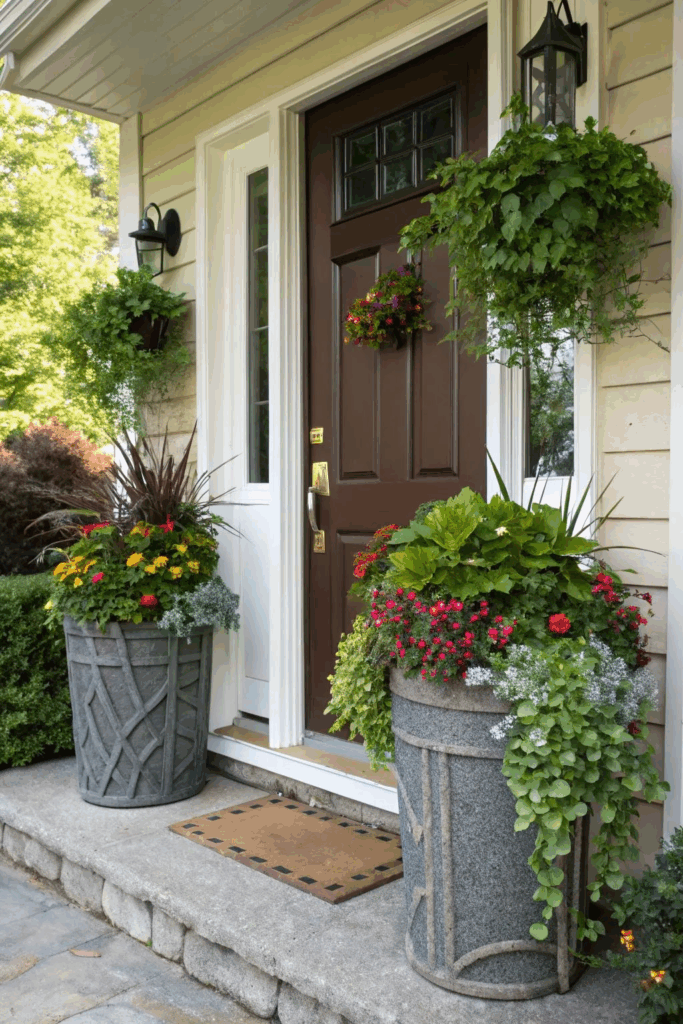
Year-round greenery provides structure and sophistication at the entrance, especially when styled with sculpted topiaries or stately potted evergreens. Whether spiral-shaped boxwoods, conical cedars, or clipped myrtle trees, these plantings bring verticality and permanence to the porch design. Paired urns—often made of stone, cast iron, or modern fiberglass—help define the doorway with formality and height. Symmetry is effective but not required; even a single topiary beside a bench or centered in front of a railing can command attention. Evergreens thrive in containers when provided with well-draining soil, regular watering, and seasonal pruning to maintain shape. Layering smaller accent plants or groundcover like dusty miller, ivy, or pansies around the base adds dimension. For festive transitions, wrap topiaries with twinkle lights or ribbon to reflect holiday themes without requiring replanting. These hardy accents serve both aesthetic and practical purposes by maintaining visual interest when flowering plants are out of season. With minimal upkeep, they offer a polished look that adapts to any porch size or style. Their structured greenery anchors the porch visually, lending a sense of permanence and curb appeal that extends through every season.
Screened porch with loungers and hanging chair
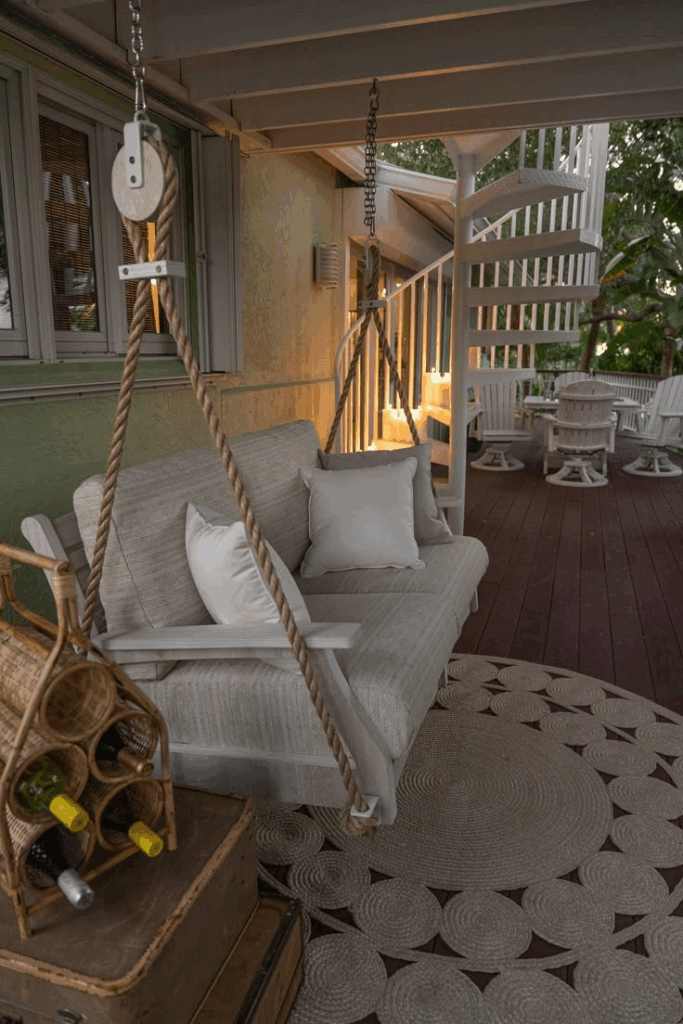
For homes in humid or bug-prone regions, enclosing the porch with screens extends usability and comfort throughout the year. Outfitting this space with a pair of cushioned loungers and a suspended chair transforms it into a breezy retreat perfect for lazy afternoons or evening reads. The screens allow natural airflow while keeping pests at bay, creating an indoor-outdoor blend ideal for temperate climates. Opt for furniture with weather-resistant materials—like teak frames, UV-treated cushions, or powder-coated steel—that hold up under shifting weather conditions. A hanging rattan or macrame chair suspended from a ceiling beam adds a touch of whimsy and movement. Neutral or coastal-inspired textiles maintain a relaxed feel, while a patterned outdoor rug grounds the setup. Including side tables, throw pillows, and potted plants completes the lounging zone and encourages regular use. Ceiling fans or wall-mounted heaters can be incorporated for all-season comfort. This arrangement doesn’t just improve aesthetics—it meaningfully increases the home’s functional living space. The screened design also provides privacy while still feeling open and connected to the outdoors. It’s a lifestyle upgrade that caters to comfort, relaxation, and timeless porch enjoyment.
Nature-inspired Mediterranean clay pot vignette
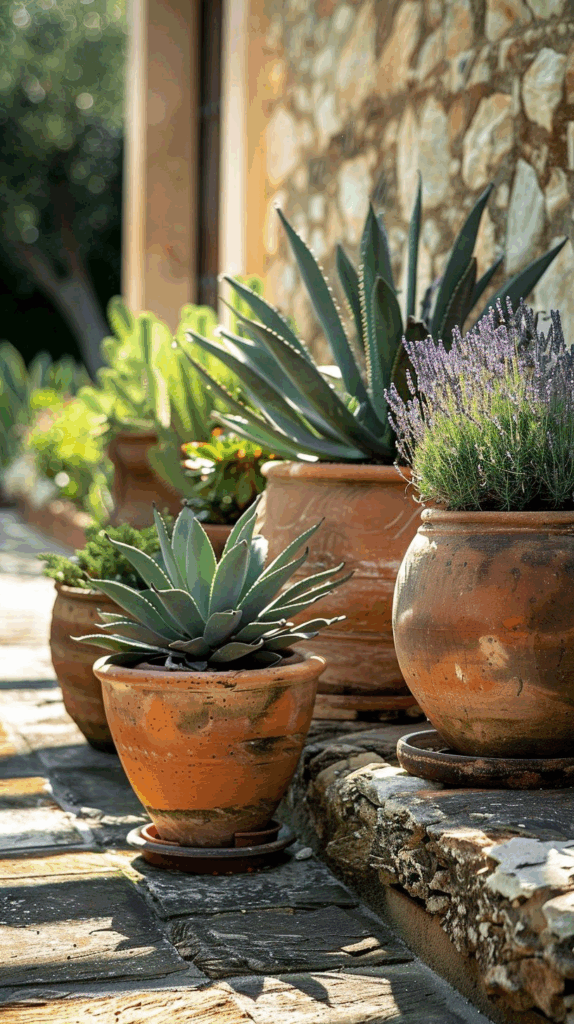
Terracotta and earthenware containers lend a sun-warmed, organic character that immediately recalls Mediterranean courtyards. Arranging a curated mix of clay pots in varied shapes and heights near the porch steps or railings creates a vignette that feels intentional and grounded. Planting options like olive trees, rosemary bushes, lavender, or cascading geraniums reinforce the theme while adding fragrance and texture. For added interest, layer in ceramic pieces with patina or antique glaze finishes alongside traditional unglazed terracotta. To avoid clutter, group pots in odd numbers and vary their diameters while maintaining a consistent material palette. Positioning these clusters at different porch corners or stair edges softens architectural lines and introduces visual rhythm. Decorative gravel, stone tiles, or reclaimed wood crates can act as bases for elevation and cohesion. This style excels in warm, dry climates but adapts to cooler zones with winter-hardy substitutes or seasonal swapping. The earthy tones of the clay contrast beautifully against whitewashed exteriors or darker trim, delivering a rustic charm rooted in simplicity. It’s a budget-friendly way to bring life, scent, and visual weight to the porch while channeling effortless, timeless Mediterranean aesthetics.
Flowering vine drapes over porch beams
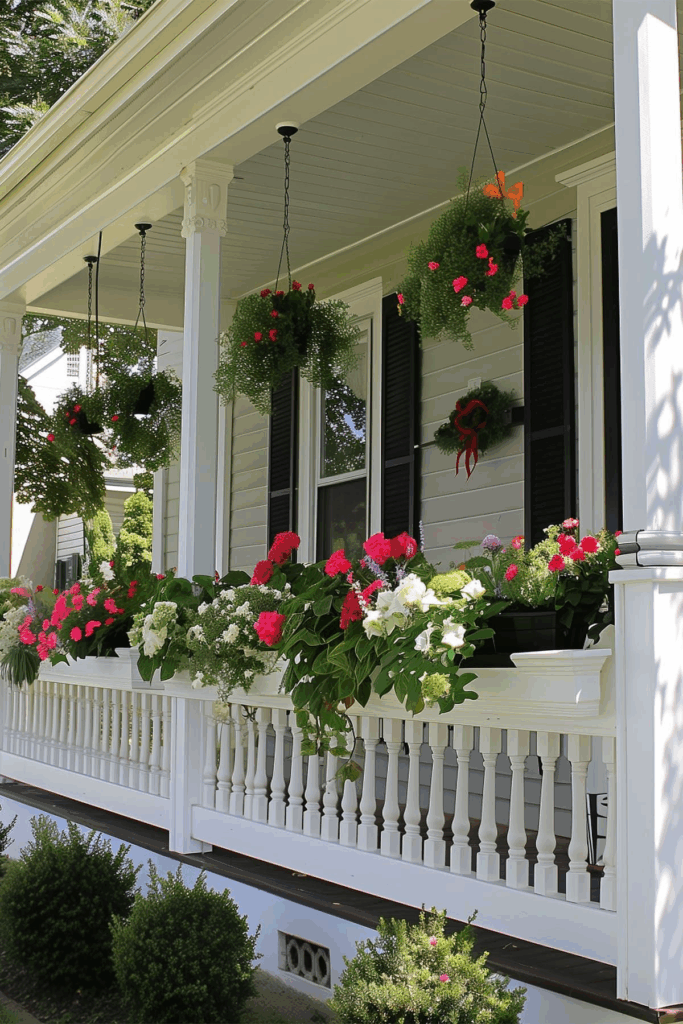
Trailing vines transform overhead beams into living, blooming focal points. When trained properly, plants like jasmine, clematis, wisteria, or climbing roses soften hard architectural lines and add seasonal bursts of color. Anchoring the vines at the base with sturdy planters or ground beds ensures long-term growth while allowing them to twine up columns and across beams naturally. A support system—such as thin trellis wires, lattice panels, or discreet hooks—helps guide growth without damaging the structure. Flowering varieties provide pollinator interest, subtle fragrance, and dynamic movement in the breeze. Regular pruning and strategic watering keep growth controlled while maintaining dense coverage. Variegated or evergreen options like star jasmine or Carolina jessamine offer year-round greenery even after flowers fade. This vertical gardening approach adds height and visual interest without sacrificing ground space. The cascading effect softens transitions between the roofline and landscape, especially effective on porches with pergola tops or exposed rafters. From spring through late fall, the blooms evolve in stages, offering an ever-changing canopy that adapts with the seasons. The result is a lush, immersive experience that elevates the porch from simple entryway to botanical haven.
Wicker or wood furniture for rustic charm
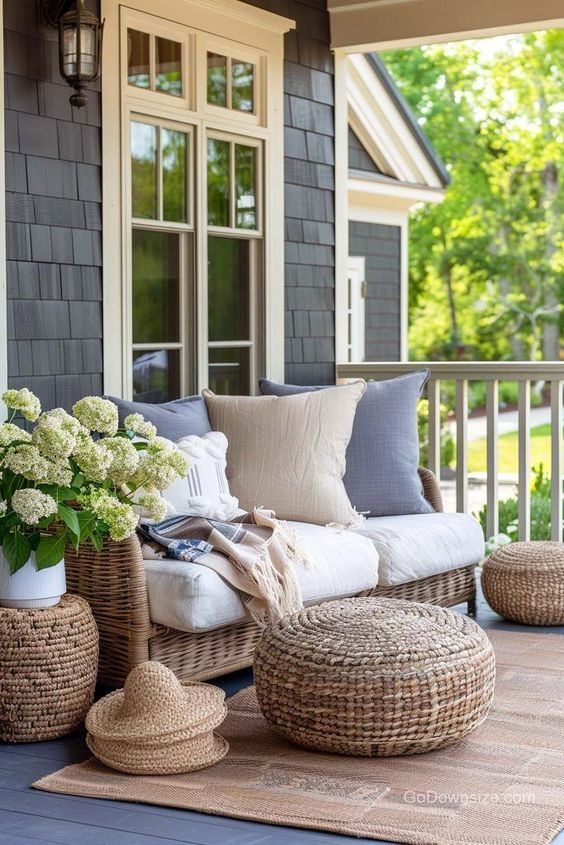
Integrating natural furniture materials like wicker or wood instantly lends a rustic, down-to-earth tone to any front porch setting. These textures bring warmth and authenticity, especially when paired with soft cushions or patterned throws. Weathered teak, acacia, or rattan chairs work beautifully in farmhouse, cottage, or lodge-inspired designs. Durability matters—ensure the pieces are treated for outdoor use, with sealants or UV protection to prevent fading or splitting. Layering textiles in neutral tones or earth-inspired patterns helps blend the furniture with the surrounding greenery and architecture. A small reclaimed wood coffee table or bench anchors the layout and provides functionality without crowding the space. When space permits, add a wicker settee or glider for relaxed, communal seating. These furnishings age gracefully, acquiring character from seasonal exposure while still maintaining charm. Strategic placement near flower pots, lanterns, or an entry rug helps the furniture feel integrated and not floating. This type of material choice connects the porch to nature and reinforces an inviting, homely atmosphere. Whether placed on a covered wraparound or a compact stoop, rustic wood and wicker furnishings signal casual elegance that’s meant to be lived in, not just admired from afar.
Oak frame or wood-paneled ceiling detail
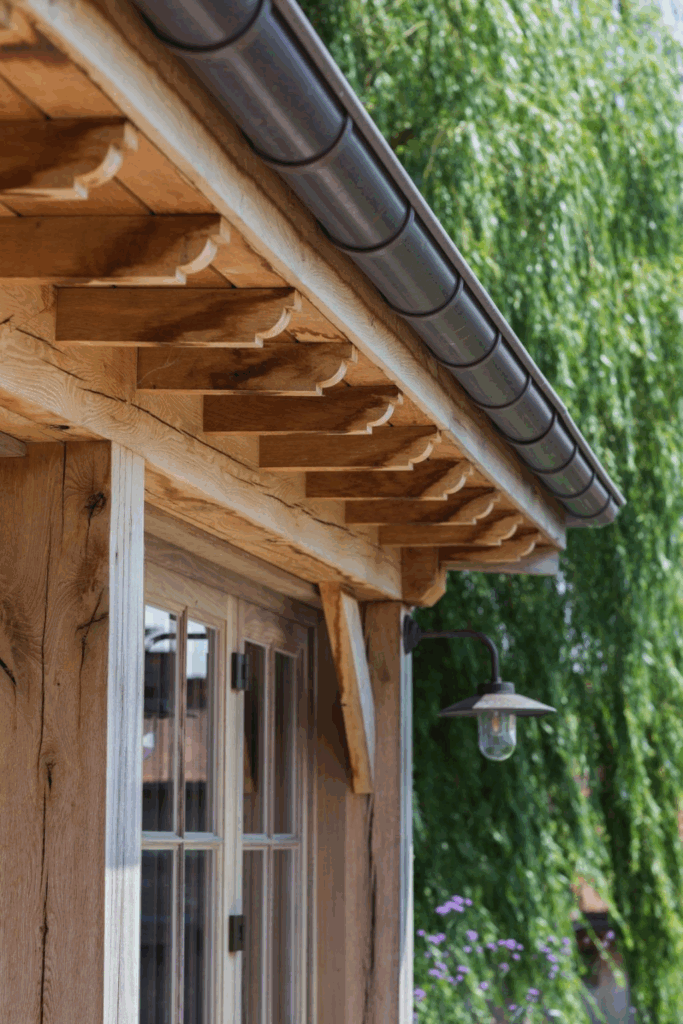
A ceiling treatment made from natural wood—particularly oak or cedar—adds architectural polish and texture overhead. This design detail transforms an ordinary porch cover into a warm, visually grounded canopy that frames the entire space. Stained oak beams can be left exposed for a traditional look or covered with tongue-and-groove panels for a sleeker finish. Whether painted, whitewashed, or clear-sealed, the grain and tone of the wood should harmonize with nearby elements like flooring, railings, and door trim. Recessed lighting can be installed between the panels for subtle illumination, while exposed bulb fixtures or fans accentuate the rustic ceiling character. Wood-paneled soffits or beam wraps also help visually raise the ceiling, making compact porches feel larger and airier. In humid climates, proper sealing and moisture-resistant finishes protect the wood from warping or mold. Pairing this ceiling treatment with other natural textures—like jute rugs or iron sconces—reinforces cohesion. The overhead material isn’t merely decorative—it establishes a sense of shelter, comfort, and design completeness. It draws the eye upward, creates dimension, and transforms the porch into a room-like extension of the home’s interior aesthetic.
Seasonal wreaths tailored to entry decor
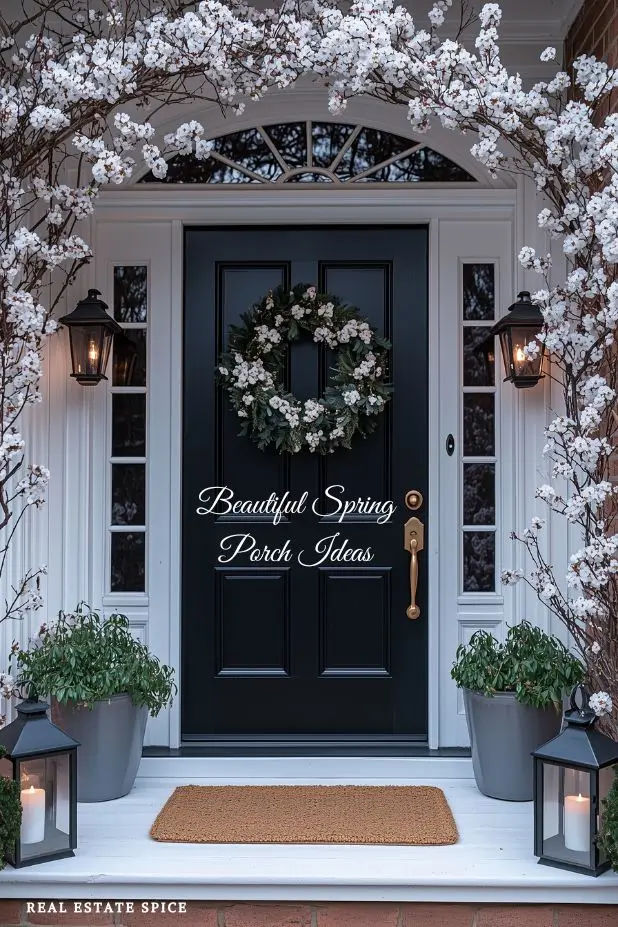
Refreshing the front door with seasonally appropriate wreaths offers a fast, impactful way to update the porch without a full redesign. Whether crafted from autumn leaves, spring florals, pine branches, or coastal grasses, the wreath should align with the home’s broader style and color palette. Choosing a base material—such as grapevine, rattan, or metal—ensures durability and structure throughout shifting weather. For modern homes, minimal eucalyptus rings or monochromatic palettes add elegance, while more traditional homes benefit from full-bodied florals or rustic burlap details. The size matters—ideally one-third to half the height of the door to maintain proportion without overwhelming. Mounting can be achieved via over-the-door hooks, magnetic hangers, or ribbon loops, depending on door type and finish. Matching elements like doormats, planters, or mailbox decor helps create a cohesive seasonal vignette. Swapping wreaths quarterly encourages visual interest and keeps the porch aligned with holidays and climate shifts. Beyond decoration, these accents convey personality and warmth, offering a visual cue that the home is cared for and seasonally attuned. This simple focal point acts as both a greeting and design anchor for the entire front porch space.
Integrated porch architecture (columns/murals)
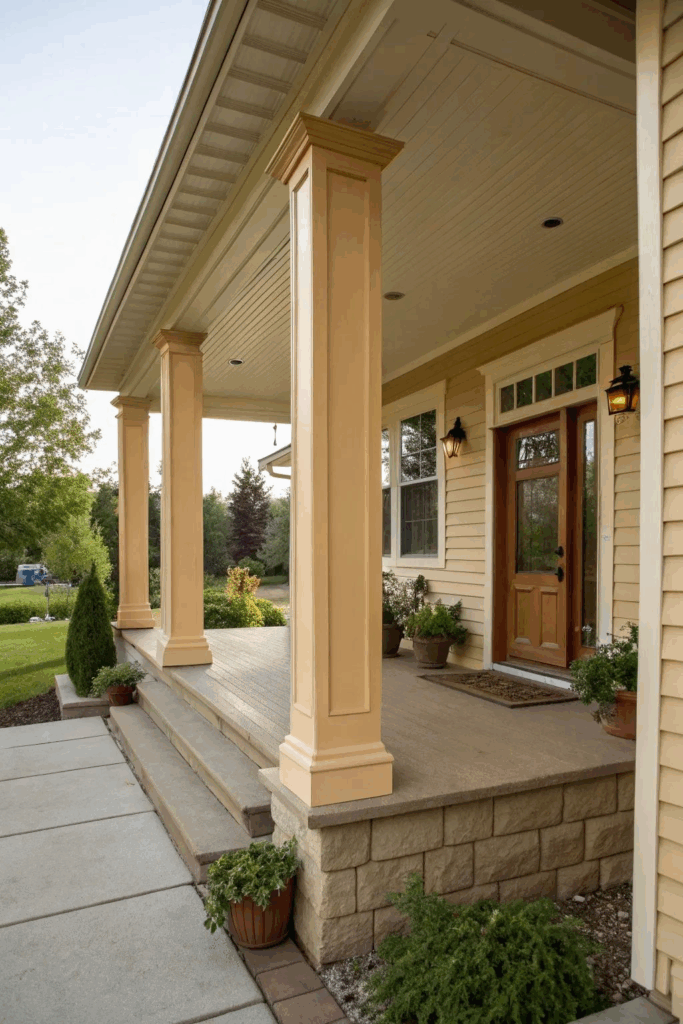
Architectural elements like columns, beams, or built-in murals bring dimension and structure to the porch while reinforcing the overall design language of the home. Columns—whether square, tapered, fluted, or round—can elevate a farmhouse, craftsman, or colonial-style facade. Materials range from stone and wood to composite, each offering varying levels of durability and texture. Painting them to match trim or using contrasting stains can highlight structural lines and draw attention to the entry. Integrating a wall mural or textured surface—like brick, shiplap, or stucco—on an adjacent wall adds artistic personality without cluttering the floor plan. These features should feel like extensions of the home’s original architecture, not add-ons. To maximize impact, accent lighting or climbing plants can highlight key features while softening edges. These architectural enhancements do more than define space—they provide identity. They can frame furniture arrangements, define walkways, or anchor seating zones. With the right planning, even a small porch benefits from such features, which visually expand the footprint and increase design depth. The result is a porch that feels crafted, cohesive, and integral to the home’s full curb appeal experience.
Fragrant herb planters—rosemary or lavender
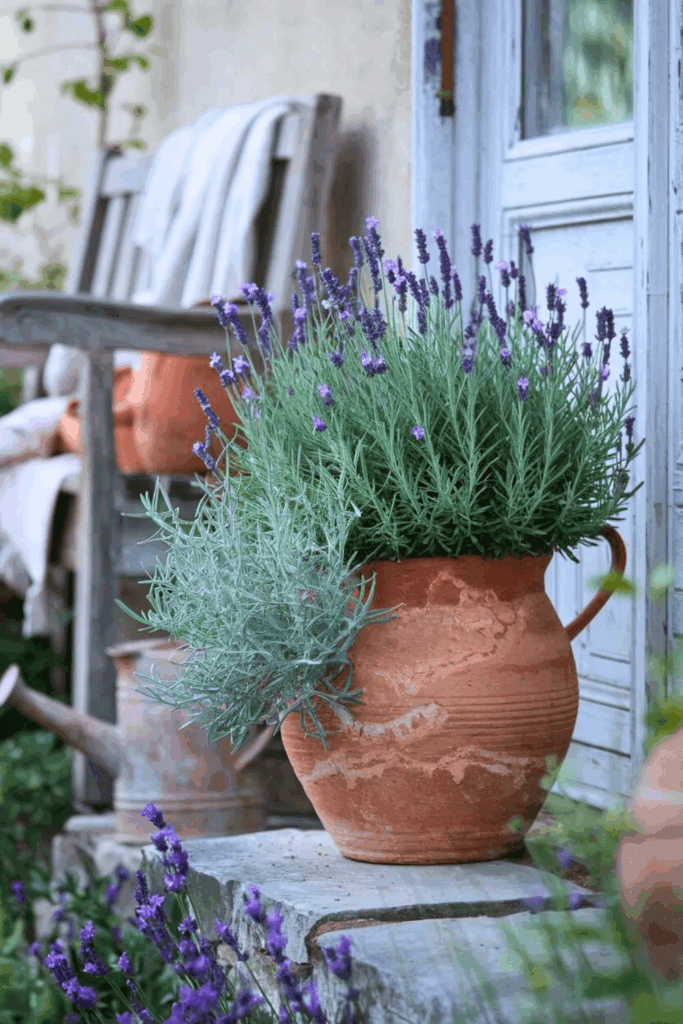
Incorporating fragrant herbs near the front door adds both beauty and function to a porch design. Rosemary, lavender, thyme, and mint offer aromatic benefits while serving as culinary staples, making them ideal for planters that double as decorative and edible elements. These herbs thrive in full sun and well-draining soil, so containers with adequate drainage holes are essential. Grouping them in terra cotta pots or elevated wooden troughs creates a rustic yet purposeful aesthetic that’s easy to maintain. Lavender’s soft purple blooms contrast beautifully against sage-toned foliage and pair well with neutral exteriors. Rosemary’s evergreen needles provide structure and visual interest throughout the seasons. Strategically placing herb planters near seating areas or the front steps ensures guests enjoy their scent upon arrival. Beyond fragrance, these plants repel common insects and attract pollinators, adding ecological value to the entryway. Seasonal trimming helps maintain their shape while encouraging new growth. During colder months, containers can be brought indoors or swapped with hardier decor. This practical greenery introduces life and freshness to the porch, creating a sensory-rich environment that blends visual interest with purposeful planting.