
Limited outdoor space doesn’t have to mean limited style, and thoughtful planning can turn a compact yard into a standout feature of your home. The best small front yard landscaping ideas focus on maximizing curb appeal with practical, low-maintenance solutions that make every inch count. From layering greenery and adding functional pathways to incorporating lighting and accent borders, simple updates can create a welcoming entrance. This guide highlights creative, affordable, and visually appealing small front yard landscaping ideas designed to balance beauty with functionality, helping homeowners transform modest spaces into charming and inviting outdoor statements.
Whisper-Thin Green Buffer Strips
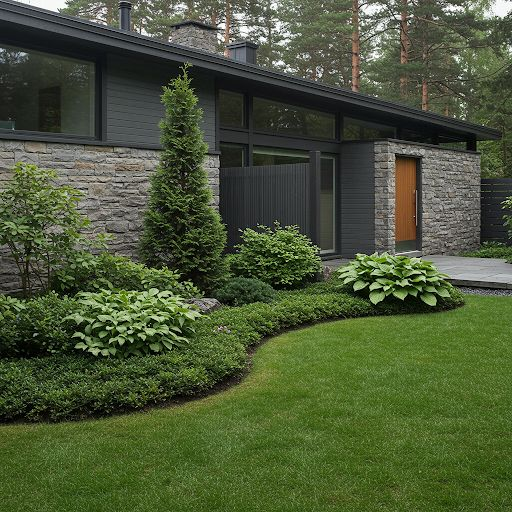
Subtle strips of greenery provide definition without overwhelming a narrow front yard. These slender plantings act as living dividers, guiding the eye and giving a sense of structure along pathways, fences, or property lines. Low-growing species like mondo grass, liriope, or creeping thyme work well because they stay tidy while softening hard edges. Homeowners often appreciate how such strips highlight paving materials or accentuate clean borders between driveways and garden beds. Beyond visual appeal, these plants contribute erosion control and improve soil stability. Keeping the strip only a foot or two wide ensures the yard maintains openness while still benefiting from the layering effect. Selecting evergreen species guarantees year-round consistency, while seasonal bulbs tucked between grasses offer gentle bursts of color in spring. Maintenance stays minimal, requiring occasional trimming or thinning rather than intensive care. Homeowners with modern or traditional architecture can adapt these strips to fit seamlessly, using curving layouts for a natural look or straight lines for a polished effect. This subtle landscaping strategy maximizes curb appeal without crowding valuable space, offering both beauty and practicality in tight front yard layouts.
Vertical Planter Galleries
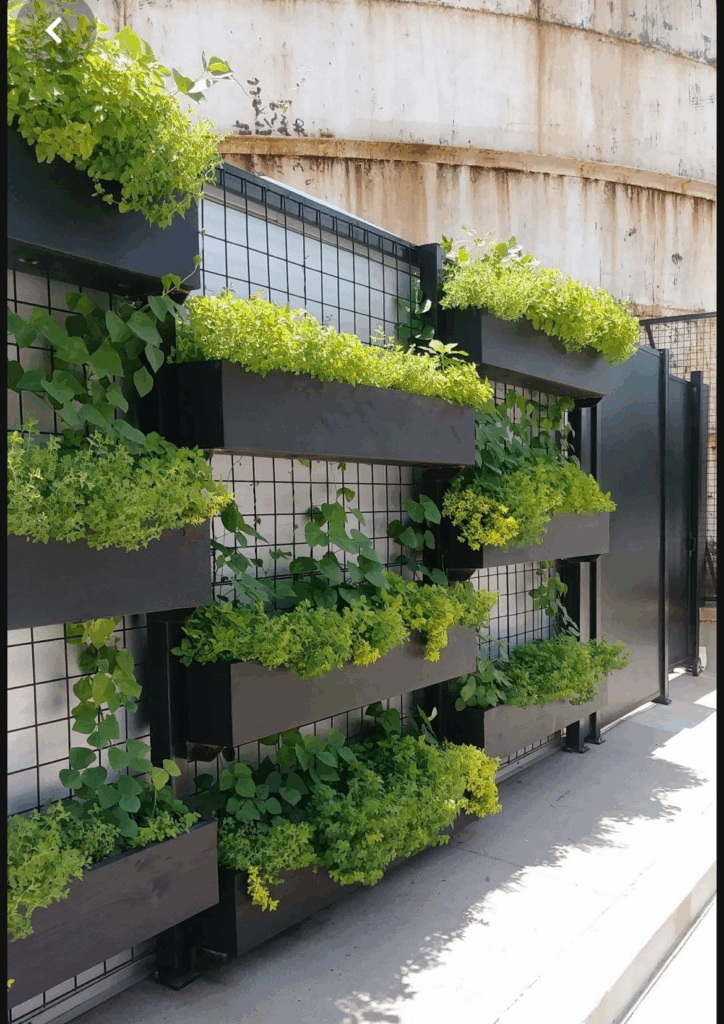
Walls and fences in small front yards often feel like wasted surfaces, yet they present an opportunity to showcase layered greenery. Vertical planter galleries turn blank walls into living art installations, using modular pockets, trellises, or stacked shelves to hold compact plant varieties. Herbs, succulents, or flowering annuals thrive in these elevated spaces, bringing fragrance and seasonal color without consuming ground area. By arranging planters at varying heights, the yard feels more dynamic, offering depth that traditional beds cannot achieve in limited square footage. Homeowners can emphasize design themes by selecting uniform containers for a sleek appearance or mixing rustic terracotta and painted wood boxes for charm. Irrigation systems tailored for vertical displays reduce maintenance, keeping plants healthy with minimal effort. Sunlight exposure should guide plant selection, with shade-tolerant species positioned lower and sun-loving varieties higher. This method not only increases planting capacity but also acts as a privacy buffer along property lines or porch railings. Adding lighting beneath each row accentuates the gallery at night, creating an inviting glow. Vertical planters transform overlooked walls into vibrant garden features, proving especially useful for those who want abundant greenery without sacrificing precious lawn or walkway space.
Dwarf Fruit Espalier Displays
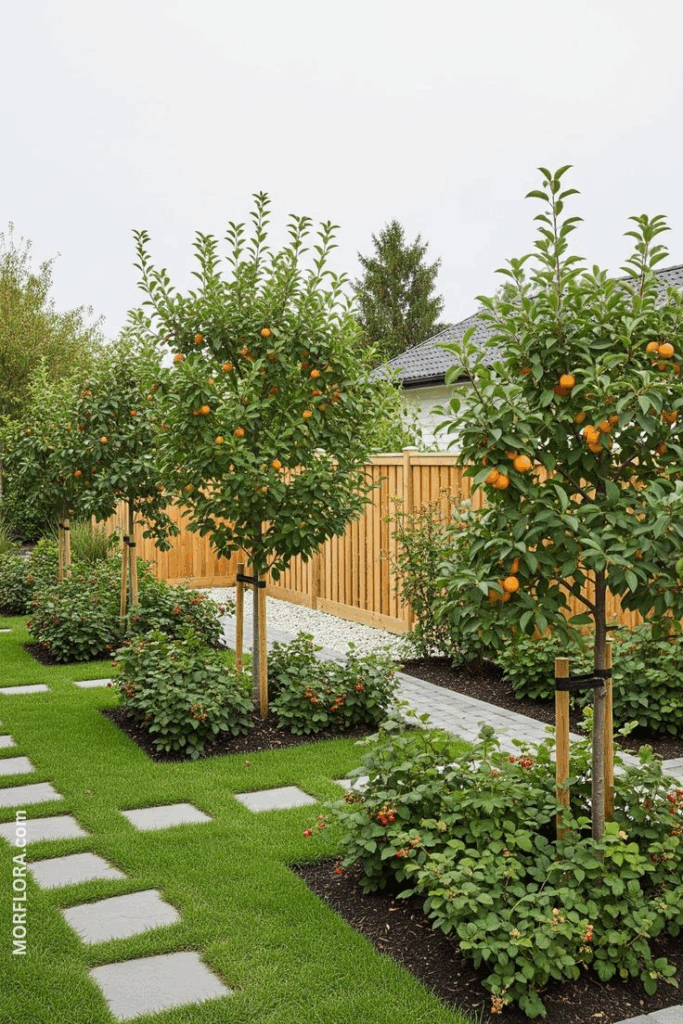
Fruit trees are traditionally large, but espalier techniques allow them to thrive even in restricted front yards. Training dwarf apple, pear, or fig trees against fences or trellises creates structured, two-dimensional forms that double as living sculptures. These displays produce both visual interest and edible harvests, merging practicality with elegance. By carefully pruning branches into horizontal tiers, fan shapes, or candelabra patterns, homeowners create symmetry while ensuring optimal sunlight reaches each branch. Beyond aesthetics, espalier reduces space needs, making it possible to enjoy fruit production in tight urban plots. Seasonal blooms add spring charm, while ripening fruit introduces bursts of color later in the year. Positioned along entryways or property edges, these displays act as natural conversation pieces that elevate curb appeal. Care involves annual pruning and occasional training, but the long-term reward includes years of fruit and striking garden geometry. A key consideration is choosing disease-resistant, dwarf varieties suited to the local climate, ensuring healthier growth with less maintenance. Pairing espaliered fruit trees with underplantings of low herbs or groundcovers further enhances the structured look. This centuries-old gardening practice brings productivity and artistry to small front yards, offering both nourishment and timeless appeal in a compact space.
Statement Pair Planters

Two large planters flanking a front entry instantly establish balance and sophistication in limited yard space. This symmetrical approach directs focus toward the home’s entrance, reinforcing architectural lines while adding seasonal variety through plantings. Oversized urns, tall ceramic cylinders, or sleek metal containers work well depending on the style of the house. For year-round appeal, evergreen shrubs such as boxwood or dwarf conifers maintain structure, while rotating seasonal flowers provide fresh bursts of color throughout the year. Statement planters are especially effective in small front yards where ground beds may be limited, allowing concentrated greenery without overcrowding. Choosing containers that complement exterior finishes—stone against brick, matte black against modern siding—ties the look together. For visual drama, mixing textures within each planter, such as trailing ivy beneath upright ornamental grasses or colorful blooms, creates depth and movement. Practical features like self-watering inserts or lightweight fiberglass materials make maintenance easier while ensuring durability in various weather conditions. Lighting placed at the base of each planter highlights their presence after dark, further elevating curb appeal. With thoughtful selection and seasonal rotation, statement planters provide flexibility and a striking welcome, proving that impactful design does not require expansive landscaping.
Fragrant Hedge Edges
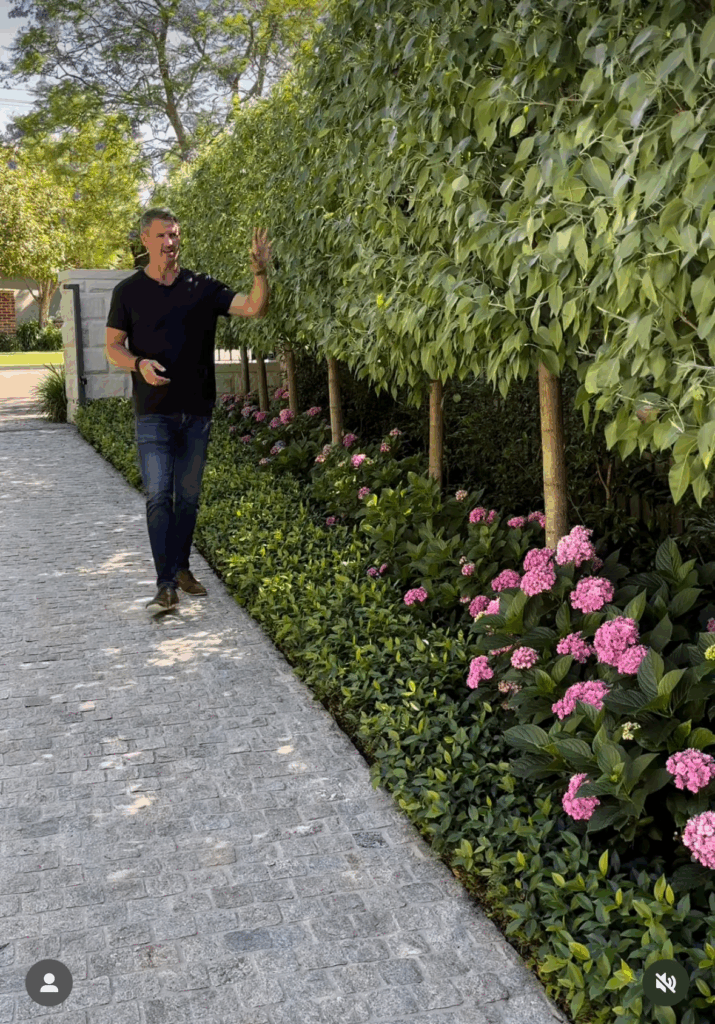
Borders filled with aromatic plants transform the entry experience from ordinary to memorable. Fragrant hedge edges provide both structure and sensory richness, especially valuable in compact front yards. Lavender, rosemary, box honeysuckle, or dwarf lilac varieties make excellent candidates, offering color, texture, and seasonal fragrance that lingers on warm breezes. Planted along pathways or driveways, these hedges invite guests with a natural perfume before they reach the door. Their evergreen structure keeps yards neat year-round, while seasonal blooms add bursts of vibrancy. Unlike taller privacy hedges, these edges typically remain under three feet, maintaining an open, welcoming aesthetic. Regular trimming ensures they stay tidy without overwhelming limited space. Beyond their sensory qualities, many fragrant species attract pollinators, supporting biodiversity in the neighborhood. Low-maintenance irrigation systems can simplify care, keeping plants thriving even during dry seasons. To amplify effect, pairing complementary scents—like lavender with thyme—creates layered aromatic experiences that change throughout the year. These living edges highlight paths, frame driveways, and soften hardscaping with greenery and scent, combining practicality with charm. In a small yard, fragrance adds immeasurable value, turning simple boundaries into immersive, multi-sensory features that guests remember long after they leave.
Seasonal Color Theme Beds
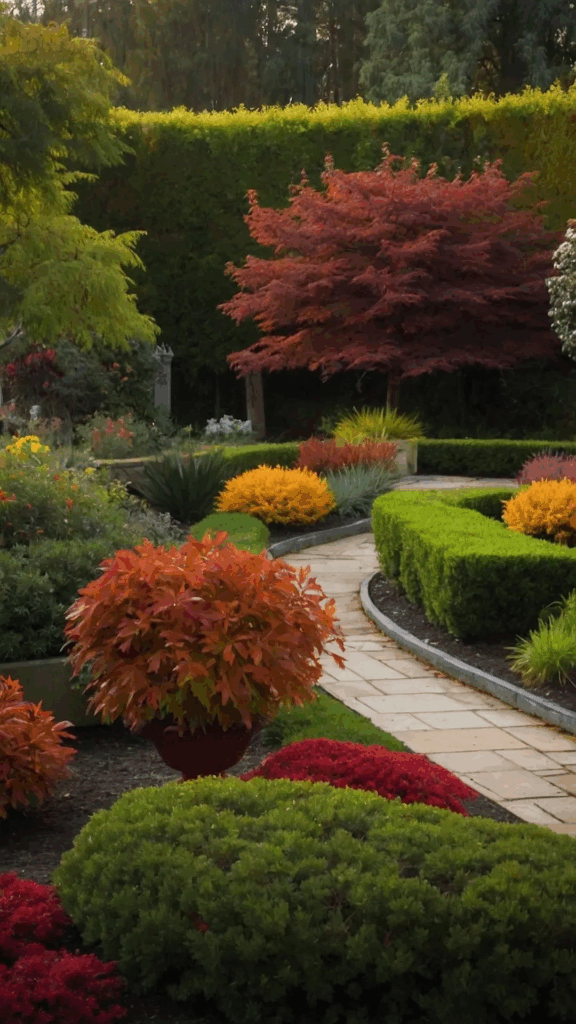
Rotating flower beds by color themes gives small front yards a polished and ever-changing personality. Instead of planting randomly, homeowners can plan seasonal palettes—soft pastels for spring, vibrant reds and oranges for summer, rich golds and purples for fall, and crisp whites for winter interest. This approach ensures curb appeal evolves throughout the year, keeping the yard visually engaging for both residents and visitors. Compact bedding plants such as pansies, begonias, marigolds, or chrysanthemums work well in smaller plots, delivering bold swaths of color without overwhelming the space. For balance, anchoring each bed with perennial greenery like dwarf boxwood or ornamental grasses provides continuity between seasonal changes. Coordinating flower colors with front door paint, shutters, or pathway materials strengthens the home’s overall design harmony. Careful placement of mulch helps retain soil moisture while also making bright blooms pop against the dark backdrop. Raised edging or stone borders can frame each bed neatly, preventing spillover into walkways. Thoughtful planning allows homeowners to swap plants easily between seasons without disrupting structure. By rotating beds with purpose, small yards achieve year-round interest, showing that limited space can still express creativity and style through vibrant, intentional color compositions.
Ornamental Grass Pockets
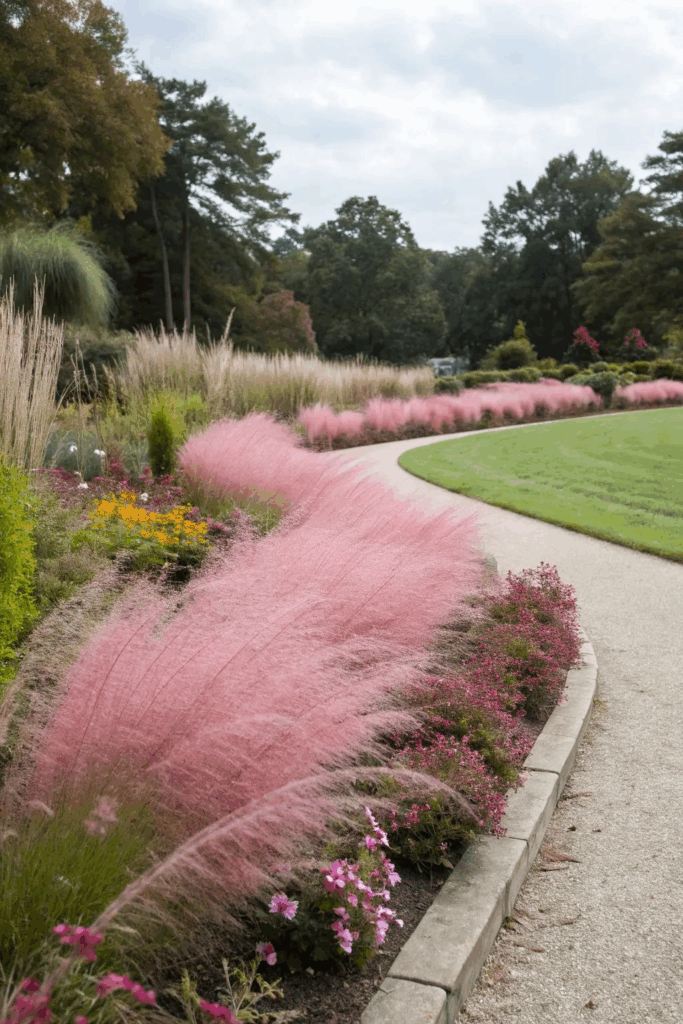
Textural planting with ornamental grasses brings movement and softness to small front yards. Instead of large, sprawling beds, creating pockets of grasses tucked between walkways, stones, or low shrubs provides visual variety without consuming valuable square footage. Species such as blue fescue, Japanese forest grass, or dwarf fountain grass offer compact growth habits suited for tight spaces. Their feathery plumes catch light beautifully and sway in the breeze, adding dynamic energy that flowers alone cannot provide. These pockets function as low-maintenance accents that require minimal watering once established, making them practical for homeowners seeking resilient landscaping. Pairing grasses with seasonal flowers creates contrast—delicate blades next to vibrant petals highlight each other’s qualities. Grouping several small clusters in triangular or staggered patterns enhances balance while maintaining an airy, uncluttered look. Even in colder months, dried grass seed heads retain structure, extending visual appeal year-round. Mulching around bases helps reduce weeds and preserves moisture, simplifying care routines. When placed thoughtfully, ornamental grass pockets soften hardscapes such as driveways and patios while introducing layers of texture. This design strategy turns overlooked corners into natural highlights, ensuring compact yards feel vibrant, diverse, and welcoming without relying solely on flowers or shrubs.
Minimalist Native Grasses & Rocks
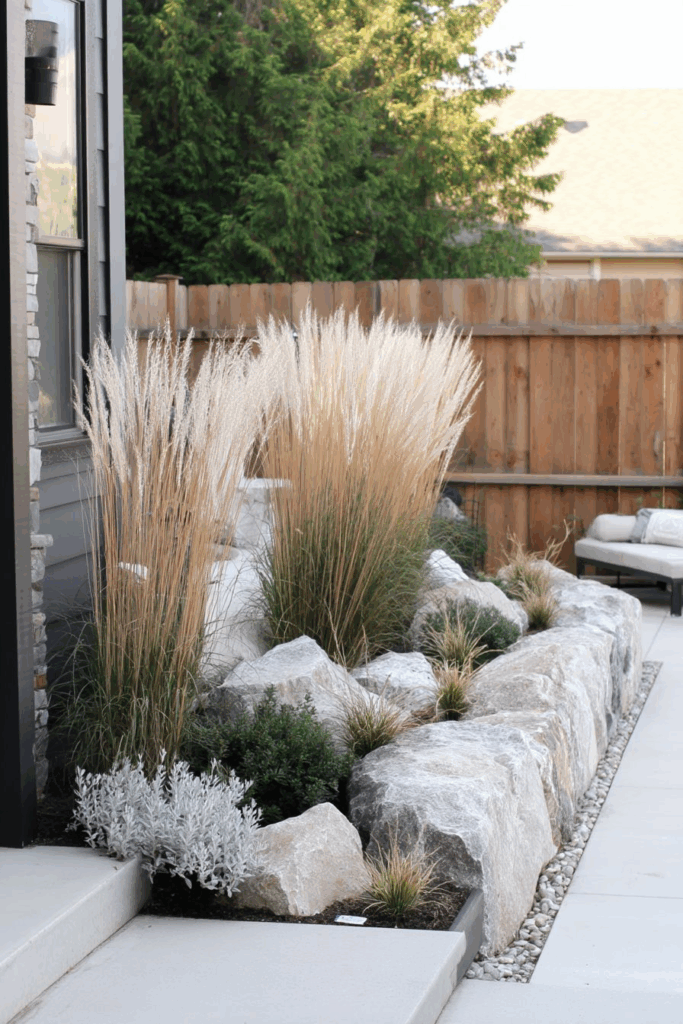
Front yards constrained by space often benefit from low-maintenance landscapes rooted in natural simplicity. Pairing native grasses with strategically placed rocks creates a minimalist aesthetic that feels both intentional and enduring. Native grasses—like little bluestem, switchgrass, or muhly grass—adapt to local climates, reducing water requirements and ensuring resilience against pests. Their upright forms contrast beautifully with smooth river rocks, angular slate, or rounded boulders, creating a balance of softness and solidity. This combination provides seasonal interest, as grasses change hues from green to amber, while rocks maintain year-round structure. The design requires less upkeep than traditional flower beds, appealing to busy homeowners who value sustainability. To keep proportions balanced, grasses can be grouped in odd-numbered clusters around accent stones, creating a natural rhythm across the yard. Low groundcovers such as creeping thyme can be introduced between rocks for added color and fragrance. Gravel pathways woven between these elements amplify the natural feel while offering practical walkability. By sticking to native plants, the design also supports pollinators and regional wildlife, making it ecologically beneficial. This approach balances aesthetics with durability, turning small yards into serene, low-input spaces that celebrate local landscapes while remaining stylish and practical.
Textured Walkway Accents
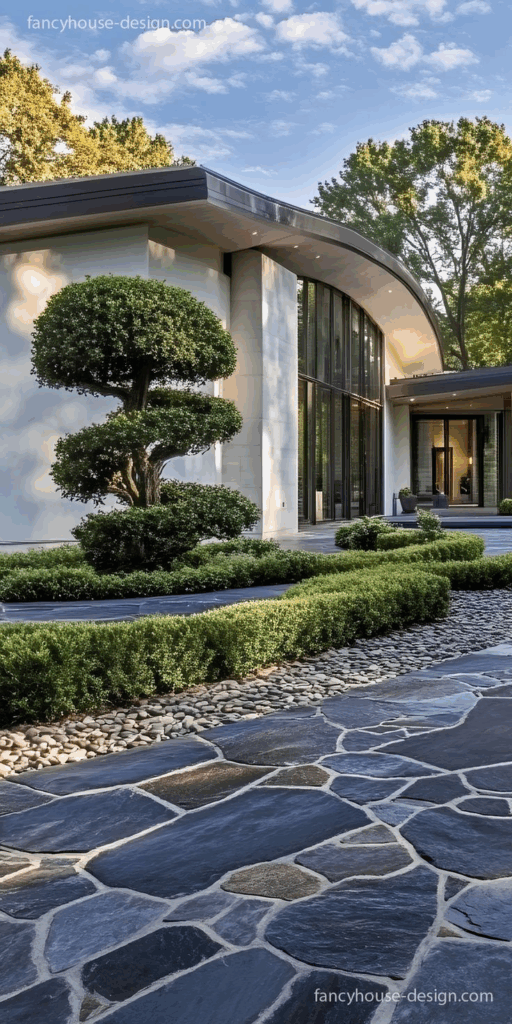
Pathways through small front yards serve both functional and decorative purposes, and textured accents elevate them beyond basic utility. Interspersing materials like natural stone, stamped concrete, or decorative brick inserts adds visual richness to even narrow walkways. Pairing these surfaces with low edging plants—such as creeping Jenny, ajuga, or moss between pavers—softens lines and enhances tactile quality. Textured walkways help guide visitors naturally while providing subtle character that complements the home’s architecture. Lighting placed along edges highlights materials at night, creating safety while showcasing design. For homeowners seeking a classic look, herringbone or basketweave brick patterns offer timeless appeal. Those preferring a modern style might favor smooth concrete paired with dark gravel inlays. Accent details can also be seasonal, with container plants flanking the walkway for bursts of color throughout the year. Functionally, permeable pavers allow rainwater to drain effectively, preventing pooling in compact yards. Contrasting materials—such as stone borders against gravel centers—define pathways clearly while introducing layered interest. Even small stretches of walkway can become striking focal points when textures are varied thoughtfully. This design strategy blends practicality with artistry, ensuring every step through the yard feels engaging and reflective of intentional landscaping choices.
Layered Shrub Borders with Boxwood Base
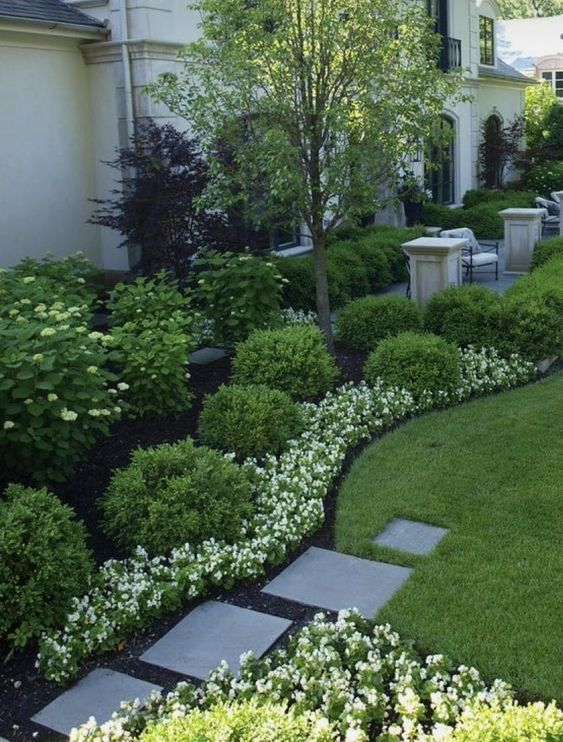
Depth and structure are achieved in limited spaces by layering shrubs, beginning with a foundational boxwood base. Boxwoods provide evergreen consistency, offering a polished frame that anchors the border throughout the year. Above this reliable layer, homeowners can introduce mid-height shrubs such as hydrangeas, azaleas, or dwarf viburnums, creating seasonal interest with blooms and foliage shifts. Taller accents like ornamental holly or dwarf conifers can be staggered behind for vertical variety. This layered approach creates the illusion of more depth, even when yard space is minimal. Edging the base layer with mulch keeps the design neat while aiding moisture retention. For a formal aesthetic, shrubs can be pruned into clean lines; for a more natural effect, allowing slight irregularity softens the overall look. By arranging shrubs in tiered fashion, borders also act as subtle privacy screens without feeling closed off. Seasonal underplantings of bulbs, such as daffodils or tulips, add another dynamic layer in spring. With proper spacing, airflow remains healthy, reducing maintenance demands. Boxwoods provide timeless appeal, and when combined with colorful or flowering shrubs, they establish borders that frame the yard elegantly while maximizing both space and curb appeal.
Water Feature Highlights
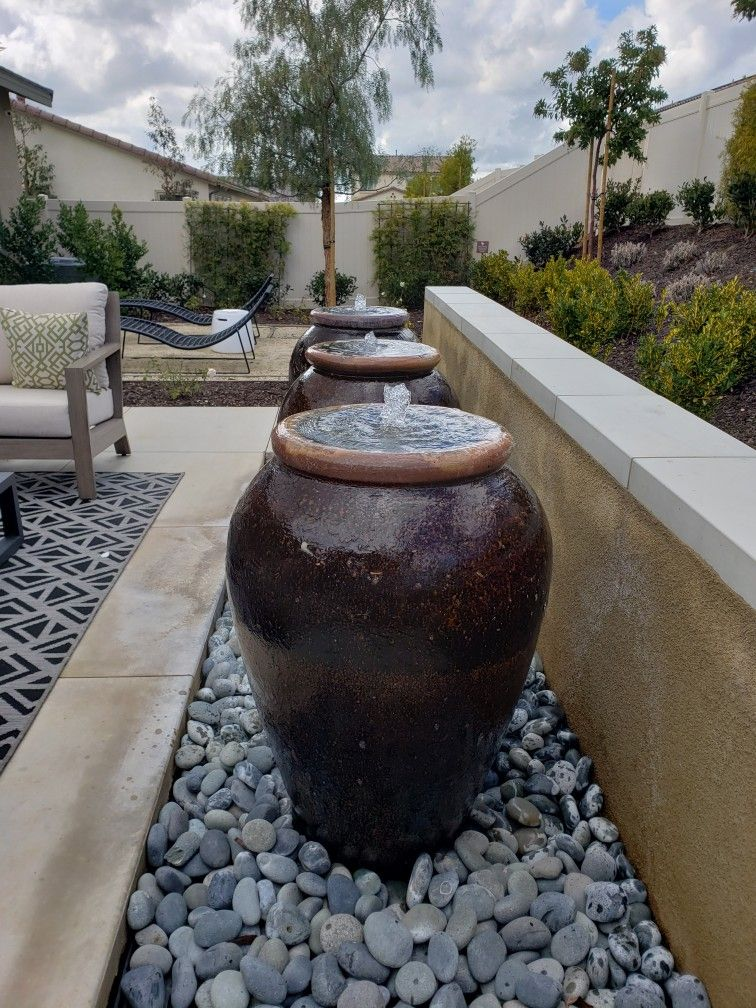
Even in compact front yards, thoughtfully chosen water features bring tranquility and focal appeal without overwhelming the layout. Small fountains, bubbling urns, or pondless waterfalls fit neatly into corners or entry zones, offering soothing sound and reflective movement. The presence of water instantly softens the landscape, balancing hardscapes like stone or concrete with fluid contrast. Homeowners often select self-contained features with recirculating pumps, minimizing both installation complexity and maintenance. Pairing water with surrounding plants—such as ferns, hostas, or ornamental grasses—enhances the natural look while concealing mechanical elements. Strategically placed lighting deepens the effect, creating shimmering reflections during evening hours. Materials should match the home’s exterior, whether rustic stone, sleek stainless steel, or glazed ceramic. For added biodiversity, shallow water basins attract birds and pollinators, enriching the front yard’s ecosystem. Compact yards particularly benefit from vertical-style fountains, which provide impact without occupying broad surfaces. To prevent clutter, keeping the feature as a single highlight ensures it feels intentional rather than forced. Sound levels can also be tailored: gentle trickles for subtle calm or stronger flows for masking nearby street noise. A well-positioned water feature provides both serenity and sophistication, elevating curb appeal while offering a daily moment of calm upon entry.
Raised No-Maintenance Flower Beds
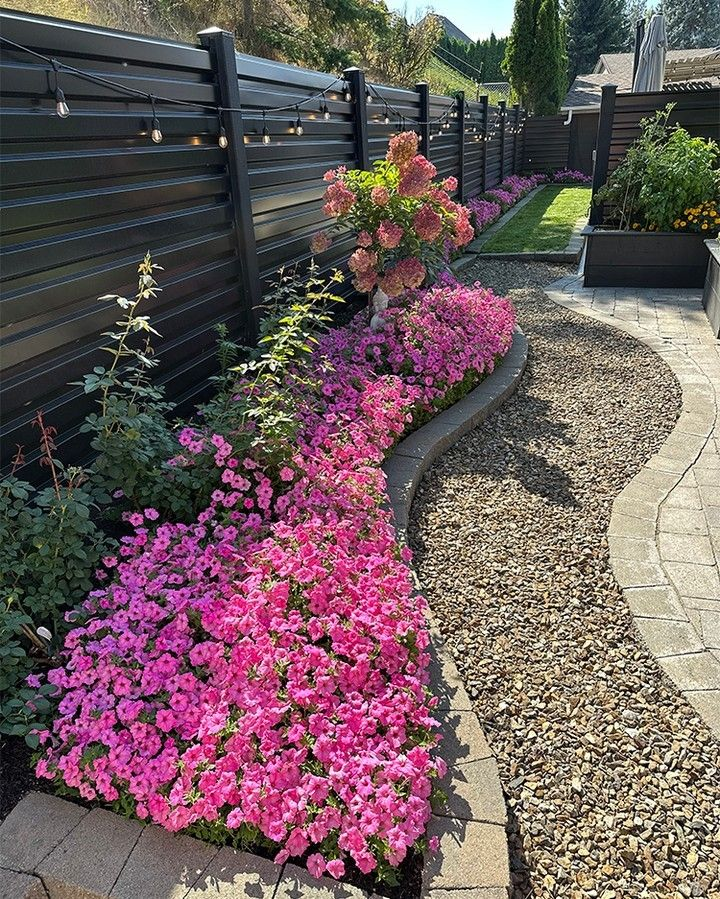
Small yards often require smart planting solutions that minimize upkeep while maximizing impact, and raised no-maintenance beds achieve both goals. Elevated with stone, brick, or metal edging, these beds neatly contain soil and plants, preventing sprawl into walkways or driveways. Homeowners can fill them with low-maintenance perennials such as daylilies, black-eyed Susans, or ornamental grasses, which return annually without extensive care. Mulching the surface further reduces weeding while conserving water, keeping the beds visually tidy year-round. Because they sit above ground level, raised beds improve drainage and reduce soil compaction, ensuring healthier plant growth. Their height also makes them easier to maintain, appealing to homeowners who prefer gardening without heavy bending. Structurally, raised beds provide clean lines that frame a yard, offering organized definition in limited spaces. Adding drip irrigation systems simplifies watering even further, delivering moisture directly to roots. For aesthetic appeal, mixing evergreen anchors with seasonal blooms ensures continuity alongside bursts of color. Stone or wood finishes can be chosen to match the home’s architecture, making the beds appear as integral design features. These contained, practical planting solutions save time and energy while enhancing curb appeal, proving especially valuable in compact front yards where efficiency matters most.