
Vertical design choices strongly influence how an entryway feels the moment someone steps inside. Floor to ceiling drapes introduce height, softness, and architectural balance while improving light control and privacy. When used correctly, they make narrow or low-ceiling entryways appear more spacious and refined. Homeowners often overlook drapery as an entry solution, yet it plays a key role in framing doors, sidelights, and tall windows. This guide explores practical drape ideas that support visual flow, enhance natural light, and complement various entryway styles, helping readers achieve a polished, intentional look without complex structural changes or costly renovations.
Wall-to-Wall Sheer Panels
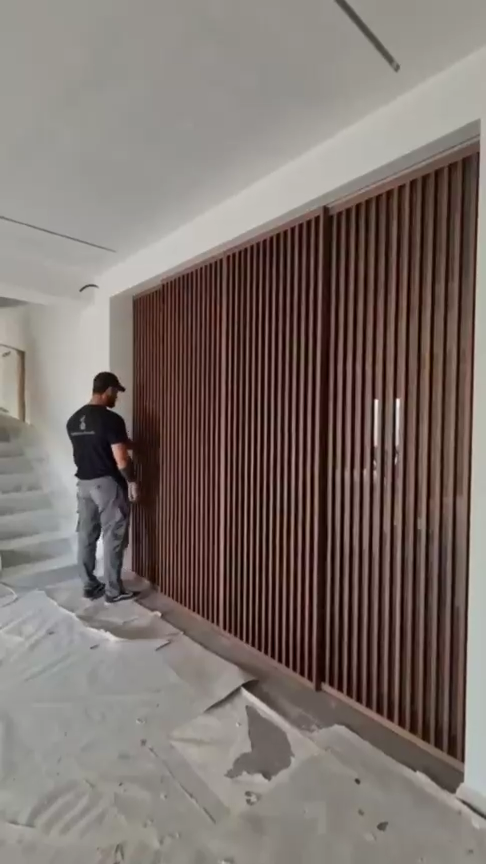
Natural light plays a defining role in shaping a welcoming entryway, and continuous sheer drapes create an immediate sense of openness. Extending fabric from ceiling height to the floor across the full wall softens architectural edges while maintaining brightness. This approach works especially well in narrow or compact entryways where visual expansion matters most. Lightweight sheers diffuse daylight evenly, preventing harsh glare while preserving privacy from outside views. When installed wall to wall, the panels eliminate visual breaks, helping ceilings feel taller and walls appear wider. Neutral tones such as ivory, off-white, or warm sand keep the look timeless and adaptable to seasonal décor changes. Hardware should remain discreet, allowing the fabric to remain the focal point without interruption. Soft movement from air circulation adds subtle elegance without overwhelming the space. This drape style pairs well with minimal consoles, natural wood accents, and stone or tile flooring. Maintenance remains simple, as sheer fabrics are easy to refresh or replace without redesigning the entire entry. For homes seeking a refined yet approachable first impression, full-span sheers offer balance, brightness, and effortless sophistication while keeping the entryway feeling calm, breathable, and thoughtfully finished.
Ceiling-Mounted Track Drapes
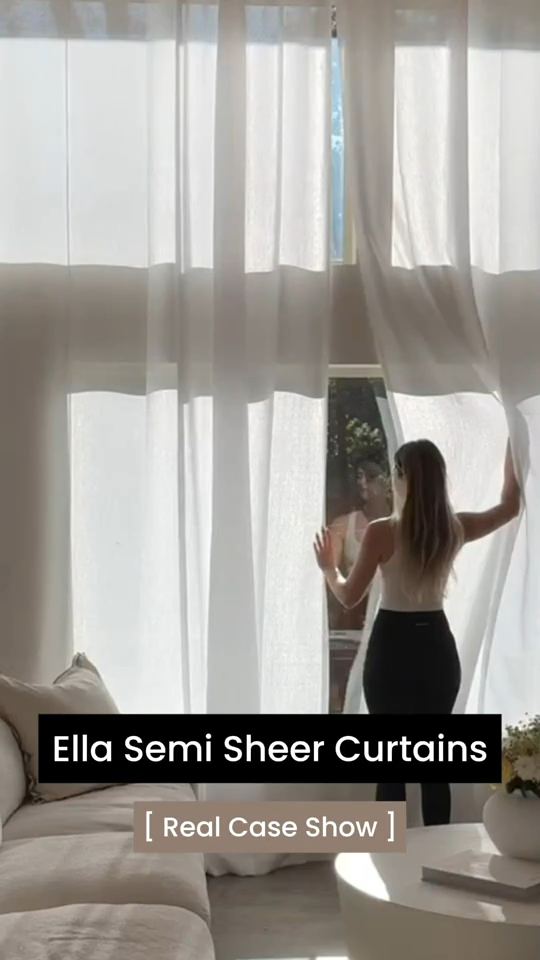
Clean architectural lines benefit greatly from ceiling-installed drapery systems that emphasize height and structure. Mounting tracks directly into the ceiling creates a continuous vertical drop, visually stretching the entryway from top to bottom. This technique removes visual clutter often caused by visible rods and brackets. Tracks allow drapes to glide smoothly, making them practical for daily use near doors or closets. Light-filtering fabrics work well here, offering flexibility between privacy and illumination. Neutral shades maintain cohesion with surrounding walls, ensuring the drapes blend seamlessly into the architecture. This setup is particularly effective in modern or contemporary homes where simplicity drives the design. Floor-length panels conceal uneven wall transitions and soften hard surfaces like concrete or tile. For entryways with multiple doorways or open layouts, ceiling tracks help define zones without permanent partitions. Installation precision is key, as proper alignment ensures symmetry and smooth operation. The result feels intentional and refined rather than decorative. Ceiling-mounted drapes offer a polished solution for homeowners seeking subtle drama, improved proportions, and a tailored entryway that feels thoughtfully planned rather than visually busy.
Single Statement Drape Panel
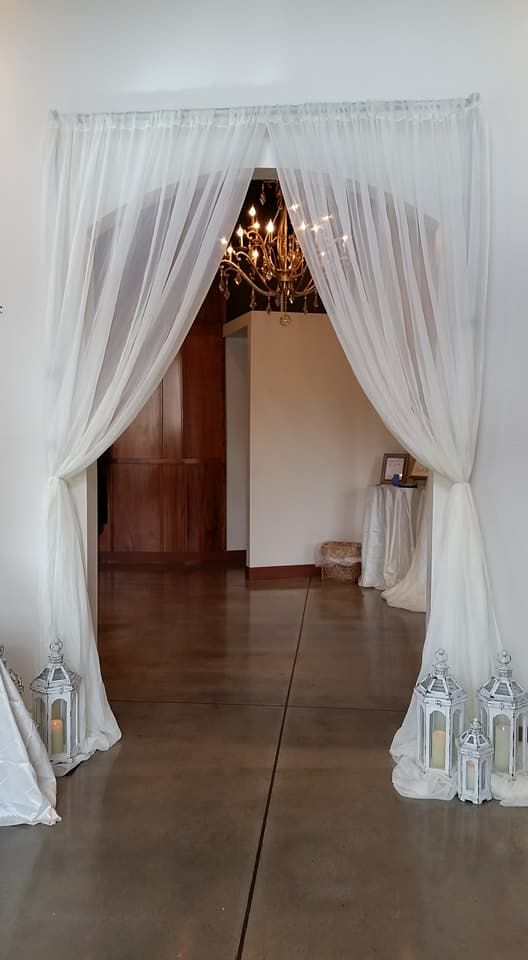
Focused design choices often create stronger visual impact than symmetrical pairings. Using a single floor-length drape panel introduces interest without overwhelming the entryway. This approach works best when one side of the space benefits from softness while the other remains architecturally clean. The fabric becomes a vertical accent, guiding the eye upward and enhancing ceiling height. Textured linens, soft cotton blends, or lightly woven materials add depth while maintaining simplicity. Placement near a side window or glass door allows light to pass through while framing the opening naturally. Color selection should complement surrounding finishes rather than dominate them. Muted earth tones or warm neutrals integrate effortlessly into most entry palettes. A single panel also offers functional benefits, such as covering wall imperfections or softening sharp corners. This layout suits minimalist interiors where restraint defines the aesthetic. Maintenance remains easy, as fewer panels reduce cleaning and replacement needs. When styled correctly, a single drape panel feels intentional, modern, and refined. It provides movement, texture, and visual balance without relying on symmetry, making it ideal for entryways that value understated character over traditional formality.
Neutral Linen Drop Drapes
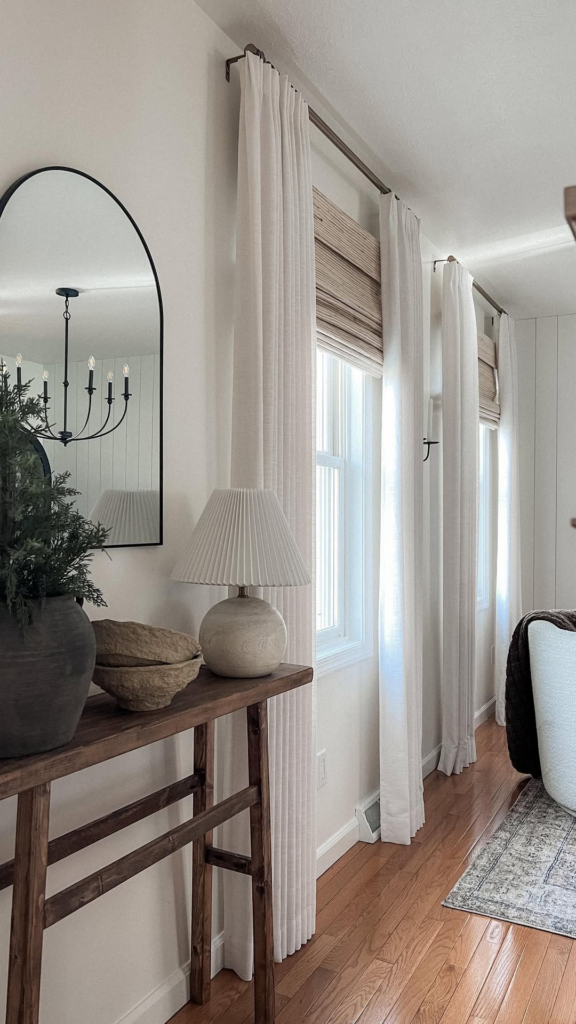
Natural fibers bring warmth and authenticity to an entryway, and linen drapes deliver both effortlessly. Linen’s relaxed weave introduces subtle texture that softens hard architectural lines without appearing heavy. Floor-length panels enhance vertical proportions while maintaining a casual, welcoming atmosphere. Neutral linen shades such as flax, oat, or soft beige work well across varied design styles, from transitional to coastal-inspired homes. The breathable nature of linen allows light to filter gently, preventing the space from feeling closed off. Slight natural creasing adds character rather than imperfection, reinforcing a lived-in elegance. Hardware should remain minimal, allowing the fabric to drape naturally without rigid structure. This style pairs beautifully with wood flooring, stone tiles, and organic décor elements. Linen drop drapes also age gracefully, developing softness over time rather than wearing out visually. They offer a reliable solution for entryways that require balance between structure and comfort. For homeowners seeking an approachable yet refined look, neutral linen drapes provide durability, versatility, and timeless appeal while enhancing the entryway’s overall sense of ease and warmth.
Layered Sheer + Solid Drapes
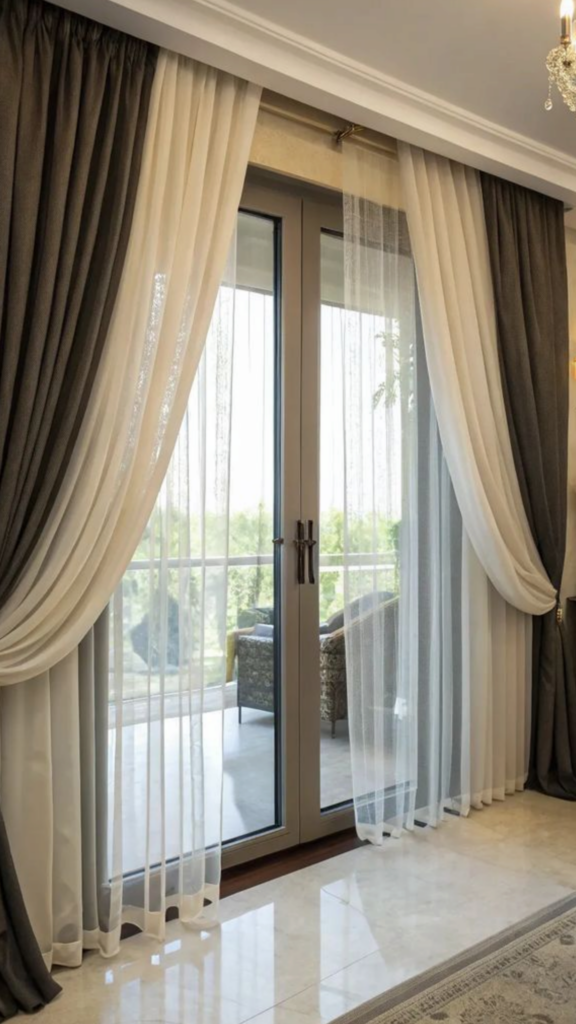
Depth and flexibility define entryways that use multiple fabric layers thoughtfully. Combining sheer panels with heavier solid drapes allows control over light, privacy, and visual texture. The sheer layer maintains brightness during daytime hours, while the solid layer offers coverage when needed. This arrangement creates dimension without clutter, particularly when both fabrics extend fully from ceiling to floor. Neutral color pairings ensure harmony rather than contrast. Soft whites paired with warm taupe or light gray maintain cohesion. The layering effect also improves insulation near exterior doors, offering subtle functional benefits. Visually, the combination adds richness and structure, making the entryway feel complete and intentional. This approach works well in homes with fluctuating natural light throughout the day. Proper spacing between layers ensures smooth operation and prevents fabric congestion. When styled carefully, layered drapes feel elegant without appearing formal. They support both decorative and practical needs, offering adaptability across seasons. For entryways that must balance beauty and utility, layered drapery solutions deliver lasting versatility and refined visual interest.
Corner-Wrapped Drape Styling
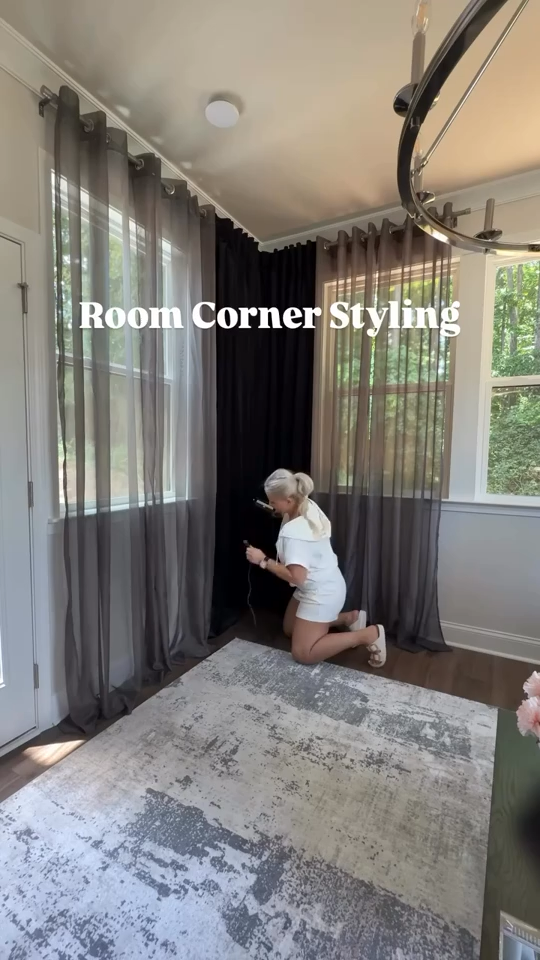
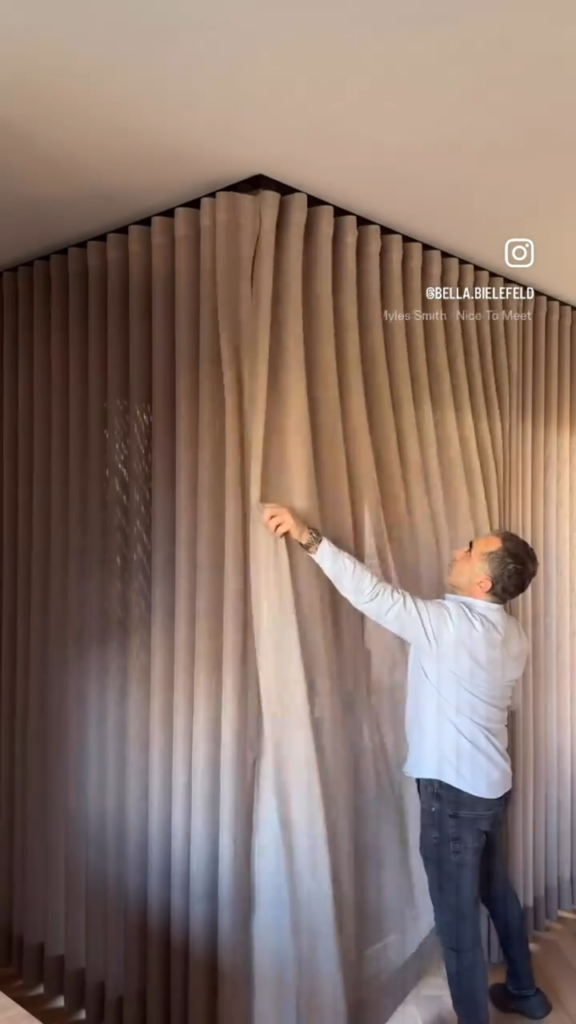
Architectural corners often feel abrupt or underutilized in entryways. Drapes that wrap seamlessly around a corner soften transitions and improve spatial flow. This technique creates continuity across adjoining walls, making the space feel more expansive. Floor-to-ceiling panels conceal sharp edges while maintaining a fluid visual rhythm. Lightweight fabrics work best, ensuring the drapes fall naturally without bulk. Neutral tones keep the look cohesive rather than dramatic. Corner wrapping also helps disguise irregular wall alignments or door placements common in older homes. Hardware installation requires precision to maintain smooth movement across angles. When executed well, the drapes appear custom rather than decorative. This approach suits open-plan entryways where visual boundaries need definition without solid partitions. Soft folds introduce movement and warmth, balancing architectural rigidity. Corner-wrapped drapes also reduce echo and improve acoustics slightly in large entry halls. The result feels intentional and refined, offering a practical solution for challenging layouts while enhancing the entryway’s overall sense of flow and continuity.
Textured Fabric Floor Grazers
Subtle texture adds sophistication without relying on color or pattern. Drapes that lightly graze the floor create a tailored yet relaxed appearance. Textured fabrics such as woven cotton, subtle bouclé, or soft slubbed weaves introduce visual interest while remaining understated. Floor-grazing lengths enhance vertical scale, making ceilings appear taller. This style works particularly well in entryways with clean architectural lines that benefit from soft contrast. Neutral shades keep attention on texture rather than color. Proper measurement ensures the fabric touches the floor gently without excessive pooling. This detail contributes to a polished finish rather than a casual look. Textured drapes also hide wear better than flat fabrics, making them practical for high-traffic entry areas. When paired with simple hardware, the fabric becomes the focal point. This approach supports a refined, welcoming atmosphere without unnecessary ornamentation. Floor-grazing textured drapes offer longevity, adaptability, and quiet elegance, making them a dependable choice for thoughtfully designed entryways.
Soft Taupe or Greige Drapes

Color selection significantly influences the mood of an entryway, and warm neutrals provide balance and versatility. Taupe and greige tones bridge the gap between cool and warm palettes, making them adaptable across different finishes. Floor-to-ceiling panels in these shades add depth without overpowering the space. These colors work well with wood, stone, and metal accents alike. Light absorption remains moderate, preventing the entryway from feeling dim. Drapes in these hues also mask minor dirt or wear, offering practical advantages in busy households. Fabric choice should emphasize softness to maintain a welcoming feel. Proper length ensures visual continuity from ceiling to floor. This color range supports long-term design flexibility, accommodating seasonal décor changes easily. Hardware in matte finishes complements the subtle richness of taupe and greige fabrics. For homeowners seeking reliability without sacrificing style, these drapes provide a neutral foundation that enhances architectural features while maintaining a calm, cohesive entryway atmosphere.
Hidden Storage Camouflage Drapes

Functional entryways often require concealed storage solutions that maintain visual order. Floor-length drapes can discreetly hide storage areas such as coat racks, shelving, or utility closets. When matched closely to wall color, the fabric blends seamlessly into the background. This creates a streamlined appearance without permanent construction. Lightweight yet opaque fabrics work best, providing coverage without bulk. Ceiling-mounted tracks enhance the illusion of continuous walls. This approach allows easy access to stored items while keeping the entryway visually calm. It also offers flexibility for future layout changes. Drapes soften the presence of practical elements, ensuring the space feels intentional rather than cluttered. Neutral tones maintain consistency across the entry. Proper installation ensures smooth operation and longevity. For homes balancing aesthetics with everyday needs, concealed storage drapes offer an adaptable solution that supports organization while preserving a clean, welcoming first impression.
Subtle Patterned Vertical Drapes
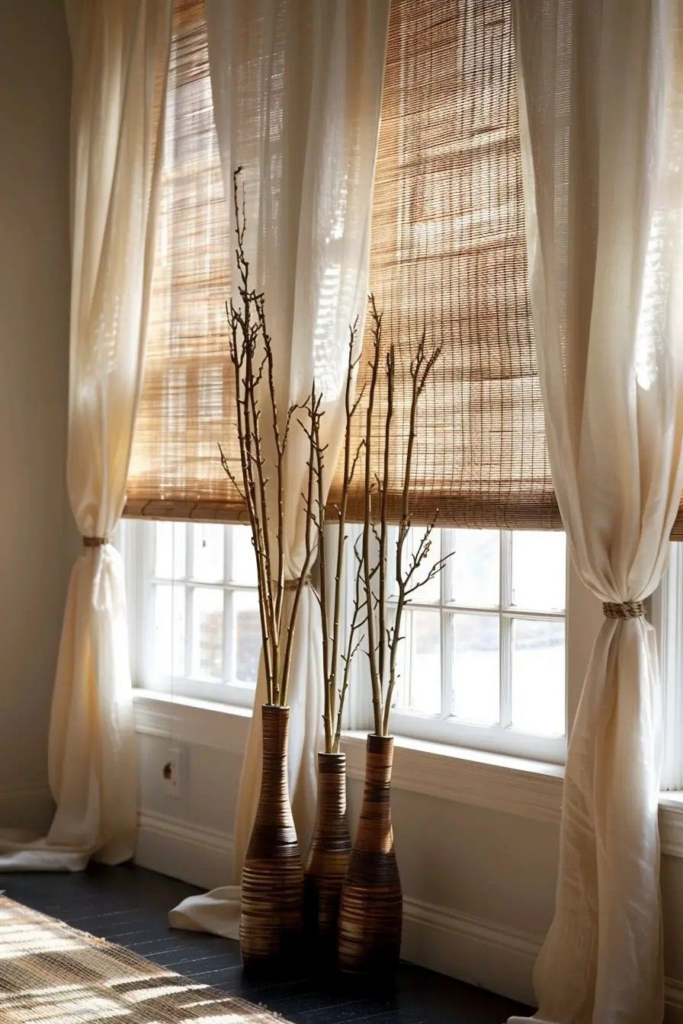
Visual interest can be introduced through restrained pattern rather than bold color. Vertical patterns enhance ceiling height while maintaining elegance. Soft stripes, tonal weaves, or delicate linear motifs add character without dominating the entryway. When patterns remain subtle, they complement architectural lines rather than compete with them. Floor-length installation reinforces vertical flow, guiding the eye upward. Neutral color palettes ensure versatility and longevity. These drapes work particularly well in simple entryways that benefit from added dimension. Fabric weight should remain balanced to allow smooth draping. Pattern scale matters; fine designs feel refined and timeless. This approach introduces personality while remaining adaptable across design updates. Proper spacing and alignment maintain symmetry and order. Subtle patterned drapes offer a refined alternative for homeowners seeking texture and movement without overt decoration, ensuring the entryway feels polished and thoughtfully detailed.
Black Rail Minimal Drapes
Defined contrast can enhance structure when used sparingly. Black drapery rails introduce clean definition without overwhelming the entryway. Paired with neutral floor-length drapes, the hardware becomes a subtle architectural accent. This combination works well in contemporary and transitional interiors. The dark rail anchors the installation visually, providing contrast against lighter walls. Fabric selection should remain simple to maintain balance. Ceiling-mounted black tracks emphasize height while preserving clean lines. This approach suits entryways that favor clarity and order over ornamentation. The rail’s finish should remain matte or satin to avoid visual distraction. Minimal folds keep the look streamlined. This styling choice offers durability and timeless appeal, supporting both function and form. Black rail drapes provide a refined solution for entryways seeking understated contrast and architectural precision.
Season-Switch Neutral Drapes

Adaptability plays an important role in entryway design. Neutral drapes that can be rotated seasonally support both comfort and visual freshness. Lightweight fabrics suit warmer months, while slightly heavier textures offer warmth during cooler seasons. Maintaining consistent neutral tones ensures cohesion despite fabric changes. Floor-to-ceiling length remains constant, preserving proportions year-round. This approach allows subtle updates without full redesigns. Hardware stays unchanged, simplifying transitions. Seasonal drape changes can adjust light filtration and insulation naturally. Storage remains minimal, as neutral fabrics integrate easily into existing décor. This strategy supports long-term versatility and cost efficiency. Entryways benefit from renewed texture and comfort without disrupting the overall aesthetic. Season-switch drapes provide a practical, refined solution for homeowners seeking flexibility while maintaining a polished and welcoming first impression.