
Beneath-deck spaces often go unused, yet with these 12 Best Under Deck Lattice Ideas, they can transform into functional and visually appealing features. Under deck lattice not only conceals unsightly areas but also improves ventilation, protects against pests, and adds a polished architectural detail.
From traditional wood patterns to modern composite styles, the options suit a variety of budgets and aesthetics. This guide highlights creative, durable, and easy-to-install under deck lattice ideas that enhance outdoor living while providing both privacy and charm for your home’s exterior.
Segmented Stair Lattice Zones
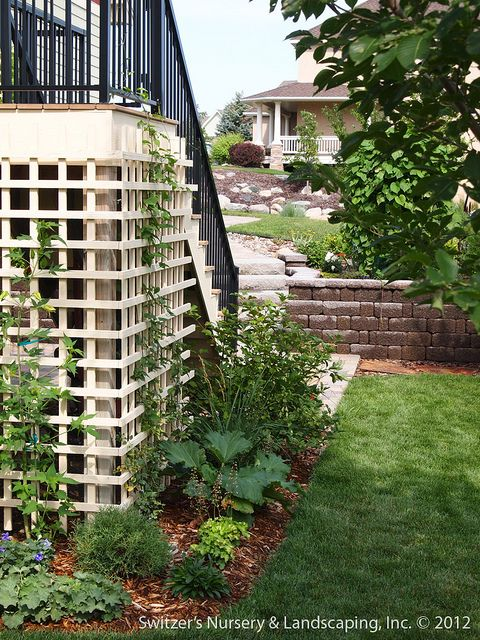
Breaking up long under-stair runs into segmented lattice sections adds both structural rhythm and visual interest. By dividing the area beneath the stairs into framed zones, each lattice panel becomes a design feature rather than just a utilitarian screen. This method allows for varying patterns—such as diamond, square, or decorative cut-outs—within each segment, making the overall look more dynamic.
The segmentation also improves maintenance, as individual panels can be replaced without dismantling the entire skirting. For homeowners concerned with airflow and moisture control, spacing between each zone helps promote ventilation, preventing mold buildup. Pressure-treated wood or PVC lattice panels work well for durability, especially in areas with fluctuating weather. Using trim boards between segments creates a polished, architectural feel, while painted finishes can match deck railings for cohesion.
Some designs alternate between solid panels and lattice for added privacy where needed. This approach is particularly effective for decks with varying stair angles, as each segment can be cut to fit without awkward gaps. Whether painted in a bold accent color or kept in a natural finish, segmented zones provide a crisp, orderly under-deck solution that is easy to customize, visually appealing, and highly functional for long-term use.
Laser-Cut Decorative Panels

Precision-cut metal or composite panels offer an artistic alternative to traditional lattice, transforming the under-deck area into a statement feature. These panels are available in intricate patterns—from geometric grids to organic floral or abstract motifs—that bring a contemporary edge to any outdoor space.
Their high level of detail, achieved through laser-cutting technology, ensures clean lines and uniformity. Powder-coated aluminum or steel options provide exceptional durability, resisting rust and fading even in harsh climates. Composite versions mimic the look of metal while offering lightweight installation and low maintenance. For homeowners who want customization, many manufacturers allow for bespoke designs, ensuring the pattern perfectly complements the home’s architectural style.
When backlit with subtle LED lighting, laser-cut panels create striking shadows and a warm ambiance for evening gatherings. The open design maintains airflow, which is crucial for deck longevity, while still providing privacy from neighboring views. Panels can be mounted in framed sections or as continuous sheets for a sleek, uninterrupted appearance. Color choices range from classic black and bronze to modern white or custom hues. This style is ideal for those seeking both artistry and functionality, turning an often-overlooked space into a design focal point with year-round durability.
Metal Branch-Pattern Lattice

Inspired by nature, metal lattice with branch-like cutouts brings a sculptural, organic touch beneath the deck. Unlike standard geometric patterns, the irregular flow of the branch design softens hard architectural lines, blending seamlessly with surrounding landscaping.
This option pairs beautifully with homes that incorporate wood, stone, or other natural materials in their exterior design. Crafted from powder-coated steel or aluminum, branch-pattern panels resist warping, insect damage, and decay, ensuring long-lasting performance. The openwork design allows light and air to pass through, preventing trapped moisture while offering partial privacy. Installation typically involves framing the panels with wood or metal for stability, and the result is a sturdy yet artistic screen. These lattices look especially striking when paired with climbing plants such as jasmine or clematis, which weave naturally through the openings.
The dark silhouette of the branches contrasts dramatically against light-colored decks or siding, creating depth and visual intrigue. Seasonal decor, like string lights intertwined with the pattern, can enhance its aesthetic appeal for outdoor entertaining. For homeowners looking to balance durability with style, metal branch-pattern lattice delivers a custom-crafted appearance that transforms a functional necessity into an eye-catching feature.
Contrasting Color Grids

Using lattice in a contrasting color to the deck and railing instantly highlights the under-deck area as an intentional design element. A white lattice beneath a dark-stained deck creates a crisp, clean look, while black against a natural wood tone offers modern sophistication.
This approach works with both square and diamond grid patterns, depending on whether you prefer a traditional or contemporary feel. Painting or ordering pre-colored PVC lattice ensures the finish remains consistent and resistant to peeling. To maximize visual impact, pair the lattice color with other outdoor elements, such as furniture frames, pergola accents, or trim details, creating a cohesive yet bold palette.
Contrasting colors also help define the architectural lines of the structure, drawing the eye in a way that blends function and style. For multi-level decks, using one color for the upper railings and a contrasting tone for the lower skirting can break up massing, making the structure feel more balanced. When installing, ensure the lattice is framed neatly so the color contrast appears deliberate rather than mismatched. This method suits both modern homes seeking sleek lines and classic properties aiming for fresh curb appeal, all while providing airflow and coverage beneath the deck.
Storage Access with Lattice Door
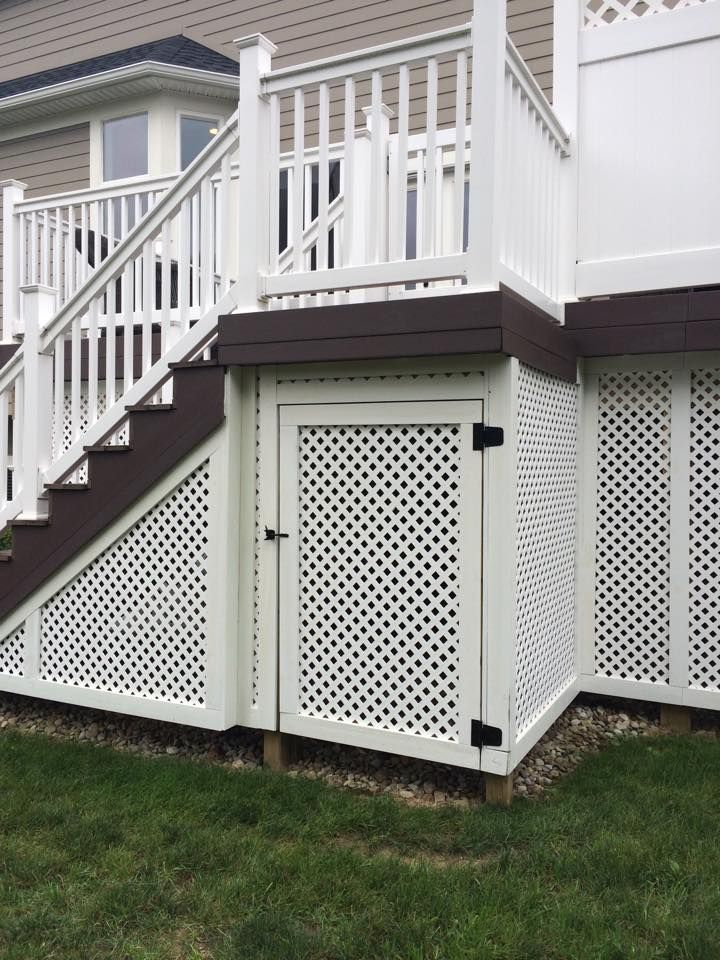
Concealing under-deck storage while maintaining accessibility becomes simple with a framed lattice door system. By integrating a hinged or sliding door into the lattice skirting, homeowners can discreetly store tools, garden supplies, or seasonal items without disrupting the deck’s aesthetics. The door should match the lattice pattern for a seamless look, whether it’s diamond grid, square grid, or decorative cutouts.
For durability, opt for weather-resistant materials like PVC or powder-coated aluminum, paired with stainless steel hinges to prevent rust. Magnetic or latch closures keep the door secure during high winds, while a hidden handle preserves the clean appearance. Framing the door with reinforced trim ensures stability and prevents sagging over time. A well-placed lattice door also improves functionality, eliminating the need to remove large sections of skirting for access.
For added visual appeal, the frame can be painted in a contrasting or complementary color to the surrounding lattice. This design works especially well for decks built over uneven terrain, where storage space beneath can be significant. Thoughtfully designed, a lattice door turns under-deck space into an organized, weather-protected storage area, blending practicality with polished outdoor design.
Perforated Lattice under Steps

Incorporating perforated lattice beneath deck stairs creates a distinctive look while maintaining ventilation. Unlike standard lattice with large diamond or square openings, perforated panels feature smaller, evenly spaced holes that offer a more refined, textured appearance.
This pattern is particularly useful in preventing debris, leaves, and small animals from entering the under-stair space, making it both functional and attractive. Materials such as powder-coated aluminum, PVC, or high-density polyethylene ensure weather resistance and low maintenance, while also offering a variety of color options. Perforated lattice can be installed in framed sections for a tailored fit, ensuring clean edges around stair supports.
For a custom look, coordinate the perforation style with other exterior elements like railing infill panels or privacy screens. This approach also allows for light play, as sunlight creates interesting shadows through the perforations. Adding perforated panels under steps not only elevates the design but also adds a layer of safety by keeping the area clear of unwanted pests. Whether kept in a neutral tone for subtle elegance or bold color for contrast, this style delivers durability, privacy, and a modern design element to stair structures.
Integrated Planter Lattice Front

Combining greenery with lattice skirting creates a visually rich under-deck solution that merges function and natural beauty. An integrated planter lattice front involves designing the skirting with built-in planter boxes along the base, allowing flowers, shrubs, or even trailing vines to grow in harmony with the panel design.
The lattice pattern offers climbing plants a natural trellis, softening the appearance of the deck and enhancing curb appeal. Pressure-treated wood or composite planters work best for longevity, lined with waterproof barriers to protect against rot. This approach is ideal for homeowners aiming to disguise under-deck space while blending it seamlessly into surrounding landscaping.
The planters can be filled with seasonal blooms for changing color throughout the year, or evergreens for year-round greenery. Matching the lattice and planter box finishes ensures cohesion, while drip irrigation systems can be incorporated for easy maintenance. By integrating plant life directly into the structure, the skirting becomes a living feature rather than a static barrier. This method not only improves the aesthetics of the space but also contributes to a welcoming, garden-like atmosphere.
Mixed-Material Frame Skirting

Blending different materials in under-deck skirting offers a layered, custom look that stands out from standard single-material designs. A common combination pairs wood framing with metal, PVC, or composite lattice infills, creating a dynamic contrast in texture and color. The wood frame adds warmth and structure, while the alternative lattice material offers durability and low maintenance. This technique works well for both rustic and modern aesthetics, depending on material choice and finish.
For example, cedar frames around black aluminum lattice evoke a high-end architectural feel, while painted pine with white PVC lattice suits coastal or traditional homes. The framed sections can be built in uniform sizes for symmetry or varied widths for a more contemporary appeal. Metal corner brackets and hardware enhance longevity, especially in climates with heavy rain or snow. The contrast between materials also helps highlight the lattice pattern, making it more visually engaging.
Additionally, this method allows for easy panel replacement without dismantling the entire structure. Mixed-material skirting not only provides functional ventilation but also serves as a personalized design statement, giving under-deck areas a finished, intentional appearance.
Vertical Slat + Lattice Combo
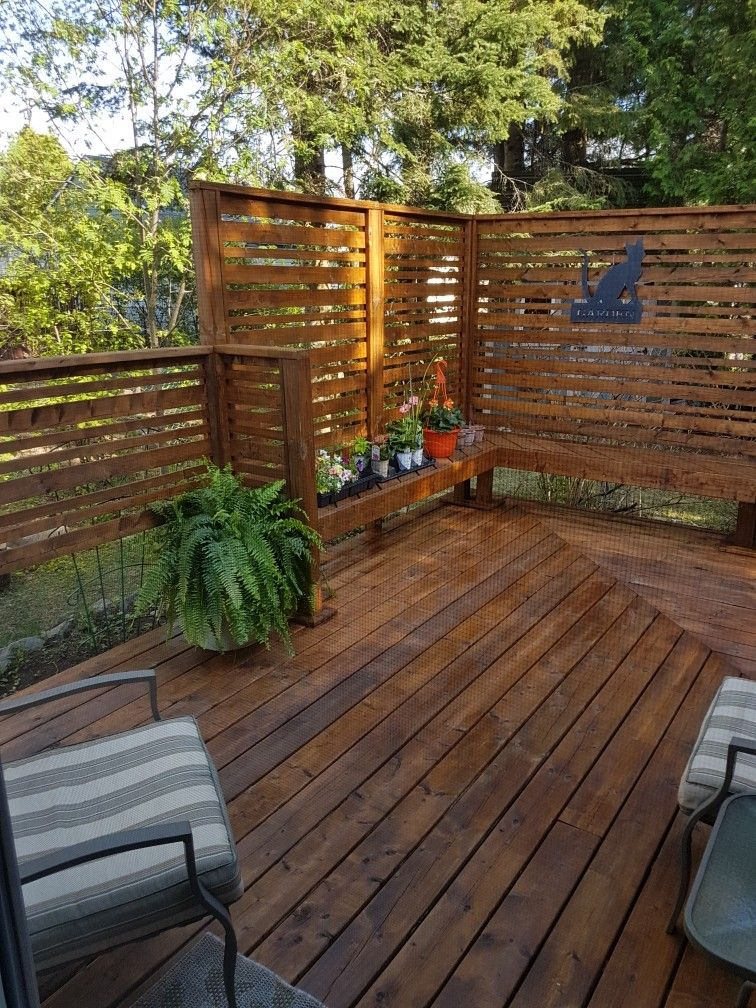
Pairing vertical slats with lattice panels results in a distinctive two-layered skirting design. This style often features solid or spaced vertical boards at the base, topped with a horizontal lattice section for ventilation and light flow.
The solid slat portion enhances privacy, while the lattice adds texture and visual balance. Vertical boards can be painted or stained to match deck posts, while the lattice section can be finished in a complementary or contrasting color for emphasis. This combination works especially well for multi-level decks, as it creates proportion and breaks up visual mass.
By using rot-resistant wood or composite materials, the structure remains durable against weathering. The lattice’s placement above the slats also protects it from ground-level moisture and debris, extending its lifespan. This dual-pattern approach can be framed in sections for a clean, modular look, and is adaptable to both traditional and modern architecture. Homeowners benefit from a skirting design that offers increased privacy without sacrificing airflow, while also presenting an upscale, tailored finish that sets the deck apart from standard builds.
Black Vinyl Lattice Statement

A sleek, modern edge can be achieved with black vinyl lattice, instantly transforming under-deck space into a bold architectural feature. The deep, uniform color provides strong contrast against natural wood, composite decking, or light-colored siding, drawing attention to the design.
Vinyl’s low-maintenance properties—resisting rot, insect damage, and fading—make it ideal for long-term outdoor use. Square or diamond patterns in black offer clean lines that suit both contemporary and transitional styles. When paired with matching black hardware and trim, the lattice appears as an integrated extension of the deck rather than an afterthought. This option is particularly effective in homes with other black exterior accents, such as window frames or railing posts, creating visual harmony.
For added impact, black lattice can be backlit with warm LED strip lighting to produce an inviting glow at night. The material’s easy-to-clean surface keeps it looking crisp year-round, while its durability withstands heavy sun exposure without warping. Choosing black vinyl lattice not only adds a refined, dramatic touch but also ensures practical benefits, making it a standout choice for both aesthetics and performance.
Horizontal/Louvered Lattice Slats

Orienting lattice slats horizontally in a louvered style offers a modern, streamlined under-deck appearance while still allowing airflow. The angled design helps block direct views into the space, increasing privacy without creating a solid, air-restricting wall. This makes it ideal for decks in densely populated neighborhoods where visual screening is important.
Materials like cedar, redwood, composite, or powder-coated aluminum ensure both durability and resistance to warping. The slats can be evenly spaced for a minimalist look or varied in width for added visual interest. Painting or staining the slats to coordinate with deck railings or trim creates a cohesive outdoor aesthetic. Louvered lattice also reduces sun glare and shields stored items from direct rain, making it functional for storage spaces beneath the deck. Installing the slats within a framed border provides structural stability and a finished appearance.
This style works equally well for contemporary homes seeking sharp lines and traditional homes aiming for an updated twist on classic lattice. Its combination of style, privacy, and ventilation makes horizontal louvered lattice an attractive and practical skirting choice.
Partial Lattice with Open Air Gaps

Alternating sections of lattice with open gaps produces a breezy, less enclosed look under the deck. This design approach is especially suited for homeowners who want some coverage without fully concealing the space. The open sections promote maximum airflow, which is beneficial for preventing moisture buildup and extending the life of the deck structure.
Lattice panels can be arranged in framed segments, with spaces in between left open or fitted with simple horizontal or vertical slats. The contrast between filled and open sections adds rhythm and balance to the skirting, creating a more dynamic visual effect. This method also allows for easy future modifications, such as filling in gaps if more privacy is desired. Materials like PVC or treated wood ensure durability, while the framing can be painted or stained to match the deck.
This style works particularly well for decks in landscaped gardens, where the open areas allow glimpses of greenery while the lattice provides partial screening. The result is a fresh, airy skirting solution that blends seamlessly with outdoor surroundings while offering flexible functionality.