
Unused space beneath a deck holds incredible potential for enhancing outdoor living areas when thoughtfully landscaped. With the right approach, this overlooked zone can become a lush garden retreat, a functional storage solution, or an inviting entertainment spot. Under deck landscape ideas can address drainage issues, improve curb appeal, and maximize usable square footage. This guide shares creative, low-maintenance, and visually appealing ways to transform the space under your deck into a purposeful extension of your home’s style and functionality.
Gravel Garden Canvas
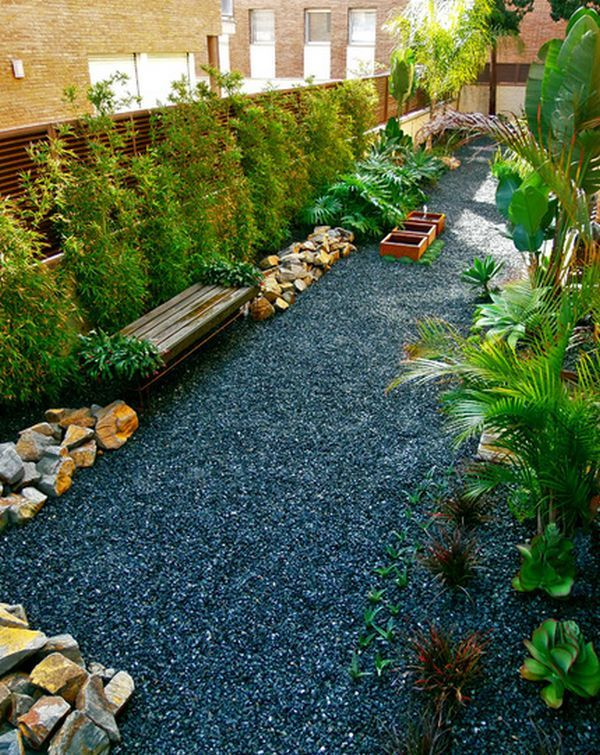
Textured surfaces and organic tones make gravel an adaptable base for an under deck landscape. This low-maintenance choice suits areas with irregular drainage, as the loose aggregate allows water to filter through naturally. Paired with native shrubs or ornamental grasses, the surface takes on a softer appeal while remaining functional year-round. Gravel’s versatility supports pathways, seating zones, and accent borders without the upkeep of turf. Color variation—from warm beige to cool slate—lets you customize the palette to complement surrounding features. To add dimension, use larger river rocks as edging or integrate stepping stones that break up the expanse. Strategic placement of container plants brings seasonal color while keeping root systems above any damp soil. In shaded or partial-sun decks, mossy stone accents can be integrated for a woodland effect. For a refined look, frame the area with treated timber or metal edging to keep the lines clean and prevent stone migration. Low-profile solar lights set within the gravel offer a subtle glow for evening use, highlighting textures and guiding foot traffic. This approach delivers a durable, adaptable, and aesthetically cohesive surface that harmonizes with both contemporary and rustic outdoor settings.
Mini Shade-Loving Oasis
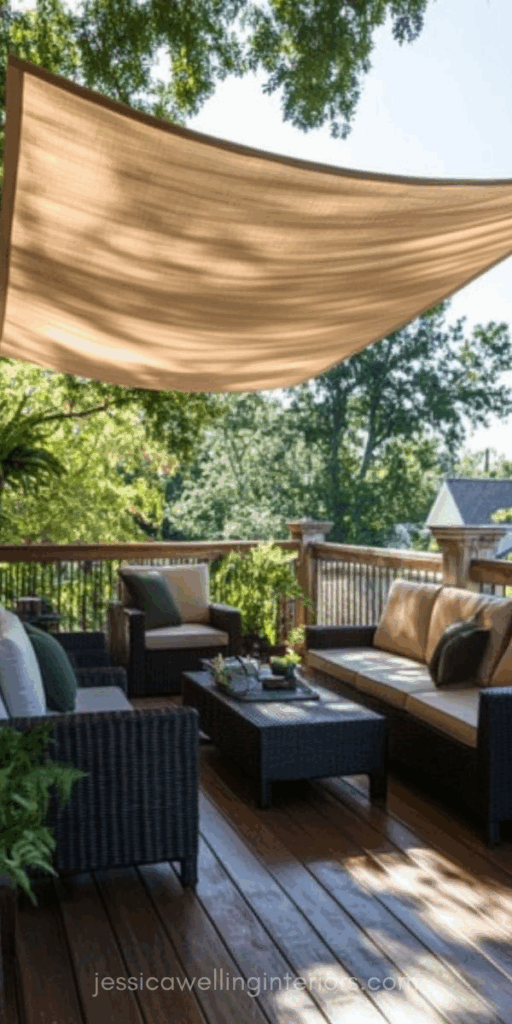
Sheltered areas under decks often become wasted space, but carefully chosen shade plants can transform them into lush hideaways. Ferns, hostas, and astilbes thrive in filtered light, bringing varied leaf shapes and rich green tones. A compact water feature, such as a ceramic fountain, adds movement and sound, masking nearby traffic noise. Mulch or fine bark provides a soft, natural ground cover that retains moisture and deters weeds. Potted plants in staggered heights create visual depth without requiring extensive soil preparation. In smaller footprints, vertical planting frames or wall-mounted planters extend greenery upward, maximizing the ambiance. A narrow bench or a pair of small chairs gives the space an intimate, usable feel for morning coffee or evening relaxation. Decorative stone or brick edging helps define planting beds and keeps mulch neatly contained. Accent lighting tucked among foliage softly illuminates textures after dark, maintaining a tranquil vibe. Choosing hardy, low-maintenance varieties ensures beauty without constant upkeep. This approach turns an overlooked under deck zone into a refreshing retreat that remains vibrant through seasonal changes, perfect for homeowners who appreciate greenery without the demands of full-sun gardening.
Stoney Tiered Retreat
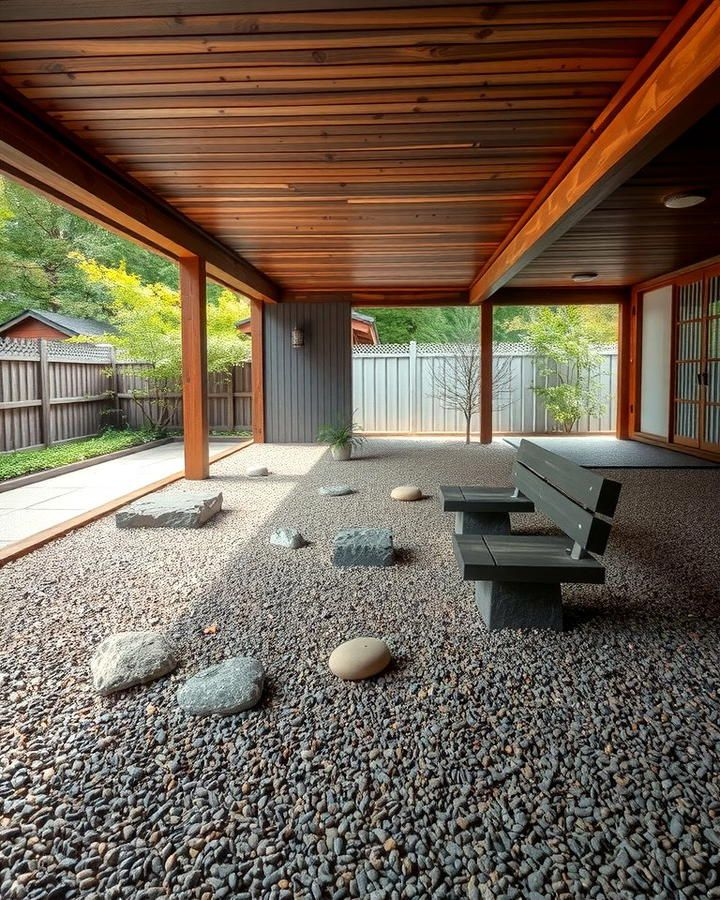
Using natural stone to create tiered levels beneath a deck introduces both functionality and style. Retaining walls built from stacked flagstone, fieldstone, or concrete blocks help manage slopes while defining distinct activity zones. The lowest tier might house a seating nook, while upper levels can showcase potted arrangements or decorative gravel beds. Contrasting textures—smooth pebbles against rugged stone—add visual interest. Planting pockets within the tiers allow drought-tolerant perennials, creeping thyme, or sedums to soften hard edges. Steps integrated into the design ensure easy access between levels and maintain a cohesive flow. For a more refined finish, capstone edges can be polished or uniformly cut. Proper drainage behind retaining walls prevents water buildup, protecting both the structure and the deck above. Low-voltage lighting set into risers or wall crevices adds nighttime charm and enhances safety. The tiered arrangement not only maximizes limited vertical space but also introduces dynamic perspectives, making the under deck area appear larger. This style works especially well in backyards with uneven terrain, turning what might be a challenge into an architectural focal point that blends seamlessly with the overall landscape.
Lush Planter Border
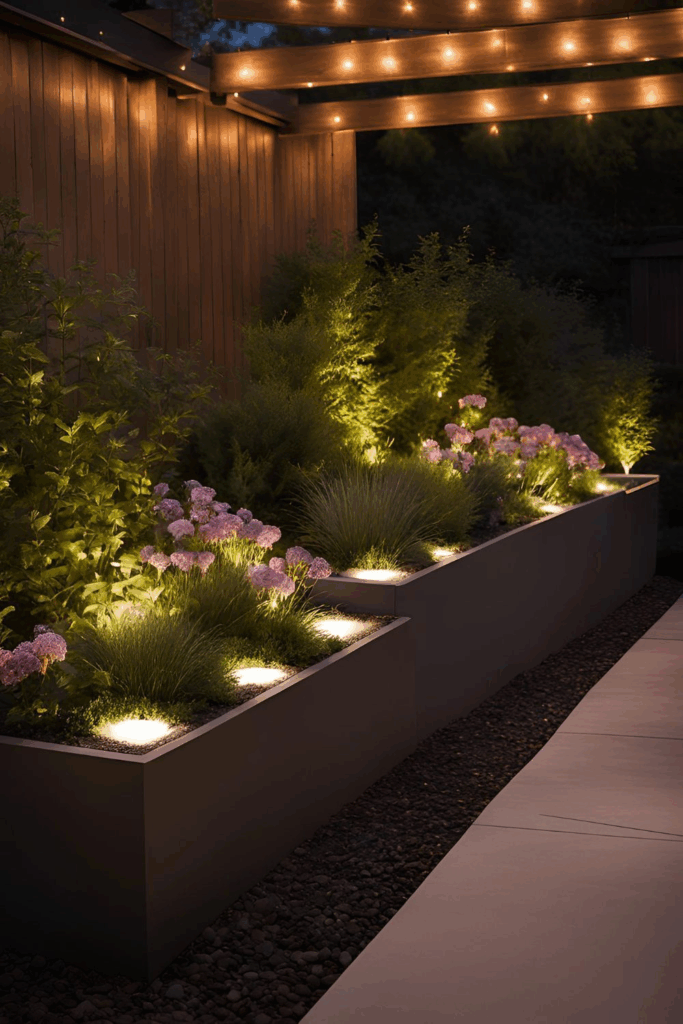
Encasing the under deck perimeter with a continuous line of planters creates a soft transition between structural supports and the surrounding yard. Large, weather-resistant containers allow for flexible planting arrangements that can be updated seasonally. Tall ornamental grasses offer privacy and movement, while trailing ivy or sweet potato vines spill over edges for a relaxed effect. Mixing annual blooms with evergreen shrubs ensures year-round appeal. Planters can be constructed from cedar, composite materials, or galvanized metal, depending on the desired aesthetic. For added cohesion, select a uniform color or finish for all containers. Positioning them slightly forward from the deck’s edge leaves room for discreet accent lighting that uplights foliage at night. Drip irrigation systems hidden within the planter line simplify watering, particularly in warmer months. Decorative mulch or stone around planter bases keeps the ground tidy and suppresses weeds. This approach offers design flexibility without requiring permanent in-ground beds, making it ideal for renters or those who enjoy experimenting with new plant combinations. By framing the under deck area with thriving greenery, the space feels intentionally integrated into the rest of the landscape.
Curtained Lounge Nook
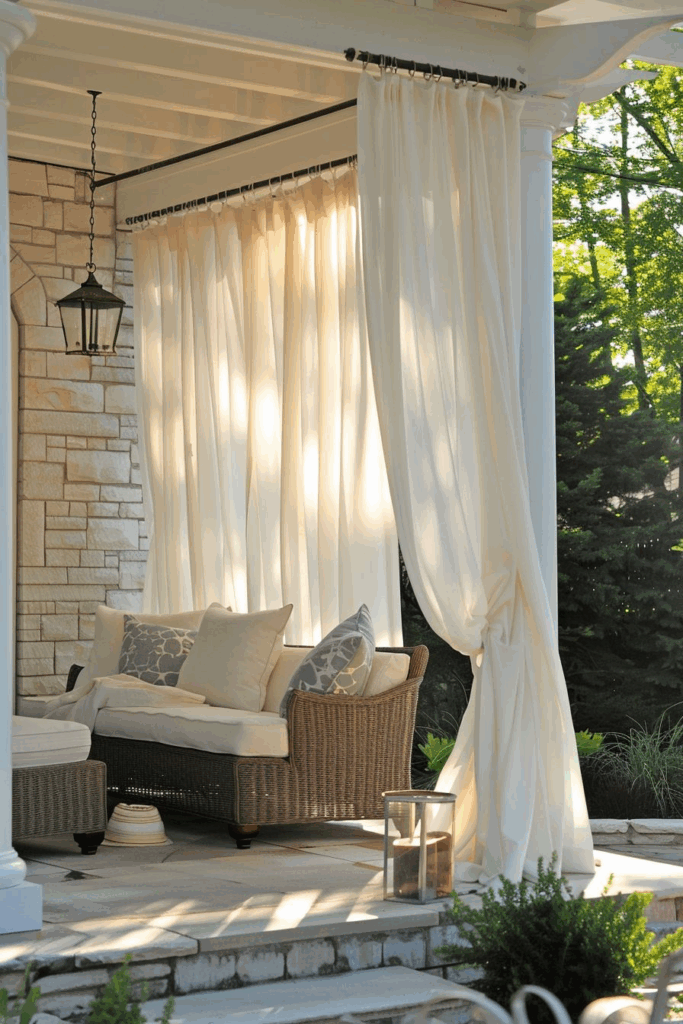
Soft fabric drapery instantly transforms the under deck space into an inviting lounge. Outdoor-rated curtains in weather-resistant materials provide both shade and privacy while allowing airflow. Hung from discreet rods or tension cables, they can be drawn fully open to welcome light or closed for an intimate atmosphere. Inside the nook, low seating such as cushioned sectionals or rattan loungers encourages long, relaxing stays. A durable outdoor rug defines the floor space, adding comfort underfoot and protecting the surface beneath. To maintain a cozy feel, layer throw pillows in weather-safe fabrics with patterns that tie into surrounding garden colors. Overhead string lights or a single pendant fixture create a gentle evening glow without overwhelming the space. Incorporating potted greenery in corners softens structural lines and blurs boundaries with the garden beyond. For areas exposed to wind, heavier curtain fabrics or tie-backs keep panels in place. This setup offers a flexible retreat for reading, entertaining, or simply unwinding, while the flowing textiles bring a sense of luxury to a once-unused area beneath the deck.
Paver-Patio Foundation
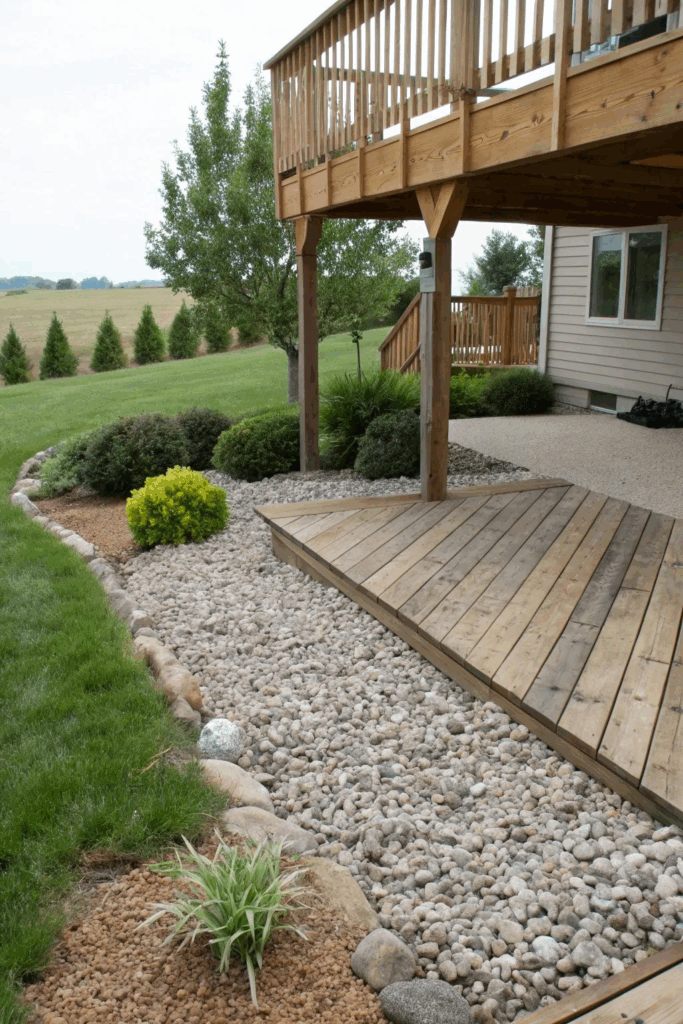
Laying a paver surface beneath the deck establishes a stable, weather-resistant foundation that’s as attractive as it is practical. Concrete, brick, or natural stone pavers create a level area for furniture, grills, or potted displays, while their interlocking design offers durability against shifting soil. Patterns like herringbone, basketweave, or running bond bring subtle design interest, and edging pavers in a contrasting tone can define boundaries. Sand-filled joints promote drainage, helping prevent water pooling during heavy rains. To enhance comfort, outdoor rugs can be layered over the pavers, adding texture and color. Surrounding the perimeter with low planting beds or gravel strips blends the patio into the landscape while reducing maintenance around edges. Solar or low-voltage lights embedded between pavers offer understated illumination for nighttime use. This option works well for homeowners seeking a clean, low-maintenance flooring that handles foot traffic and furniture weight with ease. The result is a polished, functional surface that elevates the under deck area into a usable, visually appealing extension of the home.
Swing and Sit Spot
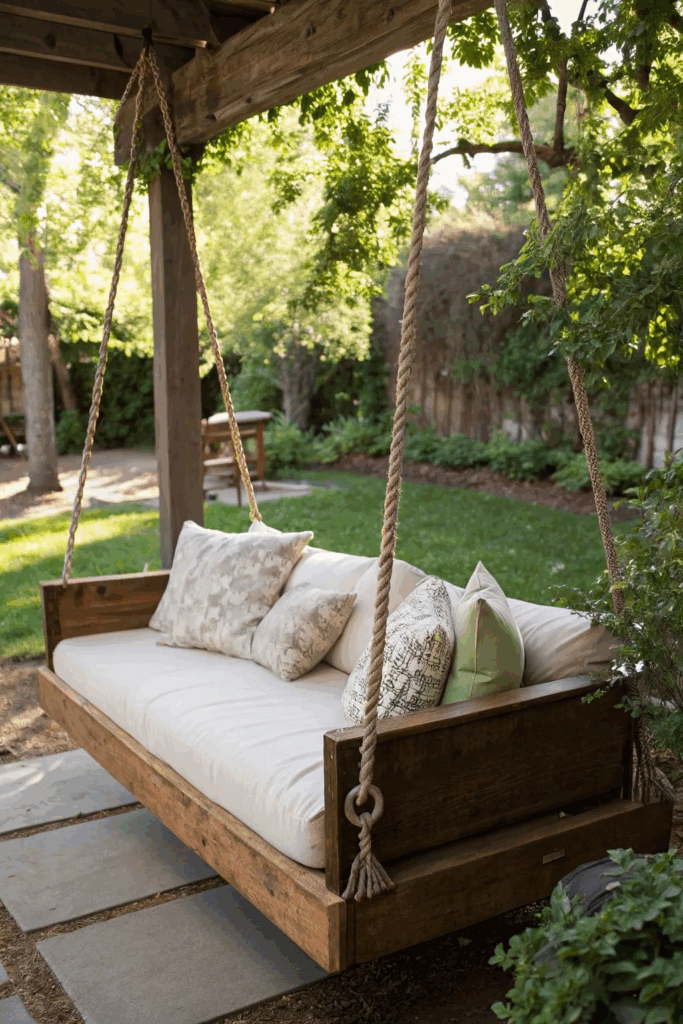
Integrating a hanging swing or cushioned bench under the deck invites a sense of relaxation and charm. A sturdy frame or reinforced beams ensure safety for suspended seating, while weather-resistant cushions offer year-round comfort. Surrounding the swing with low planters or flowering shrubs creates a framed view that feels like a private hideaway. A compact side table nearby provides a resting place for drinks or books. Grounding the space with a crushed stone or wood chip base reduces mud and helps with drainage. Adding wind chimes or a small wall-mounted water feature enhances the sensory appeal, bringing gentle sound into the mix. Adjustable shade sails or bamboo screens can shield from direct sun or add privacy when desired. Evening use becomes magical with fairy lights or lanterns draped around the seating area. This arrangement turns unused space into a destination for quiet moments, casual conversations, or simply enjoying the garden’s seasonal changes from a sheltered vantage point.
Multi-Level Functional Patio
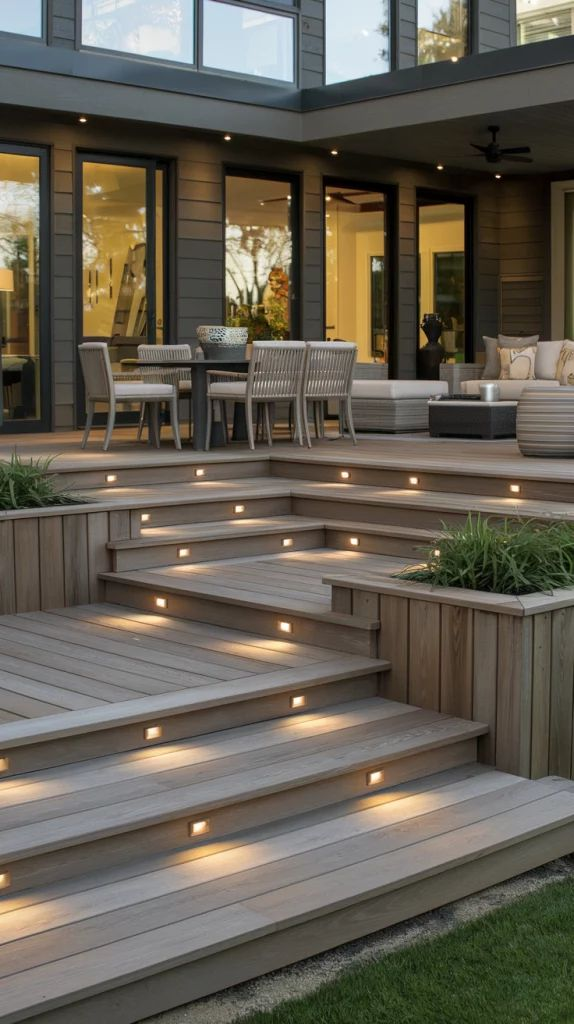
Designing the under deck area with multiple levels adds dimension and versatility to the space. Split zones can serve different purposes—one tier for dining, another for lounging, and a lower step-down for container gardens or fire pits. Using materials like composite decking, stone, and brick in combination helps differentiate zones visually while maintaining cohesion. Integrated steps between levels ensure a natural flow, while planters or low walls help define boundaries without feeling closed in. Built-in benches along one edge provide extra seating without crowding the area with loose furniture. Overhead beams from the deck above can support pendant lights or hanging baskets, bringing life and warmth to the space. Storage compartments hidden beneath seating or within retaining walls keep the patio clutter-free. This layout optimizes square footage, making even modest under deck areas feel expansive and purposeful, with each tier offering a unique function and perspective of the surrounding landscape.
Partitioned Garden Vignettes
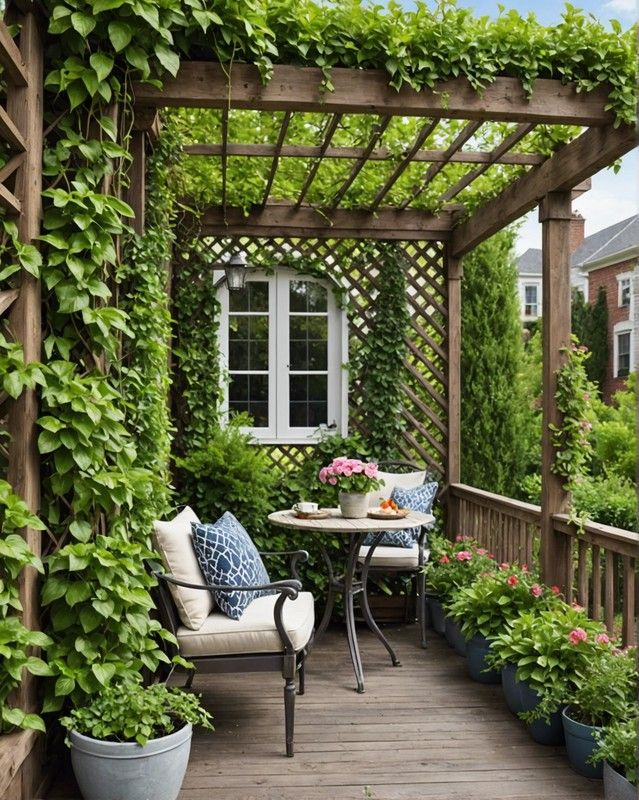
Breaking up the under deck area into smaller themed sections adds character and encourages varied use. Lightweight trellises, lattice panels, or freestanding screens can act as subtle dividers while supporting climbing plants. One corner could host a reading nook with a chair and side table, while another features a raised herb bed for fresh kitchen harvests. Gravel, brick, or mulch pathways between sections create visual and physical connections, making the layout feel intentional. Decorative elements like birdbaths, sculptures, or ceramic pots give each vignette a unique personality. Seasonal flowers can be rotated for year-round interest, ensuring no section feels static. By creating defined pockets of activity, the overall space remains organized and versatile, appealing to both relaxation and productivity. This approach works especially well for those who want a multi-purpose outdoor retreat without the feeling of one large, undefined expanse.
String-Lit Relaxation Deck
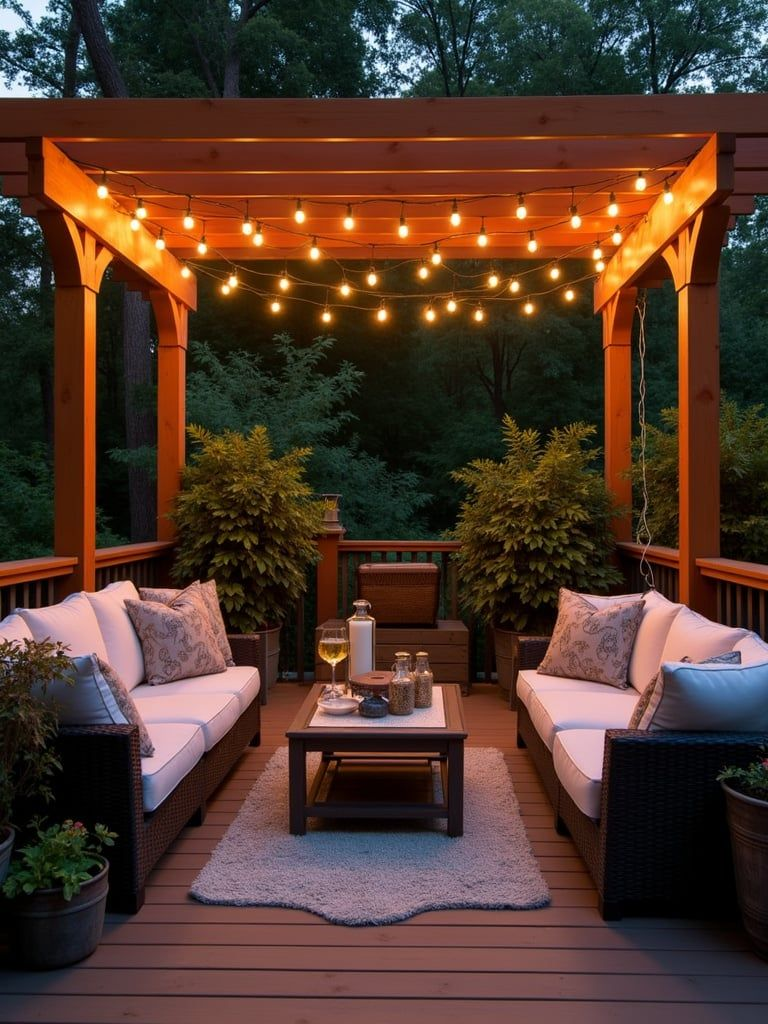
Adding string lights overhead turns the under deck space into a warm, inviting retreat after sunset. Bulbs can be strung between support beams in parallel lines, a zigzag pattern, or radiating from a central point for dramatic effect. Warm white lighting offers a cozy glow, while vintage-style Edison bulbs add a nostalgic touch. Complementing the illumination with comfortable seating—like cushioned chairs or a loveseat—encourages extended evenings outdoors. For added ambiance, small potted plants or vertical greenery panels soften the surrounding structure. If weather exposure is a concern, choose outdoor-rated lights and cords to ensure safety and longevity. Dimmers allow for mood control, making the area equally suitable for lively gatherings or quiet nights. This simple yet effective upgrade transforms a dark, unused space into a nighttime focal point that extends the home’s usable living area.
Built-In Storage & Seating
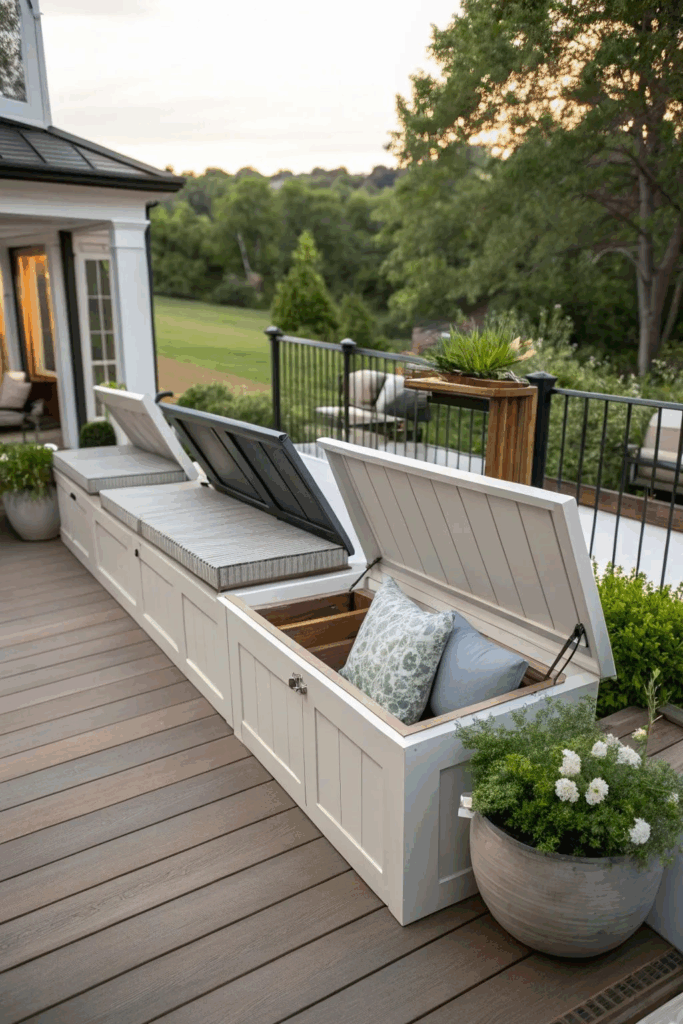
Maximizing functionality under the deck is easier with furniture that doubles as storage. Benches with hinged lids or cabinets built along the perimeter offer hidden space for cushions, gardening tools, or seasonal decor. Durable, weatherproof materials like treated wood, composite, or marine-grade plywood ensure longevity even in damp conditions. Cushions on top of storage benches keep comfort in mind, while a matching outdoor rug helps tie the area together visually. Adding a small coffee table or side tables makes the space ready for gatherings without clutter. Decorative throw pillows and potted plants help soften the storage-heavy design. This dual-purpose approach is especially useful in compact yards where extra storage is at a premium, ensuring that the under deck area is both attractive and highly practical year-round.
Hidden Patio Reveal
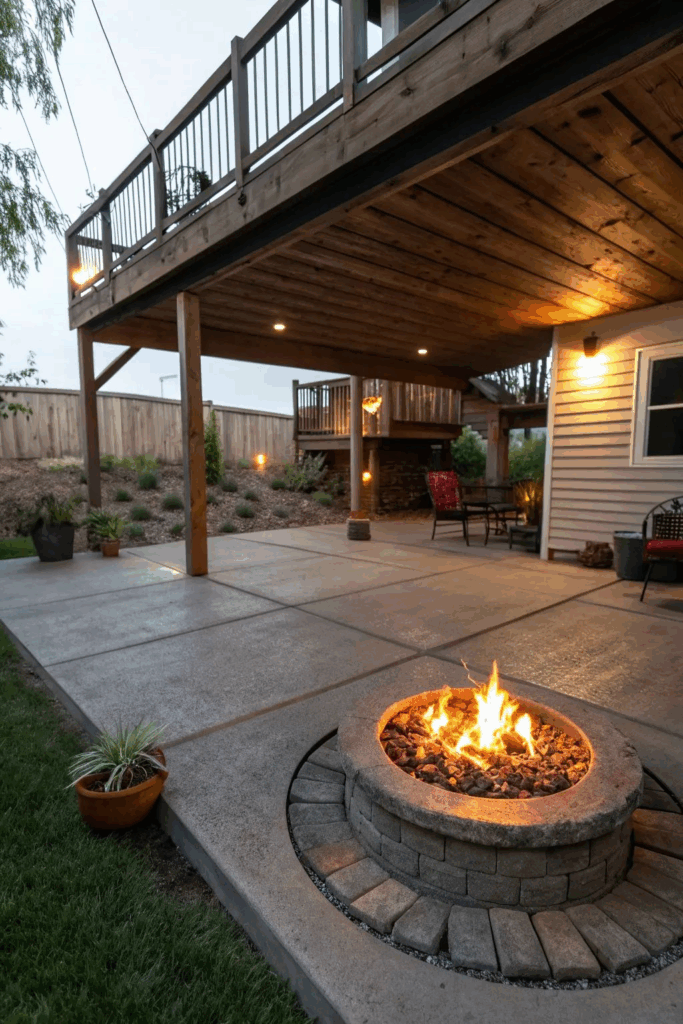
Concealing a tucked-away patio under the deck offers an element of surprise for guests. Accessed through a narrow garden path or screened by tall greenery, the hidden space feels like a secret retreat. Flagstone or decorative concrete underfoot provides a polished base, while a mix of low lighting and candle lanterns enhances the intimate atmosphere. A small bistro set or pair of Adirondack chairs ensures the area is ready for quiet conversation or solo relaxation. Surrounding plantings can include fragrant varieties like lavender or jasmine to create a sensory experience. A subtle water feature, such as a small wall fountain, adds to the secluded charm. This design makes the most of underutilized space, turning it into a private destination that feels far removed from the rest of the yard.