
Shaded outdoor areas can dramatically improve comfort, usability, and style in any backyard setting. Patio awnings offer an effective way to block harsh sunlight, protect from light rain, and extend the time you can enjoy your outdoor space. From retractable fabric options to permanent metal or wood structures, each style adds unique visual appeal and functional benefits. This guide covers a variety of patio awning ideas designed to suit different climates, budgets, and design preferences, helping you create a welcoming and practical outdoor retreat.
Motorized Awning with Drop Screens
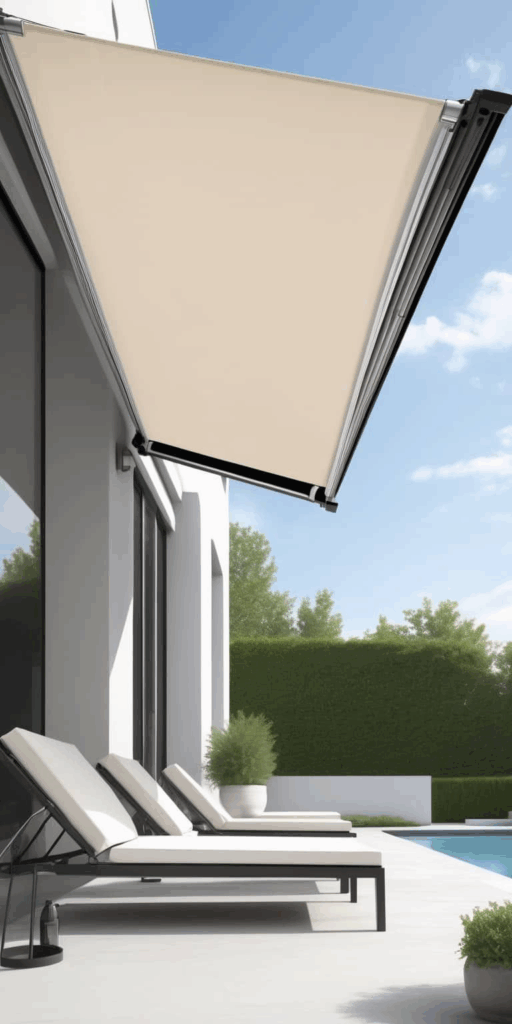
For those seeking adaptable shade, a motorized awning fitted with drop screens delivers flexibility and modern convenience. With the push of a button, you can extend the awning to block harsh sunlight or retract it for an open-air experience. Drop screens add another layer of functionality, shielding your patio from glare, light rain, and even mild winds while still allowing airflow. Many models feature weather-resistant fabrics that maintain their vibrant appearance over time, reducing maintenance needs. Motorized units can be wall-mounted or integrated into a freestanding frame, making them suitable for various layouts. Some systems even include wind sensors that automatically retract the awning during strong gusts, preserving the mechanism’s lifespan. Pairing the awning with dimmable LED lighting along the frame allows you to extend outdoor enjoyment into the evening. Available in neutral tones or bold patterns, the structure can complement contemporary or traditional exteriors alike. Installation often requires a professional to ensure proper wiring and secure anchoring, but the investment enhances both comfort and home value. For patios that serve as year-round gathering spaces, this solution merges style with advanced technology, offering reliable shade control and privacy without sacrificing the open, inviting feel of your outdoor living area.
Freestanding Poolside Awning

Positioned independently from the home, a freestanding poolside awning offers targeted shade exactly where it’s needed. This structure is ideal for lounging areas beside the water, protecting swimmers and sunbathers from midday heat without blocking the pool’s open view. Its stand-alone frame can be anchored into concrete, decking, or lawn, giving flexibility in placement. Options range from permanent steel or aluminum frames to more portable models with weighted bases for seasonal setups. Many designs accommodate tilting or rotating canopies, enabling you to adjust the angle as the sun moves. Water-resistant fabrics, often treated for UV protection, ensure long-lasting color retention and guard against damage from chlorinated splashes. Some poolside awnings integrate side curtains for wind protection, while others feature overhead ventilation panels to improve air circulation. Decorative finishes—such as powder-coated frames in matte black, bronze, or white—allow you to coordinate with existing outdoor furniture. Lighting strips, Bluetooth speakers, and even misting systems can be added for a resort-like atmosphere. Maintenance is straightforward, requiring only occasional cleaning and inspection of tension components. For properties with open yards or limited wall space, this shade solution provides an independent, stylish retreat that enhances comfort and extends poolside enjoyment throughout the warmest months.
Pergola-Style Hybrid Awning

Designed to merge architectural charm with functional shade, a pergola-style hybrid awning features a solid frame paired with retractable fabric or slatted panels. This combination allows you to control sun exposure while maintaining the open, airy look of a pergola. The frame is typically crafted from wood, aluminum, or steel, offering a range of finishes from rustic cedar to sleek powder-coated black. Retractable canopies slide along tensioned tracks, enabling quick adjustments for different times of day. Some hybrid designs use adjustable louvers that tilt to block direct sunlight yet permit ventilation. This flexibility makes them suitable for both dining areas and lounging spaces. Weather-resistant fabrics resist fading and mildew, while durable frame materials ensure long-term stability. Integrated LED strips or hanging pendant lights can transform the structure into an evening entertainment hub. For extra privacy, side curtains or drop screens can be added without detracting from the pergola’s visual appeal. Hybrid awnings often become focal points in garden or patio layouts, anchoring the space with structure and style. Whether attached to the home or freestanding, this solution balances aesthetics and adaptability, making it ideal for homeowners who want architectural presence paired with practical weather control.
Louvered Roof Awning

Engineered for maximum climate control, a louvered roof awning uses adjustable slats to regulate sunlight, shade, and ventilation. The slats, often made from powder-coated aluminum, pivot via manual cranks or motorized controls, allowing you to create full shade, partial light, or complete openness. When closed, the overlapping louvers form a water-resistant barrier, enabling outdoor enjoyment even during light rain. Integrated gutter systems channel water away from the patio, preventing pooling and extending furniture life. The structure’s sleek, modern lines suit contemporary homes, but wood-look finishes are available for traditional settings. Many high-end models feature automated weather sensors, closing the louvers during sudden showers or strong winds. Built-in lighting and heating elements can extend seasonal use into cooler evenings. The durability of aluminum ensures minimal maintenance, requiring only occasional cleaning to remove debris from the slats. Louvered roofs can be freestanding or attached to existing structures, offering design versatility. This type of awning excels in areas with variable weather, giving homeowners precise control over comfort levels. By combining year-round usability with architectural sophistication, it becomes a standout addition to any outdoor living area, enhancing both function and visual appeal.
Sleek Shade Sail Duo

Two overlapping shade sails arranged at varying heights create a dynamic, sculptural focal point while offering broad UV protection. Their triangular or rectangular shapes can be tensioned between posts, walls, or a combination of both, allowing flexible placement over patios, dining areas, or play zones. High-density polyethylene (HDPE) fabric blocks harmful rays yet permits airflow, keeping the space cooler without feeling enclosed. Using contrasting colors—such as charcoal and beige or navy and white—adds visual interest while defining different activity zones beneath each sail. The layered arrangement also improves coverage throughout the day as the sun’s angle shifts. Hardware kits with marine-grade stainless steel ensure secure installation and resistance to corrosion. Shade sails are low-maintenance, requiring occasional hosing to remove dust and debris. Because they are non-permanent, they can be repositioned seasonally or removed during extreme weather. For evening use, string lighting can be threaded along the sail edges, adding ambient glow without interfering with the clean lines. This double-sail configuration not only delivers functional shade but also enhances the outdoor environment with a distinctly modern design element, making it a favorite for homeowners seeking an affordable yet stylish shading solution.
Retractable Solar-Screen Edge

Perfect for patios exposed to intense afternoon sun, a retractable solar-screen edge provides targeted shade and heat reduction without obstructing views. Mounted along the side of an awning frame, the mesh screen rolls down manually or via a motorized system, filtering UV rays while allowing light and air to pass through. High-quality screens can reduce interior cooling costs by minimizing heat transfer through adjacent windows or doors. Many models offer varying opacity levels, from light filtering to near-total privacy. Frames are typically aluminum, ensuring strength and weather resistance, while the screen fabric is treated to resist fading and mildew. The retractable feature allows you to roll it up when not needed, maintaining an open feel. Ideal for spaces facing west or south, it prevents glare during late-day gatherings. Pairing the system with a standard awning enhances overall coverage, creating a more comfortable environment throughout changing sun positions. Installation can be wall-mounted or integrated into freestanding frames, with custom sizes available for large patios. With minimal maintenance—just seasonal cleaning and inspection—this option combines efficiency, discretion, and ease of use, making it a practical upgrade for homeowners wanting better light control without sacrificing the airy, welcoming ambiance of their outdoor spaces.
Aluminum Cassette Awning with LEDs

For streamlined appearance and lasting performance, an aluminum cassette awning with integrated LEDs offers both daytime shade and nighttime ambiance. The cassette refers to the fully enclosed housing that protects the fabric and mechanism when retracted, extending the awning’s lifespan. Aluminum construction ensures rust resistance and durability in all climates. When extended, the canopy provides generous UV protection, ideal for dining or lounging areas. The built-in LED lighting, often dimmable, runs along the arms or frame, eliminating the need for additional overhead fixtures. This design works well for patios where electrical wiring is already available, although solar-powered LED options exist for easier installation. Fabric choices range from bold stripes to neutral solids, all treated for fade and mildew resistance. The clean-lined housing blends seamlessly with modern or transitional exteriors, and its compact design keeps façades uncluttered. Remote or wall-switch controls simplify operation, while optional wind sensors add safety. Regular upkeep involves occasional washing of the fabric and checking the LED components for debris or moisture. Combining advanced weather protection with atmospheric lighting, this awning transforms outdoor spaces into functional, visually appealing extensions of the home, perfect for year-round entertaining or quiet evening relaxation.
Canvas Stripe Pop-Up Awnings

Known for their charm and portability, canvas stripe pop-up awnings bring instant shade with a touch of classic style. Featuring foldable frames and durable canvas tops, these awnings can be set up in minutes, making them ideal for renters or those seeking a temporary seasonal solution. The striped pattern—often in nautical blues, sunny yellows, or earthy greens—adds personality to patios, decks, and garden seating areas. Most frames are made from lightweight steel or aluminum for easy transport while maintaining stability. The canvas material is typically treated for UV protection and water resistance, ensuring comfort even during light rain. Adjustable legs allow height customization, accommodating different furniture arrangements. Because they’re freestanding, placement is flexible—you can shift them throughout the day for optimal coverage. Maintenance is simple: just wipe down the fabric and store it in a dry location when not in use. While they may not offer the permanence of built-in structures, their affordability and visual appeal make them a favorite for casual gatherings, weekend barbecues, or pop-up market setups. For homeowners wanting an adaptable, stylish shade option without committing to major installation, this type of awning delivers practicality and aesthetic charm in one portable package.
Living Canopy Pergola

Merging natural greenery with structural shade, a living canopy pergola uses climbing plants to create a lush overhead cover. Vines like wisteria, jasmine, or grape can be trained along the pergola’s beams, forming a dense, fragrant roof over time. The frame itself can be wood for a rustic feel or metal for a sleek, long-lasting base. As the plants mature, they provide dappled shade, reducing heat while allowing some light through. Seasonal changes bring added beauty—spring blossoms, summer foliage, and autumn color. Planting in large containers allows installation even on paved patios, while in-ground beds promote faster growth. A drip irrigation system can simplify maintenance, ensuring consistent moisture for the vines. This approach not only offers shade but also enhances biodiversity, attracting pollinators and adding a sensory element through scent and texture. For year-round usability, string lighting can be woven through the beams, glowing softly beneath the greenery at night. Although initial growth takes time, the result is a unique, eco-friendly awning alternative that becomes more beautiful with each passing season. Ideal for gardeners and nature lovers, this design transforms outdoor spaces into serene, living retreats where structure and landscape seamlessly intertwine.
Corrugated Plastic Awnings

Durable, lightweight, and budget-friendly, corrugated plastic awnings offer reliable weather protection without the maintenance demands of wood or fabric. Made from polycarbonate or PVC, the panels resist UV degradation, yellowing, and cracking, making them ideal for year-round use. The ribbed design strengthens the structure while allowing rain to run off efficiently. These awnings can be clear, tinted, or opaque, giving control over light levels beneath them. Clear panels maintain brightness while blocking harmful rays, while tinted versions reduce glare and heat. Installation can be DIY-friendly, using a simple frame attached to exterior walls or freestanding posts. Because the material is easy to cut, customization to specific dimensions is straightforward. Maintenance involves only periodic rinsing to remove dust and debris. Corrugated plastic awnings work well over patios, entryways, or even as side panels for wind protection. Their clean, modern look suits a range of architectural styles, and they can be paired with metal framing for extra durability. For homeowners seeking an affordable, low-maintenance solution that still delivers dependable shelter, this option provides excellent value while standing up to varied climates and daily wear.
Layered Fabric Drapes

For a softer, more romantic patio ambiance, layered fabric drapes offer adjustable shade and a sense of intimacy. Mounted on curtain rods or tension wires within a pergola or awning frame, the panels can be drawn closed for privacy or tied back to invite the breeze. Using two or more layers—such as sheer voile paired with heavier outdoor canvas—gives flexibility in light control and texture. Weather-resistant fabrics ensure durability against sun and moisture, while removable panels allow for seasonal cleaning or replacement. Neutral tones create a calm, spa-like feel, while bold colors add energy to gatherings. The drapes can also help define different patio zones, from dining to lounging. Installing tiebacks, grommets, or magnetic closures makes adjustments effortless. In the evening, uplighting or string lights enhance the flowing fabrics, casting soft shadows that add depth to the setting. This approach works particularly well in covered spaces, as it allows for both functional shading and decorative layering. Beyond aesthetics, the added fabric mass can dampen sound, making the patio feel more secluded. Perfect for those who value both style and versatility, layered fabric drapes deliver a tailored, inviting atmosphere adaptable to any occasion.
DIY Sun-Wire Canopy

An adaptable and budget-friendly project, a DIY sun-wire canopy uses tensioned cables strung between fixed points to support fabric panels. The design allows you to slide or fold the panels along the wires, adjusting coverage based on the sun’s position. Fabrics can range from light, breathable mesh to heavier, UV-blocking canvas, depending on desired shade density. The hardware—often stainless steel for weather resistance—can be anchored to walls, pergola beams, or freestanding posts. This flexibility means the canopy can be customized to fit any patio shape. For a polished look, choose coordinated fabric colors that complement outdoor furniture and architecture. Installation is relatively straightforward for those comfortable with basic tools, and the system can be expanded or reconfigured over time. Maintenance is minimal—simply remove and wash the fabric seasonally and check cable tension. Decorative lighting can be threaded along the wires for evening use, and patterned fabrics can add visual interest without overwhelming the space. This approach appeals to homeowners who enjoy hands-on projects and want a shade solution that blends practicality with creative freedom, offering a personalized alternative to store-bought awnings.