
Well-chosen patio tiles can redefine an outdoor space, offering both style and durability for years of enjoyment. The best outdoor patio tile ideas combine weather-resistant materials with designs that complement your home’s architecture and landscaping. From natural stone for a timeless look to patterned ceramic for artistic flair, the right choice enhances comfort, slip resistance, and maintenance ease. This guide explores versatile tile options, layout patterns, and creative finishes that help you design a functional and visually appealing patio tailored to your lifestyle.
Oversized Slate Mimic Tiles
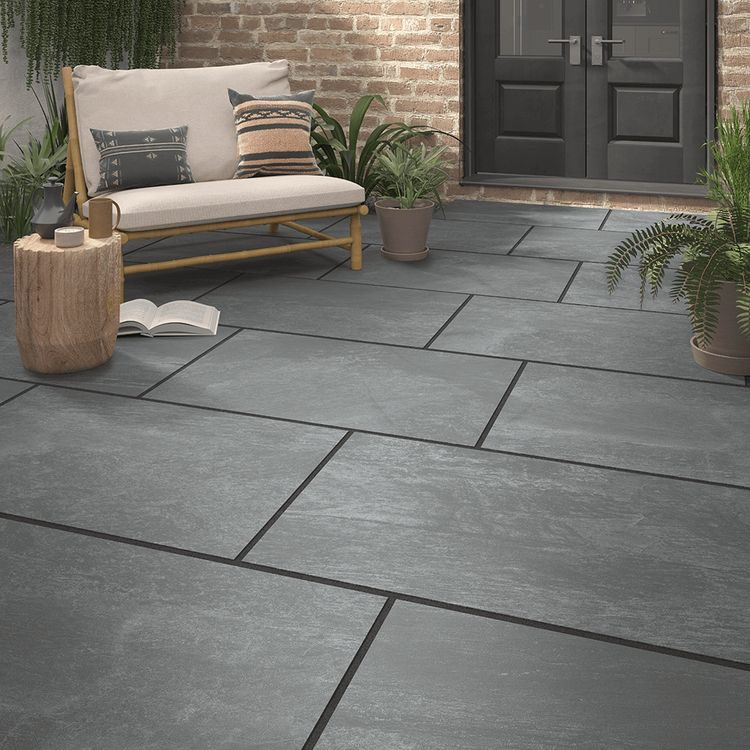
Expansive patios gain a grounded, cohesive look when styled with oversized slate mimic tiles. These tiles, designed to replicate the layered textures of natural slate, offer the rugged charm of stone without the heavy maintenance. Their large format minimizes grout lines, creating an uninterrupted surface that feels modern yet timeless. Available in subtle shades of charcoal, graphite, and smoky gray, they complement both rustic outdoor kitchens and sleek contemporary lounging areas. The slip-resistant finish ensures safety even in damp conditions, making them ideal for poolside installations. Their durability stands up to fluctuating weather, resisting fading and cracking under sun or frost. Installation can be done over a concrete base for maximum stability, and pairing them with low-profile furniture helps highlight their expansive scale. For visual interest, slight tonal variation between tiles mimics the authentic, organic patterns of quarried slate. Lighting plays a key role in showcasing their depth—soft uplights or string lighting enhances the surface’s natural-looking ridges. Whether for entertaining spaces or quiet retreats, this choice balances aesthetic appeal with long-lasting functionality. Homeowners seeking a refined yet earthy patio surface will appreciate how these tiles bridge the gap between nature’s rugged beauty and contemporary outdoor living.
Terracotta with Minimalist Flair
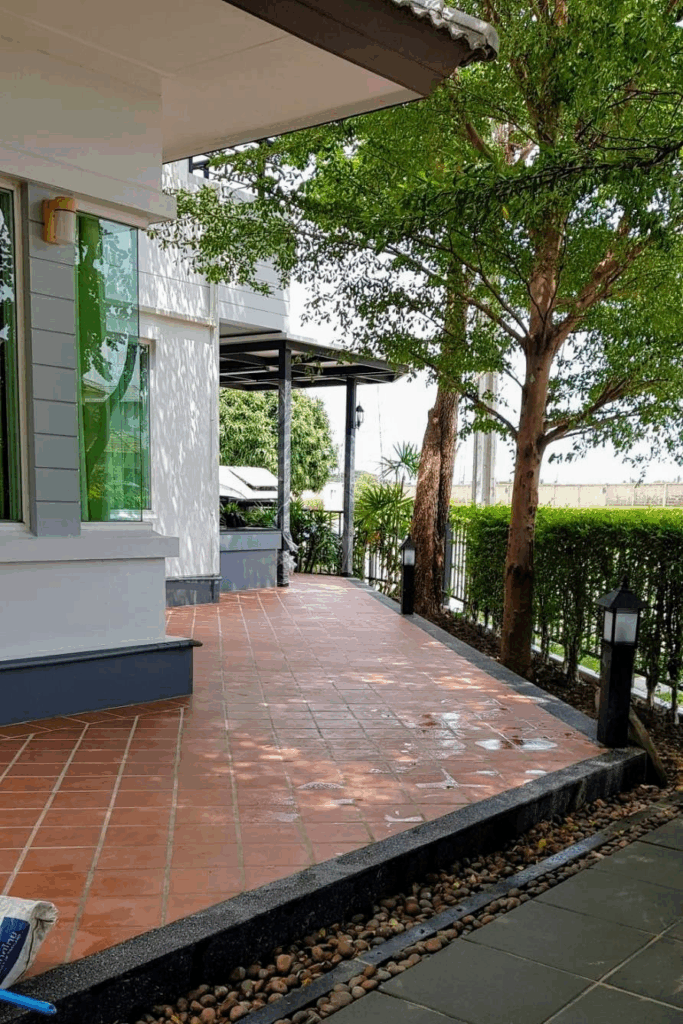
Warmth radiates effortlessly from terracotta tiles when paired with clean-lined, minimalist design principles. Their earthy, sun-baked tones evoke Mediterranean charm, yet when used with understated furniture and neutral accents, they take on a fresh, contemporary feel. The key lies in balancing the richness of the clay with streamlined layouts—think uniform square or rectangular tiles laid in simple grids without ornate borders. This allows the natural hue variations, from deep rust to pale orange, to become the focal point. Sealing the surface preserves the vibrant color and protects against moisture damage, ensuring longevity even in high-traffic outdoor areas. Terracotta’s porous texture feels inviting underfoot, making it ideal for barefoot summer gatherings. Minimalist styling benefits from restraint: low furniture profiles, black metal accents, or crisp white cushions help the terracotta stand out without visual clutter. Planting greenery in sleek pots provides a contrasting freshness that softens the strong warm tones. For a modern twist, opt for large-format terracotta tiles to reduce grout lines and increase visual flow. This approach blends the timeless, handcrafted feel of traditional terracotta with the clean, uncluttered elegance of modern outdoor design, creating a patio space that feels both grounded in tradition and refreshingly current.
Geometric Bold Accent Zone
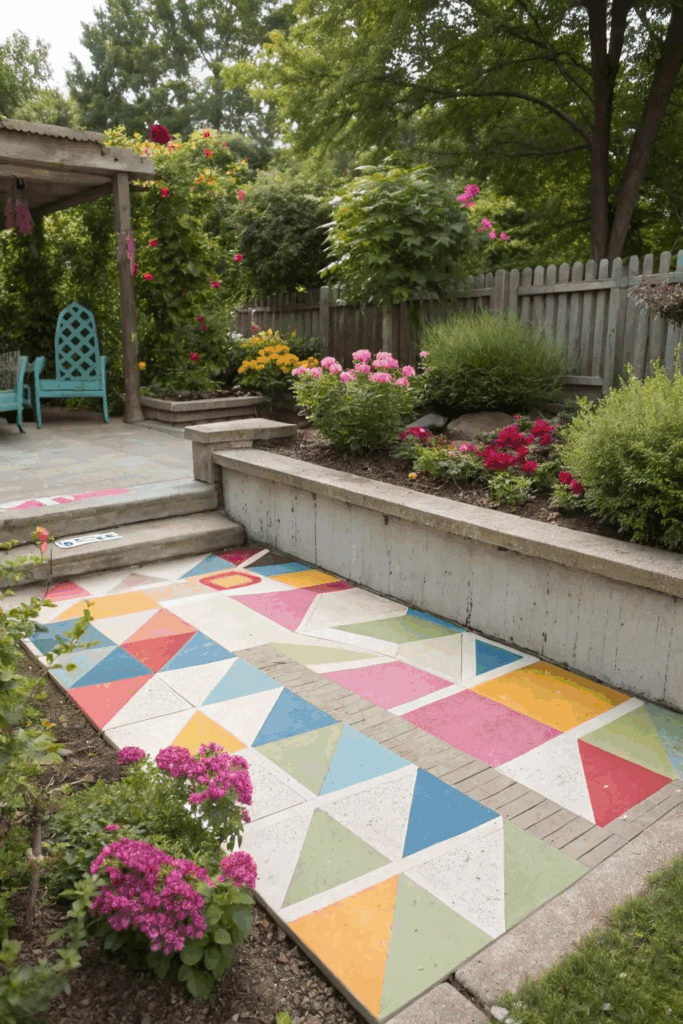
Outdoor patios can be instantly energized by introducing a dedicated geometric accent zone. This technique involves using tiles with striking angular patterns—chevrons, hexagons, or interlocking diamonds—to define a specific area such as a dining corner or lounge space. The bold shapes not only add visual intrigue but also act as a natural guide for how the space is used. Opting for high-contrast color combinations, such as black and white or navy and cream, makes the design stand out without overwhelming the overall patio aesthetic. For durability, porcelain or ceramic tiles with a matte, slip-resistant finish are ideal. Installing them as a “feature rug” surrounded by more neutral tiling keeps the statement contained and purposeful. This method works particularly well in open-plan outdoor layouts, visually separating functions without physical barriers. Accent zones can also be complemented with matching patterned cushions or decor for cohesion. Because the shapes naturally draw attention, careful lighting placement—such as spotlights or pendant lamps—can enhance the three-dimensional effect. This style suits homeowners who want a dynamic focal point that doesn’t require constant upkeep, offering a visually stimulating yet practical solution for personalizing outdoor living spaces.
Painted Grid Illusion Tiles

Patios gain a playful yet structured aesthetic when styled with painted grid illusion tiles. This approach uses flat, solid-colored tiles with precisely applied grid lines to mimic the look of intricate patterns without the complexity of multiple materials. The effect can range from subtle to dramatic depending on the contrast between tile color and line shade—soft neutrals for a calming vibe or bold black-and-white for a contemporary edge. These designs work especially well in smaller spaces, as the visual geometry creates a sense of depth and order. Durable outdoor paint or factory-applied finishes ensure the grid pattern withstands weather exposure and foot traffic. Sealing the surface further protects against fading and makes cleaning easier. Furniture placement can follow the grid lines to enhance the optical effect, creating a harmonious alignment between floor and layout. This style also pairs beautifully with industrial or urban-inspired decor, where clean lines and defined structure are key. Grid illusion tiles offer flexibility—they can be repainted or updated over time to match evolving trends without replacing the base tile. It’s a cost-effective, creative option that merges the charm of hand-painted artistry with the resilience of modern patio flooring solutions.
Crazy Pave Artistry

Irregular shapes come together in striking harmony with the crazy pave technique, where variously sized and angled tiles form a mosaic-like surface. This approach embraces natural variation, often using flagstone, slate, or quartzite for a rich mix of tones and textures. The absence of a uniform pattern creates a relaxed, organic look that blends beautifully with gardens or poolside areas. Joints can be filled with contrasting grout to highlight each stone’s unique outline, or matched in tone for a more seamless flow. Crazy paving works well for curved patios, as the irregular shapes adapt easily to non-linear layouts. It’s also durable, weather-resistant, and low maintenance, making it a practical choice for high-traffic outdoor spaces. Complementing the paving with rustic furniture, lush planting, and warm lighting enhances its natural charm. Because no two sections are identical, the result feels artisan-made and timeless. This technique is equally suited to modern homes seeking a touch of earthy character or traditional settings wanting a handcrafted finish. Whether used across an entire patio or as an inset feature area, crazy pave artistry delivers a visually captivating and functional surface that invites gathering, relaxation, and a deeper connection to the outdoor environment.
Checkerboard Drama

High-impact visual contrast defines the checkerboard style, where alternating tile colors create a timeless pattern with bold personality. Traditionally seen in black-and-white, the design also works beautifully in softer pairings like gray-and-cream or terracotta-and-beige for a warmer appeal. Large-format tiles amplify the drama, while smaller tiles lend a more intricate, vintage feel. Outdoor-friendly porcelain or cement tiles provide the necessary durability and slip resistance for patios. This pattern can be laid straight for a clean, classic look or on the diagonal to add dynamic movement. Checkerboard patios work well as dining areas, entry courtyards, or central gathering spots, instantly becoming the focal point of an outdoor layout. Surrounding the bold floor with neutral furniture and minimal decor allows the pattern to take center stage without overwhelming the space. For an elevated touch, integrating planters or borders that match one of the tile colors creates cohesion. Lighting that grazes the surface at an angle enhances the alternating shades, making the pattern pop even after sunset. The checkerboard approach offers a balance of old-world elegance and contemporary flair, perfect for homeowners wanting a statement patio design that remains stylish year after year.
Mosaic “Rug” Inlays

Outdoor flooring transforms into functional art with mosaic “rug” inlays, where intricate tile arrangements mimic the look of ornate area rugs. These inlays are often framed by neutral tiles, creating a clear visual boundary that draws the eye to the patterned center. Materials like glass, ceramic, or porcelain mosaics allow for endless color combinations and intricate detailing, from Mediterranean motifs to Moroccan-inspired geometry. Beyond aesthetics, these designs are durable, easy to clean, and resistant to outdoor conditions. They work exceptionally well under dining tables, coffee tables, or as a focal point in open patio layouts. Installation requires precision to ensure the pattern aligns perfectly within its border, but the payoff is a one-of-a-kind feature that elevates the entire outdoor space. Furniture placement should complement rather than compete with the inlay—simpler silhouettes and solid fabrics help the design shine. Lighting can be strategically placed to highlight the shimmer of glass or the texture of stone mosaics, creating an inviting atmosphere for evening entertaining. This approach offers the warmth and definition of an indoor rug while providing the durability and weather resistance needed for year-round outdoor enjoyment.
Natural Stone Flow

Organic beauty meets enduring strength in patios paved with natural stone. Materials like granite, sandstone, bluestone, or limestone bring unique veining, mineral patterns, and subtle tonal shifts that can’t be replicated by synthetics. Laid in freeform arrangements or precise cuts, the surface offers both visual and tactile richness. Choosing stones with a honed or textured finish ensures slip resistance, making them safe for wet areas. Over time, natural stone develops a weathered patina that enhances its charm, blending seamlessly into surrounding landscapes. This style pairs well with both rustic garden settings and sleek, modern architecture, depending on the stone type and layout chosen. Larger slabs create a clean, expansive feel, while mixed sizes add a handcrafted look. Maintenance involves sealing to protect against staining and occasional power washing to keep surfaces fresh. Stone’s thermal mass helps regulate temperature, staying cooler underfoot in summer. Whether surrounding a pool, outlining a fire pit, or covering an expansive dining terrace, natural stone delivers timeless appeal and durability. Its ability to complement greenery, water features, and varied outdoor furnishings makes it one of the most versatile and sought-after patio flooring options.
Mixed Pattern Patchwork

Eclectic charm takes center stage with a mixed pattern patchwork patio, where different tile designs blend into a vibrant, cohesive surface. This approach often combines florals, geometrics, and traditional motifs in varying colors, creating a dynamic “quilted” effect underfoot. The key to success lies in maintaining a balanced palette—choosing complementary tones ensures the patterns work together rather than clash. Durable porcelain or encaustic-style cement tiles are popular choices, offering both weather resistance and rich, long-lasting color. Laying them randomly keeps the look playful, while repeating certain patterns throughout creates subtle structure. This style works beautifully in casual entertaining areas, shaded courtyards, or bohemian-inspired garden spaces. Minimalist furniture and solid textiles help anchor the lively flooring without competing for attention. Patchwork tiling also allows for customization—homeowners can incorporate meaningful designs, heirloom-inspired patterns, or seasonal colors to make the patio truly unique. Over time, the diverse visuals keep the space feeling fresh, as there’s always something new to notice. It’s a bold, personality-driven choice that blends artistry with practicality, turning the patio floor into a focal point that sparks conversation and sets an uplifting tone for outdoor gatherings.
Subtle Monochrome Motifs

Refined simplicity defines patios styled with subtle monochrome motifs. Here, delicate patterns in a single color family—such as soft grays, warm taupes, or muted charcoals—add visual interest without overpowering the space. This approach works well for those who appreciate design detail but prefer a calm, cohesive look. Porcelain and ceramic tiles are ideal for achieving consistent tones and fine, intricate prints that withstand outdoor conditions. Patterns might include faint florals, linear etching, or geometric outlines, all designed to be appreciated up close rather than dominate from afar. Monochrome motifs complement a wide range of decor styles, from coastal retreats to modern minimalist terraces. They’re especially effective in small patios, where subtle variation prevents the surface from feeling flat while maintaining an airy, uncluttered atmosphere. Pairing these tiles with textured fabrics, matte planters, and layered greenery enhances the understated aesthetic. Low, warm lighting in the evening can bring out the gentle contrasts in the design. This style offers the sophistication of pattern without the visual busyness of bold colors, making it a versatile and timeless option for homeowners seeking elegance and restraint in their outdoor flooring.
Raised Diamond Tiles for Texture

Dimensional appeal comes naturally with raised diamond tiles, which feature sculpted surfaces that add both visual and tactile interest. The diamond-shaped relief creates shadows that shift throughout the day, giving the patio a dynamic, ever-changing character. Materials like concrete, porcelain, or textured stone offer durability while maintaining slip resistance. This style excels in spaces where texture plays as important a role as color—neutral tones keep the focus on the three-dimensional surface, while bolder hues can make the pattern pop. Raised diamond tiles pair beautifully with minimalist furniture, allowing the flooring’s texture to serve as the main decorative feature. They’re also effective in transitional spaces, such as pathways leading to garden areas, where the raised design catches light and adds definition. Regular cleaning is straightforward, as the relief is shallow enough to avoid trapping debris. For an elevated effect, consider directional lighting that emphasizes the shadows and highlights of the tile’s form. This option blends modern geometric precision with a tactile quality that makes the patio both visually striking and pleasant to walk across, appealing to those who value depth and detail in their outdoor design.

Outdoor spaces gain a bold yet cost-effective upgrade with painted faux large-format panels. This technique uses smaller, standard tiles or even a concrete slab as the base, with paint applied in measured sections to mimic the look of expansive stone or oversized porcelain tiles. The result delivers the sleek, continuous feel of premium flooring without the expense or installation challenges. Selecting outdoor-grade paints and sealers ensures longevity against UV exposure, rain, and foot traffic. The illusion works best with subtle color variations and fine “grout” lines to enhance realism. This style offers remarkable flexibility—panels can be refreshed seasonally or adapted to suit evolving trends, making it a favorite for DIY-minded homeowners. It’s especially effective in modern patios, where clean lines and uninterrupted surfaces are prized. Furniture placement can follow the panel divisions for a polished, intentional look, while minimalist landscaping keeps the focus on the floor. Painted faux panels also reduce the number of grout joints, making maintenance easier and the surface more comfortable for barefoot lounging. This approach delivers high-impact style with minimal disruption, allowing for a complete transformation of outdoor living areas in a relatively short time.