
Sustainable living meets outdoor luxury when homeowners turn to water features designed to mimic nature itself. Unlike traditional pools, these eco-friendly retreats rely on plants and biological filters rather than chemicals, creating a healthier swimming environment that feels closer to a lake than a chlorinated basin. Beyond their environmental benefits, they blend seamlessly with landscaping, offering year-round visual appeal and a tranquil escape right at home. This guide on the best natural swimming ponds outlines options that balance beauty, functionality, and ecological responsibility, giving readers practical insight into building or enjoying a backyard oasis rooted in harmony with nature.
Forest Bathing Pond
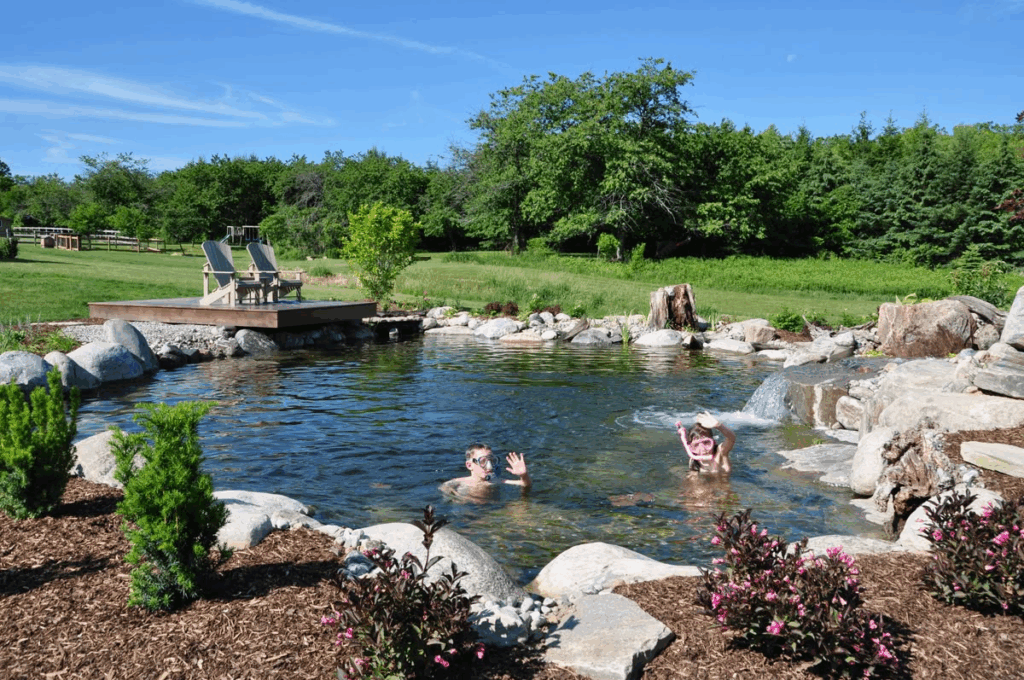
Gentle woodland surroundings frame a swimming pond designed to merge seamlessly with nature. Tall trees provide dappled shade, while understory plants create a calming visual buffer against outside distractions. The water’s edge often features native grasses and mossy rocks, promoting natural filtration and reducing chemical reliance. Shallow shelves along the perimeter allow wading, while deeper zones support cooling swims during summer months. This type of pond is particularly effective in enhancing mindfulness and promoting relaxation, as visitors experience the Japanese practice of “shinrin-yoku” or forest bathing. Aquatic plants such as lilies and reeds purify water while also attracting dragonflies, frogs, and songbirds, enriching biodiversity. Wooden decks or stone paths provide subtle access without disturbing the natural look. Seasonal changes transform the pond into a living calendar, with autumn leaves floating on the surface and spring blossoms reflected in the water. Maintenance usually involves balancing plant life and ensuring proper circulation through hidden pumps or stream inlets. For homeowners, this option provides both a swimming retreat and a restorative sanctuary for meditation or quiet reading. A forest bathing pond becomes more than a swimming spot—it acts as a living wellness space that connects body and mind to nature’s rhythms.
Sand-Edge Lagoon
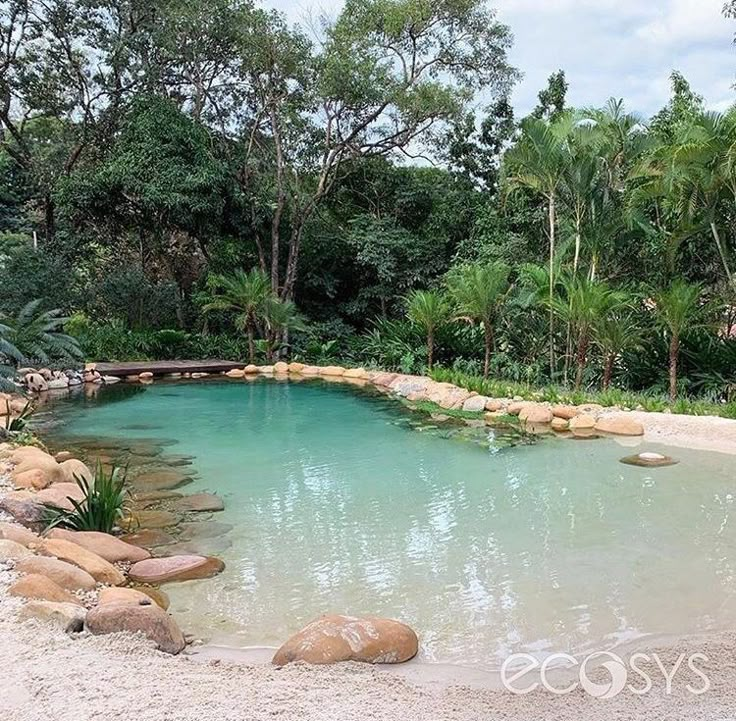
Golden sand edging turns a natural swimming pond into a resort-like feature while retaining ecological integrity. Instead of harsh concrete borders, fine-grain sand creates a barefoot-friendly shoreline that feels like a private lagoon. The shallow entry mimics natural beaches, gradually sloping into deeper swimming areas. Beneath the surface, aquatic vegetation and gravel beds filter impurities, keeping water clear without chemicals. Families appreciate the child-friendly gradient, as young swimmers can paddle safely before venturing farther. The sandy perimeter also doubles as a sunbathing area, eliminating the need for artificial decking. Carefully chosen native plants prevent erosion and add greenery to the lagoon’s edge, while submerged rocks offer habitat for small fish and amphibians. This balance between recreational use and ecological health ensures year-round enjoyment. For added ambience, driftwood logs or large stones can be positioned as natural seating or casual diving spots. At night, soft solar lighting tucked discreetly into the sand path enhances atmosphere without disrupting wildlife. Regular upkeep involves topping up sand in high-use zones and monitoring for algae growth, which can be controlled by shade-providing plants. By blending the appeal of a beach with sustainable swimming design, a sand-edge lagoon provides relaxation, recreation, and environmental harmony in one.
Zero-Entry Meadow Border
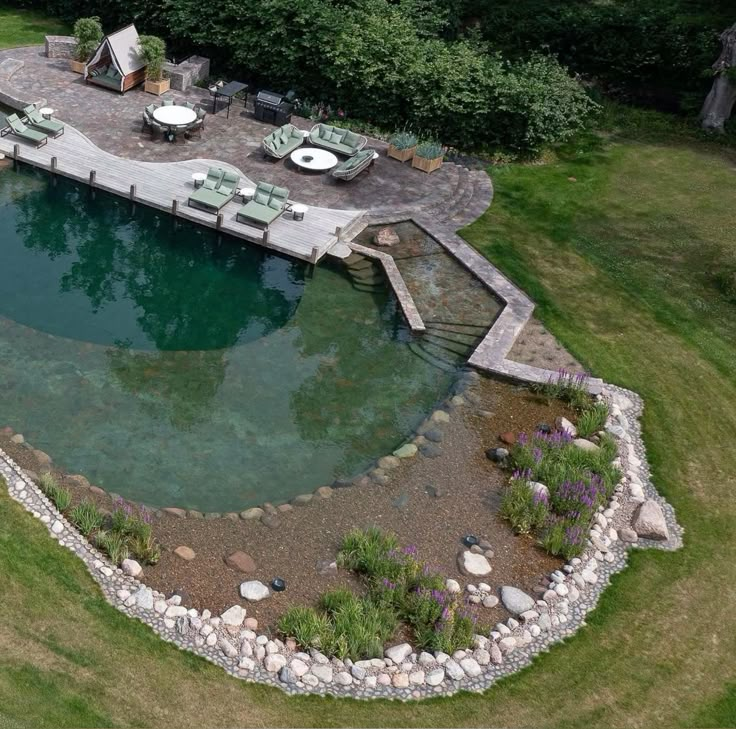
Wide grassy banks create a gradual, zero-entry effect for natural ponds, seamlessly blending swimming areas with surrounding meadows. This design allows swimmers to step gradually from land into water, echoing natural wetlands where landscapes ease into shallow marshes. Meadow flowers such as daisies, coneflowers, and native grasses frame the water’s edge, providing color, pollinator habitats, and soft ground underfoot. Instead of hard borders, gentle slopes lined with pebbles and clay ensure stability while supporting aquatic plants that help maintain water clarity. The meadow-style approach eliminates barriers, offering universal accessibility for children, seniors, or those with mobility limitations. Seasonal changes bring evolving textures and colors, enhancing the sensory experience—spring growth, summer blooms, autumn seed heads, and winter’s frosted grasses. Wildlife thrives in this setting: butterflies, bees, and songbirds find nectar, while frogs and newts use shoreline grasses for shelter. Maintenance emphasizes mowing less and letting native plants flourish, ensuring low-input care that promotes biodiversity. Underwater shelves may be strategically positioned for aquatic plant zones, controlling algae and improving oxygen levels. Families often enjoy picnics or casual lounging on meadow blankets beside the pond, creating a park-like retreat at home. A zero-entry meadow border captures countryside charm while supporting ecological resilience.
Stream-Fed Swim Channel
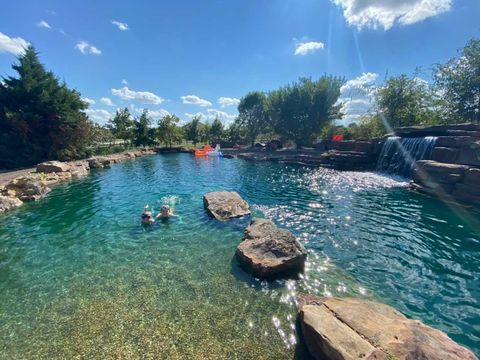
Flowing water introduces constant renewal into a natural pond through a stream-fed channel. This design relies on a nearby stream or constructed feeder channel that circulates fresh water, reducing stagnation and improving clarity. Gravel beds and aquatic vegetation along the channel naturally filter inflow before it reaches the swimming area. The gentle current adds a refreshing dynamic, making swimming more invigorating and preventing mosquito breeding. Stone-lined banks keep erosion under control, while small waterfalls or riffles oxygenate the water and create soothing soundscapes. For wildlife, this flowing system mimics natural habitats, attracting fish, amphibians, and waterfowl that benefit from the moving water. A stream-fed swim channel can also integrate into rainwater diversion systems, capturing runoff from roofs or surrounding terrain for sustainable replenishment. Seasonal adjustments may be required, such as widening inlets in wet months or controlling flow during dry periods. Aesthetically, the flowing channel provides visual interest, with sparkling water contrasting against still pond surfaces. Families enjoy floating downstream or relaxing near the sound of cascading water. Maintenance involves monitoring sediment buildup and trimming aquatic plants to maintain flow efficiency. This type of pond blends ecological function, recreational swimming, and the therapeutic qualities of living water in motion.
Rainwater-Harvest Pond
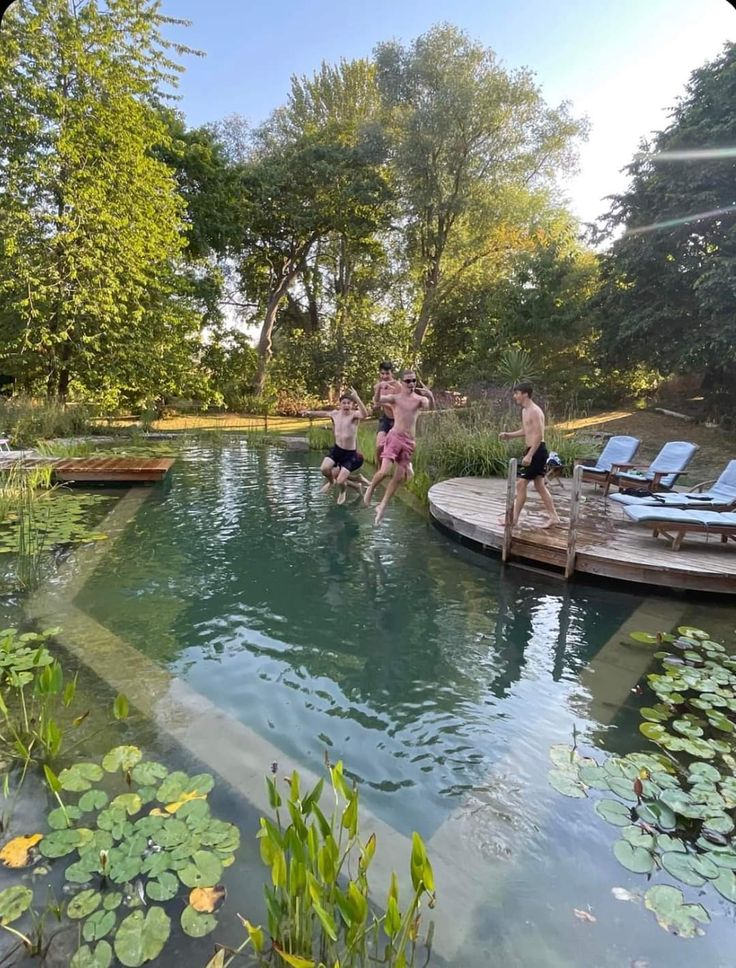
Sustainable swimming ponds that rely on rainwater harvesting reduce reliance on external water sources. Roofs, gutters, and sloped surfaces can channel runoff into underground cisterns or directly into the pond, filtered through gravel and planted wetlands before reaching the swimming zone. This system not only conserves resources but also manages stormwater responsibly, reducing erosion and flooding risks. During rainy seasons, the pond fills naturally, while dry months are balanced with reserves stored in tanks. Plants like cattails, reeds, and iris assist in nutrient absorption, keeping algae under control without chemicals. The design often includes layered zones: a regeneration area with dense planting, a filtering shelf with gravel and sand, and the central swimming section. For homeowners, rainwater harvesting lowers costs and aligns with eco-conscious living. The natural cycle of replenishment ensures water clarity when combined with proper circulation. Wildlife also benefits, as birds and amphibians find dependable water sources during dry spells. Periodic checks on gutter filters and inflow systems maintain efficiency, preventing debris buildup. Adding features like a spillway or overflow stream further integrates the pond with its landscape. By turning rainfall into a renewable swimming supply, this pond type marries ecological responsibility with refreshing outdoor recreation.
Beach-Theme Plunge
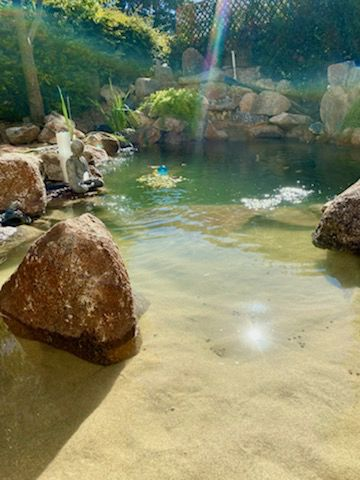
Tropical inspiration defines a beach-theme plunge pond, where sandy shores and lush greenery evoke coastal relaxation. Instead of sterile borders, the shoreline is designed with gradual sandy slopes, mimicking seaside entry points. Palm-like hardy plants, ornamental grasses, and flowering perennials add a resort atmosphere while blending into the natural ecosystem. A compact swimming area provides cool respite, with deeper sections perfect for quick plunges on hot days. Smooth boulders positioned around the edges create seating, while driftwood or reclaimed timbers enhance the coastal feel. Beneath the surface, gravel filtration zones and aquatic plants maintain balance, ensuring clean water without chlorine. Families enjoy the barefoot comfort of sand, which doubles as a lounging area for sunbathing. Seasonal adaptability is another advantage—tropical planting schemes can be swapped for hardy local species in cooler climates without losing the theme. Lighting plays a major role in extending usability; warm-toned solar lanterns and concealed LED strips along sandy paths mimic sunset glow. Maintenance includes topping up sand where foot traffic is heavy and monitoring nutrient levels to avoid algae blooms. A beach-theme plunge combines vacation-style leisure with natural pond benefits, offering a backyard retreat that feels like a permanent getaway just steps from home.
Plant-Purification Ledge
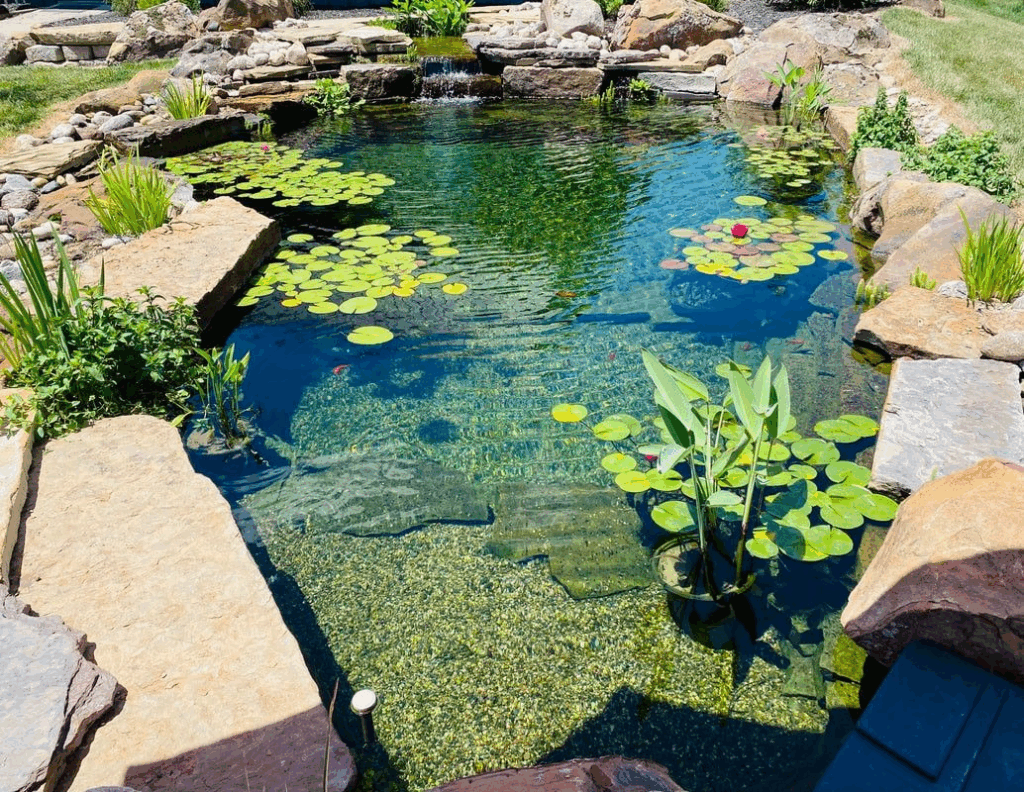
Natural ponds designed with purification ledges use aquatic vegetation as living filters. These shallow zones, typically located along one or more pond edges, are filled with gravel substrates that support oxygenating and nutrient-absorbing plants. Species like water mint, iris, sedges, and lilies absorb excess phosphates and nitrates, starving algae and keeping water clear. This eco-friendly system replaces mechanical or chemical filtration, creating a low-maintenance swimming environment. The ledge doubles as habitat for dragonflies, frogs, and beneficial insects, boosting biodiversity while supporting balanced ecosystems. A well-designed ledge is both functional and visually striking, with colorful blooms and textured foliage framing the pond’s surface. Swimmers benefit from the clarity and purity of naturally cleaned water, which often feels softer and fresher compared to traditional pools. Placement of purification ledges usually follows prevailing winds to maximize circulation and debris capture. Additional gravel shelves beneath the ledge further trap fine particles before water enters the swimming zone. Over time, the plants self-regulate, spreading and thickening where nutrients are highest. Maintenance involves seasonal trimming to prevent overcrowding and replanting if balance shifts. This approach ensures long-term water quality, reduced upkeep, and a pond that looks vibrant while staying aligned with sustainable swimming principles.
Rock-Contour Cove
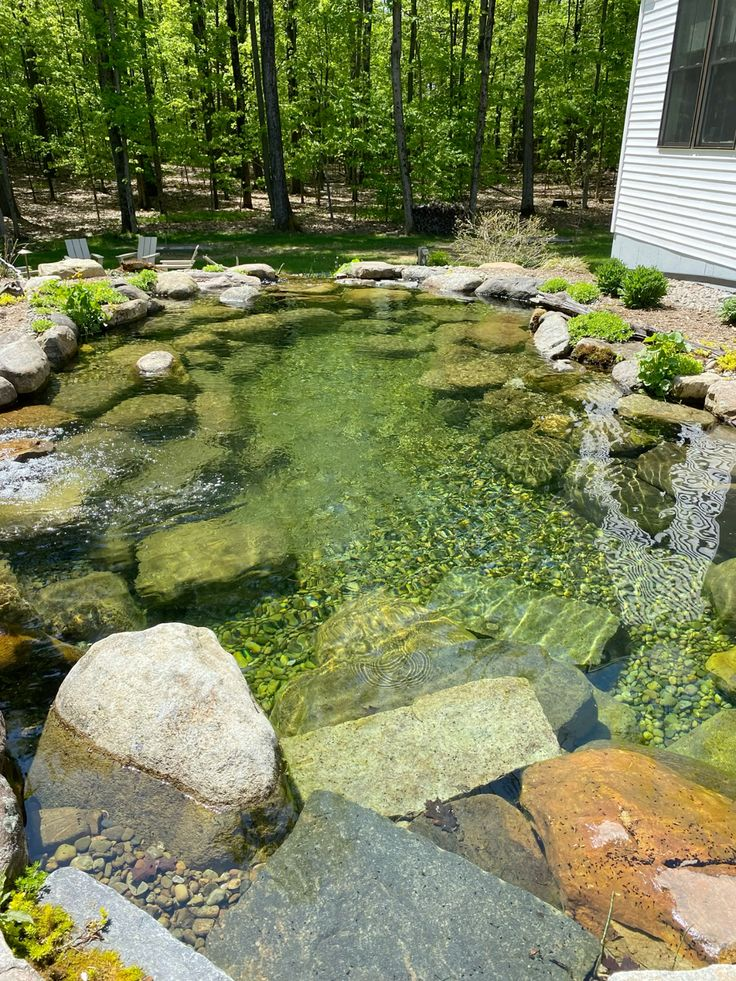
Stone-rich landscapes provide a dramatic backdrop for a rock-contour cove pond. Natural boulders, strategically placed along the shoreline, define swimming areas while creating sheltered alcoves for privacy. Smaller river stones and pebbles line shallow zones, giving the impression of a mountain-fed waterbody. Besides visual appeal, rocks regulate temperature by absorbing daytime heat and slowly releasing it into the water during cooler evenings. Caves and crevices formed by stone groupings also offer habitat for amphibians and invertebrates, enriching biodiversity. Water clarity benefits from gravel beds beneath the stones, which act as biological filters when combined with aquatic plants. Cascading waterfalls can be incorporated to oxygenate the water and add ambient sound, further enhancing the sense of seclusion. Safety is considered with smooth, flat boulders positioned as entry points and lounging spots. The cove-like design provides natural separation within the pond, allowing some areas to feel more intimate than others. Families appreciate the mix of shallow play zones and deeper plunge sections hidden within rocky curves. Maintenance typically involves monitoring algae growth on stone surfaces and ensuring stability of large boulders. A rock-contour cove becomes both a naturalistic swimming retreat and a striking sculptural feature integrated into the landscape.
Wildlife-Friendly Oasis
Designing a swimming pond to attract and support wildlife turns a backyard into a thriving microhabitat. Gentle sloping edges with native grasses, reeds, and flowering plants provide shelter for frogs, dragonflies, and butterflies. Shallow zones encourage birds to bathe and drink, while submerged logs or floating platforms offer safe perches for small animals. Balanced planting ensures water filtration, with oxygenators and nutrient-absorbing plants keeping the ecosystem clear and healthy. This type of pond becomes self-sustaining, requiring minimal intervention once equilibrium is reached. To avoid disturbance, swimming zones are separated from wildlife-rich shelves by stone borders or floating dividers. Natural features such as mud banks or pebble patches further diversify habitats, supporting amphibian breeding. Lighting is kept minimal and wildlife-friendly, using warm, low-intensity fixtures to avoid disorienting nocturnal species. Families enjoy the dual benefit of a swimming retreat and the daily spectacle of nature at close range. Maintenance includes seasonal plant trimming and monitoring water balance without over-clearing, ensuring habitats remain intact. By providing clean water, shelter, and food sources, a wildlife-friendly oasis nurtures biodiversity while offering humans a tranquil place to reconnect with natural rhythms. It’s both a swimming destination and a living sanctuary supporting environmental stewardship.
Minimalist Forest Clearing Pond
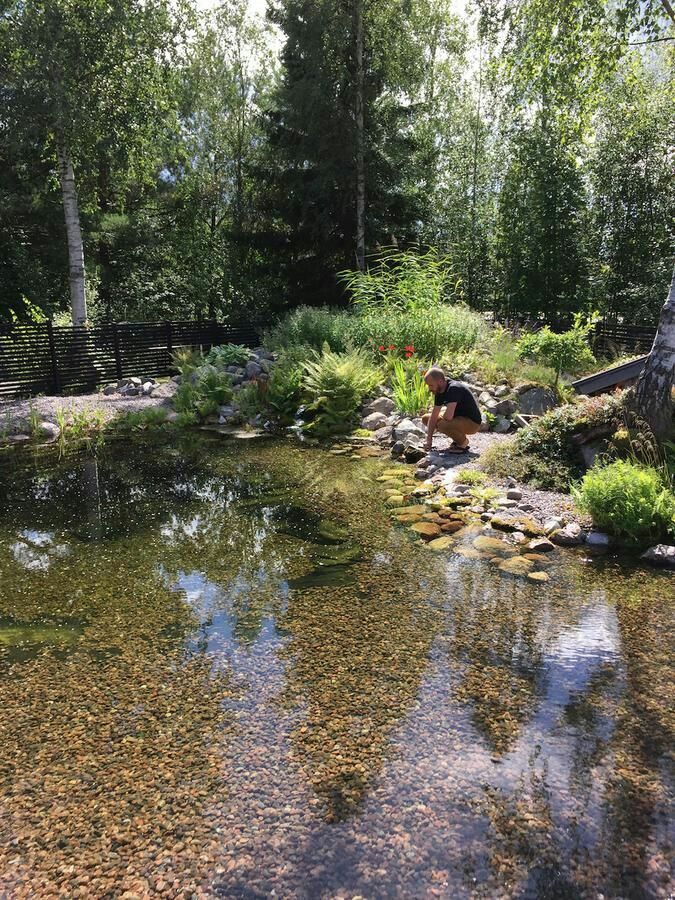
A pond set in a simple forest clearing emphasizes tranquility through restrained design. Surrounded by tall pines, oaks, or birches, the open space offers filtered sunlight and a natural canopy of green. The pond itself is shaped with smooth edges, often lined with gravel shelves and subtle planting, allowing the water to mirror the forest sky. Minimal structures keep the clearing undisturbed—perhaps a single wooden deck or stepping stones for entry. Water quality is maintained using submerged oxygenating plants like hornwort and watermilfoil, paired with a discreet circulation system hidden beneath natural elements. The simplicity invites mindfulness: bird calls echo across the still water, and shifting light patterns create calming reflections. Seasonal variation adds richness—snow-dusted pines in winter, vivid green in spring, and fiery leaves in autumn. This design avoids visual clutter, relying on the elegance of raw landscape features rather than decorative add-ons. Families and individuals alike benefit from the peaceful setting, whether swimming, meditating, or simply resting near the water’s edge. Maintenance remains straightforward with seasonal pruning and occasional gravel refreshing. A minimalist forest clearing pond proves that restraint can heighten beauty, letting the natural environment define the atmosphere of the swimming retreat.
Pebble-Edge Nature Swim
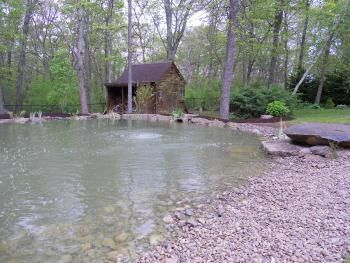
Smooth pebbles provide a tactile and visually pleasing border for natural swimming ponds. Unlike harsh concrete or timber frames, rounded stones create a soft transition from land to water while blending seamlessly into the landscape. The pebble edge serves both functional and aesthetic purposes, preventing soil erosion and stabilizing the shoreline. Shallow shelves beneath the pebble border host aquatic plants that act as living filters, maintaining clear water without chemicals. Swimmers enjoy the sensation of stepping across cool, rounded stones before wading into deeper sections. Pebble coloration—from pale greys to warm browns—adds texture and visual depth, reflecting light beautifully across the water’s surface. Wildlife also benefits, with small stones offering hiding spaces for aquatic insects and spawning grounds for amphibians. Families appreciate the safety aspect, as pebbles provide firm footing compared to slippery clay or mud banks. Maintenance typically involves occasional raking to redistribute stones displaced by use and refreshing plantings in adjacent shelves. Decorative touches, such as larger boulders placed intermittently along the pebble line, add variation without disrupting the natural look. A pebble-edge nature swim strikes a balance between low-maintenance practicality, ecological support, and timeless beauty, creating a pond environment that feels natural yet welcoming for daily use.
Organic Filtration Pool

Eco-conscious homeowners increasingly favor ponds designed with organic filtration systems, avoiding chemicals entirely. These pools rely on carefully constructed regeneration zones filled with gravel, sand, and dense aquatic vegetation. As water circulates between swimming areas and planted shelves, roots absorb excess nutrients while microbes in the gravel break down organic matter. This natural process keeps the water clean and clear, mimicking the function of wetlands. Subdividing the pond into two zones—swimming and regeneration—ensures balance, with about half the surface dedicated to plant filtration. Popular plant choices include water lilies, reeds, and pickerelweed, all known for oxygenation and purification. The result is water that feels fresh and gentle on skin, unlike chlorinated alternatives. Aesthetically, regeneration zones provide lush greenery, transforming the pond into a living landscape feature. Wildlife thrives here too, as frogs, beneficial insects, and birds inhabit plant-dense areas. Maintenance requires occasional trimming and rebalancing plant density but eliminates the ongoing expense of chemicals. Many homeowners integrate solar-powered pumps to circulate water, further aligning the system with sustainable practices. Beyond swimming, the organic filtration pool symbolizes environmental responsibility while offering a healthier, more natural bathing experience. It’s a perfect harmony of ecology, beauty, and human enjoyment.