
Daily routines often begin and end in the mudroom, making organization essential for maintaining order throughout the home. Smart storage solutions help manage shoes, coats, bags, and seasonal gear without letting clutter spill into living spaces. Well-planned mudroom layouts also improve traffic flow, save time during busy mornings, and protect floors from dirt and moisture. Even small or shared entry areas benefit from thoughtful systems that prioritize accessibility and durability. This guide focuses on practical, proven organization ideas that fit real households, offering clear strategies to create a mudroom that feels efficient, tidy, and easy to maintain while still aligning with the home’s overall design style.
Vertical Wall Zones Instead Of Floor Storage
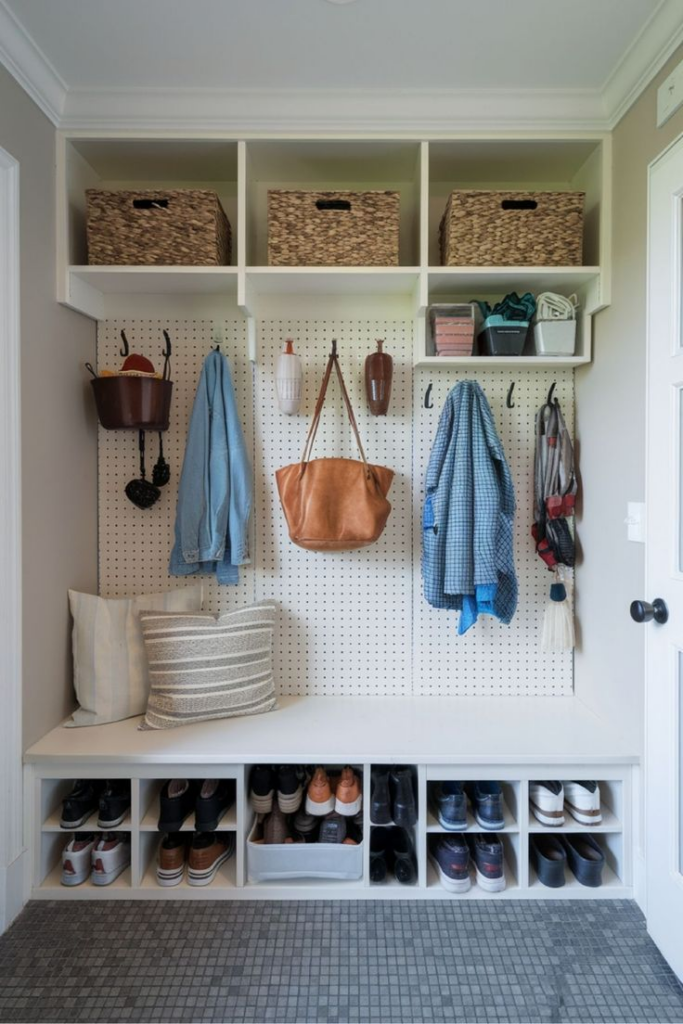
Shifting storage upward changes how a mudroom functions on busy days. Wall zones free valuable floor area, allowing smoother movement while preventing clutter piles from forming near the door. Hooks, shelves, and cabinets placed vertically keep frequently used items visible without blocking walkways. Shoes, bags, and outerwear stay accessible while cleaning becomes faster because floors remain clear. This approach also improves safety, reducing tripping risks during rushed exits. Vertical zoning works especially well in narrow entryways where square footage is limited. Items used daily should occupy mid-wall zones, while occasional gear fits higher placements. Consistent spacing between elements avoids a crowded look and supports visual order. Wall storage encourages intentional habits, since everything has a defined position rather than landing randomly on the floor. Materials like sealed wood, powder-coated metal, or laminate panels withstand moisture and repeated use. For households with children, adjustable rails allow storage heights to evolve over time. Wall-focused organization also improves airflow around shoes and coats, helping reduce odors. By moving storage off the ground, the entry stays functional during peak traffic hours and maintains a cleaner appearance throughout the week, even with frequent comings and goings.
Hidden Shoe Drawers Under Benches
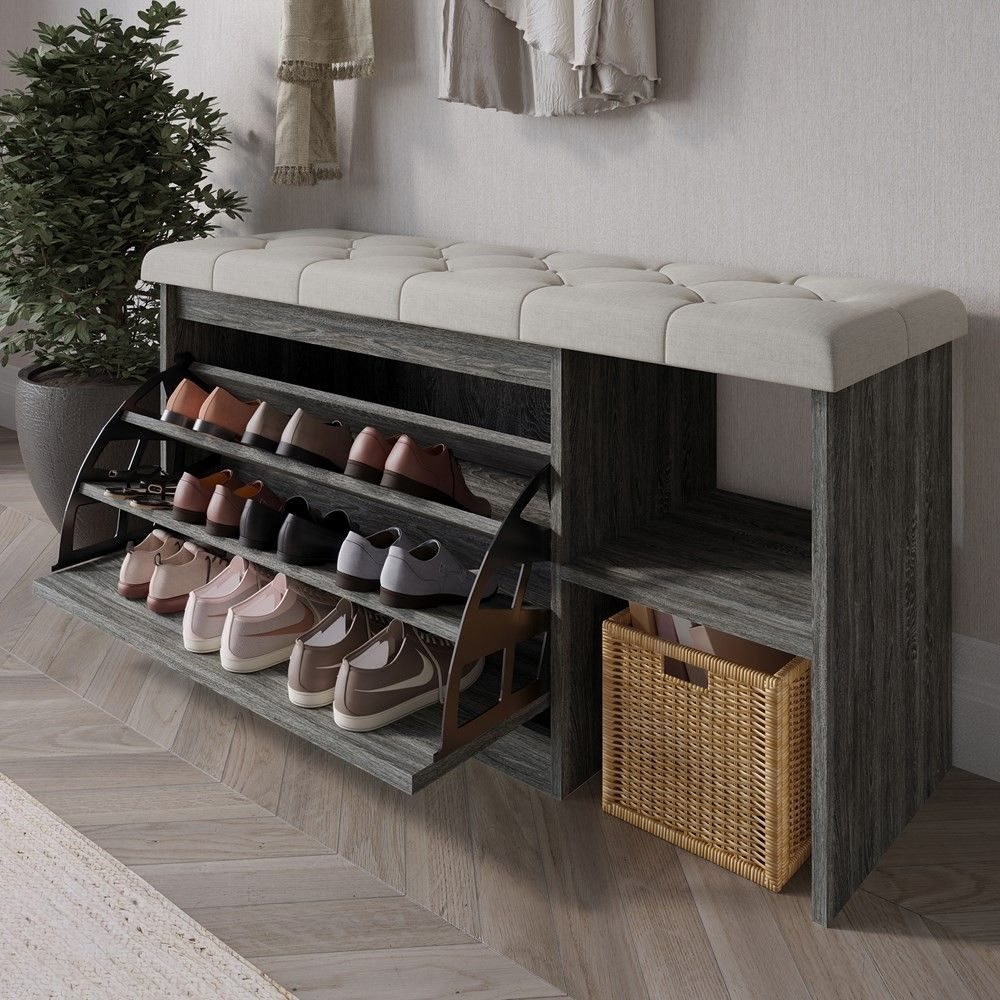
Tucking footwear beneath seating solves one of the most common mudroom frustrations. Bench-integrated drawers keep shoes concealed while maintaining immediate access during departures and returns. This layout prevents visual clutter without forcing shoes into distant closets that slow routines. Pull-out drawers work better than open cubbies for households that prefer a calm, streamlined look. Shallow drawer depths prevent overfilling and encourage regular rotation, reducing forgotten pairs. Ventilated fronts or discreet gaps help airflow, limiting moisture buildup after wet weather. Bench height remains comfortable while storage capacity increases without consuming additional wall space. Assigning one drawer per person simplifies habits and reduces daily searching. Soft-close hardware minimizes noise during early mornings or late nights. Materials should resist dirt and moisture, especially in climates with rain or snow. Cleaning becomes easier because shoes stay contained rather than scattered. This solution also supports guests, offering intuitive storage without explanation. When paired with a durable bench cushion, the setup balances comfort and organization. Hidden shoe drawers quietly support order, making the mudroom feel controlled even during the busiest weeks.
Daily-Use Hooks Placed At Real Reach Height

Effective hook placement depends on actual human reach, not design assumptions. Hooks positioned too high lead to dropped bags and coats left on benches or floors. Real reach height ensures items are hung effortlessly, even when hands are full. For adults, shoulder-level placement works best, while children benefit from lower rows they can access independently. This encourages consistent use and reduces clutter migration. Staggered hook heights allow multiple users without crowding. Spacing between hooks prevents tangled straps and overlapping garments. Durable hardware supports heavier bags without bending or loosening over time. Wall anchoring must account for frequent pulling and weight shifts. Placing hooks near the door minimizes unnecessary steps during exits. Daily-use items deserve the most accessible locations, reserving higher storage for occasional gear. This setup improves flow, especially during rushed mornings. Visual order improves when hooks are evenly aligned and limited in number. Overloading walls with hooks often invites clutter. Thoughtful placement supports habits that stick, keeping the mudroom functional without constant resetting or reminders.
Closed Storage For Seasonal Item Rotation

Rotating gear by season prevents overcrowding and confusion. Closed storage keeps off-season items out of sight, allowing the mudroom to support current needs only. Cabinets, bins, or closets protect stored items from dust and moisture while maintaining a calm appearance. Seasonal rotation reduces daily decision fatigue, since only relevant items remain accessible. Labeling shelves or containers speeds transitions when weather changes. Upper cabinets work well for bulky winter gear during warmer months. During colder seasons, lighter accessories move upward instead. This cycle preserves space and extends item lifespan. Closed doors also hide visual noise, making small entryways feel larger. Consistent storage zones prevent overstuffing and forgotten items. Rotating contents quarterly aligns well with weather shifts in most regions. Materials should tolerate temperature changes and humidity. Avoid overpacking, allowing air circulation within cabinets. Seasonal organization supports long-term order rather than quick fixes. By limiting what stays visible, the mudroom remains efficient, focused, and easier to maintain throughout the year.
Slim Drop-Zone Shelf For Keys And Bags

A narrow surface near the entry solves countless daily disruptions. Slim drop-zone shelves provide a landing spot for essentials without encouraging clutter buildup. Positioned at waist or chest height, they support quick placement of keys, wallets, and small bags. Depth control matters; shallow shelves discourage stacking and random dumping. Wall-mounted designs preserve floor space while maintaining accessibility. Pairing the shelf with discreet hooks below increases function without visual overload. Durable finishes resist scratches from metal items. Placement near the door reduces backtracking and misplaced essentials. Consistent use depends on convenience, so proximity matters more than aesthetics alone. Lighting above the shelf improves visibility during early mornings. A defined drop zone supports smoother exits and calmer returns. Avoid oversized trays that collect unrelated items. Limiting the surface length helps maintain discipline. This small addition delivers outsized benefits, reducing daily stress while keeping the entry organized and predictable.
Baskets Assigned By Person Not Category

Organizing by individual simplifies routines more effectively than sorting by item type. Personal baskets give each household member responsibility for their own belongings. This approach reduces sorting time and arguments over misplaced items. Each basket holds gloves, hats, mail, or accessories specific to one person. Visual clarity improves because ownership is obvious. Labeling or color-coding baskets helps children participate independently. Sizes should reflect typical usage rather than strict symmetry. Flexible materials accommodate changing contents without overflowing. Placement at reachable heights encourages consistent use. This system adapts easily as routines change. Instead of reorganizing categories, contents shift naturally within each basket. Cleaning becomes faster because items return to a single container. Personal assignment supports accountability while reducing clutter spread. Guests also benefit from temporary baskets during visits. Organizing by person aligns storage with real-life behavior, making the mudroom easier to manage without constant oversight.
Open Cubby System With One Empty Slot Rule

Cubbies offer visibility and speed when designed with restraint. Leaving one empty slot prevents overflow and signals when adjustments are needed. This rule encourages regular clearing without strict schedules. Open cubbies work best for frequently used items like shoes or bags. Uniform sizing creates visual balance while simplifying use. Assigning specific cubbies avoids daily reshuffling. The empty slot absorbs temporary overflow during busy periods. This buffer means clutter never spills onto floors. Durable materials withstand repeated access. Open designs promote airflow, reducing moisture buildup. Limiting total cubbies prevents excess accumulation. This system works well for families with predictable routines. Regular review becomes intuitive rather than forced. The empty slot acts as a visual cue, maintaining order naturally. Thoughtful cubby design supports consistency while allowing flexibility when life gets hectic.
Wall-Mounted Storage To Keep Floors Clear

Clear floors transform how an entryway functions. Wall-mounted storage keeps bags, coats, and gear off the ground, improving movement and safety. Floating cabinets, rails, and hooks maximize usable space without crowding. This setup simplifies cleaning and reduces wear on flooring. Placement should align with natural traffic paths. Heavy items require secure anchoring for long-term stability. Wall storage supports visual order, making the area feel larger. Vertical arrangements accommodate varied item sizes. Consistent spacing prevents chaos. Floor-free layouts benefit households with pets or children. Moisture dries faster when items hang rather than pile. This approach supports long-term maintenance by discouraging clutter habits. Wall-mounted solutions adapt well to small or awkward spaces. Keeping floors clear ensures the mudroom stays functional, safe, and visually calm.
Tall Cabinets For Cleaning Tools And Gear
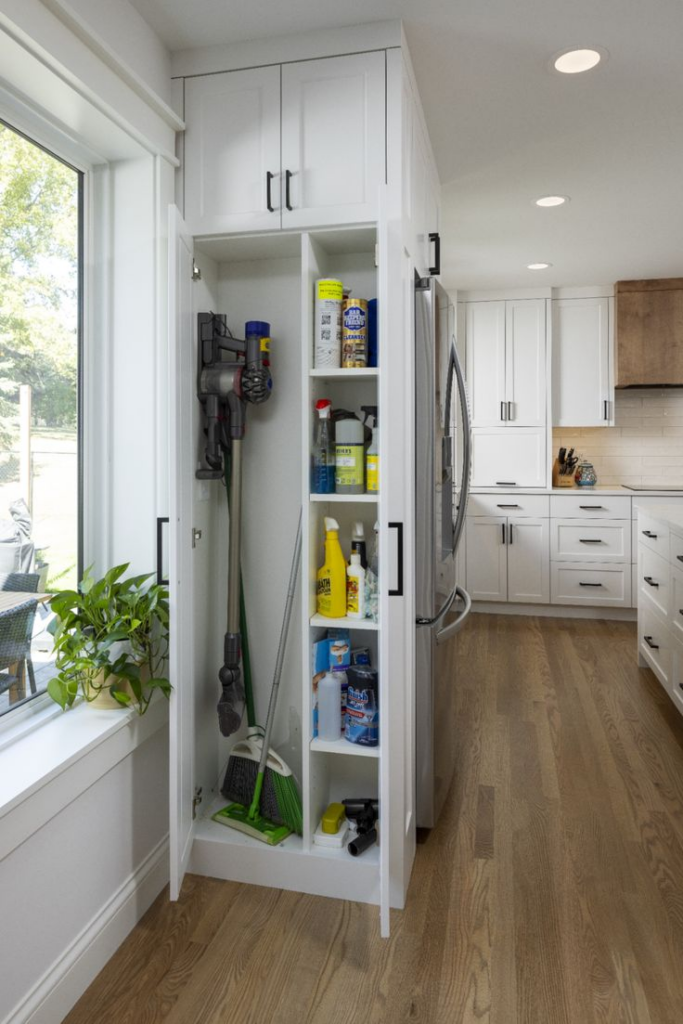
Cleaning tools often disrupt entry organization when left exposed. Tall cabinets conceal brooms, vacuums, and supplies without wasting space. Vertical storage keeps tools upright, preventing damage. Doors protect items from dust while maintaining a tidy look. Adjustable shelves accommodate varied equipment sizes. Positioning cabinets near the entry simplifies quick cleanups. Narrow footprints fit well beside doors or corners. Proper ventilation prevents moisture issues. Storing supplies together improves efficiency. This solution prevents tools from migrating into living areas. Durable finishes withstand frequent contact. Tall cabinets support order without sacrificing accessibility. By containing utility items, the mudroom remains purposeful and uncluttered.
Minimal Setup Focused On Daily Essentials Only

Limiting storage to daily necessities creates a calmer, more efficient entry. Excess items increase friction and visual noise. A minimal setup prioritizes shoes, coats, and bags used every day. Everything else moves elsewhere. This clarity speeds routines and reduces maintenance. Fewer items mean fewer decisions. Storage zones remain easy to reset. Minimal layouts adapt well to changing schedules. Visual simplicity enhances perceived space. This approach requires discipline but delivers consistency. Daily essentials deserve prime placement. Removing extras supports long-term organization. A focused setup keeps the mudroom functional rather than overloaded.
Mudroom Zones Divided By Entry Habits

Designing zones around behavior improves usability. Some people drop bags immediately, others remove shoes first. Zoning based on habits reduces congestion. Each area supports a specific action sequence. This prevents overlap and confusion. Clear boundaries guide movement intuitively. Habit-based zones adapt better than rigid layouts. Observing routines informs placement decisions. This approach supports smoother flow during busy periods. Zoning by behavior aligns storage with reality, improving consistency and reducing clutter.
One-Touch Storage For Fast Exits And Returns

Speed matters most in a mudroom when people are rushing out or coming back in with full hands. One-touch storage focuses on reducing effort to a single, natural motion so items never get dropped in the wrong place. Hooks that require no aiming, open bins that don’t need lids lifted, and shelves placed exactly where hands instinctively move make daily routines smoother. Bags, keys, jackets, and pet leashes should all be storable without bending, opening doors, or rearranging other items. This setup minimizes friction, which is the main reason clutter builds up near entryways.
Consistency is critical. When storage works the same way every time, habits form quickly and stick. One-touch systems work especially well during school mornings, grocery returns, or rainy-day arrivals when patience is low. Hardware must be sturdy enough to handle repeated use without shifting or loosening. Spacing also matters, as overcrowded hooks defeat the purpose by slowing access.
This approach reduces decision-making, prevents pileups, and keeps traffic moving smoothly. Over time, the mudroom stays organized not because of discipline, but because the layout supports fast, intuitive behavior that matches real life.