
Clean architectural lines meet serene functionality in today’s bathroom spaces, where minimalist bathtubs define comfort through simplicity. These designs balance visual calm with practical elegance, offering clutter-free zones that enhance relaxation and space perception. Whether it’s a freestanding tub centered under natural light or a recessed soak framed by neutral tones, minimalism creates a timeless sanctuary that feels intentional and inviting. Perfect for modern homes, these minimalist bathtub ideas highlight how refined design choices can turn everyday routines into restful experiences.
Freestanding Tub with Slim Profile
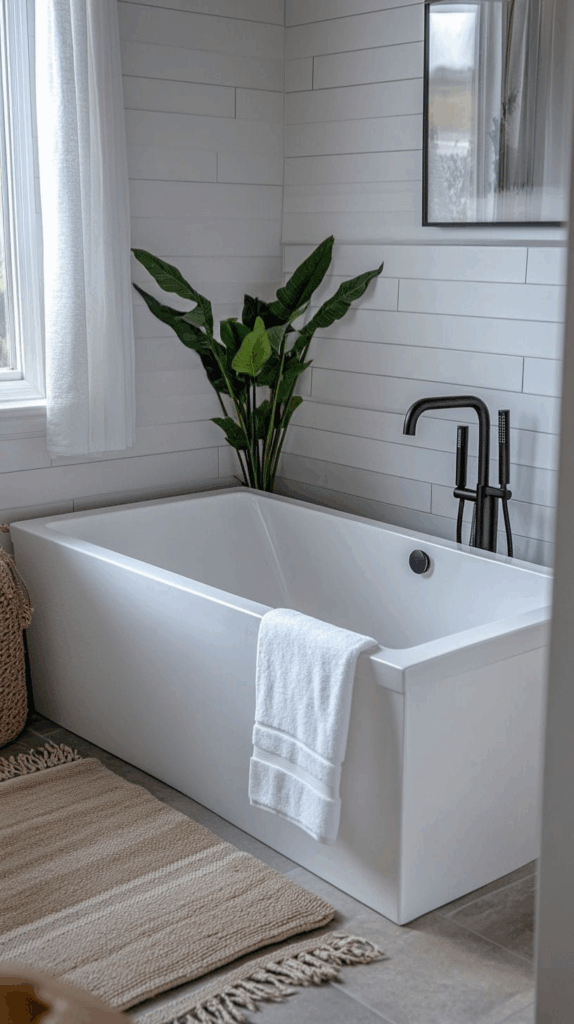
Sculptural elegance meets functional minimalism through a freestanding tub defined by slim contours and clean silhouettes. Its slender rim and light visual weight give bathrooms an airy, gallery-like balance, letting the floor and wall textures breathe naturally. Matte white acrylic, honed stone, or brushed solid surface materials accentuate simplicity without distraction. When placed centrally on a neutral slab, it becomes both artwork and retreat—ideal for minimal interiors valuing proportion and calm. Soft diffused lighting enhances the slim curvature, amplifying serenity while maintaining architectural focus. Brass or black fixtures punctuate the space with contrast yet remain restrained, preserving an uncluttered ambience. This style suits open layouts where balance between void and form defines beauty. Pairing it with minimal side shelving, low greenery, or linear sconces ensures every detail feels intentional. The overall effect invites slow rituals and visual calm, merging sculptural clarity with daily functionality.
Integrated Tub with Deck Surround
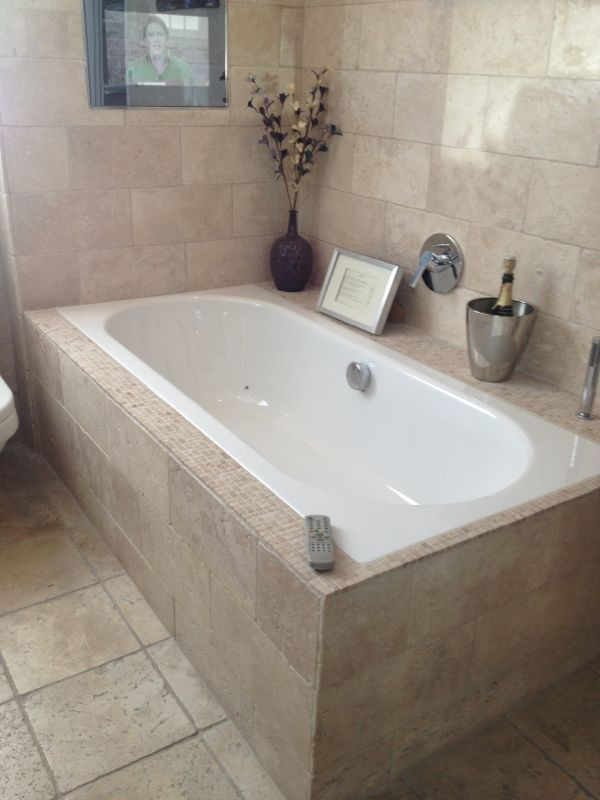
A built-in silhouette with deck integration redefines quiet luxury through seamless geometry and uninterrupted planes. The deck—crafted from the same stone, porcelain, or concrete surface—extends into the tub’s edge, blending functionality with understated form. It creates a natural ledge for candles, rolled towels, or organic decor, eliminating clutter while celebrating tactile continuity. Such integration visually expands compact bathrooms, forming a low, grounded horizon line that mirrors spa-inspired architecture. Subtle perimeter lighting beneath the deck softens its mass, turning evening baths into ambient experiences. The key lies in precision: tight joints, concealed drains, and monochrome finishes maintain unity. This concept thrives within minimalist or Japandi aesthetics, where calm rhythm replaces ornate detailing. Framed windows or skylight reflections across the deck surface enhance the illusion of boundless openness. When executed correctly, an integrated deck tub transforms bathing into meditation—an effortless blend of sculpture, structure, and sensory quiet.
Wall-Mounted Soaking Drop-In Tub
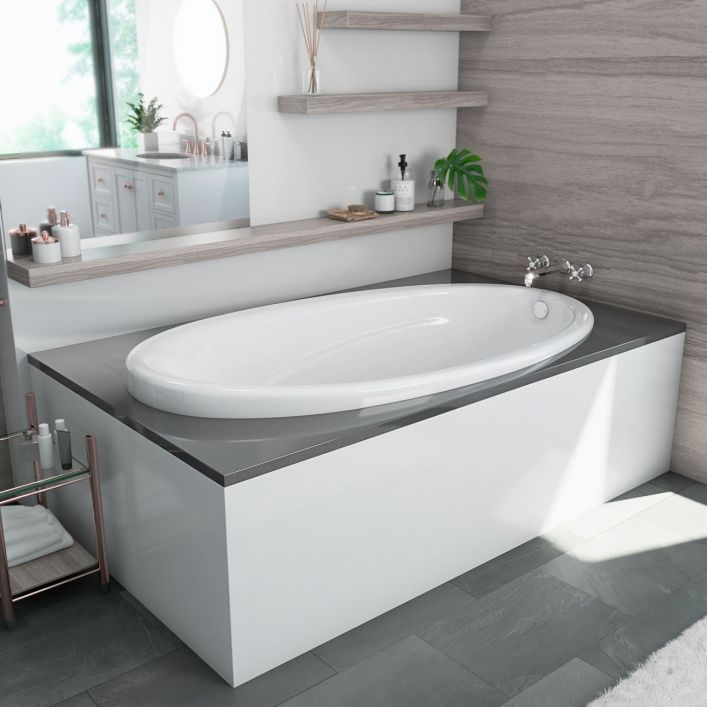
Anchored along one wall yet visually floating, the wall-mounted drop-in tub offers modern restraint for compact or linear spaces. Its half-sunk design allows maximum depth without disrupting clean sightlines. Encased in uniform tile or microcement, the surround appears carved rather than constructed, giving the tub architectural permanence. Hidden plumbing and thin edges keep attention on material texture—be it matte stone or smooth composite. This minimalist approach highlights symmetry and function while freeing floor space for uninterrupted movement. When combined with linear wall spouts and frameless glass panels, it reads like an art installation rather than a fixture. Wall washing lights enhance the vertical drop, creating luminous contrast and spatial depth. Neutral palettes—taupe, sand, or concrete gray—further simplify perception, allowing serenity to anchor the design. It’s ideal for modern apartments where every inch serves both purpose and aesthetic restraint, creating luxury through proportion and quiet detail.
Zero-Edge Minimal Tub (Flush to Floor)
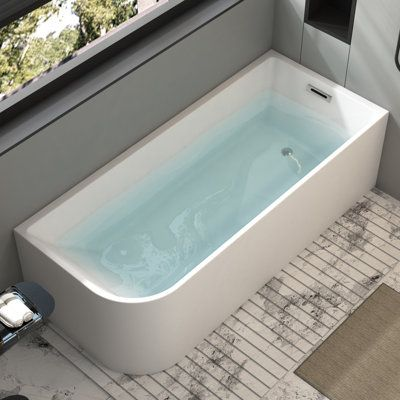
Defined by its ground-level presence, the zero-edge tub dissolves boundaries between floor and water, offering an immersive, architectural calm. Installed flush to the surface, it evokes spa pools in Japanese onsen or modern retreats in concrete pavilions. The absence of visible elevation keeps focus on pure form and materiality. Large-format tiles, terrazzo, or resin floors extend seamlessly into the tub’s perimeter, creating the illusion of continuity and stillness. Integrated slot drains maintain clarity, eliminating visual noise. This concept thrives in open-plan ensuites, merging bathing rituals with meditative flow. Ambient light grazing across the water’s edge amplifies still reflections and subtle shadows. The design invites barefoot luxury—a deliberate pause amid minimal geometry. Its restrained character also reduces maintenance clutter, ideal for homeowners craving visual simplicity without sacrificing indulgence. Every element whispers balance and quiet immersion, redefining how minimalism feels when grounded in tactile stillness.
Backlit Tub Base

Soft illumination from beneath a bathtub can transform minimal architecture into serene artistry. The backlit base technique introduces an ambient glow that appears to levitate the structure, accentuating geometry without decoration. Hidden LED strips—tucked under a recessed plinth or translucent resin base—emit diffused light that outlines form and mood simultaneously. This floating aura emphasizes material contrast: matte tubs against textured floors, glass against stone, or acrylic against warm timber. By dimming light intensity, evenings shift into meditative calm, mirroring hotel-style spa luxury within residential bathrooms. The visual rhythm created by light transition enhances perception of space, especially in small layouts. Selecting warm white or soft amber temperatures avoids sterile tones, maintaining intimacy and depth. Electrical detailing remains concealed, preserving design purity. Combined with minimal faucets and frameless glass partitions, the backlit tub base balances high modernism with emotional warmth—proof that minimal design can still glow with quiet soul.
Minimalist Oval or Pebble Shape
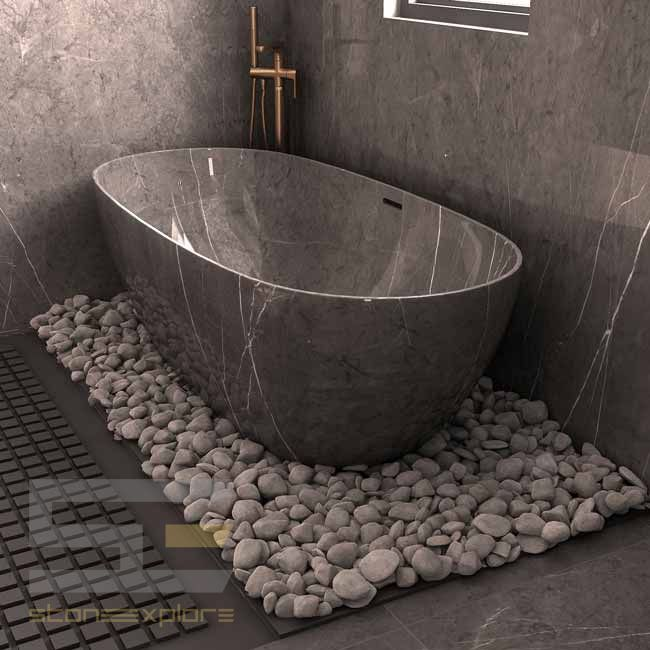
Organic symmetry softens the rigor of minimal interiors through tubs inspired by river stones or elongated ovals. The pebble-like contour introduces natural flow, reducing visual tension while complementing straight architectural lines. Crafted from matte resin or smooth stone composite, it radiates understated sensuality, inviting touch and warmth. The lack of sharp corners enhances comfort, while uniform curvature reflects soft lighting effortlessly. Such silhouettes harmonize beautifully with neutral palettes—sand, taupe, and linen—where texture and tone define luxury more than ornamentation. Positioned centrally or near a window, the organic tub becomes a sculptural statement amid calm horizontals. Its minimal surface detailing maintains visual lightness, reinforcing balance across spatial compositions. This design appeals to both modern and wabi-sabi sensibilities, blending refinement with quiet imperfection. Paired with slender faucets and tactile accessories, the oval tub turns everyday bathing into a meditative, natural ritual of effortless grace.
Tub with Hidden Overflow & Drain
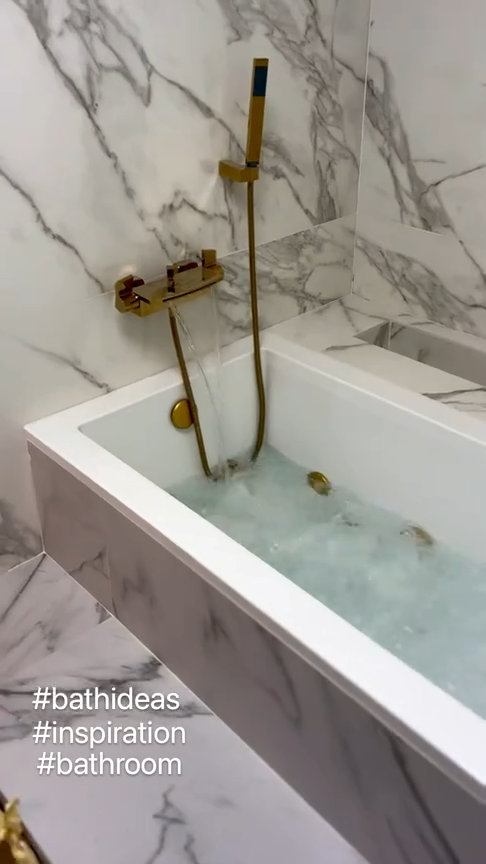
True minimalism thrives on invisibility, and concealed drainage exemplifies that purity. Hidden overflow and integrated drain systems eliminate the visual clutter of hardware, leaving an uninterrupted sculptural surface. Advanced engineering allows water control within invisible channels beneath the tub body, ensuring functionality without compromising aesthetics. This detail suits stone resin, solid surface, or Corian-style tubs that seamlessly merge structure with precision. The resulting look feels tailored, quiet, and utterly refined—perfect for those who view simplicity as the ultimate sophistication. When paired with wall-mounted mixers, symmetry and cleanliness dominate the composition. Lighting and texture take precedence, emphasizing the gentle slope of the tub’s inner form. The user experiences calm continuity where every line feels intentional. Beyond aesthetics, concealed drains reduce maintenance and support easy cleaning. In essence, this design represents minimalism’s technical side—achieving calm not through emptiness, but through intelligent invisibility and engineered grace.
Clad Tub in Same Material as Floor
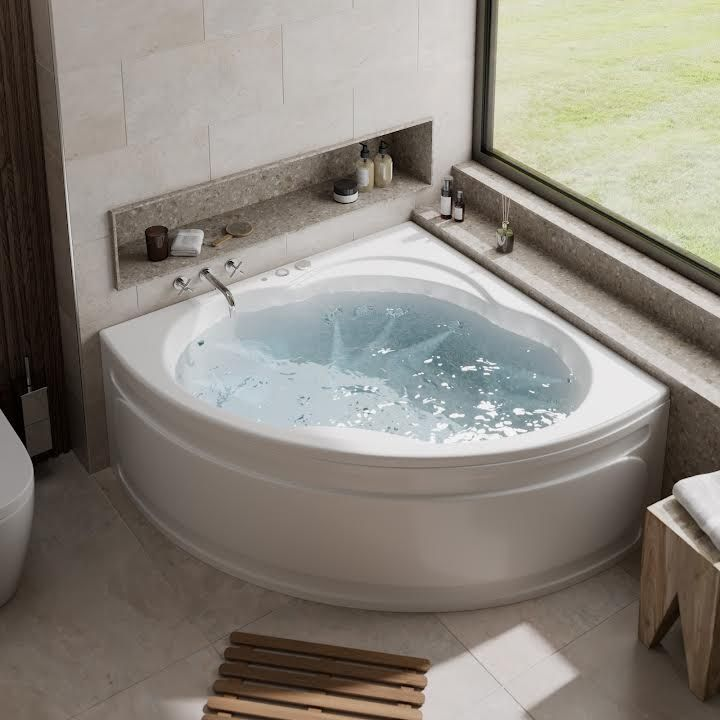
Continuity defines elegance in spaces where the bathtub and flooring share identical material finishes. When marble, terrazzo, or microcement wraps both surfaces, the eye perceives an unbroken field of texture—a spatial illusion that expands even modest bathrooms. The tub appears carved directly from the floor, grounding the design in tactile harmony. Precision in edge alignment and grout control is crucial to maintain flow. This technique pairs beautifully with underfloor heating and minimalist lighting, enhancing warmth across the monolithic surface. Subtle contrasts—matte walls against polished stone or muted brass fittings—add quiet depth without disrupting unity. The effect evokes contemporary spa sanctuaries found in Scandinavian or Japanese design studios, where restraint meets refinement. It’s a concept built on craftsmanship and material honesty, transforming simple baths into architectural sculptures. Beyond its striking appearance, matching cladding ensures cohesive durability and a timeless sense of calm that transcends fleeting trends.
Floating Tub (Cantilevered Support)

Architectural drama meets minimal weightlessness when a bathtub appears suspended above ground on hidden supports. The floating concept relies on cantilever engineering, often anchoring the base into structural walls or recessed plinths. The visual result feels impossibly light, like sculpture hovering within space. When combined with soft perimeter lighting, the underside glow enhances its illusion of flight. Ideal for minimalist homes emphasizing geometry and proportion, this style transforms bathing into performance art. Materials like composite resin, thin concrete, or matte solid surface ensure strength without bulk. The open floor beneath simplifies cleaning while expanding perceived volume. Paired with frameless glass panels and subtle stone backdrops, the floating tub becomes both focal point and spatial anchor. Its restrained construction celebrates precision craftsmanship and modern engineering, proving minimalism can convey emotion through balance and suspension. Every angle invites contemplation, where function merges with architectural poetry in quiet, weightless form.
Corner Minimalist Tub

Designed for efficiency yet exuding calm restraint, the corner minimalist tub optimizes space without sacrificing style. Its geometric fit allows full soaking comfort while maintaining circulation flow in compact bathrooms. Clean lines meet right angles, creating crisp transitions that frame the corner as a serene focal zone. Material choices—stone resin, matte acrylic, or tile-clad concrete—determine mood, from spa warmth to urban cool. With hidden overflow systems and slim ledges, clutter disappears, reinforcing clarity. Wall-mounted faucets complement the symmetry, while vertical lighting or narrow skylights heighten depth perception. Subtle hues such as mist gray or warm beige prevent visual heaviness. This configuration works especially well in apartments where every inch must serve dual aesthetic and practical purposes. The corner placement evokes balance, transforming unused geometry into an intimate retreat. In essence, the minimalist corner tub celebrates purposeful constraint, where proportion, silence, and precision coexist beautifully.
Glass Panel Side Tub
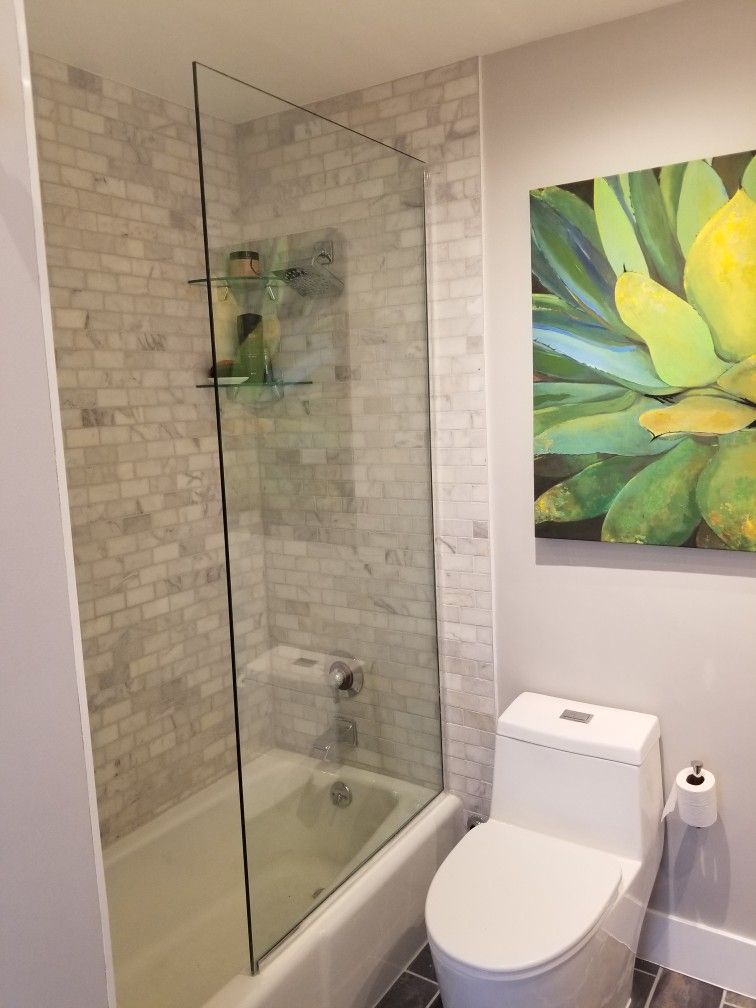
Transparency meets sculptural depth through tubs featuring a clear glass or acrylic side wall, revealing water as a design element itself. The translucent panel contrasts with opaque surroundings, adding lightness and movement to minimalist spaces. Stainless supports or hidden bonding preserve purity while maintaining safety. Soft LED lighting beneath the waterline enhances reflection, transforming bathing into visual meditation. This contemporary feature pairs effortlessly with concrete, terrazzo, or timber textures, offering contrast between solid and fluid materials. Its subtle theatricality suits urban lofts and resort-inspired homes alike. Practicality meets art: reinforced panels prevent condensation and are easy to clean. The view through the glass softens spatial edges, amplifying openness in smaller bathrooms. Such design celebrates water’s natural beauty, blurring the boundary between architecture and emotion. A glass-panel tub is not only functional but also an introspective installation—minimalism made luminous, transparent, and quietly breathtaking.
Geometric Monochrome Tub (Solid Color Finish)
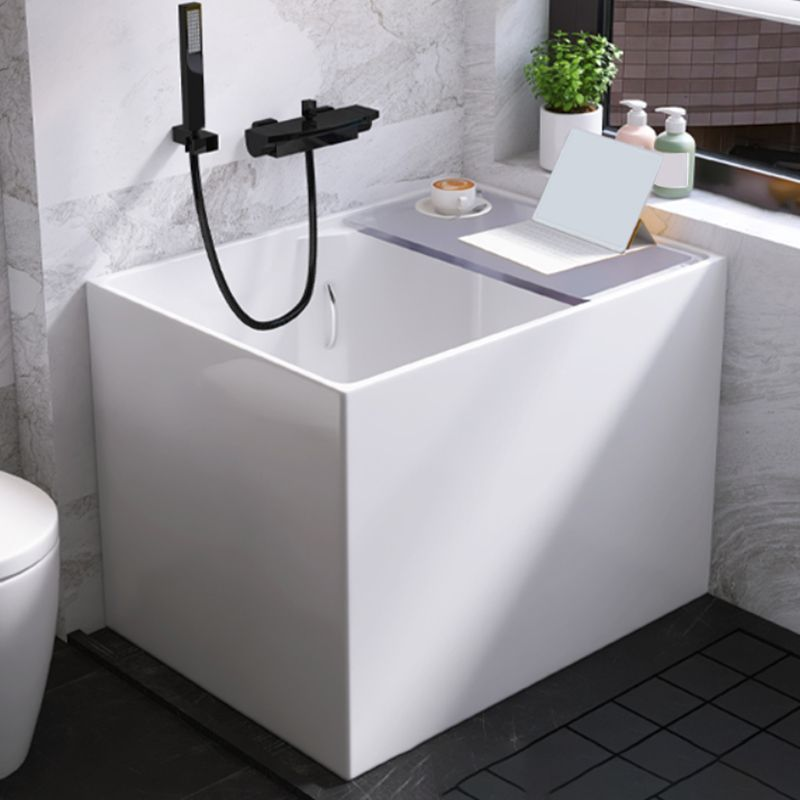
Minimalism finds bold calm through a single-color tub executed with sculptural precision. Solid finishes—pure white, matte black, soft beige, or muted clay—strip design to its essentials while amplifying texture and form. Geometric outlines such as rectangles, circles, or asymmetrical trapezoids introduce structured rhythm, transforming the bath into a centerpiece of controlled proportion. When placed against tonal walls, the monochrome finish heightens architectural integrity, avoiding decorative excess. Materials like matte acrylic, powder-coated steel, or mineral composite maintain surface depth without gloss. The absence of pattern lets natural light define shape, evoking gallery simplicity. Complementary elements—linear faucets, neutral rugs, or stone benches—enhance continuity. This concept suits both high-contrast urban interiors and serene natural settings, offering modern restraint without sterility. Its timeless palette ensures relevance across trends, proving minimalism doesn’t mean empty—it means intentional, where every edge, tone, and silence contributes to balanced perfection.