
Foot traffic and visual flow can be improved dramatically without draining your budget—especially when your outdoor space calls for charm and function. A thoughtfully planned garden path doesn’t have to involve expensive materials or professional installation to make a strong impact. With smart use of gravel, repurposed bricks, stepping stones, or mulch, it’s possible to build attractive walkways that stand up to daily use while blending effortlessly with your landscape. These approachable, wallet-friendly solutions help guide guests, keep shoes mud-free, and define planting zones. Keep reading for affordable garden path ideas that offer curb appeal and practicality without compromising your bottom line.
Pea-Gravel & Mulch Stepping-Track
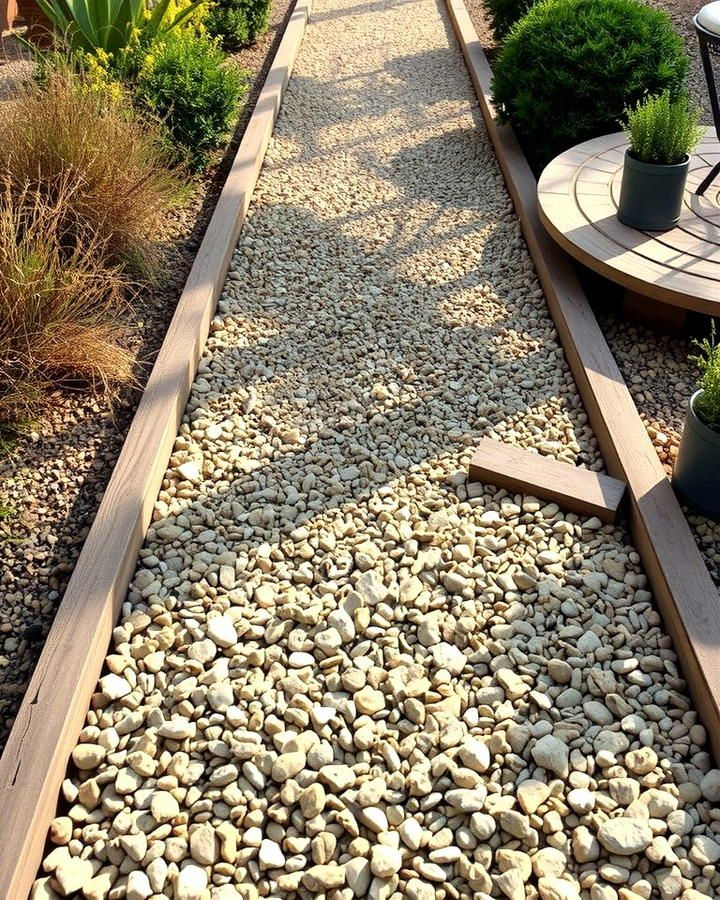
Gentle crunch underfoot gives this track its charm. By alternating mulch beds with small pea-gravel islands, the path offers texture variation without breaking the budget. The mulch prevents weed growth while the gravel provides a defined footing. This combo excels in gardens with meandering layouts or curved perimeters, adapting easily without precise cuts or tools. Homeowners can dig shallow channels, layer landscape fabric for weed control, and top each segment with its chosen fill. For added definition, recycled bricks or scrap timber can serve as informal edging. This mix allows moisture to drain efficiently and is low-maintenance long-term. Especially ideal for vegetable patches or side yard walkways, the material costs remain minimal, yet the visual payoff is high. Regular replenishment of mulch may be needed annually, but gravel remains intact season after season. This technique works best in dry to moderately wet zones. Its natural tones blend well with wildflower beds, herb gardens, or woodland borders. The use of contrasting ground textures adds visual interest while remaining functional and walkable. Gardeners who want affordability without sacrificing aesthetic appeal will find this approach practical, sustainable, and pleasing to the eye. It’s a no-fuss, high-impact solution that adapts beautifully to most outdoor layouts.
Concrete-Slab Zen Insert Path
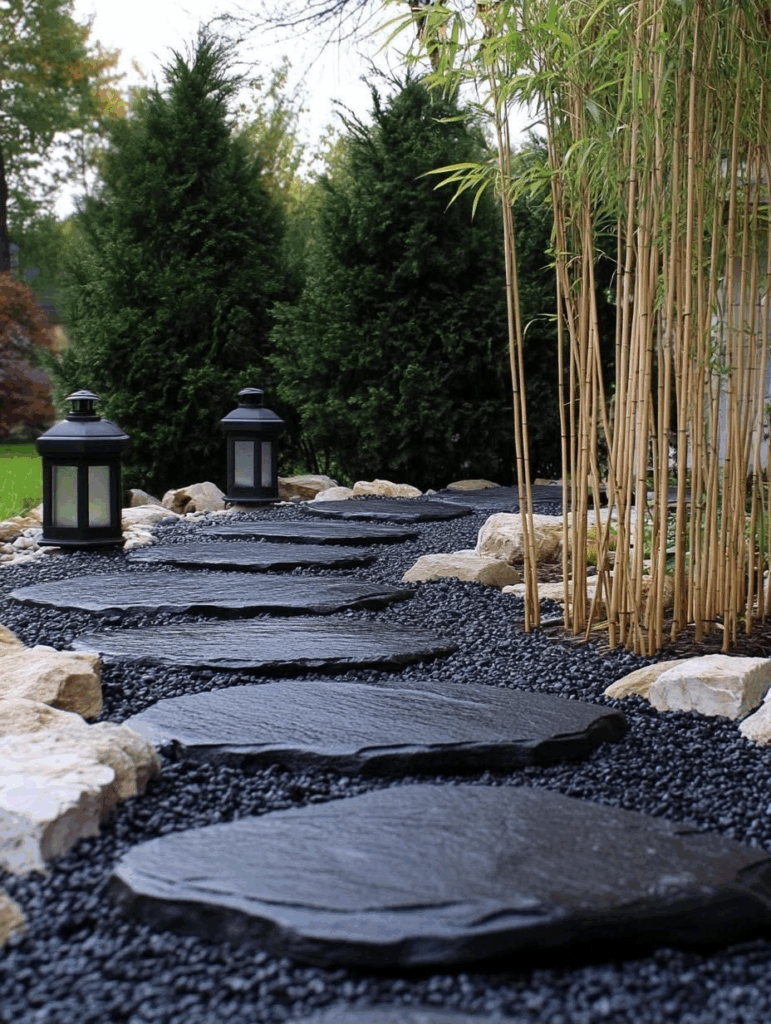
Clean geometry meets serene spacing with this layout. Precast concrete slabs, spaced apart intentionally, mimic stepping stones while preserving airflow between greenery. These inserts are ideal for Japanese-style gardens, gravel beds, or minimalist courtyards. Installation requires a basic layout plan and a level sand or decomposed granite base beneath each slab. Interstitial gaps can be filled with black pebbles, creeping thyme, or white gravel for visual balance and contrast. The symmetry not only guides movement but also brings a sense of order and calm to chaotic planting areas. Slabs come in various dimensions, but square or rectangular units offer the cleanest visual rhythm. Those working with a modest budget can reuse leftover patio pavers or buy seconds from local yards at discounted rates. Regular sweeping or occasional pressure washing maintains their pristine appearance. Unlike full patios, these require less material while still appearing intentional and structured. The overall look resonates with quiet simplicity—ideal for garden meditation zones, succulent beds, or transition zones between patio and lawn. Its low-maintenance setup appeals to homeowners seeking clarity, functionality, and subtle design all in one. This configuration grounds the space with clean lines while respecting budget limitations, especially for DIY landscapers and first-time path builders.
Flagstone & Decomposed-Granite Weave
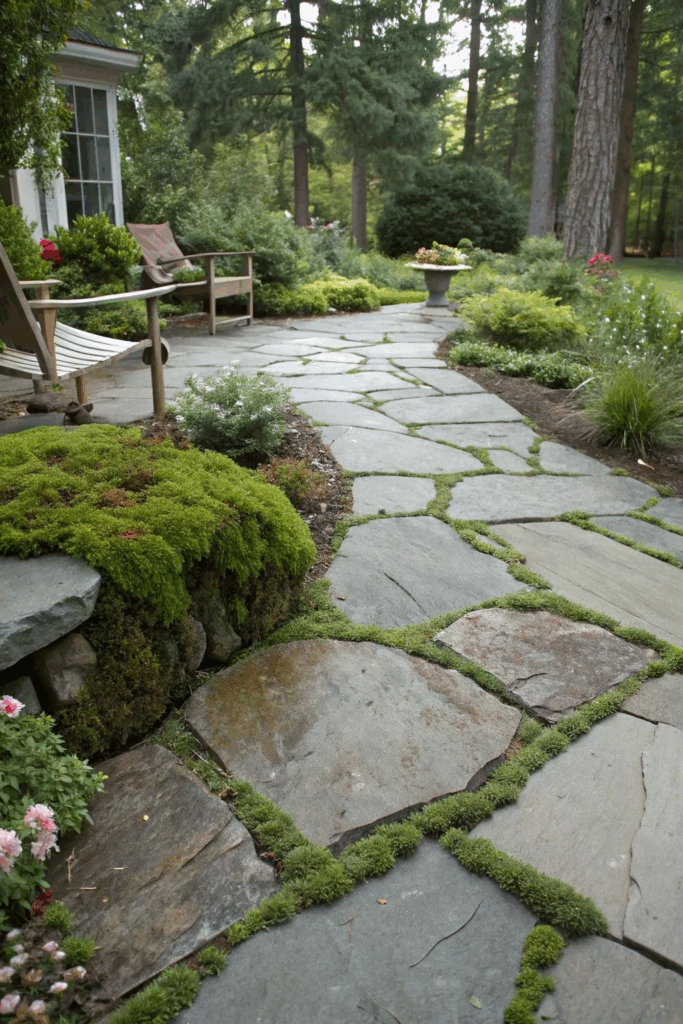
Natural flagstone slabs set into a decomposed granite (DG) base form one of the most stable and affordable naturalistic path styles. This pairing provides both drainage and grip, making it practical for sloped terrain or areas with light foot traffic. DG compacts well and holds the irregular stones in place while creating a smooth walking surface that still feels grounded in the garden’s ecosystem. For homeowners concerned with erosion or dust, stabilizing DG with a binding agent enhances longevity without significantly raising costs. The variation in flagstone shape brings organic movement, while the DG background offers a textural counterpoint. This method doesn’t require mortar or heavy equipment—just basic hand tools, patience, and good placement planning. Weed-barrier fabric below the DG can help prevent unwanted growth, and occasional sweeping keeps the surface clean. This style works particularly well in Mediterranean-inspired gardens, drought-tolerant landscapes, and cottage-style beds. Color variation in flagstone—from dusty rose to cool gray—allows tailoring to different plant palettes and exterior finishes. For those seeking an eco-friendly and durable walkway that integrates beautifully into a rustic or semi-structured landscape, this combo offers timeless appeal without draining the wallet. The visual richness and tactile balance make this a rewarding weekend DIY project.
Pebble-Brick Mosaic Border Walkway
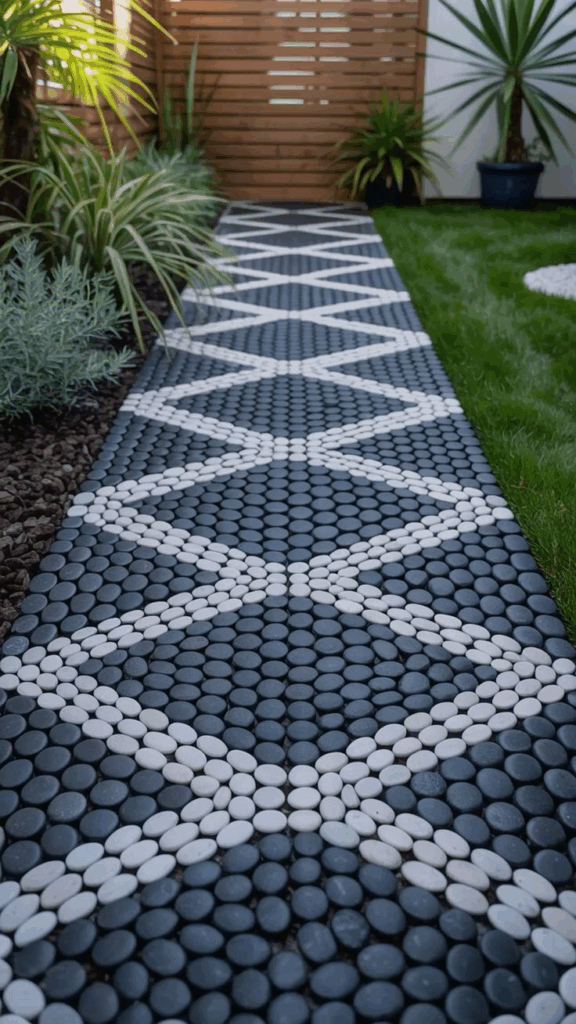
Interspersing rounded pebbles with old bricks creates a mosaic-like walkway that doubles as functional art. Perfect for tight areas like garden entrances or curved path borders, this low-cost project repurposes materials many homeowners already have. Begin by laying bricks in staggered or circular patterns, leaving modest gaps for the pebbles. River stones, tumbled gravel, or leftover aquarium pebbles can fill those spaces and provide drainage. The result is a visually intricate but structurally sound surface. Compact the layers with a hand tamper, and edge the sides with flat stones, salvaged wood, or simple trench lines to keep the materials in place. This method performs well in dry climates and informal garden zones, though it’s best for light-use areas rather than heavy foot traffic. It’s also a clever way to transition between planting beds and patios. When maintained with occasional re-leveling and brushing, the pattern holds up beautifully. Earthy reds from aged bricks contrast well against cool-toned pebbles, offering visual balance and grounding the garden design. Those drawn to eclectic aesthetics or upcycled charm will find this approach both practical and budget-friendly. Its customizability ensures no two paths look alike, while the combination of textures adds irresistible curbside charm.
Compacted Decomposed-Granite Stairway
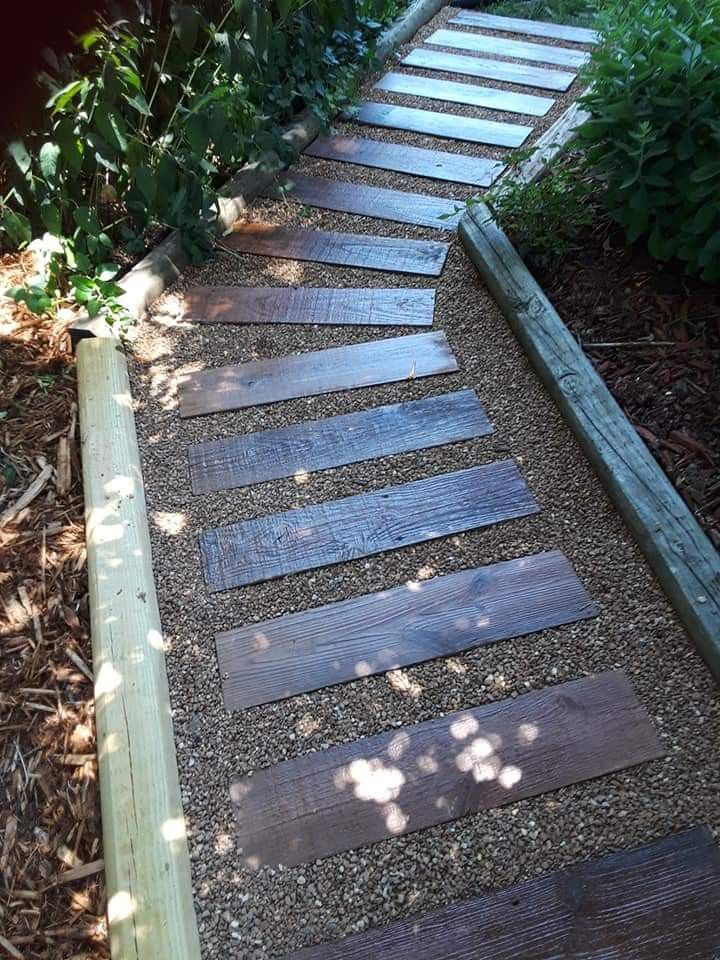
Terraced slopes or gentle hillsides benefit greatly from this cost-effective stair alternative. Decomposed granite, when tightly compacted between timber or stone risers, creates a stable and weather-tolerant ascent. Begin by shaping shallow steps into the slope, securing each rise with treated lumber or stacked stone to act as a frame. Fill each tier with a few inches of DG and tamp it firmly for a level, sturdy step. Stabilizer additives can be mixed in to prevent erosion during rainfall, especially on steeper inclines. This method requires minimal digging and no concrete work, making it ideal for DIY landscapes on uneven ground. The granular finish allows water to seep through, reducing pooling and making it more environmentally friendly. Its muted golden or reddish hues blend beautifully with natural plantings, rock gardens, or native grasses. For added safety and character, consider installing solar stake lights or rope railings alongside. The low-profile texture and matte finish of DG lend the stairs a natural, non-slip surface, great for garden routes or hillside herb beds. This practical and affordable technique addresses elevation changes without the cost or permanence of poured concrete. With proper preparation, it remains durable, beautiful, and accessible for most home gardeners.
Grass-Flagstone Stepping Sequence
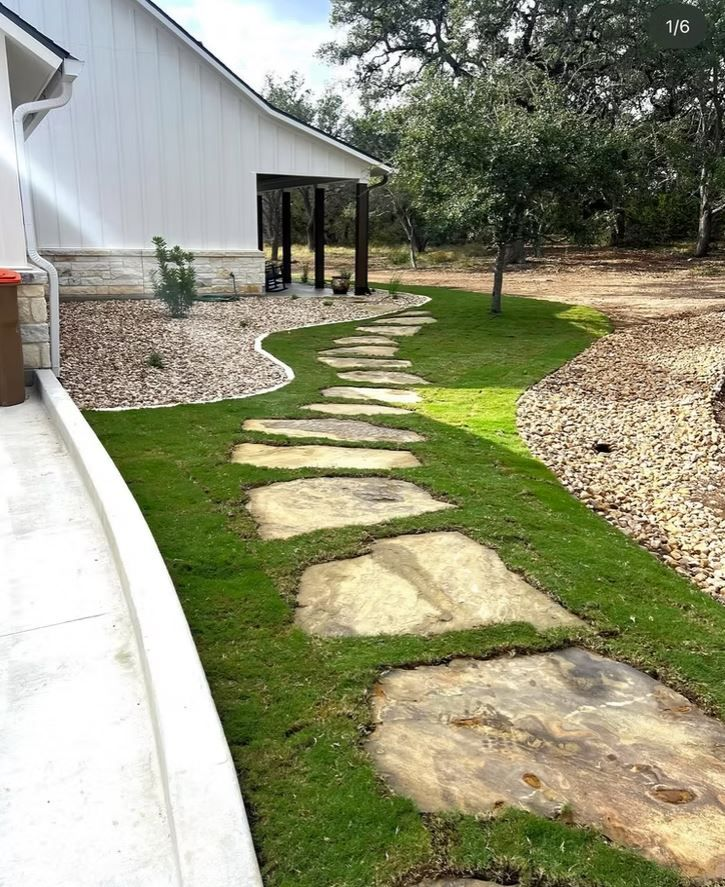
Spacing large flagstones across a grassy lawn provides a seamless connection between landscape features while maintaining visual openness. This technique reduces material needs and installation time while allowing for flexible path layouts. Stones can be arranged organically or aligned for a more structured look, depending on the style of the surrounding garden. For durability, each stone should be placed atop a compacted sand or gravel base to prevent shifting, and the lawn can be trimmed regularly to maintain visibility. This method works particularly well in transition areas—between patios and sheds, for example—where a full path may feel too rigid or excessive. Since turf continues between the stones, drainage remains intact and no major excavation is needed. Flagstone options like sandstone or slate offer natural tones that complement both manicured lawns and wilder planting beds. Regular foot traffic helps define the route, and the installation can be expanded or shifted as needed. Ideal for informal gardens, family yards, and minimalist designs, this solution keeps the landscape feeling open while still directing movement efficiently. With minimal investment and low environmental impact, it’s a functional yet unobtrusive design strategy for anyone seeking practical elegance on a modest budget.
Brick-&-Paver Mosaic Trail
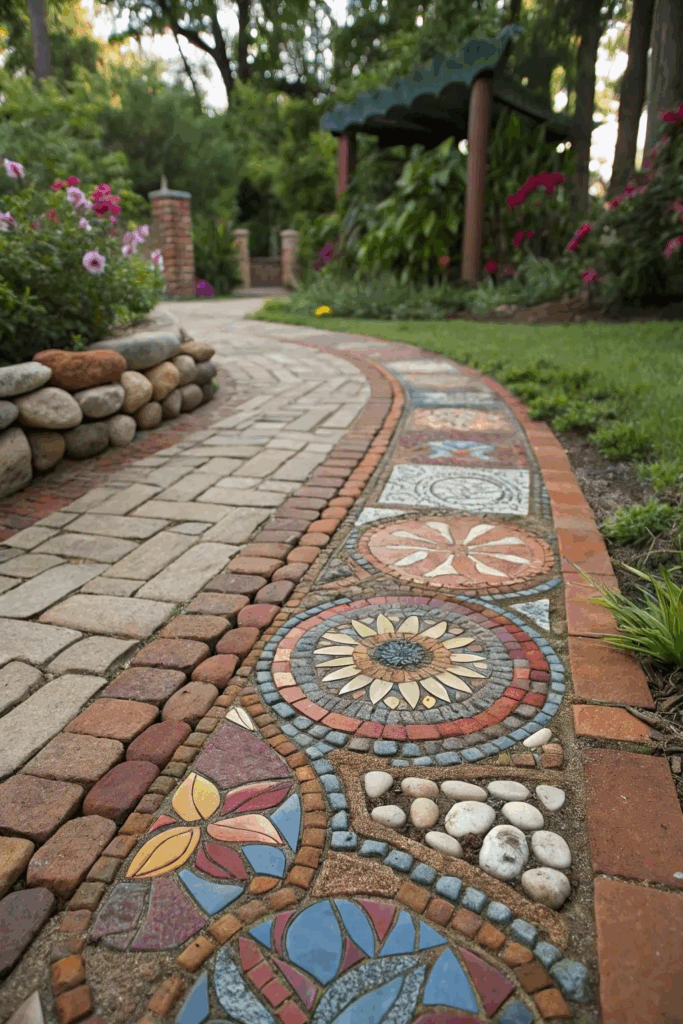
Repurposing mismatched bricks and concrete pavers results in a uniquely patterned trail with both character and resilience. This approach favors creativity, inviting gardeners to use salvaged materials from past projects or local giveaways. Lay out the design on bare ground or a leveled sand bed, interlocking the pieces like puzzle segments. Irregularities in shape and color bring personality, and the layout can reflect curves, diagonals, or even simple geometric shapes. Fill the gaps with sand, decomposed granite, or polymeric jointing material to lock everything in place. This technique thrives in gardens that blend formal and informal styles—think English borders, raised vegetable beds, or cottage-inspired plots. It allows for flexible sizing, whether you’re bordering a greenhouse or carving a winding trail through flower beds. Costs stay low since materials are often free or discounted, and the hand-laid process needs no special machinery. Even novice DIYers can install this over a weekend. The patchwork finish offers aesthetic variety while ensuring solid footing. Periodic sweeping and occasional gap refilling keep it tidy. Those seeking an environmentally mindful and budget-conscious pathway with standout visual appeal will find this method rewarding. Its hands-on, piecemeal construction invites personal flair in every footstep.
Classic Gravel with Metal Edging
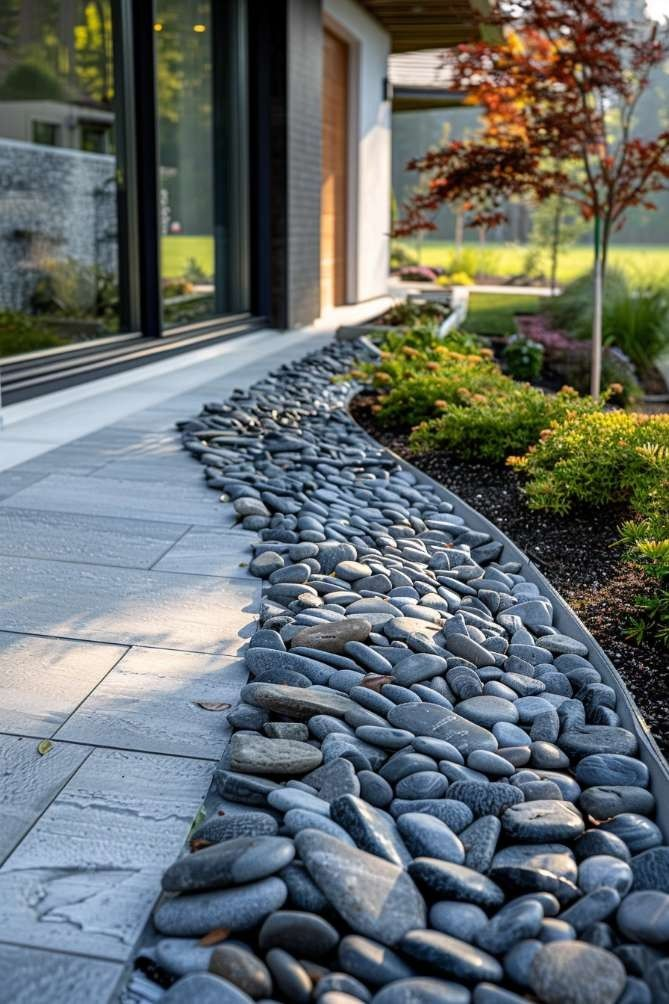
This no-fuss setup remains a favorite for good reason. Laying compacted gravel between steel or aluminum edging creates a clean, defined path that suits nearly every garden style—from modern xeriscapes to rustic plots. Begin by excavating a shallow trench and tamping the base, then install edging strips along both sides to contain the fill. Pour in gravel—pea, crushed limestone, or quartzite—and level it evenly. Fine gravel compacts best and stays underfoot, while larger stones add rugged texture. The edging keeps everything tidy and prevents migration into adjacent beds. Regular raking and weed barrier fabric beneath reduce maintenance significantly. Unlike poured materials, this path can be easily adjusted or expanded later. The design excels in narrow areas, L-shaped transitions, or utility routes alongside fences. Gravel’s permeability ensures drainage during rain, and its muted tones integrate effortlessly with most outdoor color schemes. For added contrast, consider using dark gray or black steel edging to frame lighter gravel. With proper installation, the results last for years with only seasonal top-offs. Ideal for budget-conscious homeowners who want structure without formality, this approach balances affordability, simplicity, and long-term usability. It’s a dependable classic that keeps paths clear, clean, and visually grounded.
Rubber-Tie Stepping Poles
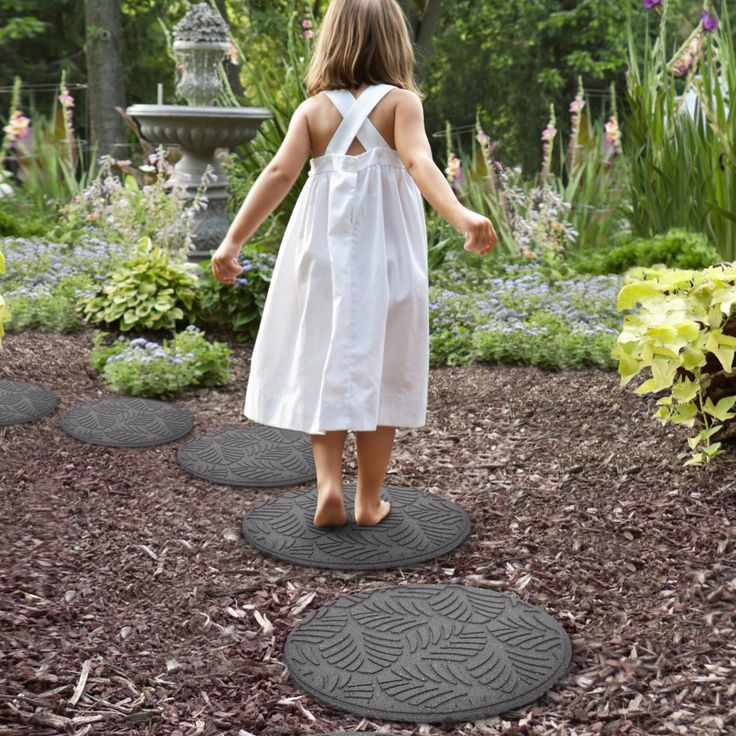
Recycling old rubber tires into functional stepping pads offers a quirky, sustainable solution for informal garden trails. By cutting tires into rounds or custom shapes, you can create a sequence of cushioned, weatherproof treads. These make excellent walkways in children’s play areas, school gardens, or casual backyard plots where texture variety adds character. Embedded slightly into soil or gravel, the rubber discs stay in place without adhesives or complex prep. Paint them with outdoor-safe colors or leave the black matte for an industrial edge. Since tires resist rot, moisture, and pests, they perform reliably year-round and need little upkeep. Gaps between steps can be filled with wood chips, sand, or grass depending on your garden style. The surface remains grippy when wet—ideal for safety-conscious paths. For extra security, landscape pins or gravel anchoring can stabilize each piece. This technique invites creative arrangement—spirals, offset trails, or straight-line runs—all achievable on a minimal budget. Schools, eco-gardeners, and repurposing enthusiasts will appreciate its functionality and environmental value. With a bit of elbow grease and vision, discarded tires transform from landfill fodder into a charming and sturdy garden path—making sustainability visible right underfoot.
Recycled-Brick & Mulch Cottage Path
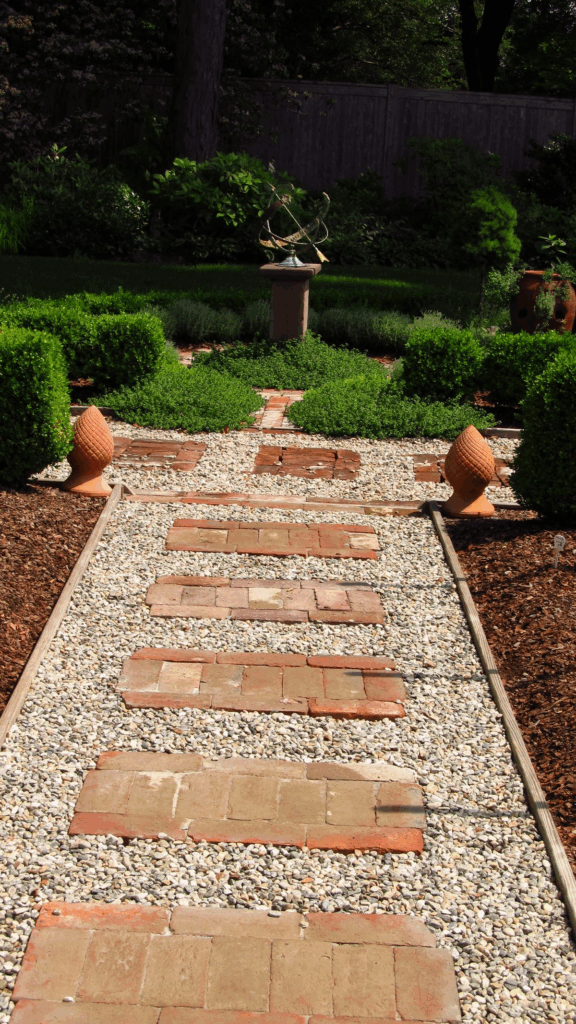
Pairing aged bricks with natural mulch forms a charming, low-maintenance trail fit for cottage gardens or shaded borders. Bricks act as durable stepping zones while mulch provides cushioning and organic contrast. Start by digging shallow trenches or defining the route with rope outlines. Alternate sections or rows of bricks with thick mulch patches—cedar or bark chip works best for durability and weed suppression. A layer of weed fabric below ensures longevity and keeps the mulch from thinning out too quickly. The bricks can be laid in herringbone or basketweave patterns, or simply spaced irregularly for a relaxed look. Their worn patina pairs well with wildflowers, hostas, or ferns that naturally overgrow the edge. This setup is highly adaptable for curved layouts and narrow side yard passages. Maintenance involves replenishing the mulch annually and sweeping off the bricks as needed. It’s an affordable, breathable surface with high visual payoff and excellent walkability. Ideal for DIY gardeners who prioritize aesthetic warmth and natural textures, this method offers a storybook look without professional installation costs. Each footstep reveals contrast—solid permanence from brick and soft grounding from mulch—a combination that speaks to both practicality and timeless rural charm.
DIY Faux-Stone Pourable Molds
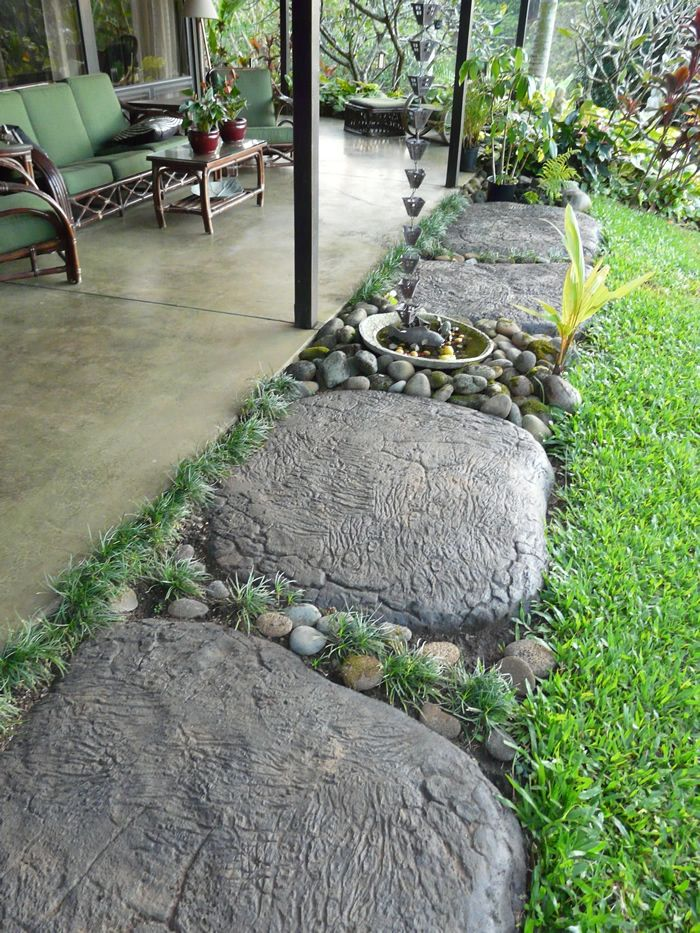
Concrete molds offer the illusion of natural stone at a fraction of the price. Pre-shaped templates allow DIYers to pour quick-set concrete into repeating stone-like patterns—ideal for walkways that look custom but remain budget-friendly. These plastic or silicone molds can be reused multiple times, letting homeowners create consistent results across any garden route. Pour the mix into the mold over a flat surface layered with sand or compacted gravel, then lift and reposition. For added realism, tinted concrete or surface stains replicate the earthy tones of slate, sandstone, or granite. Each segment fits snugly into place and cures quickly, offering a hardwearing surface that mimics the organic look of real quarried pieces. No special machinery is needed beyond basic mixing tools, and the result stands up well to weather and traffic. This path style suits formal gardens, suburban plots, or side entries where a polished look is desired without real stone’s labor or cost. Regular sealing extends its lifespan and prevents moss or cracking. With thoughtful coloring and smart arrangement, this method delivers custom appeal and structural reliability. It’s a practical, satisfying project for budget-conscious homeowners who want stone’s charm minus the financial and logistical weight.
Wood-Beam & Gravel Rustic Route
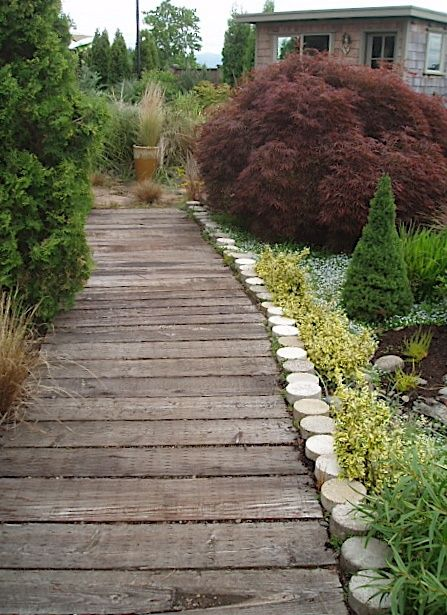
Old railroad ties or salvaged timber beams form the backbone of this rustic path style. Each beam acts as a side rail or embedded step, while gravel fills the central walking zone for texture and stability. Begin by placing the beams in parallel lines to define the trail edges or individual stair steps. The spacing in between is then filled with compacted gravel or decomposed granite to provide a walkable, well-draining surface. Timber provides visual weight and earthy character—ideal for woodland gardens, raised vegetable beds, or rural backyard settings. Wood can be treated or left raw depending on aesthetic preference; reclaimed options often come pre-aged with darkened grain and worn edges that blend into natural surroundings. Gravel color can contrast or coordinate with nearby hardscaping. This method is best suited for sloped areas or zones needing slight elevation transitions. Over time, minor maintenance may include realigning beams or topping off gravel. Easy to install and expand, this layout combines structure and loose fill for a grounded but informal result. It delivers both function and organic beauty while recycling materials often found at demolition sites or landscape salvage yards. For garden designers aiming to soften edges while defining space, this trail balances ruggedness with grounded simplicity.
Wood-Chip Newspaper-Lined Mulch Trail
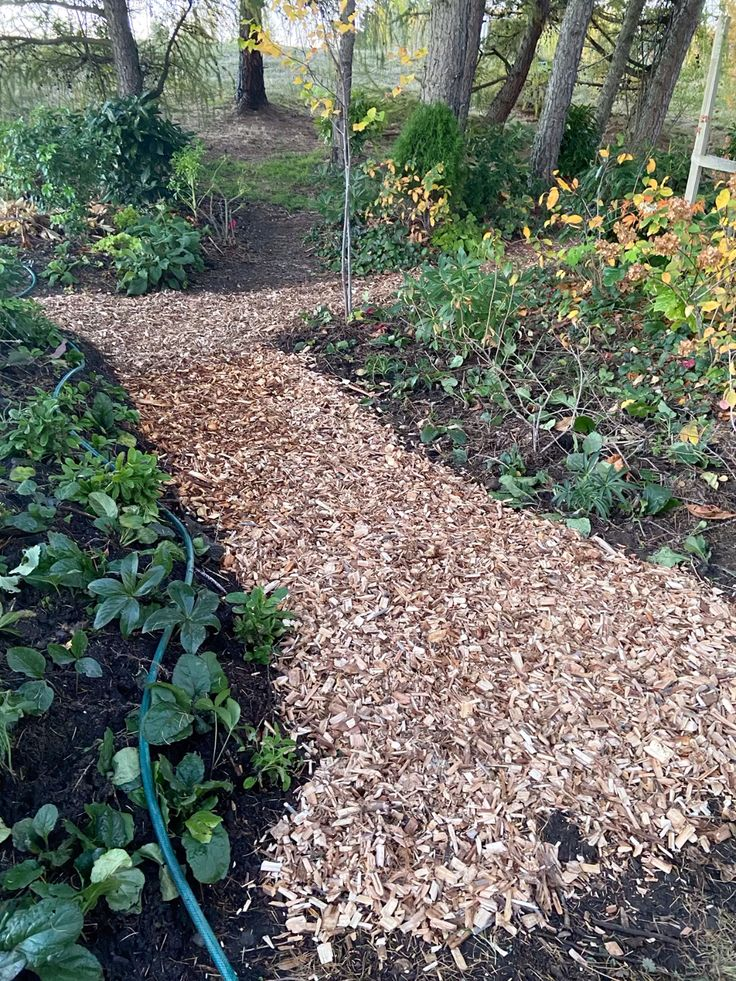
Layering newspaper beneath wood chips offers a highly affordable and weed-resistant garden trail option, especially in densely planted zones. Begin by raking the soil level, then cover the area with several sheets of newsprint, overlapping each layer generously to block sunlight. Once in place, top with 2–3 inches of wood chips, ensuring full coverage. The newspaper breaks down naturally over time while suffocating weed growth, and the mulch insulates roots and retains moisture along the trail’s border. This is ideal for quick DIY installations between raised beds, backyard sheds, or compost bins where full paths might be unnecessary. As the mulch compacts, the walking surface firms up but remains soft and barefoot-friendly. For extra structure, wood planks, small logs, or stones can edge the trail to hold everything in place. Maintenance is simple: top off mulch annually and refresh newspaper layers if weeds begin surfacing. The path’s organic look blends beautifully with edible gardens, native landscapes, or low-maintenance backyards. It’s a zero-concrete, zero-dig approach that suits budget-sensitive gardeners aiming for natural, non-toxic, and rapidly installable walkways. With minimal investment, it helps define traffic zones, reduce weed spread, and complement any casual garden layout with earthy charm.