
Budget limitations shouldn’t stop anyone from enjoying vibrant greenery or stylish plant displays. With just a few everyday materials and a touch of creativity, you can build planters that look high-end but cost next to nothing. From upcycled containers to DIY hacks using buckets, baskets, or old drawers, low-cost options can offer durability, charm, and space-saving convenience. These solutions are perfect for renters, small-space dwellers, or anyone looking to garden without overspending. Whether you’re growing herbs, succulents, or decorative blooms, there’s an affordable planter idea to match your needs. Read on for smart ways to upgrade your garden without breaking the bank.
Tin‑Can Herb Towers
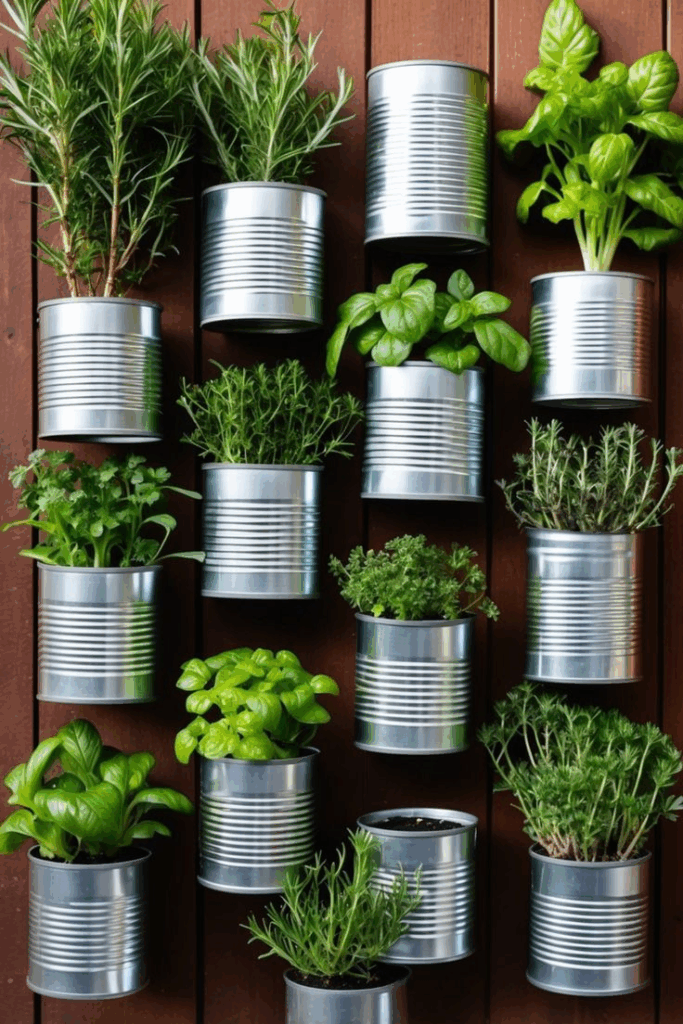
Old food tins often become landfill waste, but with a few drainage holes and stacked creativity, they can flourish into productive herb towers. By vertically securing tin cans with a central wooden dowel or metal rod, even the smallest balcony or patio can support a tiered herb garden. This method reduces floor clutter and allows sunlight to reach all levels evenly. Each can is ideal for growing herbs like basil, thyme, or parsley, which thrive in confined root spaces. The exposed metal can be painted or left raw for an industrial garden touch. Lining the cans with mesh before filling them with soil prevents root rot and improves airflow. To avoid rusting over time, consider sealing the exterior with clear weatherproof spray. These compact towers are easy to rotate for sun exposure and simple to water from the top down, letting gravity distribute moisture. Urban gardeners love the functionality, while DIY lovers appreciate the customization options. Whether placed indoors near a kitchen window or outside on a stoop, this project maximizes space with style. It’s proof that vertical gardening doesn’t require expensive materials—just a few forgotten tins and a practical layout.
Boot‑Rack Bloom Line‑Up
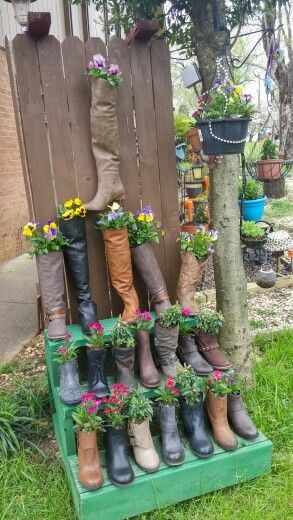
Unused boot racks can be reimagined into quirky, space-saving vertical planters. Instead of storing muddy shoes, each tier cradles potted plants or directly holds filled grow bags. The angled shelves offer excellent drainage, preventing water buildup and root rot. This makes them ideal for herbs, pansies, or small trailing vines like petunias. Most boot racks come in rust-proof metal or durable plastic, which holds up well in outdoor environments. With minimal effort, you can spray-paint them for a unified garden look. Adding coconut fiber liners or coir sheets softens the industrial feel and retains moisture while maintaining airflow. These racks work perfectly along walls, fences, or narrow patios where traditional planters won’t fit. They’re portable and lightweight—easy to move with the sun or seasonal change. In small urban areas where space is limited, this unconventional setup provides ample planting real estate while standing upright. Its tiered design ensures each plant gets adequate light without overcrowding. Repurposing household items like boot racks not only reduces waste but offers a clever gardening solution on a shoestring budget. This idea blends upcycled charm with practical gardening needs, ideal for renters or budget-conscious green thumbs.
Vinyl‑Record Bowl Succulent Dish
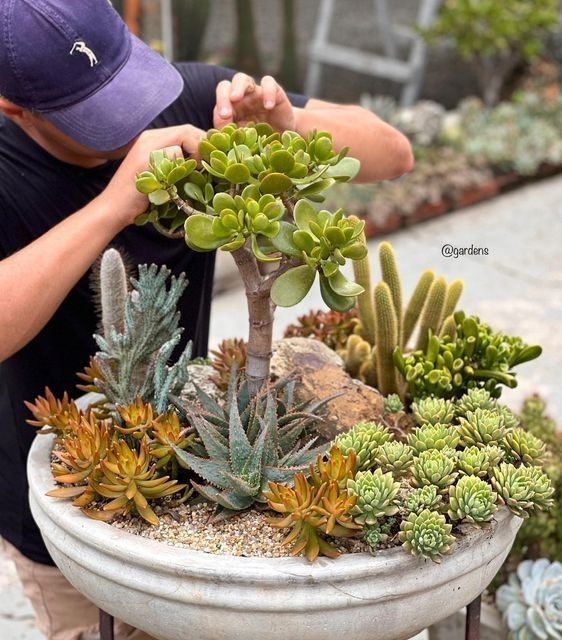
Heat-warped vinyl records may be unplayable, but they can spin back into use as uniquely shaped succulent bowls. Once softened using a low oven temperature, vinyl bends easily into dish-like forms, giving each planter a one-of-a-kind appearance. After cooling, the grooves add unexpected visual texture, and the curved edges cradle soil and pebbles snugly. Drilling small drainage holes at the base is key for healthy succulent roots. These bowls are best suited for dry-loving plants like echeveria, haworthia, or sedum, which thrive in shallow containers. Lightweight and retro in vibe, they’re perfect for window sills, coffee tables, or desktops needing a punch of personality. Spray-painting the exterior or using decoupage can further customize the look. This idea appeals to music lovers, thrifters, and eco-conscious decorators alike. While not suited for heavy watering or outdoor exposure, the vinyl adds a chic, vintage-inspired accent indoors. It’s a practical way to recycle old records without sending them to the landfill. For anyone looking to mix nostalgia with functionality, turning vinyl into succulent planters offers a visually engaging and sustainable gardening solution that’s as stylish as it is affordable.
Plastic‑Bottle Hanging Wall
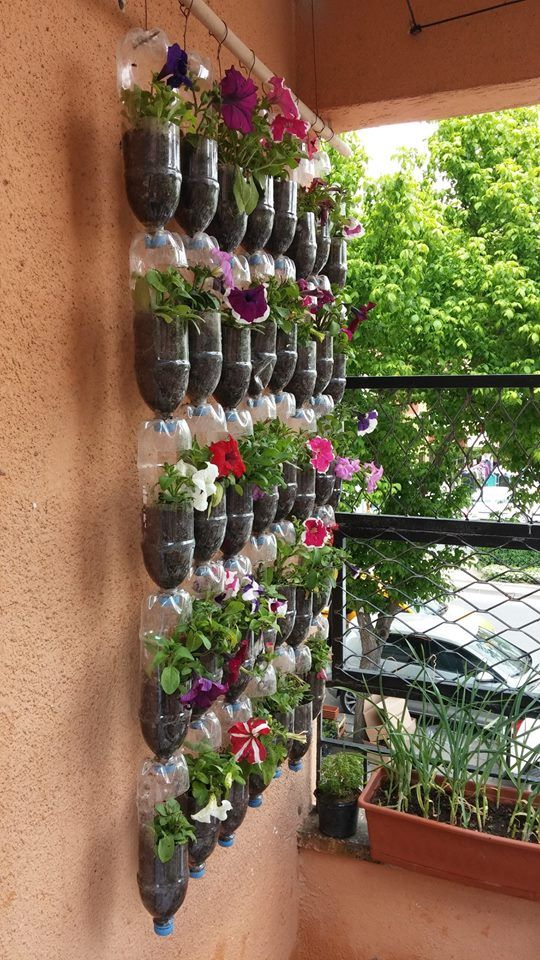
Repurposing plastic bottles into vertical wall planters solves two problems at once: garden space shortage and plastic waste. Sliced horizontally or with a side cut, these bottles become perfect cradles for small leafy greens, trailing flowers, or herbs. Mounted onto a wooden pallet, wire grid, or directly onto a wall using hooks or twine, they instantly transform a blank surface into a lush vertical garden. Drainage holes must be added at the base to prevent soggy roots. For consistent moisture control, consider filling the bottom with a layer of pebbles before adding soil. These upcycled planters work exceptionally well for crops like mint, arugula, or lettuce, which don’t require deep roots. Clear plastic also lets you monitor soil dryness visually. Painting the bottles adds color and protects roots from direct sunlight. Ideal for balconies, school projects, or tight backyards, this setup proves gardening doesn’t demand new containers. It only takes a few reused bottles and wall space to turn trash into growth. The vertical format improves airflow and sunlight exposure while keeping everything within easy reach. This sustainable DIY wall is both visually appealing and highly functional for eco-conscious gardeners.
Coffee‑Bag Grow Sacks
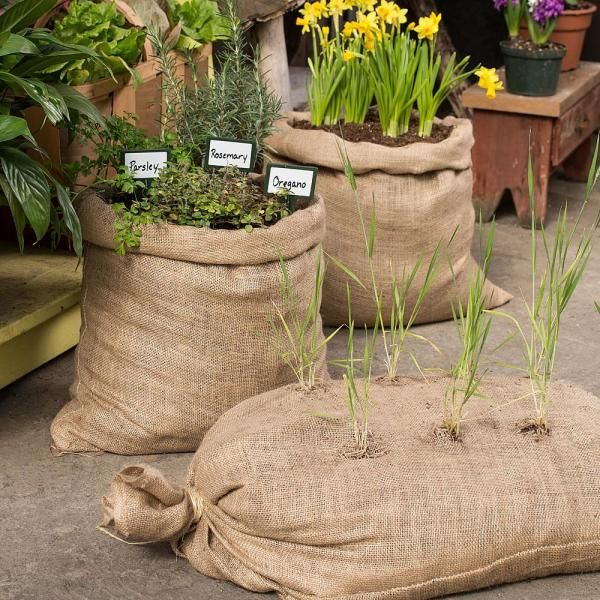
Used jute coffee bags can easily double as breathable grow sacks perfect for root vegetables and compact flower beds. Their natural fibers promote drainage and root aeration, which helps prevent waterlogging—making them ideal for potatoes, carrots, or even salad greens. Simply fold the top edge down to strengthen the rim and fill with rich potting mix. For added durability, line the bottom with a layer of gravel. These sacks can be arranged on patios, staircases, or porches, bringing a rustic, farmhouse vibe to any outdoor space. Their porous nature supports healthy root development while keeping the growing medium well-oxygenated. Best of all, coffee sacks are often available free from local cafes or roasters, keeping startup costs minimal. They’re biodegradable, so once they wear down, they can be composted or repurposed in other garden uses like weed barriers. Whether stacked in tiers or placed side-by-side, this low-cost method supports both sustainability and productivity. Ideal for renters or mobile gardeners, grow sacks are portable and easy to rearrange as needed. With minimal effort, these reclaimed bags offer a vintage-inspired and practical alternative to store-bought grow pots, perfectly suited for seasonal planting on a tight budget.
Colander Color‑Pop Basket
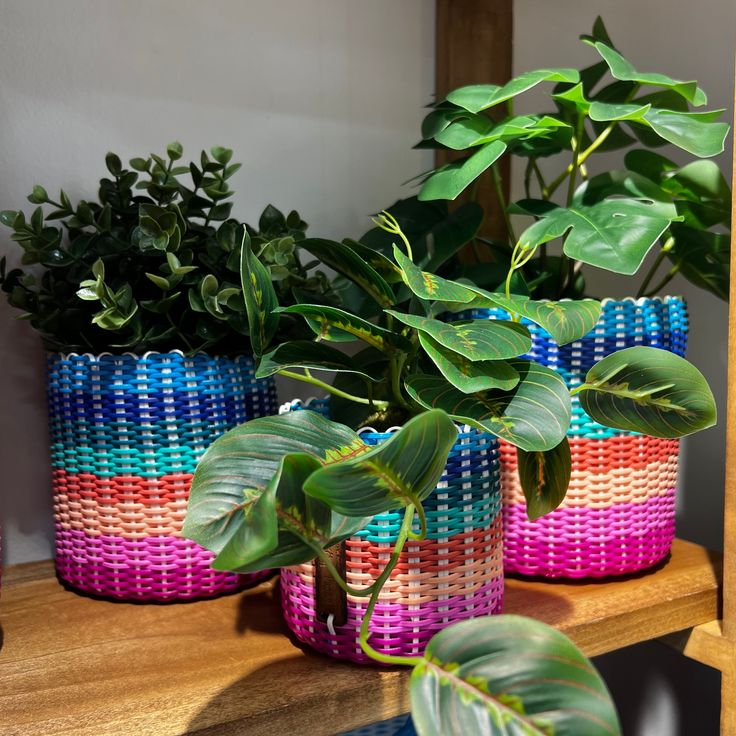
Kitchen colanders that are no longer in use make brilliant budget-friendly planters with built-in drainage. Their perforated design eliminates the need for drilling holes, and their wide, shallow shape is ideal for herbs or flowering annuals like pansies and marigolds. Brightly colored colanders add instant visual flair to patios, balconies, or window ledges, especially when hung with sturdy chains or mounted onto fences. Lining the interior with coconut coir or landscape fabric keeps the soil contained while maintaining airflow. For a quirky cottage feel, mismatched colanders from thrift stores or flea markets work perfectly. Lightweight yet durable, they’re easy to move with shifting sunlight or seasonal needs. This planter option is not just functional—it’s a conversation starter that adds charm to any garden nook. Whether arranged on tiered stands or suspended in vertical clusters, colanders bring both color and convenience. The upcycling aspect also supports waste reduction while offering a practical planting solution. Their affordability, simplicity, and visual punch make them an excellent option for budget-conscious gardeners looking to grow herbs or blooms in limited spaces with plenty of style. It’s a creative way to give new life to forgotten kitchenware while elevating everyday greenery.
Ladder Shelf Planter
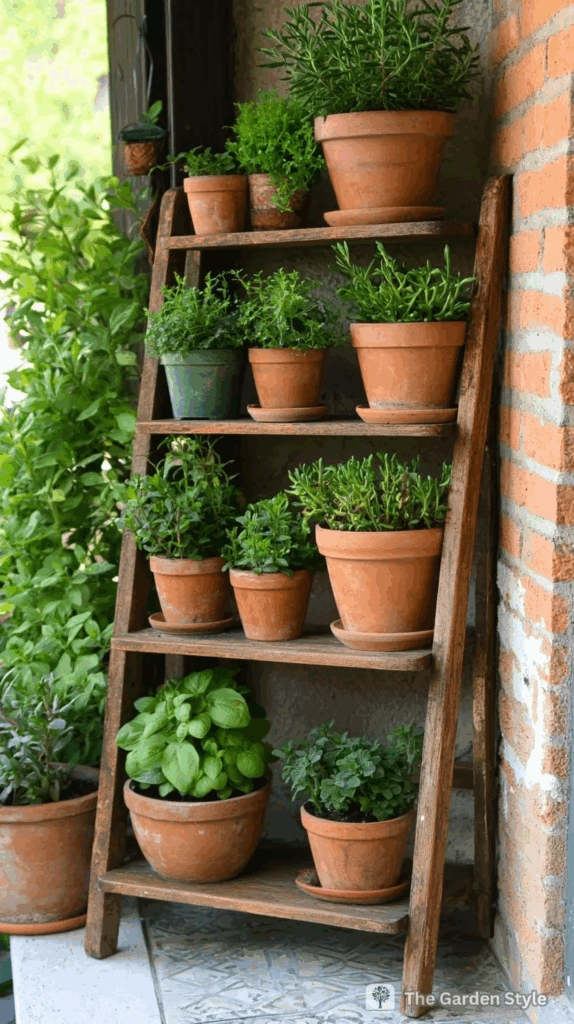
An unused ladder—wooden or metal—can quickly become a dynamic planter display when leaned securely against a wall or fence. Each rung acts as a tier for potted plants, mason jars, or woven baskets filled with flowers and greenery. This makes the setup perfect for growing herbs, ferns, or low-maintenance succulents while saving floor space. Gardeners can stagger different pot sizes to create depth and variation, turning a bare corner into a green focal point. For outdoor use, applying a weather-resistant sealant helps the structure withstand sun and moisture. Indoors, it doubles as a farmhouse-chic display piece for houseplants. Ladder planters are incredibly adaptable—you can easily repaint, distress, or stain them to match your decor. This vertical format also ensures each plant gets ample light, improving growth and minimizing crowding. Ideal for renters or those short on ground space, the entire structure remains movable and doesn’t require any drilling or wall damage. Combining function with rustic aesthetics, this idea transforms a simple utility item into a stylish garden solution. It’s a budget win for anyone wanting to experiment with vertical gardening without investing in new materials or complex setups.
Drawer Box Flower Cubes
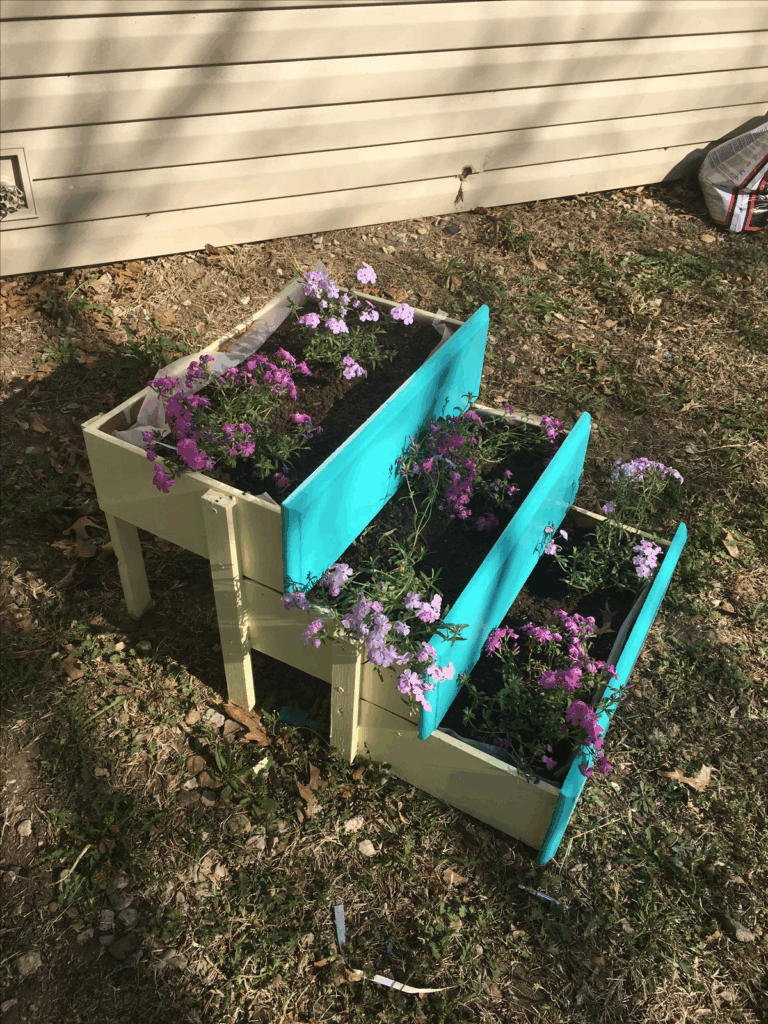
Old drawers from discarded dressers or nightstands make excellent cube-style planters with just a bit of prep. Once lined with plastic sheeting or landscaping fabric to prevent leaks, these deep wooden boxes can be filled with soil and used for a variety of plants—from trailing ivy to colorful petunias. Their boxy shape makes them stackable, and they sit well on patios, steps, or garden corners. Drilling a few drainage holes at the bottom ensures healthy root systems and prevents overwatering. Painting or distressing the wood adds personality and weather protection. For an eclectic look, stack drawers at angles or mix styles and finishes. This DIY method is particularly effective for those seeking decorative solutions with zero cost—especially if the drawers are salvaged from curbside finds or junk furniture. The depth of the drawer allows for root crops or compact vegetables like lettuce and radishes. Their sturdiness keeps them grounded even in breezy spots, and they can be moved seasonally without disassembly. Using drawer boxes to grow flowers or edibles offers a vintage charm and a creative reuse solution for gardeners who want something unique and functional without spending extra on traditional planters.
Chair‑Seat Bloom Stool
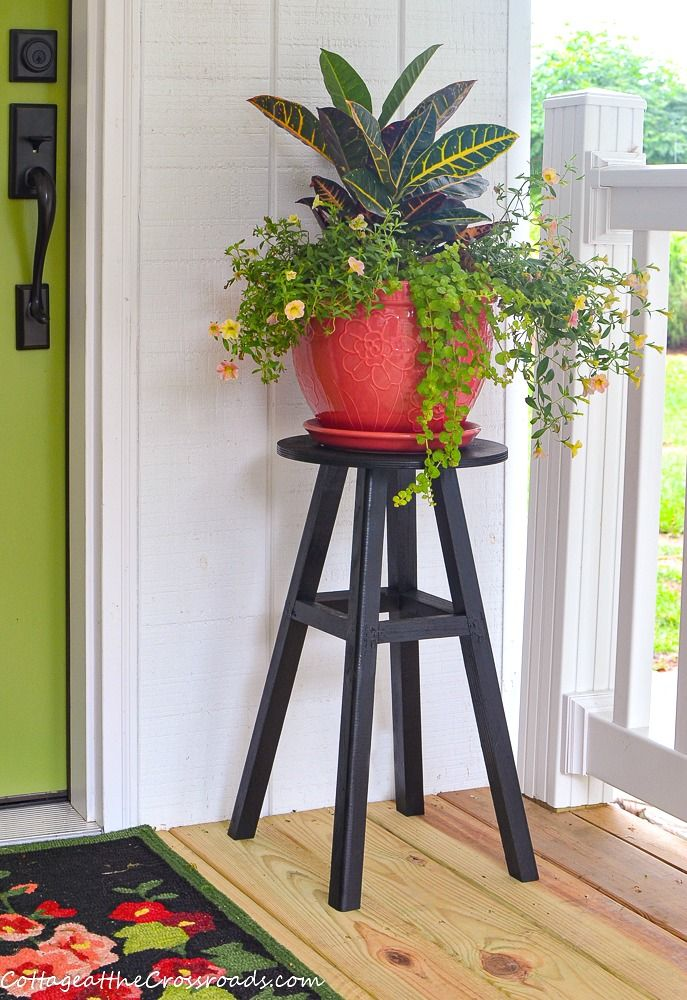
Repurposing an old chair into a unique garden planter adds instant character to any outdoor or porch setting. By removing the seat and replacing it with a flower pot or lining it with landscape fabric filled with soil, you transform a common household item into a blooming focal point. This method works well for shallow-rooted flowers like begonias, pansies, or creeping thyme. Wood chairs offer rustic appeal and can be painted for seasonal color or weatherproofing. Metal chairs, on the other hand, lend an industrial touch that complements modern spaces. To prevent tipping, it’s best to position the chair on flat surfaces or secure it in garden soil. If placing on a porch, a felt pad or rubber stopper keeps it stable. With its elevated base, this planter keeps blooms visible and away from pests like slugs or snails. Gardeners can further embellish the piece with stencils or hand lettering for a personalized flair. The overall effect is both functional and decorative, offering a second life to worn-out furniture. Best of all, this approach keeps materials out of landfills and adds a whimsical, artistic element to any small-space garden or patio corner.
Five‑Gallon Bucket Paint‑Dip Pots
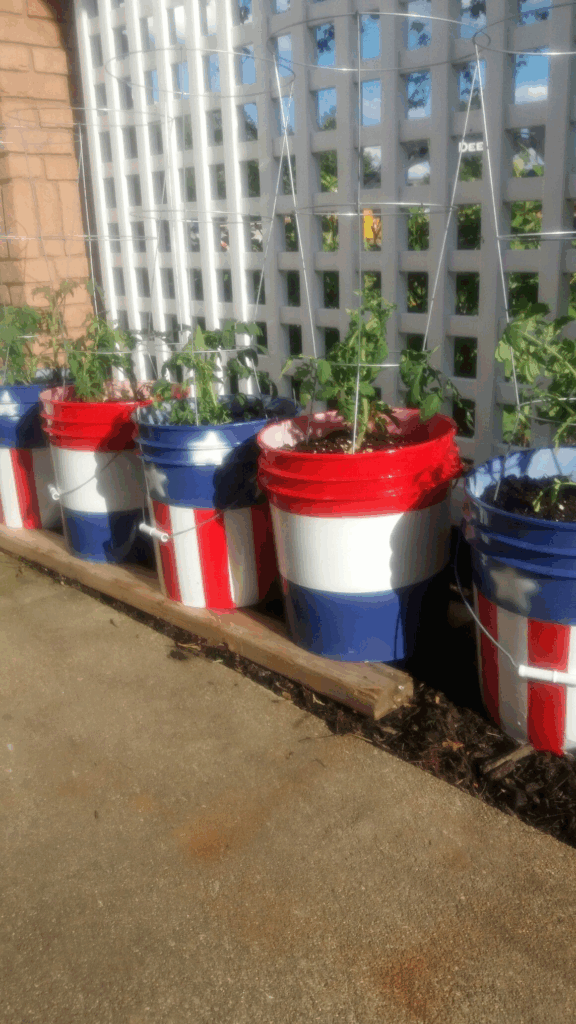
Standard five-gallon buckets, often used for construction or cleaning, can be upcycled into bold statement planters with a touch of creativity. A quick paint-dip technique—submerging the bottom third of the bucket in outdoor-grade paint—creates a trendy color-blocked look without much effort. These containers are spacious enough for small trees, tomatoes, or bushy herbs like basil and mint. Drilling drainage holes at the base is essential to prevent root rot. Handles make them easy to reposition as needed, and lids (if included) can double as plant saucers. For durability and style, consider applying a clear sealant over the painted area. Buckets can also be grouped together in gradients or contrasting tones for visual impact. Their uniform size makes them ideal for lining pathways or fencing borders with a polished yet budget-conscious effect. While functional for larger plants, they can also serve as cluster containers for seasonal flower displays. This solution appeals to gardeners looking for durability, size, and design flexibility without premium price tags. By transforming utilitarian buckets into customized pots, it becomes easy to build a cohesive planting system that works both aesthetically and practically—especially in backyard gardens or balconies.
Tyre Tower Strawberry Stack
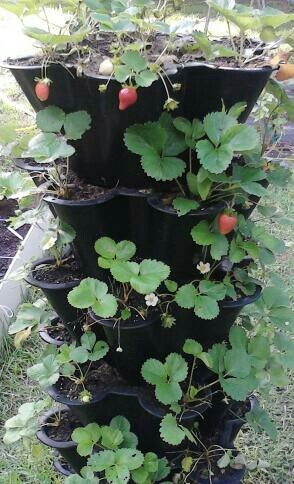
Stacking used car or bike tires creates an incredibly effective growing column for strawberries and shallow-rooted herbs. Each tier can be filled with soil and cut with pockets along the sides for additional planting space, optimizing both horizontal and vertical growth. The black rubber naturally absorbs and retains warmth, encouraging early fruiting in cooler climates. To minimize water runoff and soil compaction, layering weed fabric or straw between tiers improves drainage. Painting the exterior in cheerful colors transforms an otherwise industrial look into garden art. This stackable method allows for efficient harvesting—no need to bend or kneel. It’s perfect for patios, driveways, or any hardscaped area lacking in-ground options. Most importantly, tires are widely available for free from service stations, making this a nearly no-cost planter build. With careful assembly and a central stake for stability, the tower becomes a productive space-saving structure ideal for urban gardeners or those working within tight boundaries. This approach reflects both eco-conscious reuse and a practical design that boosts yield per square foot. For anyone wanting lush berry patches without sprawling garden beds, this tire stack delivers on productivity, style, and affordability.
Wine‑Crate Window Boxes
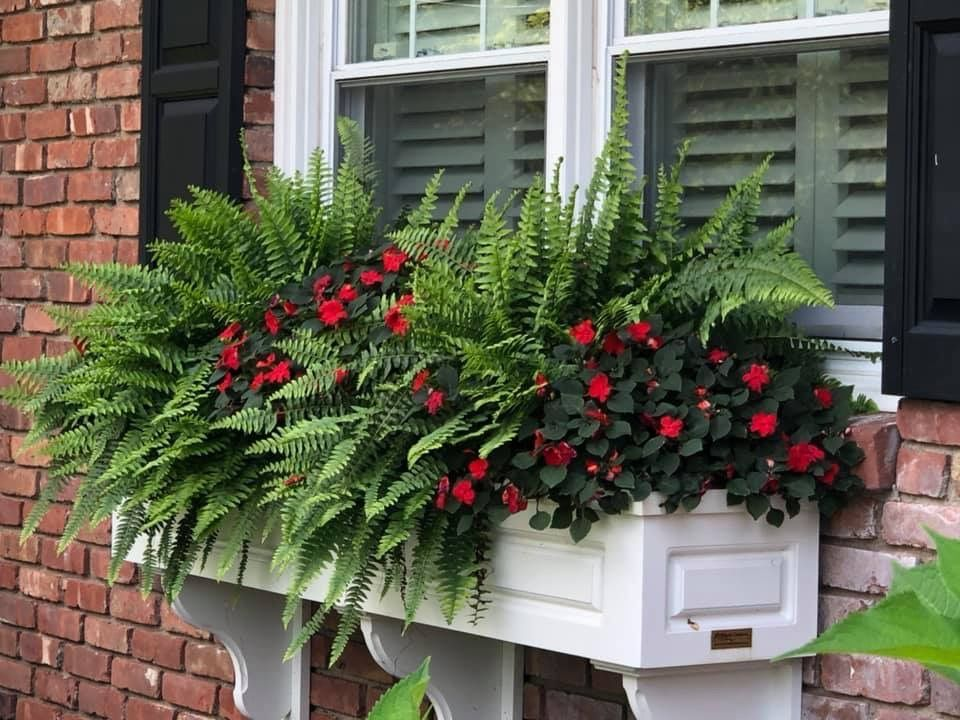
Reclaimed wooden wine crates make rustic, budget-friendly window boxes that blend charm with utility. Their sturdy construction supports a range of flowers, herbs, or small vegetables. After lining the interior with landscape fabric and drilling several drainage holes, the crates are ready to be filled with soil. Herbs like chives, oregano, or parsley thrive in the shallow but wide growing space. For aesthetic appeal and longer durability, applying a weatherproof wood sealant helps protect against moisture and sun exposure. These crates can be mounted directly to windowsills, railings, or balcony edges using basic brackets or hooks. Their uniform shape and size make it easy to arrange multiples in a row for a cohesive garden look. Custom stencils or chalkboard labels add a personalized touch while distinguishing what’s planted. Ideal for renters or budget-conscious decorators, wine crates combine functionality with upcycled beauty. Their natural wood grain pairs effortlessly with nearly any home style—whether modern, farmhouse, or industrial. Best of all, they can be sourced affordably from local liquor shops or grocery stores. With a few modifications, wine crates become highly efficient planters that turn window views into vibrant, edible displays.